Skip to product information
1 of 16

OSCAR SHORTS

OSCAR SHORTS

Filled Circle
Filled Circle
Filled Circle
Empty Circle
Empty Circle
Regular price €6,95 EUR
Regular price Sale price €6,95 EUR
Sale Sold out

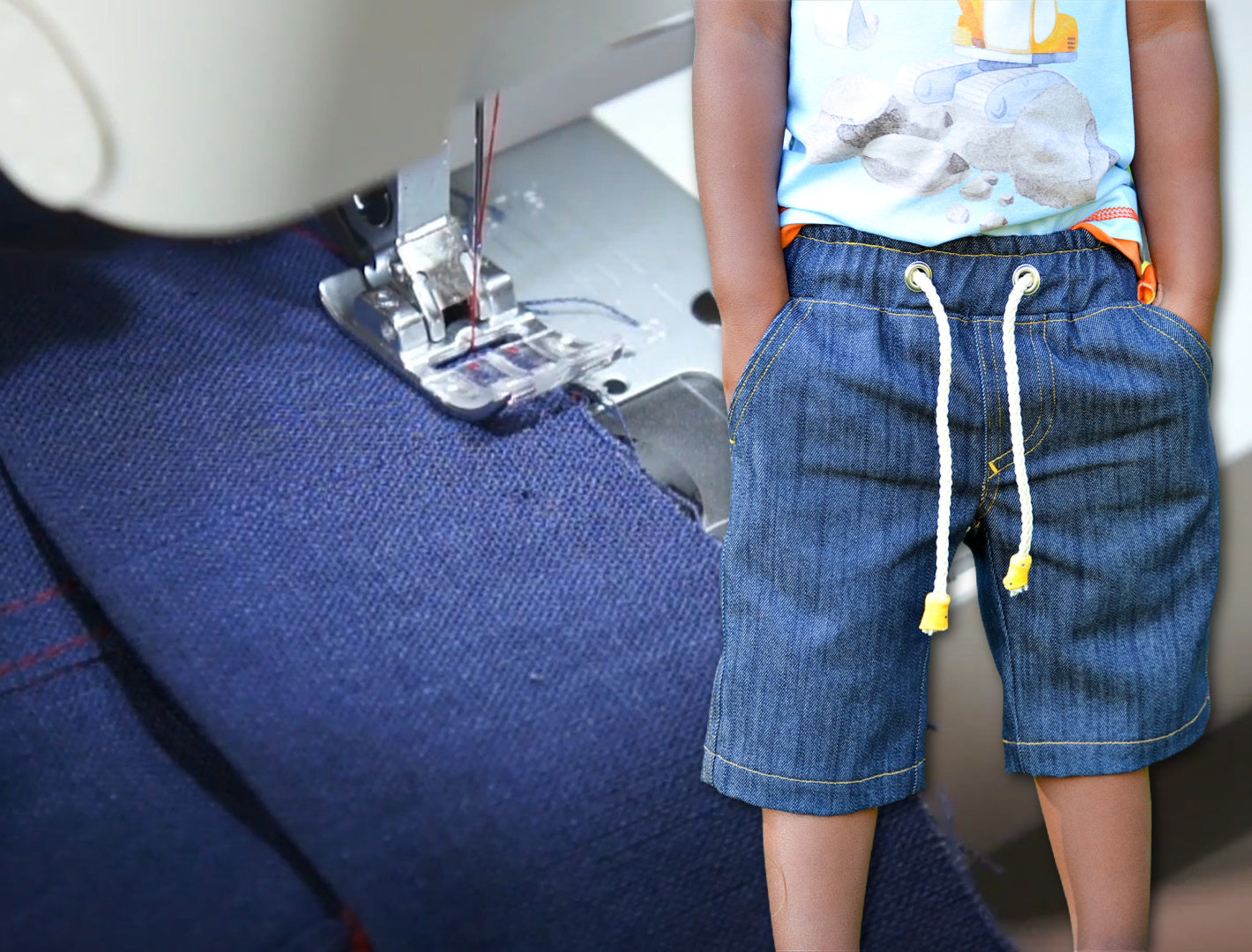
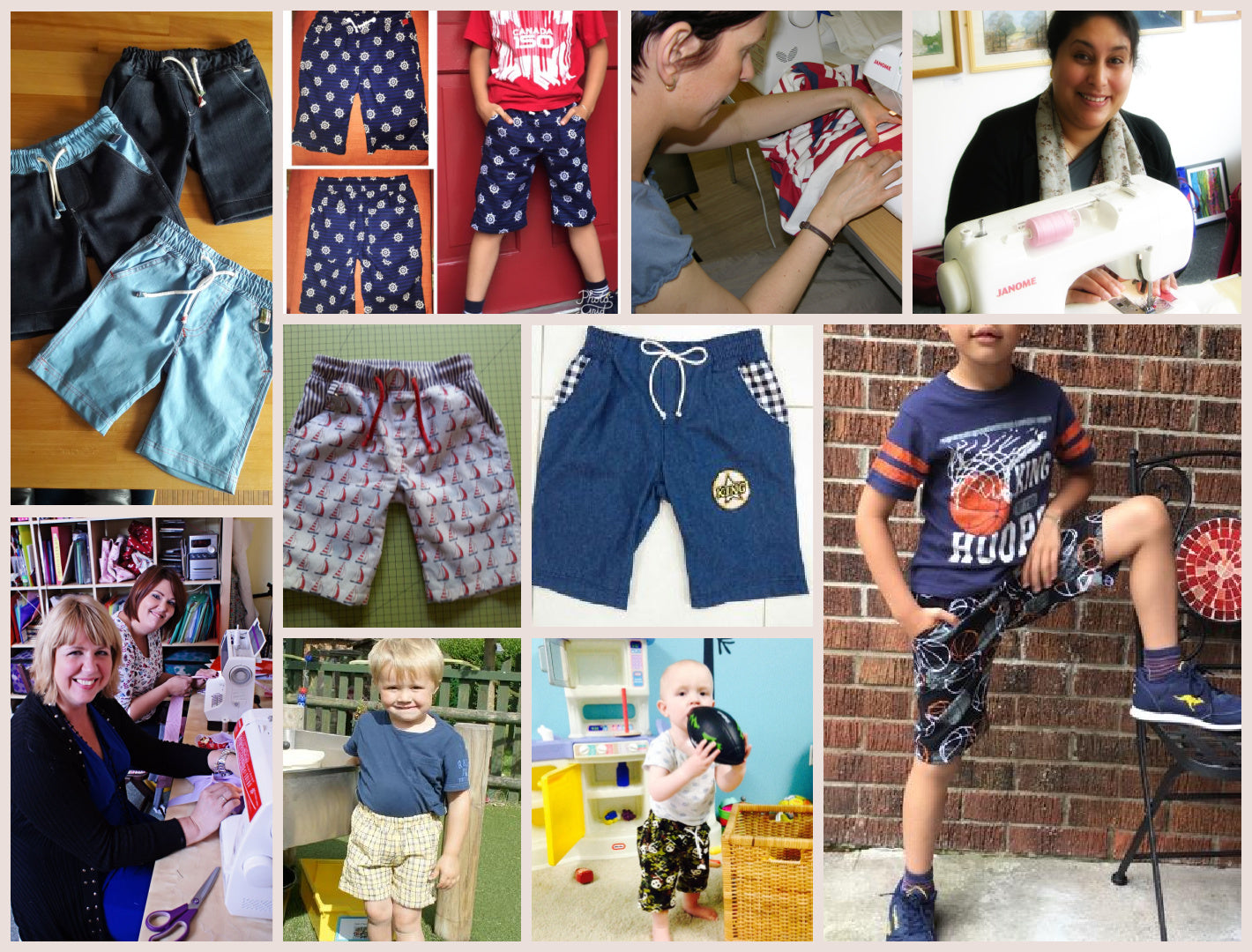
Oscar has been Marina’s best‑selling boys shorts sewing pattern for years — and it’s easy to see why. One customer said it best: “They don’t fit like pyjamas!”

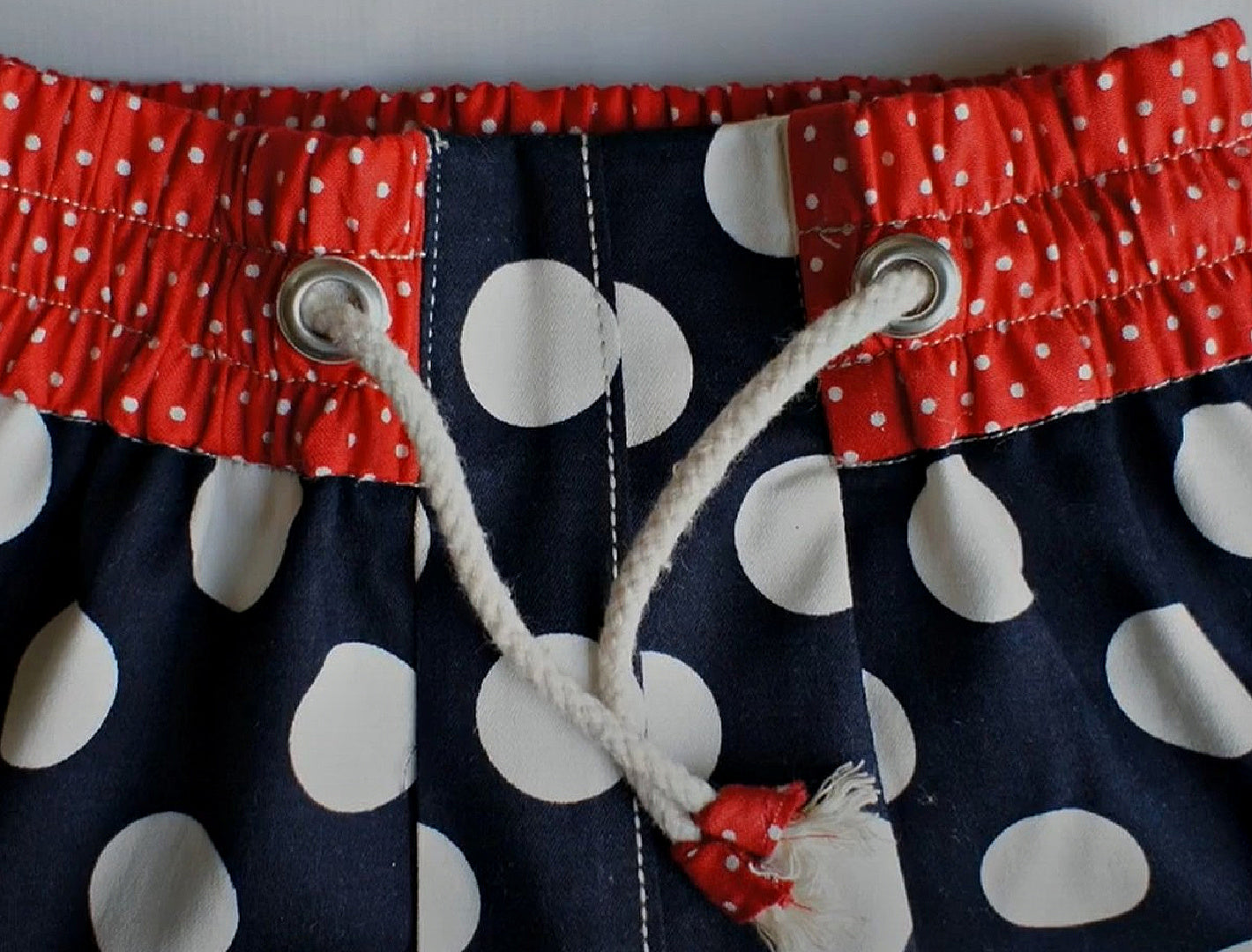
He slips on easily with his comfy elastic waist, features an adjustable waistband with eyelets and a pull cord, and keeps treasures safe with deep side pockets and sturdy back patch pockets.

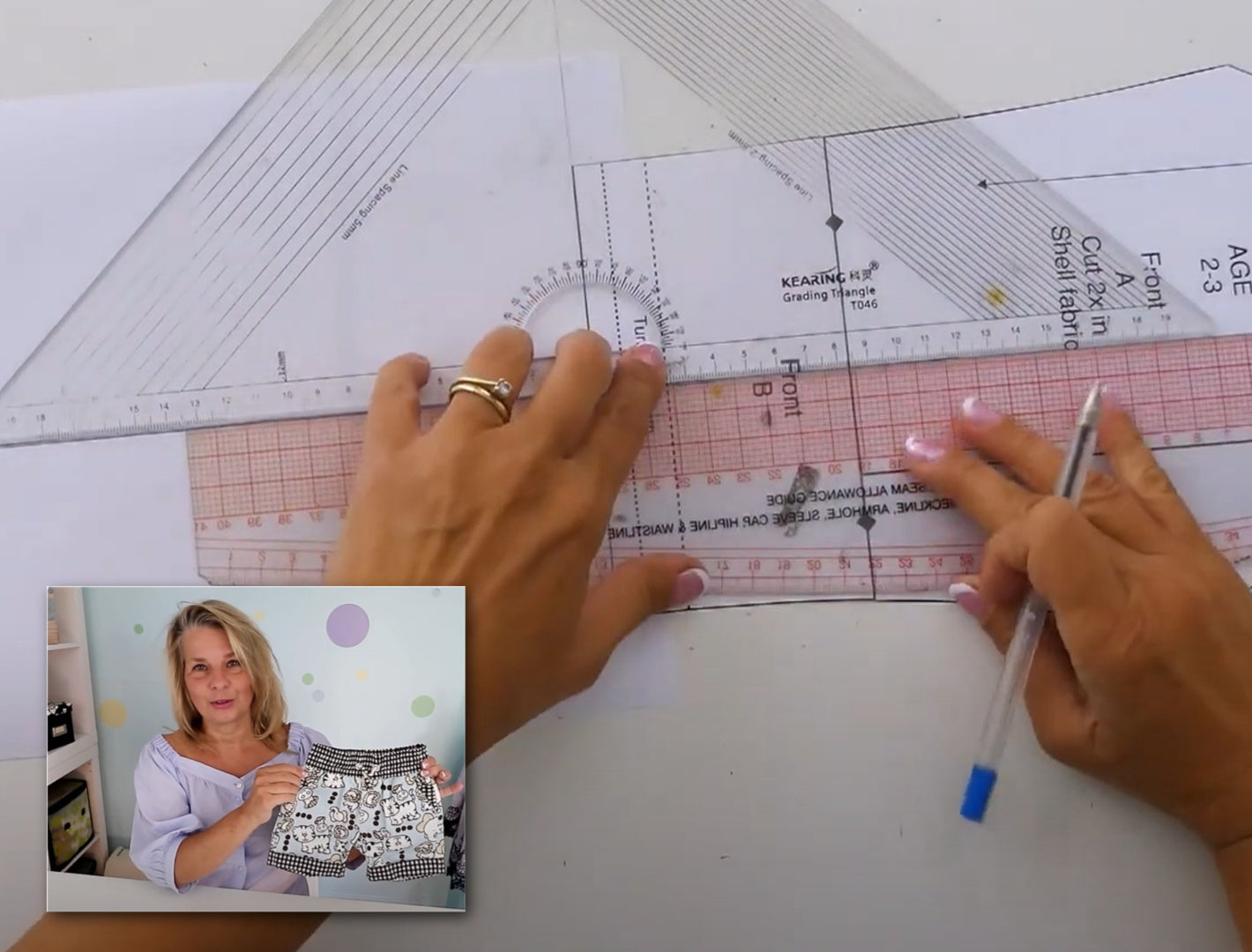
These Bermuda‑length shorts aren’t a quick sew — there are lots of lovely details — but they’re absolutely worth the effort. Oscar also comes with free video tutorials right on this page, including one showing how to lengthen shorts… so pyjama bottoms might just become your next favourite project.

Pattern Download Includes

  • Instant Download
  • DIN A4 & US Letter Size
  • Individual PDF files for every Size
  • All Sizes included
  • Detailed eBook
  • Video Tutorials

Design Options

  • Faux zipper flap
  • Adjustable elastic waist
  • Eyelet drawcord 
  • Oversized back pockets 
  • Unique side pocket design 
  • Optional hem turn-up 

Fabric Requirements

BEST MATERIAL CHOICE

  • Cotton
  • Linen
  • Denim

FABRIC REQUIREMENTS
•  Shell: 16–24 inches (40cm-60cm)

NOTIONS

  • Matching thread
  • Topstitching thread
  • Machine needle (80)
  • Eyelets 8 mm: 2 x
  • Cord: 31-39 inches (80cm-1m)
  • Elastic 1.6-2 inches (4-5cm) wide: 17.7-31 inches (45-80cm)
  • Iron on Interfacing (H180): small Rest

Available Sizes

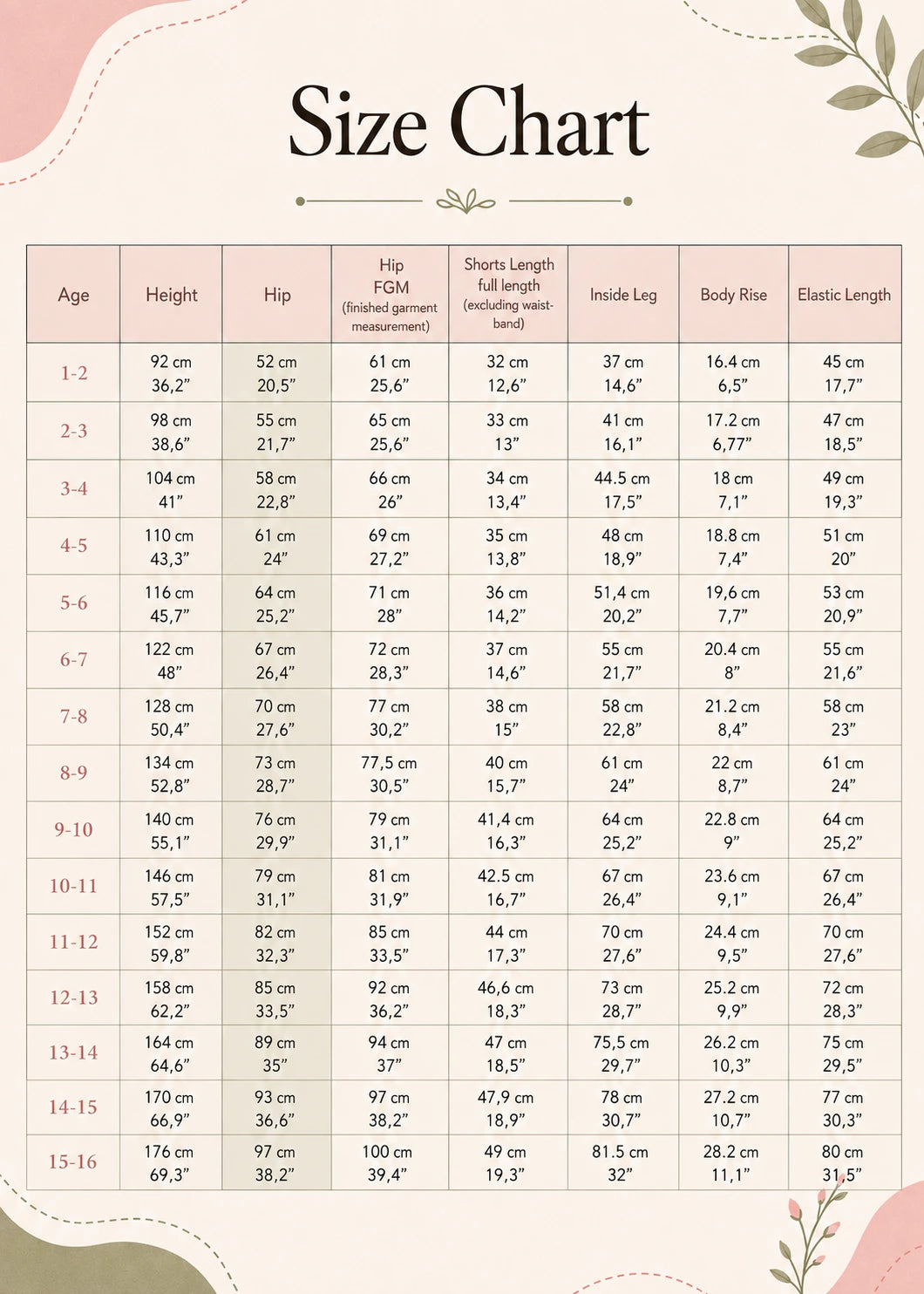
Sizes: 1-16 Years

Please Read

  1. This is a digital pattern or PDF file, not a physical product. It will be delivered electronically via a download link delivered to the email used for the purchase.
  2. To ensure the pattern prints at its actual size, it's recommended that you use Adobe Acrobat Reader.
  3. The pattern creator, Frocks & Frolics, welcomes small-scale production using their patterns. 

Customers are encouraged to tag Frocks & Frolics when sharing projects made using their patterns on social media.

@frocksandfrolics #frocksandfrolics

View full details

STEP-BY-STEP VIDEO TUTORIALS
Thumbnail
INTRODUCTION TO THE PROJECT
Thumbnail
OSCAR SEWING TUTORIAL
Thumbnail
HOW TO INSERT EYELETS
Thumbnail
HOW TO LENGTHEN SHORTS
Thumbnail
PATTERN TESTING SNEAK PEAK

VIDEO TEXT

Transcript for the video: Oscar Shorts - Introduction to the Project

Welcome to the Chestnut Children's Center sewing project. To make your cushion, you will need:

  • A 45 cm × 45 cm piece of paper for your design
  • A 45 cm × 25 cm piece of fabric for the cushion back
  • A selection of fat quarters or a bunting bundle
  • Wonder-Under (fusible webbing with paper backing)

You can draw your own design or download the template from the link below the video.

Preparing the Appliqué Design

Iron the Wonder-Under onto your chosen fabrics. Once applied, draw your design onto the paper side and cut out the individual shapes.

For shapes such as roofs, arrange them carefully before cutting to avoid wasting fabric.

Remove the paper backing and position the fabric pieces onto your cushion front. Once you're happy with the layout, iron the pieces in place.

Stitching the Design

Use a triple stitch to sew around the appliqué shapes. This creates a decorative effect similar to hand embroidery.

On the Janome Flair sewing machine, the triple stitch is Stitch 18.

You can also add small details such as windows using the same stitch, creating a lovely decorative finish.

Preparing the Zip Opening

Place the zip against the cushion back and determine how much of the seam needs to remain closed at each end. Typically, this will be around 4–5 cm.

Mark the positions and sew the seam using a 1.5 cm seam allowance:

  • Sew normally to the first mark and secure with reverse stitches.
  • Increase the stitch length to 5 between the marks.
  • Reduce the stitch length again at the second mark and secure with reverse stitches.

Press the seam open.

Inserting the Zip

Sew across the zip ends to prevent them from separating.

Pin the zip directly onto the pressed seam allowance and stitch it into place. If your machine allows it, move the needle slightly to the left for easier stitching.

Once both sides are attached, carefully open the temporary long stitches in the center and continue sewing around the zip.

Give the zip area a good press once complete.

Assembling the Cushion

Place the cushion front and back right sides together.

Sew all the way around the cushion. When sewing the corners, curve them slightly rather than creating sharp angles. This helps produce neater corners once the cushion is turned right side out.

Turn the cushion through the zip opening and carefully push out all corners. Press thoroughly.

Finishing Touches

Add a button to represent a safety ring. A thick embroidery thread works particularly well for this detail, although standard sewing thread can also be used.

Your cushion is now complete.

Conclusion

Well done on finishing your cushion project. If you would like to learn more about the sewing courses offered at Chestnut Children's Center, please contact a member of staff—they will be happy to help.

Transcript for the video: Oscar Shorts - Sewing Tutorial

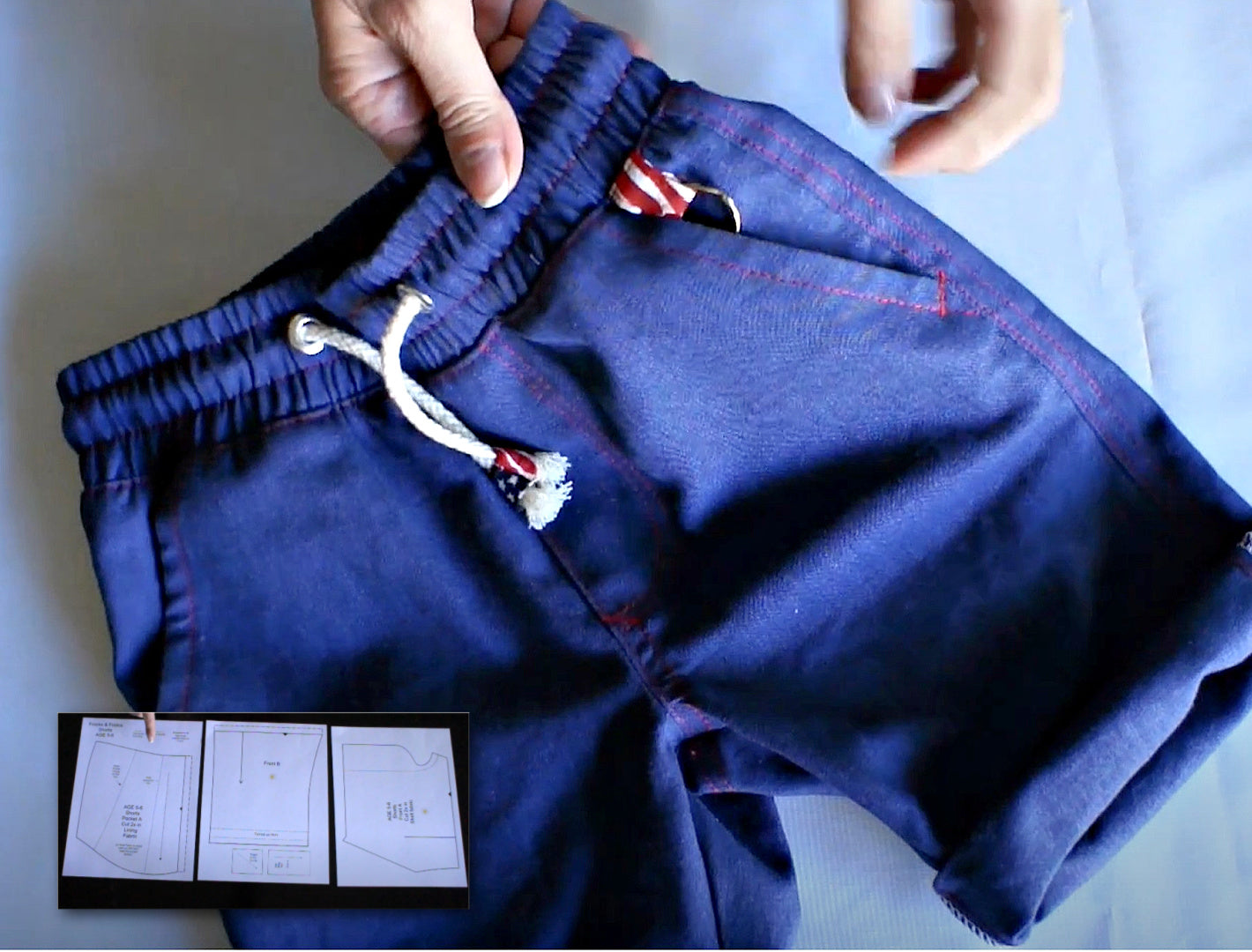
We’re going to sew the Summer Shorts Oscar. They include quite a few lovely techniques for you to learn, like slanted pockets, little key ring tabs, tabs on the ties, and a brilliant elasticated waistband that looks really cool. If you find this a little bit too difficult, there are also other options on the project page. If you click on the exclamation mark in the top right-hand corner of this video, the project page link will come up, and underneath it the link to the pattern so you can access everything easily.

As fabric, I’ve used linen, which is great for summer, but you can use any cotton fabric. You will need 5 cm wide elastic, matching yarn, eyelets (if you’ve never installed eyelets before, try them on a scrap first), adjustable waist ties, and a small scrap of fabric for the tabs.

Pocket Preparation

For the pocket, use the pocket template. Place the fabric right side down and wrong side up, then lay the template on top and iron all edges in. This ensures both pockets are identical, so templates are a very reliable way to get accurate results. Remove the template and press again from the right side. The top edge can be turned in, or simply overlocked since it won’t be visible. Set the pocket aside once pressed.

Key Ring Tab

Fold the fabric in from both sides, press well, and later top stitch both edges. Always do all ironing and prep work first before sewing.

Front Pocket Setup

The front pockets are folded with the right side inside and pressed firmly. When sewing, I work from the inside and align my seam allowance at 2 cm, using a guide line on my presser foot. My machine has a reference point where the clear plastic meets the metal, but you should find your own. Use a stitch length of 3 to 3.5 for a cleaner finish.

Darts

Next, sew the dart. The dart is 8 cm long and already snipped from preparation. You don’t need a pin—just align the edges and sew straight down the dart line. Secure at the end, then fold the dart toward the longer side of the trouser piece and top stitch using a stitch length of 3 to 3.5.

Pocket Placement

Instead of marking with chalk, use the positioning template. Remove it, place the pocket on the trouser, and pin in place. This gives perfect placement. Repeat for the other leg in reverse.

Sewing the Pocket

Top stitch using your presser foot guide for consistent spacing. For precision, a mechanical machine often gives better control than electronic ones for small adjustments, although electronic machines are powerful and versatile. Sew with care for even spacing.

Pocket Construction

Place pocket pieces right sides together and sew around with a 1 cm seam allowance. You don’t need pins if you can control fabric alignment well. Disable the overlocker knife when sewing curves to avoid cutting into fabric.

Front Pocket Shaping

Flip the pocket right side out and stitch across with a 1 cm seam allowance. You can understitch for stability instead of pressing. Then top stitch for a clean finish. Close the lower pocket edge with a 1 cm seam allowance and overlock.

Center Front

Sew the center front with a 1 cm seam allowance. Mark curves if needed with chalk or pencil. Overlock carefully, ensuring fabric does not slip into the blade. Press the seam, making sure seam allowances face the correct direction for consistent top stitching.

Top Stitching Details

Top stitch using your presser foot guide and a stitch length of 3 to 3.5. Work carefully around curves, adjusting fabric as needed to avoid puckering.

Faux Zipper Detail

Sew the faux zipper from the inside of the trouser following the edge. Add a second line if desired for a jeans-style look. Beginners may prefer a single line for simplicity. Add a small tack stitch if desired for reinforcement.

Joining Front and Back

Attach front and back pieces with a 1 cm seam allowance. Ensure the pocket stays aligned. Overlock raw edges carefully, then top stitch seams down on both sides for a clean finish.

Inner Leg Seam

Close the inner leg seam with a 1 cm seam allowance. Remove pins before overlocking to avoid damaging the blade. Press seams flat afterward.

Hem

Turn up the hem by 2.5–3 cm depending on preference. Sew from the inside for easier handling. Experienced sewists may skip pinning and work directly.

Tabs

Attach tabs above the right-hand pocket and secure with backstitching. Roll up hems if desired.

Waistband Construction

With right sides together, sew the center back seam with a 1 cm seam allowance and press open. Fold lengthwise and press again, leaving a gap for elastic insertion. Stitch close to the edge (about 3 mm), then attach waistband around the trousers.

Elastic Insertion

Thread elastic through using a safety pin. Overlap ends by 1 cm and stitch securely. Allow elastic to settle evenly inside the waistband, then close the opening.

Finishing Waistband

Overlock the waistband seam, then top stitch carefully while gently controlling fabric tension so it doesn’t shift.

Eyelets and Ties

Use a zipper foot to install eyelets, adjusting needle position as needed. Thread ties through the waistband tunnel. Ensure ends are secure and evenly adjusted.

Tie Ends

Create tie ends by folding fabric around the cord and stitching securely with backstitching. Trim and shape for a decorative finish, then thread through and balance lengths.

Finished Shorts

Your Summer Shorts Oscar are now complete. There are additional variations on the project page, including waistband and pocket options. Click the exclamation mark to visit the project page or Etsy store. Thanks for watching.

Transcript for the video: Oscar Shorts - How to Insert Eyelets

Now let’s get started on putting in some eyelets. You just need some metal eyelets and a cord to be threaded through. Here you can see I’ve done the pocket slightly different, so if you don’t want to work with a pattern in that area that’s a really good idea. Here I’ve just top stitched the ends and on this one I created a little toggle.

Materials and Preparation

So how do we do this? You need four eyelet parts: the two bigger parts and the little plates that go on it, plus the cord. If you want to do a pocket like I’ve done here, then cut the base of the pocket out in the check and then the facing in the shell fabric.

We also need two additional pieces of Vilene, which go exactly in the area marked on the pattern for the eyelets. I would actually cut that out with a little circle and then iron the Vilene on. You can then place the pattern back over it and mark with pencil where the eyelet is, then cut that circle out. Do the same on the other side of the waistband pattern and iron it on. You could also put in two additional eyelets at the back as marked on your pattern.

Installing the Eyelets

Please do mark everything with pencil before cutting—it makes life much easier. Then press through the longer part of the eyelet, the one with the little stem, from the outside. It’s important not to make the hole too big—keep it small and force it open slightly so the fabric can fray and grip.

Place the plate over the top with the ridged part facing you so the thicker part goes downward. Then take your tool and hammer it in place (and yes, you will definitely be making some noise doing this). Press the metal edges down so you get a neat finish.

Stitching Around the Eyelets

I’ve sewn on my waistband now, and this step is slightly different from the other shorts. We need to stitch very close to the eyelet, so we use a piping foot and move the needle almost all the way to the right.

Secure your thread before starting. Then very gently stretch the fabric as you sew—you must be careful because you can break needles if you force it too much. I am using a jeans needle; I tested an 80 and 90, both broke, so I switched to a stronger jeans needle and that worked, but you still need to go slowly.

Sew to the other end and secure your stitching again. It should glide just along the edge of the eyelet. With the PFAFF machine, you can shift the piping foot across and adjust the needle position to get the correct alignment. If you go too close to the edge, it may break the needle, so keep a small safe distance.

Inserting the Cord

Now check your cord length to suit your preference. The pattern gives measurements, but you may want it longer if you plan to tie it at the front.

Thread the cord in one eyelet and out the other. This makes it adjustable, which is really useful because you can tighten it as needed.

Creating Cord End Ties

Next, stitch over the ends and fray them out, or simply tie a knot if you prefer the industrial method. You can also create little toggles:

Fold over a piece of fabric with the open end facing down, place it onto the cord about 2 cm from the edge, then repeat on the other side. Fold it over and pin it tightly.

It is much easier if the fabric is cut on the diagonal. I actually cut mine straight here by mistake, but ideally it should follow the grain as marked on the pattern piece. Secure the top, then stitch diagonally outward with a small stitch so it can fray nicely.

Finishing the Toggles

Cut around the cord carefully (do not cut the cord itself), then push the fabric over using a pin or safety pin. It will form a small bell-like shape. This takes a bit of persuasion if cut on the straight, but works much more smoothly on the bias.

Trim the ends so they match and fray them slightly for a soft decorative finish.

Final Notes

That’s the eyelet and cord system complete. If you want to see more variations, check the other videos on the project page. The link is behind the exclamation mark in the top right-hand corner of the video.

Here I’ve also shown a different back pocket version, and on this trouser there are belt loops, nice pockets, and a front tie option. Of course, you can also do the simpler version if you prefer.

This should be achievable in an afternoon. Thanks for watching, and I’ll see you next time. Bye for now.

Transcript for the video: Oscar Shorts - How to Lengthen Shorts

Hello everyone, I’m Marina from Frocks and Frolics, and I’m going to show you how to lengthen the Oscar shorts. I’ve been asked many times how to turn the Oscar shorts into proper boys’ trousers for autumn and winter, and it’s actually very easy—I can do this in about five minutes, so let’s get started.

Preparing the Pattern Extension

The first step is to tape a few pieces of paper onto the hem end of your pattern, depending on how long you want the trousers to be and which size you’re working with. Then measure the leg and draw a straight horizontal line halfway down as a reference.

Next, determine your desired trouser length. Use a well-fitting pair of jeans as a guide and measure from the top down to the hem. For example, I’ll assume 20 inches here (this may vary depending on size). Mark this length on your extended pattern and draw another straight line across—this becomes your new hemline position.

Measuring Leg Width

Now identify the width of the pant leg. Lay your reference jeans flat, matching inseams and seams carefully. Measure the back leg width and note it down, then measure the front leg width and note that as well. Remember to add 2 cm seam allowance to both measurements.

In my example, I don’t have a boys’ trouser to copy, so I’m reducing everything by 2 cm to maintain a slimmer leg shape.

Drafting the Back Leg

Take the back leg measurement and mark it evenly on both sides of the center line so it is balanced. Then add your hem allowance—here I’m using 2.5 cm. Draw a straight hemline across and mark the hem depth clearly.

Now use a curved ruler to blend the outer leg shape smoothly. Do not reduce width across the crotch area—only taper from the thigh downward toward the hem. Once you’re happy with the shape, you can cut out the back leg piece.

Drafting the Front Leg

Repeat the same process for the front leg. Draw your center guideline and establish the length again. If it’s easier, you can pin the front pocket over and align the front and back pieces to help you “walk” the seam and confirm the length.

Once confirmed, draw your hemline 2.5 cm below the finished length. Then use a ruler or curve tool to connect the side seam smoothly. In this case, the front leg is more straight, so you may not need much curvature.

Final Check

Once both front and back pieces are adjusted, align them again and check the length and side seams match. Make any small corrections if needed.

And that’s it, you’ve successfully lengthened the Oscar shorts into trousers!

If you’d like to learn more sewing techniques, I also have free courses at the Frocks and Frolics Sewing Academy linked in the video description.

YOU MAY ALSO LIKE

Brooklyn

SHOP NOW

Cool Shirt

SHOP NOW

Bobby Dazzler

SHOP NOW