LOLLIPOP ROMPER
LOLLIPOP ROMPER
Couldn't load pickup availability
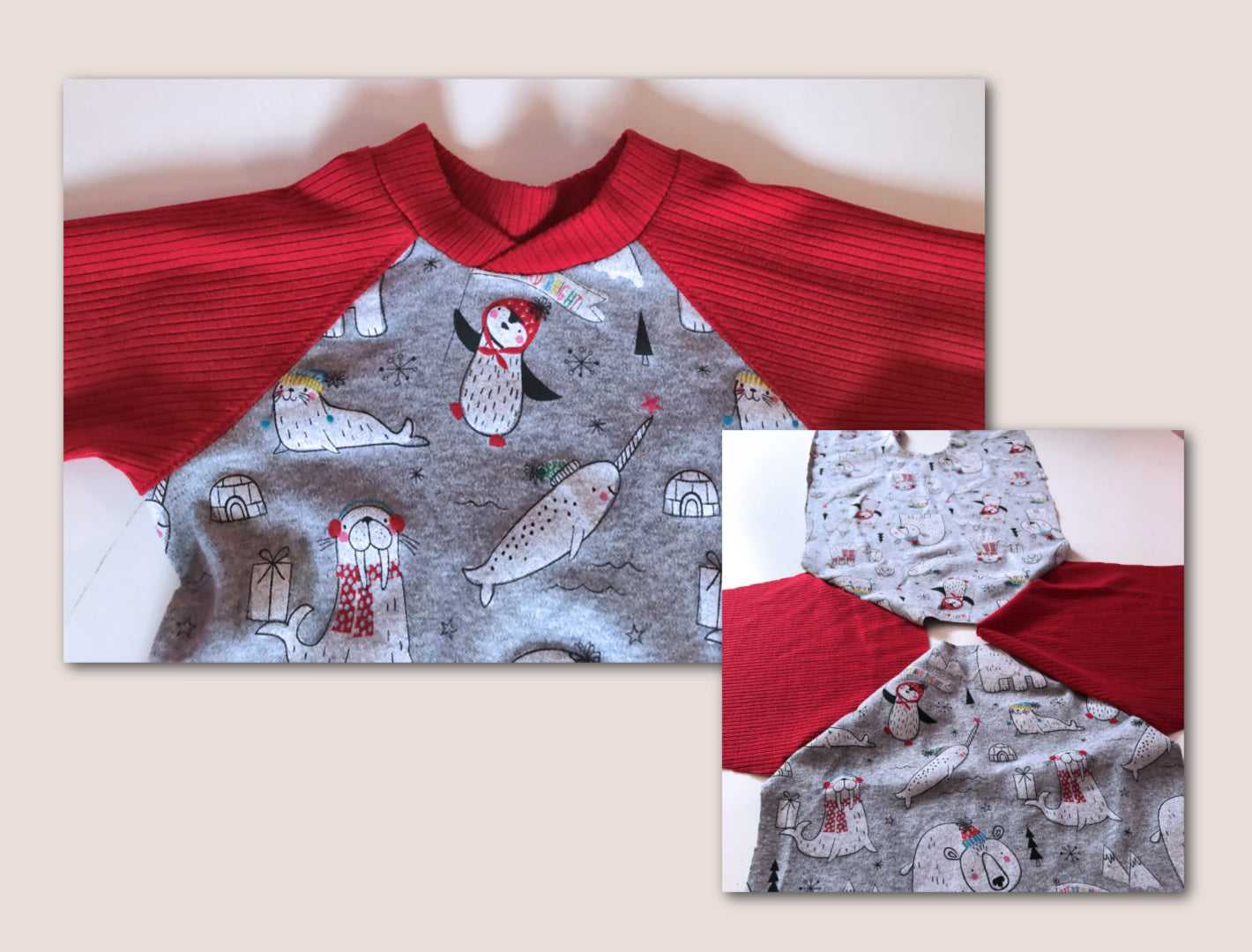
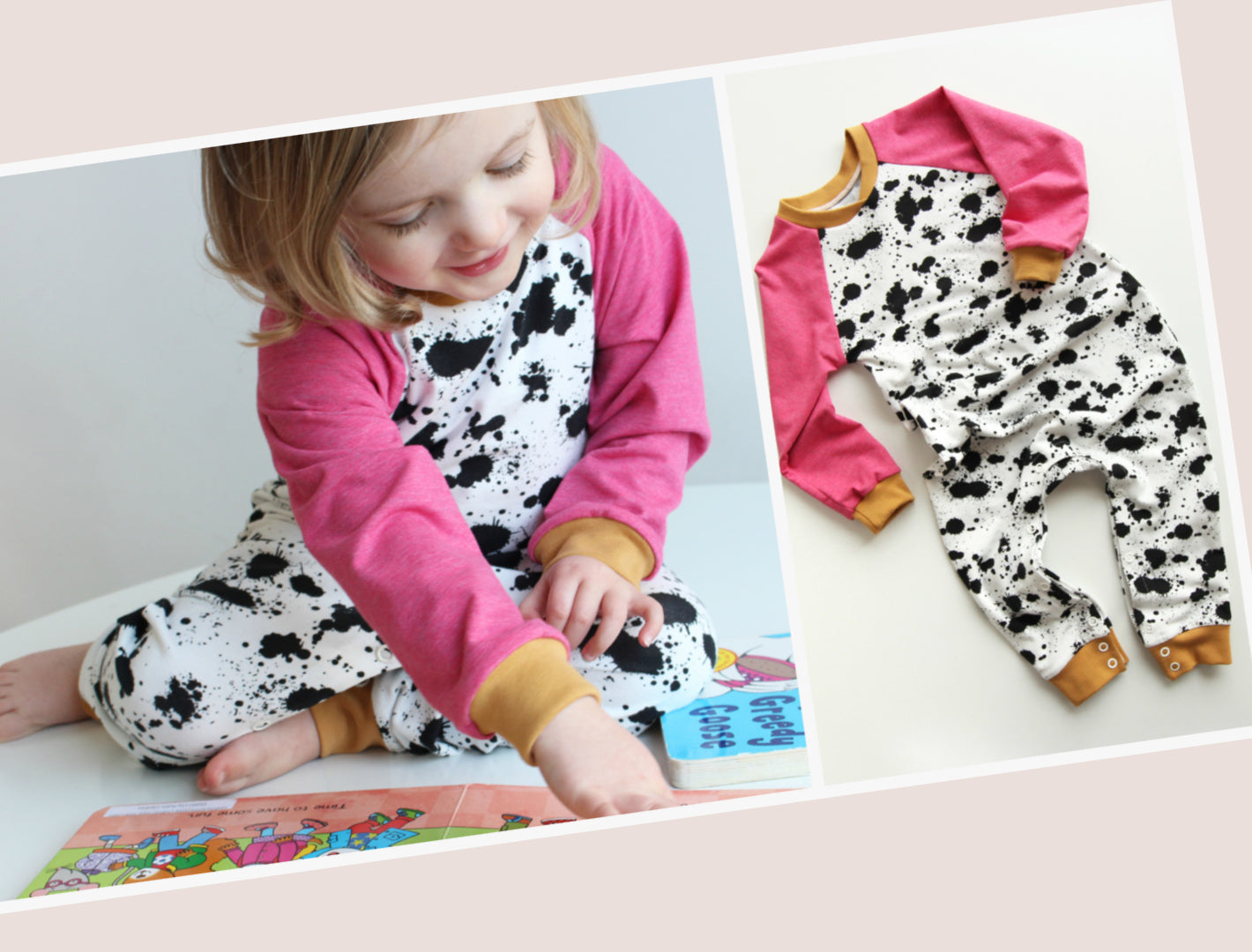
The Lollipop Romper, is the sweetest little PDF sewing pattern for babies and toddlers. Of course I am a little biased but it ticks all the boxes. The raglan sleeves, and handy inner leg snaps work beautifully as cozy pajamas, a cheerful jon‑jon, or an everyday gender‑neutral playsuit.
While the Lollipop Romper isn’t our easiest project, it is packed with support. You’ll find clear video tutorials and a friendly eBook that takes the mystery out of sewing with knits. Scroll down to the video tutorials and see if it’s the perfect next step for you — or one to bookmark for just a little later.
Pattern Download Includes
- Instant Download
- DIN A4 & US Letter Size
- Individual PDF files for every Size
- All Sizes included
- Detailed eBook
- Video Tutorials
Design Options
Design Options
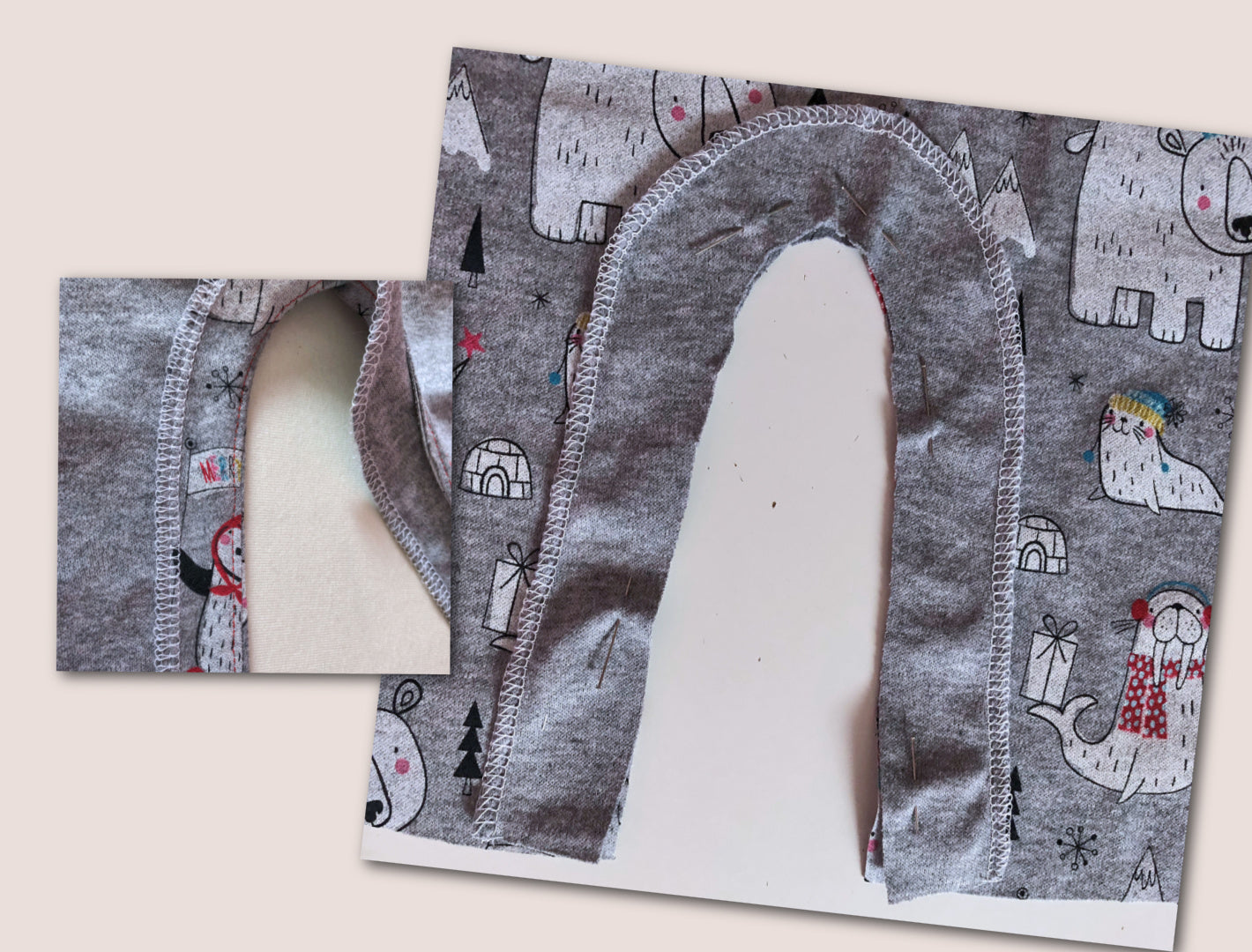
- Snap closure on leg placket
- Gusset for comfort
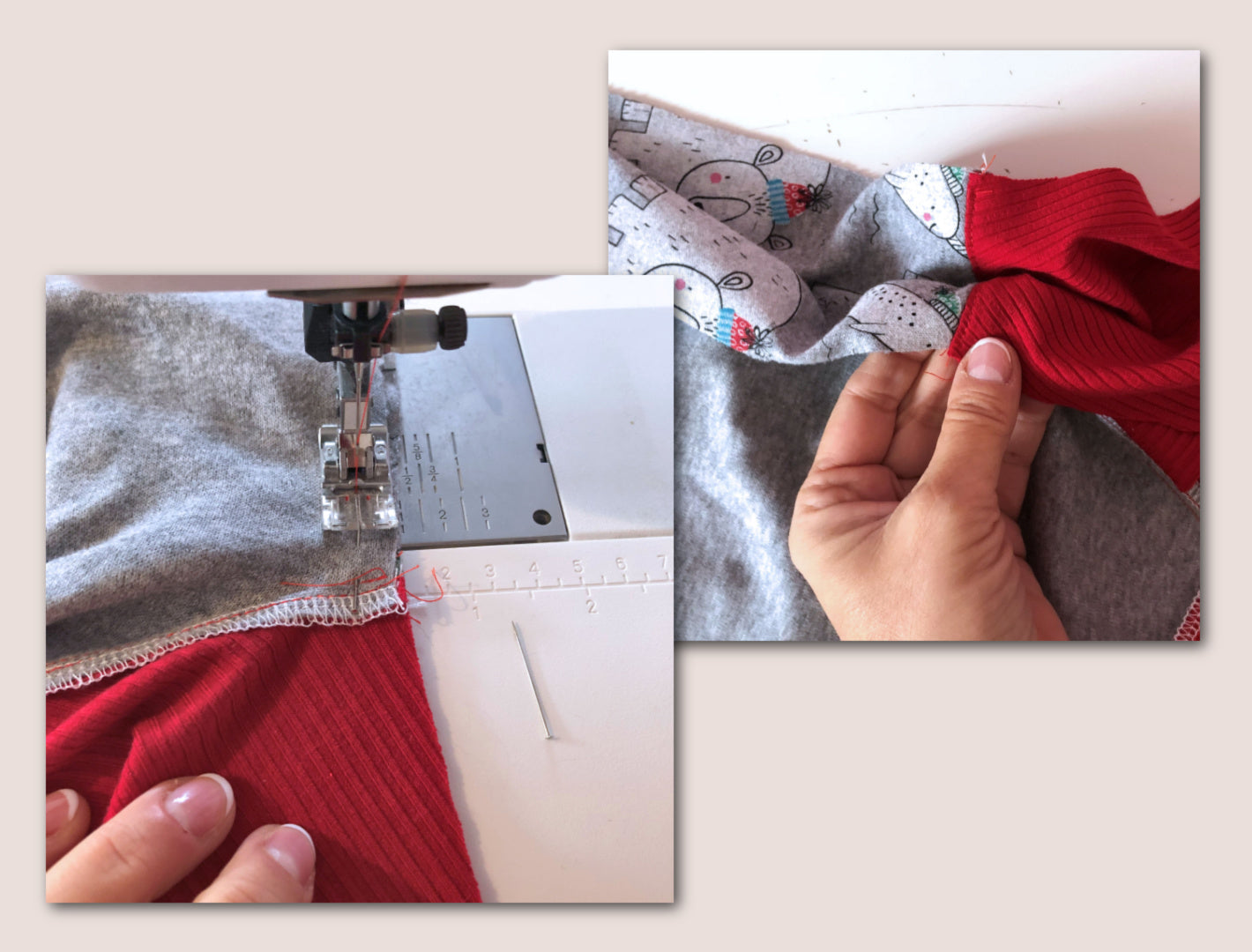
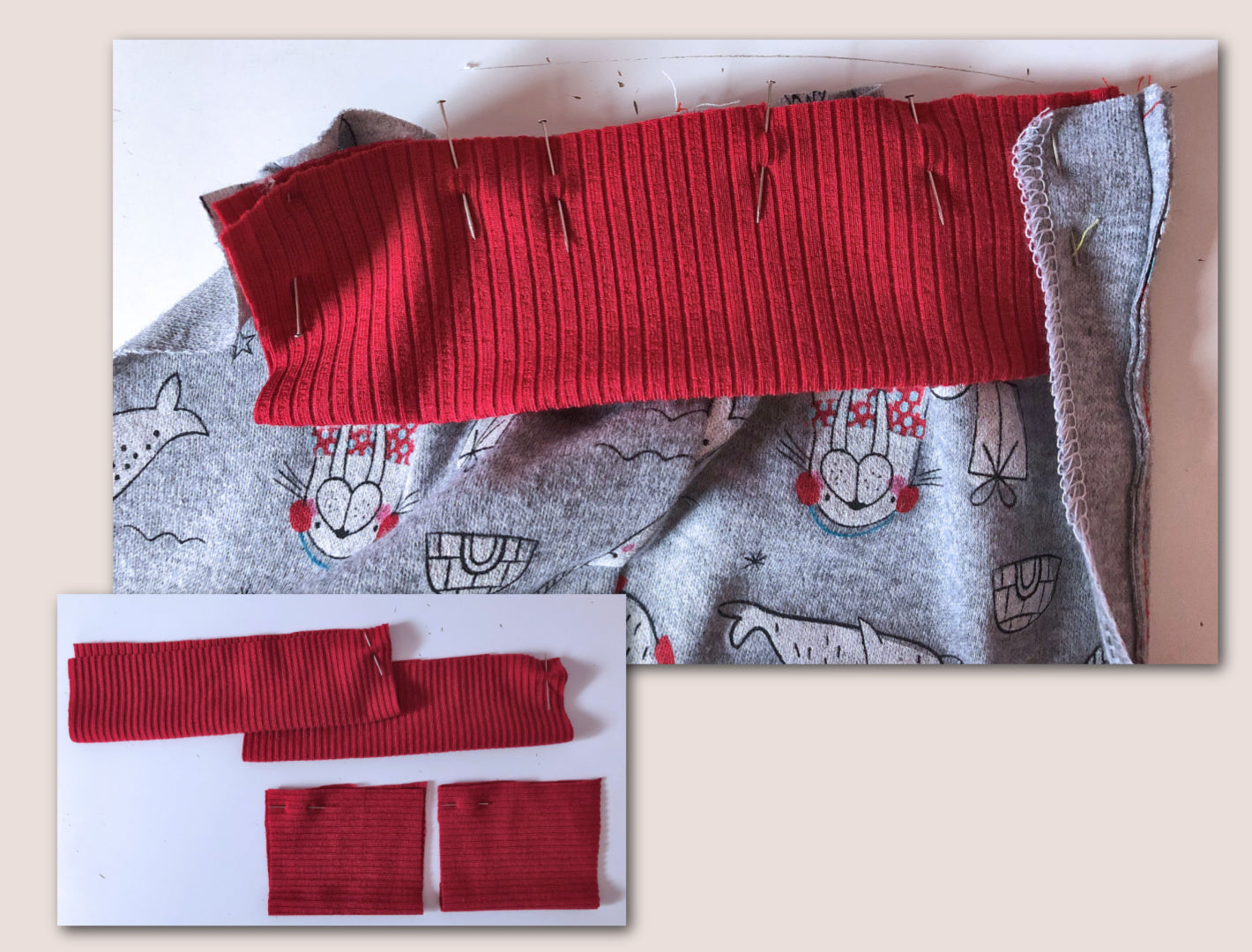
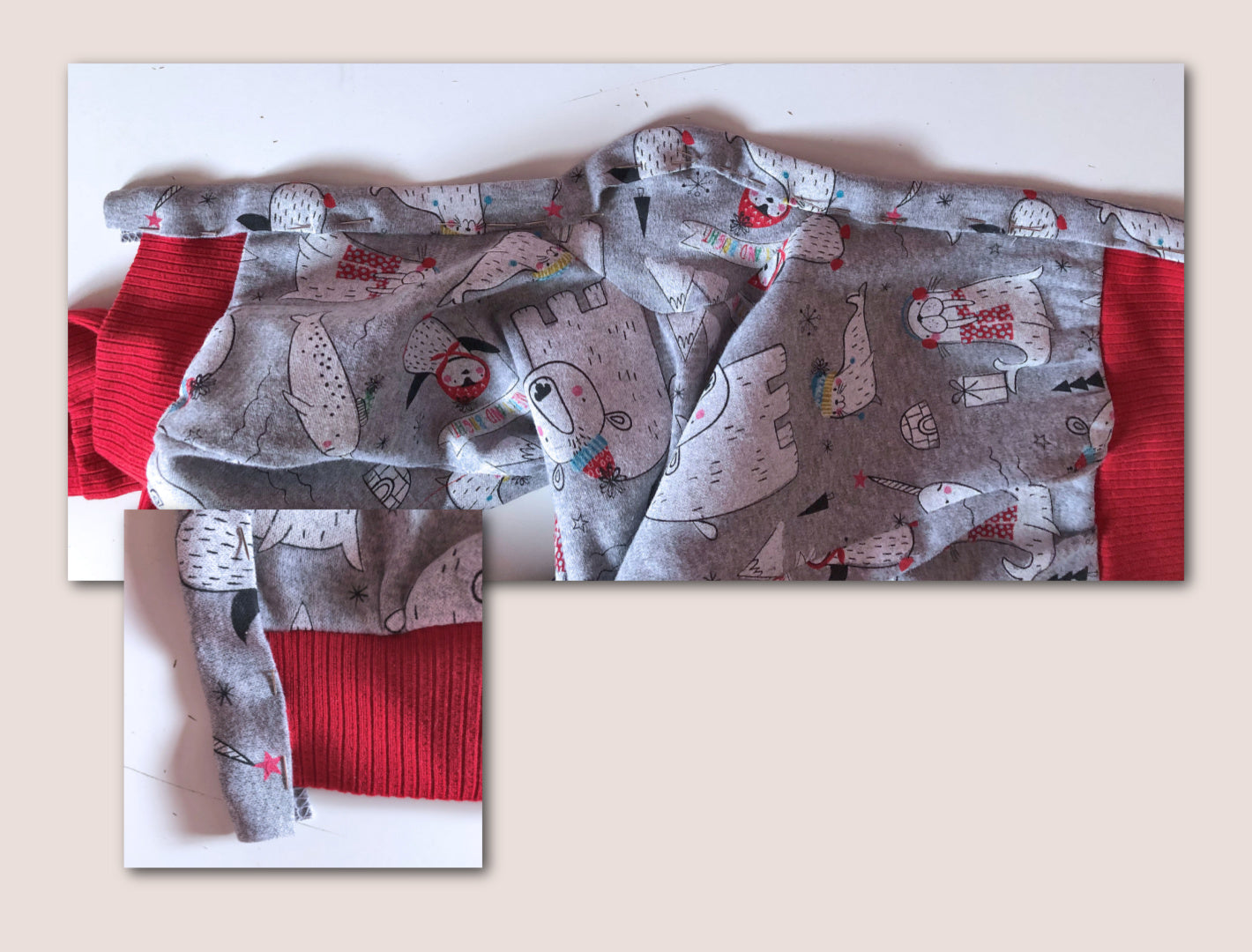
- Cuffs on sleeves and legs in ribbing or interlock
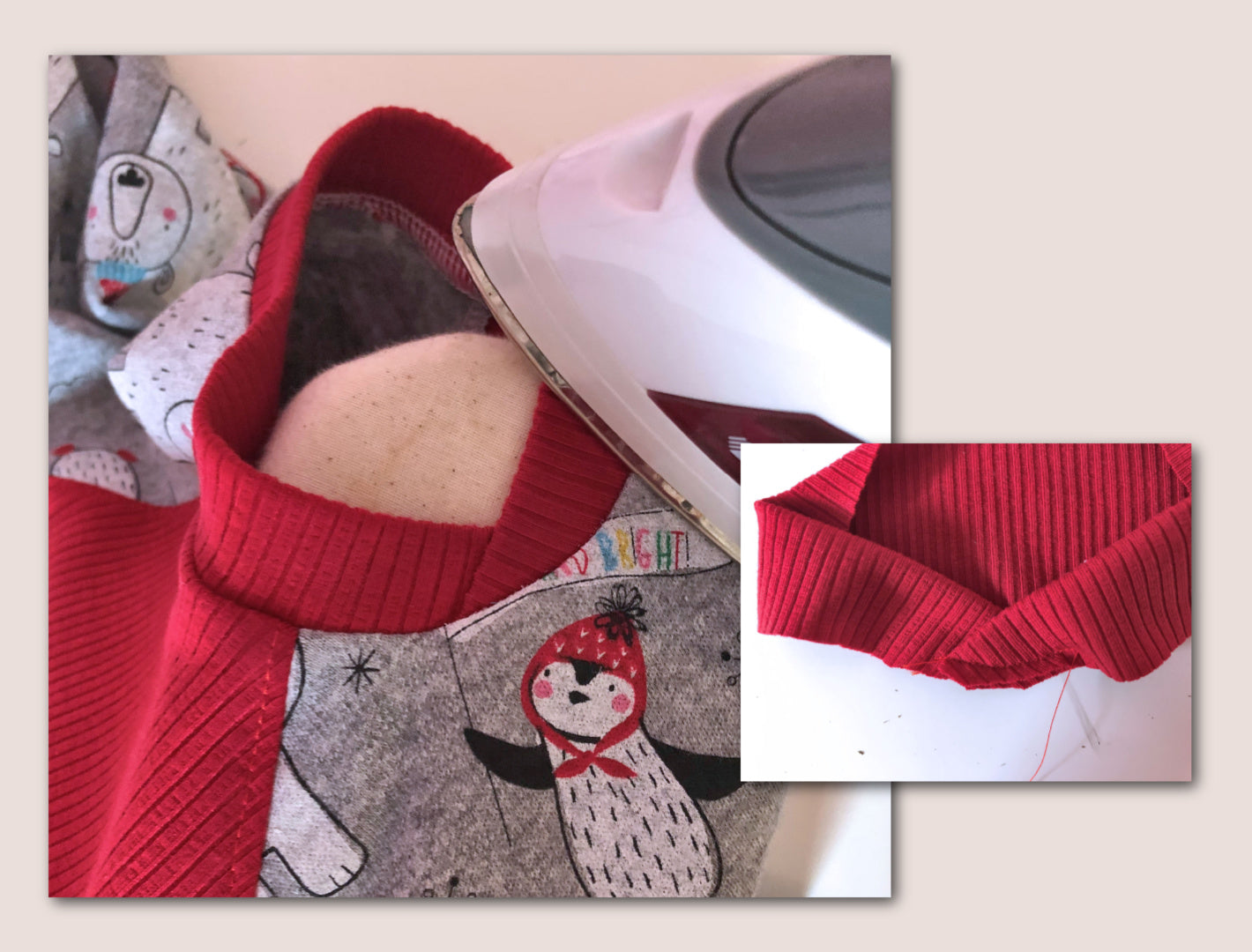
- Neckband in ribbing or interlock
- Raglan sleeves
Fabric Requirements
Fabric Requirements
BEST MATERIAL CHOICE
Interlock and four way stretch fabrics with good recovery.
FABRIC REQUIREMENTS
• Shell Fabric: You will need 20–36 inches (50cm-90cm)
• Cuffs and Neckband: 8 inches (20cm)
• KamSnaps or snap poppers for the seam placket closure
Available Sizes
Available Sizes
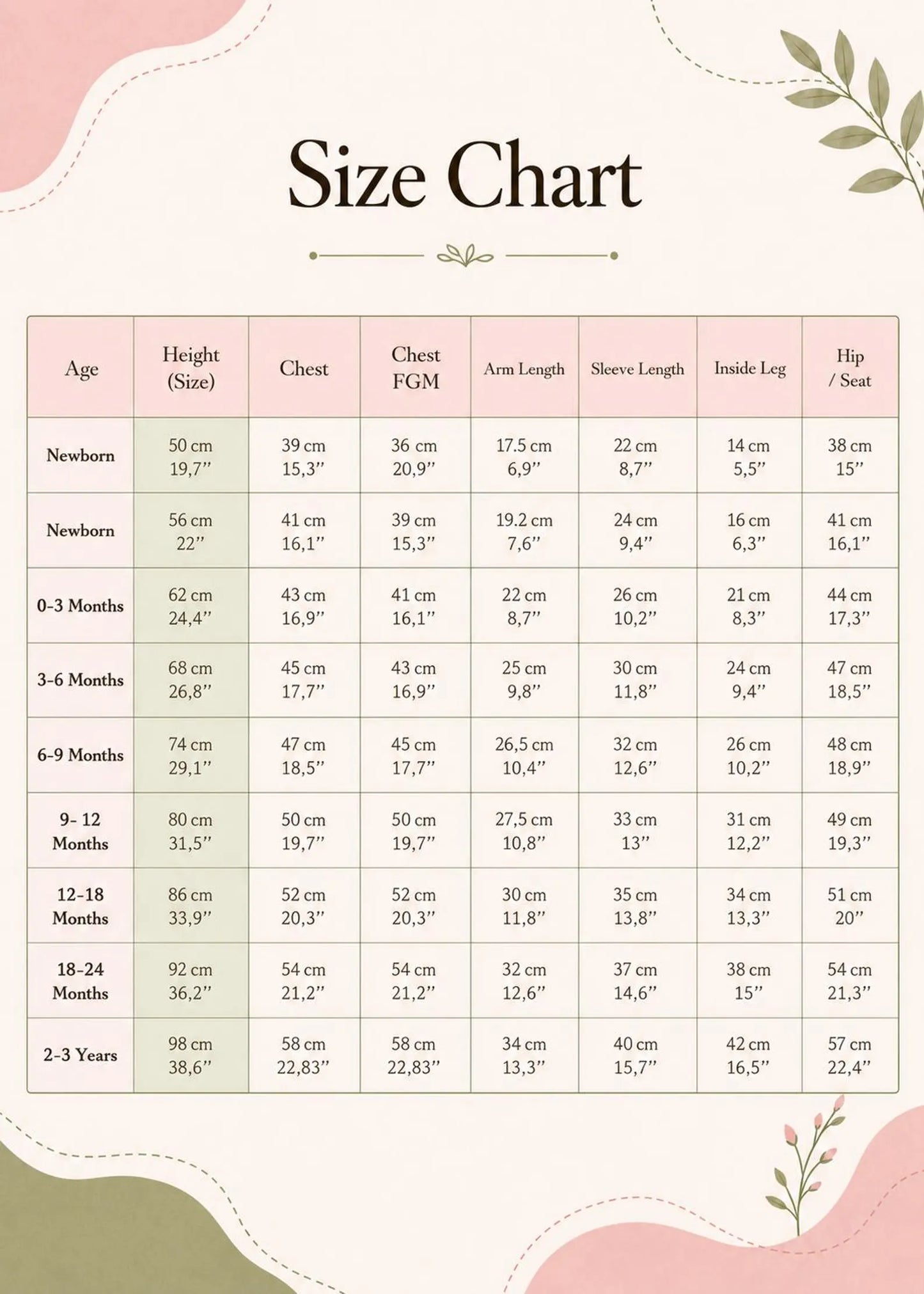
Suitable for babies and toddlers from 0 - 3 Years.
Please Read
Please Read
- This is a digital pattern or PDF file, not a physical product. It will be delivered electronically via a download link delivered to the email used for the purchase.
- To ensure the pattern prints at its actual size, it's recommended that you use Adobe Acrobat Reader.
- The pattern creator, Frocks & Frolics, welcomes small-scale production using their patterns.
Customers are encouraged to tag Frocks & Frolics when sharing projects made using their patterns on social media.
@frocksandfrolics #frocksandfrolics
Share

STEP-BY-STEP VIDEO TUTORIALS
VIDEO TEXT
Introduction
Transcript for the video: Lollipop Romper - Introduction
Hi everyone, welcome to the romper course. I'm going to take you through everything you need to know to make a beautiful romper.
If you don't know me already, I'm Marina. I live in LA with my husband and my grown-up son. He also lives in LA but he's over in Burbank. I run this business and make patterns and videos and I absolutely love it.
This time with a romper, it was something that I didn't really think was for me, and now I'm absolutely excited. I've loved it. I've got many more in the pipeline, so let's get started.
This lovely romper has long sleeves and long legs. It's super comfy for your baby. We put cuffs on the ends of both of these, and I have a really nice crossover neckline.
Now, let's go through what you will need to know.
Fabric Requirements and What to Look For
So what kind of fabric will you need for this? That's the first question I want to address. We are also going to look at the snaps and which ones are suitable for making this lovely romper. Then we are going to talk about what fabric to use for the cuffs and for the neckline.
Is it ribbing? Which type of jersey can you use if you're using jersey or interlock? We are going to break this all apart.
First of all, we're starting with fabric.
When you buy any fabric, there are two main differences in all your jerseys. One is a four-way stretch, and the other one is a two-way stretch. A four-way stretch will stretch both ways, this way and this way. A two-way stretch will only stretch in one direction.
You can see that this fabric is only a two-way stretch. It will only stretch widthways and not lengthways.
Stretch, Recovery, and Fabric Quality
The other thing you need to look out for is the composition of the fibres used in the knit. Knit fabric is always nice and stretchy, but cotton is not a stretchy fibre. That means when you pull it, even if it is knit, it might not jump back into its original position. This is what we call recovery.
I just want to show you an example of the one I made for the film. If you have already watched some of this, you will recognise it.
This print has very solid printed areas. If I stretch this, you can see it literally stays stretched. It does not jump back. This does not bode very well.
I really liked this pattern and thought it would be beautiful, which is why I bought it. But I shudder to think what will happen when it is washed. I don't think it will last very well.
If you are getting a bargain from Joann, and it is cheap, you can try different things and not mind if it does not last. But generally speaking, make sure you have a stretch fibre in it.
You should aim for 3 to 5 percent lycra or spandex. We are looking for a stretch of about 25 percent for a romper like this. For other items it might be less or more, but here we go for 25 percent.
That means if you mark 10 centimetres, it should stretch to about 12.5 centimetres. It is quite easy to test.
In a shop, you can stretch it with your hands. If it stretches and recovers, that is fine. If it stretches and stays stretched, that is more like swimwear or sportswear.
If you can get organic bamboo, even better. It is a beautiful fabric and it lasts very well.
Jersey, Interlock, and Fabric Types
The main knit fabric you will use is jersey. When you pull it, it may curl slightly at the edges. The thicker the fabric, the easier it will be to work with.
In the fabric guide, you can check the weight of the fabric. If you are buying online, you can check this too.
For rompers, you want lightweight to medium weight fabric. You do not want very lightweight or very heavy fabric.
My favourite fabric for rompers is interlock. Interlock is when you have two layers of jersey knitted together. The needles go back and forth between the layers, creating a fabric that looks the same on both sides.
You can use both sides of interlock. This is especially nice if it has two colours, for example grey on one side and teal on the other.
It is more stable and usually stretches around 12.5 percent. If it has lycra in it, even better.
Ribbing, Cuffs, and Neckline Fabrics
For the neckline and cuffs, you can use ribbing or interlock. Ribbing stretches about 50 percent and jumps back into shape very well. I used it for the cuffs on the legs and on the top neckline.
The white fabric you can see is interlock with lycra. It also has good recovery. If you do not want thick ribbing, interlock is a great alternative. It is stable, stretchy, and works very well for cuffs and necklines.
Poppers, Snaps, and Closures
Now before we get started, let's talk about poppers. I ordered some from Amazon and they were very cheap. When they arrived, they were not great. I also tried Dritz tools and those worked much better.
I will show you in the section on poppers how to use the Dritz tool with standard poppers that you can get cheaply.
I also bought poppers from Joann originally. Each packet was about six dollars including tax, and I needed three packets for one romper. Two packets were not enough.
I would not recommend the Joann ones. They did not last well and they are expensive.The cheap ones from Amazon actually worked very well.
Another option is to use Kam Snaps. I am working on a summer romper where I used Kam Snaps all the way down the front. Many people prefer them and they work absolutely fine.
Next Step
Now we are going to look at the pattern in a little more detail. I will see you in the next section of this course.
Excellent, the explanation in writing and pictures is also excellent, wonderful, I am very pleased, thank you very much, I would be happy to do it again and best wishes
HIGHLY RECOMMENDED
Lovely pattern! Easy to use!