Skip to product information
1 of 10

BUBBLE GUM JOGGERS

BUBBLE GUM JOGGERS

Filled Circle
Filled Circle
Filled Circle
Empty Circle
Empty Circle
Regular price €7,95 EUR
Regular price Sale price €7,95 EUR
Sale Sold out

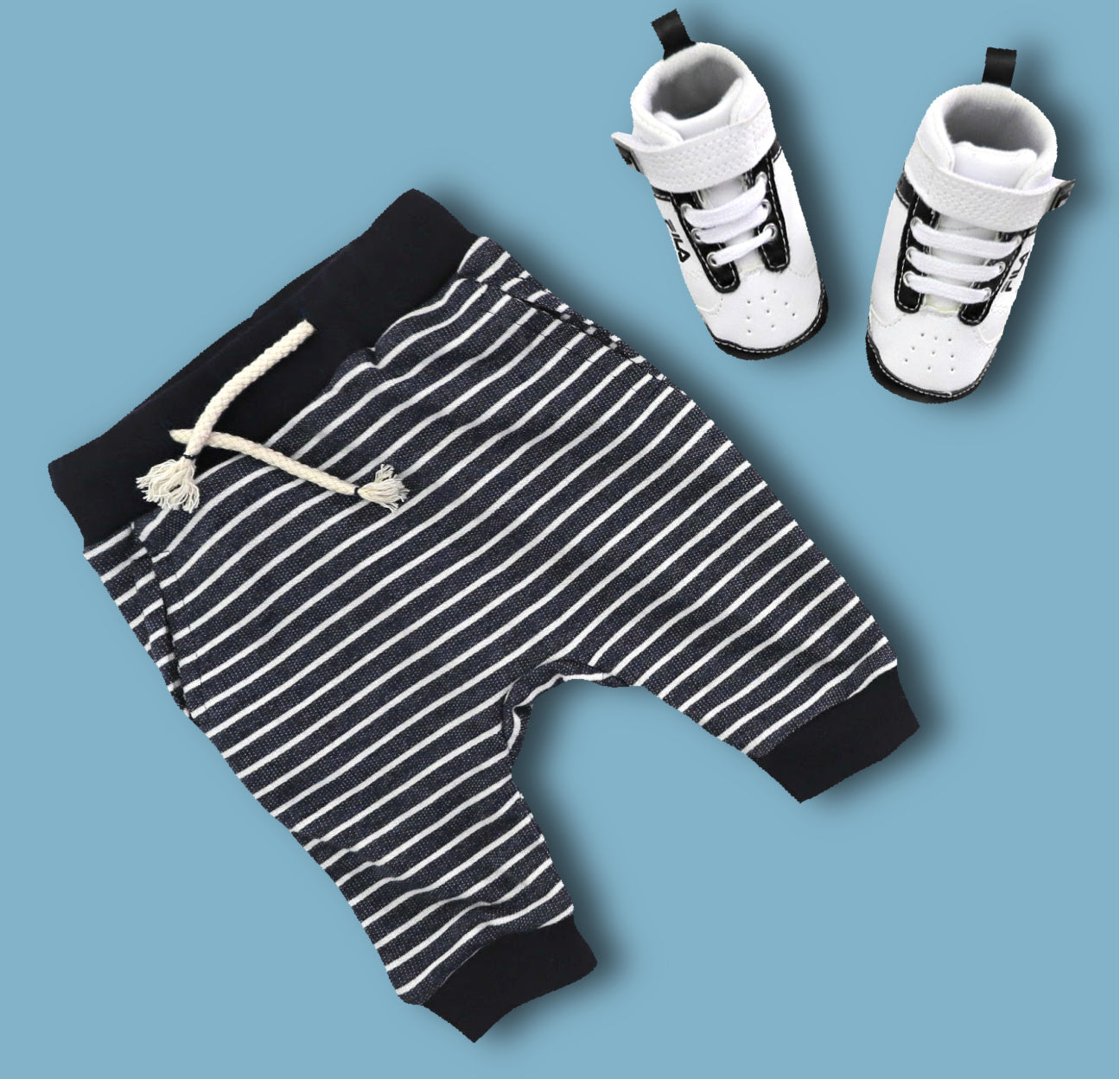
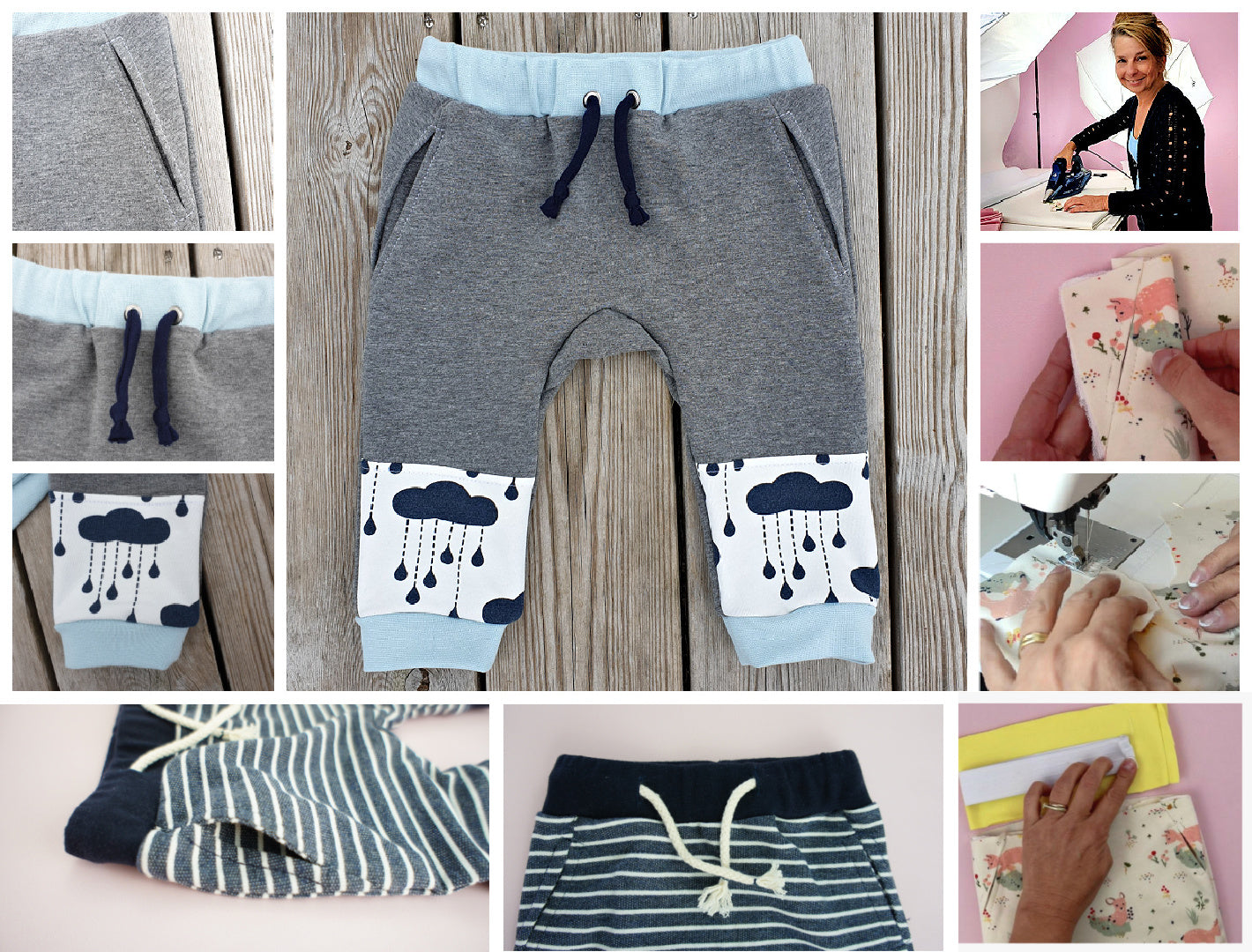
Our Bubble Gum Joggers sew up the sweetest little romper‑style baby pants. With a soft elastic waistband, neat leg cuffs, and magical side pockets that look just like welt pockets (psst… they’re wonderfully easy to sew), these joggers keep tiny legs comfy from morning wiggles to afternoon naps.

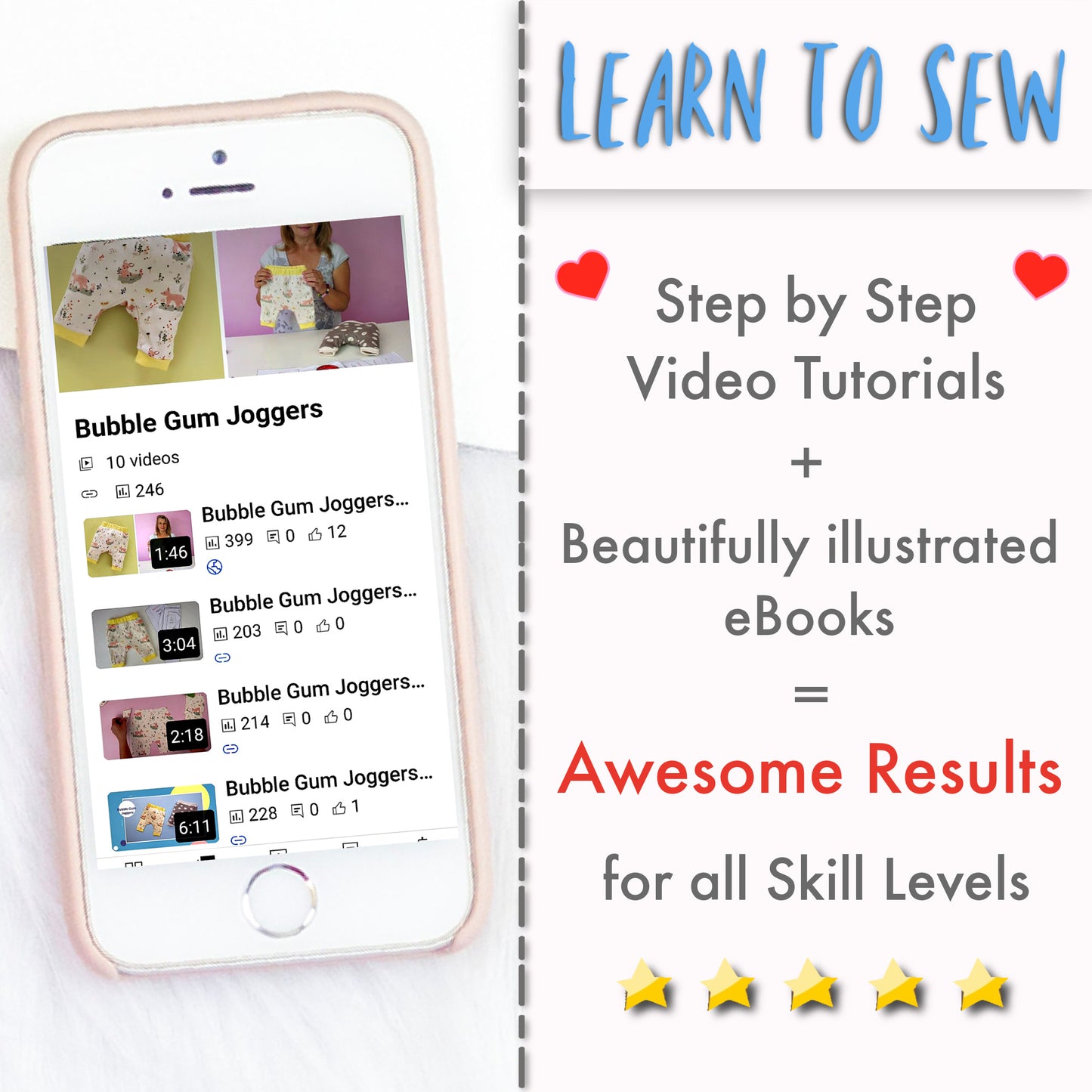
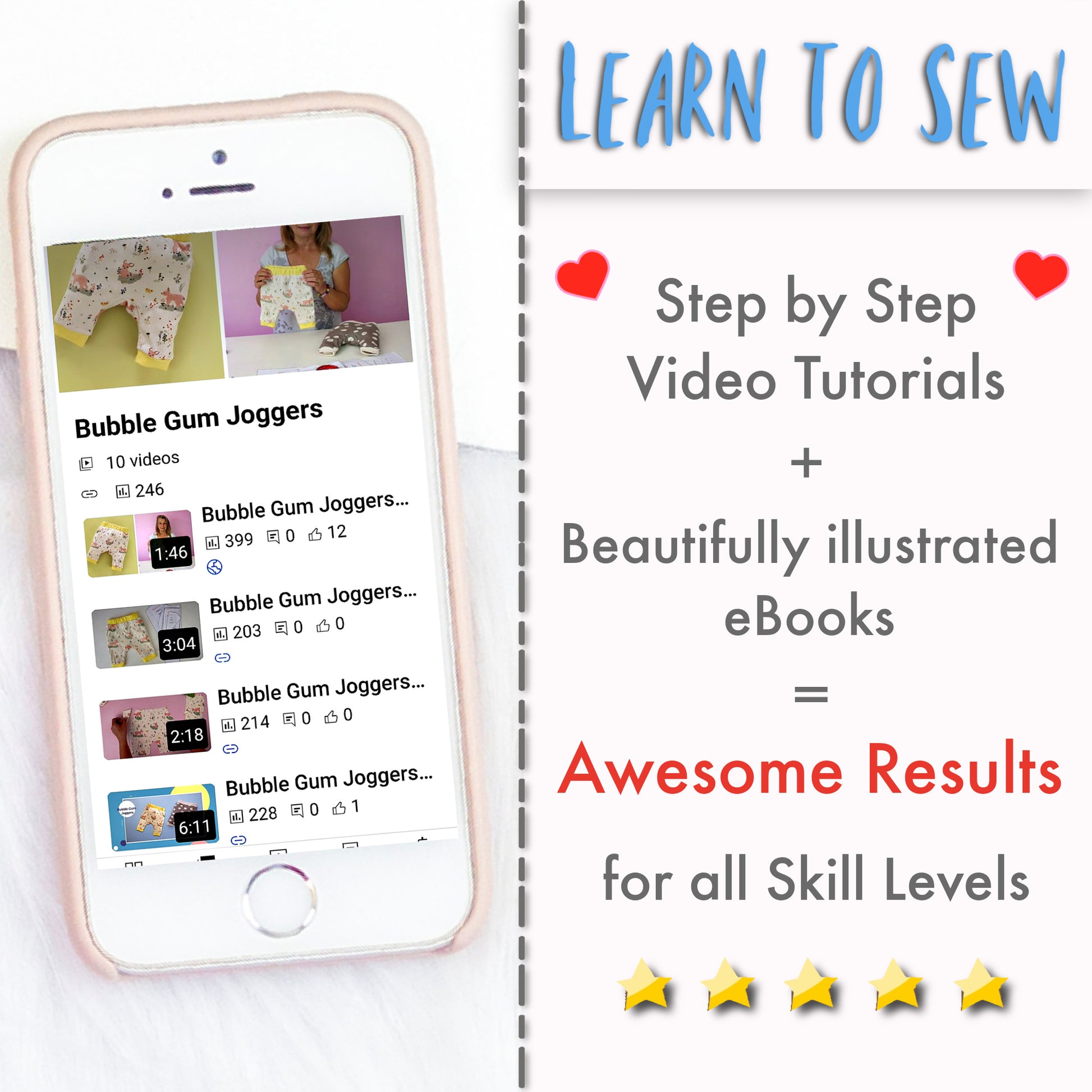
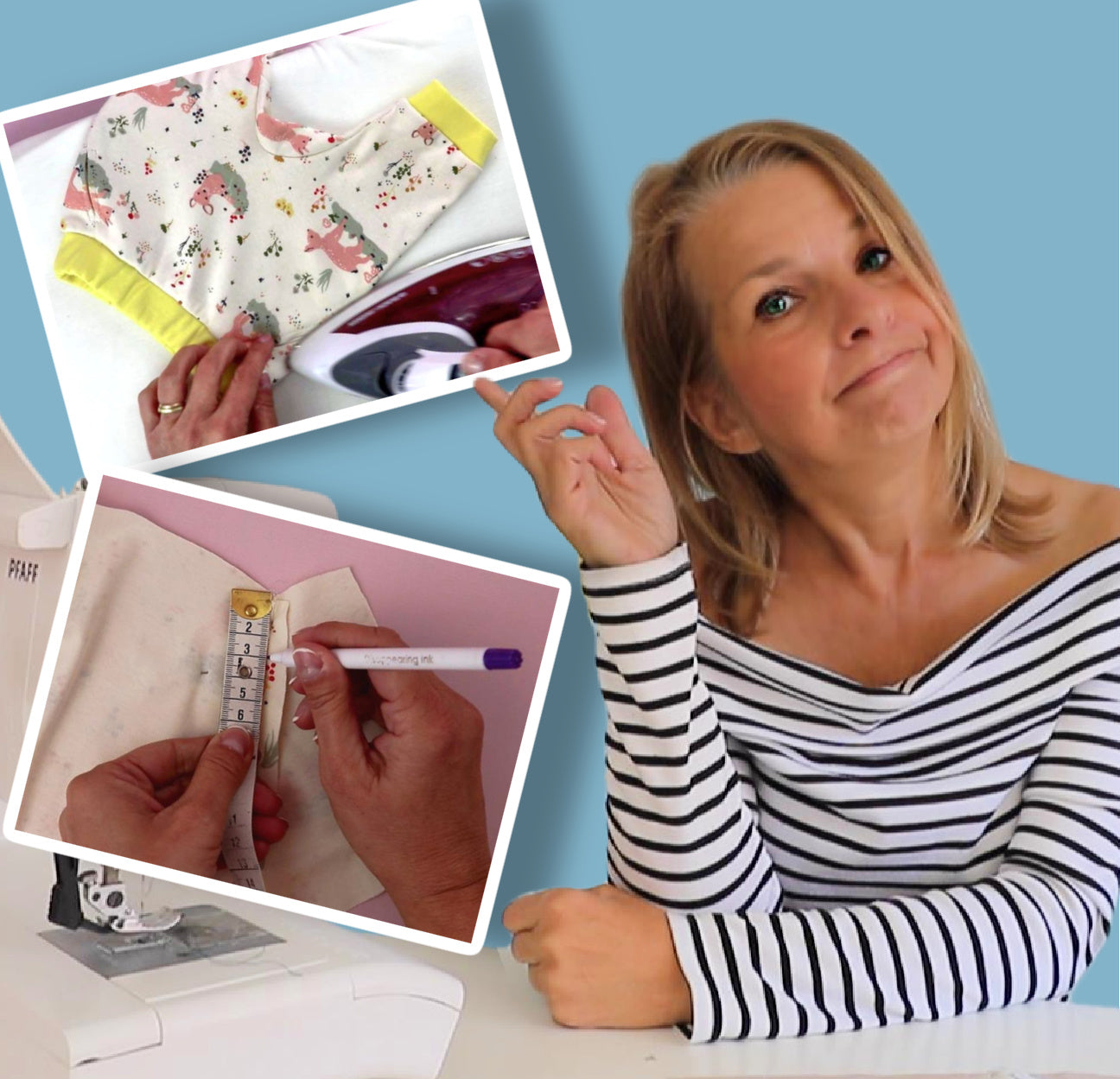
The baby pants sewing pattern comes with a step‑by‑step video guide to walk you through every stitch. Just scroll down a little — the tutorials are right where you need them.

A happy little project for digital sewing days, and a firm favourite for tiny tumblers everywhere.

Pattern Download Includes

  • Instant Download
  • DIN A4 & US Letter Size
  • Individual PDF files for every Size
  • All Sizes included
  • Detailed eBook
  • Video Tutorials

Design Options

  • Side pockets
  • Gusset  
  • Elastic waistband 
  • Ankle cuffs
  • Eyelets
  • Adjustable waistband

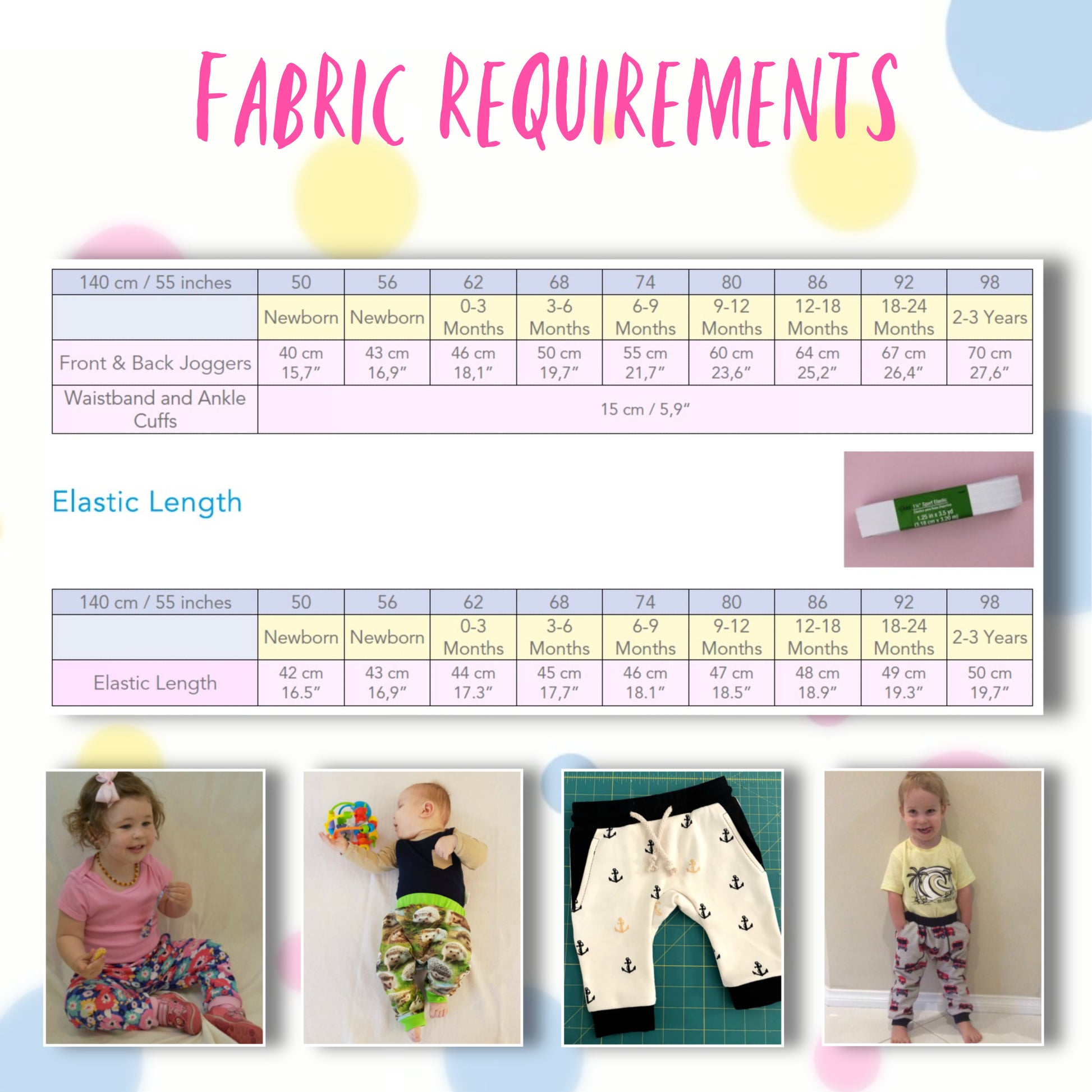
Fabric Requirements

BEST MATERIAL CHOICE
Interlock and four way stretch fabrics with good recovery.

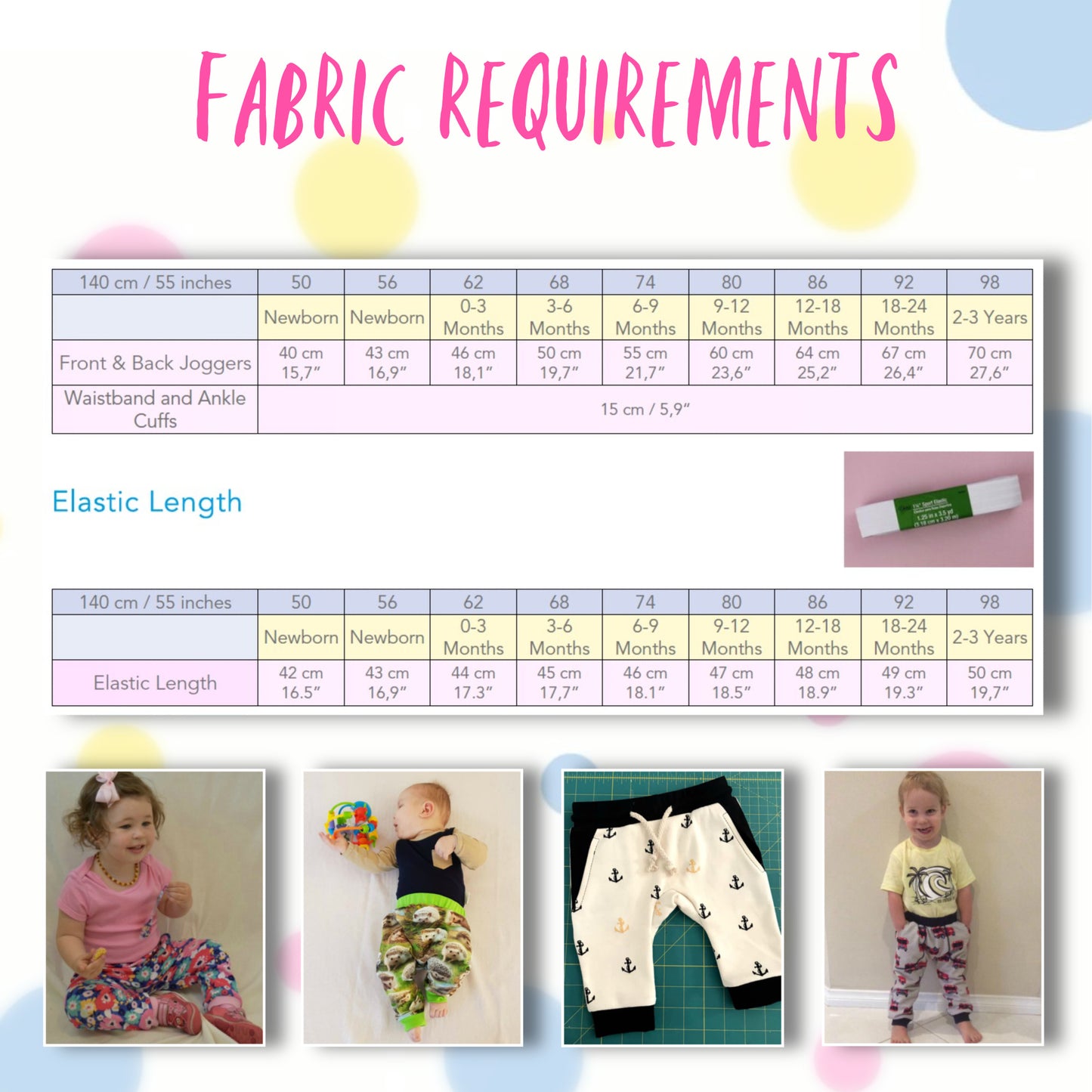
FABRIC REQUIREMENTS
•  Shell Fabric: You will need 16– 28 inches (40cm-70cm)
•  Cuffs: 6 inches (15cm)

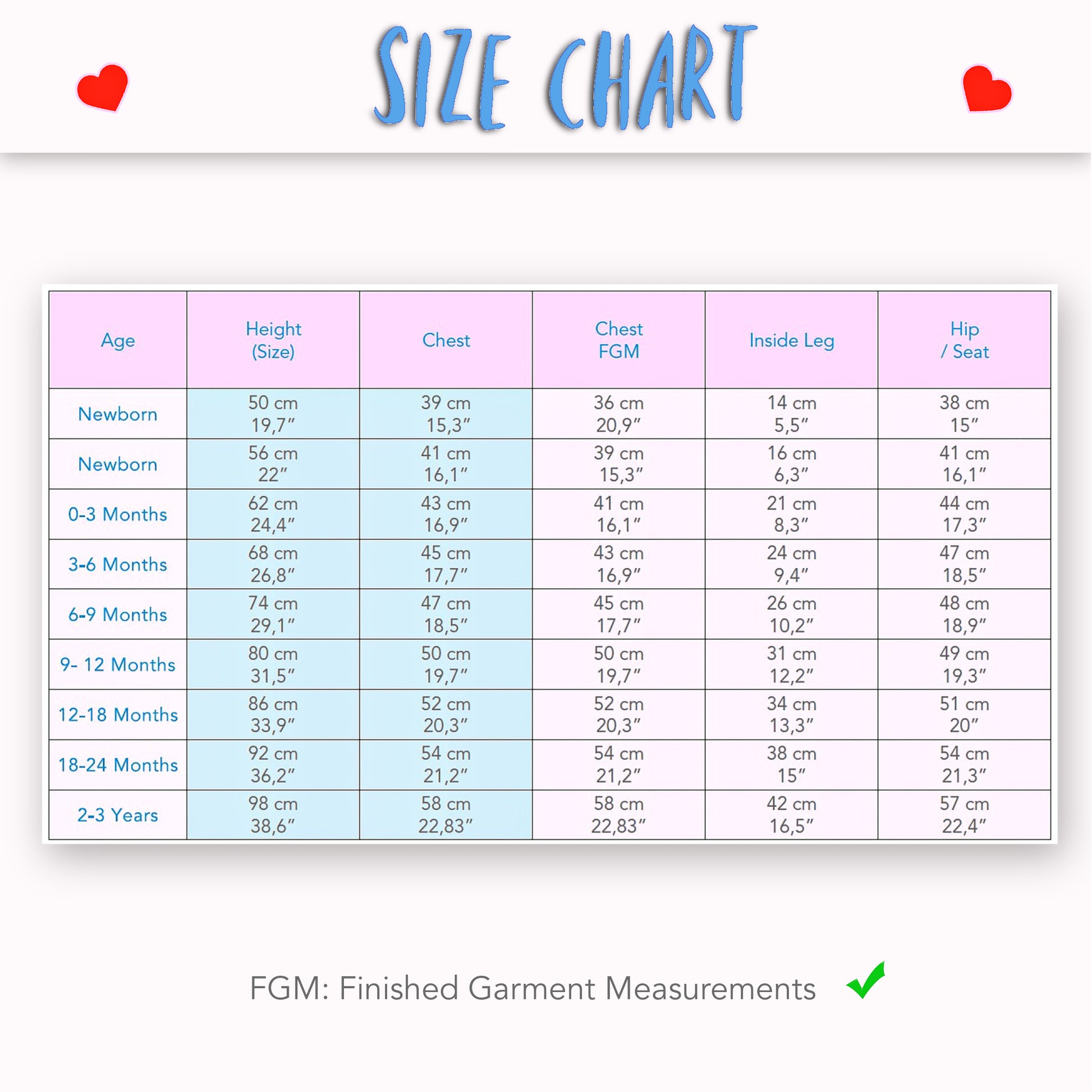
Available Sizes

Size: Newborn - 3 Years

Please Read

  1. This is a digital pattern or PDF file, not a physical product. It will be delivered electronically via a download link delivered to the email used for the purchase.
  2. To ensure the pattern prints at its actual size, it's recommended that you use Adobe Acrobat Reader.
  3. The pattern creator, Frocks & Frolics, welcomes small-scale production using their patterns. 

Customers are encouraged to tag Frocks & Frolics when sharing projects made using their patterns on social media.

@frocksandfrolics #frocksandfrolics

View full details

STEP-BY-STEP VIDEO TUTORIALS
Thumbnail
BUBBLE GUM JOGGERS: INTRODUCTION TO THE PROJECT
Thumbnail
THE PATTERN
Thumbnail
CUTTING OUT
Thumbnail
THE POCKETS
Thumbnail
GUSSET
Thumbnail
INNER LEG SEAM
Thumbnail
SIDE SEAMS
Thumbnail
WAISTBAND
Thumbnail
ANKLE CUFFS
Thumbnail

VIDEO TEXT

Introduction to the Bubble Gum Joggers

Transcript for Video: Bubble Gum – Introduction to the Project

They are made from a nice knit fabric. You can use 100 percent cotton with a bit of Lycra or without it, and then for the top and the little bands on the legs I fused an interlock. Interlock is absolutely super for this, it holds the form and the shape really well.

If you don't want to use an elastic in the top, you can skip it as well, but keep in mind you will need to adjust your waistband length by about four centimetres so it doesn't end up too loose.

Fabric Choices

You can use sweatshirt fabric, jersey, or any knit fabric. It doesn't need to have a lot of stretch, around 25 percent is already more than enough for this type of garment.

The key is stability and comfort rather than extreme stretch.

Design Options

These joggers include an optional pocket design. It looks complex but is actually very simple to construct.

You can choose to include the pocket or leave it out depending on your preference. Both versions work well.

The construction is designed so that even the more advanced-looking details remain beginner friendly.

Waistband and Elastic Option

The waistband can be constructed with or without elastic.

If elastic is used, it helps the garment hold its shape better, especially in knit fabrics.

If you prefer a flat waistband finish, you can adjust the pattern accordingly.

Pattern Preparation

Before cutting, ensure your pattern pieces are clearly marked.

Use tape or pattern weights to secure pieces if needed during tracing or cutting.

Pay attention to grainline and stretch direction for consistent fit.

Conclusion

And that’s the basic setup for the jogger set.

Once you understand the fabric choices, waistband options, and pocket variations, the rest of the construction becomes straightforward and highly customizable.

The Pattern explained in Detail

Transcript for the video: Bubble Gum Joggers - The Pattern

Welcome to the dungarees project. The first thing we’re going to do is look at all the pattern pieces we need to make this beautiful little pair of dungarees.

So now you’re raring to go to make your dungarees, and you need to cut out your pattern pieces first. Before you do though, you want to grab yourself a ruler or your tape measure and measure the scale and make sure this is 5 centimeters or it is 2.5, which is exactly an inch.

I just want to show you something which happens quite a bit, and that is you get one of those tape measures from the market and you measure it and the scale is totally out as you can see here. If I take a more expensive tape measure, you’ll find it works. So make sure that you have a tape measure that works. You can check that by just putting it onto your ruler and checking that it’s the same measurement. I’ve had people before who had a tape measure which was wrong and they were so frustrated. They said, “I don’t know what I’m doing wrong,” and often it turned out that the tape measure was wrong and everything else was right.

Pattern Preparation

Then I’m going to go away and cut all these out. So I’ve cut everything out now and we can get going.

Usually my patterns have this assembly plan to go with it, and there you can see what goes together. These plans are different for every single size, so on a smaller size you will have your front piece in two pieces, a bigger size might have three pieces, and it will be indicated here so that you can see at a glance what goes together and how many pieces you need. It’s very simple to do.

Understanding the Pattern Pieces

So let’s have a look at my pattern pieces.

The dungarees are dead easy. You can see we have no seam in the middle. That’s because this is on the fold. The fold is always marked with these arrows that go to the middle so you know you’ll be cutting it out like that.

So the fabric is folded over and the pattern piece goes on top, and that applies to both of those.

Then you’ve got this coming forward like that.

We can put the button on either on the top here, or we can do as marked here—we can put the button in here. We can do both. It doesn’t matter which way you do it.

Buttons and Placement

On the front piece you’ve also got a marking for the pocket, so that’s where the pocket needs to go, and I will explain to you how you position your pocket when we’re doing the sewing.

Then you’ve got a mark up here for the button. The important thing is that you choose your button and you see where that button needs to go.

This box here is actually a very old button box. It’s from my grand aunt, born in 1896, so that’s how I remember her. I never get rid of this really old box.

So I would say, find a perfect button. Hopefully something like this, or maybe something a bit nicer.

Let me see if I can find a different one… there’s a red one there, let’s get some different sizes.

So, a smaller one maybe.

Choosing the Right Button

If I put a smaller button there it might look not so nice. If I put the big button, that’s perfect.

So the best thing to do is when you’re finished and you’ve made your dungarees, is to put a button on the top and then check where it needs to go.

In this case, this would sit way lower here. The buttonhole sits way lower than the cam snap because the cam snap is much smaller so it can sit higher up.

So what I would recommend is when you finish your dungarees, you get your buttons out and you just check it.

Back Piece and Fastenings

On the back you also have a marking here, which is where you put your cam snap or your button if you wanted to put it on this side. The same will apply if you decide that you want to put your buttonhole on this. Make sure it’s in the right position that looks good for your button and your dungarees.

Understanding the Gusset Shape

On the back you’ve also got this really funny shape here. Instead of coming out like on the front, it comes out like this.

One of the reasons for that was because you put in a gusset, and the gusset is what mimics the normal shape you’ve got on trousers. Your trousers will always come out like this and then like that so they fit around the body.

Now with a baby it’s got a nappy, so it’s even more, but also you want to have these pieces in one, so you need to help yourself because you don’t have a seam.

That’s what the gusset does. It will sit in here and when it’s folded up like this it will mimic the space you get with the normal trouser shape.

If you’ve got this little protrusion here, it means you can put your gusset on from that part and then just work around. You don’t have to flip them like that to put it in.

It’s really simple and really easy because of this, you don’t need to mark anything, you just cut it out, put it on, sew it together.

Pocket Construction

Then we’ve got the pocket which will go on here, and the pocket is lined with just some cotton fabric.

I do that because I found that it was quite difficult with jersey to fold this over or overlock it because of the stretch. When I saw it for my testers, the pocket didn’t look like mine.

If you’re a really good seamstress you don’t need to do that. You can just overlock it and iron it. But if you are a beginner and you really want it to look like this, then I suggest you do the same.

Just use a little piece of very lightweight cotton and sew all the way around. Number one, it’s much easier to keep the shape, and it’s also easier to attach it to your dungarees onto the front piece.

Final Pattern Pieces

Then we’ve got two more pieces, and those are the last pieces before I start sewing. That is the back piece here, which just fits on there, and then we’ve got another piece which fits on here.

Both of these also have to be cut on the fold.

What you’re going to notice is that the front goes a little bit lower and comes a little bit more in. That’s so that when you sew it together and bring the edges together, this will be slightly short so it pulls it in. That means your facing won’t roll out.

Whilst this isn’t very important on dungarees, you will hardly notice it depending on how well you cut out, but if this was a really nice dress then you absolutely will notice the difference.

It’s nice to get into these techniques even when they don’t matter so you can practice them.

The same on the back; lower and a bit lower around here.

Conclusion

Those are all the pattern pieces for your dungarees. Now we can move on to the next step and we can cut it out.

Are you excited? I sure am. See you there.

How to cut out the jogging pants

Transcript for the Video: Bubble Gum - Cutting out

Let's start cutting our fabric out.

I have got some green leg bands and waistband fabric in interlock here, which magically will change color into yellow in a little bit.
You have got these little bits for the front pocket — it's been curious, I shall show you in a minute how that works.
So let's put these to the side.

Then I've got my gusset there, the little leg bands for the legs — there we go — the back, in which the gusset goes, and then the front.

Understanding the Pocket Pieces

Now let's have a quick look at how we're going to put together the pocket.

This curious little bit you've got there is going to fit on the side here.
Now, this is the only thing that might be a little bit difficult to cut out, so in a minute I'm going to show you how to do this.

There you go — that's on both sides.

I put some Vilene on it, or interfacing.
You don't really need to do that, only if your fabric is very, very flimsy.

Cutting the Pocket Side Piece Correctly

So what you do is:

  1. You put your front piece onto your fabric so that it matches exactly.
  2. Then, with the 1 cm seam allowance, you place your pattern piece on it.
  3. Hold it down with your finger.
  4. Remove your cut front piece.
  5. Then pin your side piece into place.

Now I know that that will exactly fit when I'm cutting it out, so that if you have a pattern, it will follow through and not look odd.

It's also nice to have it cut in a different color for a little bit of pop — so you have to see what you want to do here.

Finishing the Cutting

So I cut this one out, and now when I put it on, you will see how beautiful that will be.

I do the same on the other side — and that’s it.

We can get on with our sewing.

Inserting the Pockets

Transcript for the Video: Bubble Gum Joggers – Inserting the Pockets

Now we’re moving into a more advanced pocket construction often called a “super pocket” or layered internal pocket technique.

It looks complex at first, but it’s really just a sequence of controlled folds, stitch lines, and reinforcement steps that lock everything into place.

Preparing the Pocket Pieces

Lay out all pocket components before starting.

The pocket is designed to fold inward and sit neatly against the back section of the garment.

Check that both left and right pocket pieces are mirrored correctly so they match once assembled.

Attaching the Pocket to the Base Fabric

Place the pocket pieces onto the garment panel and align them precisely with the intended placement area.

The pocket will later fold inward, so ensure the orientation is correct before sewing.

Pin both sides securely so nothing shifts during stitching.

Sewing the Pocket Base

Stitch the pocket pieces in place using a 1 cm seam allowance.

Keep the seam consistent and controlled.

Once sewn, press the seams open carefully to reduce bulk and create a flat base for the next steps.

Repeat the same process on both sides for symmetry.

Forming the Internal Pocket Structure

After pressing, the structure begins to take shape.

Each seam allowance is split and folded outward, creating a controlled opening underneath.

A triangular reinforcement piece is then positioned over this area.

Align it carefully with the pattern markings so it sits precisely in place.

Securing the Pocket Shape

Fold the pocket layers into their final position.

Use vertical pins to stabilize all layers before stitching.

Turn the work so stitching can be done from the underside for better visibility and control.

Mark pocket depth, typically around 3 cm from the top edge, depending on design preference.

Stitching the Pocket Opening

Sew along the marked lines using a shorter stitch length (around 2.5).

Stitch from the top marking down to the end point of the pocket opening.

Lock stitches securely at both ends to prevent unraveling.

This defines the functional opening of the pocket.

Turning and Forming the Pocket

Once stitched, fold the pocket pieces outward into their final shape.

The inner pocket lining naturally flips into place, forming the bag of the pocket.

This is where the structure becomes visible and starts looking like a finished pocket.

Topstitching the Pocket Edge

Topstitch around the pocket opening to secure and define its shape.

Use a longer stitch length (around 3.5–4) for a clean, professional finish.

Maintain consistent spacing on both sides for symmetry.

Guide the fabric steadily and pivot with the needle down at corners.

Attaching the Pocket Bag

Place the pocket lining over the constructed pocket opening.

Some methods stitch through all layers, but here the pocket is kept loose for a cleaner interior finish.

Pin carefully with vertical pins to hold alignment.

Stitch using a 1 cm seam allowance.

Securing the Reinforcement Triangle

The triangular reinforcement section can loosen over time if left unsecured.

To stabilize it, stitch along the topstitching line from top to bottom.

This step is functional rather than decorative.

It prevents shifting and keeps the pocket structure stable during wear.

Final Reinforcement Stitch

Stitch close to the existing line using a standard stitch length (around 2.5).

Follow the center guide of the presser foot for accuracy.

This final pass locks the structure in place and ensures durability.

Conclusion

The pocket is now complete.

Although the process involves multiple steps, it is fundamentally a sequence of controlled folds, reinforcements, and topstitching lines.

Once understood, it becomes a highly reliable technique for creating strong, structured pockets with a clean professional finish.

How to insert the Gusset

Transcript for the Video: Bubble Gum - Inserting the Gusset

Now we take our gusset.
This is not an easy one, so we mark the center on both sides.

And because I made this little notch for you, it’s really easy.
You can see exactly where the gusset needs to be placed, and then you simply take it, guide it around here, and pull the two edges closer together as you go.

It is honestly easier than pinning the whole thing — I promise you.

Then you just guide yourself around and end up down here again at this little notch that sticks out.

And that’s it already.

Finishing the Seam

Now we just need to overlock the whole thing, and that’s the job done — and we can already move on.

See you in a moment.

How to close the inner Leg Seam

Transcript for the Video: Bubble Gum - The Inner Leg Seam

Now we're closing the inner leg seam.
This is super simple. All you have to do is line up the legs down here, right sides facing each other, pin it. I would put one pin in the center here as well.

And then the key is always to bring in the legs flat, and then where the gusset is, it feels like you're holding in stuff — but actually you aren't.
It's just because it's on a curve, a little bit like when you do a sleeve.

Do it from the other side as well — super — and then we're just going to ease this in here.

Pinning and Preparing to Sew

Super, pin it.
I love this fabric actually, it's really nice.
This is cotton and Lycra, and that makes for very comfy fabric.
It's also organic, and again it is from Fabric Worm — I really love that company.

Sewing the Inner Leg Seam

Now we're going to start sewing in. Here we go.

And I think that a lot of you won't even pin this after a while, and I know that some of you are just sewing it on the overlocker — and that's also good.
You could do that too.

All the way down, locking your stitches.
Then you pop over to the overlocker, overlock it, and there you go — you have a wonderful leg with enough room.

The Side Seams

Transcript for the Video:  Joggers - Closing the Side Seams

Now we can close the outside seams. This is a quick step where we join the main fabric pieces together.

Pinning the Side Seams

Place the fabric pieces right sides facing each other.

Start by placing a pin at the beginning of the seam and another at the end. You may add one in the middle if needed, but heavy pinning is not necessary.

Focus on keeping all layers aligned smoothly and evenly as you pin.

Repeat the same process on the other side seam.

Sewing the Side Seams

Move to the sewing machine and sew using a 1 cm seam allowance.

Lock in your stitches at the start, then follow the edge of the fabric.

Use the guideline on your sewing machine, which typically corresponds to 1 cm (or approximately 3/8 inch).

Take care when passing over pins and remove them as needed to avoid shifting.

Sew all the way along the seam until complete.

Alternative Method for Thicker Fabrics

For thicker materials, you may choose to overlock the edges first before sewing the seam, or sew first and then overlock afterward.

This helps reduce bulk and improves durability depending on the fabric type.

Pressing the Seams

Press all seam allowances toward the back side of the garment.

Seams should lie flat and smooth after pressing.

If the garment area is too small to press on an ironing board, press it flat on a surface instead.

Conclusion

The side seams are now complete. The main structure is assembled and ready for the next stage of construction.

Sewing the Waistband

Transcript for the Video: Joggers – The Waistband

Now we’re attaching the waistband. The key focus here is inserting the elastic properly first so it sits securely inside the waistband before the final assembly onto the joggers.

Preparing the Elastic

Take a 1.25 inch elastic (around 3.2 cm, though 3 cm works fine). Fold the ends over by about 1.5 cm and sew them together securely. It’s best to stitch two parallel lines for extra strength.

Make sure the elastic is slightly shorter than both the waistband and the jogger waist opening so it creates proper tension when finished.

Preparing the Waistband

Fold the waistband lengthwise and press it to create a clear crease. This crease will guide where the elastic sits so it stays centered and even.

Inserting and Securing the Elastic

Place the elastic inside the waistband, aligning it with the pressed crease. In industrial production, this would be stitched in using a stitch-in-the-ditch method, but for home sewing pins can be used instead.

Secure the elastic at key points to keep it evenly distributed. Ensure it remains slightly shorter than the waistband to maintain proper stretch.

Some sewists prefer to stitch without pins and adjust the elastic as they sew, or stretch it over an ironing board to help distribute it evenly.

Stitching the Elastic Inside the Waistband

Sew along the edge of the waistband while carefully avoiding catching the elastic in the stitching at this stage. Work slowly and guide the elastic evenly.

The goal is to secure the elastic inside without restricting its stretch. A long stitch length and careful handling help keep the finish clean.

Preparing the Joggers

Mark the center front and center back of the joggers clearly. Turn the garment inside out in preparation for attaching the waistband.

Attaching the Waistband

Insert the waistband into the joggers with right sides together. This method mirrors how ankle cuffs are attached and makes handling easier.

Align key points first, then pin vertically along the seam line. Continue distributing the fabric evenly around the waist using your hands instead of measuring constantly.

Keep the distribution clean and balanced so nothing twists or folds.

Sewing the Waistband

Sew from the inside using a 1 cm seam allowance. Stretch the fabric gently as you sew so the elastic and fabric distribute evenly.

If using narrower elastic positioned differently, adjust seam allowance to ensure you catch the elastic securely in the seam.

Overlocking and Finishing

Overlock or serge the seam all the way around for durability and a clean interior finish. Always remove pins before overlocking to avoid damaging the blade.

Pressing

Press the waistband carefully after sewing. This helps the elastic settle evenly and improves the final shape of the garment.

Conclusion

The waistband is now complete. With proper elastic insertion, controlled stretching, and secure stitching, the joggers achieve a clean, stable, and comfortable finish.

How to sew the Ankle Cuffs

Transcript for the Video: Bubble Gum – Sewing the Ankle Cuffs

Now we’re attaching the ankle cuffs and working through the same construction logic used throughout the joggers. The key focus is alignment, controlled stretch, and keeping the seams clean and stable.

Preparing the Ankle Cuffs and Waistband Pieces

Take the ankle cuffs and waistband pieces and place them together with the right side facing inward. Pinning is optional, but a single reference pin can help you keep track of matching pieces.

Do the same for the waistband by aligning the short ends and securing them with a pin. With interlock or similar stretch fabrics, both sides often look the same, so consistency in orientation is more important than visual difference.

Sewing the Short Seams

Sew the short ends together using a standard seam allowance. A good habit is to feed the next piece under the machine immediately after finishing the previous seam to reduce thread waste and maintain workflow efficiency.

Secure stitches at the beginning and end of each seam. Avoid pulling excessively on the thread, as this wastes material and can distort the seam.

Pressing the Seams

Press all seams open. The waistband and cuffs can be easier to press on a smaller ironing surface due to their size.

Preparing the Ankle Cuffs

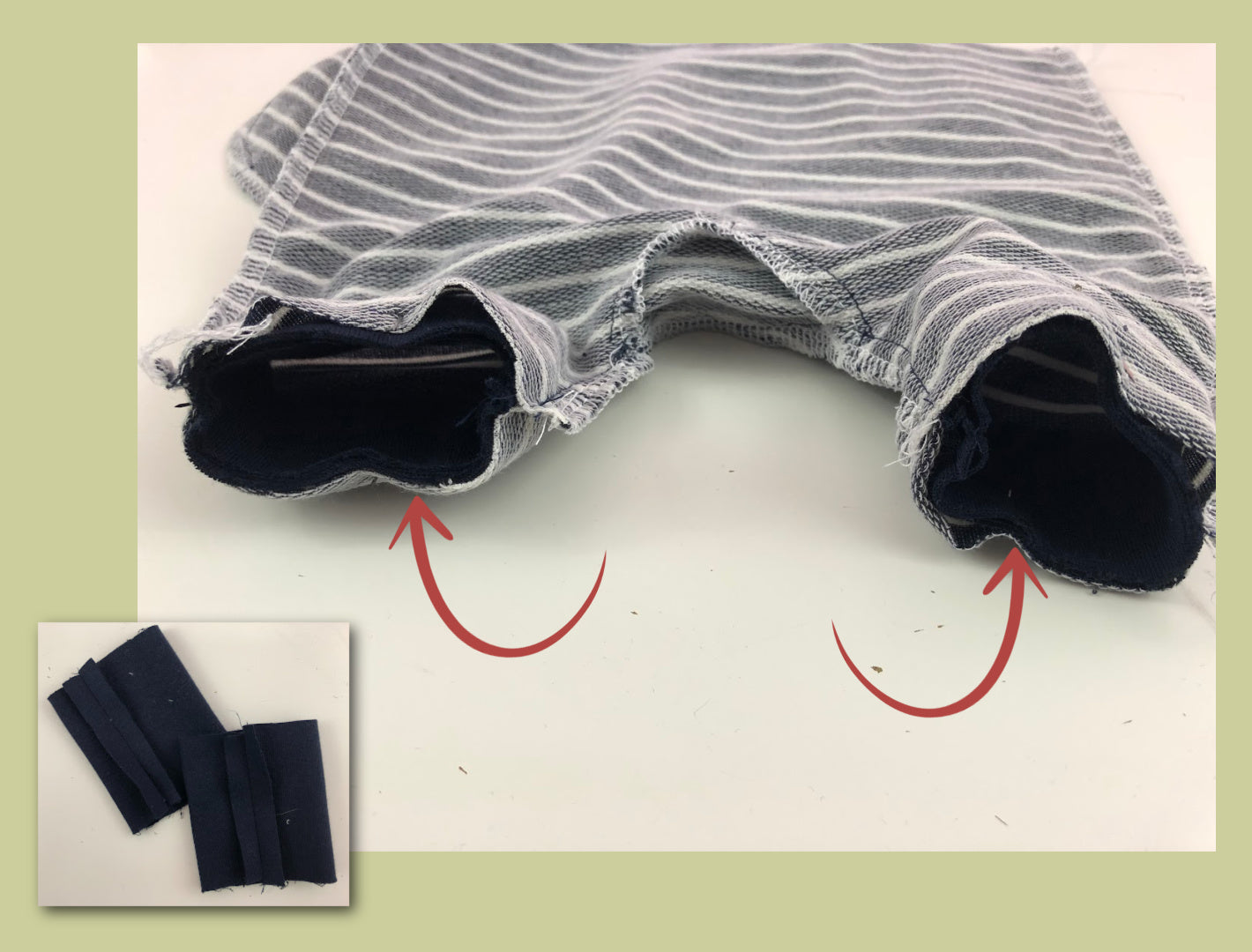
Fold the ankle cuffs lengthwise and press them to create a clean crease. If the fabric is thick jersey, trimming back seam allowances helps reduce bulk and improves the final shape. For lighter jersey, this step is optional.

Attaching the Ankle Cuffs

Turn the joggers inside out. Insert the ankle cuff into the leg opening with right sides facing together. Align the cuff seam with the leg seam and pin it securely in place.

Evenly distribute the cuff around the opening by gently stretching the fabric. The point of maximum stretch will usually align with the opposite seam, helping maintain even tension all around.

Pin securely once everything is evenly distributed. Repeat the same process on the other leg cuff.

Sewing the Cuffs

Sew from the inside of the garment using a standard seam allowance. Stretch the fabric slightly as you sew to ensure even tension and prevent thread breakage.

Secure stitches at the end of each seam.

Overlocking and Finishing

Overlock or serge the seam allowance all the way around to finish the raw edges. Always remove pins before using the machine to avoid damage.

Steam Setting the Seams

After overlocking, the seam may stretch slightly. Use steam pressing to reset the shape. Let the steam fully penetrate before applying pressure with the iron, then allow the fabric to return to its original form.

Final Pressing

Turn the seam upward and press again from the outside to refine the shape and ensure a clean finish.

Conclusion

The ankle cuffs are now attached. With proper alignment, controlled stretching, and careful pressing, the cuffs will sit evenly and maintain a stable, professional finish.

A quick Runthrough of the entire Project

Transcript for the Video: Bubble Gum - All-in-One-Video

Hi everyone, I'm Marina.
Welcome to another project with Frocks and Frolics.
These are my Bottom Joggers and I'm going to show you exactly how to make them.

Before we go off and sew them together in about ten minutes, let's have a look at the super‑duper little joggers in a bit more detail.

Waistband Construction

One of the things that's different from other jogger bottoms you might have made is that the waistband is constructed first and then sewn in.
This means that you can change the elastic afterwards.

Of course, you could do the traditional method if you'd like and put the elastic in after.

I think it looks nicer this way — it gives you a little bit more firmness around here, and so we're getting a really fantastic little pair of joggers.

The Pocket Technique

The other thing is my little technique here:
how to put in these gorgeous pockets.

They are so simple to put in and they look so nice.
If you're an absolute beginner who doesn't know how to put pockets in, then this is the method for you.

The Importance of the Gusset

One of the things that a lot of these little patterns don't have is a gusset.

When I first started the baby collection — which is not so long ago — I realized that you just can't do without it.
I've done a few without, and there's always that massive tension because the gusset has to wrap around the nappy.

It's a very simple thing to do.

You can also make the joggers without pockets.

Buttonhole Tie Option

I also want to show you the other method here:
simply put two little buttonholes in and then put through a tie.

I didn't even stitch down for a tunnel — of course you could do that before you put it in.

If you want to know how to do it with eyelets, I've already done that in the Maisie Short, and that video is linked in the description.

Getting Started

So without further ado, let's start sewing.

The first thing to do is to put your pattern together.
Make sure it's printed correctly — 5 cm or 1 inch should be the measurement.
Then join your pattern pieces together in alphabetical order.
It's really dead simple.

Cutting the Fabric

Here I've cut everything out.
It's so simple.

We're cutting:

  • the front on the fold
  • the back on the fold
  • the waistband
  • the funny‑looking shapes for the pocket
  • the gusset
  • the cuffs (which will magically change into yellow later on)

Preparing the Pocket Side Piece

Now we're going to take that special triangular piece.

You can put some interfacing on it if it's a really lightweight fabric, or leave it as it is.

To make the pattern match:

  1. Place the front piece on your fabric so that it's a perfect match.
  2. Put the triangle on with a 1 cm seam allowance.
  3. Move the front piece away.
  4. Pin the triangle.
  5. Cut it out.

It will fit absolutely perfectly.

Sewing the Pocket

Place your pocket with the slanted side right sides facing onto the front and sew it in with a 1 cm seam allowance.

That little jagged action isn't in the pattern anymore — it didn’t make any sense.

Iron the seams apart.

Creating the Pocket Opening

Now we're going to create this lovely opening.

With the seams lying open:

  • put the triangle on top
  • make sure it matches nicely
  • put a pin at the top and bottom
  • flip the whole thing to the underside
  • measure down either what's on the pattern or 3 cm from the top and bottom
  • sew in the ditch from the top to the marking
  • then again from the marking to the end

Really simple.

Don't forget to lock your stitches at the top and bottom.

You have now fixed the side part of your pocket.

Folding and Topstitching the Pocket

Fold the pocket back forward.

All we have to do now is topstitch it.

If you've already done one side, the other side needs to be the same height — you might want to mark it.

Stitch all the way around.

Tip:
Start right on the seam so you can count your stitches:

  • one, two, three down
  • one, two, three across
  • one, two, three up

Dead simple.

Adding the Pocket Lining

Next step: put the pocket lining under.

You can:

  • overlock it together and topstitch through all layers
  • or pin it and sew the pocket in, then overlock

Both are possible.

The pocket is now done.

Securing the Pocket

Where the little weird‑looking triangle is, it's a bit loose.

To secure it:

  • stitch right next to the topstitching line
  • from the very top down

Stitch length 2.5.

Overlock it — your pocket is inserted.

Inserting the Gusset

Next we're going to put in our gusset to the back.

You've got this protrusion there, so it's really easy to work your way around.

Do not pin this — just stitch it in.

Make sure you've marked:

  • the center back
  • the center of your gusset

Work your way around.

Overlock it.

Sewing the Inseam

Bring together the legs, right sides inside.

Bring it in flat in the leg area.

It will feel like you have to hold the gusset in, but it's only because it's a curve.

Sew it in.

Some of you might not need to pin this — beginners should.

Beautiful seam — overlock it.

Sewing the Side Seams

Sew the side seams together with a 1 cm seam allowance on both sides.

Overlock.

Make sure the pocket doesn't fold over.

Iron the seam towards the back with lots of steam.

Preparing the Cuffs and Waistband

Sew together the seams of the cuffs and the waistband.

Feed in the next piece right away so you don't waste expensive Gütermann thread.

Iron the seams apart.
Iron the cuffs lengthwise.

Attaching the Cuffs

Turn your joggers inside out.

Insert the cuff inside.

Line up:

  • cuff seam
  • inner leg seam

Stretch to fit and pin.

Sew from the inside so you can move the fabric easily.

Remove all pins before overlocking — pins ruin knives.

Steam the seam back in.
Turn flat.
Steam again.

Beautiful cuff.

Preparing the Waist Elastic

Next we're going to do the sports elastic for the waist.

It's 1.25 inches wide.

Use the measurement in your instructions for the length.

Sew down either side with a 1 cm overlap.

Press to create a crease.

If you're sewing for a child far away, use the traditional method:

  • sew waistband
  • leave a gap
  • thread elastic later

Inserting the Elastic into the Waistband

Here we're inserting it straight into the waistband:

  • stretch it on
  • pin all the way around
  • sew along the edge (not catching the elastic)

Turn joggers inside out.
Insert waistband.
Line up waistband seam with center back.
Pin.
Stretch to find opposite side and quarters.

Sew all the way around.
Stretch as you go.
Hold at the end.

Overlock — remove all pins.

Finished Joggers

And you are done with your beautiful little pair of joggers.

This is such a good pattern for a beginner.

If you want to make your own go to:

  • frocksandfrolics.com

You’ll have full access to all videos for FREE.

I cannot wait to see you there.

And for everyone watching on YouTube — the next project is a little sweatshirt.

YOU MAY ALSO LIKE

Dungies

SHOP NOW

Lollipop

SHOP NOW

Bobby Dazzler

SHOP NOW

Jelly Bean

SHOP NOW

Bubble Gum

SHOP NOW