



Skip to product information
1 of 16

PARIS BOLERO JACKET

PARIS BOLERO JACKET

Filled Circle
Filled Circle
Filled Circle
Filled Circle
Empty Circle
Regular price $12.50 USD
Regular price Sale price $12.50 USD
Sale Sold out

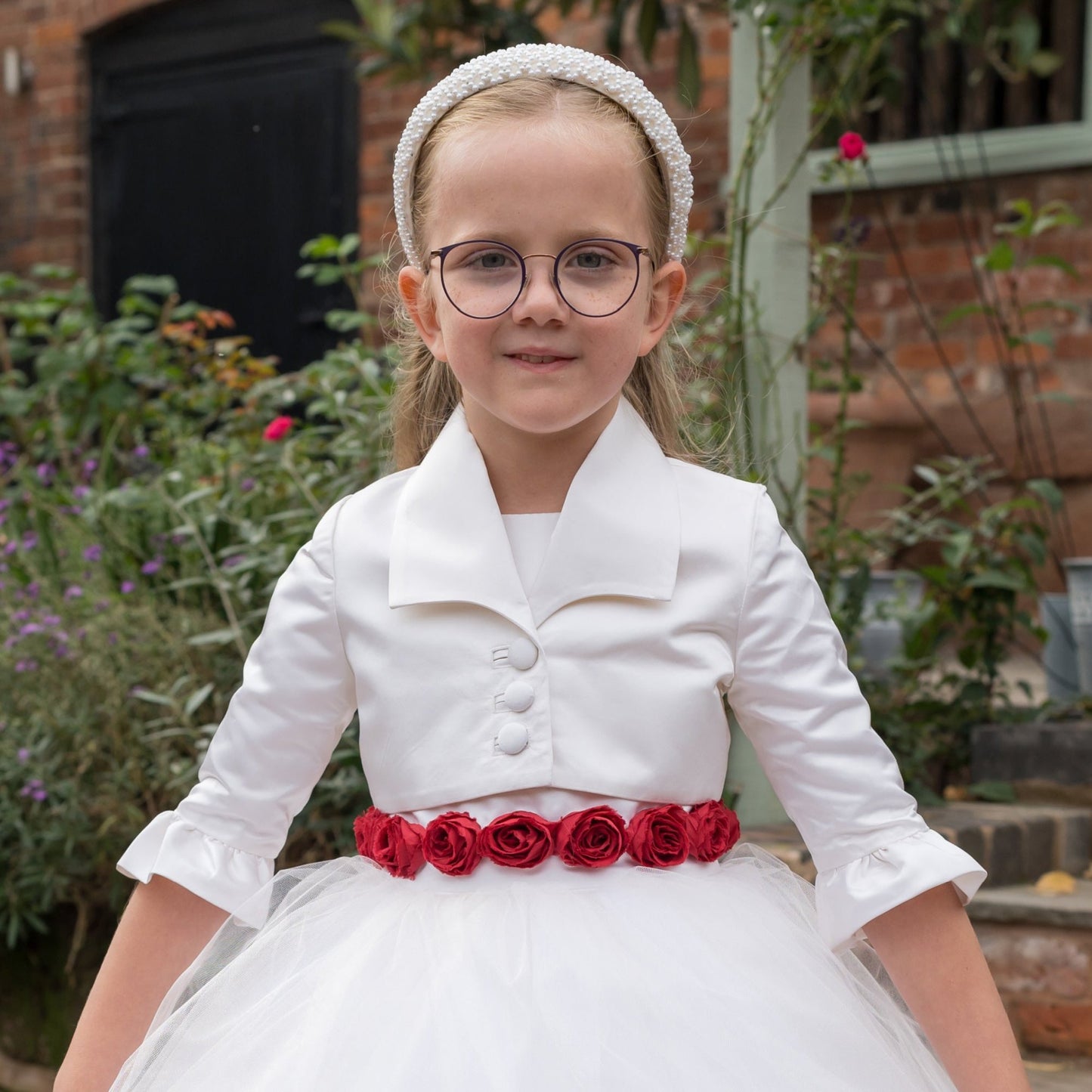
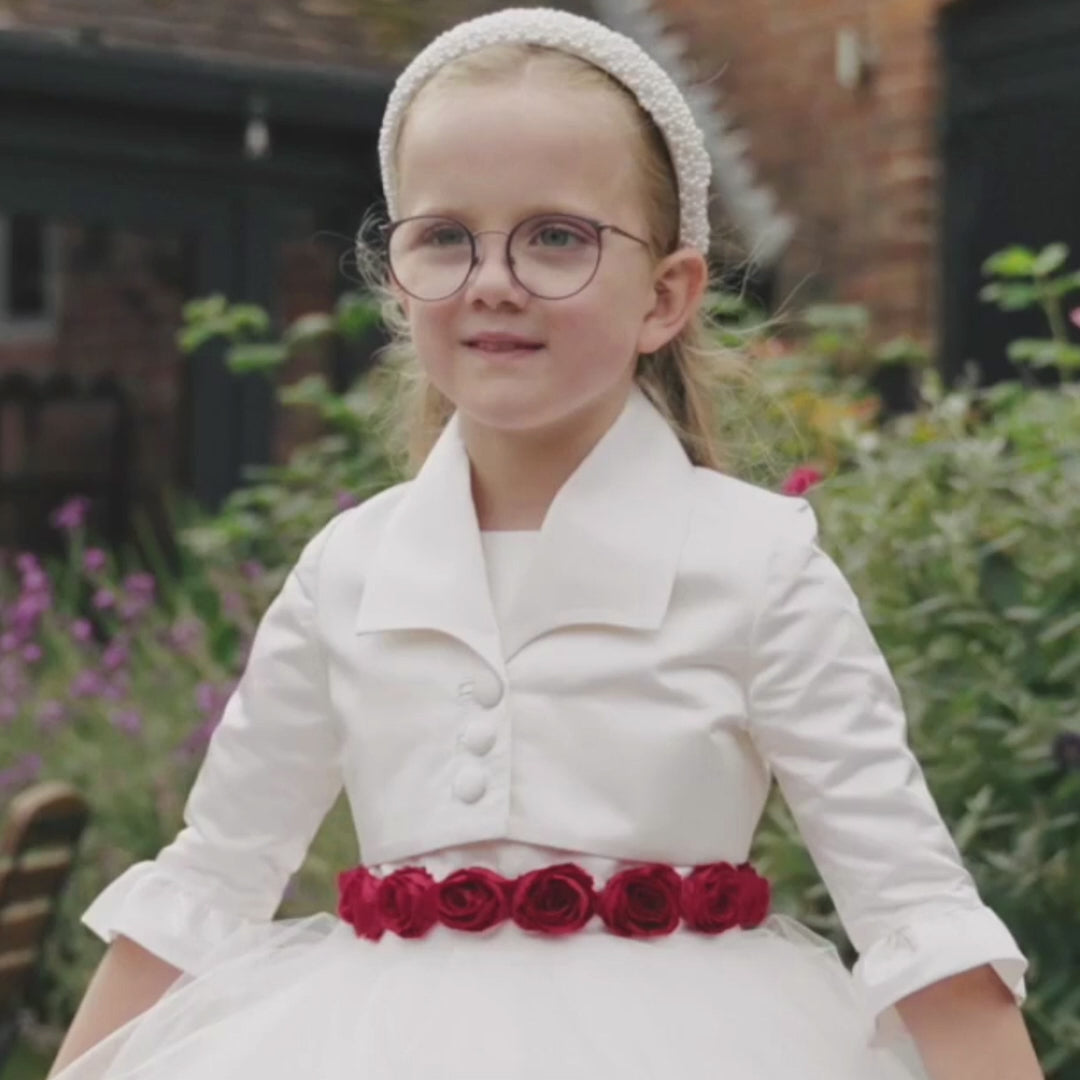
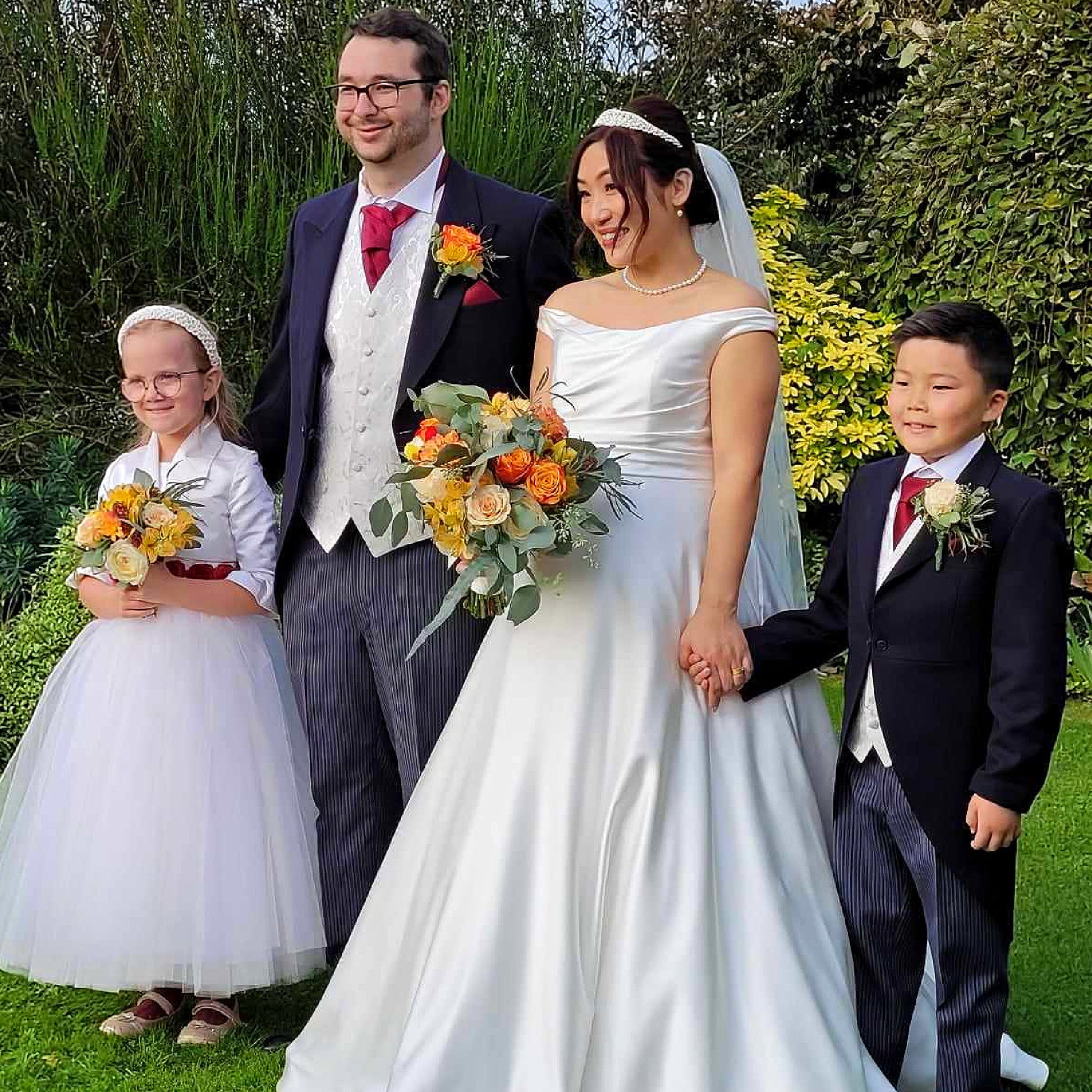
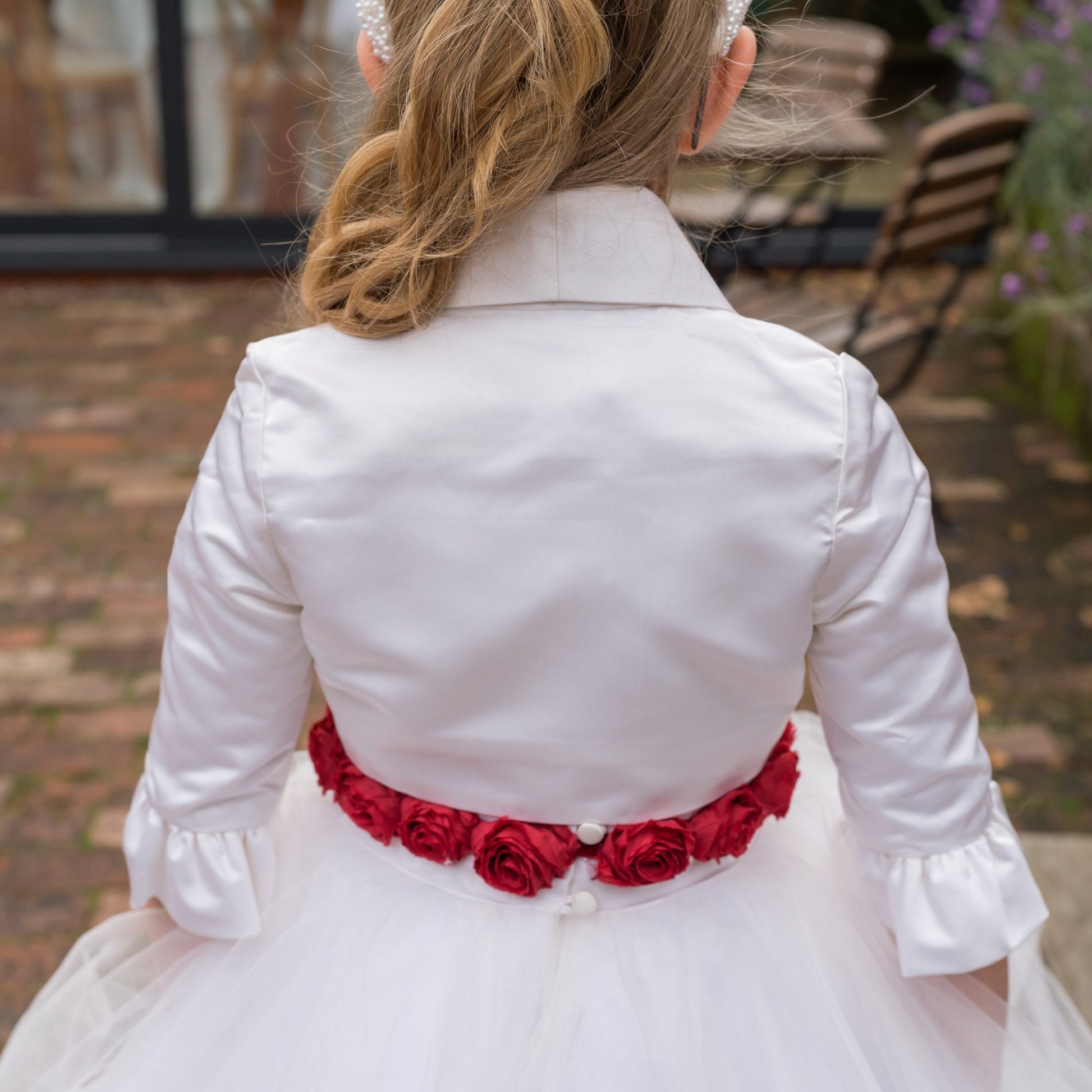
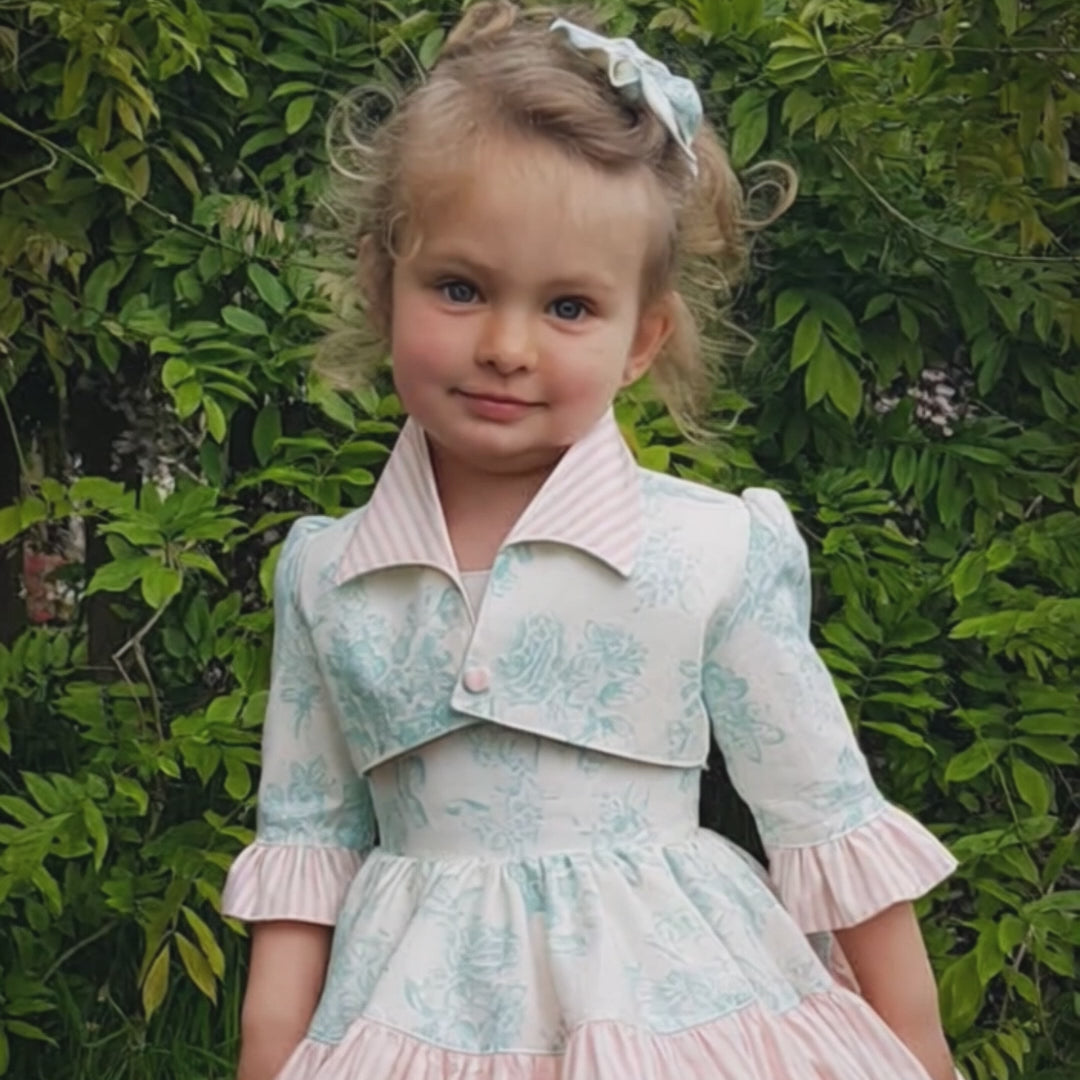
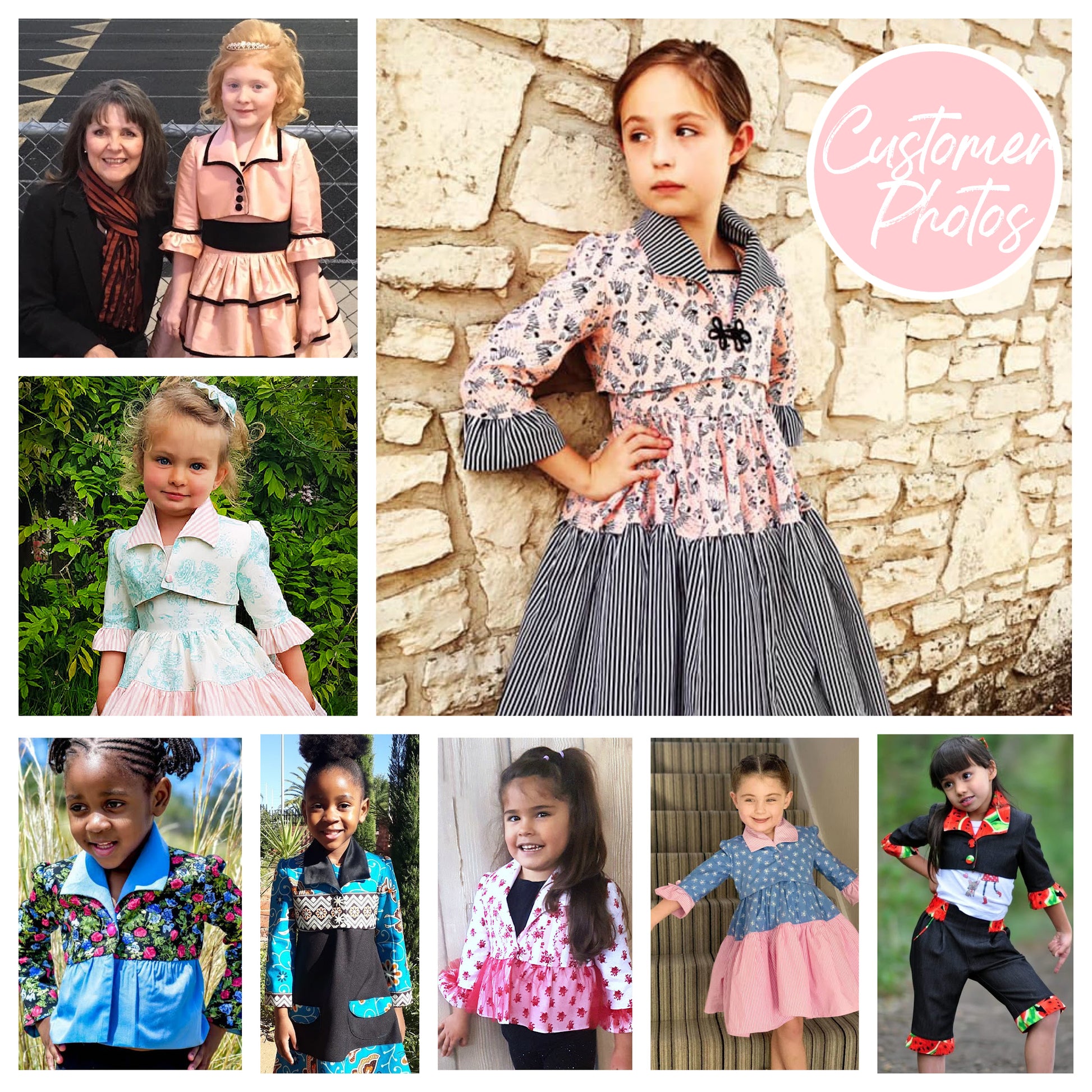
Paris is a charming girls bolero sewing pattern featuring a ¾ length sleeve with optional  ruffle and beautiful shawl collar. It’s the perfect little layer for birthdays, weddings, or even school outfits with panache. 

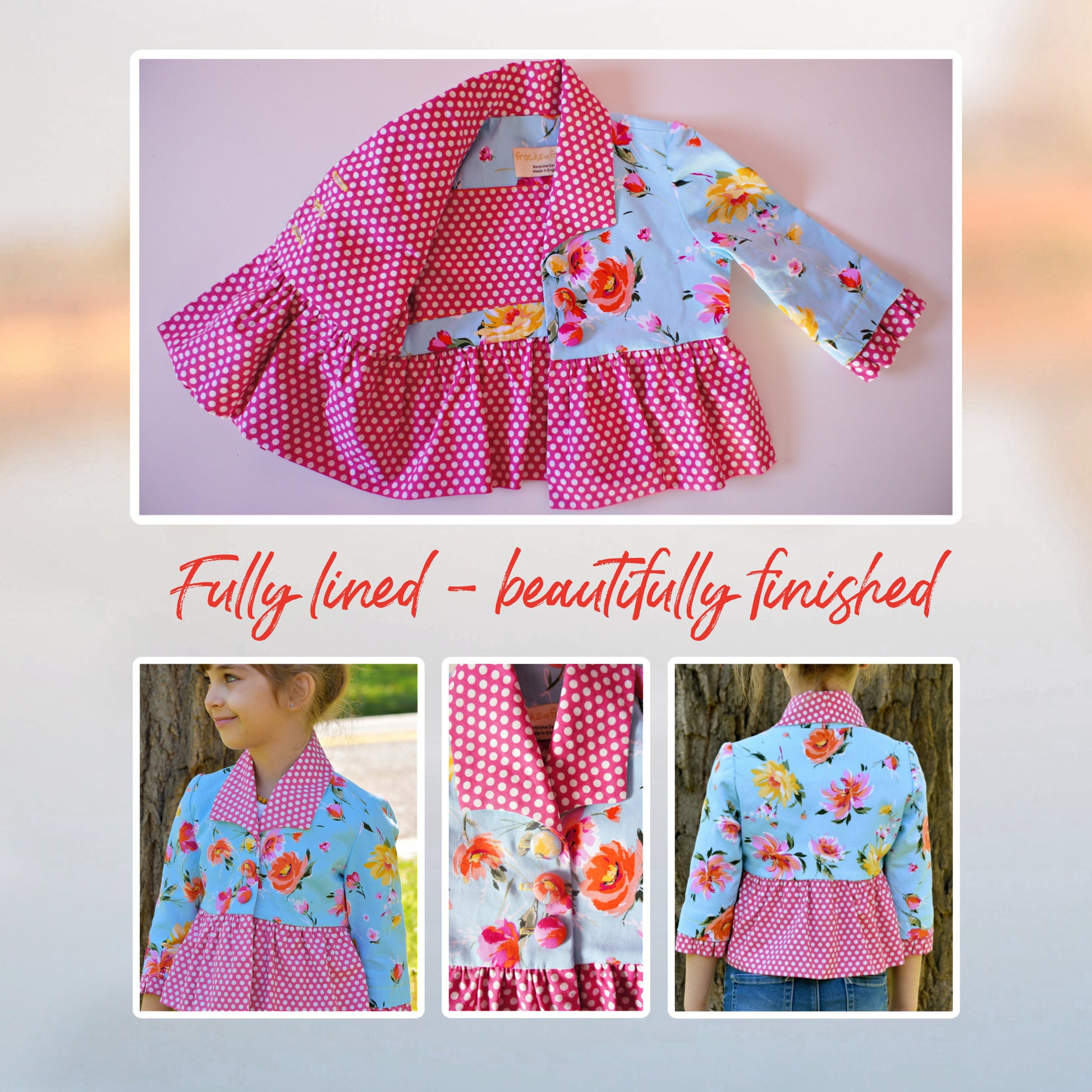
The cropped jacket slips easily over dresses and skirts as it ends just above the waist! It is fully lined, making it beautiful inside and out.  It can be made out of bridal satins, taffeta, velvets or cozy wool to keep our girls warm and snug.  

As always with Frocks & Frolics, Marina’s full video tutorial walks you through every step — just scroll down and start watching.

Pattern Download Includes

  • Instant Download
  • DIN A4 & US Letter Size
  • Individual PDF Files for every Size
  • All Sizes included
  • Detailed eBook
  • Video Tutorials

Design Options

  • Cropped length - ends just above the waist
  • Fully lined
  • Shawl collar
  • Hem ruffle (optional)

3/4 Length Plain Sleeves:

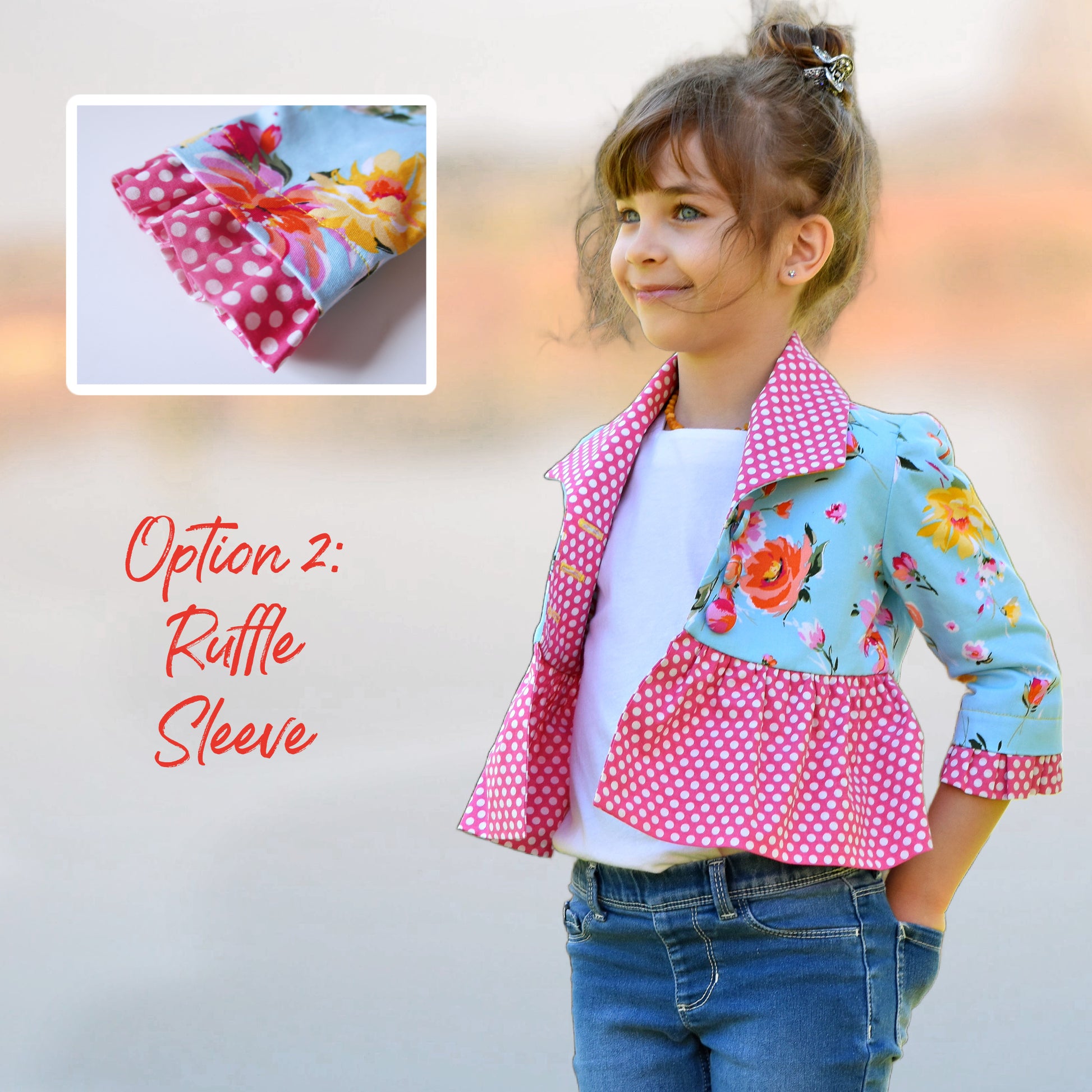
  • With ruffle
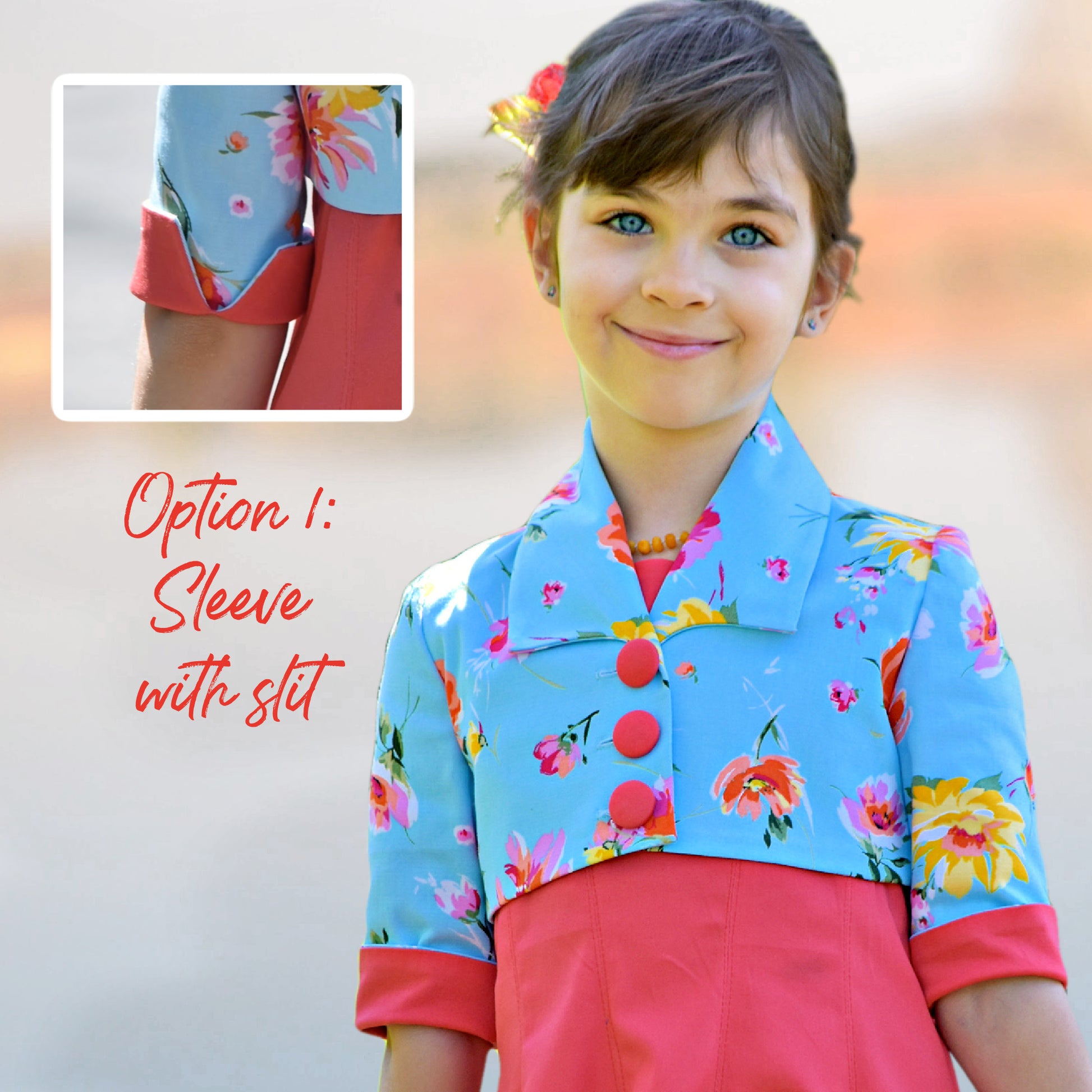
  • With elegant side slit at elbow height

Fabric Requirements

BEST MATERIAL CHOICE

  • Cotton sateen (easiest to work with)
  • Lightweight wool
  • Linen blends
  • Special occasion fabrics like Taffeta (Polyester or silk), Dupion silk, Duchess satin (Polyester)
  • Lining: soft cotton or smooth lining fabric

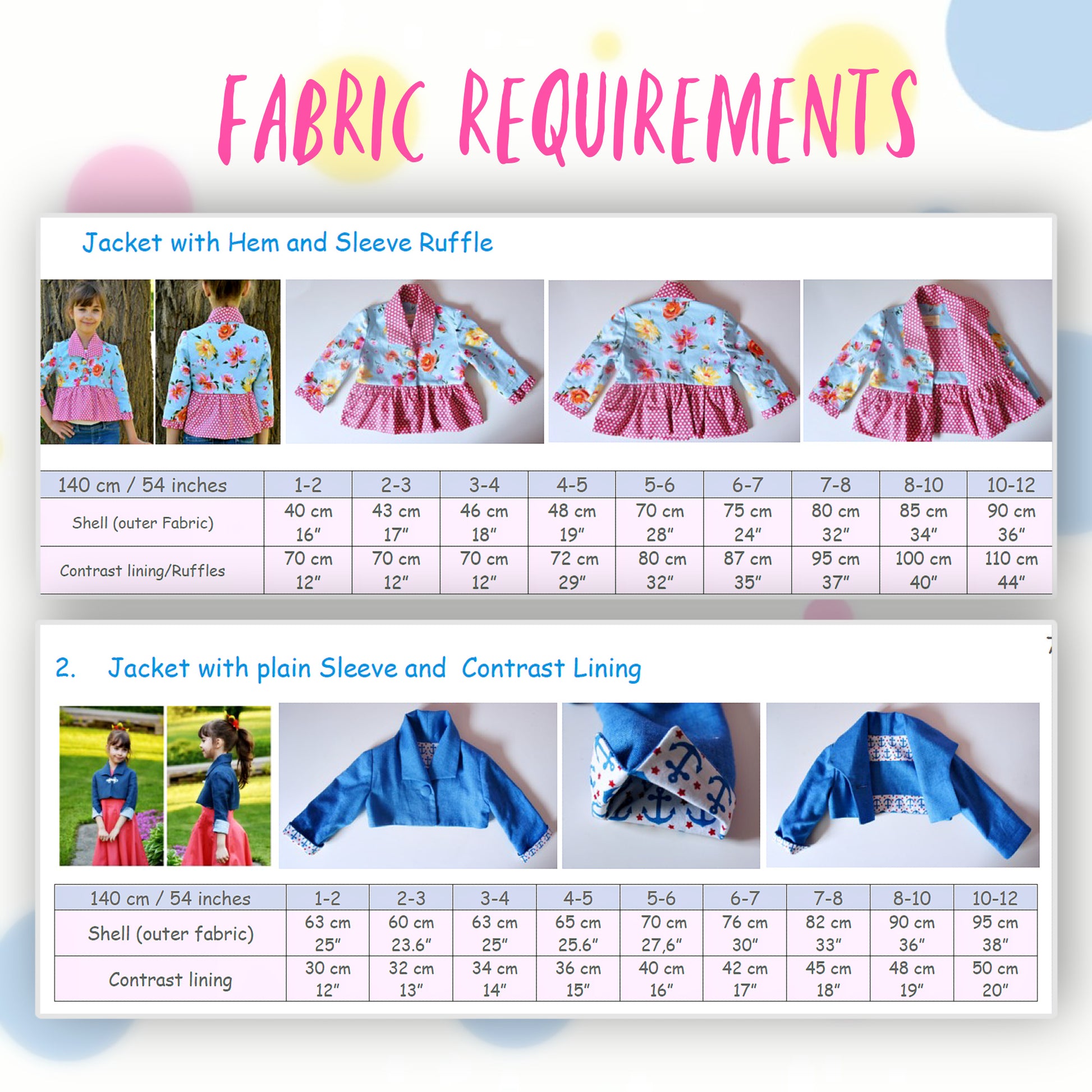
FABRIC REQUIREMENTS

  • Shell fabric: 1/2-1 yard (0.4m-80cm)
  • Lining: 1/2 yard (0.4m)

NOTIONS

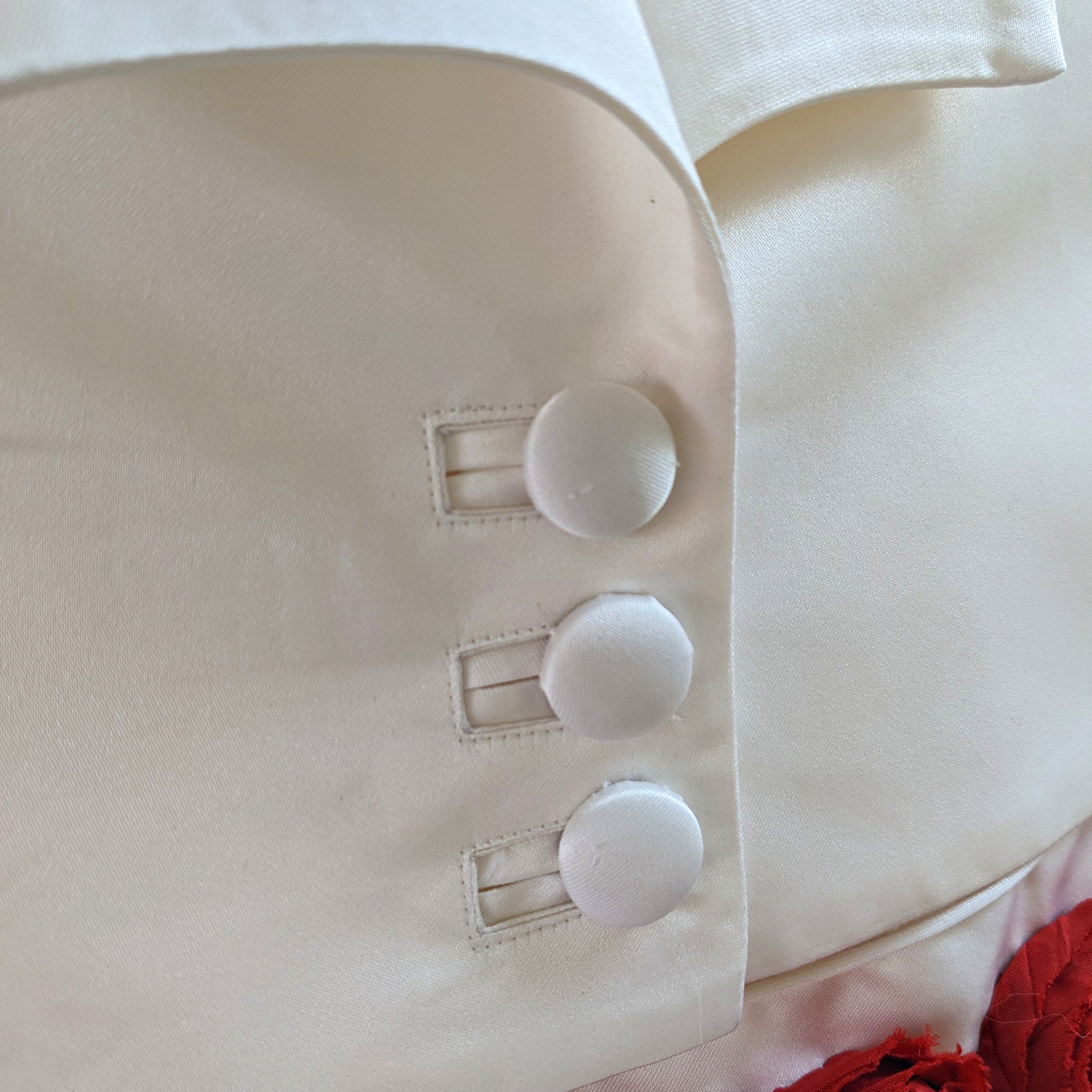
  • Large buttons: 3 x
  • Soft iron-on interfacing

Available Sizes

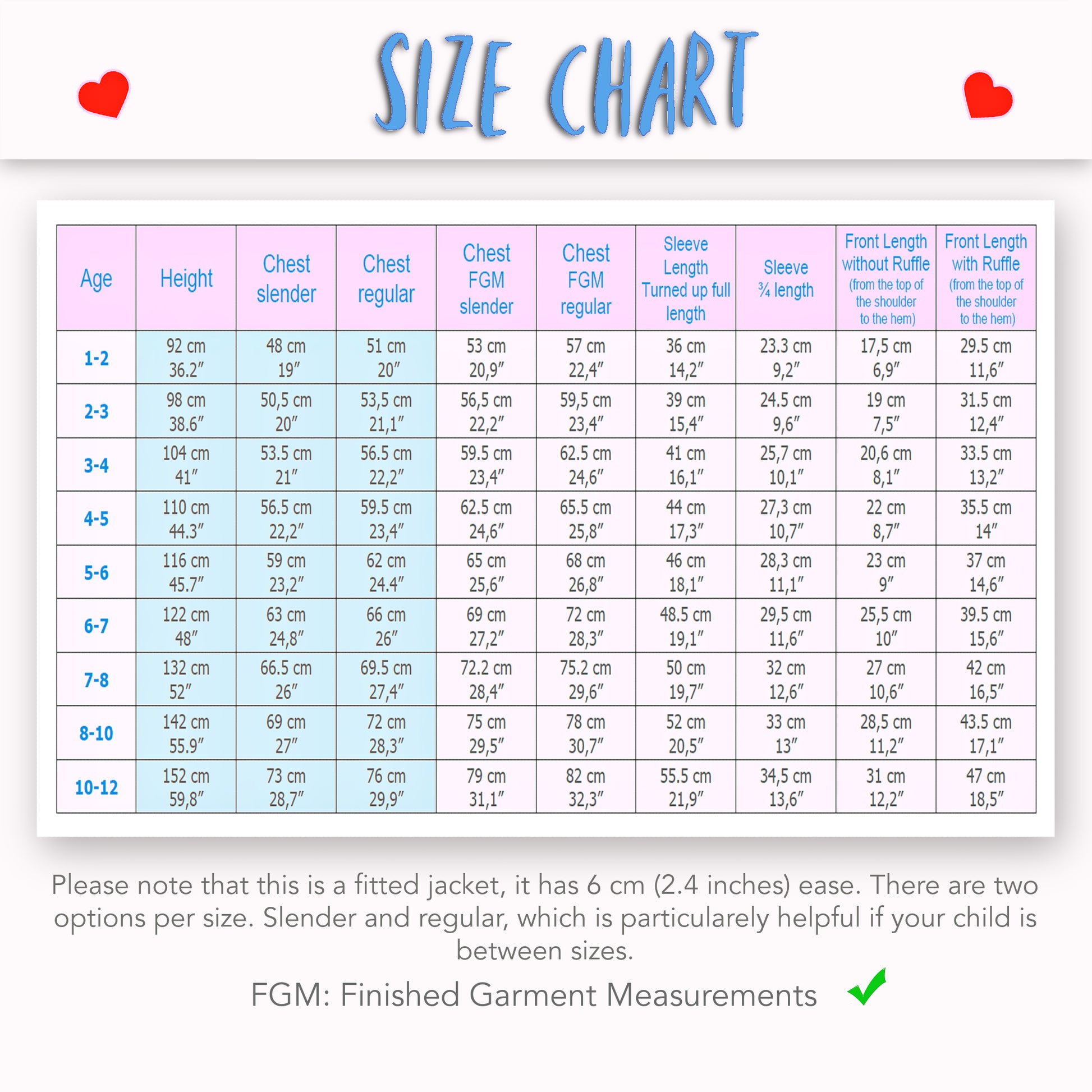
Sizes: 1-12 Years

Please Read

  1. This is a digital pattern or PDF file, not a physical product. It will be delivered electronically via a download link delivered to the email used for the purchase.
  2. To ensure the pattern prints at its actual size, it's recommended that you use Adobe Acrobat Reader.
  3. The pattern creator, Frocks & Frolics, welcomes small-scale production using their patterns. 

Customers are encouraged to tag Frocks & Frolics when sharing projects made using their patterns on social media.

@frocksandfrolics #frocksandfrolics

View full details

STEP-BY-STEP VIDEO TUTORIALS
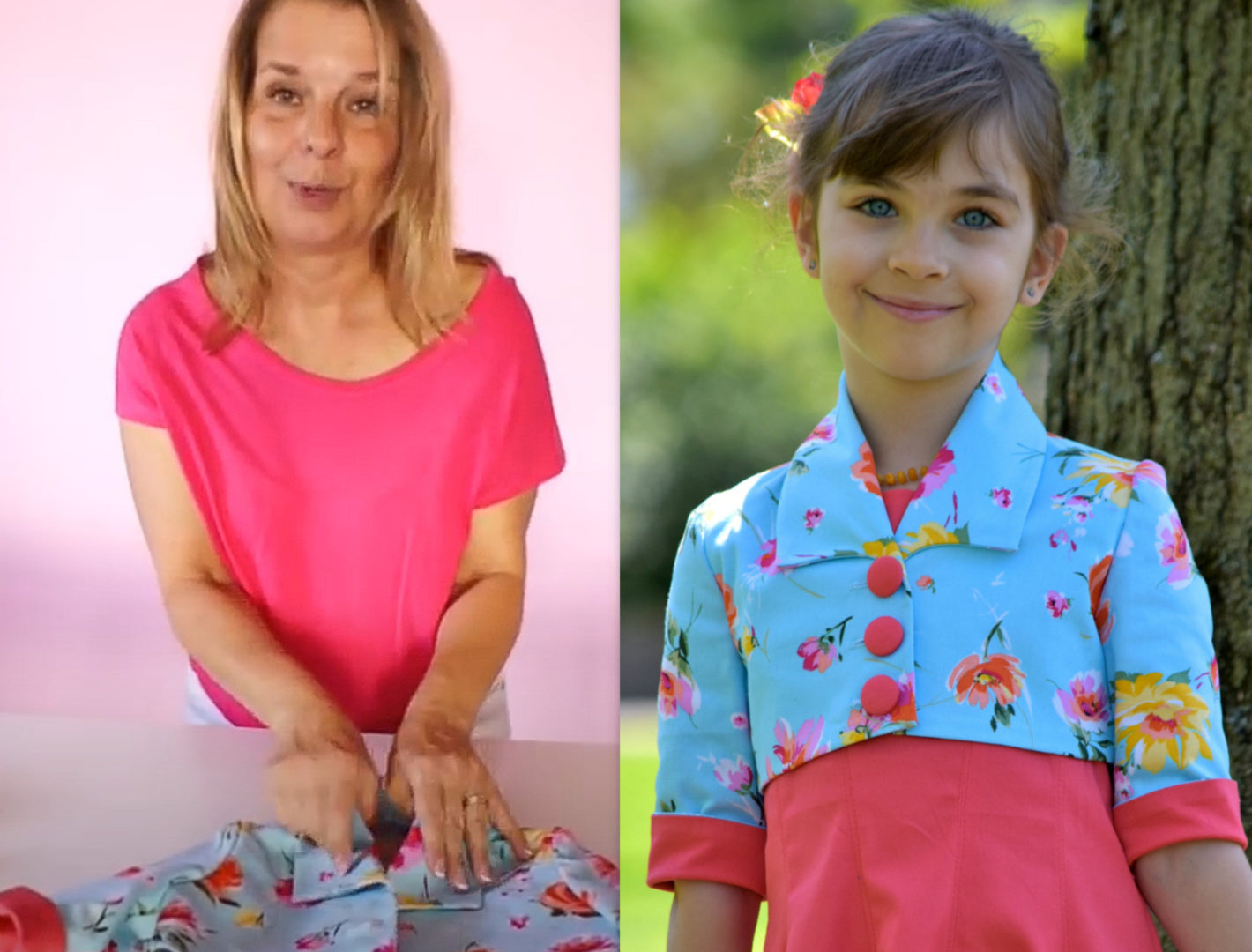
Thumbnail
INTRODUCTION TO THE PROJECT
Thumbnail
YOUR PATTERN
Thumbnail
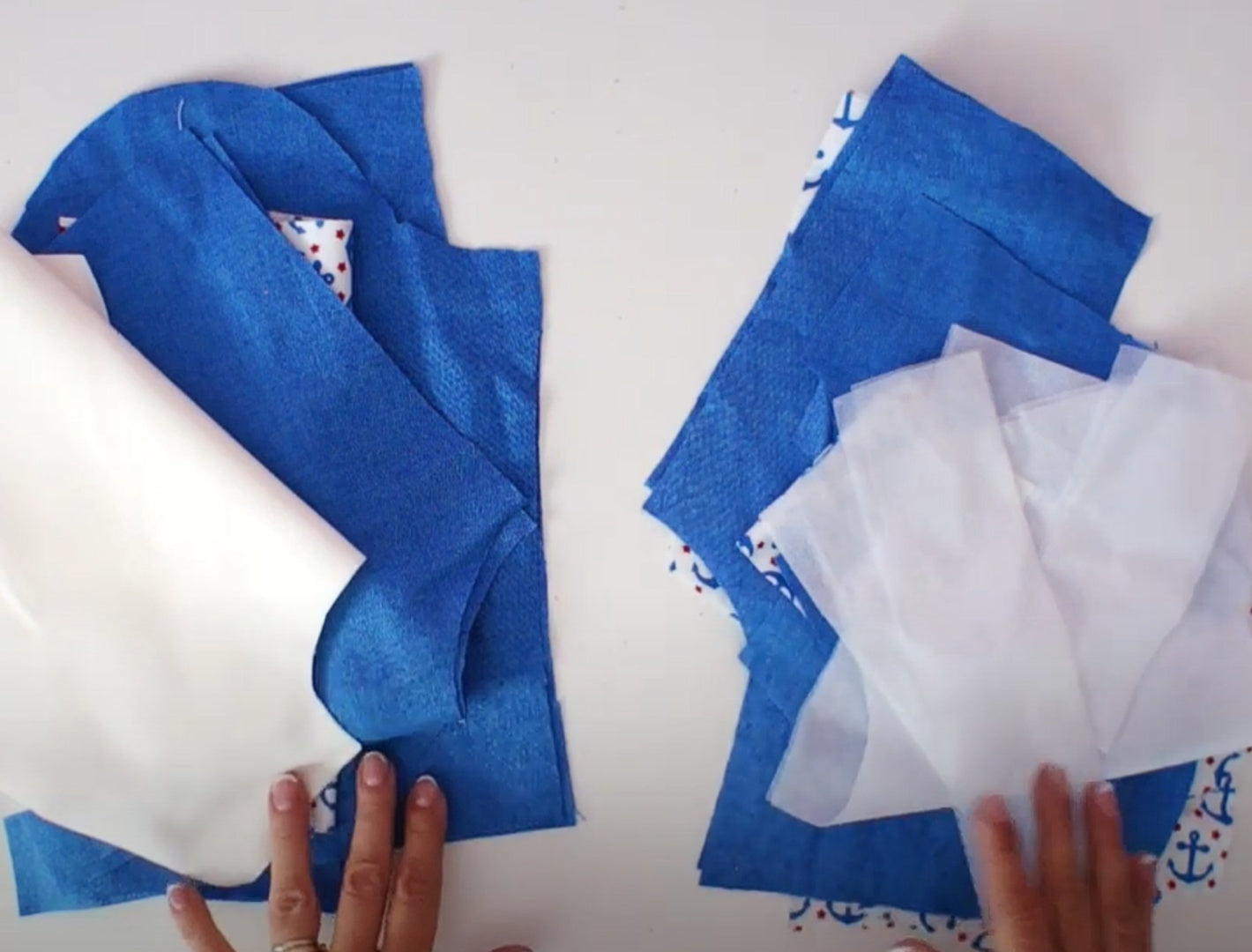
CUTTING OUT
Thumbnail
INTERFACING OR INTERLINING?
Thumbnail
OPTION 1: LONG SLEEVE WITH SLIT
Thumbnail
OPTION 2: 3/4 LENGTH SLEEVE WITH RUFFLE
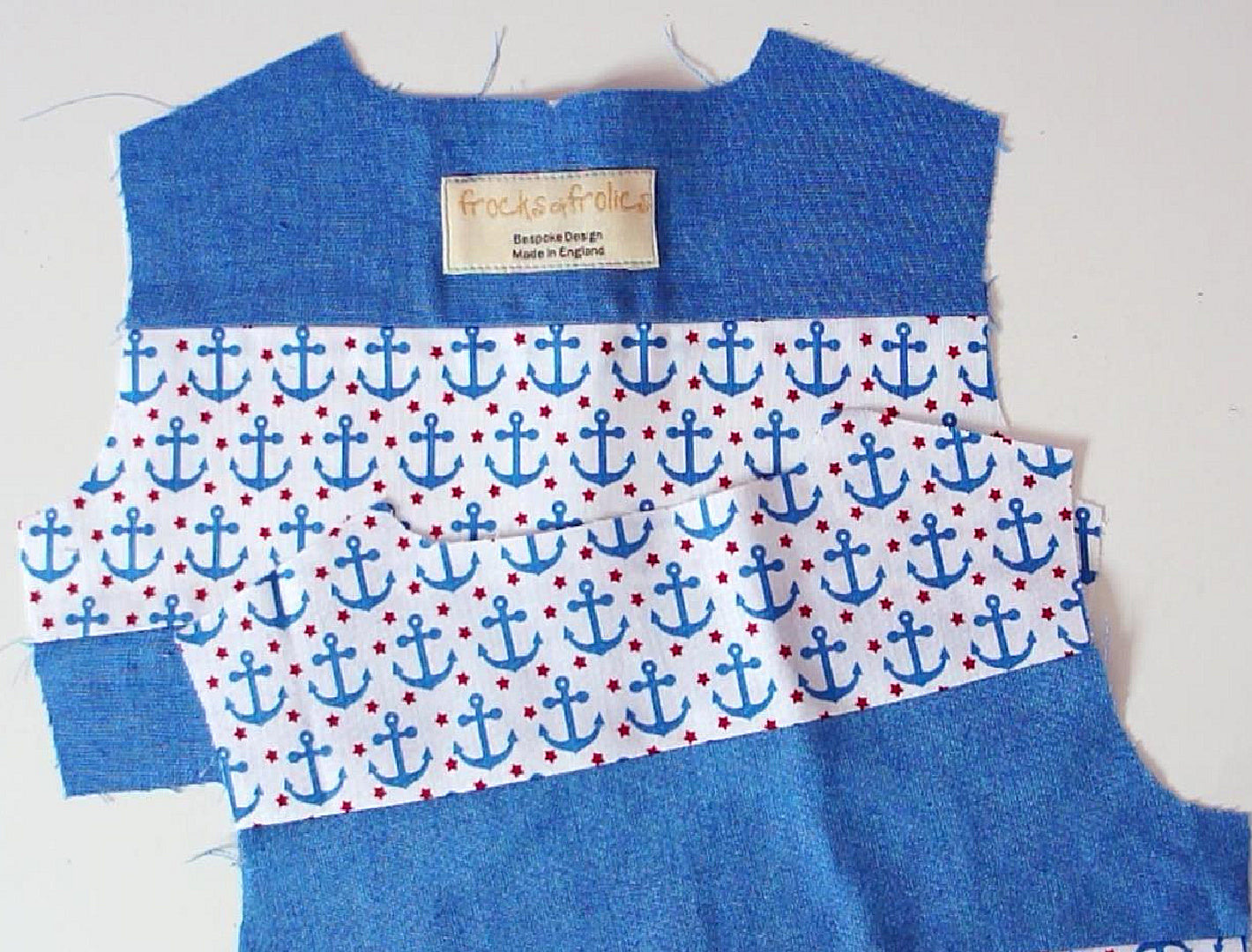
Thumbnail
SEWING THE BACK LINING TOGETHER
Thumbnail
LINING THE FRONT
Thumbnail
THE COLLAR
Thumbnail
THE SIDE SEAMS & HEM
Thumbnail
INSERTING THE SLEEVES
Thumbnail
BINDING THE ARMHOLES (OPTIONAL)
Thumbnail
BUTTONHOLES
Thumbnail
BONUS: LINED SLEEVES METHOD 2
Thumbnail
BONUS: ADDING A RUFFLE HEM

VIDEO TEXT

Introduction to the Bolero Jacket

Transcript for the video: Paris Bolero Jacket- Introduction to the Project

Hello everyone, this is Marina from Frocks and Frolics, and I want to introduce you to our next project—the super cute Bolero Jacket.

This jacket has so many options that you're going to absolutely love. One feature is the optional slit. You don’t have to include it, but if you do, it creates that beautiful 1960s-inspired look.

The collar is a shawl collar, and if you're feeling a little nervous about sewing a shawl collar, don’t worry. I’m going to show you step-by-step exactly how to do it.

Jacket Construction Features

Let’s take a look inside the jacket. When I open it up, you’ll see that the sleeves have been inserted separately and lightly tacked by hand. I’ll be showing you all of these techniques throughout the course.

One question I get all the time is: “May I sell garments I make using your patterns?” The answer is absolutely yes! Please send us pictures, and make sure to join the Academy so we can celebrate your creations. If you're selling your garments, we'd love to showcase your work and inspire others. I fully support this, so go for it!

Optional Ruffle Version

If you'd like to wear the jacket more casually over a pair of jeans, you may find it a little short. In that case, you have the option of adding a ruffle, which is included in the pattern.

I’ll show you exactly how to create and attach the ruffle. In this version, I’ve added a ruffle using a slightly offset seam, which creates a gorgeous finish. It’s a technique commonly used in the fashion industry, and I’ll walk you through it step-by-step.

Bonus Sleeve Insertion Tutorial

As an added bonus, I’ve included a really useful technique that’s available to everyone, whether you purchase the course or not.

I’ll show you how to insert a sleeve so that it sits perfectly flush and neat, without any visible overlocking. This tutorial is available free on YouTube as well as inside the Academy on Frocks and Frolics.

Fabric and Design Variations

For this version of the jacket, I used a beautiful linen fabric and paired it with a contrasting sleeve fabric. I think contrast fabrics can add a lot of interest, and you can also experiment with the facings and how you arrange them.

This sample features two buttons, but you can choose to use one, two, or even three buttons depending on your preference.

You can also attach the ruffle directly to the jacket, which creates another lovely variation. In this version, I’ve used the facings differently to achieve a different look.

Accessing the Pattern and Course

If you only want the pattern and don’t need video instruction, you can purchase it directly from Frocks and Frolics.

If you'd like access to the full sewing course, you can log in to the Academy. If you're not already a member, please sign up—membership is completely free, and you'll find lots of free videos and resources available.

The links are available in the video description and under the information button in the top-right corner of this video for easy access.

Join us at the Frocks and Frolics Academy and learn how to sew like a pro.

I’ll see you there. Bye for now!

Printing and Assembling the Pattern

Transcript for the video: Paris Bolero Jacket - Your Pattern

Before you start, we are going to have a look at your pattern and how it is assembled.

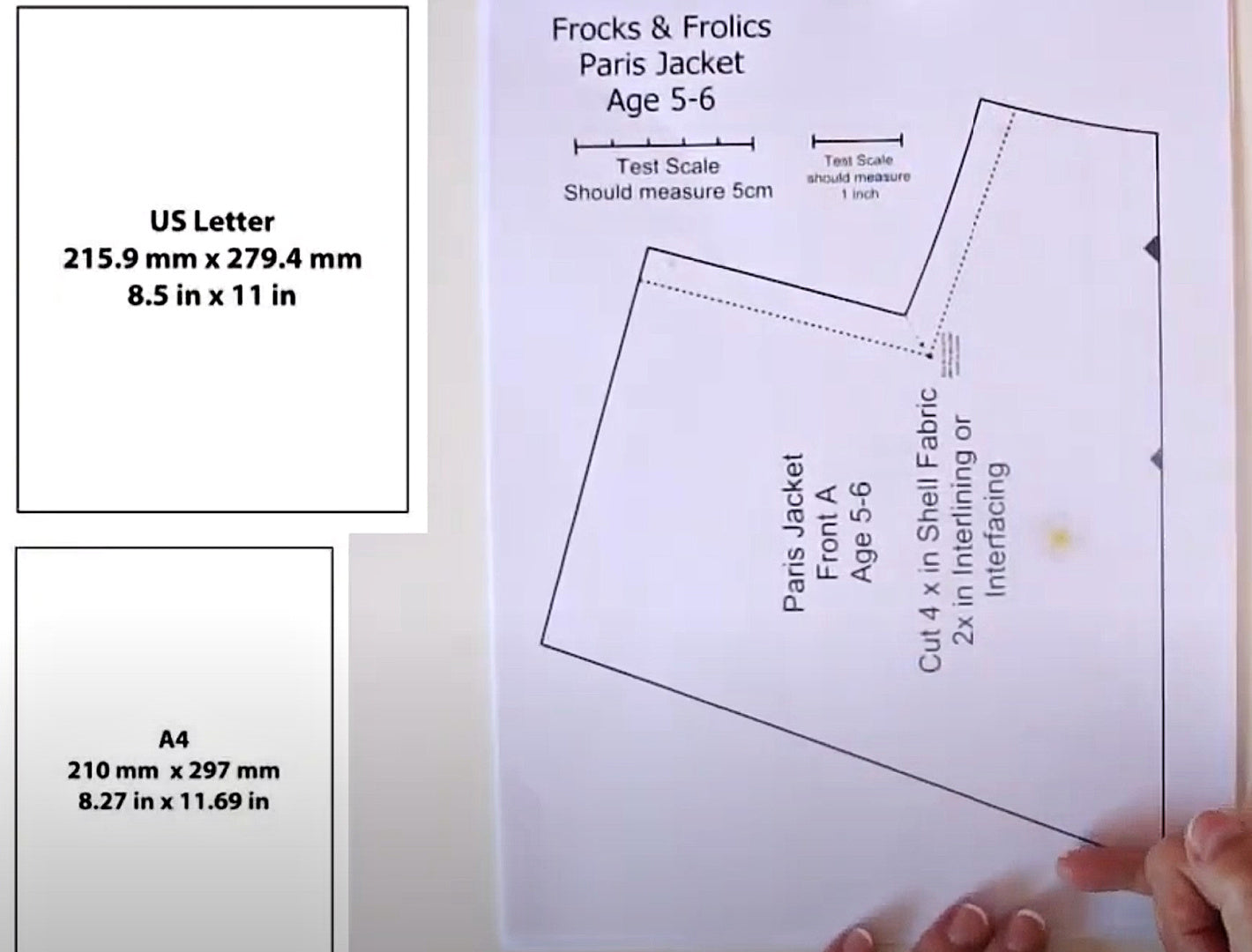
When you print the pattern, first check the test square. It should measure exactly 5 cm. There are two print formats available:

  • A4 format for most of the world
  • Letter size format for the United States and Canada

Letter-size paper is slightly wider and shorter than A4 paper, so the two formats cannot be mixed. Make sure you print the correct version for your location.

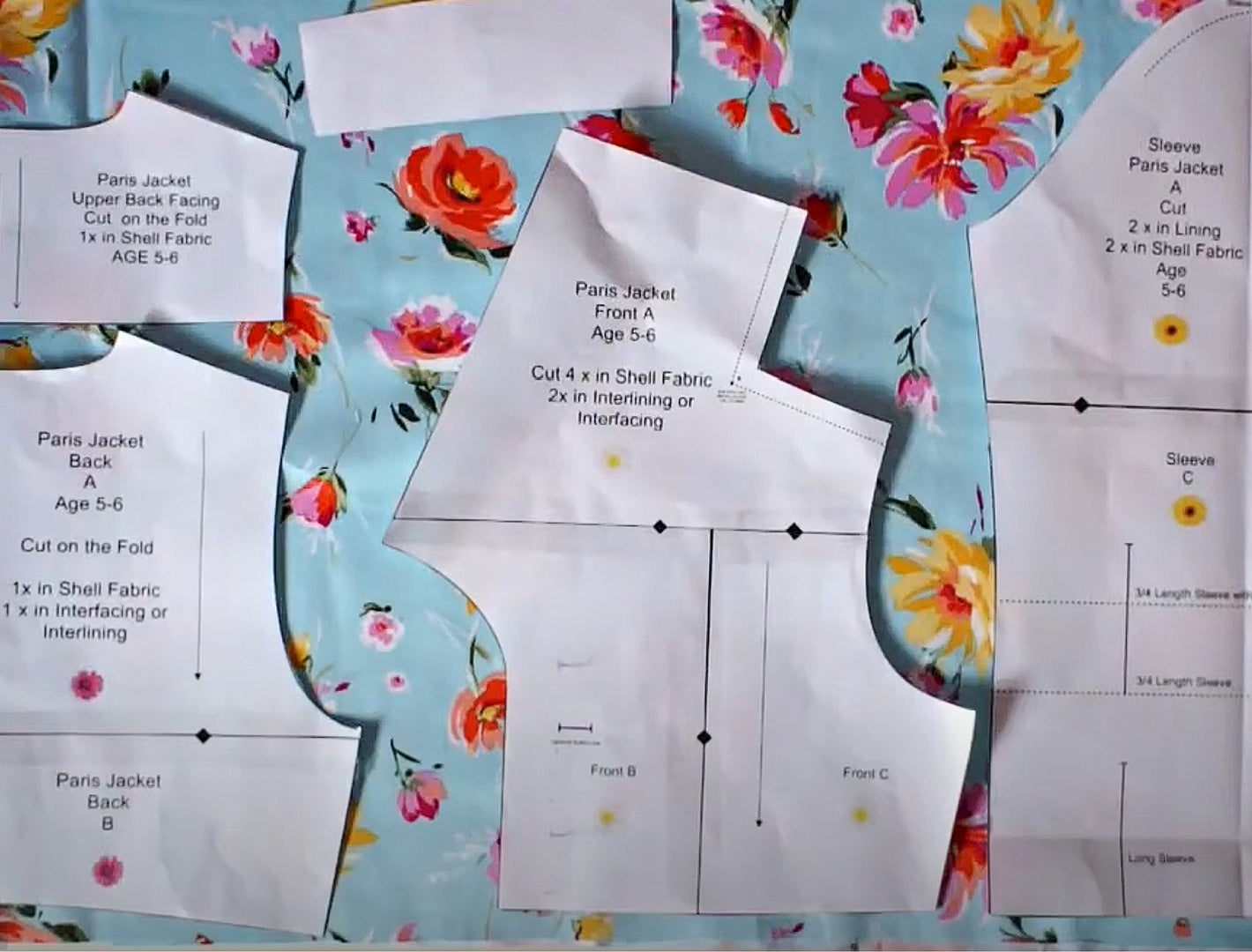
Once printed, you will notice dashed lines around the edges. These are attachment lines that are completely covered when the pages are joined together. Each section is marked with a colored flower or symbol to help identify matching pages.

For example:

  • The front pieces are marked with a white flower.
  • The back pieces are marked with a pink flower.
  • The sleeve pieces are marked with a yellow marker.
  • Some pieces have no symbol because they are single pattern pieces.

The sleeve ruffles and hem ruffles are labeled alphabetically. For example:

  • Sleeve A joins Sleeve B.
  • Hem Frill A joins B, then C, then D.

Following the alphabetical order makes assembly very simple.

Organizing Your Pattern Pieces

After printing, cut out all of the pattern pieces and organize them into groups:

  • Front
  • Back
  • Sleeves
  • Extra pieces (facings and ruffles)

The pattern system is designed to save paper and space. Since you only cut out the size you need, there is less waste, and it is much easier to manage in sewing classes or small workspaces.

When printing multiple patterns, it is often helpful to print in draft mode to save ink.

Understanding the Front Piece

The front piece includes an integrated collar. When sewn and folded back, it forms a shawl collar.

Although shawl collars can seem intimidating, they are actually quite straightforward to sew. The most important thing is being accurate when sewing the collar point.

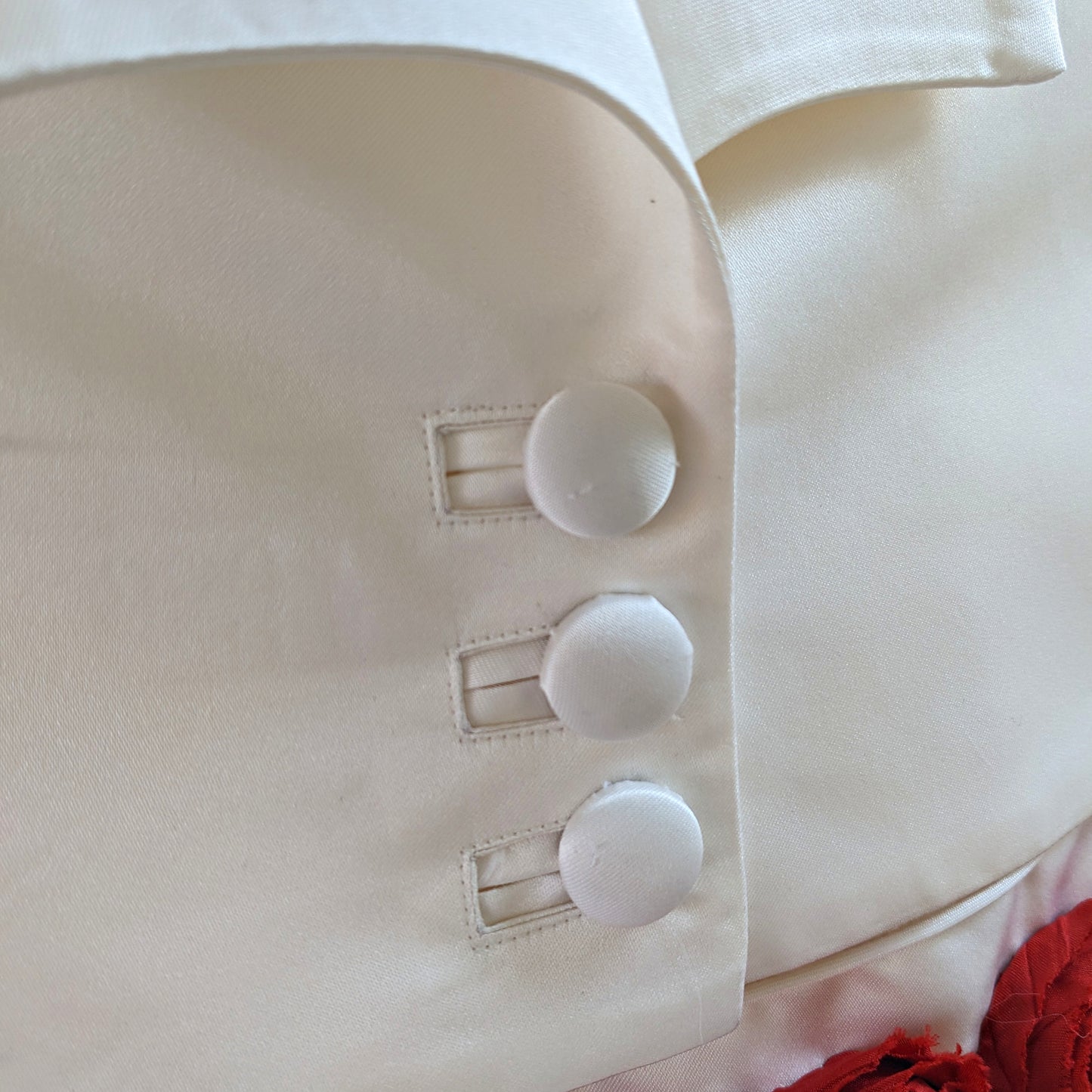
The pattern also includes a buttonhole marking approximately 1.5 cm from the finished edge. This serves as a guide, but you are free to position your buttons however you like.

For example:

  • One button
  • Two buttons
  • Three buttons

Just ensure:

  • Buttons stay on the marked center line.
  • The lowest button sits approximately 2.5 cm above the finished hem.
  • The highest button does not interfere with the collar curve.

For smaller sizes, one or two buttons generally look best.

Fabric Options for the Front

The front piece can be cut:

  • Four times in the shell fabric (two outer pieces and two lining pieces), or
  • Two times in shell fabric and two times in a contrast fabric.

Using a contrast fabric creates a beautiful effect when the shawl collar rolls outward.

Understanding the Back Piece

The back piece is cut on the fold.

Unlike the front, the back lining is divided into separate sections:

  • Upper back facing
  • Lower back facing
  • Back lining

This construction allows you to combine shell and contrast fabrics to create an attractive interior finish.

For example:

  • Shell fabric for the lower facing
  • Contrast fabric for the lining

When the jacket is opened, these details become visible and add a professional touch.

Understanding the Sleeve

The sleeve includes several important markings.

Sleeve Head

At the top of the sleeve is the sleeve-head marking. This must be transferred to your fabric.

The sleeve is drafted slightly forward so that it naturally follows the position of the arm.

Front Sleeve Marking

A large front notch indicates the front of the sleeve. Be sure to snip this marking when cutting out your fabric.

The front armhole curve is cut away much more deeply than the back armhole curve. This is intentional.

The reason is simple:

  • Arms naturally move forward.
  • The back requires more fabric for comfort and movement.

This shaping creates a much better fit than sleeves where the front and back are identical.

Sleeve Length Options

The pattern includes several sleeve variations.

Three-Quarter Sleeve with Ruffle

The ruffle is folded lengthwise and attached to the sleeve hem.

The finished sleeve length is the same as the plain three-quarter sleeve version, but with decorative fullness.

Three-Quarter Sleeve with Slit

You can also create a slit detail.

The slit was originally shorter, but after feedback it was lengthened to provide a more elegant turn-back cuff effect.

You may shorten the slit if desired, but it is not recommended to make it longer than the pattern provides.

Full-Length Sleeve

The full-length sleeve includes additional length for turning up the cuff. The exact finished length is specified on the pattern.

Hem Ruffle Option

The final extra piece is the hem ruffle.

Like the sleeve ruffle, it is folded in half before being attached.

Adding the ruffle extends the jacket and makes it more versatile. While the basic bolero works beautifully over dresses and fitted skirts, the ruffle version pairs particularly well with jeans and more casual outfits.

The ruffle is intentionally drafted with moderate fullness rather than excessive gathers. If you prefer a fuller look, the pattern notes suggest adding approximately 30 cm to the ruffle width before cutting.

Ready to Cut Fabric

Once all of your pattern pieces are assembled and understood, you are ready to move on to cutting out your fabric.

Cutting Out Your Fabric

Transcript for the video: Paris Bolero Jacket - Cutting Out

In this clip I’m going to show you how to cut out your fabric. I’ve got my contrast and I’ve got my main fabric width, so let’s get started.

Preparing the Fabric Layout

First thing to do is to put your fabric selvedge on top of each other. That’s the easiest way. For smaller sizes, here’s a little trick: only fold over your selvedges to lie on top of each other as far as you need to go, so you end up with a big strip of leftover fabric.

If you’re making the H1, for example, you’ll have a nice big bit left over that you can use for something else.

Positioning Pattern Pieces

We start with the back, which goes on the fold here. I’ve also got the upper back facing, and I’m going to cut my lower back facing as well in this shell fabric.

You want to lay everything out so you don’t leave any gaps—go all the way across.

The arrows on the pattern pieces show the grainline. That means the arrow must lie parallel to the selvedge so the grain runs straight down.

Pinning Correctly

When pinning, don’t lift the fabric. Instead, push your pin in with one hand and use your other hand to support the fabric underneath. This prevents pleats and distortion.

Once you get used to it, you’ll be able to pin quickly without overthinking it.

Make sure the pattern piece lies exactly on the fabric. Even a millimeter off can double into a larger error later and affect how things like collars fit.

Checking Grain and Measurements

Here I need to make sure the grainline is correct. I measure from the arrow—about 35.5, but I recheck and adjust. It turns out to be 36, then 35.8 after refining it.

Always double-check when fabric sits at an angle—it’s easy to get it wrong.

Cutting Direction Technique

When cutting, always try to cut from the left of your work. This allows you to lift the fabric as you go and see clearly what you’re doing.

If you are right-handed, your eye naturally sits on the left side of the blade, making control easier. Left-handed sewers will often find the opposite works for them.

If you prefer not to move the fabric, you can lift the fabric with your left hand as you cut, but this requires more control and is less comfortable for many people.

Cutting Corners and Accuracy

When cutting corners, cut in from one direction toward the point rather than trying to turn the scissors sharply. It’s much easier and more accurate.

Marking Notches and Reference Points

Now I mark the center back by snipping the top and bottom. Remove the pattern piece and transfer the notch markings.

Do the same for the center back facing so everything aligns later with the collar. Don’t forget this step.

Cutting the Main Pieces

We now have the four main pieces cut. On the front, we don’t need additional markings at this stage.

Make sure you cut on the fold correctly. People often make the mistake of cutting two separate pieces instead of a mirrored pair, don’t do that.

Sleeves and Contrasts

Now we move on to the sleeve. Don’t forget to mark the front notch and sleeve head.

I’m using a polka dot contrast fabric for detail work. You could use the main fabric, but I prefer contrast for this version.

Ruffles and Optional Details

Next, cut the sleeve ruffle and hem ruffle. These are optional, depending on your design.

I’m also cutting the ruffle wider to avoid wasting fabric.

Final Cut Pieces Overview

Here’s what we have now:

  • Contrast front
  • Contrast sleeves
  • Sleeve ruffle
  • Hem ruffle
  • Back lining

Everything is now cut for this version. Refer to your layout plan if needed, and enjoy making your jacket.

Two Jacket Construction Methods

Transcript for the video: Paris Bolero Jacket - Interfacing or Interlining?

We’re going to look at two different methods of putting these lovely jackets together: one with a long sleeve, and one with a shorter 3/4 length sleeve with a ruffle.

Another difference is that on one side I’m going to use iron-on interfacing, which is great for a quick job, and on the other side I’m using lightweight cotton fabric to stabilize the fabric.

Stabilizing Fabric — Two Options

These are two different options, and neither is strictly better than the other. It depends on your fabric and the result you want.

If you have a lighter fabric that moves in all directions and needs more stability, you may want to go for a lightweight cotton fabric as a stabilizer. If you are working with a fairly firm cotton, you can simply use iron-on interfacing.

When You Don’t Need Full Interfacing

If you’re not using linen (like I do in many of my instructional videos) and instead you’re using something like cotton sateen or denim, you do not need to interface the entire front.

You only need to add interfacing to the area around the corner point of the collar, since that is where structure really matters.

Woven Interfacing Option

A very nice alternative is woven interfacing. This is one of the best options if you want a more tailored, structured jacket.

You can also iron it onto the lining so that when it rolls to the outside, the collar sits nice and sharp. It behaves almost like interlining, except it is fused to the fabric, which makes it easier to handle.

Product Note and Final Tip

This interfacing is great and can be found at Joann’s. The one I’m using is Pellon SF101 Shape-Flex.

It’s a great option for anyone who likes a more tailored, professional finish in their garments.

Ruffle Sleeve Construction

Transcript for the video: Paris Bolero Jacket - Option 1 Long Sleeve with Slit

Welcome to chapter one. We’re moving on to the sleeves, and here I’m going to show you how to make the cutest little ruffle sleeve.

Before you start sewing your sleeve together, there’s one thing you have to watch out for—and it’s easily done, as you can tell by my already existing line. I was on autopilot and I did it myself.

What you need to do is make sure that when you put a sleeve together, you have a pair, not two of the same. You want one in the lining and the same in the show fabric, or vice versa, but you must have a pair so that when you put them together and you’re finished and you pull it apart, it is the right way round.

This is so gorgeous. I really like this lining. Sometimes what you find in your cupboard or stash is exactly the right thing, and you don’t need to buy anything new.

So what do we learn from this? We make sure we have a pair, and then we can put this beautiful sleeve together.

Preparing the Sleeve Pieces

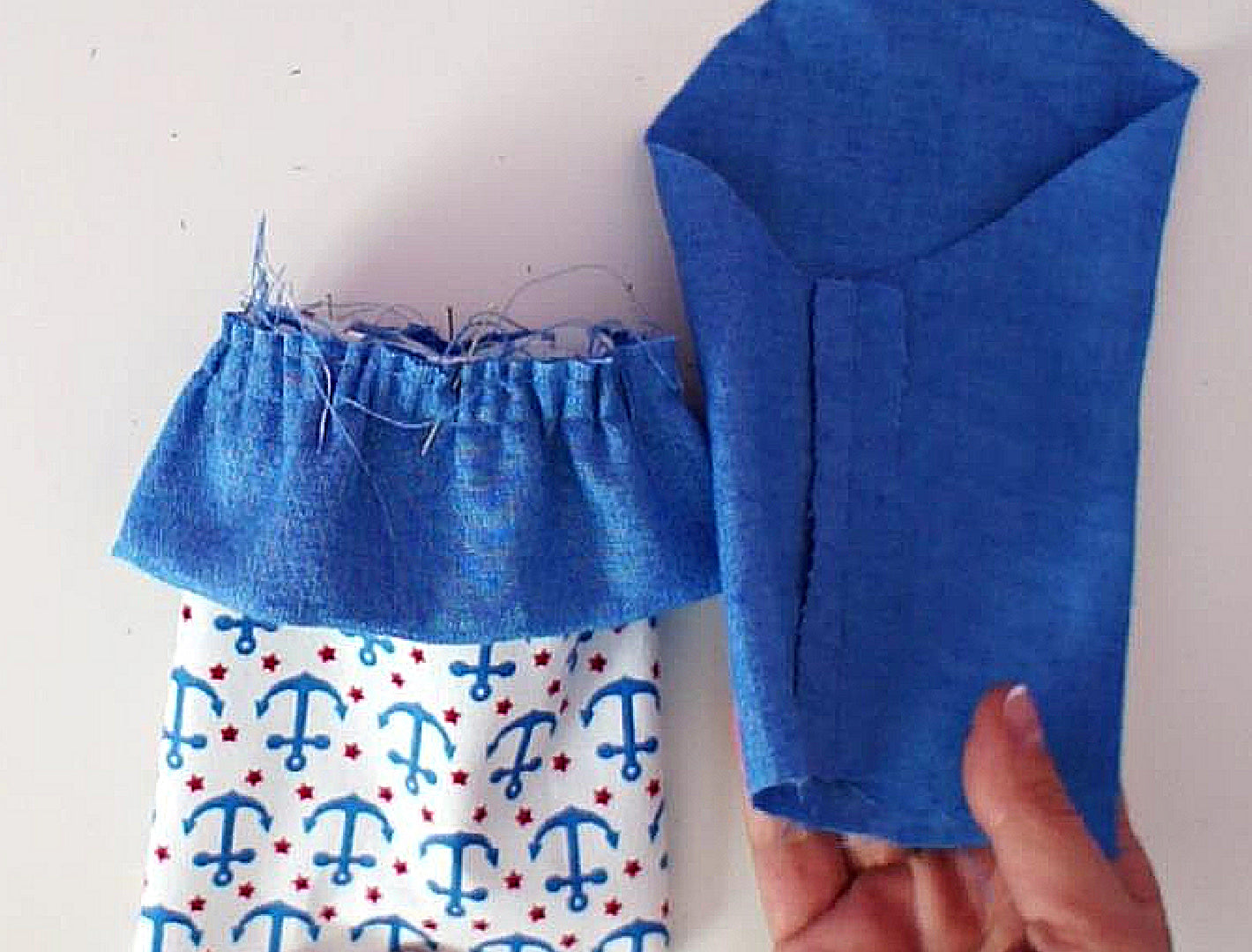
The first step, if you’re doing a ruffle, is to sew along here so we can then put it into the sleeve.

For the sleeve, you want to do the same thing—you want to roll it over and sew together the seam. Then roll it over on the other side as well. Make sure nothing is twisted and that you have a pair.

I’m going to put one little loop in there… so that’s my sleeve done. I’m going to do the next one here.

There we go. I’m going to pin this with one little pin. It’s easier on the lining—I can’t go wrong. Once you pin it from one side, you’re set.

So there you are. I’ve got this done and ready to go, and I’ve got my little ruffle done as well. Of course, you do this for both sides.

Sewing the Seams

We now have our one-centimeter seam allowance.

Take the next one. Don’t even take it off and cut threads or anything—just do this: pull it a bit, put the next one under, top in your stitches, go to the end.

That way you save a little bit of thread. If you’re using expensive couture fabric, you don’t want to waste it.

Pressing the Seams

Next step is to iron out the seams we’ve just closed. Always use plenty of heat if you can.

With linen and cotton, you can iron at very high temperatures, so you don’t need to worry about it.

When you iron a seam, it’s better to press it flat first and then open it out. I forget that myself sometimes—but it looks much better when done.

We do the same on the lining.

Preparing the Ruffle

Now we know we want to put the ruffle on the top edge. We’re going to fold this up.

This is a very simple beginner technique. Another method, if you want to try something a little more advanced, is to add small pleats going in opposite directions. You might need a wider allowance for that.

If you do that, you pleat both sides the same, move your seam over, and avoid stacking seams on top of each other. This creates a more structured edge.

But we’re sticking with a simple gather method here—just food for thought.

Creating the Gather

We’re going to sew all the way around using a gather thread.

First, increase your stitch length. Start just over the edge and sew edge to edge, creating a bit of tension. Go close to the edge with the first line of stitching, and stop just before you reach the seam so the thread doesn’t rip later. Leave a long thread hanging.

Now we go again, lining up the edge of your presser foot with the previous stitching line.

I’m putting the lining first because it’s easier to see.

Take your lining, turn it so the right side is facing out, and take your ruffle with the gathered path. There are too many threads sometimes, always in the way.

So now I’ve got it like this—this is how it has to go. I’ll place one pin here.

Now I pull the gather thread so it fits around. I move it until it fits, then distribute it evenly. It’s very simple—this is a proper beginner ruffle.

Almost there. It’s a tiny little ruffle. I distribute it all the way around.

If I need to, I can pull it a bit more to adjust. That’s fine.

Attaching the Ruffle

Now I can pin it. I wrap it in a figure of eight so it doesn’t move.

If you’re using very lightweight fabric, you may want more gathering.

I place pins vertically to the seam so I don’t need to remove them while sewing.

Now I take the other side. The right side must face the ruffle, so I keep it as is and pin all the way around.

Sewing the Sleeve Together

All I have to do now is get this onto my sewing machine arm.

If you try to sew it like this from the outside, it’s going to be very hard. The key is to always sew from the inside, especially with smaller beds.

We sew with a one-centimeter seam allowance all the way around.

Finishing and Pressing

Now we’re done sewing together. We’ve got a nice little seam.

We can turn this out—so cute.

Then we go to the ironing board. I definitely recommend getting a sleeve ironing board if you do a lot of children’s wear—it makes things much easier.

Press it properly. Pull it out so it’s well shaped. It’s always easier when working with larger pieces.

Final Steps

Now all we have to do is remove our gather threads.

Take the ruffle threads out—and that’s the sleeve prepped.

We can set it aside until we’re ready to insert it into the jacket at the very end.

Preparing the Sleeve Slit with Interfacing

Transcript for the video: Paris Bolero Jacket Option 2 - 3/4 Length Sleeve with Ruffle

We have already marked where our slit is going to go. We were looking at the whole sleeve jacket, and now we’re going to put a strip of interfacing on the lower end here. That will stabilize where we’re going to sew the slit.

It’s a really simple method. Don’t do it with steam—you need to iron it on until it really sticks. You might want to check it, and if it still comes off, go over it again.

What I like to do is press it with lots of steam, and that really fixes it in place. There we go.

One thing I’ve learned is you put your iron on and you count—actually two, eight, one, two, three, four, five, six, seven, eight—stuck. Then count again.

This is all ready to go, so we’re going to make one of the sleeves now.

Matching the Sleeve Pair

Very important—as with all sleeves—we have to make sure the other sleeve is the pair that we are putting together.

I’m just going to place them on top here. That’s one, and turn it over—that’s my other one. Brilliant.

So I’m going to do one at a time.

Positioning and Preparing the Slit

I can see through where I’ve drawn it. I could have drawn it on this side straight away, but it doesn’t really matter since it’s towards the back.

We are now going to sew this.

Sewing the Sleeve Slit

I’m going to come along here and sew up to that point, then come back down, and then continue with the one-centimeter seam allowance.

You can make this area slimmer or deeper if you like, but you need to keep it a little rounded here, otherwise it will fray. If you make it too pointy, you run a risk.

So I’m going to do a few tiny stitches going up, very small stitches coming down, and then switch to a normal stitch length.

We keep the one-centimeter seam allowance until we’re almost at the slit.

Now I want to come up—and this is the part where you don’t want too sharp an angle. I’m trying to come around in a slight curve like this.

You can see I keep my fingers quite wide apart—that’s a good trick to hold the fabric steady.

Going back down… I’ve left a little gap… and I go to the end.

There we go. I’ve created a really nice little slit.

It’s up to you if you want it slightly higher or lower—that’s personal preference. I quite like it like that.

Cutting and Shaping the Slit

Now we move on to the scary part—cutting into it all the way to the top.

If you didn’t leave enough space, it can easily fray, so be careful.

I’m cutting right into the tip there, and I’m also trimming away my corners.

Now we can turn it to the other side. I’ve got a little slit—it’s actually a very simple method, and it works really well. It looks really nice.

There we go—that’s going to the inside. Beautiful.

Turning and Pressing the Slit

Now I just need to work out my corners a little bit here.

On the other side, get your pin in—but never go right into the tip point, always slightly to the side, then push it upward. Beautiful. Done.

Now I can iron it.

I’m going to iron in one direction first, then press it apart. It’s easier that way than trying to do everything from the outside at once.

Now place it in front of you so you can roll the edges forward like that. It will naturally sit into place.

It’s all about doing the right steps at the right time.

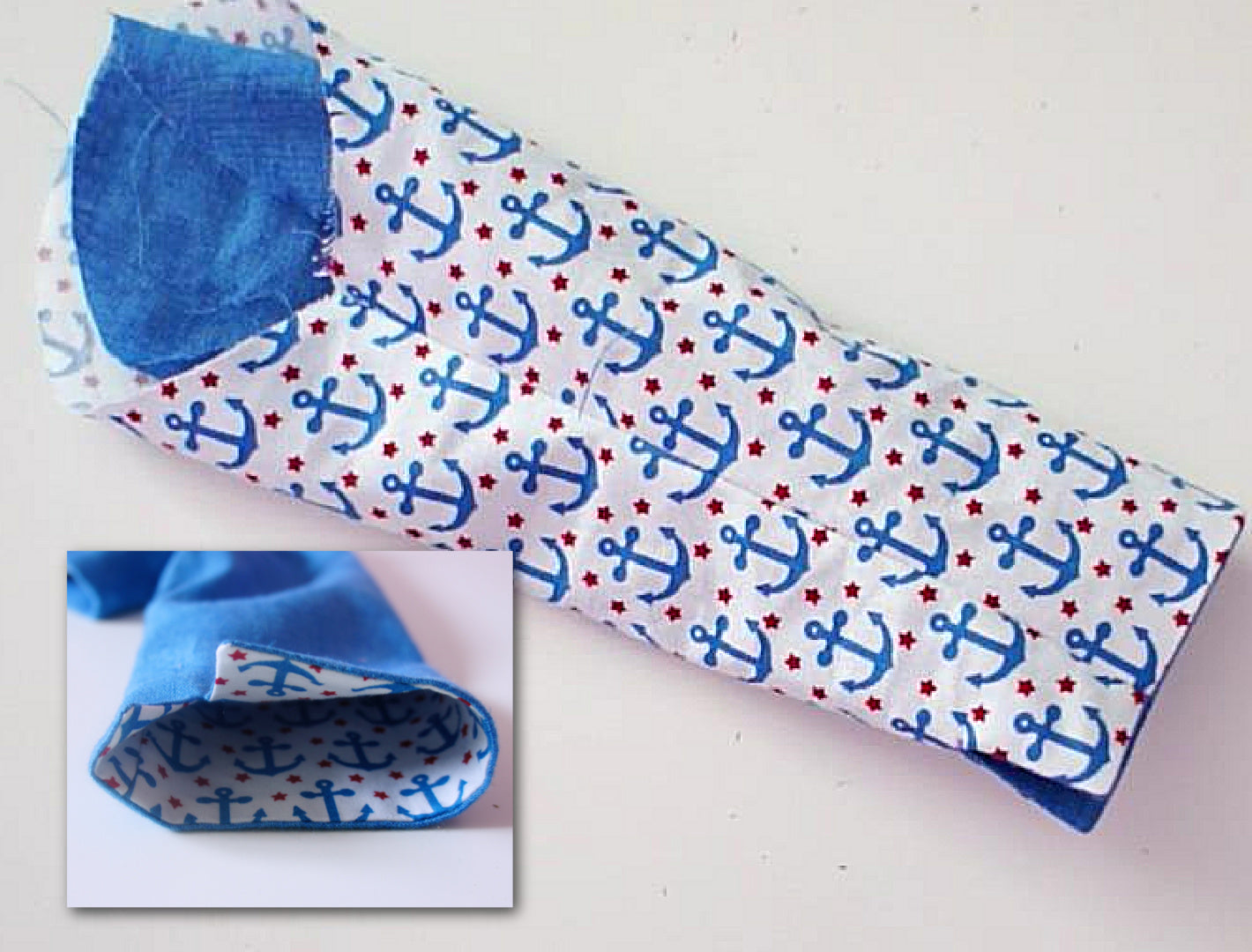
How cute is that little cuff?

Closing the Sleeve Seam

Next step—we’re going to close the sleeve in one go.

The only slightly tricky part is here, because we’re very close to the edge. But it’s not as hard as trying to add a slit afterwards—this is just a bit fiddly.

It’s not too bad on larger sizes either because the slit shifts slightly and isn’t as close.

I’ll put a few pins in like that, and on the end as well.

Sewing and Final Pressing

Let’s sew this together. Take the pins out as you go.

Now—guess what we’re doing next? Yes: ironing.

As always, we press it flat first, then move to the sleeve ironing board. In this case, it’s a bit too small for the full sleeve, so I can only do part of it at a time.

This is also the smallest size, because I wanted to make a few variations.

I hope you’re following along and thinking, this is so nice—I’m so glad I can sew like that now. It’s a pleasure when things come out right.

We often struggle when we first start, but there’s no need to.

One important thing: get your thumb in when you turn this, because it will want to fold over—especially since I didn’t fully set it with the iron. I’m holding it with one hand and giving it a really good press.

There we go—so nice.

Now I can give this a final press.

Assembling the Back

Transcript for the video: Paris Bolero Jacket - Sewing the Back Lining Together

Welcome to Chapter Three. Here I’m going to show you how we’re going to put the back together.

Again, we’ve got two options. You can work with interlining, which I’ve placed on the show fabric, but you could also place it under the lining—that would be fine too. It doesn’t make too much difference.

The other option is to put interfacing, the iron-on kind, onto the back once it’s assembled, using plain linen for the shell.

When you’re working with linen like this, interfacing will stop it from stretching—it’s completely fine. Interlining is also fine. If I had it here at the top, it wouldn’t be fine because it could easily stretch.

Now this is cotton, so it won’t stretch, but here I’ve got a back with nothing on it. As you’ll see by the end of this chapter, we’ll have added reinforcement so this doesn’t stretch in the shoulder area when we put the jacket together.

Preparing the Back Pieces

Now I’m going to show you how we put the whole thing together and mark it out for the collar.

I’m going to assemble my lining here. I’ll use the lining for this section, and then my center piece goes in there.

I just need to sew this together, and this together—and Bob’s your uncle.

So we’re flipping it back so it looks like that. Turn it over, and now we can pin it from one side to the other.

I need to tuck the top forward, turn that one over, and pin that one as well.

Sewing the Back Seams

Now we’re going to sew the back together. Line up with a one-centimeter seam allowance.

Make sure you hold it with a little bit of tension—your left hand feeds it evenly as you sew.

We sew the back together, then we iron the seam flat. It always repeats itself: press it flat, then open it out. That gives a beautiful, very flat finish.

It doesn’t really matter how you put the back together or what fabrics you use—the system is always the same. All three parts need to be joined.

Pressing and Finishing the Back

Now comes the big moment. Turn it over and you go, “Oh, this is so nice.”

Look at that. I really love what I do—nice, so cute, absolutely gorgeous.

Now I could add my little label here, so I’m going to sew that on. If you’ve got one, do it. A lot of people make these—it’s really gorgeous and not too hard.

Go about a centimeter down from here so it’s optically correct, then choose your placement and pin it on.

I’ll head to my sewing machine and attach the label.

Interfacing and Reinforcement Options

Now you have options, like we discussed in the introduction. You can either:

  • Put iron-on interfacing all the way over and press it on
  • Or use interlining, pinned onto the outer back piece

It’s up to you. There are many ways of doing this—none are wrong or right. This is just one method.

So let’s iron this on. I could have done this before attaching the label, but it’s a quick afterthought.

I’ll do a lot of counting to eight now to get this fixed in place.

Strengthening the Shoulder Area

My interfacing is now on. I could have used interlining instead—it’s your choice. Try both methods and see what you prefer.

We’re working either with an outer back with interlining or one with no support, paired with interfaced lining.

At this point, the structure will be supported later, but we still don’t want this area to look unstable.

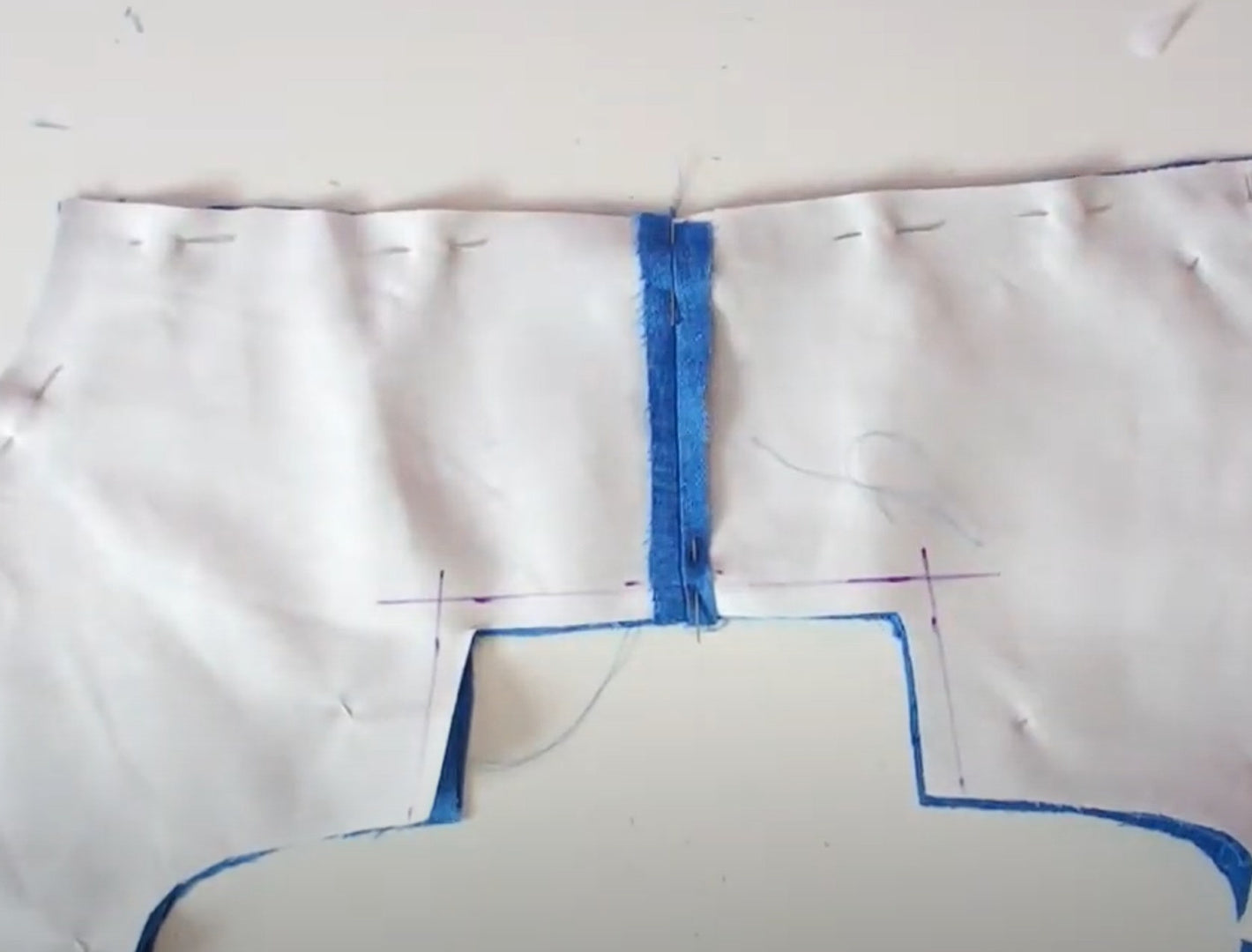
So the trick is to add interfacing here, here, and around the shoulder and collar area.

I’ve placed my back piece down and checked my center back markings. I’ll make sure nothing has shifted—and it hasn’t, just a slight adjustment needed.

Now I can place a strip of interfacing along the edge. Trim it back a little.

Then I iron the interfacing on here as well, and I’ll do the other side too. This gives it extra strength.

Final Marking and Preparation for Collar

Next step: I’ll add another strip and press it well with the iron.

Then I turn it over and trim away anything hanging over the edge.

The next step in prepping interfacing is very important for the collar. Everything needs to sit exactly on the one-centimeter seam allowance.

Mark everything clearly. Don’t assume it’s fine or “close enough.” Take your time.

Even experts can rush and make mistakes—I’ve done it myself. If you do all these steps properly, you won’t get stuck later. It just takes a bit longer, but the result will be beautiful.

Once you’ve done it once, it gets quicker and easier.

If you’re selling this, you want it to look fantastic for your customers.

Make sure nothing white from the interfacing is overhanging and confusing your seam allowance. Always mark on the wrong side or the correct fabric side.

Sometimes pieces don’t line up perfectly because of fast cutting—so always trust your correct outer piece.

Mark one centimeter all the way around.

End of Chapter Three

That was Chapter Three. We’ve finished putting the back together and we’re now ready for the collar.

Next, we’ll prep the front so we can move on to Chapter Four: getting the front ready for the collar.

Preparing and Assembling the Front

Transcript for the video: Paris Bolero Jacket - Lining the Front

Welcome to the part where it gets really exciting—we’re going to put the fronts together. This is what it will look like when you have a contrast fabric on the inside that rolls to the outside. Very cool.

Here I’ve used interfacing, so that’s what we’re going to do next. On this little sample, I’ve used interlining instead. Both pieces will have reinforced corners because that’s where the collar is going to go, and also the shoulder area.

So let’s get started with putting the front together.

Applying Interfacing or Interlining

If you’re using interfacing, the next step is to iron it onto the lining of your jacket.

As with most iron-on materials—no steam. Although my iron doesn’t fully turn steam off unless it’s set very low, most interfacing will still behave fine.

Quality matters here. Good interfacing won’t melt or stick to your iron. You can see I’m ironing this quite hot, and it still doesn’t stick, so it’s worth investing in good quality interfacing rather than cheap versions.

Joining the Front Pieces

Next step in our process is to close the seam at the center front.

We’re placing the front pieces on top of each other and pinning them with a one-centimeter seam allowance, as always.

Now we look at the shell fabric. Because I’m using linen, regardless of whether this is interfacing or part of the outer fabric, it’s important to reinforce areas that could stretch.

Reinforcing Weak Areas

Linen especially can stretch and fray, so I usually use leftover interfacing strips for reinforcement.

You can cut strips from offcuts and place them wherever extra stability is needed.

Focus especially on areas where the collar will sit—these need to be firm so they don’t weaken or fray later.

You can really go strip-crazy here if you want.

Positioning Before Ironing

Before ironing, it’s a good idea to place your pattern piece on top and check that nothing has shifted.

Fabric moves easily—especially linen—so this helps ensure everything stays in the correct position.

If needed, you can “shimmy” it slightly back into place before fixing it with heat.

I keep the pattern underneath while ironing just to make sure nothing stretches out of shape.

Once positioned correctly, press the interfacing firmly in place.

Marking Seam Allowances and Collar Points

Before we continue, we need to mark the one-centimeter seam allowance and the collar point.

You can use a ruler or pencil—either works. The important thing is consistency.

Mark clearly where the collar will sit so you know exactly where to sew later.

Do not skip this step. It prevents misalignment and frustration later on.

Sewing the Center Front

Now we sew the center front seam.

Press the seam flat, then open it out for a clean finish—this step is always the same throughout the garment.

If you’re using interlining instead of interfacing, the process is similar, but you still need to mark everything carefully.

Take your time here. Accuracy now saves problems later.

Joining the Front Pieces Together

Now we put the right sides together and close the entire front.

Start at the side seam and make sure everything aligns properly. If something has shifted slightly during cutting, trim it gently—but do not overcorrect.

Pin carefully all the way around, ensuring seams match exactly.

Take pins out as you sew to keep things smooth.

Sewing Around the Front

We sew with a one-centimeter seam allowance all the way around, starting at the side seam.

When approaching curves, reduce your stitch length slightly for better control. Keep the needle down when turning corners, lift the presser foot, and rotate the fabric.

Use your fingers to guide the fabric gently—this makes a big difference in control, especially for beginners.

As you move through curves, you can adjust stitch length again once you’re back on a straighter section.

Repeat this process around all corners and edges until complete.

Trimming and Reducing Bulk

Now that the seam is sewn, you can trim back excess fabric in the corners if needed.

Be careful not to overcut, but reduce bulk where necessary so the corners turn neatly.

On curves, cut right up to—but not through—the seam allowance. This allows the fabric to relax when turned.

If you have interfacing layers, trim those back as well to reduce thickness.

You want clean, smooth seams without unnecessary bulk.

Turning and Pressing the Front

Now we turn the piece to the right side.

Press the seam to one side first where possible. This helps everything lie flatter when fully turned.

For corners, fold and push them out carefully using your fingers or a blunt tool. Always work from the side, not directly into the center, to avoid damaging the point.

If needed, trim corners slightly for a sharper finish.

Final Pressing and Shaping

Once turned, start ironing from the visible side.

Roll the seams gently into place so they sit right at the edge, not tucked inside.

If the seam sits incorrectly, keep rolling it out until it settles into position before pressing.

Use steam generously here to set everything properly.

Take your time—this shaping step makes a huge difference in the final look.

Finished Front Preparation

Now everything is pressed, shaped, and reinforced.

The front is fully prepared, and the structure is stable and clean, ready for the collar to be attached.

At this point, you’re ready to move on to the next chapter: attaching the collar.

Constructing the Collar

Transcript for the video: Paris Bolero Jacket - The Collar

Welcome to Part 5 of the Paris jacket. Here we’re going to do the collar.

The collar will be inserted into the shoulder, and by the end of this chapter you will have reached this stage. Deep breath—we’ll get started. It’s not as hard as you might think, and when you’re done you’ll go, “That’s really, really nice.”

We will not fix the collar to the shoulder or upper seam yet—that all happens later. For now, we are simply inserting the collar into the shoulder.

Then we reward ourselves with a nice hot cup of coffee.

Positioning the Back and Shoulders

We start with the lining on the back.

Take your back lining and place it into position so you can see which shoulder matches which. One shoulder will connect here, and the other will sit on the opposite side.

This is how it will sit when finished—it will wrap around the collar and connect on the other side.

Turn it over and place one side in position. It’s quite an angle, but that’s correct.

Lift the lining and align the edges edge to edge. Place one pin first.

Aligning the Collar Points (Precision Matters)

Now we pin the corner point, and this must be very exact.

Go straight down into the point with a pin, then turn it over and check. Often it will not be exactly on the point the first time.

Adjust it carefully until it sits exactly on the point. Only then secure it properly.

A common mistake is to move the fabric after pinning—but that shifts the alignment. Always pin straight down and adjust before committing.

Add another pin for security.

Completing the Lining Side

Now repeat the same process on the other side.

This side will not lie as flat, so gently adjust it until it sits correctly.

Pin one side, align edge to edge, and ensure everything is flat.

When using interlining, this step is more difficult because the interlining can shift and give false alignment. With interfacing, this is more stable.

Check again carefully—almost on the point. Adjust if needed.

Add another pin and remove the first if necessary.

Now both sides of the lining are perfectly pinned.

Repeating for the Outer Fabric

Now repeat the exact same process with the outer fabric.

Place it in front of you with the opening facing the neck opening direction.

Pin carefully and take your time—you will regret rushing this step later.

If it’s off by even a millimeter, the collar will not sit correctly and may create pleats or distortion.

Recheck alignment several times. If needed, adjust and repin until perfect.

Sewing the Shoulder Seams

Now we go to the sewing machine.

Place the needle directly on the marked cross point. Check again for accuracy.

Remove pins only when the needle is in place.

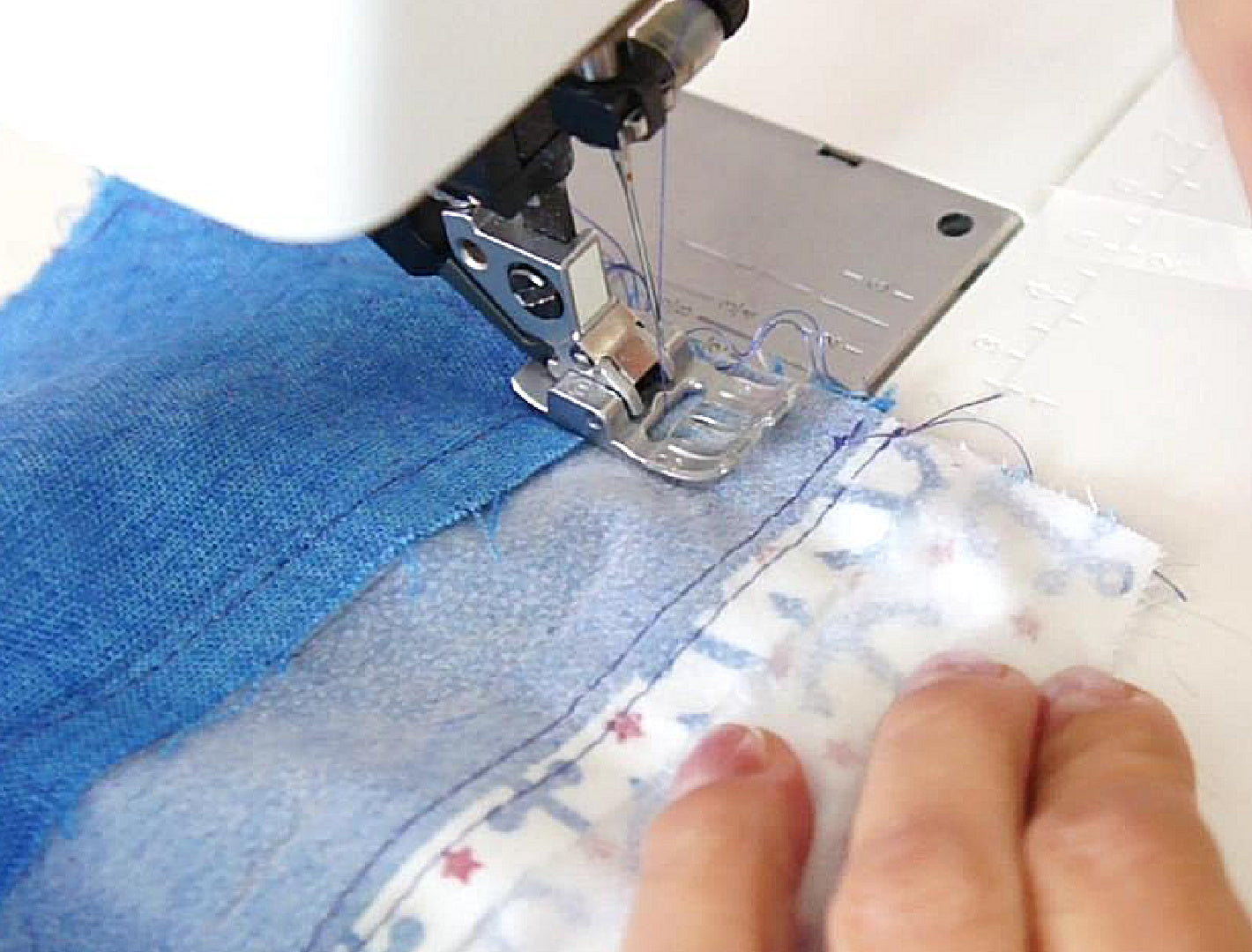
Reduce stitch length to 1.5 for control. Lock stitches by sewing forward a few stitches, then backward, then forward again.

Sew along the one-centimeter seam allowance, keeping everything flat.

When approaching curves or points, slow down and ensure nothing shifts underneath.

Repeat the same process on both sides, always checking alignment before sewing.

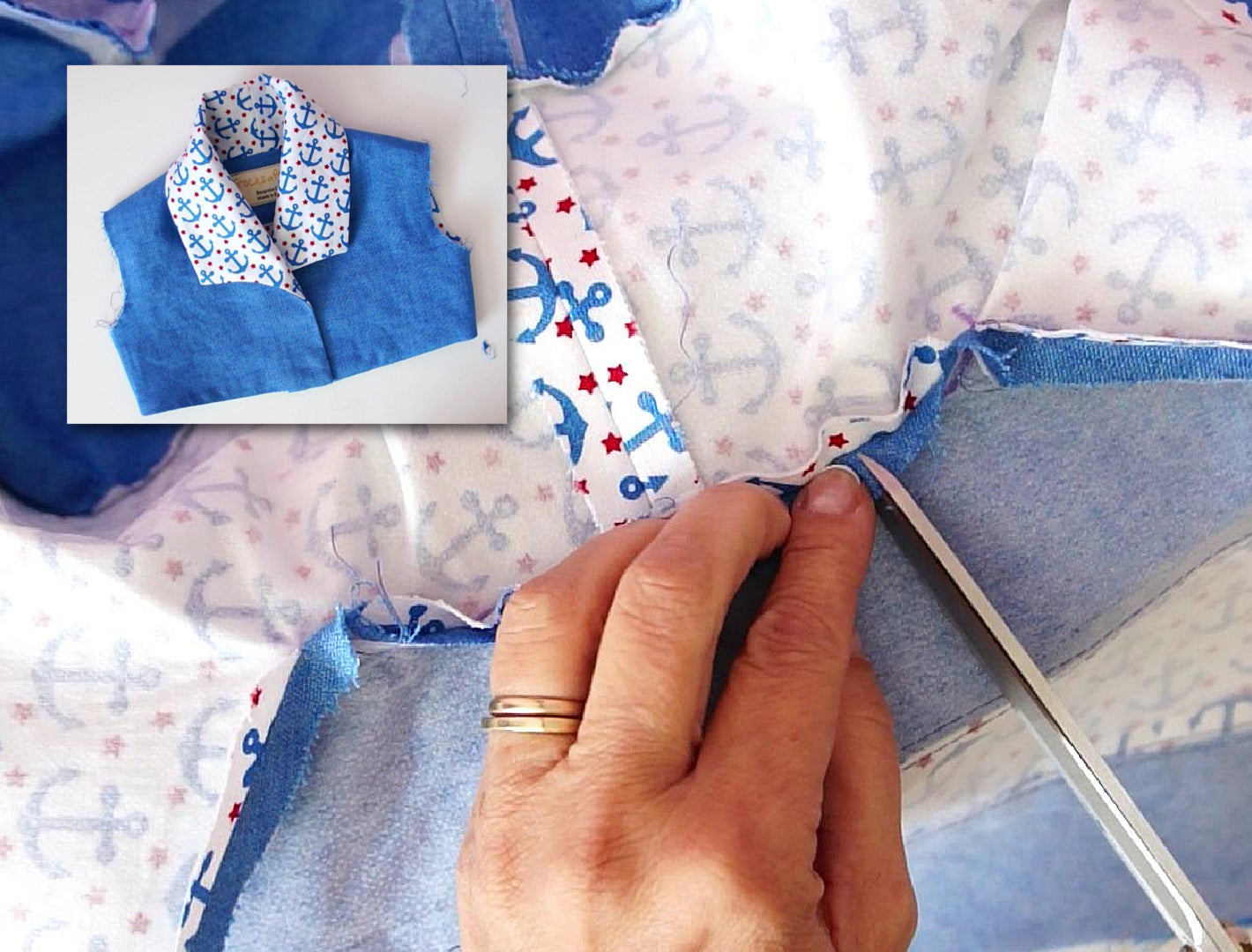
Cutting Into the Corner (The Brave Step)

Now comes the most important and slightly nerve-wracking step: clipping into the corner.

This allows the fabric to pivot and sit correctly when turned.

Carefully cut right into the corner point—but do not cut through the stitching.

Do this on both sides, ensuring no fabric underneath is caught in the scissors.

Once cut, the fabric can now rotate and sit flat.

Turning and Preparing the Collar Shape

Now the collar area can move into position.

Use vertical pins to hold everything in place—this prevents accidental shifting.

Avoid diagonal pinning, as it can distort the alignment.

Check both sides carefully. Ensure everything is flat and nothing is caught underneath.

You can also “over-pin” the structure if needed for extra security.

Sewing the Collar Sections

Return to the sewing machine.

Start exactly where you finished earlier. Ensure stitch length is again set to 1.5.

Lock stitches at the beginning.

As you sew, watch for fabric pushing upward—this is normal and must be controlled with your hands.

Keep everything flat and guided. Reduce stitch length when approaching critical points and corners, then increase again on straighter sections.

You may choose to reinforce by sewing over certain sections again for extra security, but this requires accuracy.

Remove pins as you go and continue carefully through both sides.

Checking the Structure

Once sewn, remove all pins and check the result.

At this stage, the collar should be securely attached and sitting cleanly.

The key is slow, accurate work—never rush this step. You cannot over-pin this process.

Pressing and Shaping the Collar

Now we move to ironing.

Use a sleeve board if helpful for shaping.

Press seams open or to one side depending on where tension sits. If needed, snip seam allowances slightly to reduce resistance and allow the fabric to lie flat.

Press from the outer side as well for a clean finish.

Take your time shaping the corners and collar roll.

Final Reflection and Finish

This is quite a technical step—if yours looks good, give yourself credit. It’s not an easy part of the process.

Once everything is pressed, the collar is fully formed and secure.

Now both sides are complete, and we are ready to move forward.

End of Chapter Five

The collar is now finished.

Next step: Chapter Six—closing the side seams and finishing the hem.

Side Seams and Hem Finishing

Transcript for the video: Paris Bolero Jacket - The Side Seams & Hem

Welcome back to Chapter Six. In this chapter you’re going to learn how to pull the side seams together and finish the hem. I’m also going to show you how to do understitching, which gives a really clean, professional finish—nothing rolls out, everything stays neat.

We’ll demonstrate this on the little jacket here.

Closing the Hem (Burrito Method)

The first step is to close the hem.

We’re going to use the usual burrito method—just rolling it over and casing it in. Then we sew from one end to the other.

Simple: lock your stitches at the beginning, then sew along the edge.

Always line your fabric up with the one-centimeter seam allowance mark on your needle plate.

Understitching for a Clean Finish

Now we move on to understitching.

You don’t do this on the sewing machine in the usual way of going back or pressing anything. Instead, you place the work in front of you with the lining on one side and the outer fabric on the other.

Then you push the seam allowance into the lining side and sew close to the edge all the way across.

Make sure the seam allowance stays folded toward the lining as you sew.

At the end, lock your stitches—that’s it. Understitching done.

Why Understitching Matters

Now let’s look at what this does.

You can see the stitching on the inside lining, but from the outside you don’t see anything.

This creates a small ridge, which makes pressing much easier and keeps everything from rolling outward.

Turn it back to the right side and give it a quick press.

I love this part—it really comes together beautifully.

Preparing the Side Seams

Now turn the jacket inside out.

Place the side seams on top of each other and pin them together. Repeat on the other side.

Because the armhole is open, we can turn and manipulate the jacket more easily.

This step starts to show the jacket taking shape.

Sewing the Side Seams

Go back to the sewing machine.

Line everything up with the one-centimeter seam allowance, lock your stitches, and sew down both sides.

Repeat the same process on the other side.

Press the seams flat first as usual.

The smaller the size, the tighter this step is to work with—but it becomes easier on larger garments.

Trimming and Reducing Bulk

Now trim back the seam allowances.

We don’t want thickness—we want a light, clean finish.

Clip into small tension points so the fabric can spread properly when turned.

Be careful not to cut too far—just enough to release tension.

Final Pressing of Side Seams

Turn the jacket right side out.

Press the seams carefully, making sure seam allowances sit flat and in the correct direction.

Use your thumb to hold the seam in place while pressing so nothing flips over.

Give it a good, even press along the edges.

Pressing the Hem and Finishing Touches

Now we press the hem.

Because we already did understitching, the edge naturally rolls into place. You don’t need to manipulate it much—it already wants to sit correctly.

Simply press it down firmly to set the shape.

This creates a very clean, professional-looking edge.

Chapter Six Complete

And that’s it—we’ve reached the end of this chapter.

We now have the side seams closed and the hem finished, and everything is neatly pressed.

Next up is Chapter Seven, where we will insert the sleeves.

Inserting the Sleeves

Transcript for the video: Paris Bolero Jacket - Inserting the Sleeves

Welcome to Chapter Seven, and here I’m going to show you how to put in a beautiful pair of sleeves. Lots of little tricks for you—so let’s get started.

This is a very simple bolero, so we’re not going to make a lot of fuss. We’re going to insert the sleeves in the easiest way possible. You can either overlock them or add binding later.

Preparing the Armhole and Sleeve

What we first want to do is make sure that these seams are on top of each other and securely aligned.

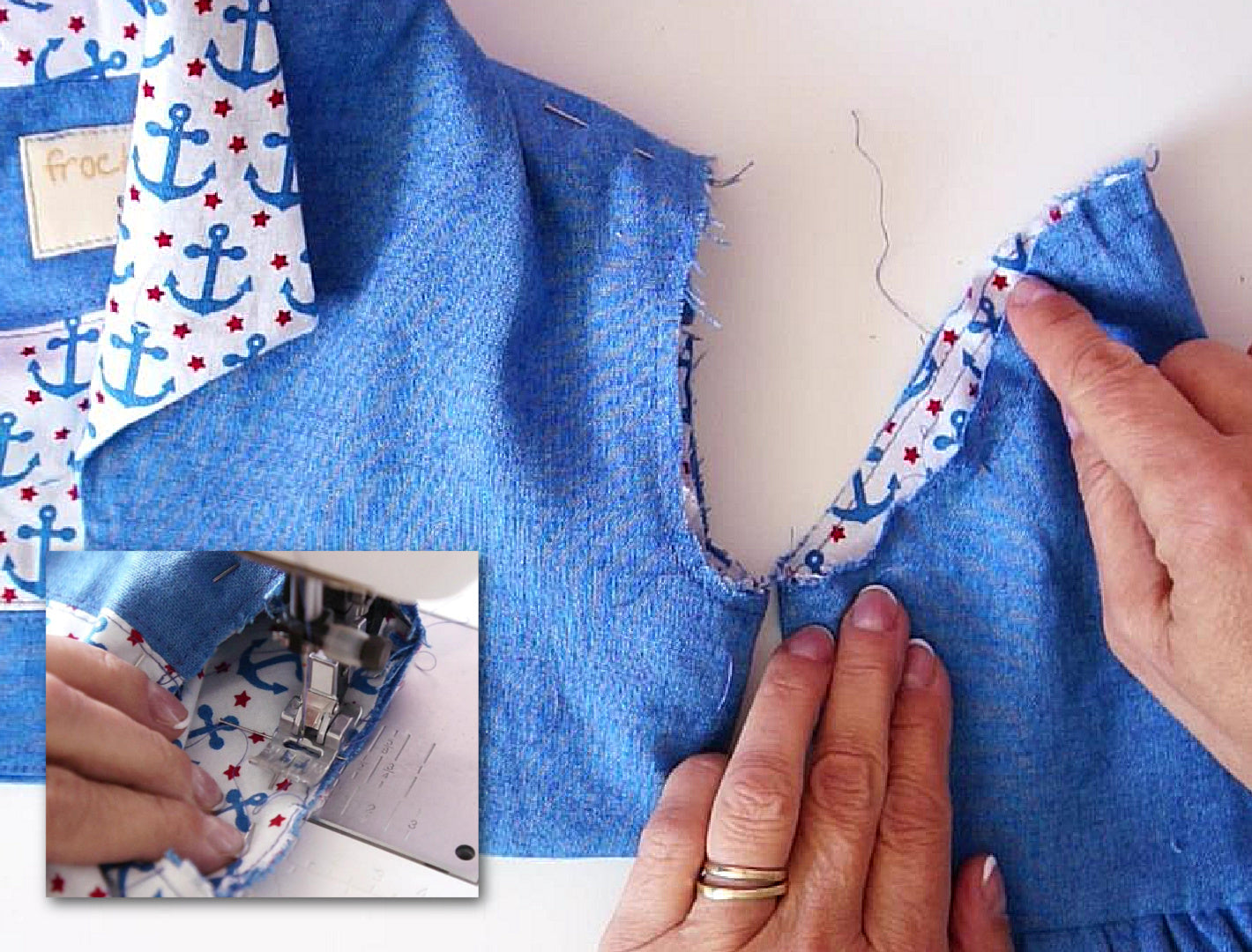
We’re going to sew once around the armhole, very close to the edge, just to secure everything so nothing shifts later.

Do the same with the sleeve.

Take your sleeve, pin the pieces together, and head to the sewing machine.

Always make sure you sew from the inside—this is the easiest way. The outer fabric should be facing out, and you sew into the armhole.

Lock your stitches, then sew all the way around close to the edge.

Repeat the same process for the sleeve.

Adding the Gathering Stitch

Now we add another stitch—this is the gathering stitch.

Use the longest stitch length and sew along the one-centimeter seam allowance, leaving a long thread at the end.

Take your sleeve and be mindful—linen especially can stretch. You may notice it already looks slightly larger than expected.

To control the threads, wrap one end around a pin in a figure-eight so it doesn’t slip away. Then pull from the other side.

You’ll see how much you can gather before it even looks finished. That curve is exactly what we need to shape the sleeve into the armhole.

Shaping the Sleeve Head

Steam the sleeve lightly to help set the shape—but don’t press directly down. Hover the iron and gradually lower it onto the fabric.

You can still adjust and pull the gathering as needed.

When I first worked with designers, I saw sleeves with a lot of ease like this and thought it was impossible. It just takes practice, but it’s worth it—the round shape is what gives a professional finish.

Now the sleeve is ready to be inserted.

Positioning the Sleeve

To identify the correct sleeve, check the side seam orientation. The cut edge that sits furthest forward must always face the front.

Place the sleeve into the armhole and align the seams.

Match your markings at the top.

Remember:

  • The front section should lie flat up to a point
  • The back has more ease and can be gathered more heavily

Start by placing a couple of pins at the bottom where everything is flat.

Roll the fabric over your fingers as you pin—this prevents flattening the curve. If you pin it flat, the sleeve will become tight and distorted.

Work your way around, distributing the gathers evenly.

Checking the Fit

Once pinned, turn the garment to the outside and check the shape.

All that extra width should now form a smooth, rounded sleeve head—that’s exactly what you want.

Make sure the sleeve leans slightly toward the front, not the back.

Repeat the same process for the other sleeve.

Sewing the Sleeve In

Start sewing at an easy point—don’t begin at the lowest or most awkward area.

Use a one-centimeter seam allowance and keep the fabric flat underneath.

Remove pins as you go and keep guiding the gathers gently with your fingers.

As you approach the sleeve head, slow down and control the fullness carefully.

Lock your stitches at the end.

Repeat for the other sleeve.

Pressing the Sleeve

Now we go to the ironing board.

The key rule: always press the sleeve from the inside only, directly on the seam you just stitched.

Do not press from the outside or distort the shape.

Use lots of steam and press gently along the seam line.

A well-pressed sleeve is often what separates amateur work from professional work. It really shows.

Final Sleeve Shape

Once pressed, the sleeve should sit beautifully round without needing extra manipulation.

If needed, you can lightly steam and shape it over your hand, but in most cases it will already sit correctly.

A good sleeve should feel smooth, balanced, and naturally curved.

Finishing Options

At this stage you have two options:

  • Overlock the armhole (perfect for children’s wear)
  • Add bias binding for a more refined or bridal finish

If you want binding, there is a bonus section showing how to apply it neatly.

Chapter Seven Complete

And that’s the sleeves done.

The jacket is now fully assembled, and the final step is coming next: Chapter Eight—adding the buttons and finishing the garment.

Armhole Binding: Chapter Eight (Two Methods)

Transcript for the video: Paris Bolero Jacket - Binding the Armholes (Optional)

In this video, I’m going to show you how you can bind the edges of your armhole.

We’ll look at two methods:

  • A traditional hand-stitched bias binding
  • A machine-stitched bias binding using pre-pressed tape

Both create a clean, professional finish, but they have slightly different effects.

Types of Bias Binding

You have a few options when it comes to bias binding:

You can use pre-pressed bias tape, which you can buy from places like Joann’s. This version is often a bit stiff and rigid.

If you’re in the UK, you can find much softer, more flexible bias binding, which tends to work better for garments.

Or you can make your own bias binding using lightweight cotton or similar fabric. This is often the best option because it is soft and molds beautifully.

Here I’ve started making my own in pink, and you can use any lightweight fabric you like—even silk or organza.

Making Your Own Bias Binding

When making your own, cut the fabric on the bias (diagonal grain), especially from leftover fabric pieces.

This gives flexibility, which is exactly what you want—flimsy is good because it will shape around curves without adding bulk.

To help stabilize very lightweight fabrics, you can use starch.

Shake the starch well, spray it onto the fabric, and press it in. The fabric becomes crisp like paper but not thick or heavy.

This is especially useful for very soft fabrics that move a lot while cutting.

Cutting the Bias Strips

Once starched and pressed, lay your strips flat and check alignment.

Use a ruler to ensure everything is straight before cutting.

Measure your desired width (here, 4 cm) and cut clean strips.

A clean, accurate cut at this stage makes the rest much easier.

Keep your strips in your stash for future projects—it’s always useful.

Preparing the Armhole

Now take your armhole and attach the bias binding.

Pin it around the edge, but don’t pull the fabric—just lay it naturally.

You normally wouldn’t need to pin everything if you’re experienced, but it helps while learning.

Start sewing from the inside so that the visible topstitching is neater on the outside later.

Sew with a one-centimeter seam allowance.

Rolling and Finishing by Hand (Slip Stitch Method)

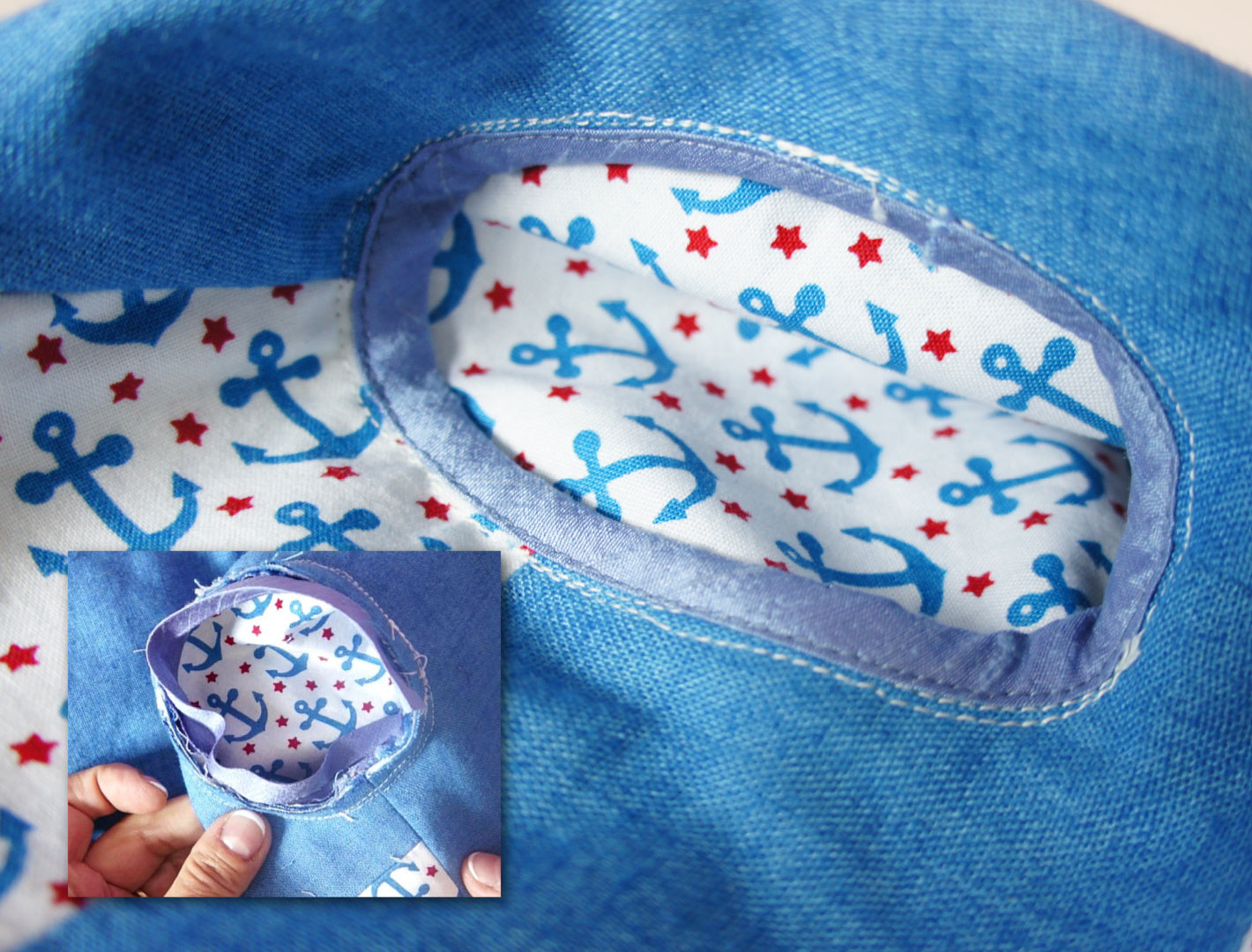
Once sewn, roll the bias binding to the outside so it wraps neatly over the seam.

Work your way around slowly, adjusting as needed so it sits evenly on the stitching line.

Trim any excess if necessary so it folds cleanly.

Now we finish with hand slip stitching.

Use a simple “tunnel” technique:

  • Go in under the fabric
  • Come out slightly ahead
  • Grab a small bite of fabric
  • Pull through gently

Work your way around carefully.

This gives a very clean, traditional finish. It also allows you to adjust placement as you go, keeping everything perfectly aligned next to the stitch line.

The result looks professional and soft.

Machine-Finished Bias Binding (Folded Method)

Now we try the machine version using pre-pressed bias tape.

First, press the bias binding so one side folds toward the center—but not exactly to the middle. Leave a tiny gap to avoid bulk.

Then fold the other side slightly in as well, again not fully to the edge.

This creates a soft, structured binding that won’t feel too thick.

You can also use a bias tape maker if you have one—it helps form the folds quickly and evenly.

Attaching Bias Binding by Machine

Now attach the binding to the armhole.

Place it so the shorter folded edge is sewn first from the inside.

Stitch along the crease line where it has been pressed.

Do not stretch the binding—just guide it gently around the curve.

When you reach the end, trim any overlap so it sits cleanly.

Then fold it to the outside.

Finishing the Machine Method

Pin the binding in place if needed, then stitch it down.

You can either:

  • Machine stitch all the way around, or
  • Hand slip stitch for a cleaner finish

Here we use the machine for speed and consistency.

For beginners, pressing it first makes this step much easier because it shows exactly where to sew.

Sew slowly around the armhole, adjusting as you go.

On smaller sizes, it can be tight, so take your time.

Comparing Both Methods

Once finished, press both versions.

The hand-stitched version feels softer and more traditional, with a slightly handmade charm.

The machine version looks more structured and commercial, and feels a bit firmer due to pressing and starch.

Both are valid methods—it depends on your preference and the look you want.

For beginners, the hand method may feel easier and more forgiving.

Final Result

Once pressed, both finishes look clean and professional.

The bias binding also helps the armhole hold its shape and gives structure to the garment.

It really enhances the silhouette and keeps everything stable.

At this stage, the jacket is fully complete.

All that’s left is the final touch: choosing and attaching a beautiful button.

Buttons and Buttonholes

Transcript for the video: Paris Bolero Jacket - Buttonholes

Now we're going to put the buttons on. You can put three buttons. I think for the smaller sizes that really doesn't work so well because it's just, you know, not enough. Two buttons can look rather odd, so on a very small size I probably would go just for the one button and keep it nice like that.

So now we're going to mark the buttonhole on your pattern. Let's have a look here. We have got our 1 cm seam allowance and then 1.5 cm distance to the buttonhole. The reason being that if you have a big button you want it to sit about 2 mm away from the edge, so your button should sit right on there.

If you have a smaller button you could move a little bit closer to the edge, but I have a big button so I'm going to stick with the markings on my pattern and I'm going 1.5 cm away from the edge.

And that's roughly where I'm going to put my button. Let's have a look. If I'm putting my button on here, I want my little button stand here to be exactly on there, right? So that's perfect actually, that's good. It needs to have that distance for a big button, otherwise the button will sit over the edge. You don't want that.

And then I also need to mark the distance. Okay, so for everyone that's never done this before, if you just do it like that—so you go on either side—that will give you a little bit extra. My button actually is, hang on a minute, 2.2, so the buttonhole that I've marked here should be 2.4 really, and I can mark it across so I can just see it.

And again I'm using a textile marker, this is disappearing ink so don't use a felt tip.

Setting Up the Buttonhole

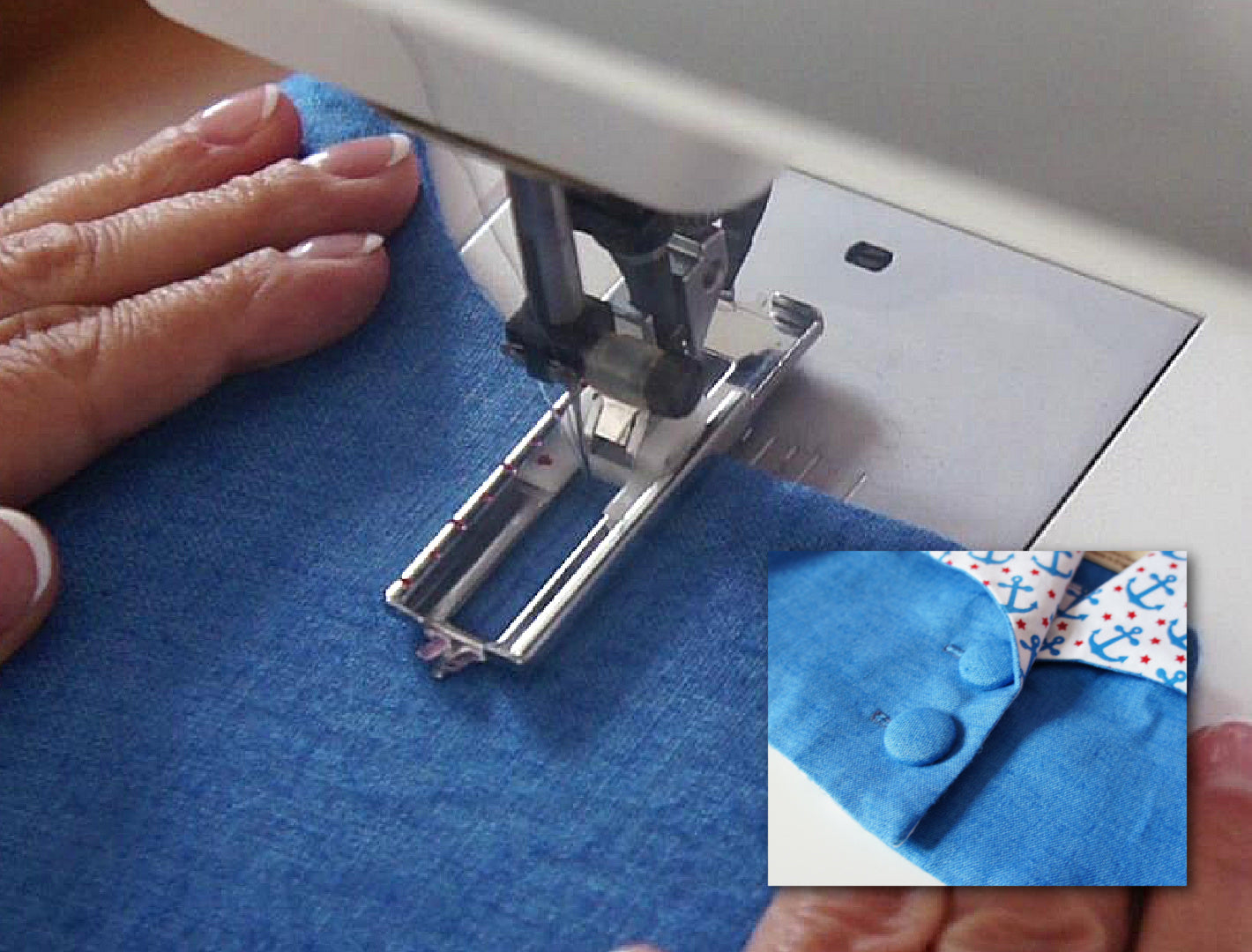
I'm going to use a buttonhole foot from my sewing machine. I'm not using my electronic buttonholer. I actually prefer these ones because if you, for example, touch anything on the machine when you use the digital one, the buttonhole stops and you might have this experience. I'm sure once you've done a few buttonholes, they say “oh my button was either way too long” or “it's way too short,” so I prefer the mechanical machines to do this even now. You have to pay more attention to what you're doing.

So if I put this on, I can see this is 1 cm, that's 2.5, and I just want to stop right shy in front of that, and that would be the length of my buttonhole. So I'm going to start it and then go down and back up.

The first thing to do is to unclip your normal foot and get on that buttonhole foot here. You want this little gauge here to face the front, and you're marking to face the left side of yours.

On my sewing machine I've got C, B, and A, or 1, 2, and 3. One goes down the right side of the buttonhole, two does the bar that goes from side to side, and A comes back up on the other side, after which we're going to do the tack again. That's the first thing I have to know about mine.

If you don't have a foot on yours it'll be different. You need to make sure that the stitch length is down. So I'm going to go to buttonhole, and you can go all the way down here, then it will be very tight, or you stay up there and then it'll be a little bit looser. So I'm going to go halfway.

Then I've got these two dials on the top of the machine. This is for zig-zag stitch, and of course I want to go all the way over in my case to 5, and that's just where my needle position is, so that stays as it is.

Another very important point for any buttonhole is that the tension needs to go down. On my machine it's marked as buttonhole tension so you know, and most machines will have that. If you try to do it without the buttonhole tension it will not look very nice at all.

Sewing the Buttonhole

So my first step is to put my fabric here very, very flat just so it's perfect, and I can see where my line is going across and my line down there.

There we go, and I'm moving it up a bit because I want that to be right on where I drew the line. It's not quite so important when you have only one button but if you have more than one it would be very important.

The next step is to lift your presser foot and move it down to where your mark is. In my case here just before the 2.5 and put it back down. Regardless of sewing machine, make sure that your grain line runs along here.

I can see it, so you don't do that, yeah, so you keep it very straight on either side. Make sure it's nice and flat. Put your hands on either side of your sewing machine.

And then when I get to the end here, put in my little bar, press the other one down, that goes back up, and from back up like a few stitches on the spot and you are done with your buttonhole.

Cutting the Buttonhole

So I've got my buttonhole. I need to cut it open. There are a couple of ways in which you can do this. One is using a seam ripper and the other one is using scissors.

If you're going to use a seam ripper though, I would really recommend that before you go in with a seam ripper you put a pin across the top here so that if accidentally you slip you don't rip right into your fabric.

I'm not using that. I always like to use my big scissors but I'm a tailor so I would use a really small embroidery scissor if you have one. I actually don't have one myself.

So what I'm doing is I'm folding over my buttonhole so they sit on top of each other, and then I do a tiny, tiny little snip through the center. I can see here I've already cut it a tiny little bit.

You have to be very careful when you cut this open. Very, very slowly cut from one end to the other straight through the center.

Attaching the Button

Final step is to actually put on the little button. The basic overlap is 3 cm, and then you want to grab yourself your needle, double thread, and a knot in the end.

And here's my button that I want to put on, and I'm just going to go straight through to the end of my buttonhole, and wherever that goes to is here. It'll actually be not so close to the edge on this is my starting jacket before I started messing about with a pattern.

So you've actually got it further over which is a little bit nicer. And now I'm just going to sew my button on. You want to go through all the way to the other side and then through the button. I'm going to do that quite a few times, you don't want this to rip off.

And then you wrap around here, get loop needle through the loop, pull your thread away anywhere in the jacket as far as it will go, cut off your thread.

And basically that is your jacket done. Oh it's so cute. I think you need to give yourself a pat on the back if you've gotten this far, this is great. Turn these up for the full effect and that is the end of your jacket. I hope you enjoyed this and you're back for the next project.

Sleeve Method

Transcript for the video: Paris Bolero Jacket - Bonus Lined Sleeves Method 2

In this little video clip, I'm going to show you how to put in the sleeve differently. I had a comment—somebody said, “Can you please please show us how you would do it if you didn't use binding or overlocking and you got a really clean result?” So that's what I've done here.

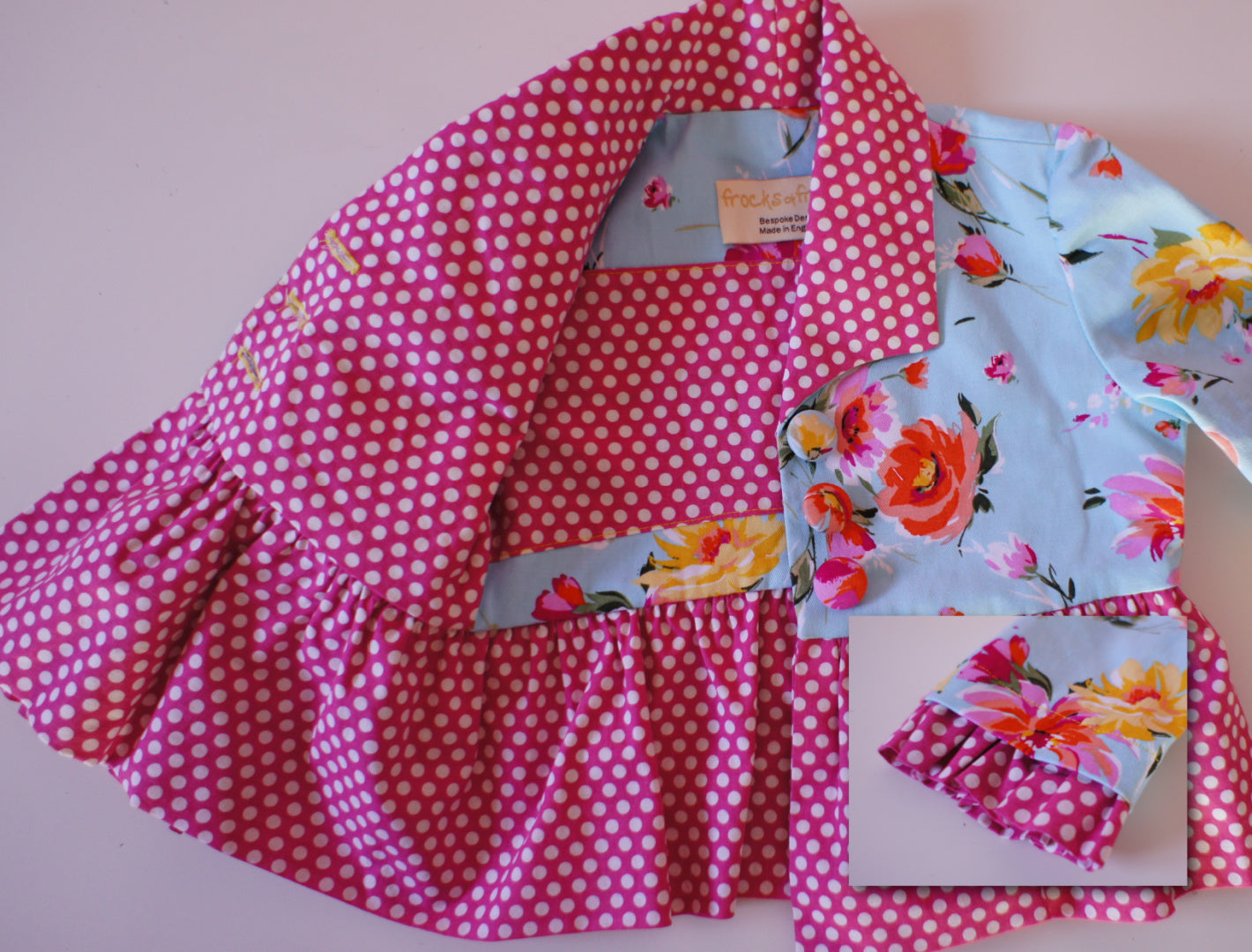
It means you have to put the sleeves in separately, and that's what we're going to look at now. I've also decided that I would show you how to create this nice little overlap over the ruffles, so it looks almost like she's wearing a little blouse underneath it that comes over the top here, peeks out there, and peeks out at the bottom. So this is a really nice option as well.

Let's get started.

Preparing the Sleeve Overlap and Structure

So let me show you how this is done. You can clearly see the lining is shorter than the upper material.

The first thing is the same as ever: we are going to close the sleeve. Now here I'm going to show you how to achieve this little trick. What it is, is you've got the 3/4 length with a ruffle—that's what we're using—but we're wanting it to overlap a bit.

Basically think about it like this: we're going down two centimeters. That is the overlap that you can see from the outside, so that's to there. Right. And then it needs to come back up when it's folded up, and it needs to go one centimeter further because we have a seam allowance. So that would add three. So we need to go another three centimeters down to here. Down. Right here I'm going to cut it off here.

So now I'm going to fold it on that first line here like that for the over. And when I'm going to put my ruffle underneath it, this ruffle is going to be attached here, right. So this is how it's going to sit, and then this is all ruffled.

But the stitching line will go through here, making this here appear as if it's come from underneath, as if she's wearing a blouse or something. And that's a really neat trick—you can use that with all of your patterns. You don't need this particular pattern for it, but you need to make sure that the width here is the same.

In my case, it kind of flattens out at that point anyway because I'm always anticipating doing something like that, so this is straight already. If you're using just the video to make a different jacket or use this technique on a different jacket, make sure that it's actually straight here and that we have the same distance so all of these seams are even.

Once you've attached your ruffle for that, you want to use the video with a ruffle sleeve instead of just leaving it like that. You are actually now going to mark this, and you're turning this whole lot in.

Pressing and Setting the Shape

So I'm just going to turn this to the inside so we can give this a jolly good press all the way around, so we're getting a very nice line. It's going to have a little sneak peek in here. Make sure that it's all even all the way around.

And I'm going to pop it onto my sleeve ironing board. I'm going to give this a jolly great press. It's a very sweet way of doing this actually—it looks really nice.

Now we've done this, we know where that line is. We're going to bring out the ruffle now, but we're not pulling it down. We're leaving that crease right where it is. We just want the little ruffle to stay in there.

So I'm now going to pin this so it can't go anywhere, all the way around. You can see the effect this has—it looks like it's actually inside the sleeve, right. So she's wearing a blouse underneath it and it just kicks out.

That's the right amount, and it looks like this little floaty sleeve that just tucks out from underneath. I think that's very cute.

Stitching the Sleeve Line

So that's another way of doing this.

What we now want to do is just stitch in here parallel to the edge. It's going to be awfully hard to see where you have to stitch from the inside in a minute. So the easiest way to do this is to mark yourself the 2.5 on your fabric all the way along like that.

My fabric is really stiff. I think if that was a more floaty fabric like chiffon, that would be awesome. If you use chiffon though, then you need more gathers—almost double the width of your ruffle. I think that would be really nice.

So much learning to be done. You never stop learning with sewing. I love experimenting as well. If you're a little bit like me, you're going to love all these methods.

So now I've marked it. I've turned that sleeve because there's no way you can get this on your sewing machine arm—I don't think adult pieces you could. Kid ones you can.

And I'm going to just go in here and follow my line and stitch all the way around. You probably will have to sew this from the inside, so what I'm going to do is I'm going to turn it so I can work from the inside, and I'm starting on that seam and going all the way around.

Inserting the Sleeve into the Jacket

So you can see here I was able to keep the distance. I don't think this would be even for me if I hadn't drawn it on there, because you really can't see what you're doing on your sewing machine unless you do it like that or you have a special foot for the distance.

I'm going to pop it onto my favorite little sleeve ironing board, and I'm just going to give this a little bit of steam all the way along. Then I can put that sleeve in. I will now put this into the jacket already—I’m not waiting until the end this time.

Make sure I've got the front snip. The front snip needs to face the front basically. So I'm going to now put this sleeve in.

Now with my sleeve into the outer layer, you can see it tips nicely forward. I mean that is a really lovely sleeve.

Now I'm going to put the lining sleeve in. And it's quite important to remember that we just pull this out a bit at the front here. I've seen lots of people do this wrong—they take the same side sleeve and try to put it into the armhole. It needs to be the opposite because it's on the inside, kind of a mirror image.

So do the same again. Make sure that the front snip faces the front when you put it in. And all you have to do is go in here as you would for the other sleeve.

Finishing and Securing the Sleeve

So they sit loosely inside. You do what you always do: you find your top snip here, you put that onto the shoulder, then you have the underarm snip, and you put the sleeve in as well.

Now I've put both sleeves in—the outer sleeve and the inner sleeve—which you can see here goes right into that sleeve. This is a lot cleaner from this side.

So now what we want to do is turn the sleeve inside out. And yes—you get two guesses what we're doing now.

We're going to tuck this in ever so slightly and pin it to the gathers we've got, and then we're going to hand stitch this all the way around. We only tack in a little bit. There is no harm done if the lining is a little bit longer because then there will be no pulling.

So get yourself a needle, thread up, and then slip stitch it all the way around.

When it's all slip stitched really nicely all the way around, I think it looks so nice—I love this. We can turn the sleeve back to the outside.

One of the things that happens when you work both sleeves separately is that they are loose in here. That's not what you want for a really nice fitted jacket. You also want the seam allowances to push into the sleeve.

You never want the seam allowance to sit the other way. Let me just show you this: that's what it looks like when it goes to the inside, and that's what it looks like when the seam sits into the sleeve.

So it's very important to keep it in that position.

Now is the perfect time to do this. I'm just going to make sure that all my seam here is sitting right. If you have a tailor dummy, you can use that.

Make sure it's nice and flat, put a pin in here, and I go in just like that. And I'm going to attach these together. Wherever this ended up being, that's where I attach it. You don't have to say, “Oh, it needs to be top on top.” No—you want it exactly where it sits.

And then all you do is do a few stitches so this can't go anywhere.

This is a very small but quite important step if you are working your sleeves like that.

If you want to attach it in another area as well, all you have to do is make it straight here, maybe put another pin in, and do just a few stitches connecting both seam allowances so they can't turn anymore.

So that's it.

This is how you would put the sleeve in if you didn't want it either bound or overlocked. Everything you do has merit. There are so many ways to sew up a jacket—this is just one more way of doing it, and you get a very clean edge here.

It's also looser. I personally think the other method is totally fine for a jacket like that.

But there you go—somebody asked, so I thought let's add this to it. And now you know how it's done.

Adding a Ruffle and Neat Finishing Technique

Transcript for the video: Paris Bolero Jacket - Bonus Adding a Ruffle Hem

In this video, I’m going to show you how to put on a ruffle and finish it off really neatly on the inside as well. Let’s get started.

If you are putting in the ruffle, the only difference is that once you’ve got your lining and your front done and you would normally sew it together all the way to here, we are not doing that. We’re stopping here. It also makes it possible to understitch this area, which is quite a good idea as well.

So we are only sewing all the way around here and all the way back down.

Now it’s sewn together and we’ve cut back the seam allowance and snipped it. We’re going to do understitching in this area so it can’t roll forward.

What Is Understitching?

Under stitching is when your seam allowance is stitched to the lining so it stays in place.

You need to fold it over so it sits into the lining like that. Then topstitch along this edge here, keeping the seam allowance pushed into the lining.

I’m going fairly close to the edge. You don’t want a tiny stitch, so use a nice stitch length of about 2.5.

Secure your stitches and sew along.

What you will notice is that a slight bit of the outer fabric shows. That’s exactly what understitching does. It gives a very firm edge.

Understitching in this area is very good. It looks superb from the outside as well.

Closing the Side Seams

Now we are going to close the side seams.

One thing you might want to do at this stage, especially for this kind of version, is secure your collar to the rest of the jacket so it cannot move. This is a good time to do it.

If you open this out again (I’ve already shown this by hand in another video), you can run a line on the sewing machine here and connect the seam allowances so they stay in place. This prevents shifting later.

Preparing the Ruffle

Now we’re going to prepare the ruffle. It’s super cute and super easy.

Fold it lengthways in half so you have the sides together. Then sew it shut on either side.

Pin here, and pin on the other side.

Now we can sew those together.

Turning and Pressing the Ruffle

The next step is to turn it right side out. I’m leaving the stitching inside as support.

This helps create a really nice corner, which I will pick out carefully.

Now move the edges edge to edge, give it a good press, and press across the edge so it is nice and firm.

Adding Gathering Stitches

The next step is to add gathering stitches to the top edge.

Not too close to the edge—about 1 cm down.

Always use the bobbin threads to pull the gathers, as they are easier to adjust.

I’m going to pre-gather this slightly from both sides.

Take your ruffle and attach it to the right side of your jacket. Open it out and place it where the front starts, like a collar.

Find the center back (which should be marked), align it with the jacket center back, and pin it.

Then do the same on both sides.

Now gently pull your threads. I already pre-pulled them a little, just until they fit.

Wrap the thread around a pin in a figure-eight to hold the gathers in place.

Adjust the gathers evenly. You can add more or less depending on your preference.

Then pin everything in place.

You can adjust gathers further while sewing.

Now sew along the stitch line, right through the center, all the way across.

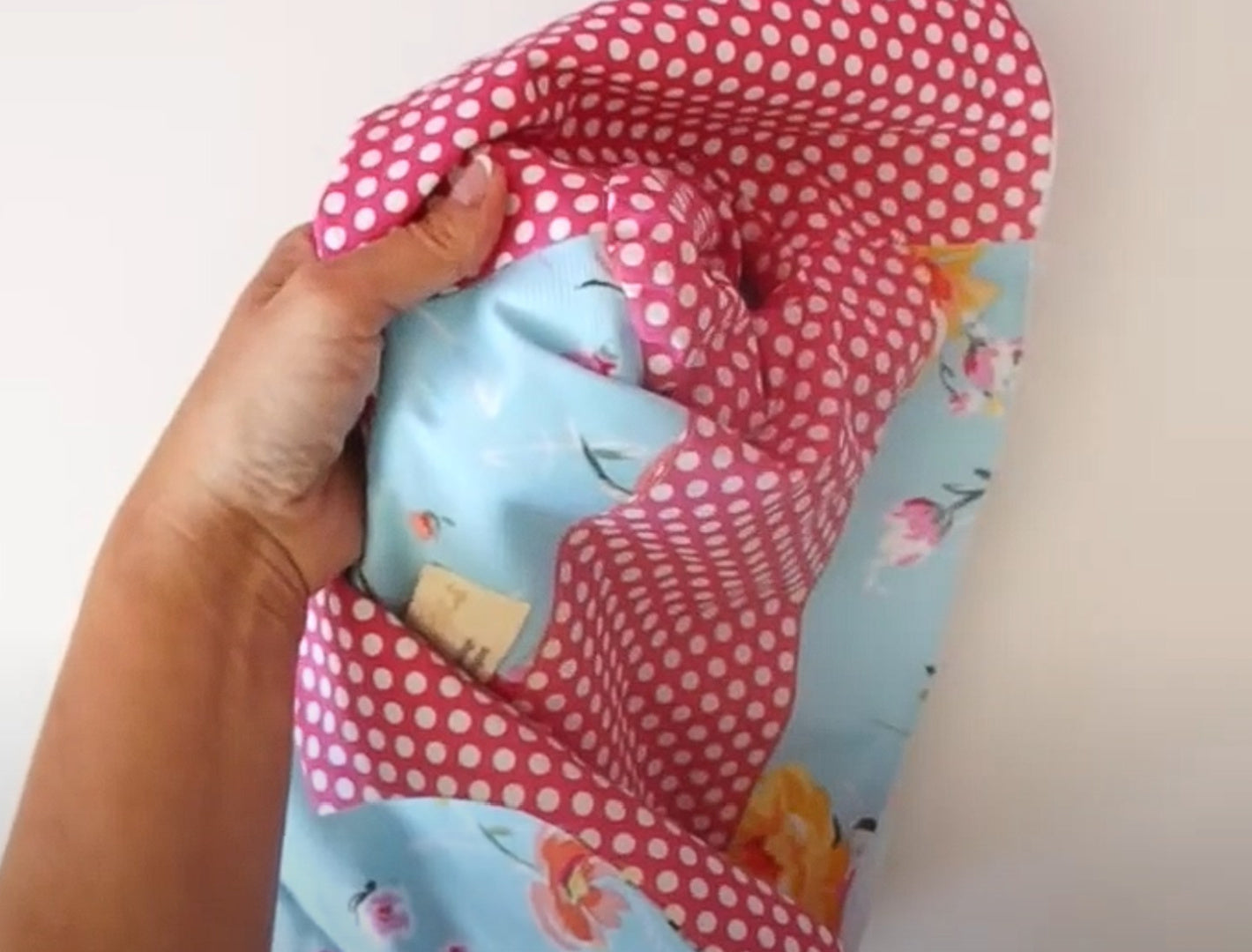
Bagging Out the Garment

Next step is to bag it out.

Turn the jacket inside out. Since the sleeves are already attached, it’s slightly more layered, but still manageable.

Find your center back again—this is why marking is important.

Now we sew from this side because the stitching line is already established, and we are following it.

Wrap the lining over what you just made.

Pin side seams together and continue pinning around.

Remember to leave a turning gap (about 7 cm). Mark it with a vertical pin so you don’t forget.

Sew from one side to the turning gap, then from the other side back to it.

Trimming and Turning Through

Before turning, trim seam allowances to reduce bulk.

You can also snip into tight corners where needed to reduce tension.

Now turn everything through the opening, starting with the furthest sections so nothing gets stuck or torn.

Pull everything through carefully, including the sleeve sections.

Now the jacket is fully turned right side out and looking beautiful.

Closing the Opening

We now close the turning gap with slip stitching.

Use the same “tunnel method”:

Go in, pick up a small bit of fabric, go through, and repeat all the way along.

The stitches should be invisible from the outside.

Final Result

And we are done.

You can hardly see where it was closed, and everything looks beautifully finished.

This idea came from Frieda, who lives in Namibia with her family and helps test patterns. A big thank you to her.

And that’s it—what a lovely finish.

YOU MAY ALSO LIKE

Isabella

SHOP NOW

Beatrice

SHOP NOW

Connie

SHOP NOW

Audrey

SHOP NOW