Skip to product information
1 of 11

MIMI PINAFORE

MIMI PINAFORE

Filled Circle
Filled Circle
Empty Circle
Empty Circle
Empty Circle
Regular price $4.50 USD
Regular price $7.50 USD Sale price $4.50 USD
Sale Sold out

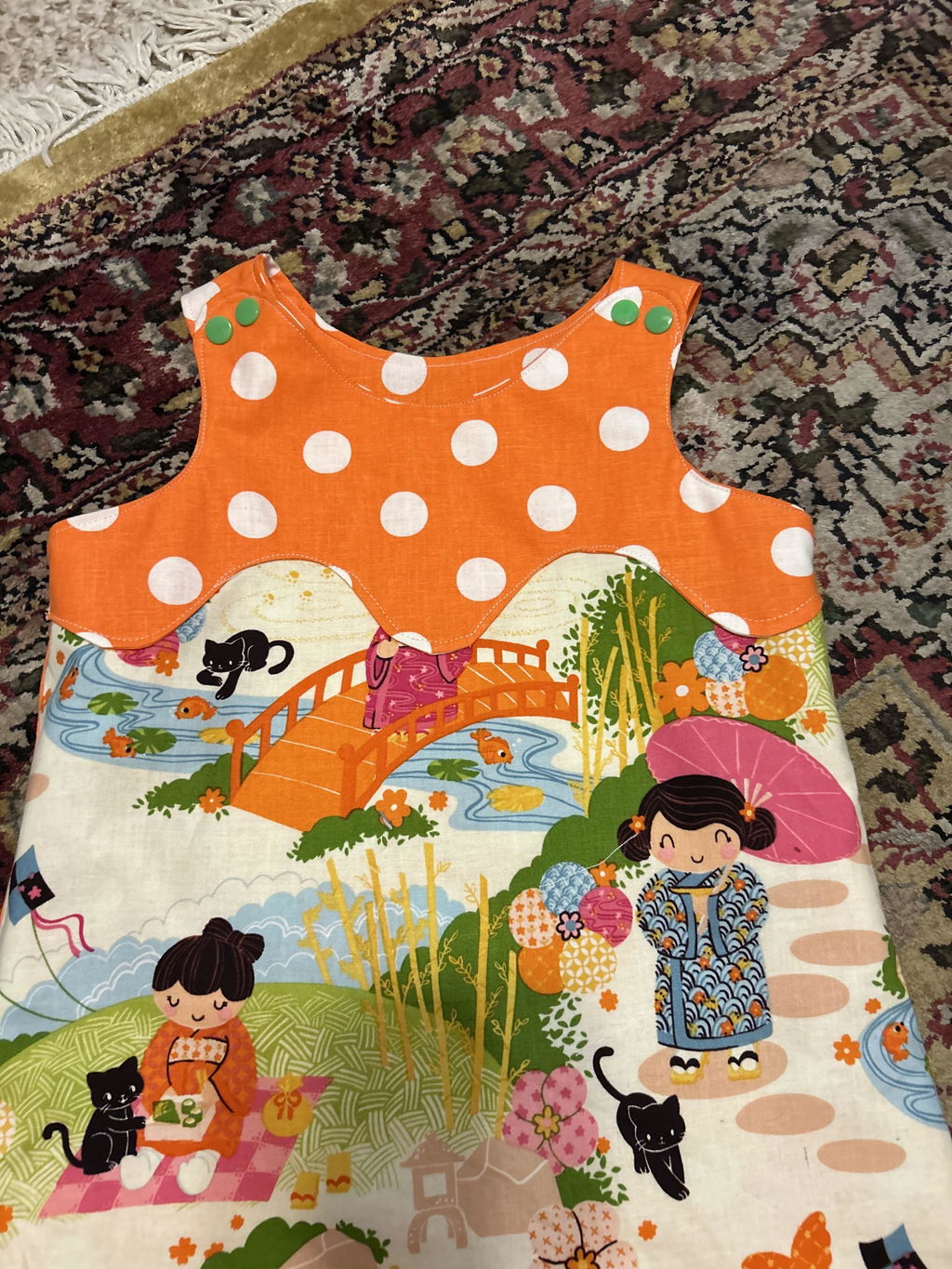
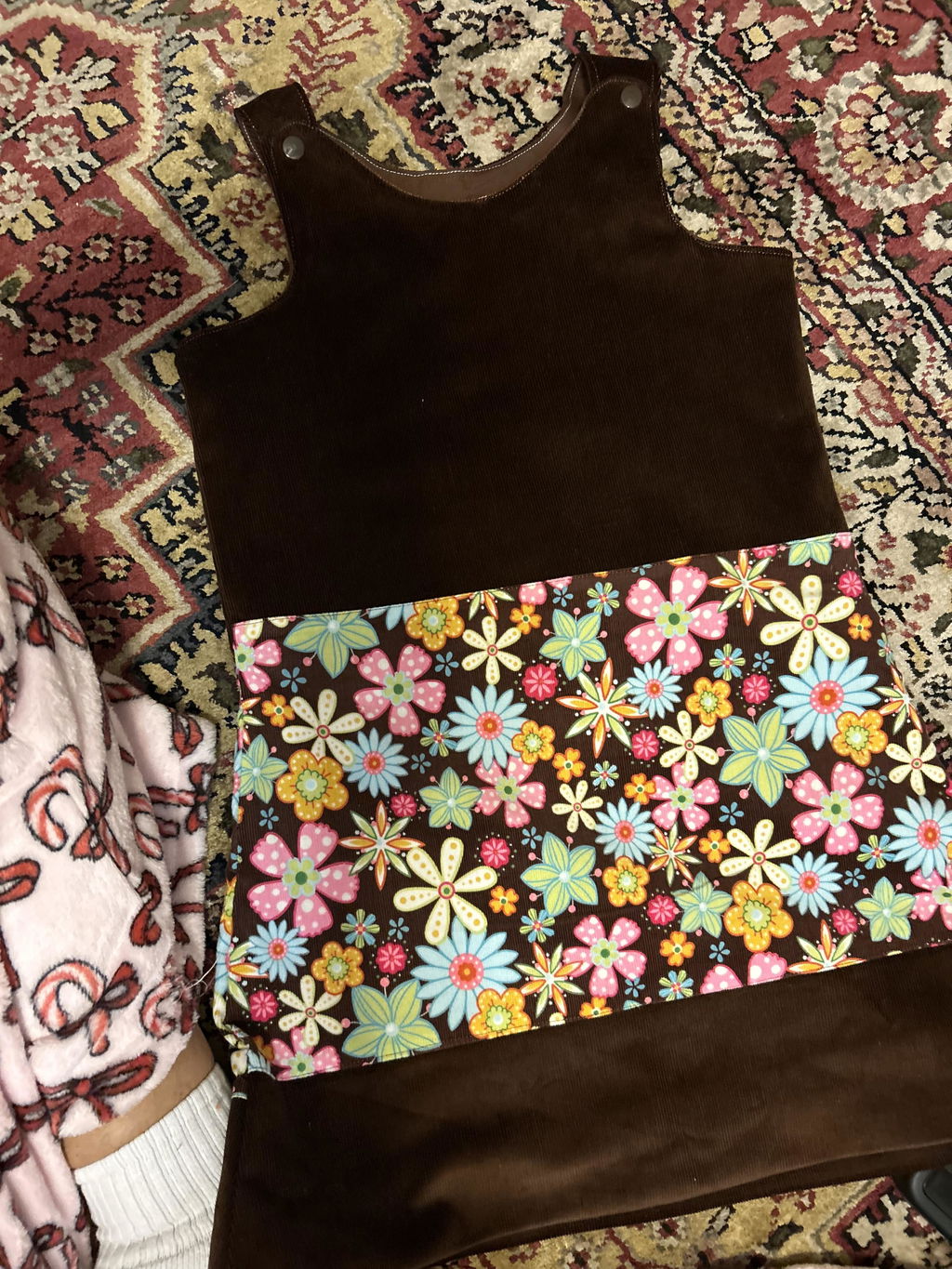
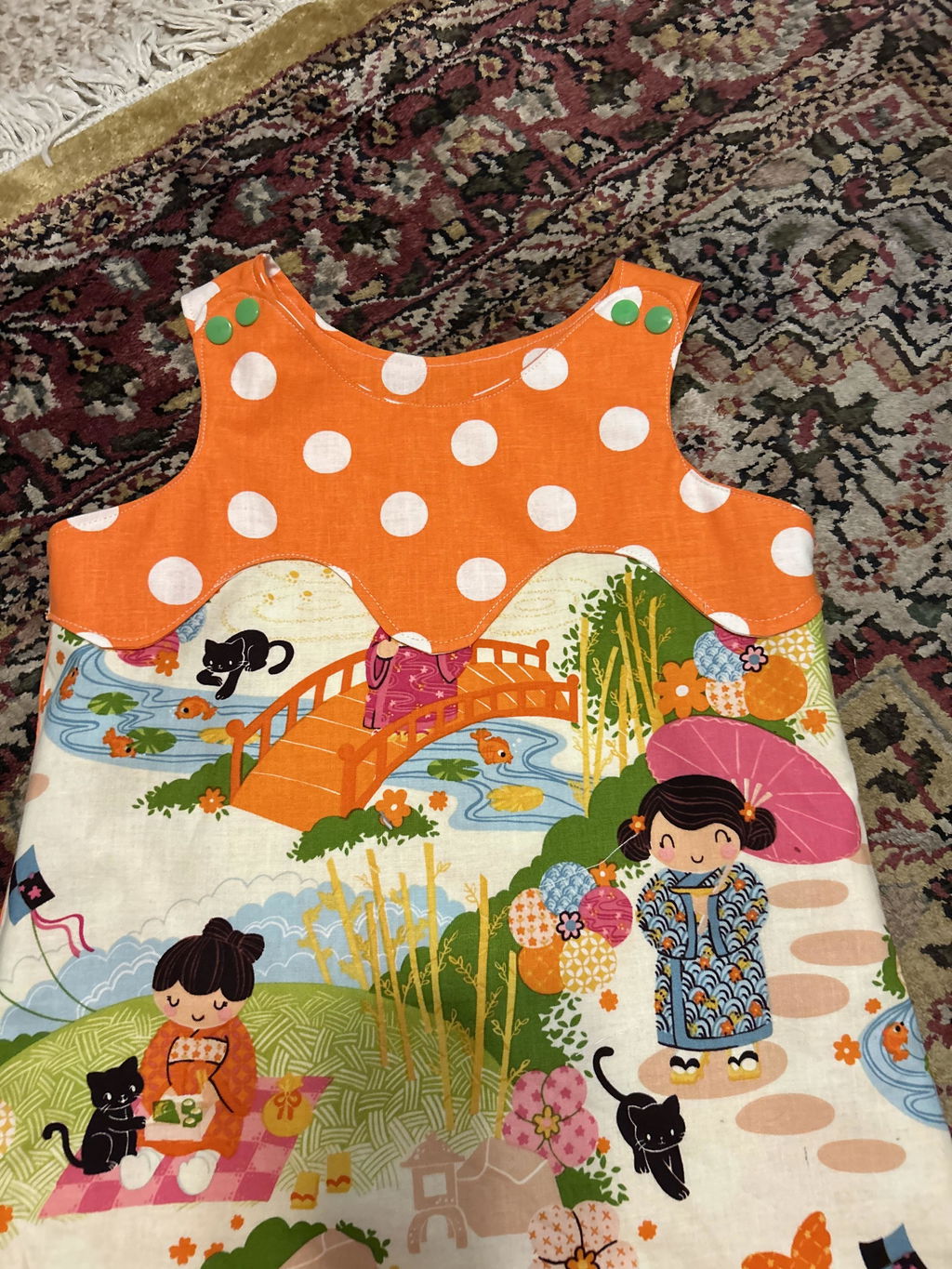
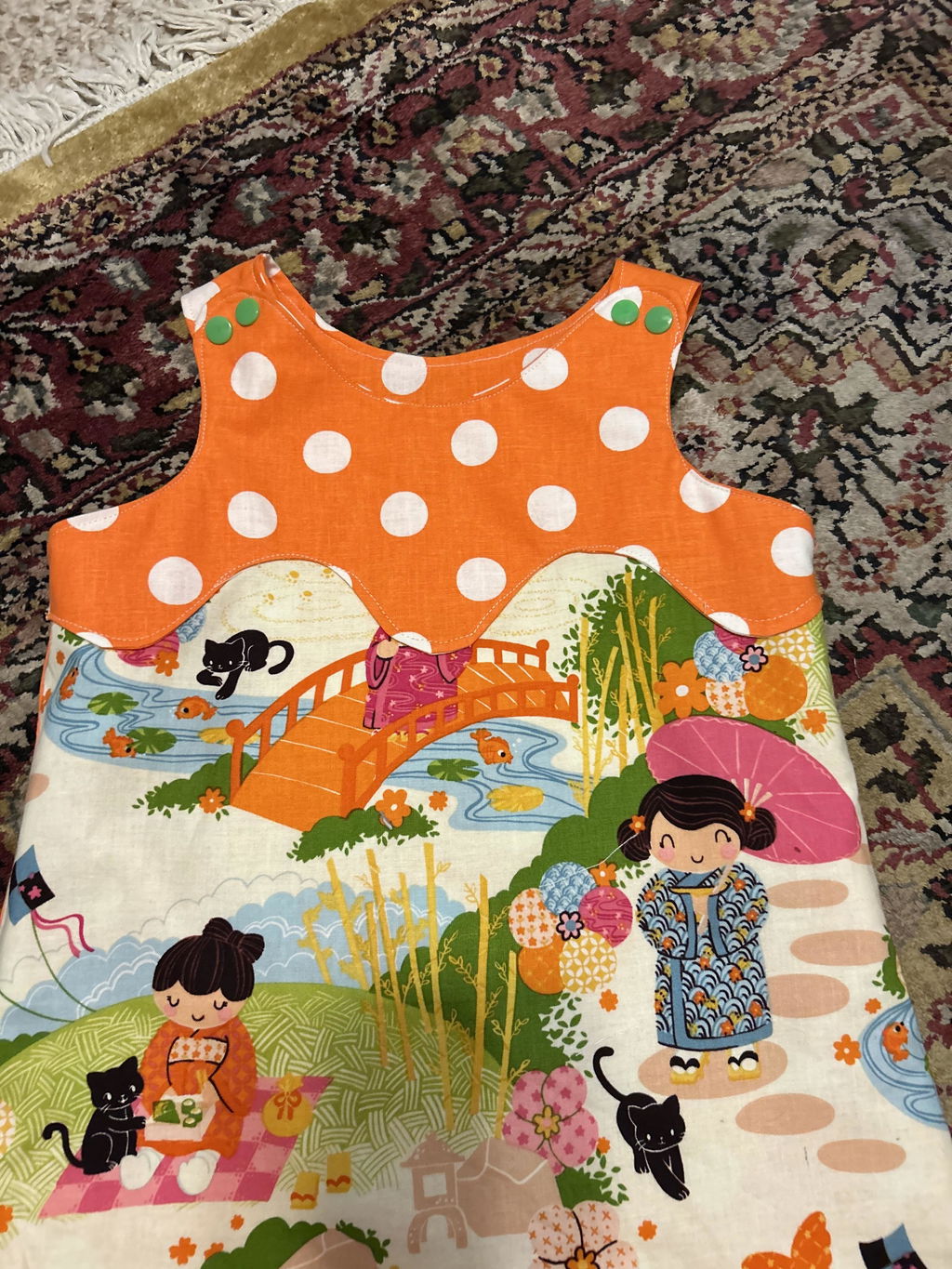
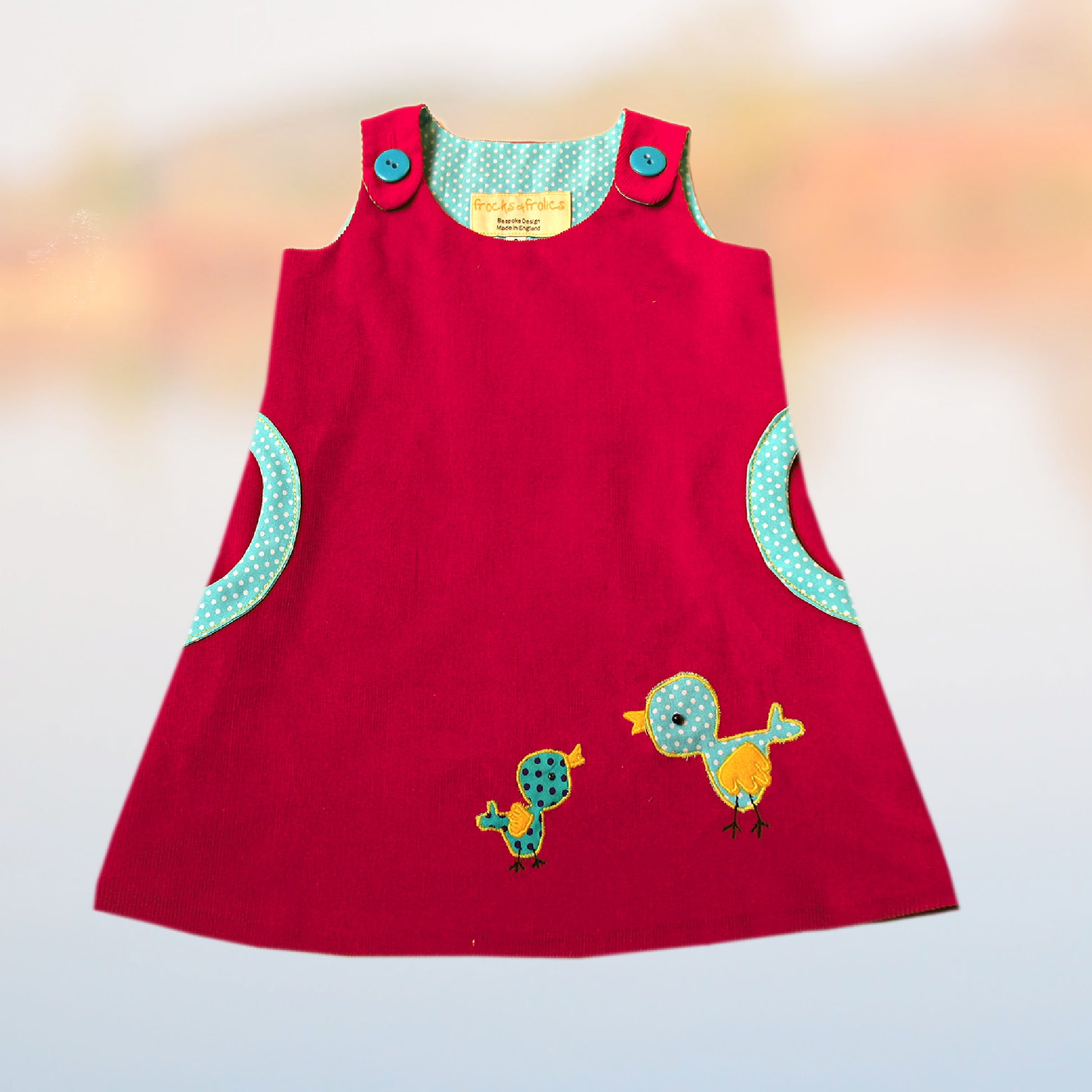
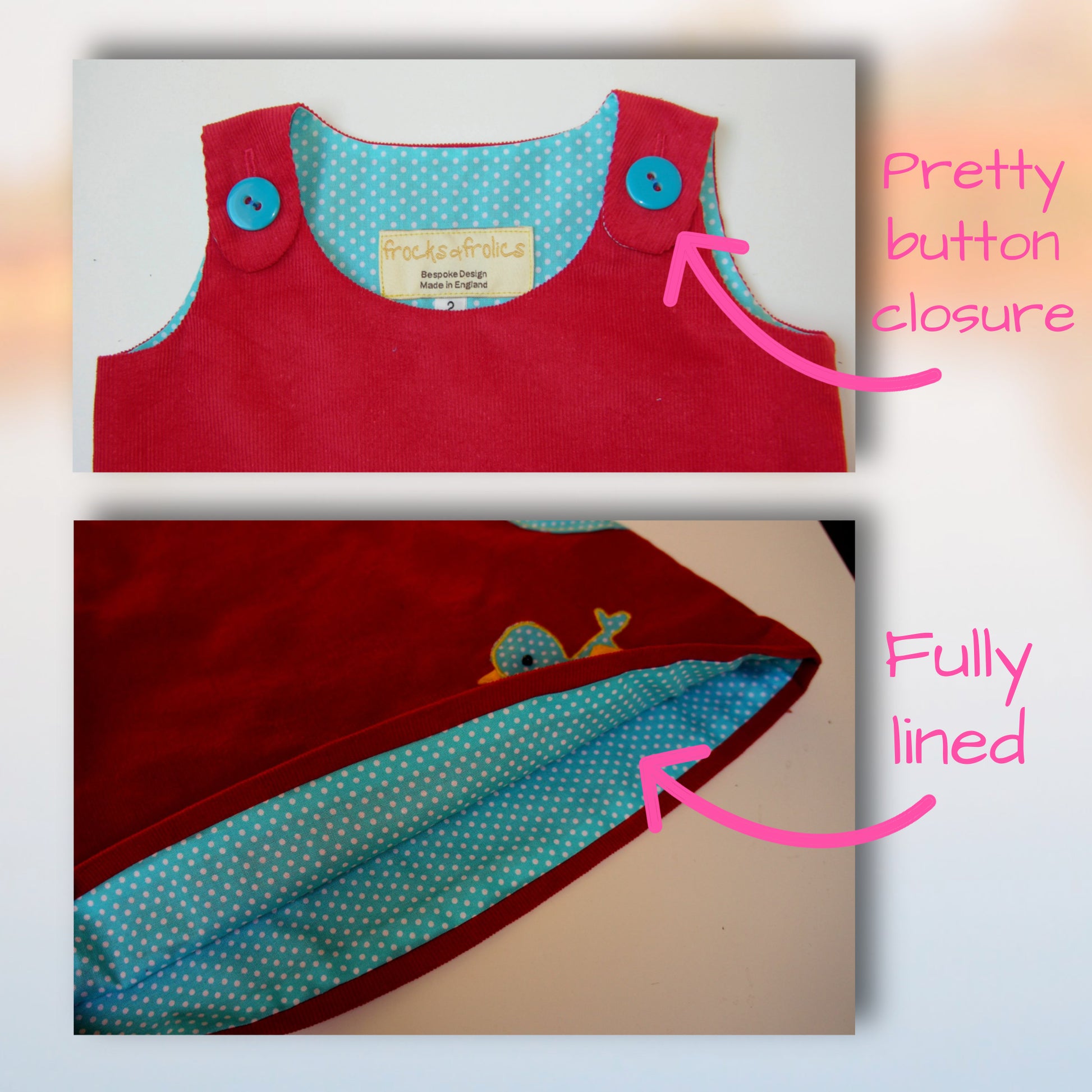
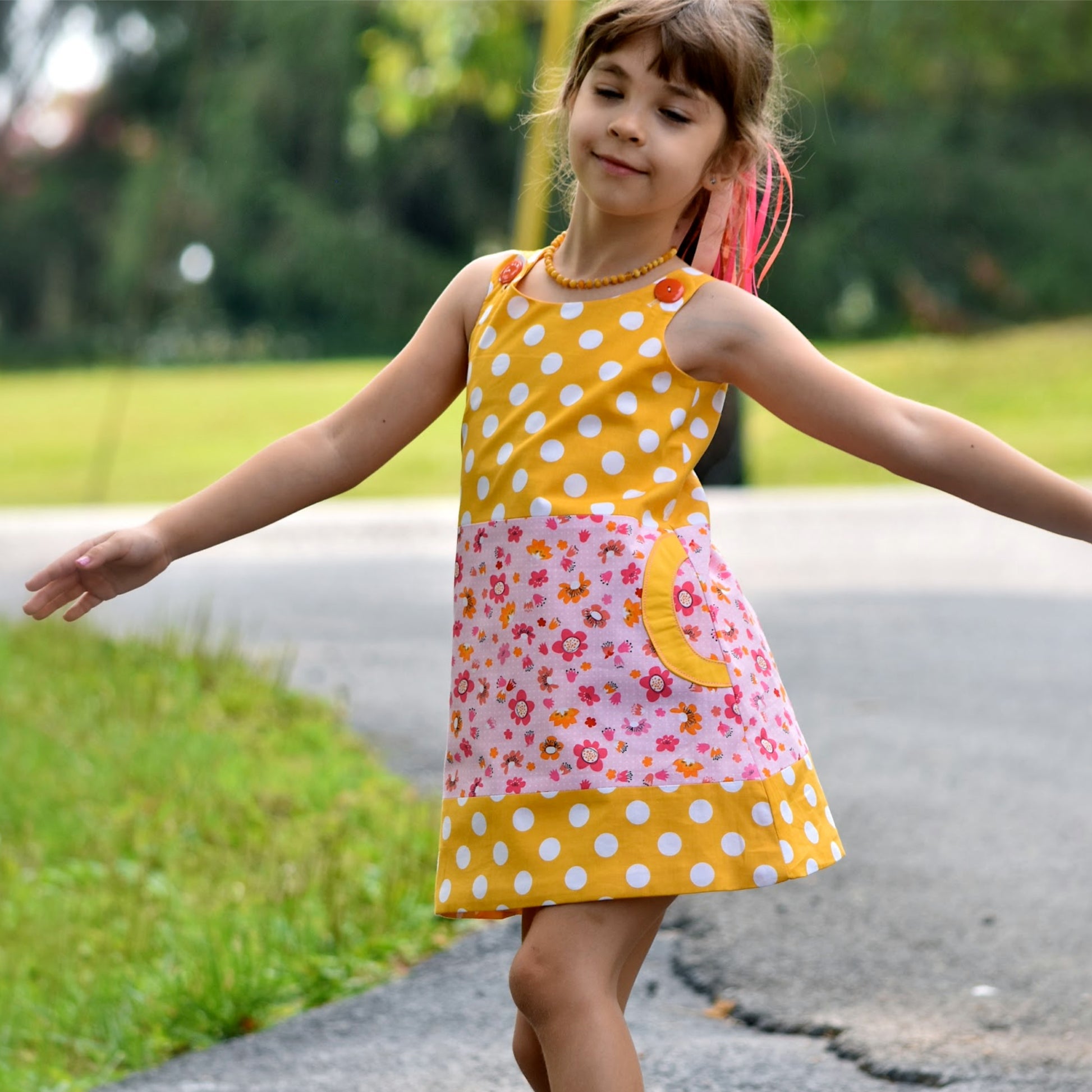
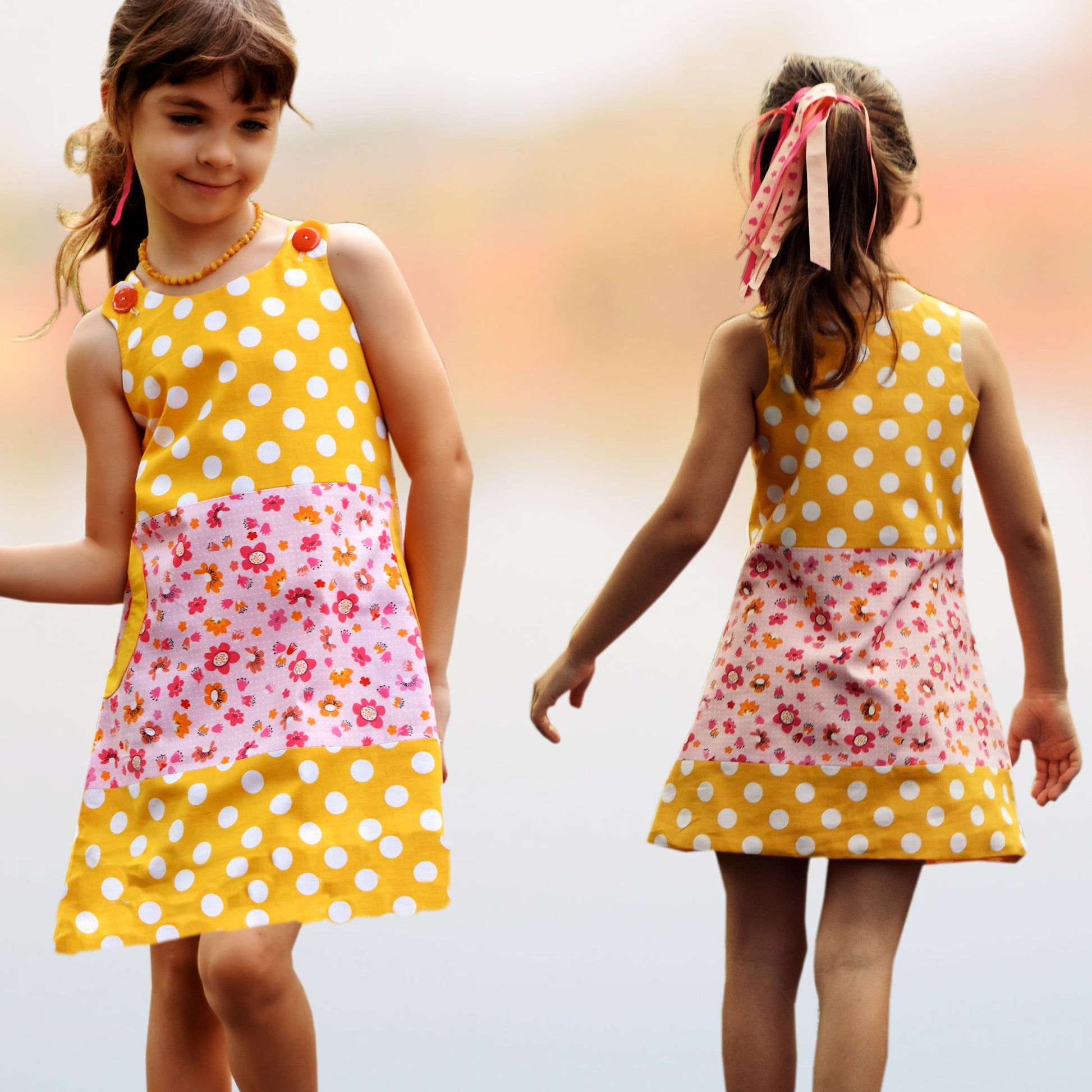
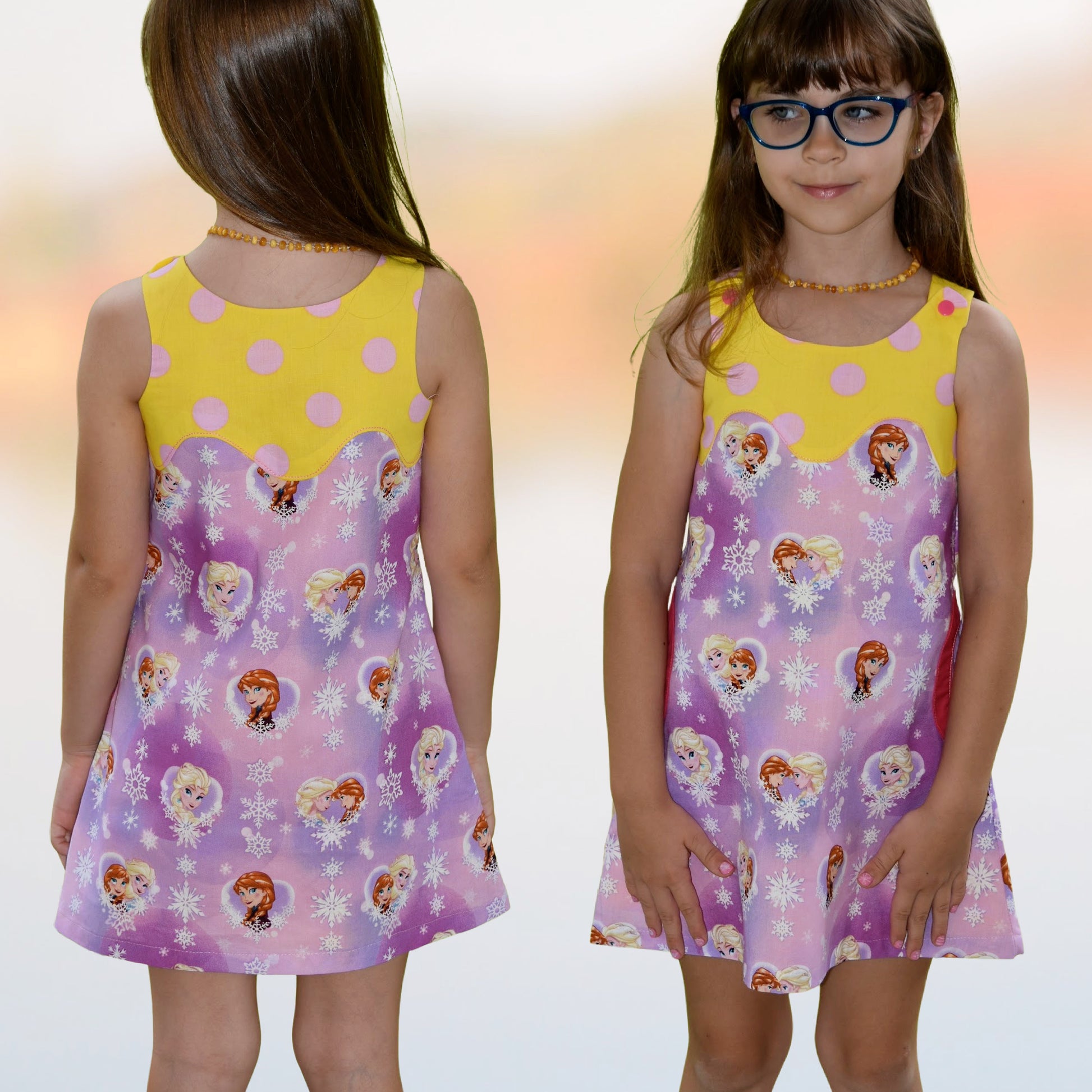
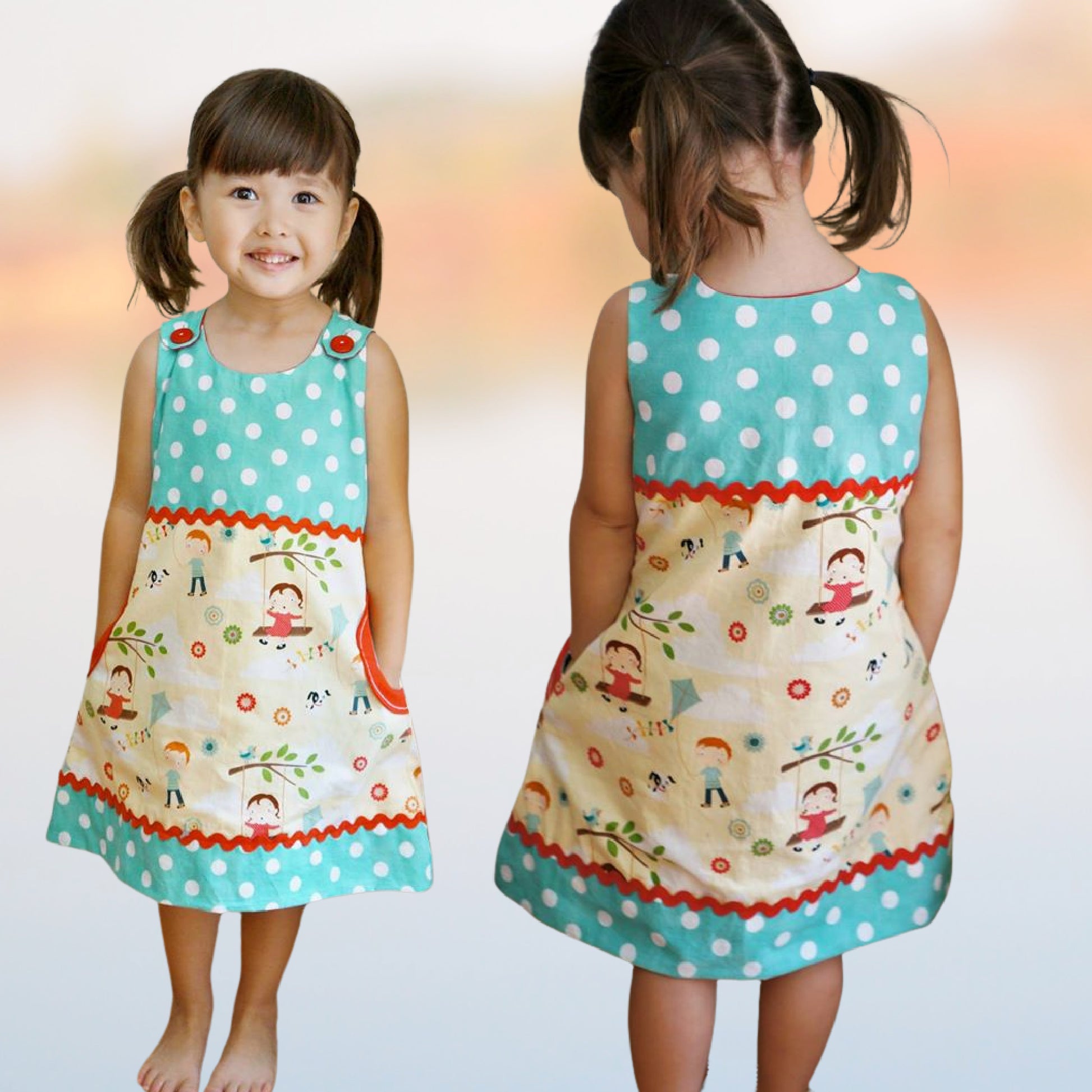
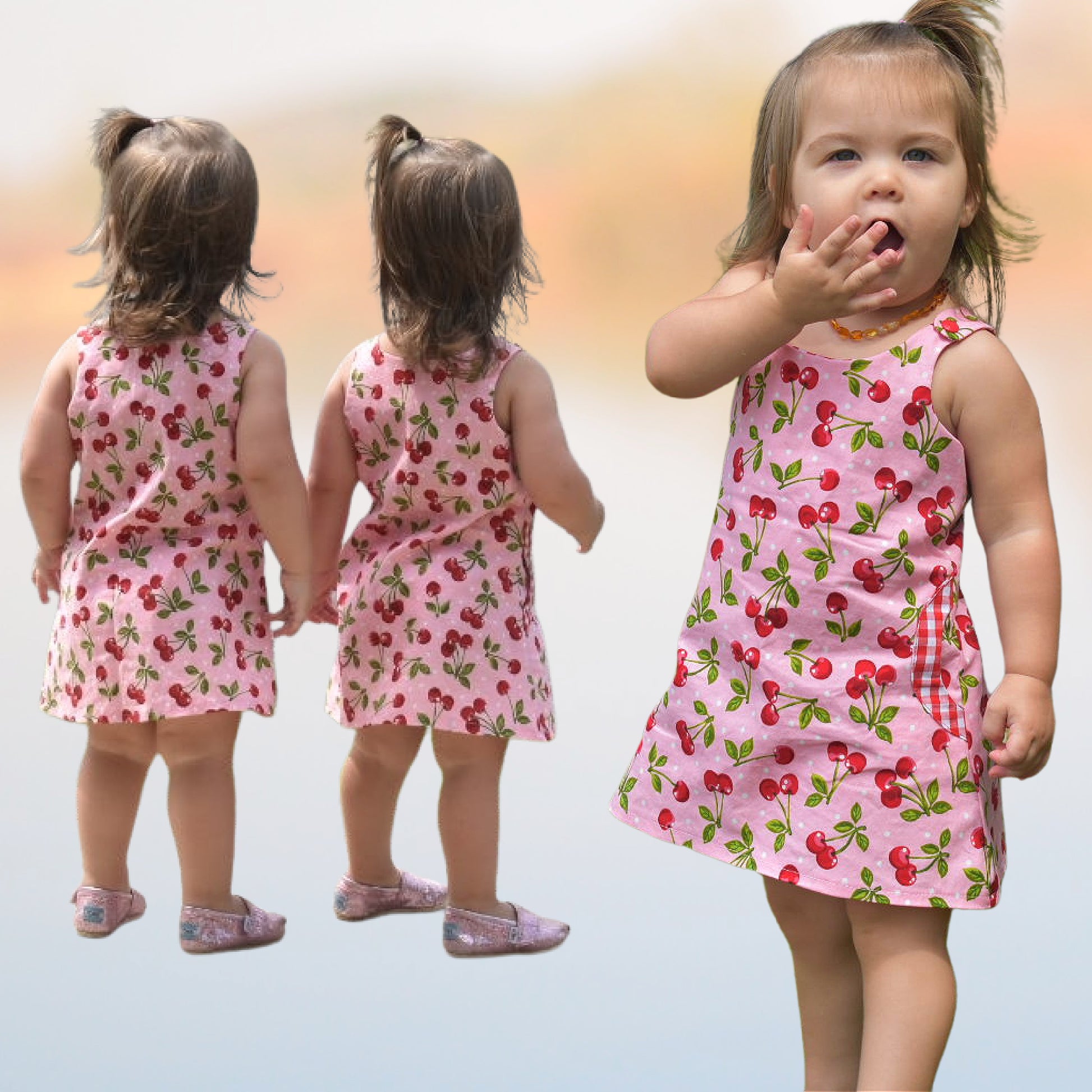
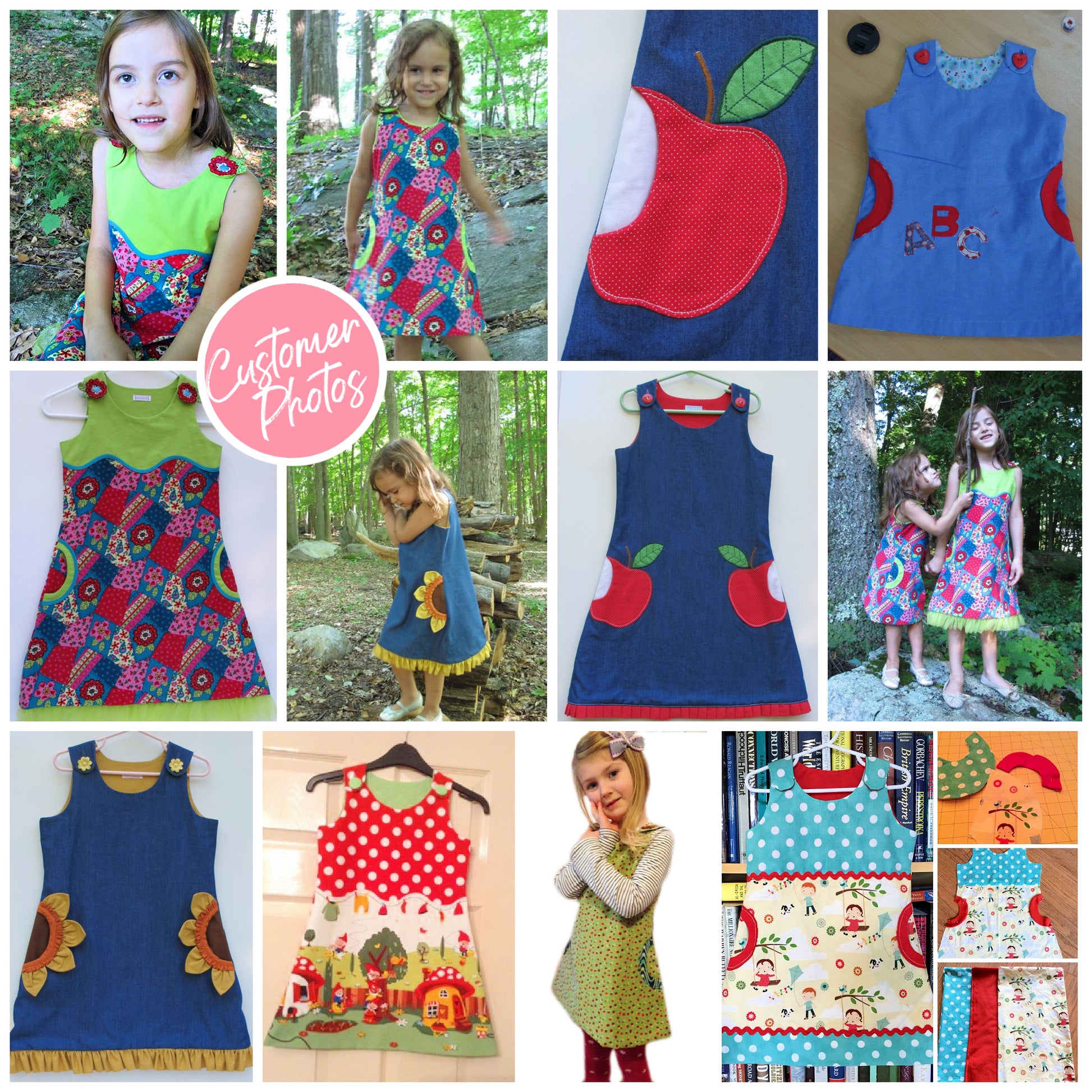
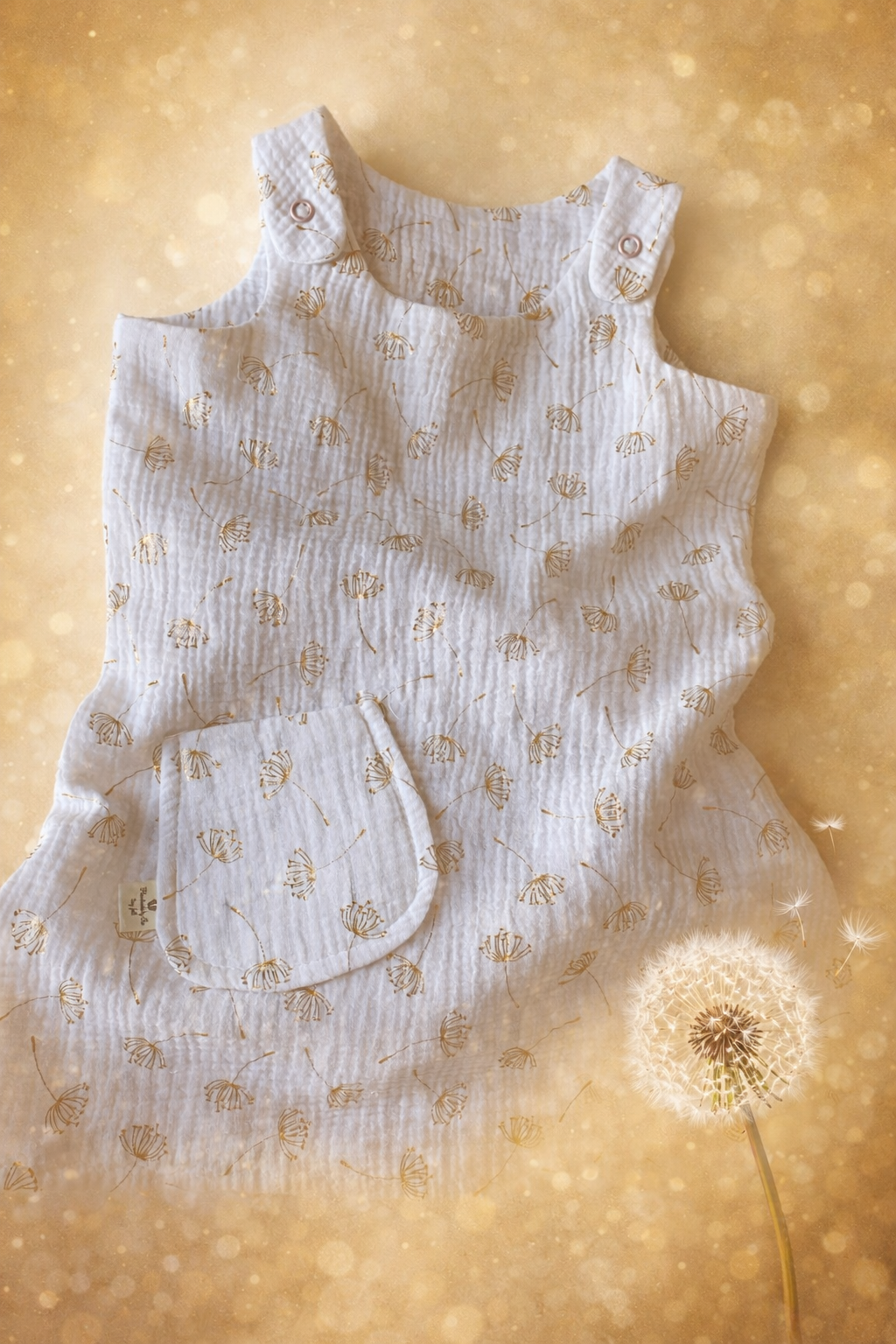
Mimi is a charmingly drafted, fully lined dungaree dress with a practical shoulder closure that makes dressing quick and easy. The beautifully rounded side pockets add a playful touch and can be customized to create adorable sunflower or apple side pockets, giving your make a fun, handmade twist.

Perfect for beginners, this easy pattern features a gentle A‑line silhouette and requires no serger. To watch Marina’s step‑by‑step video tutorials, simply scroll down and follow along to enjoy a smooth, confidence‑boosting sewing experience.

Pattern Download Includes

  • Instant Download
  • DIN A4 & US Letter Size
  • Individual PDF files for every Size
  • All Sizes included
  • Detailed eBook
  • Video Tutorials

Design Options

  • A line dress
  • Fully lined
  • Dungarees dress
  • KamSnaps or button closure
  • Half moon side pockets with thrim
  • Baby bird applique template

Fabric Requirements

BEST CHOICE FABRICS
Medium to heavier weight fabrics.

  • Cotton lawn
  • Cord
  • Chambray
  • Denim

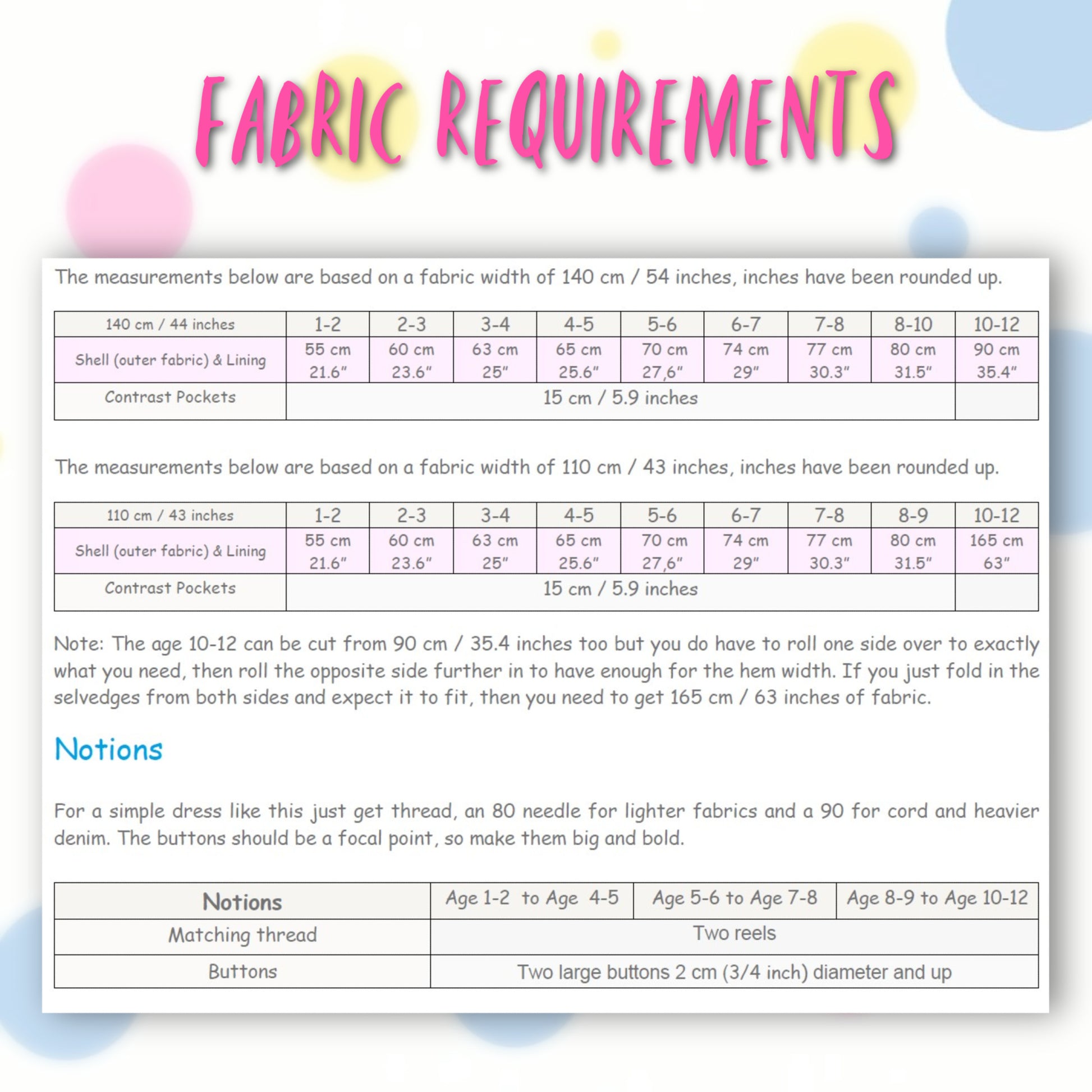
FABRIC REQUIREMENTS

  • Shell Fabric: 20-35 inches (50-90 cm)

NOTIONS

  • Buttons ø 3/4 inch (2 cm): 2 x
  • Fabric for Pockets: 5.9 inches (15 cm)

Available Sizes

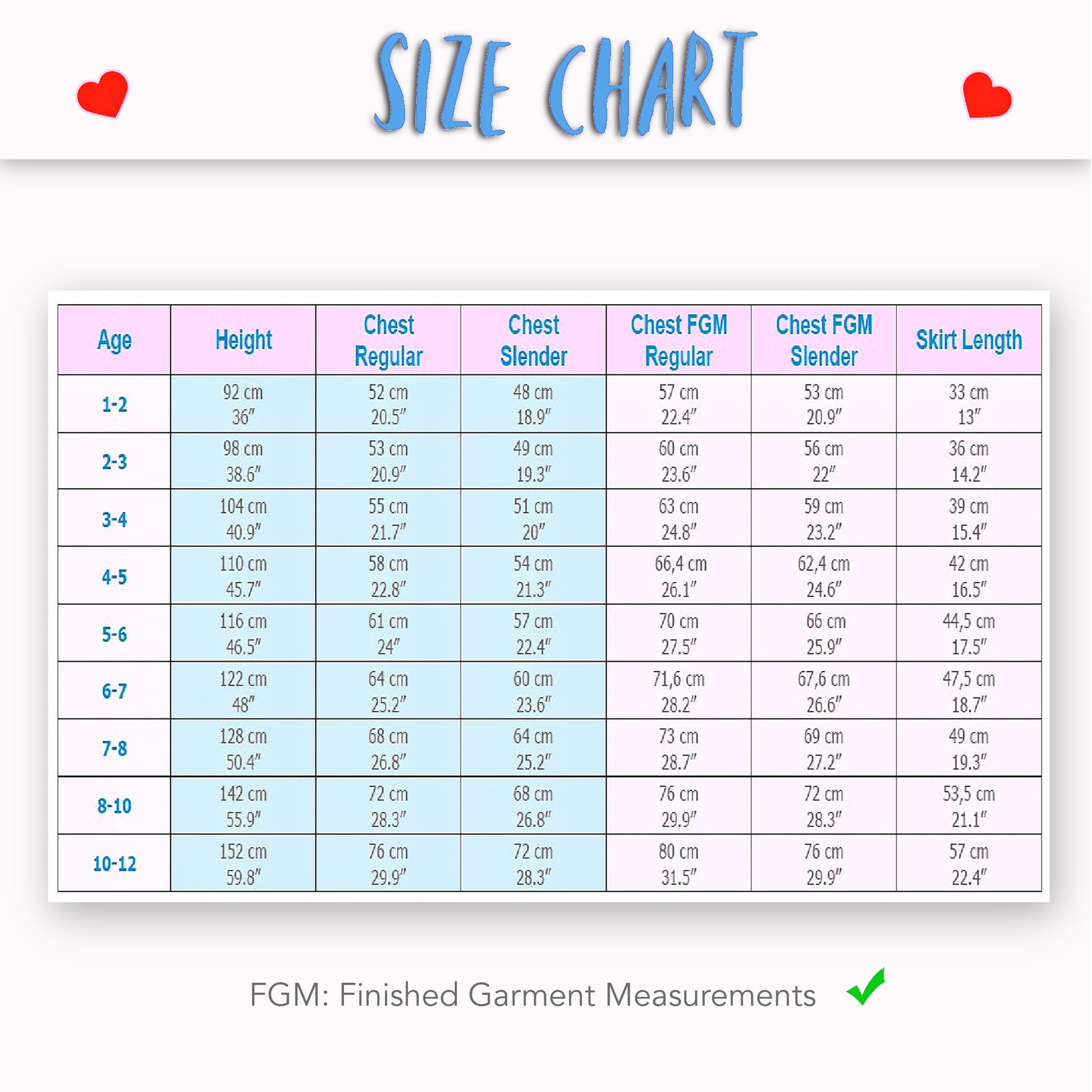
Sizes: 1 - 12 Years

Please Read

  1. This is a digital pattern or PDF file, not a physical product. It will be delivered electronically via a download link delivered to the email used for the purchase.
  2. To ensure the pattern prints at its actual size, it's recommended that you use Adobe Acrobat Reader.
  3. The pattern creator, Frocks & Frolics, welcomes small-scale production using their patterns. 

Customers are encouraged to tag Frocks & Frolics when sharing projects made using their patterns on social media.

@frocksandfrolics #frocksandfrolics

View full details

STEP-BY-STEP VIDEO TUTORIALS

Thumbnail
THE PATTERN
Thumbnail
MIMI TUTORIAL
Thumbnail
COLOUR BLOCKING
Thumbnail
SCALLOPED COLOUR BLOCKING
Thumbnail
MIMI ORIGINAL VIDEO WITH BIRD APPLIQUE
VIDEO TEXT

Mimi Pattern Overview and Design Options

Transcript for the video: Mimi Pinafore - The Pattern

Hi, this is Marina from Frocks and Frolics, and we’re going to look at the many design options and the pattern in much detail. Finally, we’re going to have a sneak peek at the instructions and look at what videos you’ve got for this.

If you want to make this dress with heavier fabrics such as corduroy, denim, or chino, that really lends itself to appliqués. The original appliqué was the baby bird one, and that is still available with a pattern that comes with it, so it’s all there for you and it’s very cute. On the right-hand side, you can see what a customer made, and I thought that was brilliant.

You could also use lighter weight fabrics such as quilting cottons, which come in all sorts of prints and colors. They are much easier to work with. Here is an example from my Camilla’s design where you just use a border fabric, which also works really well. You don’t need the pockets or anything, so it’s very simple.

Design Options

Your options for the design are either a side inserted pocket or a mini pocket. It is also fully lined and closes with two buttons at the top or poppers.

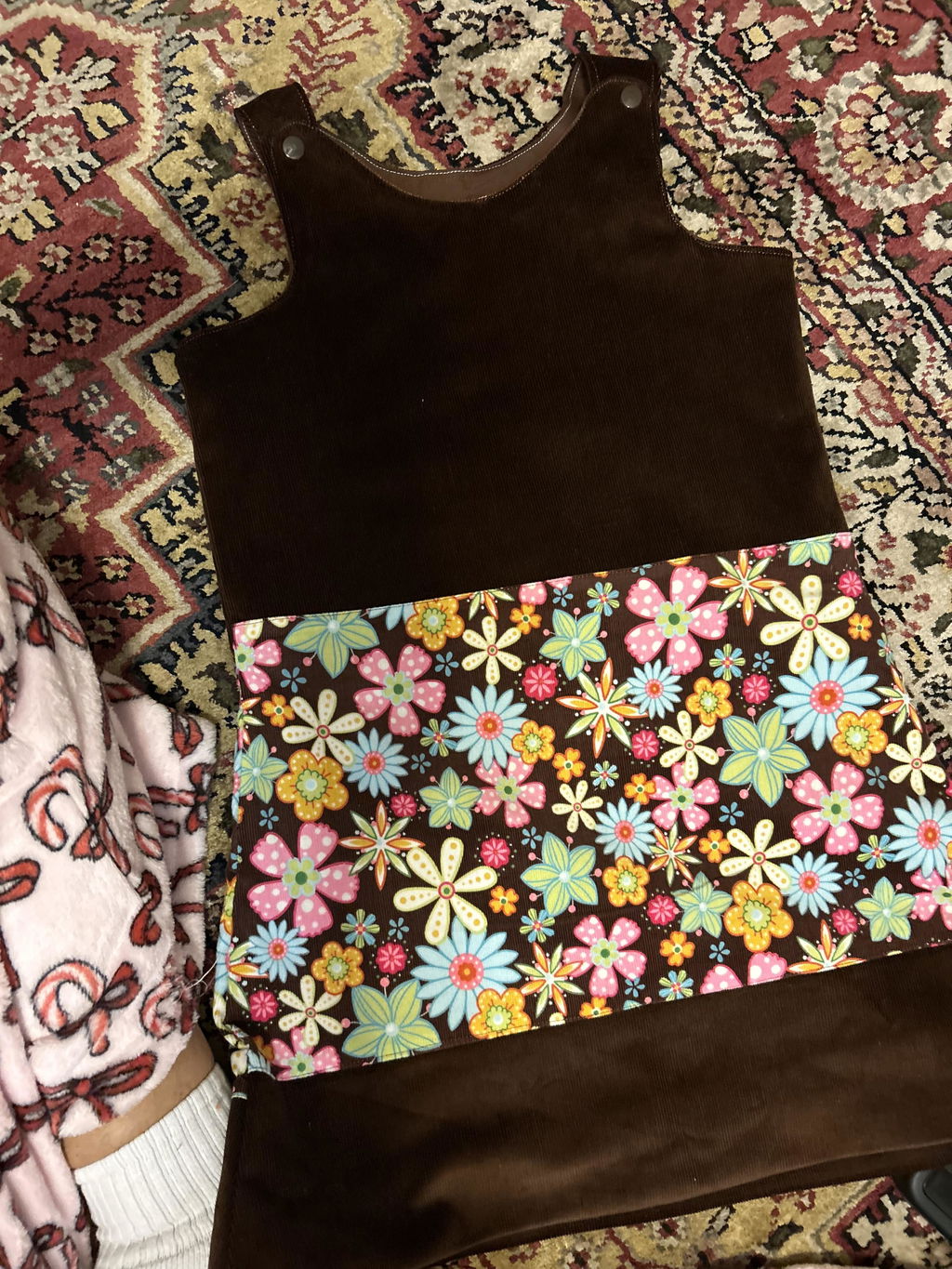
You can also add a scallop at the top, and I’m going to show you how to do that. Alternatively, you could do some really fun color blocking or fabric blocking, like I’ve done here, just to create contrast.

Example Dress Overview

Here is the dress in one piece. Let’s have a look at it.

You can see how that is a really nice pocket to get little hands into. It is a little bit lower than on this dress because that was my first sample, and I have since pulled them down slightly so the stripe does not end where the top of the pocket ends.

The fabric I am using here is a Riley Blake fabric and my Camilla lining. In the center strip, I am using a fabric from Mr. Z called Whatever the Weather in Flowers in Bloom. It is fantastic, and all the links are underneath the video.

Pattern Layout

This is what the pattern looks like when you print it out. You will see lots of small pieces with dashed lines, which are alignment lines used to join the pattern pieces together.

There is also a test square (one inch or five centimeters, depending on what you are familiar with). You must measure this and make sure it is correct before starting. Print this page first, check it, and then continue with the rest.

The back piece has a pink flower so you know which pieces go together. The front has a white flower, and you can clearly see how everything fits.

When you look at the assembly diagram, you can see exactly how it goes together. For size 5–6, you will see pieces A, B, C, D, and E. Larger sizes have more pieces, smaller sizes have fewer.

The general method is simple: anything that goes horizontally is joined first, then vertical sections are attached.

Front and Back Pattern Pieces

Let’s look at the mini pattern.

This is the front piece. If you are adding the side pockets, you must cut out the curved section first. Do not throw this piece away, because you will need it again when cutting the lining so that both layers match correctly.

The front is cut on the fold in both main fabric and lining. The same applies to the back.

The back sits neatly and can be used either way around. I personally prefer this direction because the hemline sits more naturally.

You can adjust the button placement depending on your preference. It does not have to be exact—you can make it slightly bigger or smaller, or use poppers instead.

Pocket Construction

To make the pocket, first attach the facing. You will have a lining piece and a contrast fabric, which you sew around the edge.

Then turn it to the inside. This forms part of the inner pocket structure.

The main pocket piece is then cut in the outer fabric and slotted underneath. Once assembled, the pocket becomes fully enclosed, and both layers sit neatly together.

If you do not want this pocket, you can use the Megan pocket instead. There is a pattern piece for that as well.

A small piece of tape can be useful to keep pattern pieces in place while working.

Fabric Cutting Notes

Fold your fabric so both sides mirror each other. This allows you to cut the front and back pieces efficiently on the fold.

Side pockets are cut twice in the same fabric as the shell.

For lining, shorten the pattern pieces according to the markings indicated on the pattern. The bottom curve is removed for lining.

Optional pocket trims can be cut in one fabric (four times) or in two contrasting fabrics for a layered effect.

Video Tutorials and Instructions

The pattern includes several video tutorials.

These include how to create scalloped edges, how to cut for color blocking, and full step-by-step sewing instructions. There is also a bonus mini pinafore baby bird appliqué tutorial included.

All links can be found through the video info section, which takes you directly to the website and playlist.

Written instructions are also included with clear diagrams, which are especially helpful for beginners.

Final Notes

I hope you enjoy working with this pattern and experimenting with different variations. Let me know how you get on, and join our Facebook group via the link in the description.

Bye for now, and see you next time.

Mimi Pinafore Sewing Tutorial

Transcript for the video: Mimi Pinafore Tutorial

Hi, this is Marina from Frocks and Frolics, and I’m going to show you how to make the Mimi Pinafore from start to finish. If you’ve never used a Frocks and Frolics pattern before, I would recommend watching the introduction to the Mimi Pinafore first so you understand how to assemble the pattern and ensure your first project gets off to a great start. The Mimi has two optional separation lines, which you can use to create really fun effects. Alternatively, you can work the dress plain—it is beautiful as it is, with no pockets, just letting the fabric speak for itself. In this video, we begin after the feature strip has been inserted into the front and back. If you are not splitting the pattern, this is the complete sewing guide from start to finish. How to split the pattern and cut out the dress is demonstrated in the “How to Split the Pattern” videos. Once you have completed the front and back, you can return to this video. All video links are available by hovering over the info button in the top right-hand corner of this video or in the video description. You can also visit my listings page on frocksandfrolics.com and watch all videos under the video tab. Let’s get started on this super cute Mimi pinafore, available in sizes from 1–2 up to 10–12.

Optional Pocket Trim

Here you can see I have already inserted the feature strip, and we’re going to begin with the optional pocket trim. You should have cut this piece four times: 2 in lining and 2 in upper fabric. Right sides together, we sew them together using a light poly-cotton, which is always a good choice. Then cut it back to about 3 mm so it is neat but not so much that it will fray. Turn it through, then press it, using your fingers to wiggle the edges out so the seam sits nicely. You can also use a pin to help if needed.

Attaching the Pocket Trim

Place the trim onto the front (the Half Moon has already been cut out). If you want a simpler finish, you can use just one layer and place it over the raw edge instead of sewing the full trim first. I’m using a triple stitch here because it is strong and decorative, but you can also use a long straight stitch (around 3.5) if preferred. Always keep your needle down when turning corners.

Pocket Lining

Next, attach the pocket lining (I’m using red so it is visible). Sew around the inner Half Moon using a foot-width seam allowance all the way around. Clip into the curves right up to the stitch line, then turn the fabric through carefully and press well. I now recommend topstitching the Half Moon edge, as it prevents the lining from peeking out after washing.

Attaching the Pocket

The outer pocket piece (in the shell fabric or feature strip fabric) is placed right side down on the pocket lining. Pin all around and sew with either a foot-width or 1 cm seam allowance, making sure you do not catch the dress underneath. Press from both sides so everything lies flat, then secure the top and lower pocket edges with pins so it does not shift.

Neckline and Armhole

Now we close the armhole and neckline. Place the lining right side down onto the shell fabric and sew only around the neckline and armhole—not down the side seams. Take your time around curves, always keeping the needle down when turning. You can add interfacing (Vilene) to the button area for strength. Trim seam allowances to about 3 mm and clip curves if needed, then press well.

Side Seams

Place front and back right sides together and pin from top to bottom, matching underarm seams and key points like the feature strip. Sew from one end to the other, leaving the turning gap open. Snip underarm curves slightly to reduce tension and press pocket toward the back so seams lie flat.

Hem Construction

Turn the dress through the opening and shape it from the inside. Pin carefully around the hem, ensuring corners line up properly, then sew all the way around in one continuous seam. Turn right side out and press flat.

Buttons or Kam Snaps

Mark button placement about 1.5 cm from the top (or as indicated on your pattern). Sew buttons securely with a small thread shank, or alternatively use Kam Snaps.

Installing Kam Snaps

Push through all layers at the marked positions, place the cap and socket, then use pliers to press and secure. Repeat for the stud side, ensuring alignment. Kam Snaps are a quick and easy alternative to buttons.

Final Notes

You can complete this dress using a feature strip with buttons, a scalloped edge with Kam Snaps, or a plain version with appliqué such as the baby bird design. All variations create a unique result. I hope you enjoyed this tutorial—don’t forget to check the other videos and links in the description. Bye for now!

Mimi Dress Color Blocking Tutorial

Transcript for the video: Mimi Pinafore - Colour Blocking

Hi, this is Marina from Frocks and Frolics, and I’m going to show you how to do the color blocking for the Mimi Dress.

First of all, you want to find the lines on the pattern. They are clearly labeled, so all you need to do is cut along those lines on the front and the back. I’m just going to show you the front here, but you can use this technique for any dress to create color blocking.

The first thing to do is place some paper underneath because we need to add seam allowance. When you cut a piece apart and sew it back together, it will come out shorter if you do not add this back in. So we add a 1 cm seam allowance to prevent that.

Mark the seam allowance, then take the next piece with the curved lower section. When you trace along it, you transfer the curve, which makes everything much easier.

Once that is done, we can cut it out. Now repeat the same process on the other side. Tape it down again, mark the 1 cm seam allowance, and trace the curve from the lower section so it matches exactly. Then cut it out. Repeat this for the top section as well, and for the back piece.

You do not need the extra paper, just discard what you do not need. When we sew everything back together, the length will match the original pattern exactly.

Cutting the Fabric

Now let’s look at cutting the fabric. I’m using a really nice polka dot fabric for the upper and lower sections.

Make sure you fold your fabric so you have two layers. I’m cutting the lower pieces on one fold because they are the same width, and the top pieces on another fold for the same reason.

It is generally easier to cut from left to right, but sometimes the setup does not allow it, especially when filming, so I work from both sides when needed.

Now I’ve cut all the pieces with seam allowances added, so everything will match the original pattern size.

Pocket Pieces and Lining

These are the pocket pieces. The side pocket is in the shell fabric or upper material, and the lining can be any fabric. I am using the same fabric as the trim.

You will need four pocket pieces in total, two of each type.

When cutting the lining, there are two important things.

First, the curved section for the side pocket must be cut correctly, but make sure you flip it back so you do not remove the wrong section. You still need that shape intact.

Second, at the bottom, you need to cut along the dashed line. The lining must be slightly shorter than the dress, otherwise it will peek out. I simply fold it up instead of cutting it off.

Now everything is fully cut out and ready for sewing.

Sewing Preparation

Flip the lower section back and pin everything together. If you want the same fabrics I’m using, you can find the links in the video description. This includes a Riley Blake polka dot fabric and a center fabric from Miss Tiers called Whatever the Weather: Flowers in Bloom.

Sew the pieces together, then press the seams open.

Design Inspiration

One of my Facebook customers, Maggie, made a beautiful version for her daughter and added a trim over the seam. It looks absolutely stunning and is a great variation idea.

Final Notes

To access all videos and the pattern, hover over the top right-hand corner of the video and click the info button. All links will appear there. You can also scroll down to find the website, details, reviews, and the video tab.

Thank you very much for watching.

Transcript for the video: Mimi Pinafore - Scalloped Colour Blocking
Hi, this is Marina from Frocks and Frolics, and I’m going to show you how to do a scalloped edge. Here we are using my Mimi pattern, but of course you can use this technique for any other dress as well.

Preparing the Scallop Pattern

Cut away the scallop from the pattern. You can use a stencil or regular paper for this. Then stick it onto a piece of paper so we can add seam allowance, because otherwise when we sew it together it will not work.

Mark a 1 cm seam allowance all the way around. Do the same for the lower part of the dress. We need a 1 cm seam allowance on both the top and lower sections.

Pinning the Fabric Pieces

The first thing to do is pin your upper front piece, and you also have a back piece, so start with that. Do not forget that seam allowance has already been added.

Now I am placing the lower fabric section. I have pinned it and I am happy with the placement.

Cutting the Lining

We are now cutting out the lining. It is placed on the grain of the fabric. This fabric is very wide so I have added a small fold just for camera space, but you can ignore that.

Make sure you have a fold on both sides. When cutting the lining, do not cut into the scallop area. We want it to stay clean and flush.

At the lower edge, fold up along the dashed line and remove that section. The lining must be slightly shorter so it does not show later.

Common Lining Mistake

I have cut the lining now. We have the front piece ready. Make sure you do not include the indent. I will say this again because people often get it wrong. The indent does not go on the lining. Set that aside once done.

Creating the Scallop Facing

The last thing you need to do is create a facing for the scallop. Cut the front piece again, about 4 to 5 cm in height. We will trim it later so it does not need to be exact.

Cut this for both front and back pieces. I am also adding interfacing (Vilene) to the corners to strengthen them.

Now place the facing right sides together on the front and back pieces. Sew with a 1 cm seam allowance all the way around.

For beginners, sew slowly. Put the needle down, lift the presser foot, and turn the fabric as you go.

Trimming and Pressing

Trim the seam allowance back to about 2 to 3 mm. Turn it through and press it well.

The key is to shape the curves with your fingers first. Wiggle and smooth them out before ironing so the edges sit nicely.

Repeat this for both front and back pieces.

Attaching the Scallop

Once pressed, place the scallop over the lower part of the dress. Make sure it overlaps the 1 cm seam allowance. Pin it in place.

This is a very simple technique that gives a beautiful finish. You could also use piping, but this facing method is usually the easiest.

Sewing the Scallop

Now sew it together. I am using a triple stitch, which takes a bit of practice because you need to end on the forward stitch. It goes forward, backward, forward.

Put the needle down, lift the presser foot, and turn the fabric as you go around the curves. You cannot sew curves without stopping and turning.

Finishing

The scallop is now sewn on and looks beautiful. I have cut away the facing, and because everything is lined, there is nothing else to do.

Final Notes

If you also want to see color blocking, that is in the color blocking video.

All videos can be accessed by hovering over the top right-hand corner of the video and clicking the info button. This will open all links to the playlist and website. Scroll down to videos and everything is there.

Thank you for watching, and I hope you enjoy making this dress. See you next time. Bye for now.

Transcript for the video: Mimi Pinafore - Original Video with Bird Applique

Hi, this is Marina from Frocks and Frolics, and I’m going to show you how to do the color blocking for the Remy dress. First, find the lines on the pattern—they are clearly labeled. Cut along those lines on both the front and the back. I’ll demonstrate on the front, but you can use this technique for any dress or design.

Adding Seam Allowance

Before cutting, place paper underneath your pattern so we can add the seam allowance. This is important because once you separate and rejoin pieces, the length can change. Mark a 1 cm seam allowance all the way around the edges, including the curved sections. Then trace the lower piece to transfer the curve accurately.

Cutting the Pattern Pieces

Once the seam allowance is added, cut out the pieces carefully. Repeat the same process on the other side: tape it down, mark 1 cm seam allowance, trace the curve, and cut. Do the same for the top and back pieces. Discard any excess paper you don’t need.

Cutting the Fabric

Now cut your fabric pieces. I’m using a polka dot fabric for the upper and lower sections. Fold the fabric so you have two layers on each side. Cut the lower sections together and the top sections separately. It’s easier to cut with the fabric on the left and pattern on the right if possible.

Pocket Pieces

Next, cut the pocket pieces. You will need side pockets and lining pieces—four in total. Make sure the grainline is correct and parallel to the selvedge. The pocket trim pieces are cut in pairs, and the main pocket piece is cut in the outer fabric.

Lining Adjustments

When cutting the lining, be careful with two things. First, make sure you flip the curved pocket section correctly so you cut a straight edge where needed. Second, cut along the dashed line so the lining is slightly shorter than the main dress. This prevents it from peeping out.

Assembling the Dress

Once everything is cut, start by sewing the lower section together. Pin carefully and match seams accurately. Press the seams open after sewing for a neat finish. Then continue assembling the rest of the dress as normal.

Final Note

And that’s your color blocking complete. All the pieces should now match the original measurements when sewn together. If you want to see more techniques, you can check the other videos in the series.

YOU MAY ALSO LIKE

Connie

SHOP NOW

Beatrice

SHOP NOW

Western Blouse

SHOP NOW

Western Blouse

SHOP NOW