Skip to product information
1 of 8

LILOU VINTAGE BOW

LILOU VINTAGE BOW

Filled Circle
Filled Circle
Filled Circle
Empty Circle
Empty Circle
Regular price €4,95 EUR
Regular price Sale price €4,95 EUR
Sale Sold out

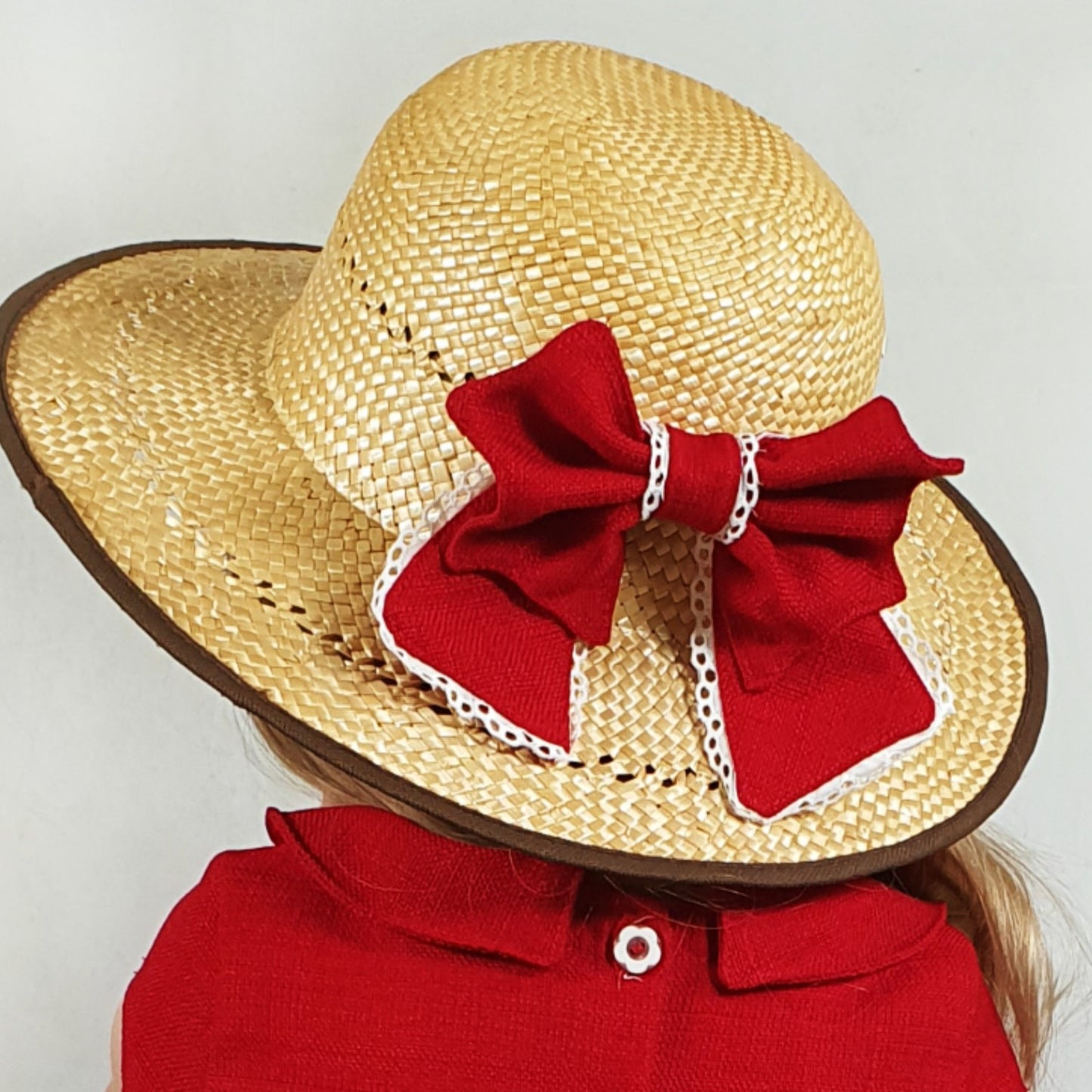
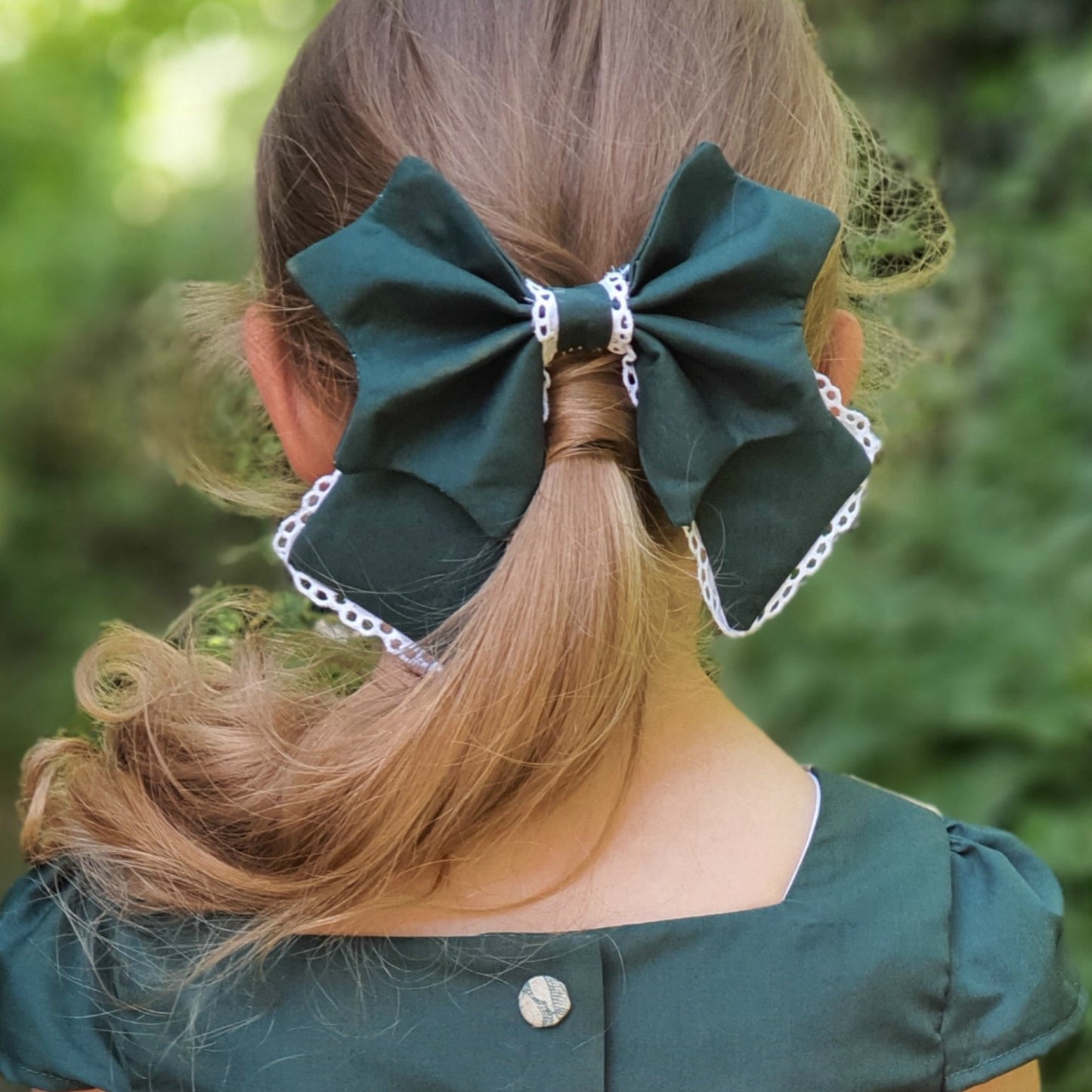
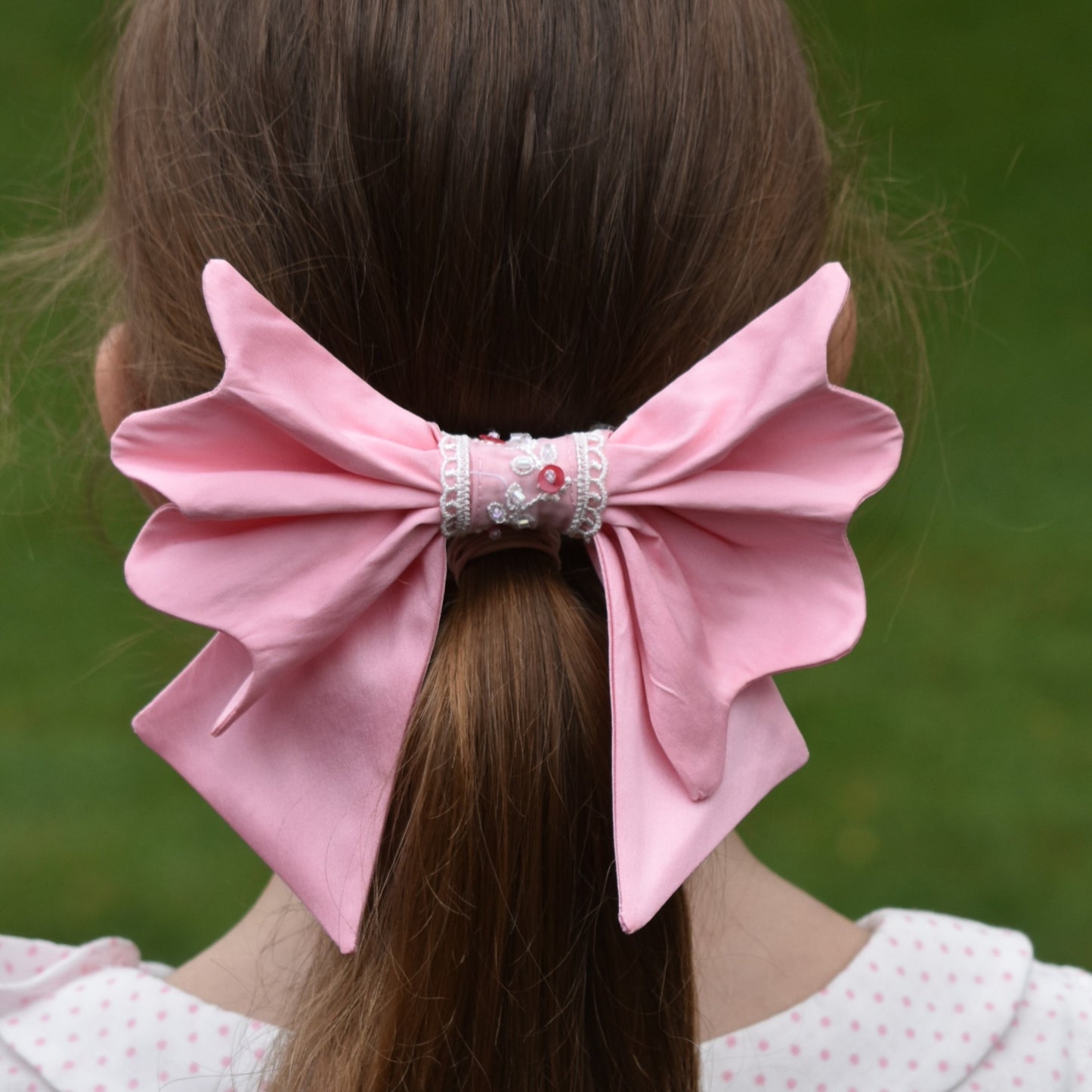
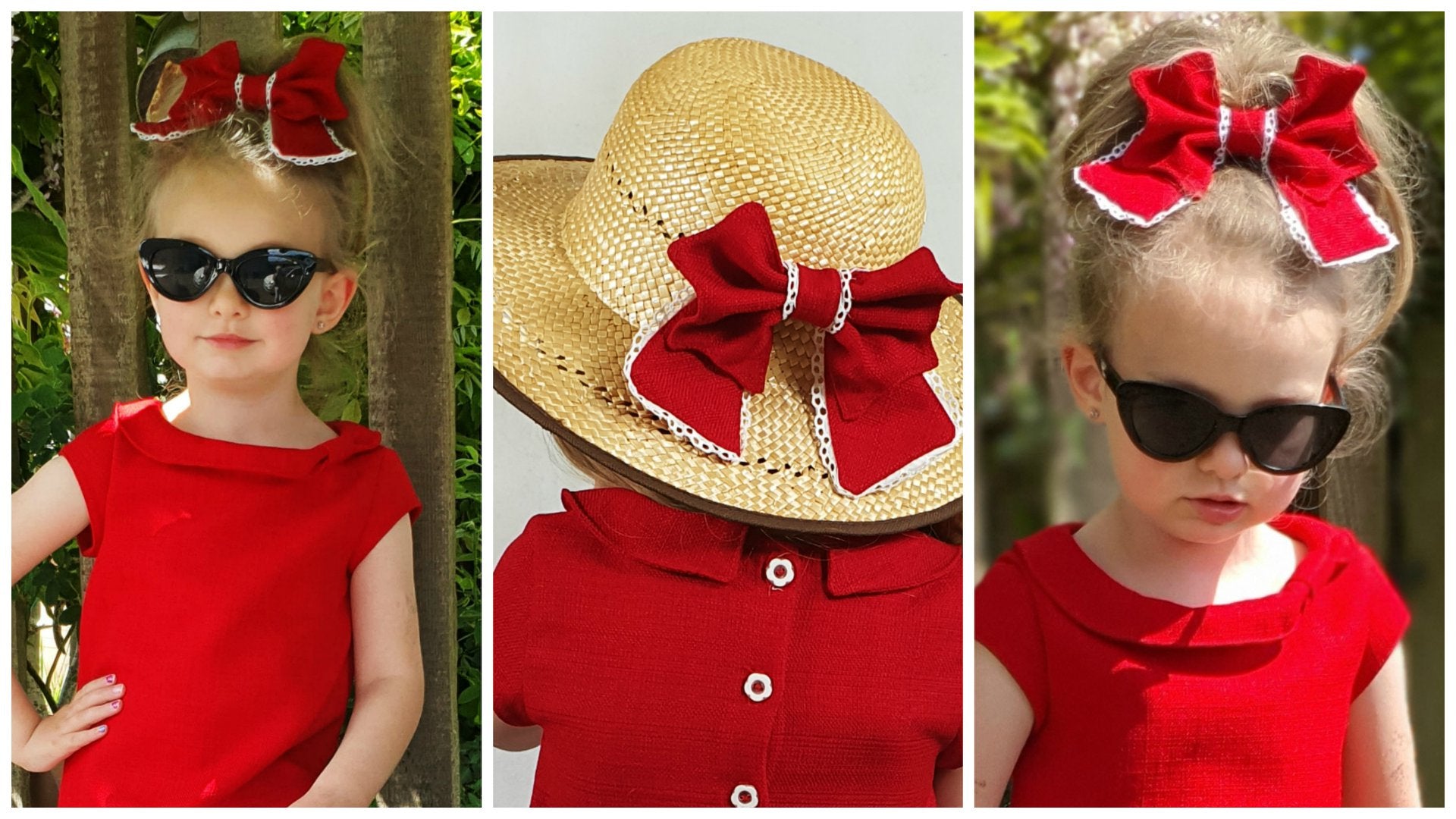
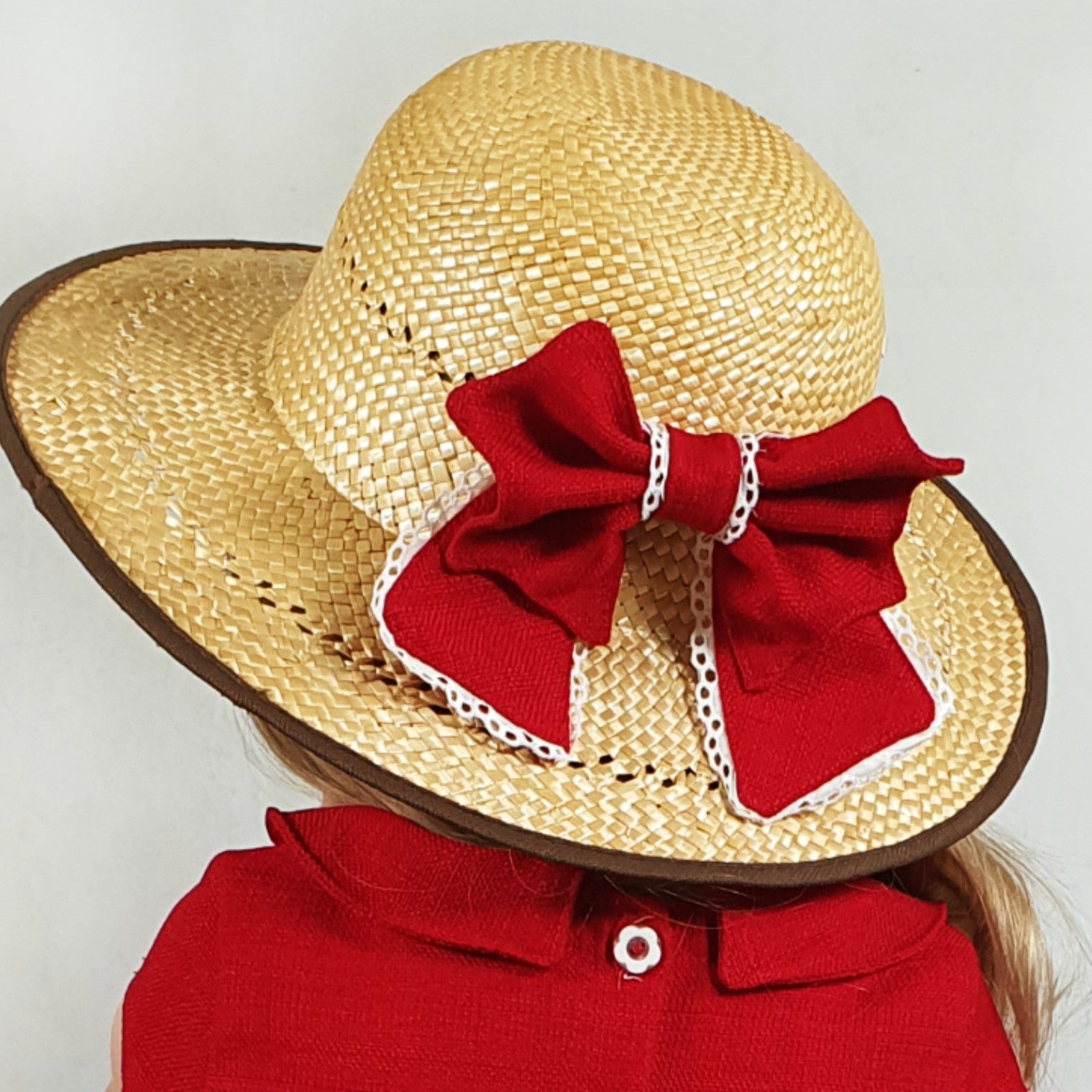
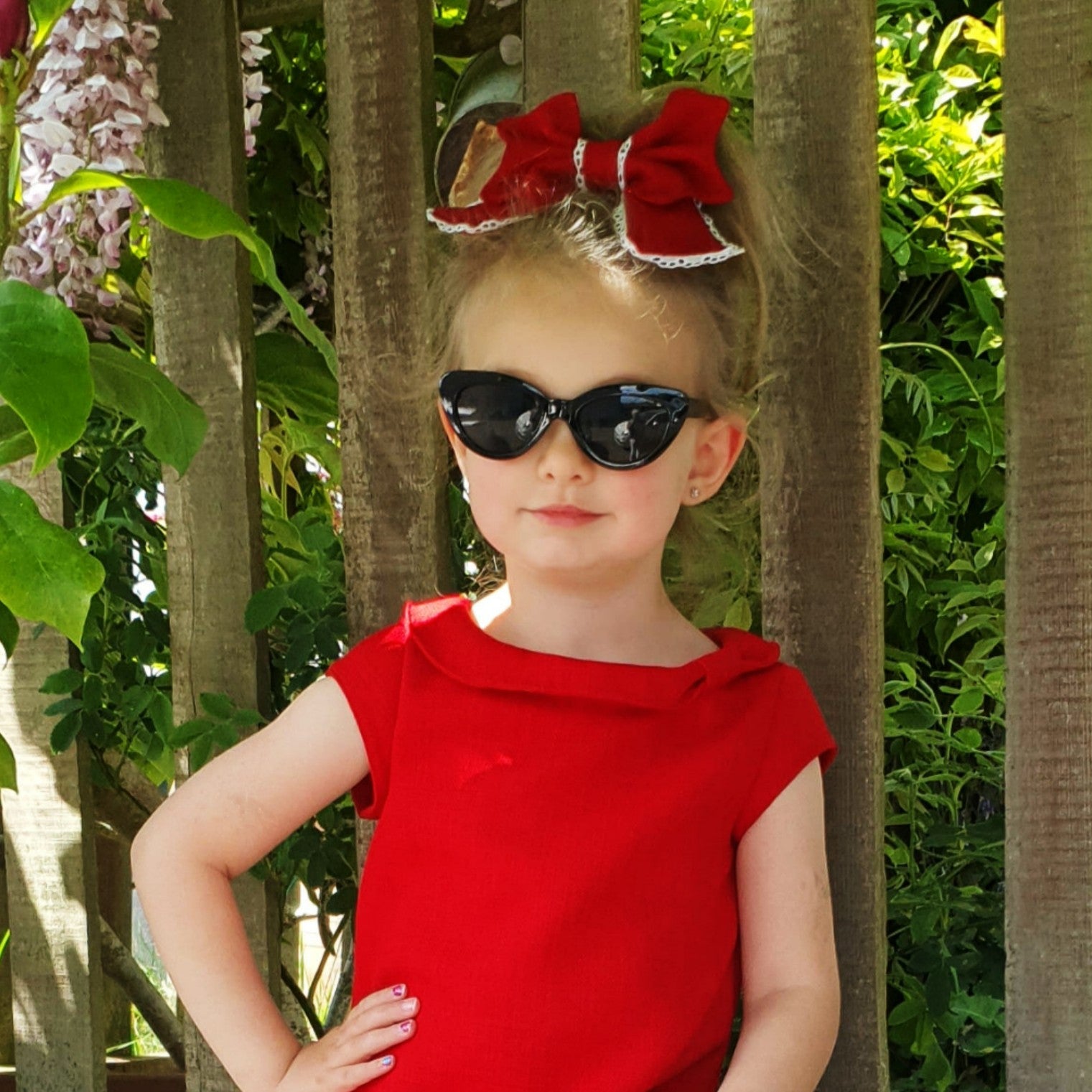
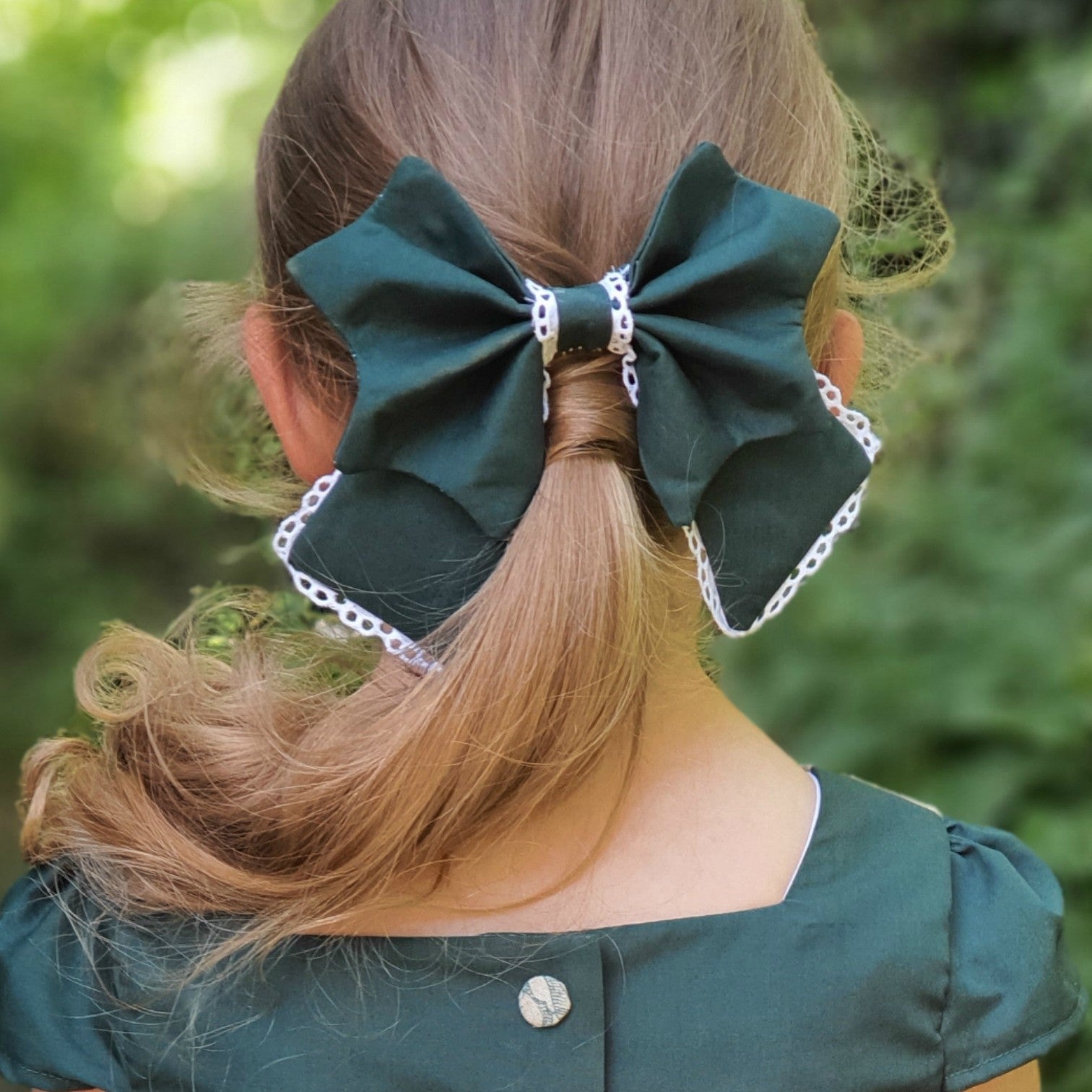
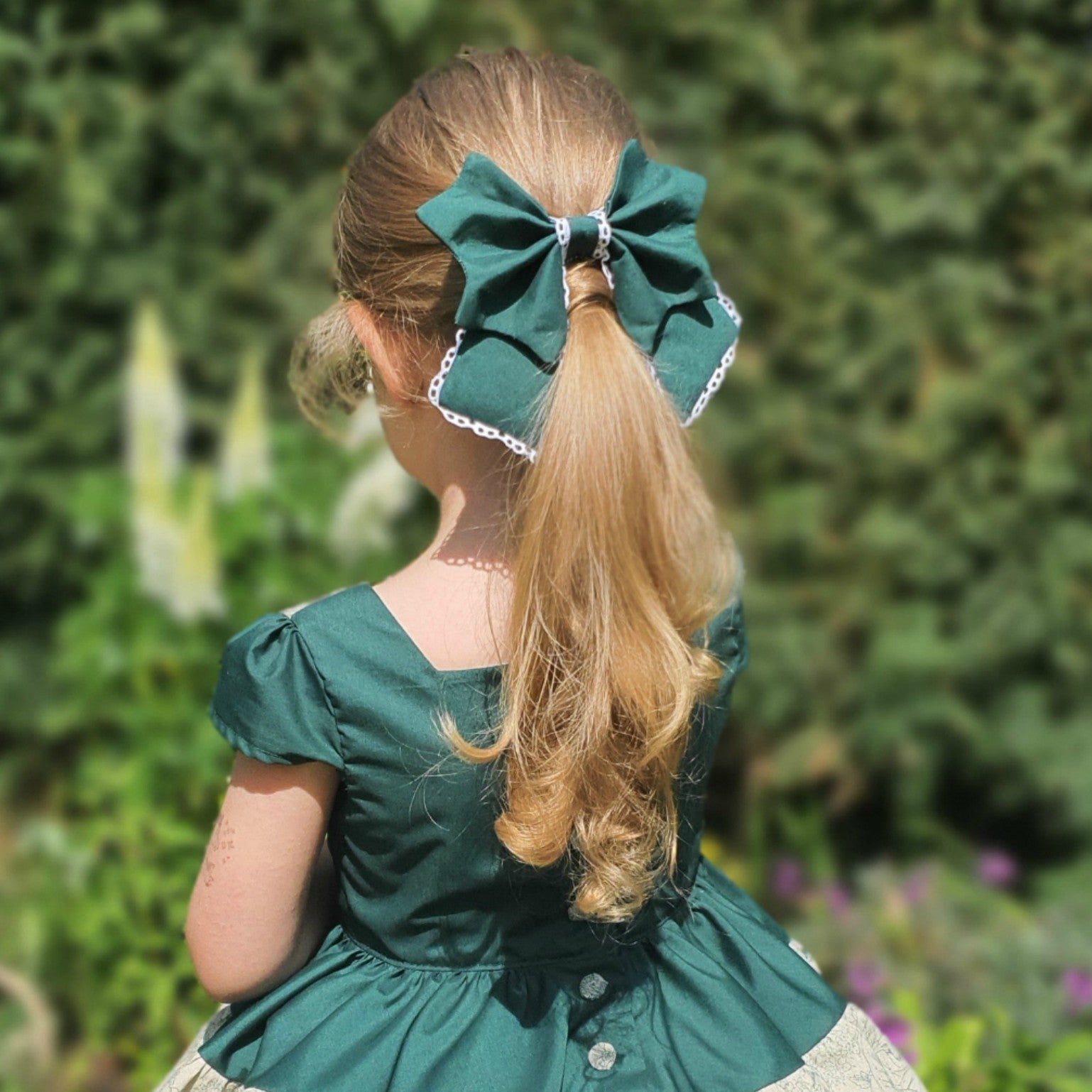
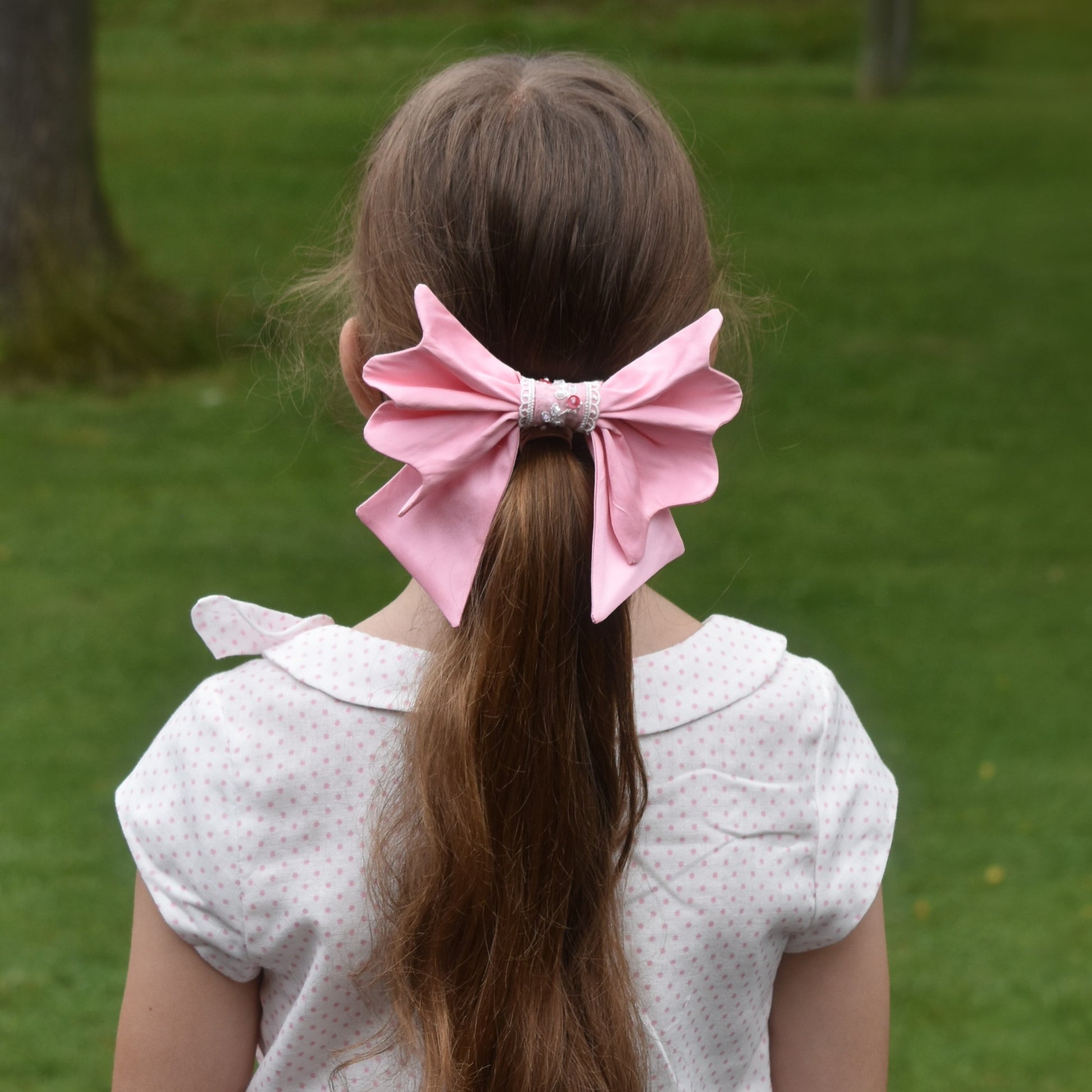
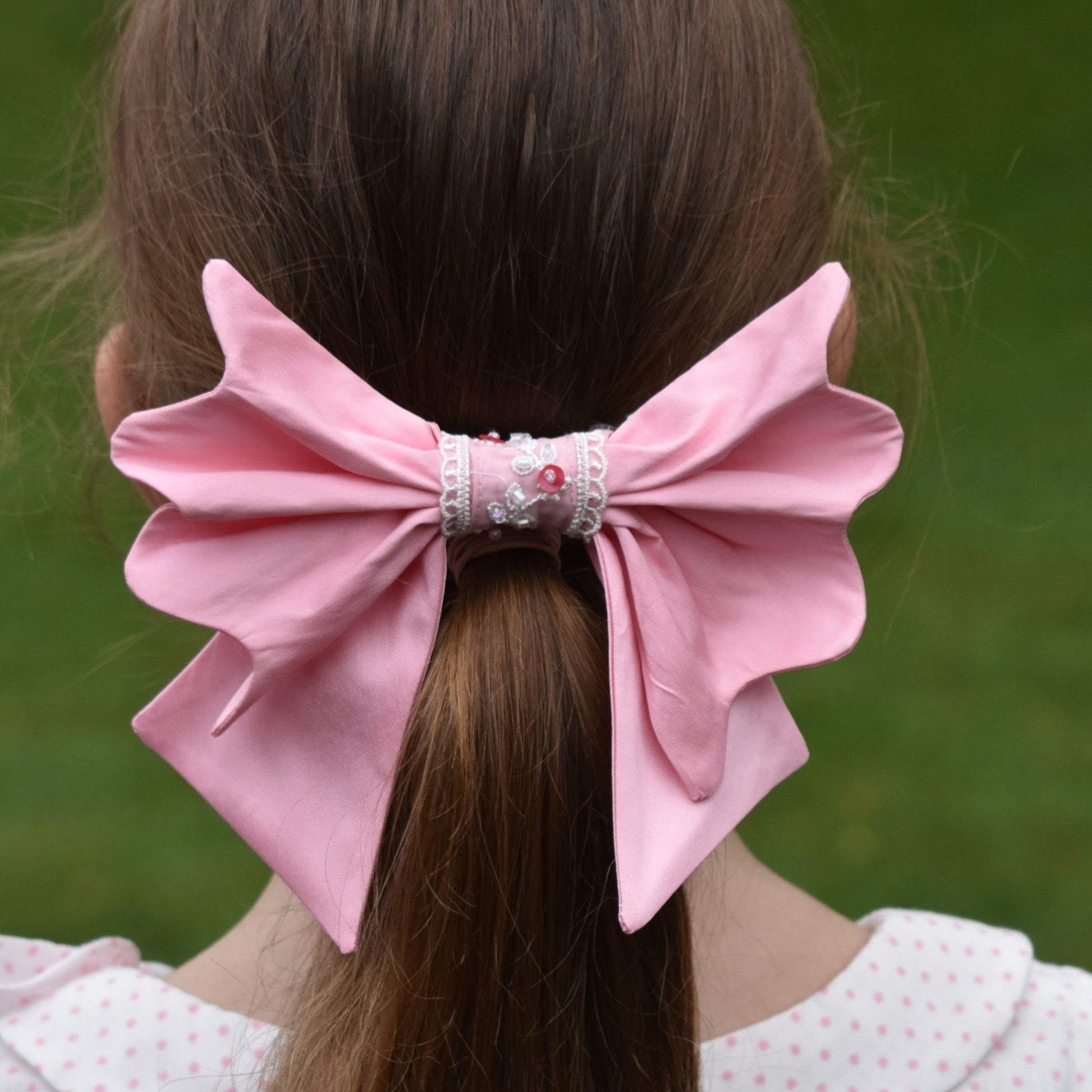
Sew Lilou a darling vintage hair bow sewing pattern for your little girl! Designed by the lovely Emily Holland, this bow is pure cuteness and so versatile — perfect as a dress bow, a hair clip, or even a charming hat accessory. A tiny make with big vintage flair.

This charming pdf sewing pattern includes an eBook and video instructions for creating a large bow with delicate lace trim.

Pattern Download Includes

  • Instant Download
  • DIN A4 & US Letter Size
  • Detailed eBook
  • Video Tutorials

Design Options

  • Wide Vintage tails
  • Optional lace trim 
  • Scalloped bow edges

Fabric Requirements

BEST FABRIC CHOICE
Look for a fabric that won't crease too much and can hold its shape. For example Duchess Satin, Brocade, Jacquard all hold their shape well.
If you want to use satin just use a backing to strengthen the fabric.

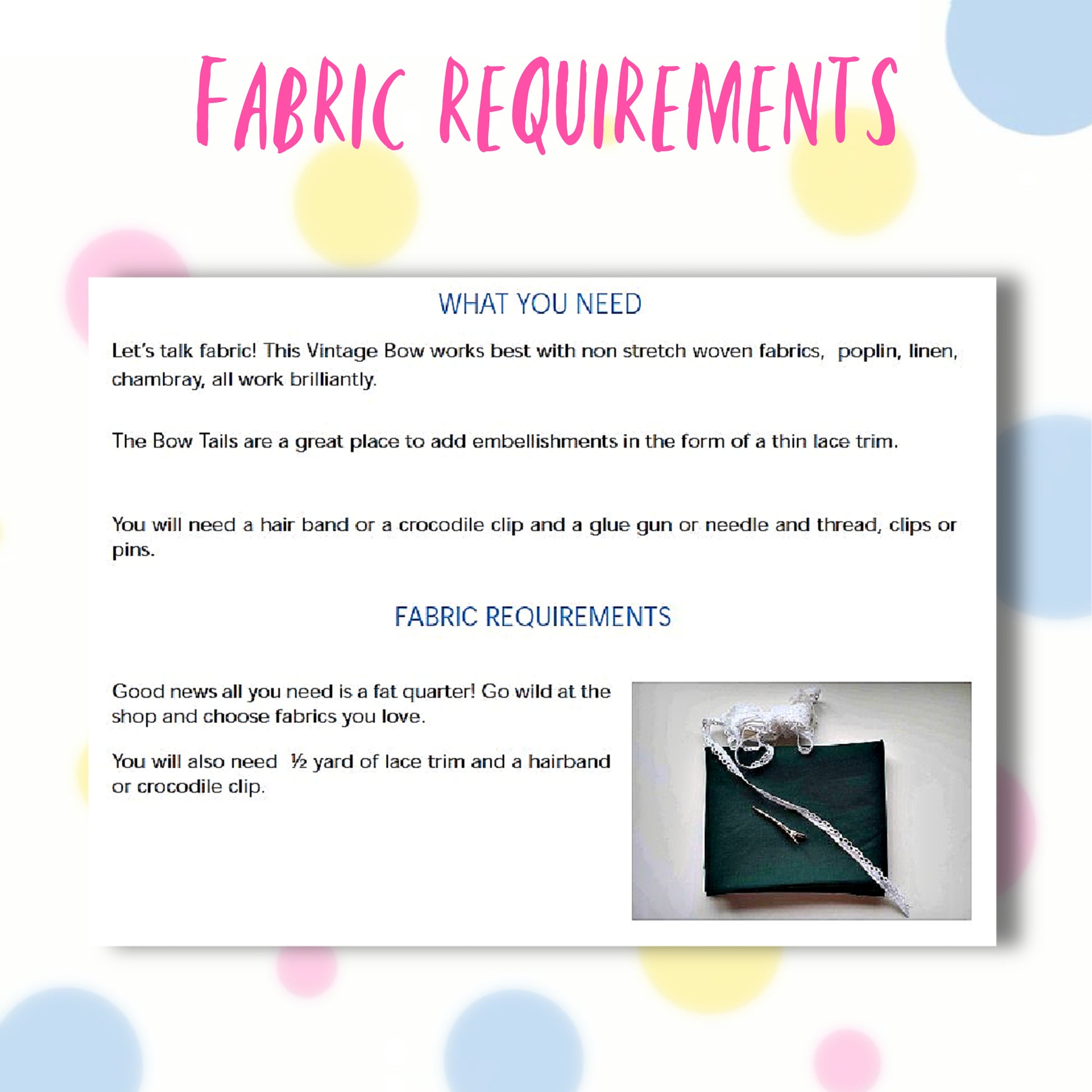
FABRIC REQUIREMENTS

  • Shell: 1/4 yard (25cm)
  • Crocodile clip or hairband

Available Sizes

Sizes: One Size

Please Read

  1. This is a digital pattern or PDF file, not a physical product. It will be delivered electronically via a download link delivered to the email used for the purchase.
  2. To ensure the pattern prints at its actual size, it's recommended that you use Adobe Acrobat Reader.
  3. The pattern creator, Frocks & Frolics, welcomes small-scale production using their patterns. 

Customers are encouraged to tag Frocks & Frolics when sharing projects made using their patterns on social media.

@frocksandfrolics #frocksandfrolics

View full details

STEP-BY-STEP VIDEO TUTORIALS

Thumbnail
LILOU: THE PATTERN & CUTTING OUT
Thumbnail
SEWING THE BOW
Thumbnail
SEWING THE TAILS
Thumbnail
JOINING ALL PIECES
Thumbnail
ADDING THE CENTER TIE

VIDEO TEXT

Transcript for the video: Lilou Vintage Bow - The Pattern & Cutting Out

Welcome to the new bow from the vintage collection. This beautiful design was created by Emily Holland for Frocks and Frolics. Look at the scalloped edge and the lace detailing along the tails. It is finished with a crocodile clip for easy attachment, giving a fresh and elegant look. You can also attach it to a headband if you prefer. A glue gun can be used to secure the clip, or you can leave it removable. Thank you very much to Emily for designing this piece.

To make this bow, you will need a small piece of lace, lightweight fabric, interfacing, and either a crocodile clip or headband. You will also need the pattern pieces provided.

Checking the Pattern Scale

Before cutting, check the printed scale on your pattern. The measurement should be 2.5 cm on each side to ensure it has printed correctly. The pattern includes only a few pieces: the interfacing piece (slightly smaller than the main bow), the center bow piece, and the tail pieces. Everything is designed to fit together cleanly when assembled.

Cutting Out the Fabric

Start by placing a fat quarter on the fold. Position the bow pattern directly on the fold, making sure there are no fabric edges extending beyond it. This helps avoid waste and ensures accuracy.

When cutting, it is easier to keep the scissors in your dominant hand while lifting the fabric slightly with the other hand. This gives better control and cleaner edges.

The tail pieces include marked lines where lace will later be attached. These guides help with placement during finishing.

You may notice scalloped markings on the pattern, but these do not necessarily need to be cut at this stage. A later step will simplify this process, so cutting them now is optional.

Interfacing the Pieces

Next, cut the interfacing. This piece is slightly smaller than the fabric bow pieces and is applied to the underside of the fabric. The interfacing provides structure so the tails hold their shape and do not collapse.

You can apply interfacing across the entire piece or just key sections depending on your fabric. Heavier fabrics like linen may only need partial interfacing, while lighter fabrics such as taffeta benefit from full reinforcement.

In this version, interfacing is cut on the fold for accuracy and neatness. Since stitching will follow the edge of the interfacing later, precision is important at this stage.

Applying Interfacing and Preparation for Sewing

Attach the interfacing to the wrong side of the fabric using an iron. Make sure it is well bonded with no bubbles or lifting edges.

If your fabric already has structure, you may reduce interfacing coverage, but ensure the bow still holds its shape when tied.

Once interfacing is applied, you will have two mirrored pieces, though only one is needed for this bow, so the second can be saved for another project.

Final Preparation Before Sewing

Place the interfaced fabric pieces together, ensuring all edges align neatly. If your fabric does not include seam allowance in the pattern, make sure to add it along both edges before sewing.

At this stage, everything is ready to be stitched together in the next step, where the bow will begin to take shape.

Working the Center Bow Piece

Transcript for the video: Lilou Vintage Bow: Sewing the Bow

Now we can work on the center part of the bow. As you can see, I’ve already applied interfacing and ironed it on so the scalloped shape is clearly formed. I did not use the full pattern piece for this step, but what is very important is that you add seam allowance on both sides. Without seam allowance, the bow will not sit or turn correctly.

You can also choose to use only part of the interfacing if you are working with a heavier fabric, as discussed earlier.

Sewing the Scallops

Now pin across the section where the turning gap will be left open. This is very important because this gap will be used to turn the piece right side out later.

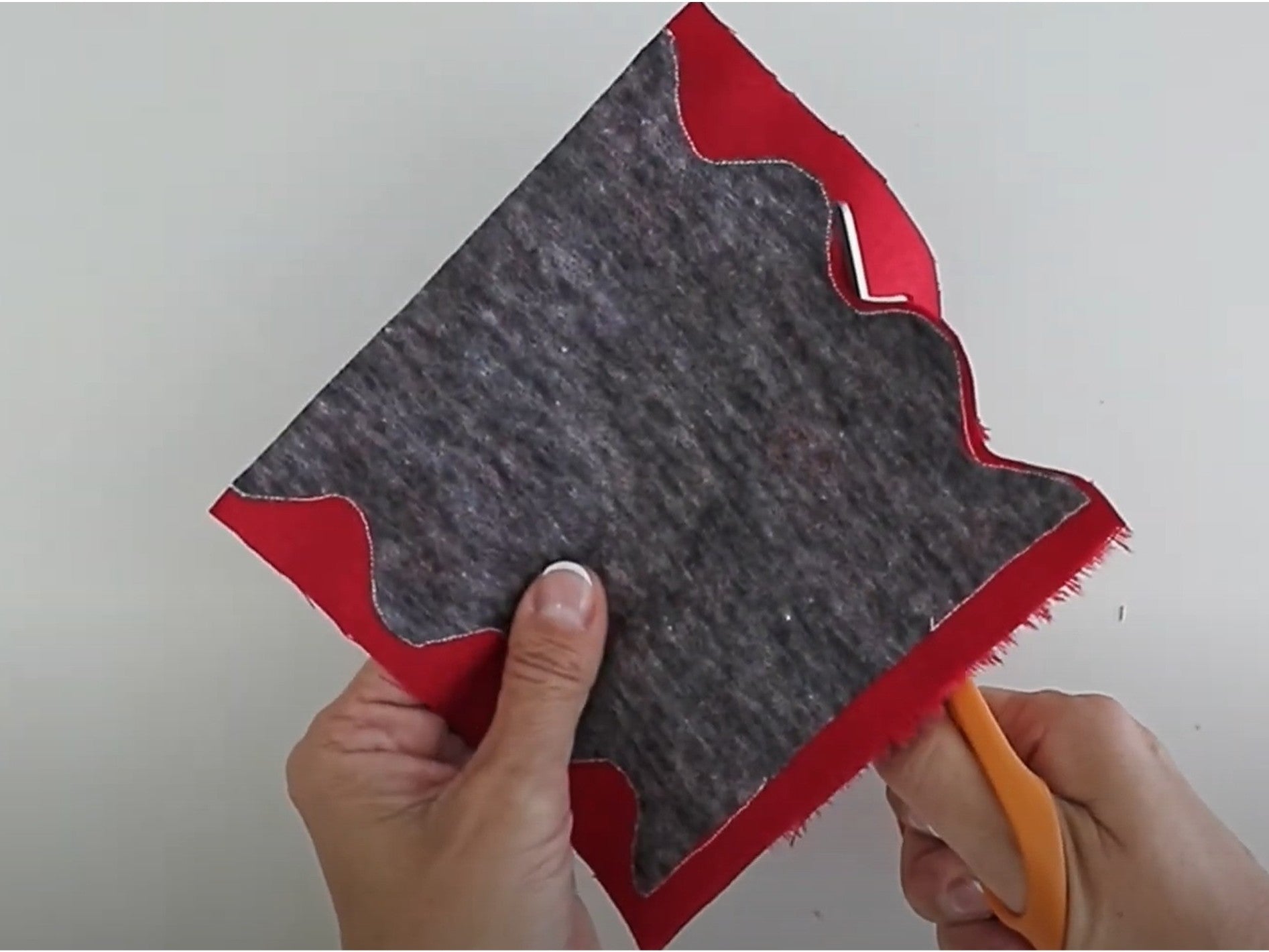
When sewing the scallops, sew slowly and carefully along the curves. You will need to guide the fabric actively with your hands, almost pushing and shaping it as you sew. There are moments where you must stop with the needle down and turn the fabric to follow tighter curves, but wherever possible, try to smoothly guide the fabric along the scallop shape.

A short stitch length is essential here—around 1 to 1.5—so the curves hold their shape and do not fray when trimmed later. Lock your stitches at the beginning and end securely. The same process is repeated on the other side.

Trimming the Scallops

Now trim back the seam allowance around the scallops, but leave the turning gap uncut. You can also clip into the curved areas to help the fabric turn more smoothly. At each inward curve, make small snips to release tension, but avoid cutting into the stitching line.

These small snips are important because they allow the scallops to sit neatly once turned.

Turning the Shape

To turn the piece, start at the point furthest from the opening. Push your thumb inside the turning gap and gently pull the fabric through.

Take your time here and work each scallop out carefully. You can use a turning tool if you prefer, but fingers and a pin are usually enough to shape everything neatly.

Pay special attention to the curves, easing them outward so each scallop is well defined. This step takes patience, but it makes a big difference to the final shape.

Pressing

Once everything is turned and shaped properly, press the piece thoroughly with an iron. Make sure the scallops are smooth and even before moving on.

At this point, the center bow section is complete and ready for assembly in the next step.

Transcript for the video: Lilou Vintage Bow - Sewing the Tails

Assembling the Bow

Now we come to the interesting part where we put all three parts together. I’m using a few clips for this step. First, mark the center of the bow. I’m also marking it with a textile marker, although this isn’t strictly necessary because the crease is usually visible. You can also mark the center of the tails in the same way.

Preparing and Positioning the Pieces

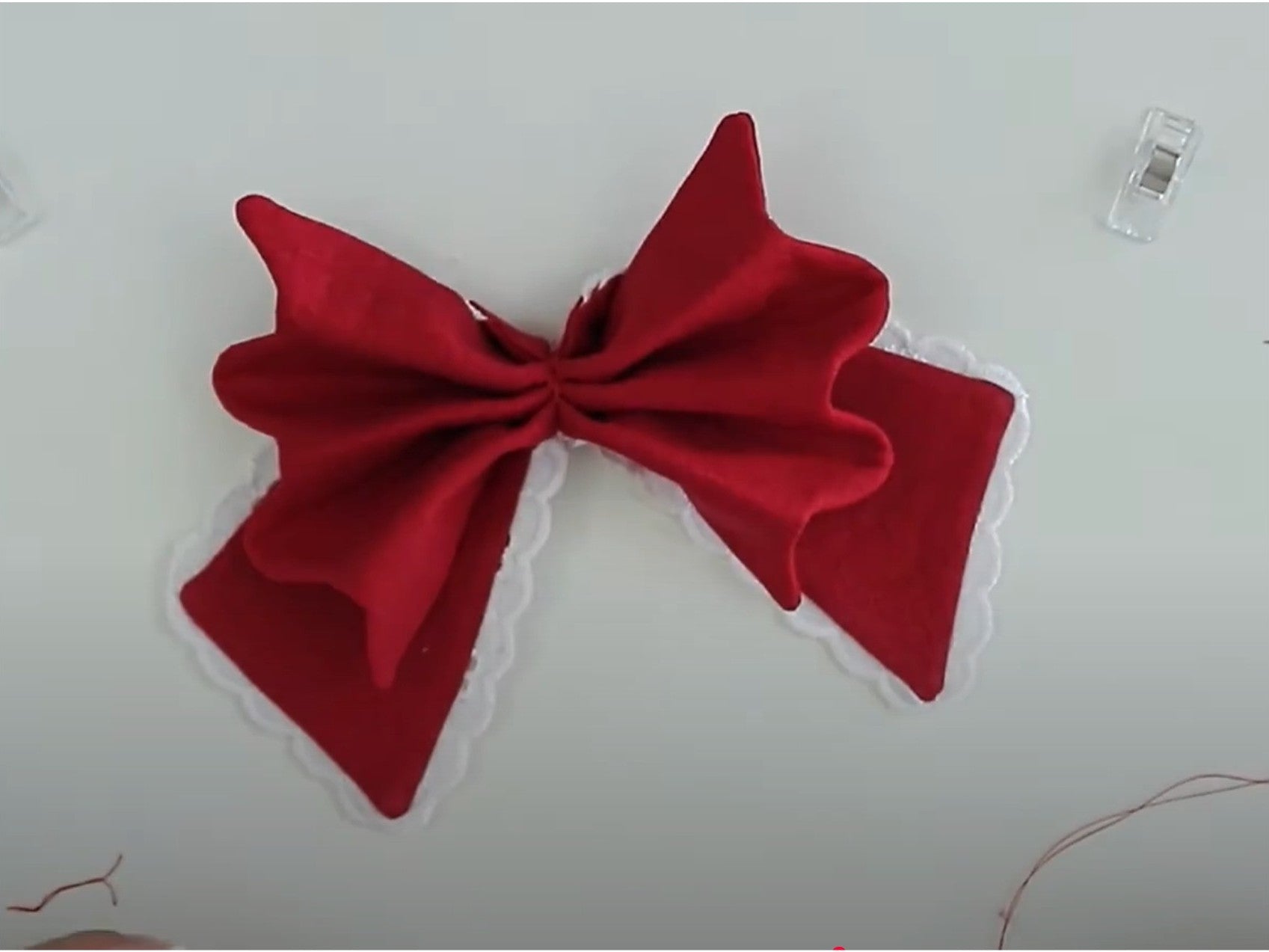
Clip the bow together first and check how it looks. Even at this stage, it already looks beautiful with the scalloped edges.

Now turn in the tails. The turning gap is still open at this point, so make sure you don’t forget that. Sew the gap closed using a slip stitch. You can use either a single or double thread since this section won’t take any strain and will not be visible. The goal is simply to neaten and secure it.

Joining the Bow to the Tails

Once the tails are closed, place two clips on either side of the bow. Position the bow in the center of the tails and check alignment before stitching.

Take a double thread and secure the bow to the tails by stitching through the lower edge of the bow, then through the tails, and back again. Keep the stitches lower rather than at the very center so the structure holds properly. Wrap the thread a few times to secure it firmly.

At this point, the bow is already taking shape and can be adjusted slightly so it sits neatly and evenly.

Attaching the Center Wrap

Now take the center strip of the bow and position it over the middle join. This will cover the stitching and give the bow its finished look.

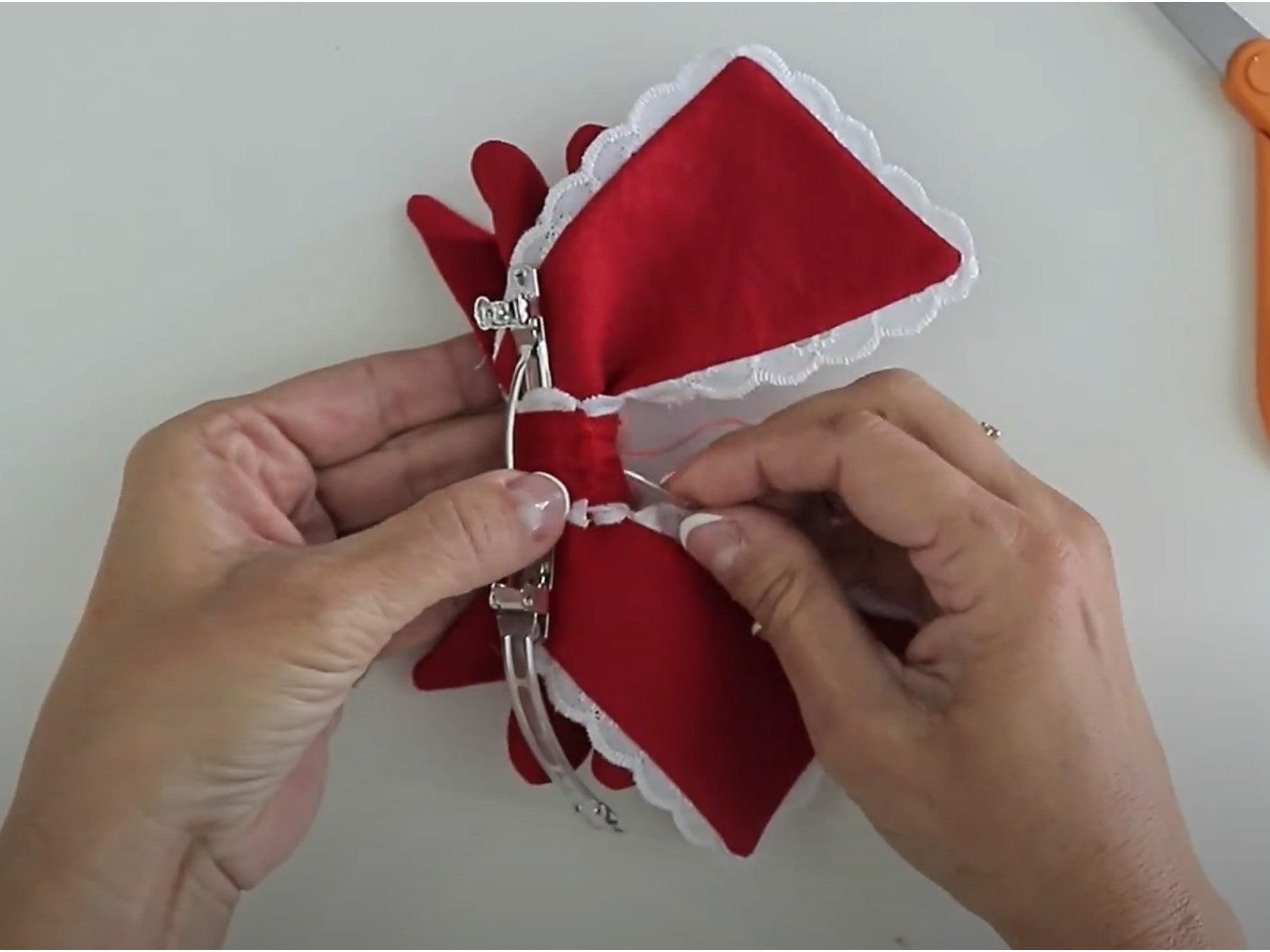
Sew the raw edge of the center strip securely into place at the back of the bow. You do not need perfect stitching here, but it should be firmly attached, especially where the clip will sit later. Make sure everything is centered properly before securing fully.

Adding the Clip

Apply a small amount of glue to the crocodile clip using a glue gun and press it into place. This helps stabilize it and keeps it secure, although you could technically skip this step since the bow is also stitched.

Once the clip is fixed, thread the center tie through the opening of the clip. There is a small gap in the clip mechanism where it slides through—this may take a moment to locate if it’s your first time working with this type of attachment.

Final Securing and Finish

After threading the tie through the clip, stitch everything closed again to fully secure the bow.

At this point, the bow is complete. You can adjust and fluff it into shape so the scallops and tails sit nicely. The turning gap should now be hidden within the finished structure, leaving a clean and polished result.

Final Thoughts

This is a beautifully designed bow, and the construction is very well thought out by Emily. It’s a simple but elegant technique, and the final result is stunning. Thank you for being part of this tutorial, and I look forward to seeing what you create.

Creating the Center Band

Transcript for the video: Lilou Vintage Bow - Joining All Pieces

Now we are going to make the center band. The first step is to fold the center strip in half so you can clearly find the halfway point.

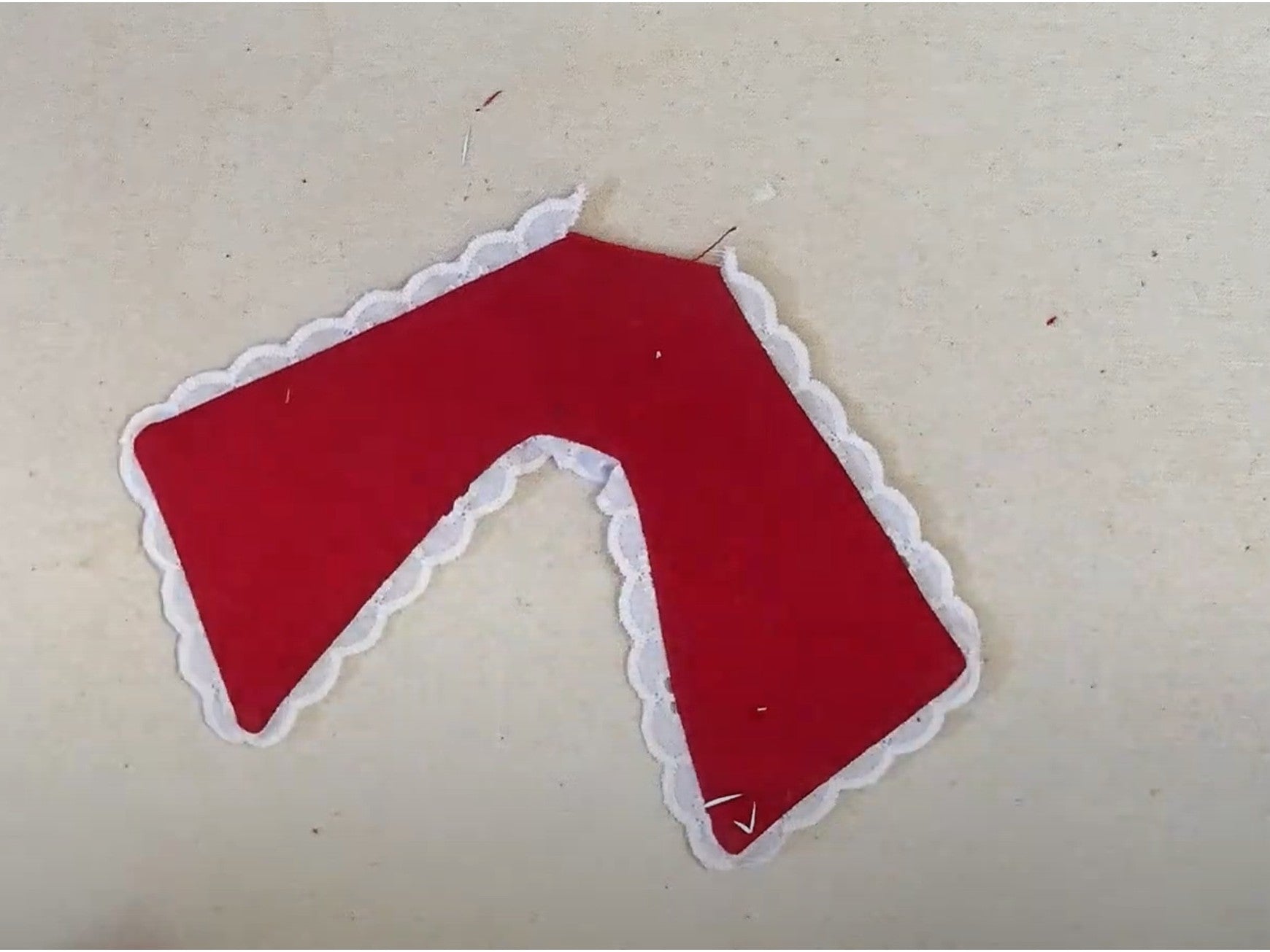
Next, we attach the lace. This is very simple: place the lace strip with the rough edges aligned on both sides and sew it in place. This follows the same method used for the tails, which keeps the construction consistent and easy to follow.

Attaching the Lace

In this version, I want only a very slim edge of lace to show, so I position it slightly further in, allowing just a small decorative peek along the edge. Sew carefully along the lace edge, making sure to maintain an even line.

Repeat the exact same process on the other side so both sides match. The stitching line you create will act as your guide for the next fold, so there is no need to press or overwork the piece at this stage.

Closing the Center Band

Now fold the remaining edge over and stitch directly along the existing stitching line. This creates a clean enclosed band and secures the lace neatly inside. Remember to lock your stitches at the beginning and end for strength.

Repeat this process on the other side in the same way. Once both sides are sewn, trim off any loose threads for a clean finish.

Turning the Piece

Trim the seam allowance slightly to reduce bulk and make turning easier. This will help the center band sit smoothly once finished.

To turn it through, use a pen, turning tool, or similar object to push the fabric through the opening. Gently guide it until the shape comes through completely, then pull the rest of the fabric through carefully.

Do not worry if the edges look slightly uneven at first, as this will be corrected during pressing.

Finishing

Give the center band a light press to set the shape and smooth everything out. Once pressed, the piece is complete and ready for the final assembly stage.

Final Assembly of the Bow

Transcript for the video: Lilou Vintage Bow - Adding the Center Tie

Now we come to the interesting part where we put all three parts together. Start by marking the center of the bow. You can also use a textile marker, although it is not strictly necessary because the crease is usually visible. Do the same marking on the tails so everything aligns correctly.

Positioning and First Fit Check

Clip the bow together first to check how it looks. Even at this stage, it already looks beautiful with the scalloped edges. It is helpful to do a quick test placement with clips to see the final shape before stitching everything permanently.

Closing the Tails

Now turn in the tails. The turning gap is still open, so make sure not to miss that step. Close the gap using a slip stitch with either single or double thread. This part does not need to be decorative as it will not be visible, so the goal is simply to secure and neaten it. Once stitched, remove the pin and finish the closure neatly.

Attaching Bow to Tails

Place two clips on either side of the bow, then position the bow in the center of the tails. Check alignment before securing.

Take a double thread and begin stitching at the lower edge of the bow, then through the tails, and back through the bow again. Keep your stitches lower rather than at the very center so the structure holds firmly. Wrap the thread around several times and secure tightly. At this point, the bow should already sit nicely and can be adjusted slightly for shape and balance.

Adding the Center Wrap

Now attach the center strip. Position it over the middle where all joins meet, ensuring it covers the stitching and forms the finished look. Sew the raw edge of the strip securely into place at the back, making sure it is centered exactly where the clip will sit later. This does not need to be decorative, but it does need to be secure so the bow does not shift.

Attaching the Crocodile Clip

Next, take a glue gun and apply a small amount of glue to the crocodile clip. Press it into place so it holds firmly. While this step can technically be skipped, using glue makes it much more stable and easier to work with.

Once secured, take the center tie and thread it through the opening in the crocodile clip. There is a small gap in the clip where the fabric passes through, and it may take a moment to locate if you are doing it for the first time.

Final Securing and Finish

After threading the tie through the clip, stitch everything closed again to fully secure the construction.

Now the bow is complete. Adjust and fluff the shape so the scallops and tails sit evenly. If all steps are done correctly, the turning gap will be completely hidden and the bow will look clean and finished.

Closing Thoughts

This is a beautifully designed bow, and the construction is very well thought out by Emily. It is a simple technique with a very polished result. Thank you for watching, and I hope to see your creations shared and enjoyed.

YOU MAY ALSO LIKE

Beatrice

SHOP NOW

Audrey

SHOP NOW

Bonnie

SHOP NOW

Connie

SHOP NOW

Isabella

SHOP NOW