
Skip to product information
1 of 10

MELINDA SKIRT

MELINDA SKIRT

Filled Circle
Filled Circle
Empty Circle
Empty Circle
Empty Circle
Regular price $5.50 USD
Regular price Sale price $5.50 USD
Sale Sold out

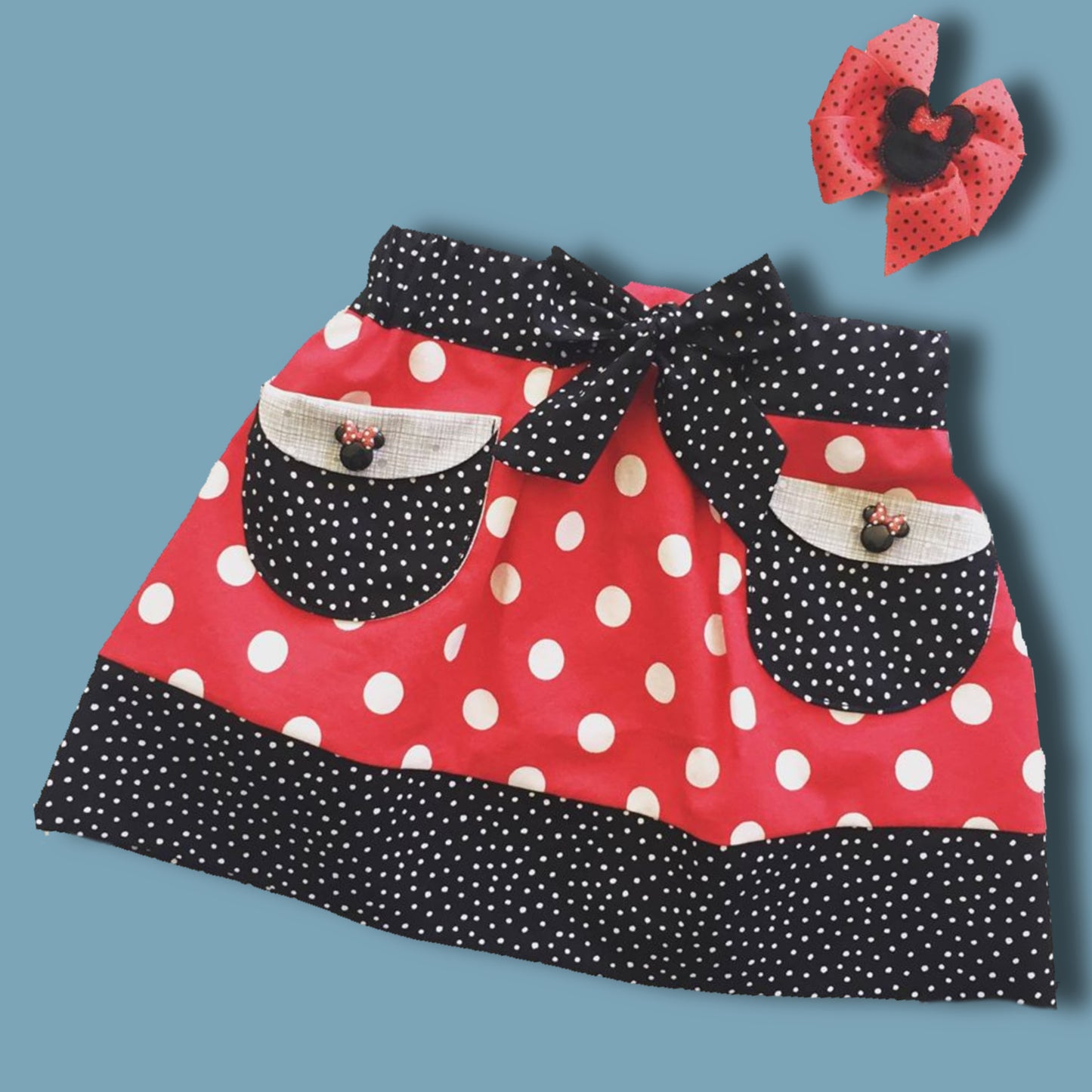
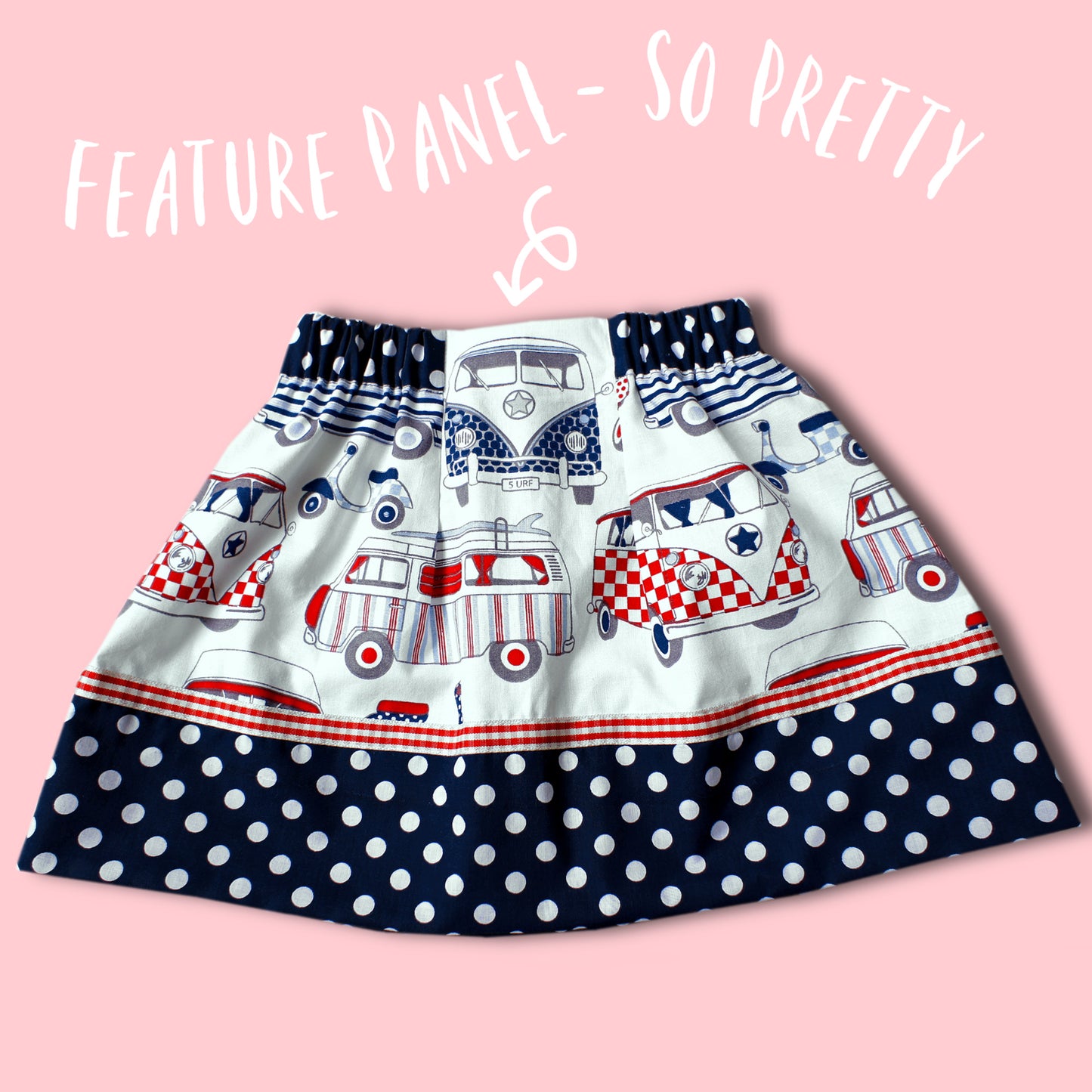
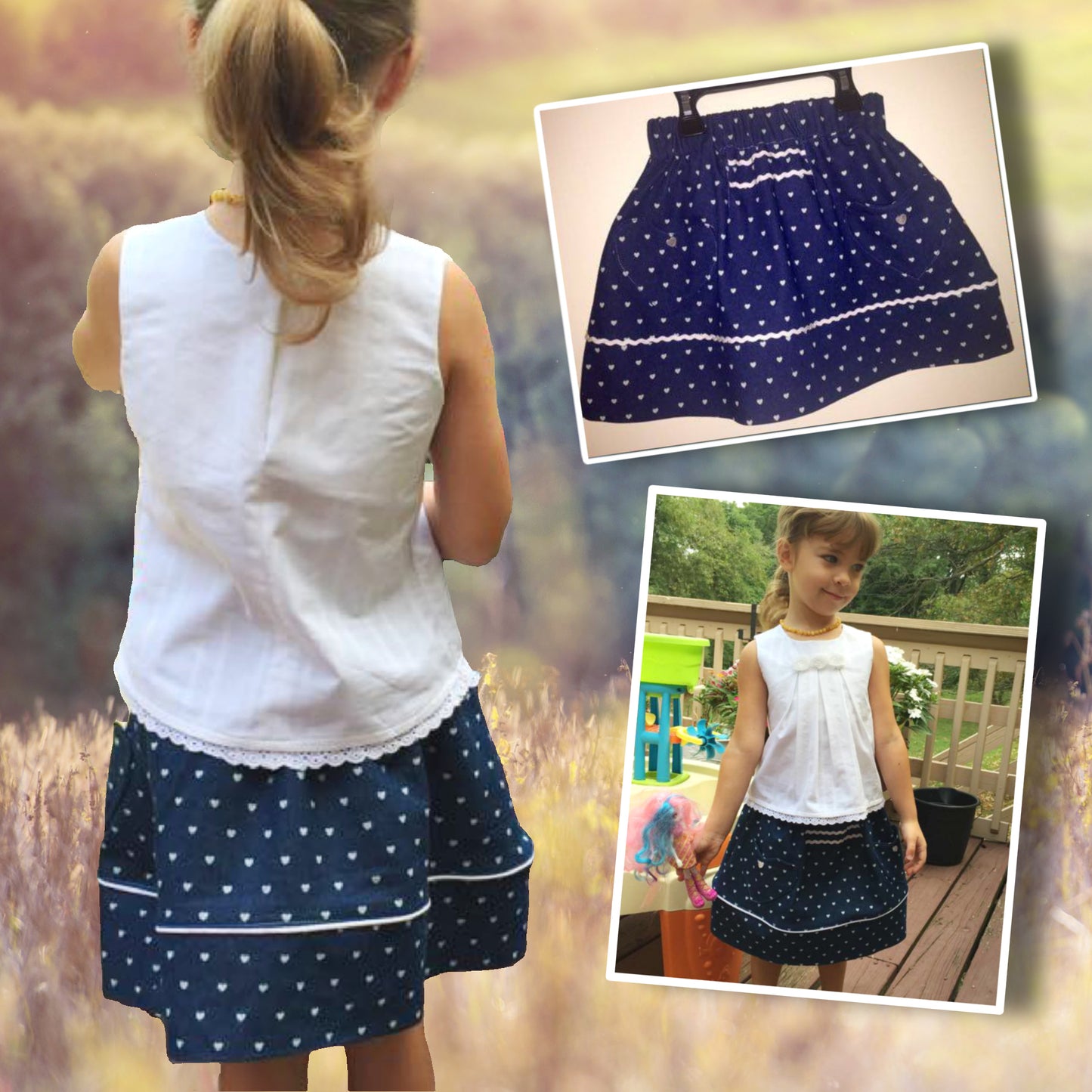
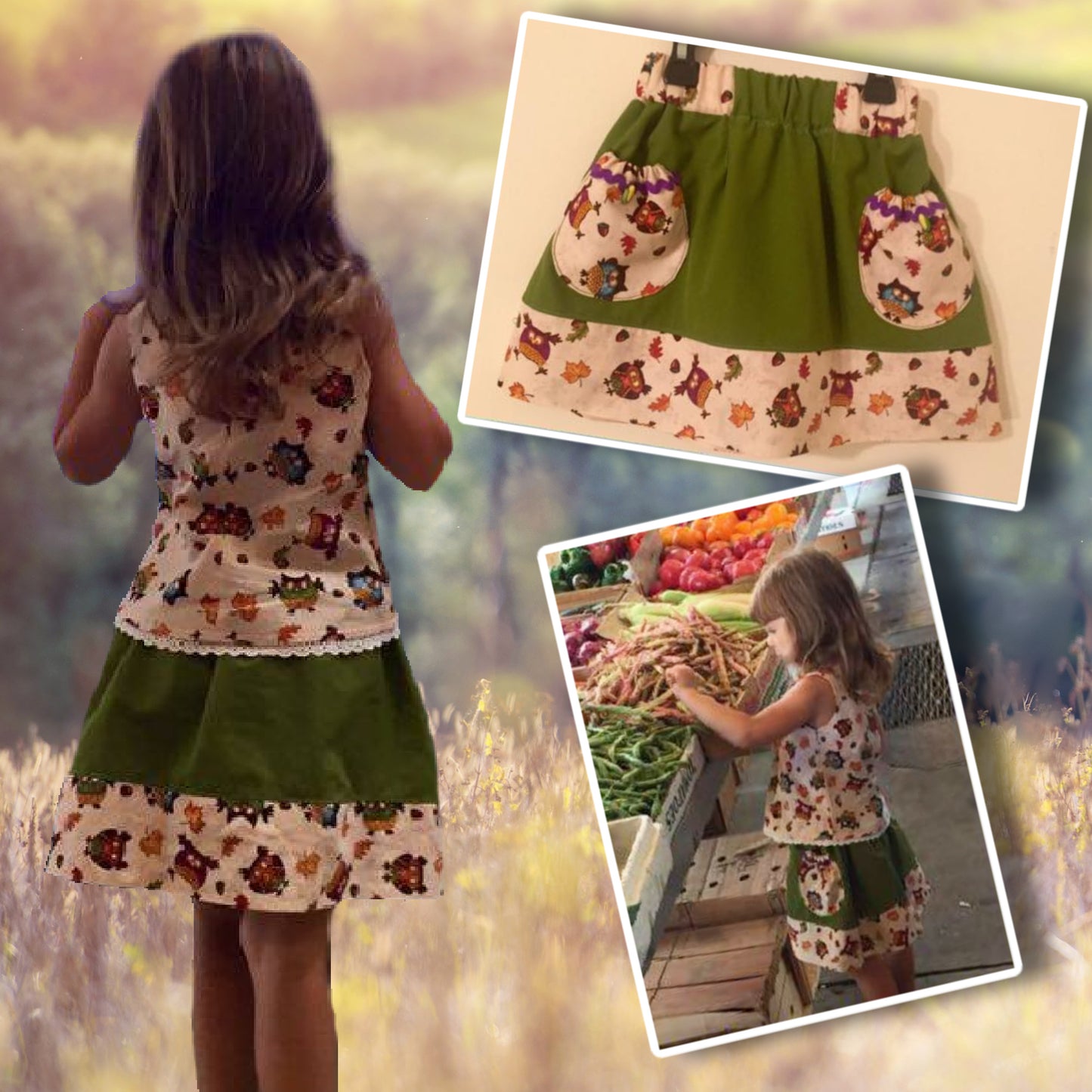
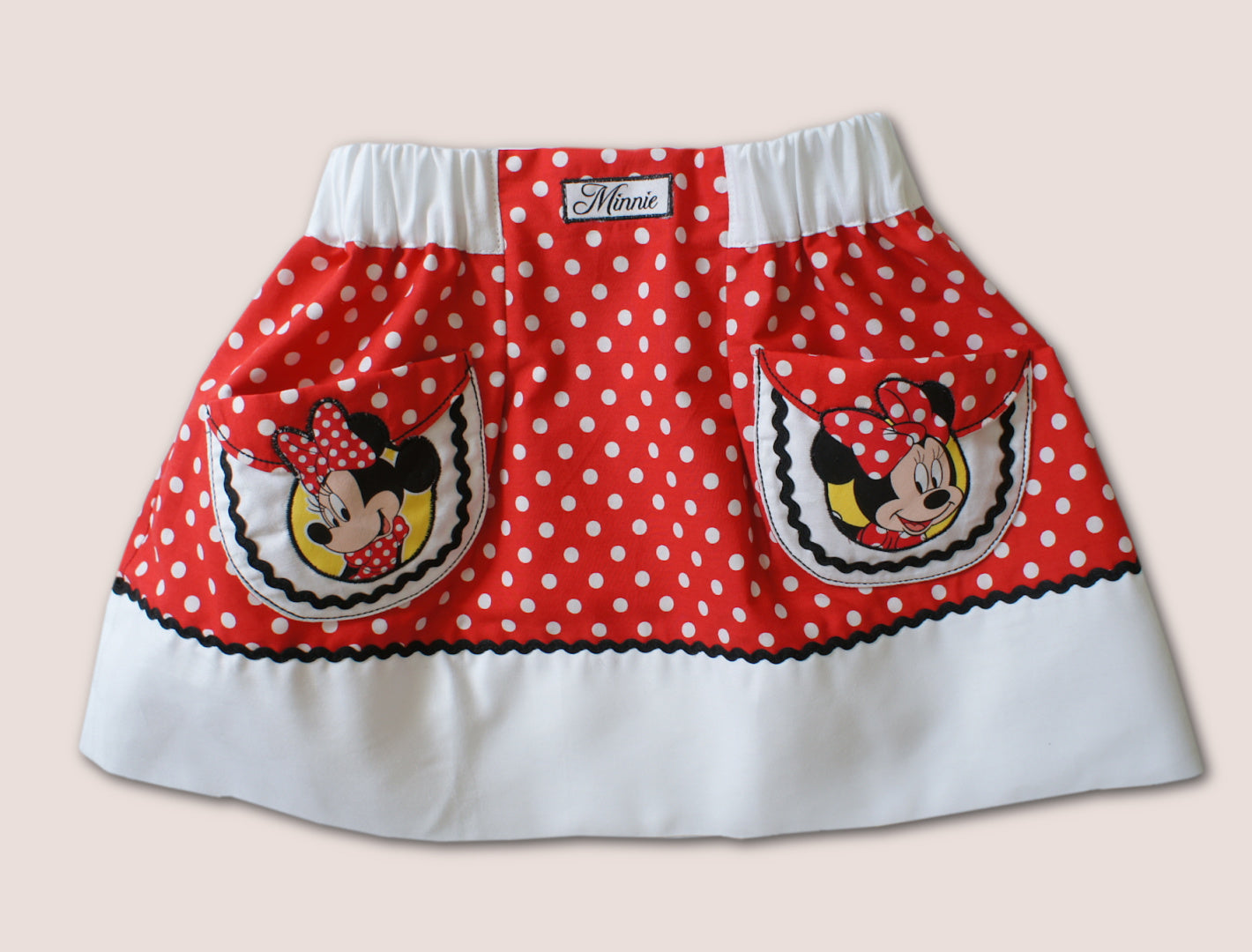
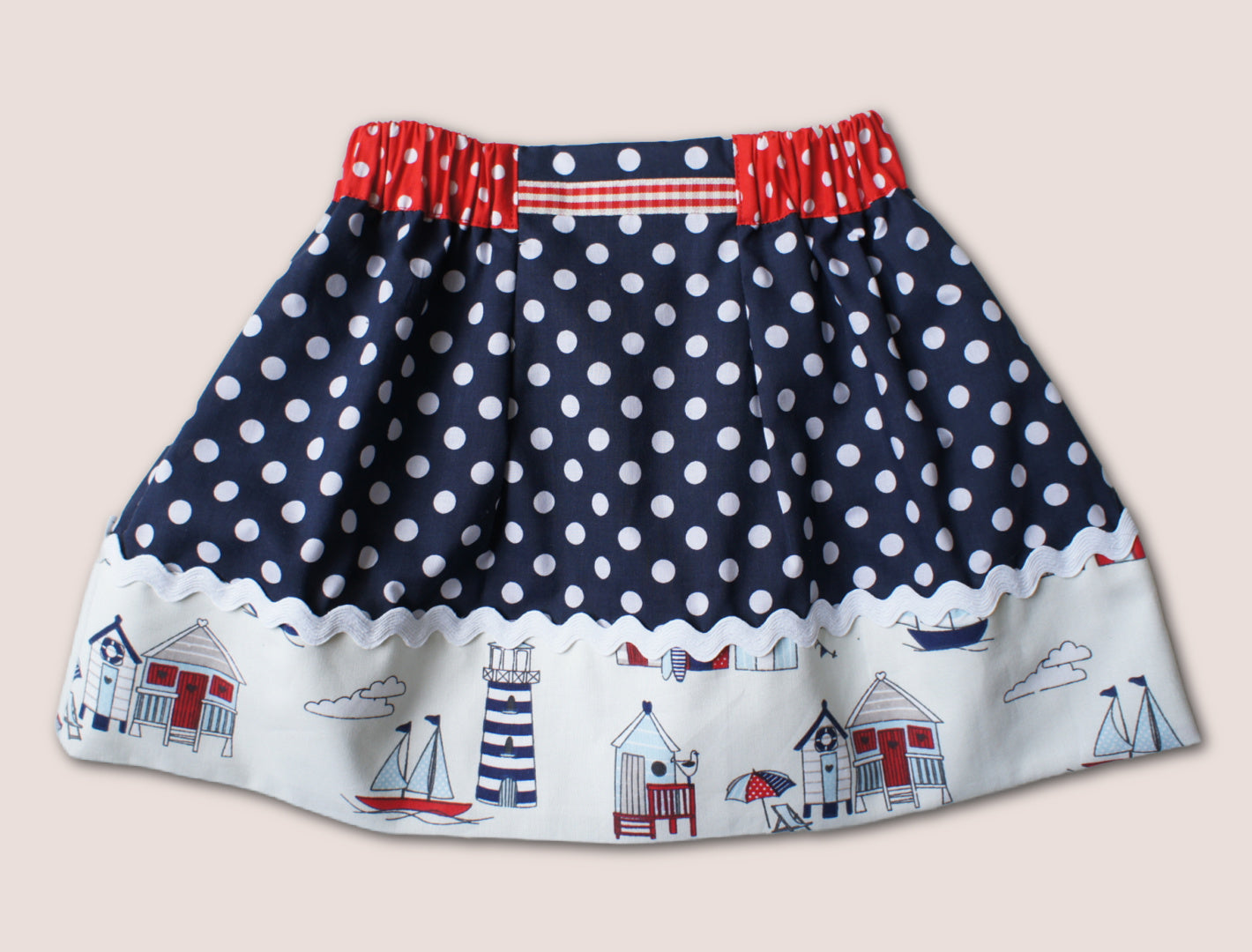
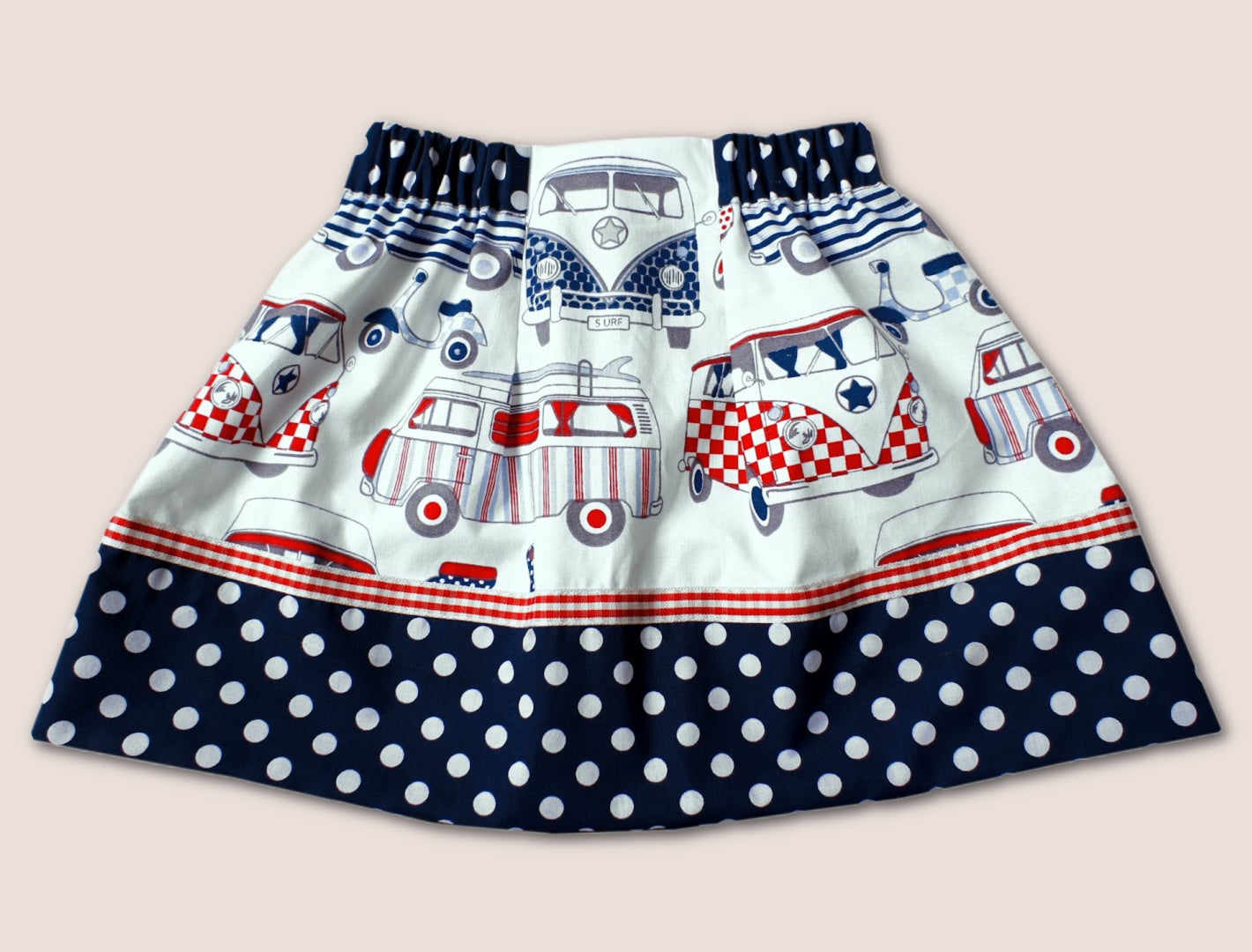
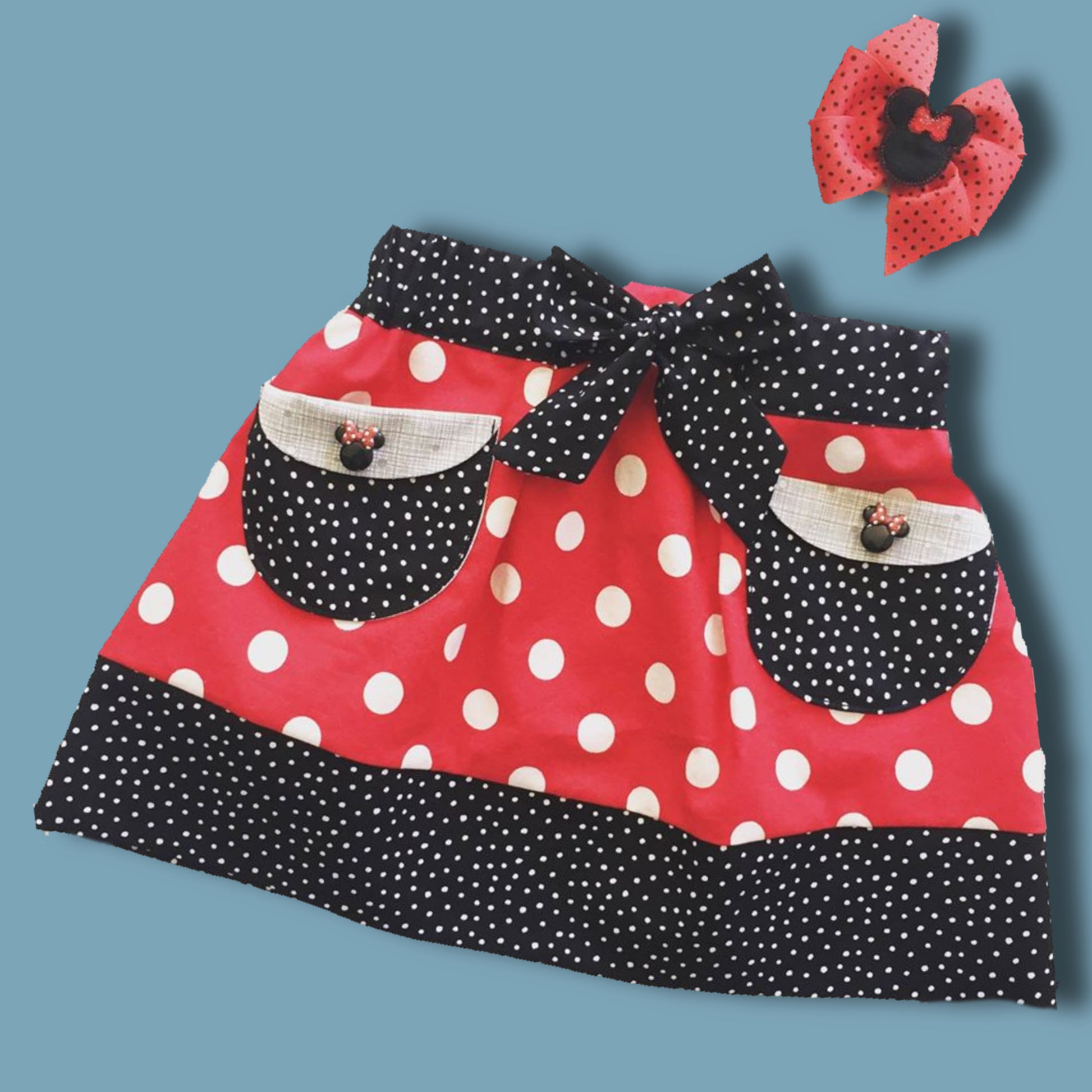
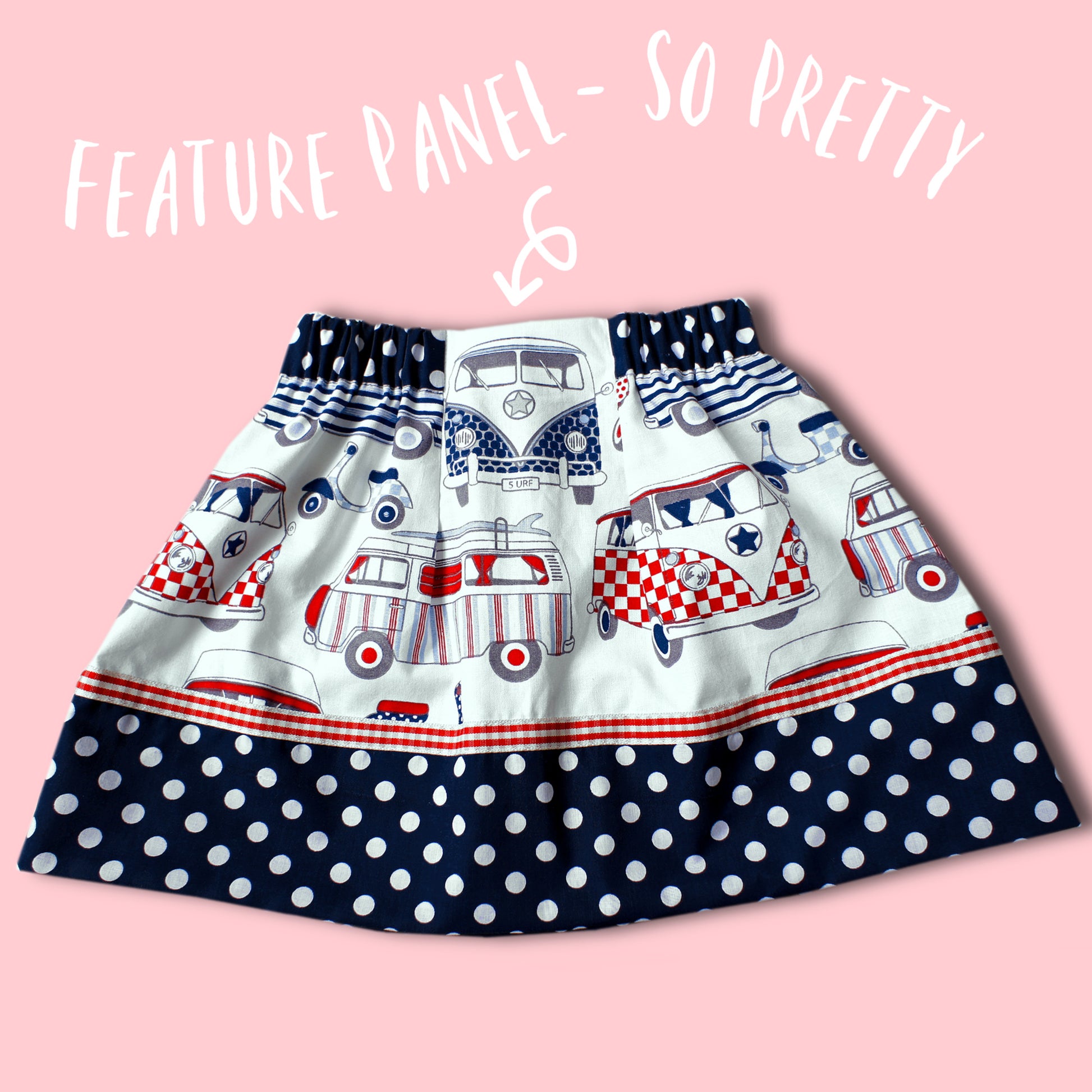
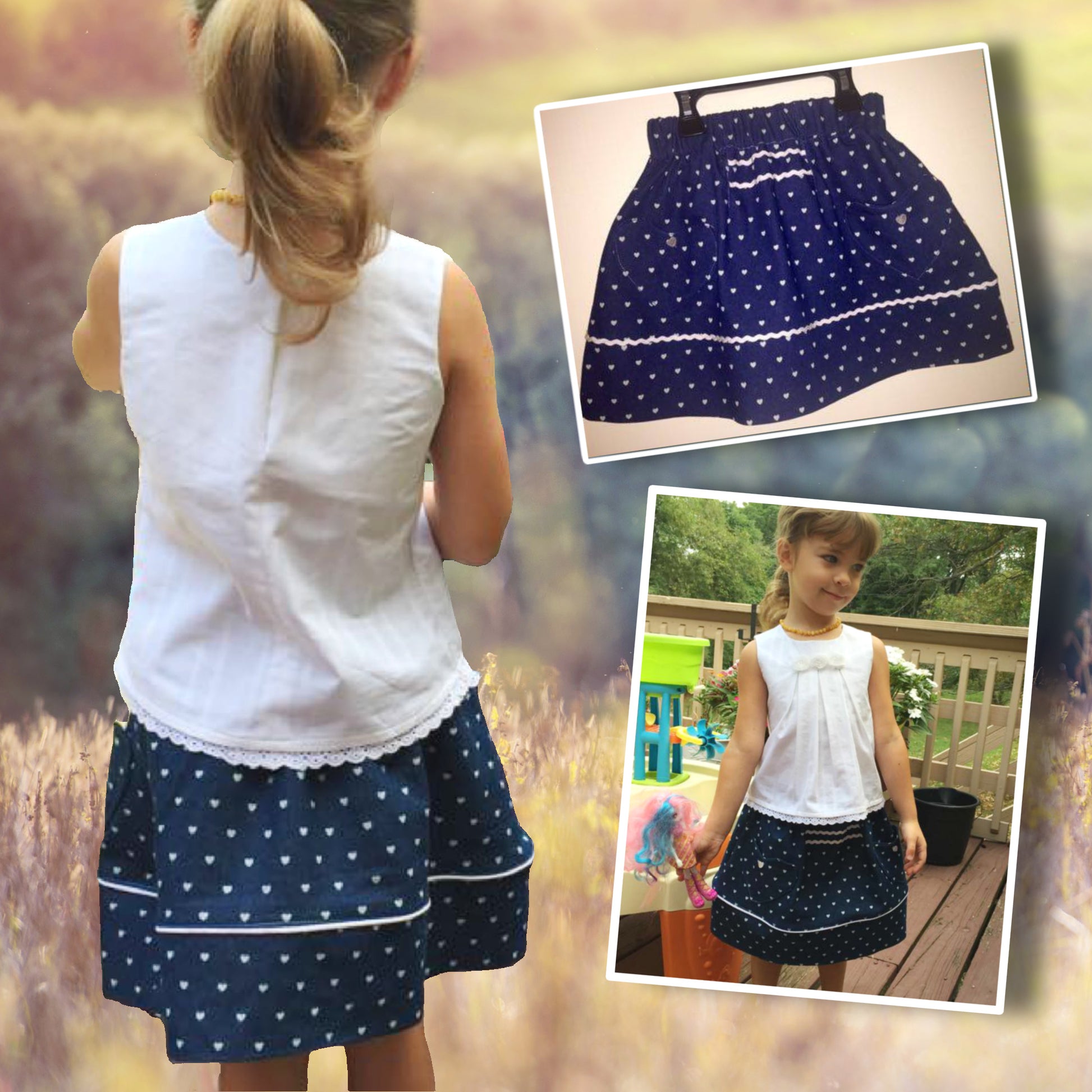
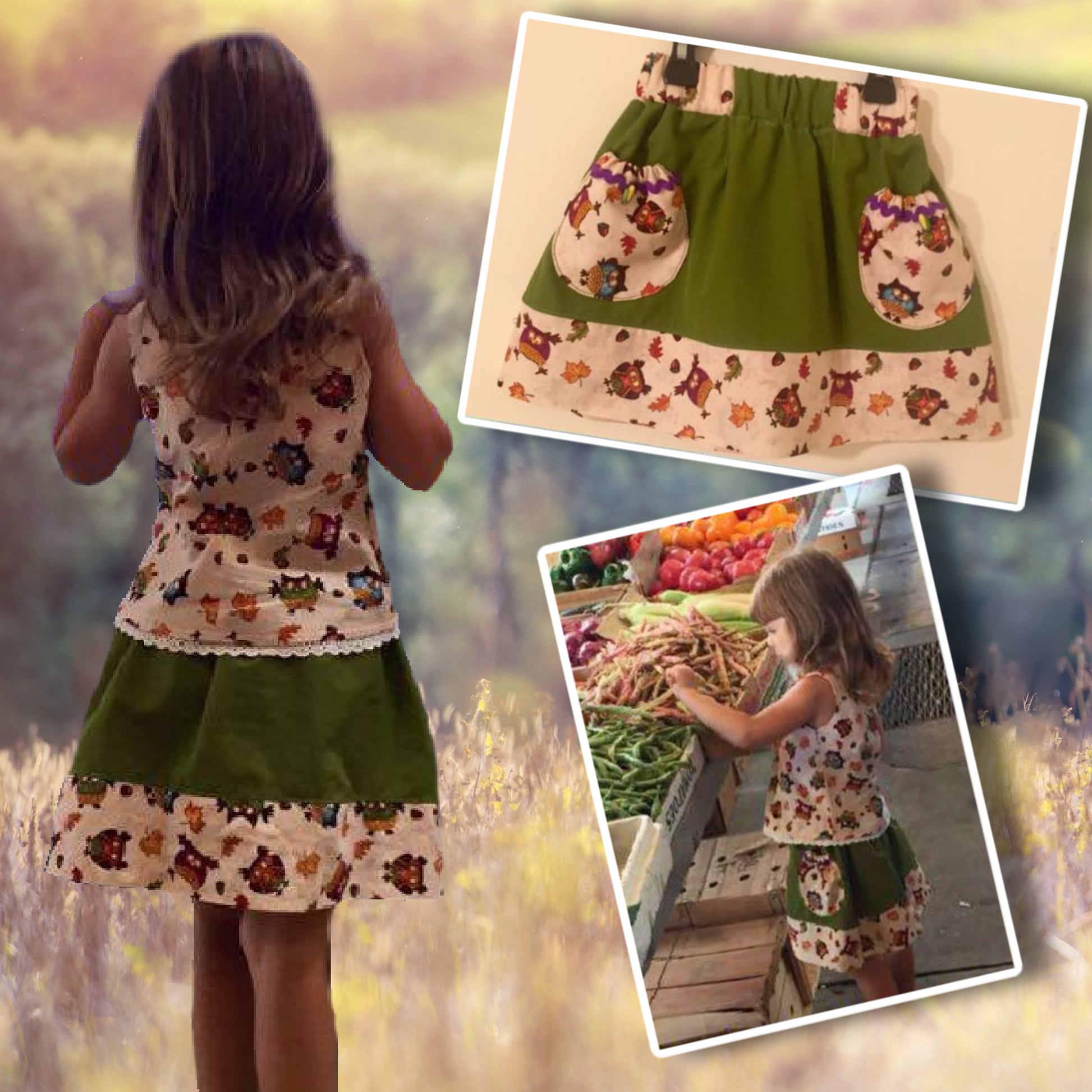
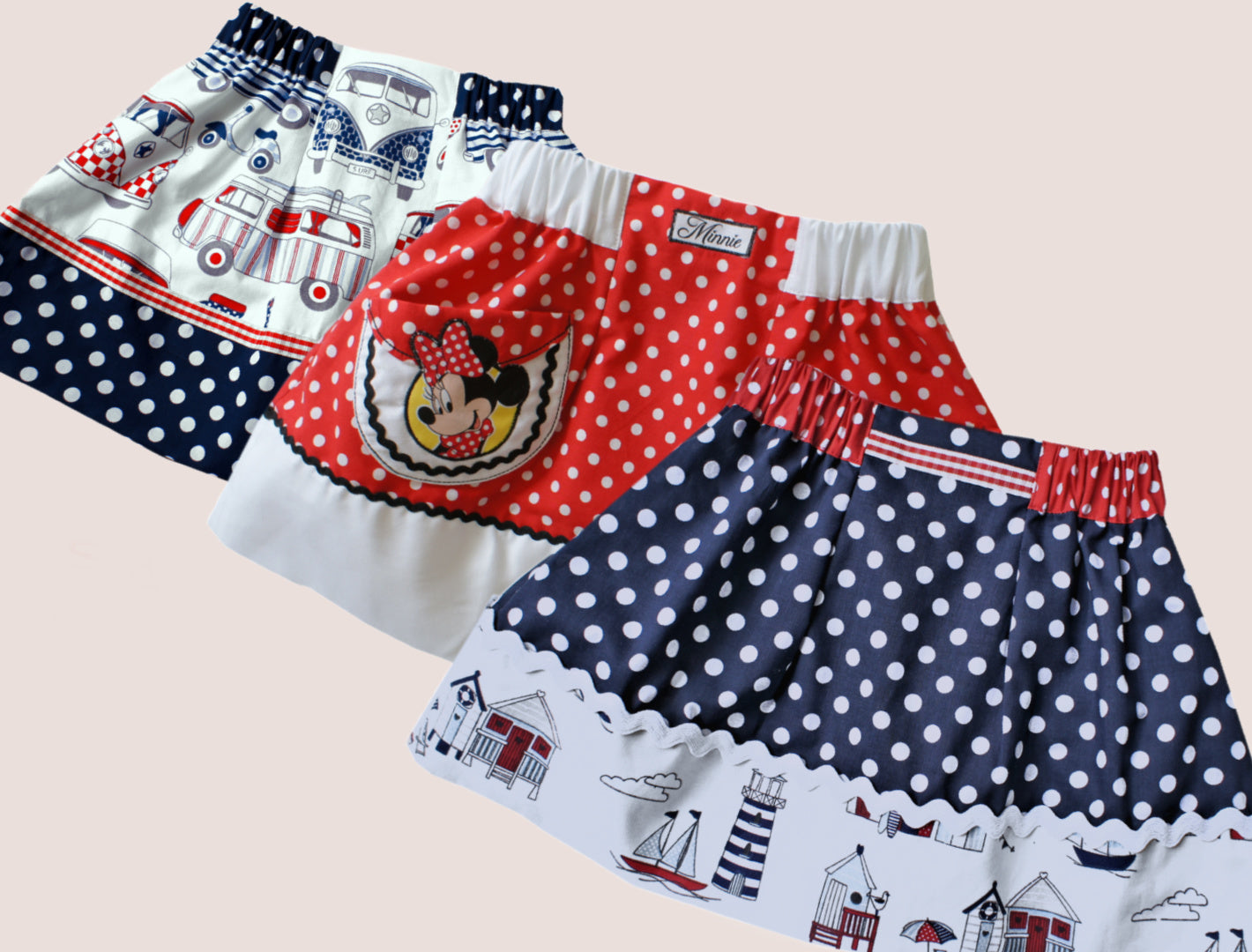
Melinda is our favorite little summer skirt pattern. She is an adorable beginner‑friendly design your little one will love. 

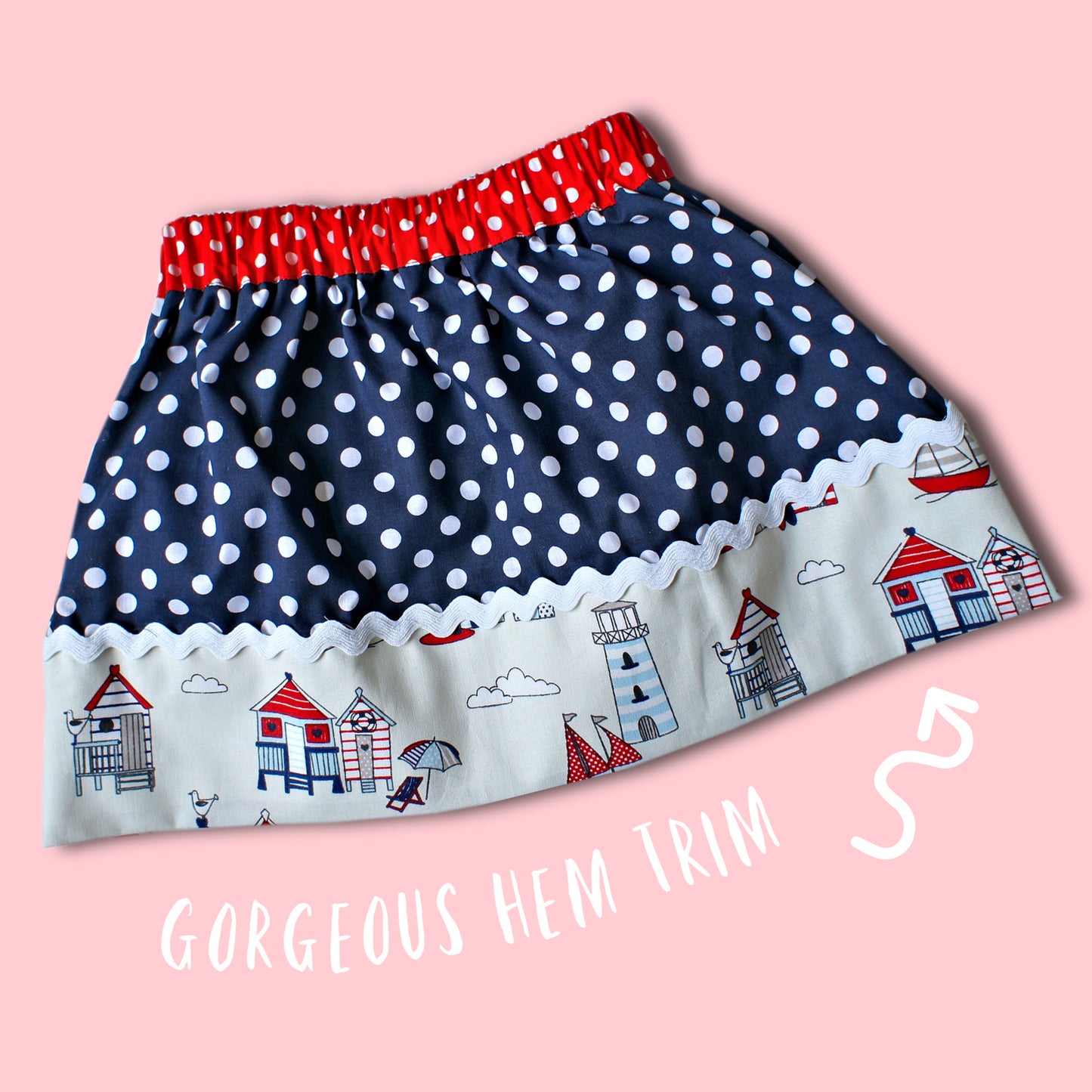
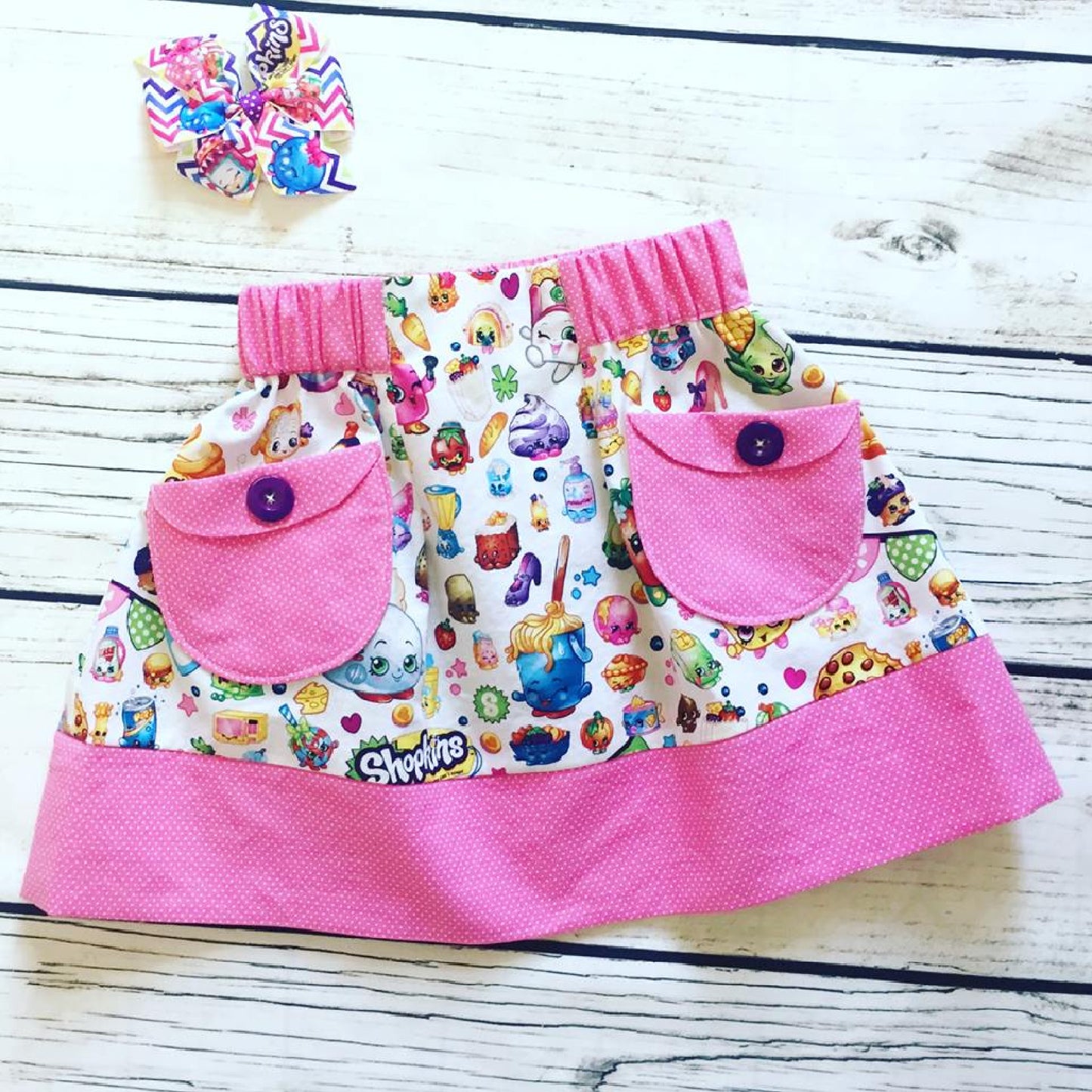
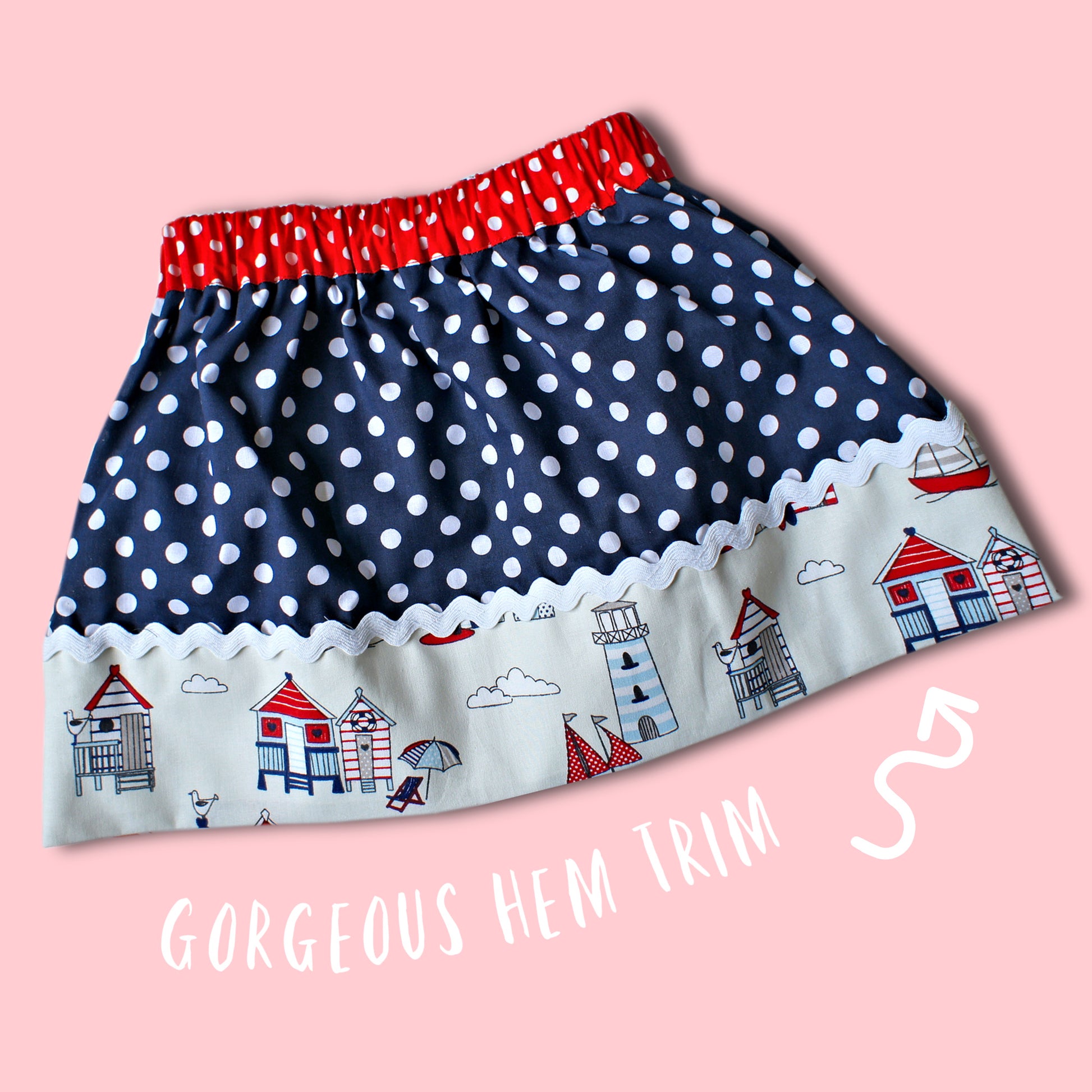
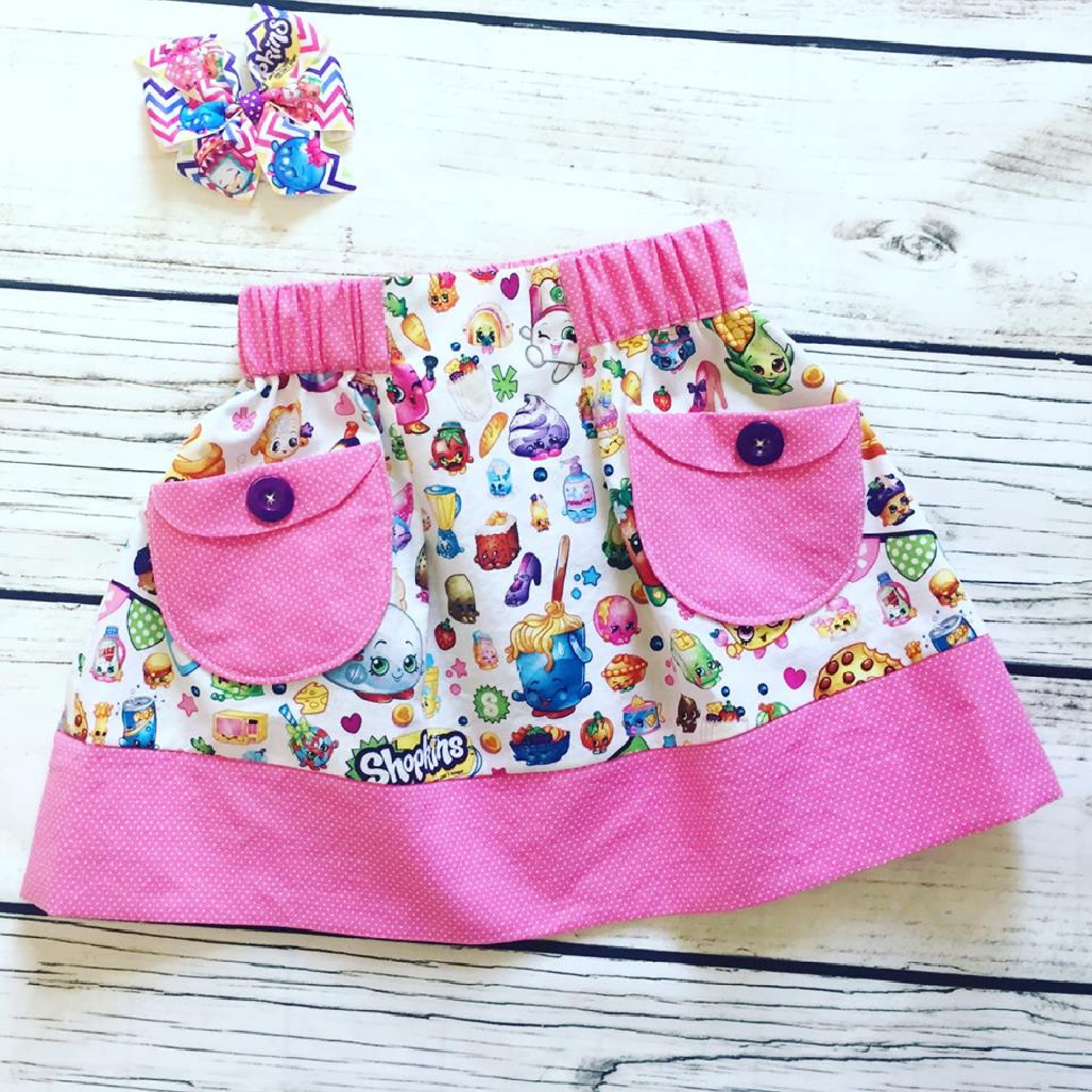
Featuring oversized pockets, a decorative hem trim, and a flat‑front waist with an easy elastic back,  she is perfect for summer as well as back-to-school sewing projects. Just change out the printed cottons for warm and cuddly wool and you are set. 

To make things even easier, the video sewing course is just below this listing, so you can get started right away.

Pattern Download Includes

  • Instant Download
  • DIN A4 & US Letter Size
  • Individual PDF files for every Size
  • All Sizes included
  • Detailed eBook
  • Video Tutorials

Design Options

  • Hem trim
  • Seam embellishments
  • Serger or French seam finish
  • Elasticated waistband

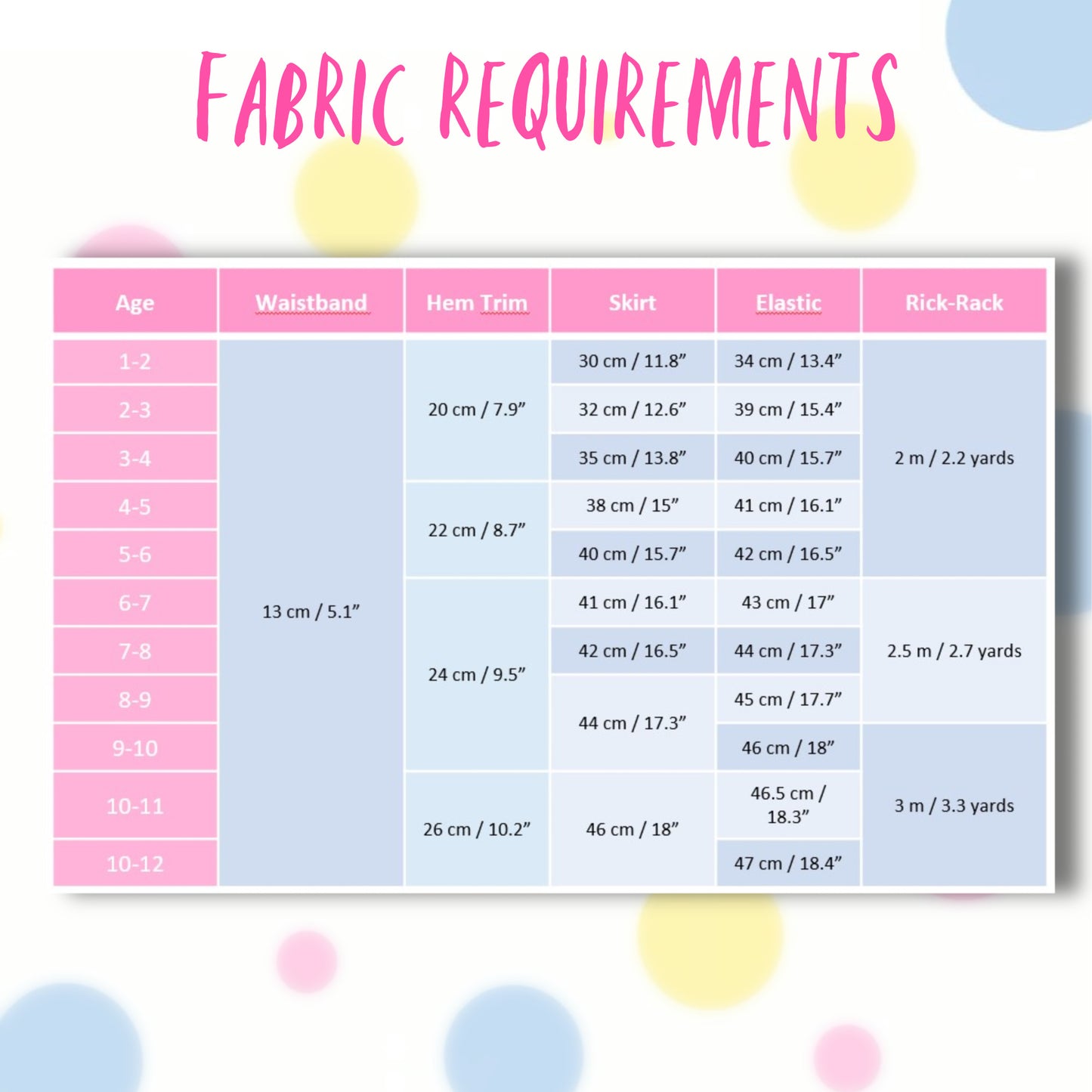
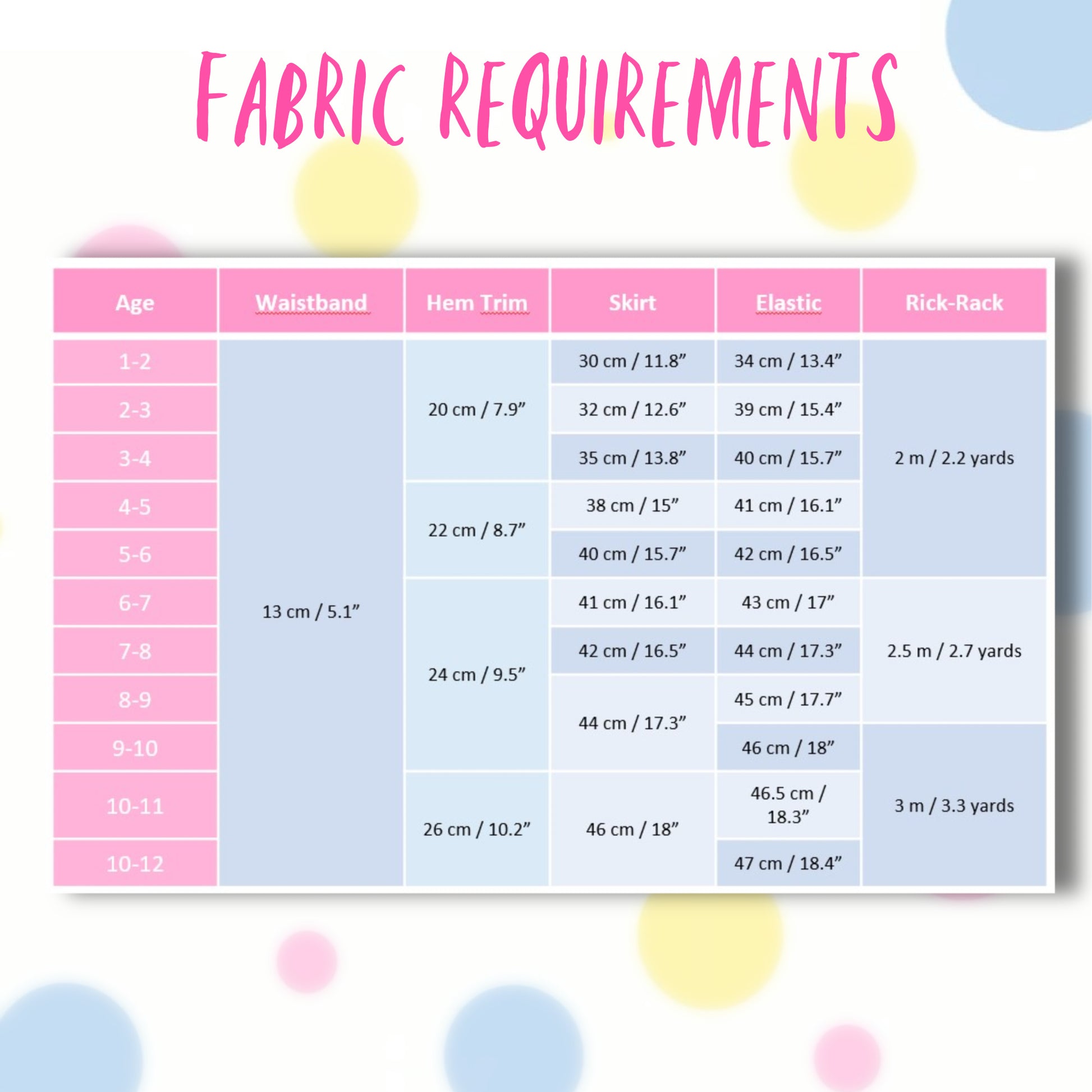
Fabric Requirements

BEST FABRIC CHOICE
Choose light to medium weight fabrics, plain weave cotton, cotton sateen, cord, chambray or denim, double knit with low stretch.

FABRIC REQUIREMENT
•  Skirt Fabric: 12-20 inches (30cm-50cm)
•  Hem Trim: 8-10 inches (30cm-26cm)
•  Waistband: 5.1 inches (13cm)
•  Elastic 1.5 inches (4cm) wide: 14-19 inches (34cm-47cm)

Available Sizes

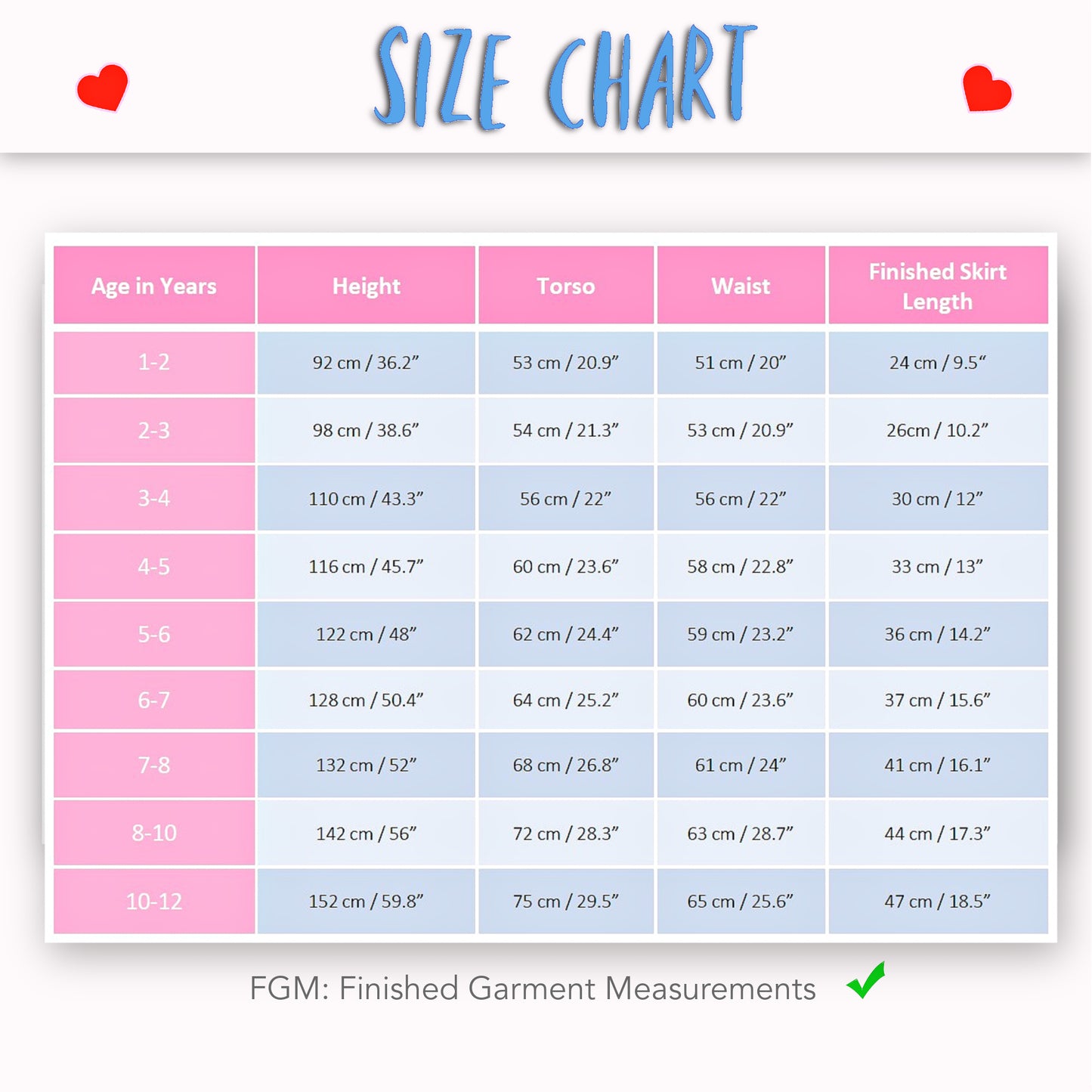
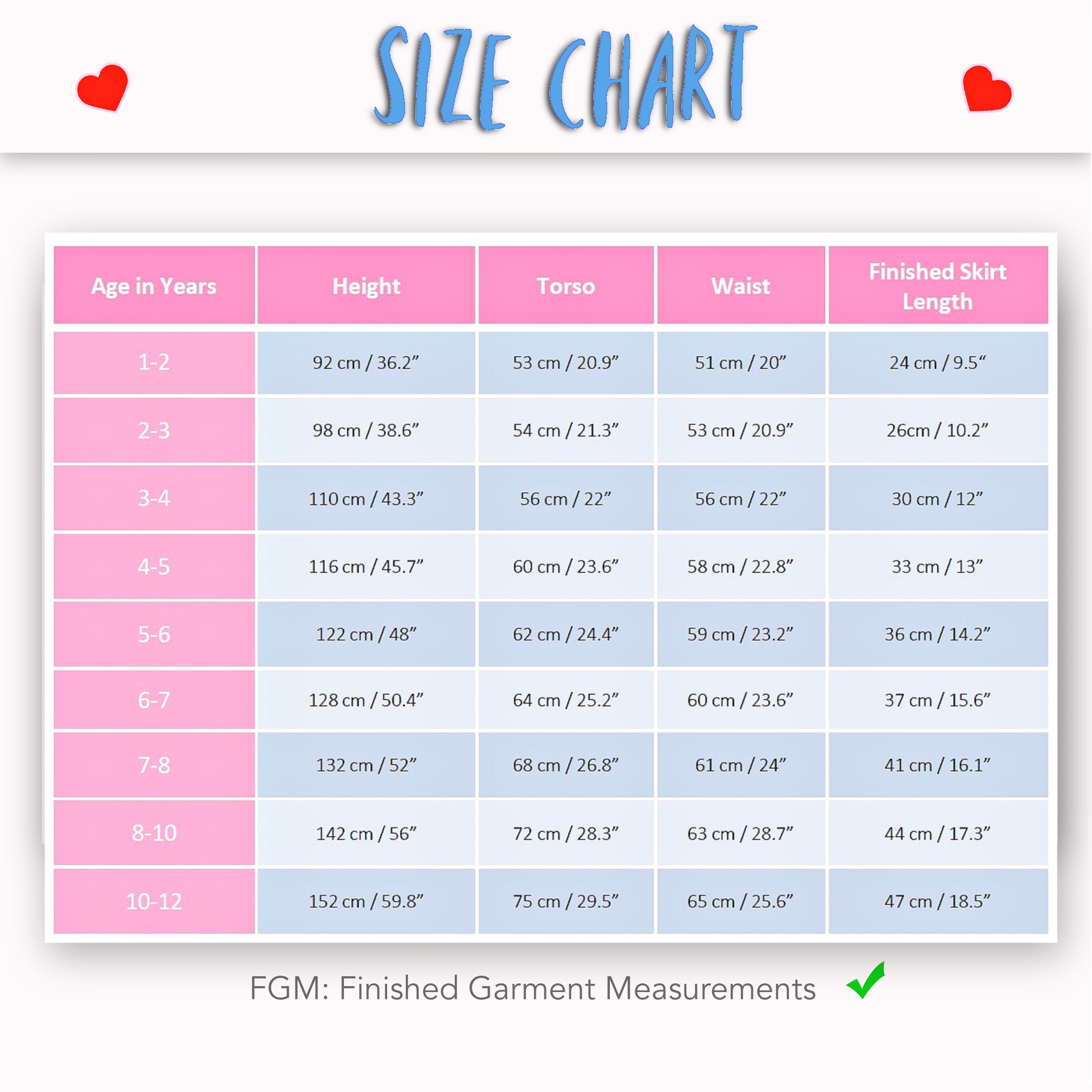
Sizes: 1-12 Years

Please Read

  1. This is a digital pattern or PDF file, not a physical product. It will be delivered electronically via a download link delivered to the email used for the purchase.
  2. To ensure the pattern prints at its actual size, it's recommended that you use Adobe Acrobat Reader.
  3. The pattern creator, Frocks & Frolics, welcomes small-scale production using their patterns. 

Customers are encouraged to tag Frocks & Frolics when sharing projects made using their patterns on social media.

@frocksandfrolics #frocksandfrolics

View full details

STEP-BY-STEP VIDEO TUTORIALS
Thumbnail
INTRODUCTION TO THE PROJECT
Thumbnail
SKIRT WITH APPLIQUE POCKETS
Thumbnail
SKIRT WITH FRENCH SEAMS
Thumbnail
HEM TRIM WITH SUPER FLAT RIBBON FINISH

VIDEO TEXT

Transcript for the video: Melinda Skirt - Introduction to the Project

Hi, this is Marina from Frocks and Frolics, and I'm going to show you how to insert some kam snaps. They're super easy to do, and my example here is from the Virginia Top, which is available from my website for ages 2 to 12. They're super, super easy as you can see here, and come in all sorts of different colors so you can match whatever you're making.

What You Need

For this, I'm using Dritz pliers to put the kam snaps together. You also need an awl and your kam snaps. For each snap you need: two caps, one rounded-edge socket, and one sharper-edge stud.

Marking the Placement

First, decide where you want them to go. I usually go 1.5 cm down from the top and 1.5 cm up from the lower edge. I do the same for shirts. Then I take the space in between, here I’m doing three snaps, mark the center, and that’s it—very easy, especially if you’re not great at division.

Then move over about 1 cm (or 1.2 cm depending on your snap size). You don’t want it going over the edge, so make sure it stays inside. Also trim back seam allowances so they don’t interfere with the snap.

Installing the Snaps

Next, use the awl and mark the position. For the Virginia Top, it’s about 1 cm from the shoulder. Push the awl straight through both layers. Then insert the cap from underneath so the prong comes through. Place the rounded socket on top and use the pliers to press down. You don’t need much force—the prong flattens and spreads to secure the snap.

Now do the top part. Push the second cap through, make sure the prong comes out cleanly, then place the stud on top. Press again with the pliers, with the black base underneath. This flattens and locks the snap in place.

Repeat the same steps for the remaining snaps. It helps to close the first snap before placing the next so everything lines up properly.

Finishing

And that’s it—you’re done. It looks fantastic and is very simple. Just don’t iron directly over kam snaps as they don’t like heat.

If you want the pattern used in this example, it’s the Virginia Top from Frocks and Frolics, available on my website. The link is in the description and info section.

Thanks for watching, and I’ll see you next time.

Transcript for the video: Melinda Skirt: With Applique Pockets

So here is one way to make this skirt if you don't have a serger or overlocker, and you can see it here actually presented with one of my jackets, the bolero with a collar, which is going to come out very soon.

What you want to do is use French seams for all your seams. In a normal seam, the right sides are facing; here we do the opposite first. We put the wrong sides together and stitch with a seam allowance of about 5 mm.

Then we cut that back slightly, not too much though, because you don’t want it to rip out when you turn it. This can easily happen.

Next, we turn it so we’re working from the inside. Smooth it out and you can iron it into one direction if you like. Then fold it over and sew another seam, again 5 mm wide. That’s half a centimeter, and it gives a really neat finish, actually much neater than an overlock seam, but it does take a bit longer.

If you have a fabric that is see-through, I would suggest adding a strip of white fabric inside. I’m using fabric I had left over from the Minnie Mouse skirt.

Then you close the side seams as normal. Iron them apart, then press lengthways and fold in half. Make sure your print (like beach huts or any pattern) is going the right direction before you sew, otherwise it can end up upside down or twisted.

So you tuck it in so the wrong side is on top of the inside of the right side, and pin it. Check it, then pull it out again if needed to make sure the correct side is showing. Essentially, the seam ends up on the outside instead of the inside so we can cover it with trim.

Sew all the way around and press it into the skirt. Then trim the seam back to about 3 mm depending on your trim, whether you’re using ribbon or rickrack, so nothing peeks out.

Adding Trim

Now I’m using a wide white rickrack to go all the way around, covering the unfinished seam so everything is clean. I’m using a zigzag stitch, a triple zigzag style used for stretch or laundry-type stitching. It goes up and down repeatedly along the trim.

You do need to practice a little bit on your machine to get it right, but once you do, it gives a really lovely finish all the way around.

You could also use ribbon instead. Personally, I actually prefer ribbon, but rickrack works beautifully too.

If you want to place ribbon in the waistband, it should sit about 3 to 4 mm above the waistband seam so it shows nicely.

Waistband and Structure

You can see how clean this finish is, much nicer than an overlocker in my opinion, although it does take longer.

I’ve added Vilene in the waistband area to make it a bit stiffer before attaching the waistband. My waistband has a few seams because I didn’t have enough fabric, so I pieced it together, which is totally fine.

Darts and Construction

Now we do the same on the darts. Sew them to the outside first, trim neatly but not too close, then turn and sew again.

You can go with a presser foot width or 1 cm here. Since this is an elasticated skirt, the exact seam allowance isn’t critical.

Sew straight down and across as with the basic skirt. Then press the darts towards the side seams.

Next, press the seam allowance up by about half a centimeter. The center part will be topstitched because you don’t topstitch it when you insert the elastic tunnel later.

So fold it down and stitch close to the edge to keep everything in place and create the tunnel for the elastic.

Finishing

Now all that’s left is to insert the elastic. I’m also cutting the elastic shorter this time because the Vilene supports the ends well.

And there you go, you’ve got a fantastic skirt without using an overlocker. It looks very couture.

You can click on the next video to see how to do the waistband and trim differently if you used ribbon.

The pattern is available on Etsy and Craftsy, and on my website you can choose A4 or US Letter format depending on your region.

Thank you for watching, and I’ll see you next time.

French Seam Construction

Transcript for the video: Melinda Skirt - With French Seams

So here is one way to make this skirt if you don't have a serger or overlocker, and you can see it here actually presented with one of my jackets, the bolero with a collar, which is going to come out very soon.

What you want to do is use French seams for all your seams. When you have a normal seam, the right sides will be facing. Now we're working exactly the other way around. We're putting the wrong sides together first and then we're stitching with a seam allowance of about 5 millimeters. We're cutting that back, not too much though, because you want to make sure that it doesn't rip out when you do it, as that can easily happen.

Then we turn it over to the other side again. So we're now working from the inside. You smooth it out, you can iron it as well into one direction if you like, and then you're going to fold it over and do another seam, 5 millimeters wide, so that's half a centimeter. It gives a really nice neat finish. I actually much prefer that to an overlock seam, but of course it does take a little bit longer.

If you have fabric that is really see-through, I would suggest adding a strip of white fabric inside. I'm using the fabric I used for the Minnie Mouse skirt because I had it left over.

Then you close the side seams as you would normally do. Press them open, and then I added an iron at lengthwise and half. What we want to make sure of course is that those beach huts go the right direction. So if you have them facing the right way while you tuck it in, so you've got the wrong side lying on top of the inside of the right side, then that's just right. I would just pin this and then check it. Pull it out and see which side is showing. Basically you're placing the seam to the outside instead of the inside so that we can add a trim over the top.

Sew this all the way around and press it into the skirt, then we're going to trim this back because depending on what trim I use, whether that's ribbon or the rickrack I'm using, you don't have that much space and you don't want it to peek out. I've cut it back to about 3 millimeters and then I'm using a really wide white rickrack to go all the way around it, which covers that unfinished seam so it's completely clean. I'm using a six-step zigzag stitch, which is like a triple zigzag often used for utility sewing. If you get it right, and you have to practice a little bit on your machine, it will go up and down all the way around.

Now I've stitched this on. You could also use ribbon. I actually like both, but there you go. If you want to place ribbon in the center of the waistband, which looks really pretty, it needs to be about 3 to 4 millimeters higher than the start of the waistband. You can see how clean this finish is. I really like these finishes much better than the overlocker, although it does take longer.

I've added Vilene in the waistband area, which is folded over, just to make it a bit stiffer before attaching the waistband. My waistband has seams in it simply because I didn't have enough fabric, so I pieced it together, which is also fine.

Darts and Shaping

Now we're going to do the same on the dart. We're going to sew it to the outside first, trim it very neatly but not too close, then turn it over. Here you can go with a presser foot width or 1 centimeter again. Since this is an elasticated skirt, the seam size doesn't really matter too much.

Sew straight down and across as we did with the basic skirt. It should look like this. The next step is to press those toward the side seams again, and then press the seam allowance up about half a centimeter. The center part will be topstitched because you don't topstitch that when you insert the elastic tunnel later, so it's done now.

Fold it down and stitch close to the edge to cover that stitch line. This is where it needs to go. Again, like the mini skirt, you need to topstitch fairly close to the edge to make sure your elastic fits in properly.

Elastic Insertion and Finishing

All that’s left now is to insert the elastic. I'm also cutting the elastic shorter this time because I've got Vilene to support the ends.

And there you go, you've got a really fantastic skirt without using an overlocker, and it does look very couture.

You can now click on the next link, which will take you to the next video showing how to do the waistband and trim a little differently if you used ribbon.

The pattern is available from Etsy and Craftsy, and the link on my website will take you directly to the correct format. As you know, I provide formats in A4 and US Letter size, so you can choose whichever you need. If you are in Europe, choose A4. If you're in America, choose US Letter size.

Thank you for watching, and I'll see you next time.

Transcript for the video: Melinda Skirt - Hem Trim with Super Flat Ribbon Finish

So here is one way to make this skirt if you don't have a serger or overlocker, and you can see it here actually presented with one of my jackets, the bolero with a collar, which is going to come out very soon.

What you want to do is use French seams for all your seams. When you have a normal seam, the right sides will be facing. Now we're working exactly the other way around. We're putting the wrong sides together first and then we're stitching with a seam allowance of about 5 millimeters. We're cutting that back, not too much though, because you want to make sure that it doesn't rip out when you do it, as that can easily happen.

Then we turn it over to the other side again. So we're now working from the inside. You smooth it out, you can iron it as well into one direction if you like, and then you're going to fold it over and do another seam, 5 millimeters wide, so that's half a centimeter. It gives a really nice neat finish. I actually much prefer that to an overlock seam, but of course it does take a little bit longer.

If you have fabric that is really see-through, I would suggest adding a strip of white fabric inside. I'm using the fabric I used for the Minnie Mouse skirt because I had it left over.

Then you close the side seams as you would normally do. Press them open, and then I added an iron at lengthwise and half. What we want to make sure of course is that those beach huts go the right direction. So if you have them facing the right way while you tuck it in, so you've got the wrong side lying on top of the inside of the right side, then that's just right. I would just pin this and then check it. Pull it out and see which side is showing. Basically you're placing the seam to the outside instead of the inside so that we can add a trim over the top.

Sew this all the way around and press it into the skirt, then we're going to trim this back because depending on what trim I use, whether that's ribbon or the rickrack I'm using, you don't have that much space and you don't want it to peek out. I've cut it back to about 3 millimeters and then I'm using a really wide white rickrack to go all the way around it, which covers that unfinished seam so it's completely clean. I'm using a six-step zigzag stitch, which is like a triple zigzag often used for utility sewing. If you get it right, and you have to practice a little bit on your machine, it will go up and down all the way around.

Now I've stitched this on. You could also use ribbon. I actually like both, but there you go. If you want to place ribbon in the center of the waistband, which looks really pretty, it needs to be about 3 to 4 millimeters higher than the start of the waistband. You can see how clean this finish is. I really like these finishes much better than the overlocker, although it does take longer.

I've added Vilene in the waistband area, which is folded over, just to make it a bit stiffer before attaching the waistband. My waistband has seams in it simply because I didn't have enough fabric, so I pieced it together, which is also fine.

Darts and Shaping

Now we're going to do the same on the dart. We're going to sew it to the outside first, trim it very neatly but not too close, then turn it over. Here you can go with a presser foot width or 1 centimeter again. Since this is an elasticated skirt, the seam size doesn't really matter too much.

Sew straight down and across as we did with the basic skirt. It should look like this. The next step is to press those toward the side seams again, and then press the seam allowance up about half a centimeter. The center part will be topstitched because you don't topstitch that when you insert the elastic tunnel later, so it's done now.

Fold it down and stitch close to the edge to cover that stitch line. This is where it needs to go. Again, like the mini skirt, you need to topstitch fairly close to the edge to make sure your elastic fits in properly.

Elastic Insertion and Finishing

All that’s left now is to insert the elastic. I'm also cutting the elastic shorter this time because I've got Vilene to support the ends.

And there you go, you've got a really fantastic skirt without using an overlocker, and it does look very couture.

You can now click on the next link, which will take you to the next video showing how to do the waistband and trim a little differently if you used ribbon.

The pattern is available from Etsy and Craftsy, and the link on my website will take you directly to the correct format. As you know, I provide formats in A4 and US Letter size, so you can choose whichever you need. If you are in Europe, choose A4. If you're in America, choose US Letter size.

Thank you for watching, and I'll see you next time.

YOU MAY ALSO LIKE

Bonnie

SHOP NOW

Frances

SHOP NOW

Scarlett

SHOP NOW

Caitlin

SHOP NOW