Skip to product information
1 of 12

JUTTA WRAP SKIRT

JUTTA WRAP SKIRT

Filled Circle
Filled Circle
Empty Circle
Empty Circle
Empty Circle
Regular price €4,95 EUR
Regular price Sale price €4,95 EUR
Sale Sold out

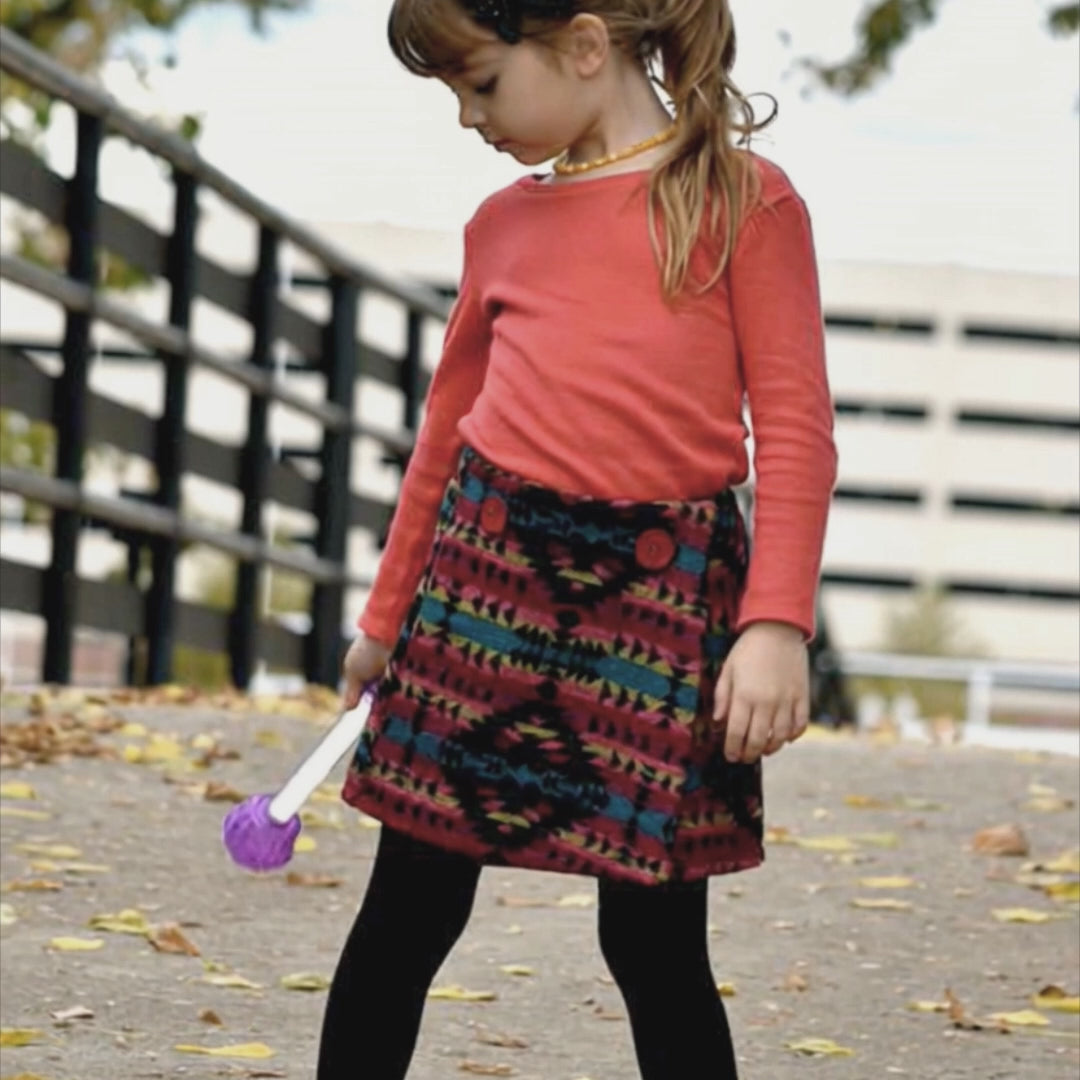
If you haven't made one of these gorgeous skirts, maybe now is the time. Jutta has been a best seller for a long time, because it fits well, looks great and is a breeze to sew up.

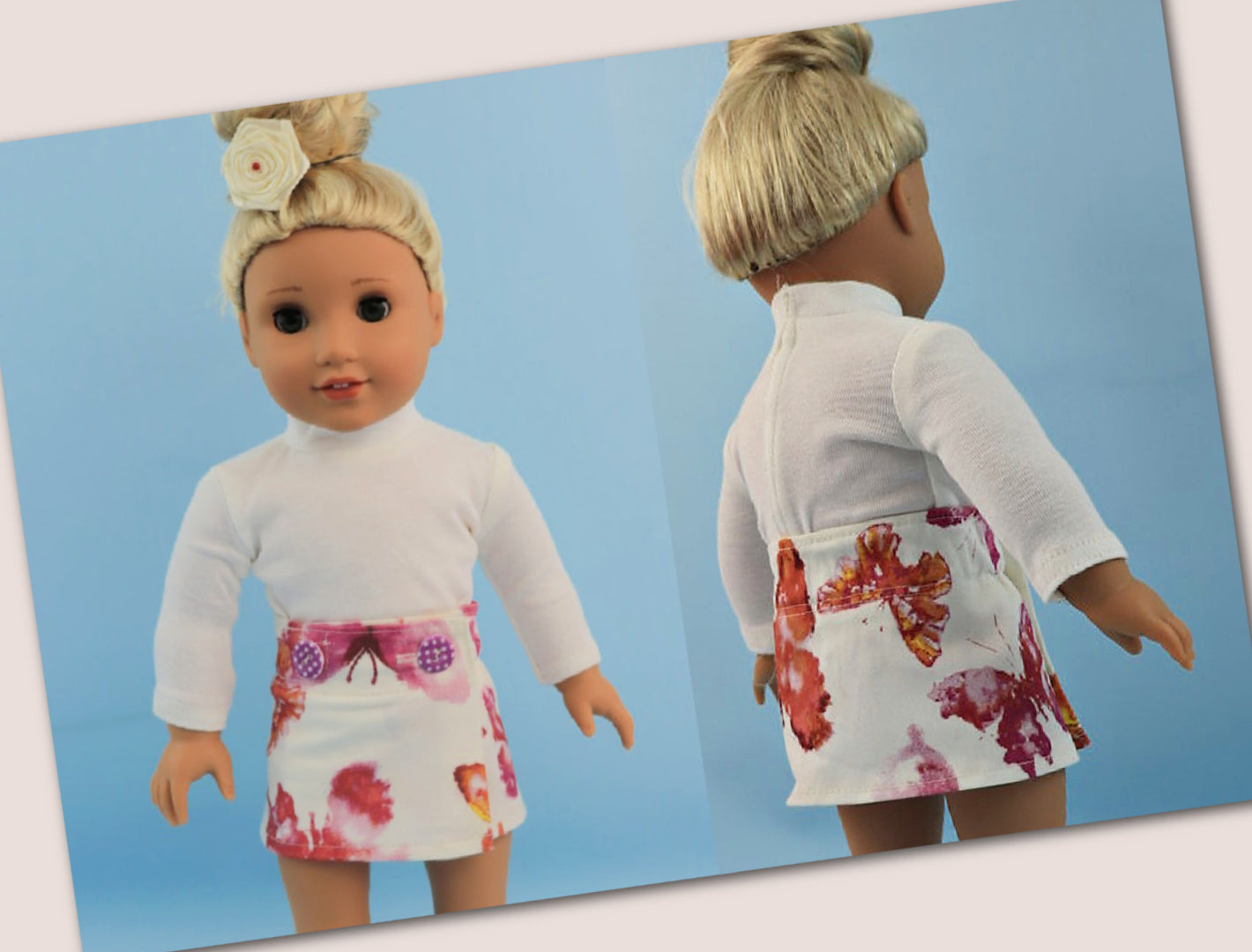
Jutta is a sweet little wrap skirt designed for 18‑inch dolls, featuring a neat and easy Velcro closure, flat front and elastic back waist, that makes dressing a breeze. She’s perfect for mix‑and‑match doll fashion and it’s a joy to sew alongside Marina’s friendly video tutorial, just a scroll away below the listing.

Pattern Download Includes

  • Instant Download
  • DIN A4 & US Letter Size
  • Individual PDF files for every Size
  • All Sizes included
  • Detailed eBook
  • Video Tutorials

Design Options

  • Visible button fastening on the right front of the skirt 
  • Hidden button on the left side
  • Smooth waistband facing
  • Elasticated back
  • No lining
  • Turned in hem

Fabric Requirements

RECOMMENDED FABRIC CHOICE
Medium to heavier weight fabrics such as plain weave cotton, cotton sateen, cord, chambray or denim.

FABRIC REQUIREMENTS
• 1/2–1 yard (50-80cm )
• Buttons: 2 x
• Iron on interfacing: 4 inches (10cm) 

Available Sizes

Sizes: 1-12 Years

Please Read

  1. This is a digital pattern or PDF file, not a physical product. It will be delivered electronically via a download link delivered to the email used for the purchase.
  2. To ensure the pattern prints at its actual size, it's recommended that you use Adobe Acrobat Reader.
  3. The pattern creator, Frocks & Frolics, welcomes small-scale production using their patterns. 

Customers are encouraged to tag Frocks & Frolics when sharing projects made using their patterns on social media.

@frocksandfrolics #frocksandfrolics

View full details

STEP-BY-STEP VIDEO TUTORIALS

Thumbnail
JUTTA ALL-IN-ONE TUTORIAL
Thumbnail
BOUND BUTTONHOLE DIY
Thumbnail
JUTTA WRAP SKIRT FOR DOLLS
Thumbnail
JUTTA WITH LOOP FASTENING (ORIGINAL VIDEO)
Thumbnail
JUTTA WITH BOUND BUTTONHOLES (ORIGINAL VIDEO)

VIDEO TEXT

Transcript for the video: Jutta Wrap Skirt All-in-One Tutorial

Introduction

Hi everyone, this is Marina from Frocks and Frolics with the Jutta wrap skirt. This skirt goes really well with the Dakota coat that we've brought out very recently. It's very versatile—that's why I like it. It also is an all-year-rounder, and here you can see it beautifully in a winter fabric. It's super comfy and also really easy to make.

Pattern Overview

So, let's have a look at the pattern first of all. You've got the waist measurement on there and the skirt length, and then you've also got a scale which you need to measure to ensure that it's, in fact, 5 cm long, so that you know everything you're printing off is the right size. All my patterns have flowers on them—pink flower for the back, white flower for the front—so you can't get confused. There aren't actually very many pieces in this, so it's fairly simple.

Pattern Assembly

First thing to do is to cut it all out and then assemble the pattern A, B, C, and D. A and B go together, C and D go together, then both sets combine to form the entire front piece. Depending on your size, you might have three pieces or only two pieces. The back is made of two pieces in this example, and you just sellotape that together to form the full back.

Facing And Front Construction

We've also got two facings. The front facing is integrated, and you fold that over. There's a marking on the pattern which tells you where the two fronts have to overlap—that's where the buttons go. I've also put markings in for the buttonhole because everyone seems to like those. You can just put a bob-standard one in. If you fold the skirt over at the center front, you can see that nothing should be peeping out, and if everything is done correctly, nothing will show at the back either. The back is a bit wider because we've got elastication. The facings are marked on the side so you don’t confuse them, and they attach to the integrated facing.

Cutting Out

The back is on the fold, so I've got the fabric folded over, selvedge on selvedge, and you just place all your pieces on. I've got these fantastic fabric weights from Frocks and Frolics. They’re from a maker in England, and I’ve linked her Etsy shop. They were a little bit too light for me, so I added weights underneath. When you've cut the front out, you want to mark the front facing—very important. Normally I would use iron-on interfacing on the facings, but because mine is stretchy but stable, I don’t need to do that. You would also normally interface the front.

Sewing The Facings

The first step is to sew the side seams of the facing with a 1 cm seam allowance, no need to overlock yet. Get into the habit of placing the next piece underneath to save thread. Now iron the seam open.

Constructing The Skirt

We now do a lot of overlocking: lower edge of the facing, sides, and front edges. After that, place the front onto the back, folding one side over first, then do the other side. Sew side seams with a 1 cm seam allowance. I wouldn’t even pin this because the distance isn’t long—just hold and ease it as you sew. Make sure you sew up to the marked point so the hem turns correctly. Then iron the seams apart.

Attaching The Facing

Now attach the facing. Place right sides together and sew all the way around with a 1 cm seam allowance. The facing will be slightly shorter because it folds over at the front. Pin and sew carefully. Pin side seams of facing and skirt together, and repeat on the other side. The front will naturally fold into place. Find your snip and fold it over, adjusting slightly if needed.

Shaping The Front

Mark a stitch line about 3 cm up (I’m doing 4 cm here, but 3 cm is standard). Stitch across and secure at the ends. If you're using stretchy fabric, gently stretch while sewing to avoid puckering.

Finishing The Facing Edge

Fold seam allowance towards the facing, trim seam allowance, then overlock the hem edge. Now do under-stitching: fold seam allowance out, stitch the facing down onto the seam allowance, and keep everything flat and smooth. This is one of the fastest skirts to make—around 15 to 20 minutes per skirt.

Pressing

Iron everything well. Press hem allowance at 3 cm and fold it up.

Hem Top Stitching

Top stitch from the outside so it looks neater. Stitch length should be about 3.5, and work carefully around the skirt keeping everything aligned.

Elastic Waistband

The elastic is slightly shorter because we will stretch it as we stitch. Create a tunnel by stitching from side seam to side seam. Insert elastic using a safety pin and leave a small section sticking out on each side.

Securing Elastic (Stitch In The Ditch)

Stitch in the ditch at each side seam to secure elastic, keeping equal tension on both sides.

Final Top Stitching

Top stitch along the waistband using a long stitch length and gently stretch fabric as you sew to avoid puckering. Add a second line of stitching in the centre if desired.

Buttonhole

Mark buttonhole position about 1 cm from seam allowance. Insert button into buttonhole foot and sew. Always do a test buttonhole first because machine settings can vary. Cut buttonhole carefully with a seam ripper or scissors.

Button Attachment

Sew button on using a stem: keep thumb between button and fabric for space, wrap thread to create a small stem, then secure thread and finish. Do the same for the inner button.

Final Result

Finished Jutta wrap skirt from Frocks and Frolics is soft, comfortable, and very wearable. You can also use Velcro or snaps instead of buttons if preferred. And there you have it—your finished skirt. Thank you very much for watching, and I’ll see you next time.

Transcript for the video: Jutta Wrap Skirt - Bound Buttonhole DIY

Hi everyone, this is Marina from Frocks and Frolics, and I'm going to show you how to do a welt buttonhole. It's essentially like a welt pocket, just much, much smaller, and we have got a facing on the inside.

Let's have a look at these beautiful buttonholes here—they are on my Deco coat, and I've top stitched them all the way around. So you get lips on the outside, and on the inside you also have to create a hole in your facing. I'm going to show you how to do this now.

Pattern Preparation and Sizing

The first thing is to cut away the buttonhole from your template. I would suggest you make it a little bit bigger if you want a really big button. If you have a slightly smaller button, you can stick with that, but it will come out at about 2.3 mm if you use my pattern.

Now fold over along the center front, and also mark the buttonhole on the other side.

You can leave the facing opening until the end, but here I'm showing you how to do it the proper tailor’s way.

On the inside, the buttonhole is actually bigger. That is so when you push the button through, it's not hindered by the facing. It must be smaller than the buttonhole on the outside.

Interfacing

First, iron on interfacing to the facing of the front. Make sure it sticks properly—if not, go over it again. Then attach a strip of interfacing where the buttonholes will be on the outside. This strengthens the area and prevents fraying. Use lightweight iron-on interfacing.

Marking The Buttonholes

Place your template with the right side facing up and mark the corners on the outside. That way you know it goes on the correct side of the coat. For ladies’ or girls’ garments, we always close right over left.

Now mark the inside with a pencil rather than a textile marker, so it doesn’t disappear while you're working later.

Draw your horizontal lines for all openings first, then draw the vertical lines. Make sure everything is straight and consistent, because accuracy is key.

Cutting And Positioning The Lips

Cut your lips larger than the buttonhole. Mine are about 4 cm by 7 cm. They can overlap; it doesn't matter. I always make them bigger than needed.

Pin them in place, making sure you don't catch the pins when sewing.

Sewing The Buttonhole Frame

Now sew the lips from the underside. Reduce stitch length to around 1 or just over 1.

Start anywhere on the buttonhole and sew around the rectangle. Try to be consistent—count stitches if needed so both sides match evenly. Then sew over your first stitches to lock everything in.

Cutting Open

Mark the center of the buttonhole and cut carefully into it. Stop before the stitching at the corners, and snip diagonally into the corners without cutting through the stitching.

Now you can pull the lips through—this is exactly like a welt pocket.

Shaping The Lips

Press the lips upward or press them open, depending on your preference. Either method works; pressing open makes it flatter, especially on thicker fabric.

Make sure everything sits neatly and the edges are well defined.

Turn it over and check your result—the sewn buttonhole should be slightly smaller than the outer opening. Test with your button.

Securing The Corners

Fold the fabric away and stitch across the corners with a stitch length of about 2 to secure everything.

Press again to set the shape.

Top Stitching

Trim excess fabric around the buttonhole lips if needed. Then top stitch around the buttonhole for a clean, professional finish.

This step also helps secure everything in place.

Testing And Adjusting

This is the advantage of doing buttonholes early—if something goes wrong, you haven't finished the whole garment yet.

You can test on scrap fabric first if needed.

Now check the buttonhole again and ensure the button passes through cleanly.

Lining Side Method

You can also repeat the same process on a lining fabric. In this case, I used a lightweight curtain lining.

Repeat the same stitching, cutting, and turning process. No need to mark the center as precisely here.

Final Pressing And Finish

Once turned through, press everything neatly into place. The result should look clean and professional on both sides.

Fold at the center front and check alignment. If everything is correct, continue finishing your facing.

Finally, slip stitch the lining or facing around the buttonhole area.

Closing

They look super nice on both sides, and this gives a really high-end finish you don't usually see on cheap coats.

Thank you for watching, and I’ll see you next time.

Transcript for the video: Jutta Wrap Skirt - For Dolls

Hi everyone. In this video, I’m going to show you how to make the Jutta Wrap Skirt for your door.

This is a very quick project—around a 20-minute skirt, or about 30 to 40 minutes for a child’s version. I can usually sew them in about half an hour because they are very fast to make.

This skirt works for both children and even dogs. It features a simple wrap-over design. I’ve used a button and buttonhole here, but you can also use Kam Snaps, Velcro, or other closures. The back has a small amount of elastic, giving it a snug but comfortable fit.

Pattern Overview and Materials

I’ve already prepared everything, so let’s look at what we need. This skirt only has two pattern pieces.

On the facing, there is a marking for the center front so the wrap overlaps correctly, creating that classic wrap skirt look. The back is held together with elastic.

To prepare the facing, we serge (or finish) both sides and the lower edge, leaving the top edge raw for now. The skirt pattern shows a dotted line where we will fold it over to create an integrated facing on both sides. There is also a marking for the elastic tunnel placement.

Elastic measurements:

  • Width: 2 cm (0.8 inches)
  • Length: 13 cm (just over 2 inches)

Preparing and Attaching the Facing

Our first step is to sew the facing to the skirt.

Align the center back of the facing and skirt. You’ll notice the facing is slightly shorter because it will fold over.

Lift the facing onto the skirt edge and sew it in place on both sides. When finished, the seam allowance will naturally face into the skirt.

Then sew along the waistline using a 1 cm seam allowance. Don’t forget to lock your stitches at the beginning and end. You can use either a standard 1 cm seam allowance or foot width—either works fine for this project.

Trimming and Pressing

After sewing, trim back the seam allowance to about 3 mm. You can snip it or carefully cut it back.

Next, attach the facing to the hem area and sew across both sides with a 1 cm seam allowance.

Now we will understitch the facing to the seam allowance. This step is important because it helps the edge roll nicely and creates a cleaner finish. Sew close to the edge on the facing side using a stitch length of 3 to 3.5.

After this, press everything well and turn it through neatly.

Hem and Facing Finish

Press the hem up by 1 cm. You can see I’ve already done this step.

At this point, your facing and hem should be nicely formed and ready for the elastic tunnel.

Creating the Elastic Tunnel

Now we sew the elastic tunnel following the marked dotted line on your pattern.

If you don’t have an overlocker, you can zigzag the edge or fold it in slightly before stitching.

Sew along the marked line where the elastic will be inserted.

Velcro, Kam Snaps, or Button Placement

Next, we attach the closure.

If you are using Velcro or Kam Snaps, place them according to your overlap. One side will be sewn only onto the facing so it remains invisible from the outside.

The other side is sewn through all layers on the outer edge of the skirt. This helps the back close neatly.

Everything aligns naturally with the elastic tunnel marking, so no measuring is really needed.

Topstitching the Waist and Front

Now we do the topstitching.

Start at the marked tunnel line and stitch just above your serged edge. Continue stitching down the front of the skirt.

When you reach corners, keep your needle down, lift the presser foot, turn, and continue sewing.

Make sure your stitching stays close to the top edge of the hem, not too close to the folded edge.

Inserting the Elastic

Now we thread the elastic through the tunnel using a safety pin.

Important: leave a small portion of elastic exposed on both ends so it can be secured later.

Pin each end slightly offset from the marking (not directly on it) so you can stitch easily without removing the pins.

Sew down from the waistband to secure one side, then repeat on the other side. It should look continuous when finished.

Closure: Buttonhole or Kam Snaps

Now we finish the closure.

You can use Velcro, Kam Snaps, or a button. I’m using a buttonhole for this version.

Choose your button size and placement carefully. The button should not hang over the edge. Position the buttonhole about 1.2 cm from the top edge, leaving a small gap at the top.

Always test your buttonhole first. Machine settings can vary, and the final size should be only slightly larger than your button.

If your machine struggles with thick seam intersections, start the buttonhole on a flatter section and work backward.

Cutting the Buttonhole and Sewing the Button

Carefully cut open the buttonhole. Fold the fabric and snip into the center, then cut toward each end. Use a pin at the ends for safety if using a seam ripper.

To sew the button, place it in position so it aligns naturally with the buttonhole. Leave a small gap between the button and fabric so it doesn’t pull the fabric tight.

Sew through several times to secure it, forming a strong thread shank.

Final Result

And we’re done—the Jutta Wrap Skirt is finished.

This project pairs beautifully with the matching jacket, the Dakota coat. The skirt sits neatly underneath and completes the outfit.

I hope you enjoyed this tutorial from Frocks and Frolics. If you’re watching from YouTube, feel free to like, comment, and hit the notification bell so you don’t miss the next project.

See you next time for another make.

Bias Binding and Ruler Loops

Transcript for the video: Jutta Wrap Skirt - With Loop Fastening

Take your prepared bias binding strip, fold it over, and sew along it at about 3–4 mm. Keep the stitching quite narrow for a clean finish.

Once sewn, trim back your seam allowances so the strip becomes slim, but not too much. You need to leave enough structure so it can go into the ruler loop and hold its rounded shape.

Using a fabric turner (with a hook at the end), hook into one end of the strip and gently push the fabric through until it turns right side out. This creates a very slim, neat loop.

You should now have two loops:

  • One in contrast fabric
  • One slightly thicker loop for the outer fastening

The slimmer loop is used for the inner fastening, which usually takes a smaller button. Typical loop length is about 4–5 cm.

Attach these loops to the front now so you can clearly identify the right side and avoid confusion later. Stitch them in place with the seam side facing up during sewing (so it sits correctly when finished). Always check that your button fits through the loop before securing fully.

Trim the other loop about 1–1.5 cm below the fabric edge to account for seam allowance.

Binding the Seams and Facings

Now bind the side seams and facings.

Press the bias binding over the seam. The shorter edge should sit on top and the longer edge underneath. This ensures you catch everything when stitching.

Sew carefully through, making sure you secure the underside. This method works especially well if you are not using a serger or overlocker.

Keep your pattern pieces nearby during this stage so you don’t confuse left and right sides. Any section with rounded markings is not bound on that edge—you bind the opposite side.

Once bound, mark and store pieces carefully with pins so you can identify them later.

Attaching the Waistband and Elastic Tunnel

Attach the waistband to the back using a 1 cm seam allowance, sewing from end to end. This forms the elastic tunnel.

Place the loops facing each other before continuing.

Next, attach the facing at the front, but only sew about 3 cm in from each edge. This allows easier construction later and helps with turning and finishing.

Press all seams upward after sewing.

Side Seams and Hem Preparation

Now sew the side seams with a 1 cm seam allowance. Make sure you sew the curved hem properly—do not sew straight down. The curve is essential for the hem to turn up correctly.

Mark your hem allowance (about 3–4 cm up). This is also where you can place rickrack trim.

Adding Rickrack Trim

Place the rickrack along your marked line and secure it using a straight stitch or a zigzag stitch through the center.

Add additional rows as desired, spacing them evenly. Consistency is important—uneven rows will show clearly once finished.

Take your time to measure carefully, as uneven rickrack placement is difficult to fix later.

Facings and Understitching

Attach the facings, aligning the marked points to ensure correct placement.

Sew the facings together first with a 1 cm seam allowance. This may feel slightly tight, but it allows room for understitching later.

Optional: topstitch if desired, though it is not required.

Next, sew down the front with a 1 cm seam allowance and mark the hem line again (3 cm).

Turn the piece inside out and understitch the facing. This helps the seam sit flat and gives a professional finish.

Trim seam allowances where needed, especially on thicker fabrics, to reduce bulk and improve corner shape.

Hem Construction

Fold the hem along the understitch line and sew across the 3 cm hem allowance.

Trim excess seam allowance from the facing (not the full hem).

Turn the corner out neatly to reveal a clean finish. The structure should sit smoothly without bulk, and the rickrack should appear crisp and visible.

The hem can be hand-stitched if preferred, especially when rickrack is already attached. Machine stitching is possible, but may affect appearance on thicker fabrics.

Elastic Insertion and Waist Finish

Sew along the existing waistband stitching line to create the elastic channel.

Insert elastic using a safety pin and thread it through the tunnel.

The elastic width should generally be:

  • About half the waistband width for thick fabrics
  • Slightly less for lighter fabrics

Always test fit before final securing.

Leave about 1–2 cm of elastic exposed on each side before stitching it down securely into the seam line.

Pull through, adjust fit, and secure both ends with stitching. Topstitching is optional but not recommended for thick fabric as it may reduce elasticity.

Button and Final Closure

Attach the inner button on the seam where the ruler loop is secured. This keeps the loop neatly positioned.

Then attach the outer button through all layers for secure closure. An under-button is optional for extra strength but usually not necessary unless the garment will have heavy use.

Final Notes

And that completes the skirt.

The pattern is available on my website, which links through to Etsy.

Thank you for watching.

Bias Binding and Ruler Loops

Transcript for the video: Jutta Wrap Skirt - With Bound Buttonholes

Take your prepared bias binding strip, fold it over, and sew along it at about 3–4 mm. Keep the stitching quite narrow for a clean finish.

Once sewn, trim back your seam allowances so the strip becomes slim, but not too much. You need to leave enough structure so it can go into the ruler loop and hold its rounded shape.

Using a fabric turner (with a hook at the end), hook into one end of the strip and gently push the fabric through until it turns right side out. This creates a very slim, neat loop.

You should now have two loops:

  • One in contrast fabric
  • One slightly thicker loop for the outer fastening

The slimmer loop is used for the inner fastening, which usually takes a smaller button. Typical loop length is about 4–5 cm.

Attach these loops to the front now so you can clearly identify the right side and avoid confusion later. Stitch them in place with the seam side facing up during sewing (so it sits correctly when finished). Always check that your button fits through the loop before securing fully.

Trim the other loop about 1–1.5 cm below the fabric edge to account for seam allowance.

Binding the Seams and Facings

Now bind the side seams and facings.

Press the bias binding over the seam. The shorter edge should sit on top and the longer edge underneath. This ensures you catch everything when stitching.

Sew carefully through, making sure you secure the underside. This method works especially well if you are not using a serger or overlocker.

Keep your pattern pieces nearby during this stage so you don’t confuse left and right sides. Any section with rounded markings is not bound on that edge—you bind the opposite side.

Once bound, mark and store pieces carefully with pins so you can identify them later.

Attaching the Waistband and Elastic Tunnel

Attach the waistband to the back using a 1 cm seam allowance, sewing from end to end. This forms the elastic tunnel.

Place the loops facing each other before continuing.

Next, attach the facing at the front, but only sew about 3 cm in from each edge. This allows easier construction later and helps with turning and finishing.

Press all seams upward after sewing.

Side Seams and Hem Preparation

Now sew the side seams with a 1 cm seam allowance. Make sure you sew the curved hem properly—do not sew straight down. The curve is essential for the hem to turn up correctly.

Mark your hem allowance (about 3–4 cm up). This is also where you can place rickrack trim.

Adding Rickrack Trim

Place the rickrack along your marked line and secure it using a straight stitch or a zigzag stitch through the center.

Add additional rows as desired, spacing them evenly. Consistency is important—uneven rows will show clearly once finished.

Take your time to measure carefully, as uneven rickrack placement is difficult to fix later.

Facings and Understitching

Attach the facings, aligning the marked points to ensure correct placement.

Sew the facings together first with a 1 cm seam allowance. This may feel slightly tight, but it allows room for under stitching later.

Optional: topstitch if desired, though it is not required.

Next, sew down the front with a 1 cm seam allowance and mark the hem line again (3 cm).

Turn the piece inside out and under stitch the facing. This helps the seam sit flat and gives a professional finish.

Trim seam allowances where needed, especially on thicker fabrics, to reduce bulk and improve corner shape.

Hem Construction

Fold the hem along the under stitch line and sew across the 3 cm hem allowance.

Trim excess seam allowance from the facing (not the full hem).

Turn the corner out neatly to reveal a clean finish. The structure should sit smoothly without bulk, and the rickrack should appear crisp and visible.

The hem can be hand-stitched if preferred, especially when rickrack is already attached. Machine stitching is possible, but may affect appearance on thicker fabrics.

Elastic Insertion and Waist Finish

Sew along the existing waistband stitching line to create the elastic channel.

Insert elastic using a safety pin and thread it through the tunnel.

The elastic width should generally be:

  • About half the waistband width for thick fabrics
  • Slightly less for lighter fabrics

Always test fit before final securing.

Leave about 1–2 cm of elastic exposed on each side before stitching it down securely into the seam line.

Pull through, adjust fit, and secure both ends with stitching. Topstitching is optional but not recommended for thick fabric as it may reduce elasticity.

Button and Final Closure

Attach the inner button on the seam where the ruler loop is secured. This keeps the loop neatly positioned.

Then attach the outer button through all layers for secure closure. An under-button is optional for extra strength but usually not necessary unless the garment will have heavy use.

Final Notes

And that completes the skirt.

The pattern is available on my website, which links through to Etsy.

Thank you for watching.

YOU MAY ALSO LIKE

Bonnie

SHOP NOW

Frances

SHOP NOW

Scarlett

SHOP NOW

Caitlin

SHOP NOW