
Zu Produktinformationen springen
1 von 11

ROSALIE LANDBLUSE

ROSALIE LANDBLUSE

Filled Circle
Filled Circle
Empty Circle
Empty Circle
Empty Circle
Normaler Preis $8.50 USD
Normaler Preis Verkaufspreis $8.50 USD
Sale Ausverkauft

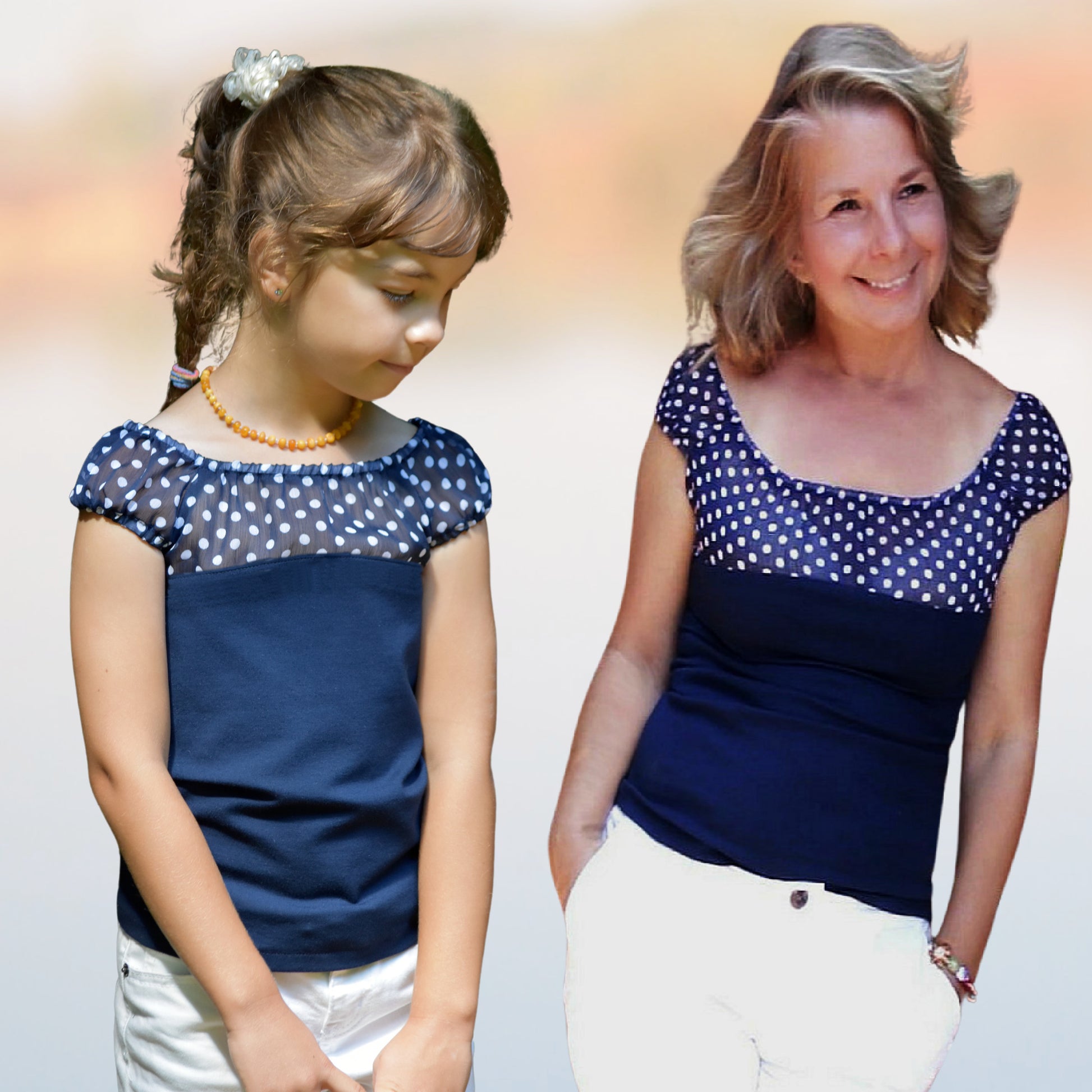
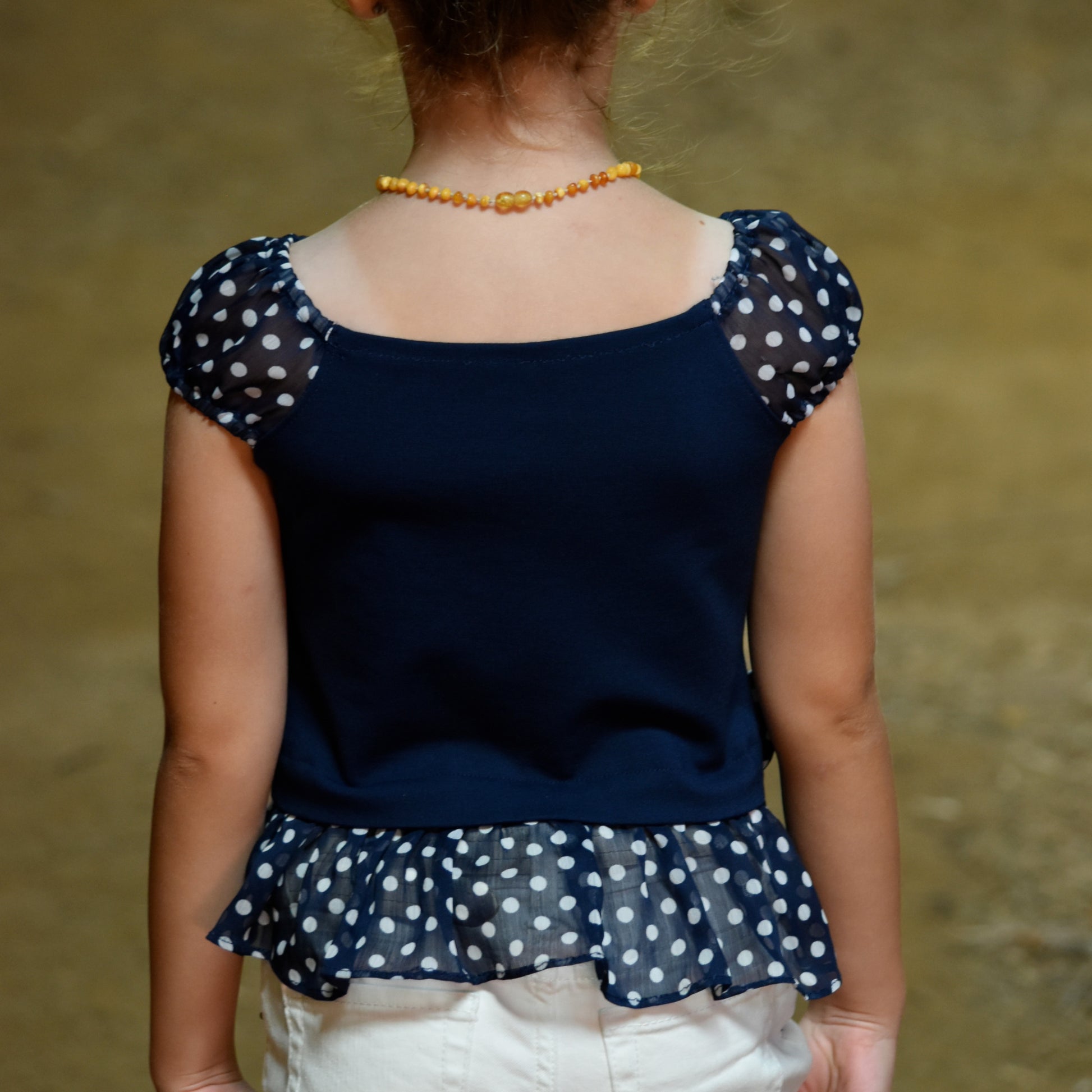
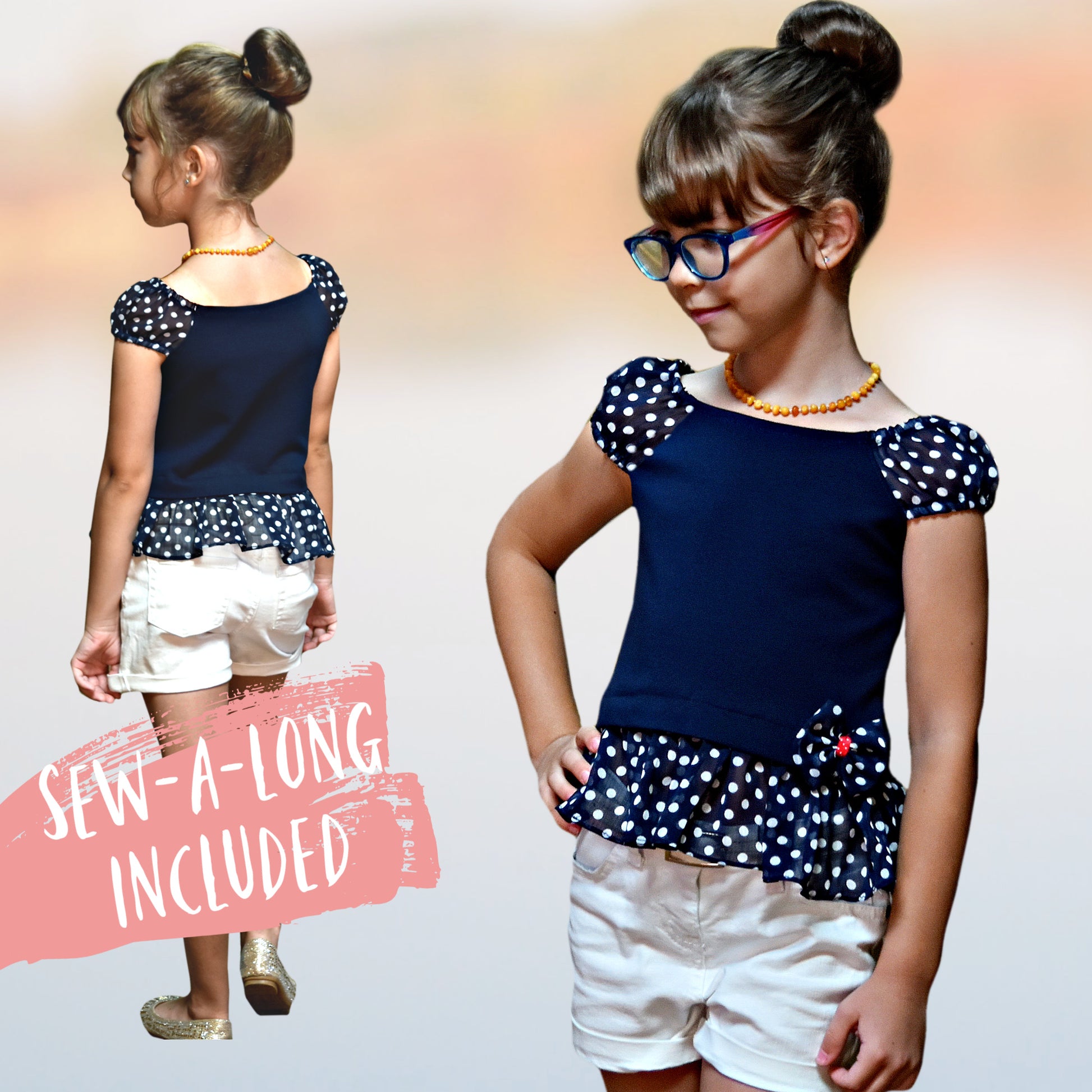
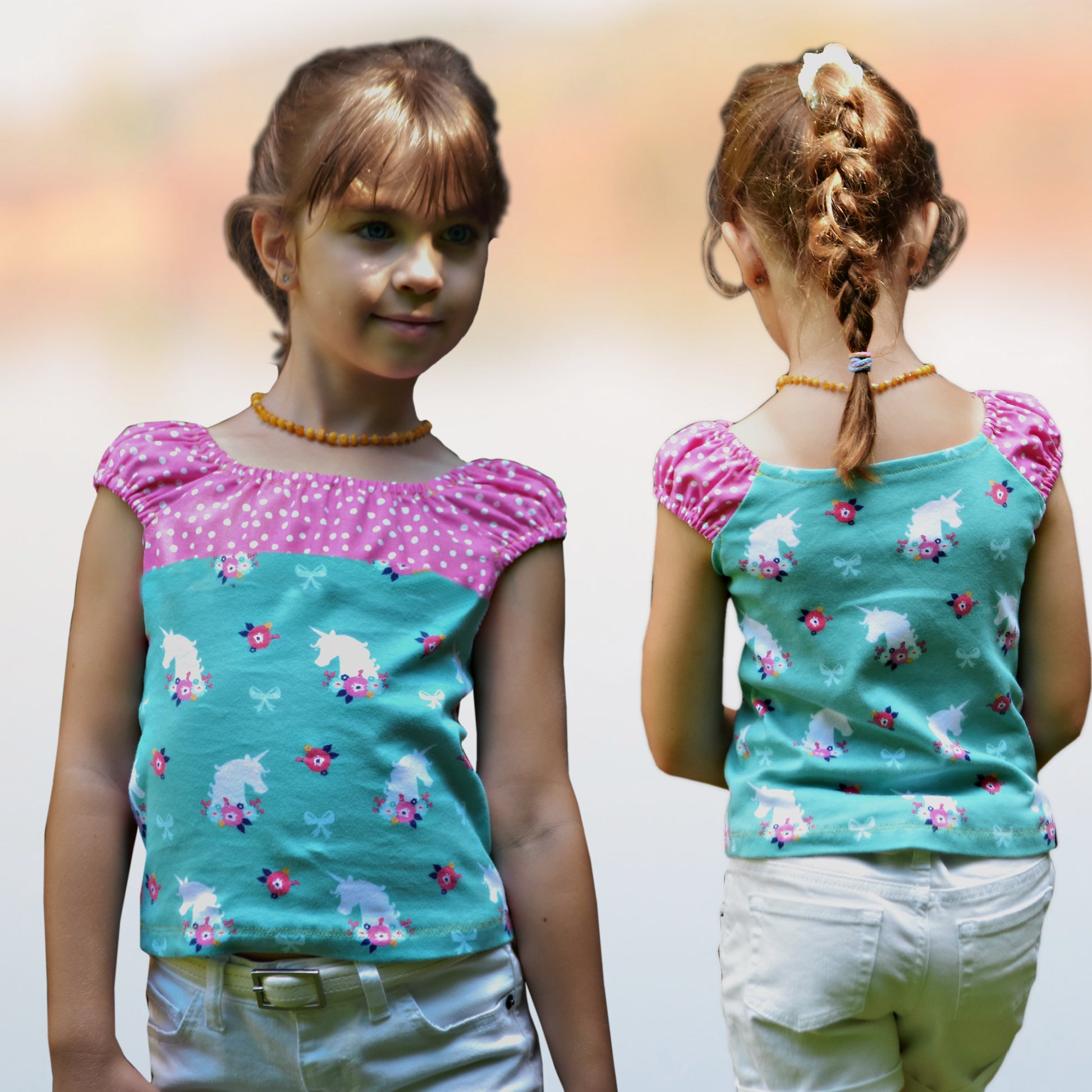
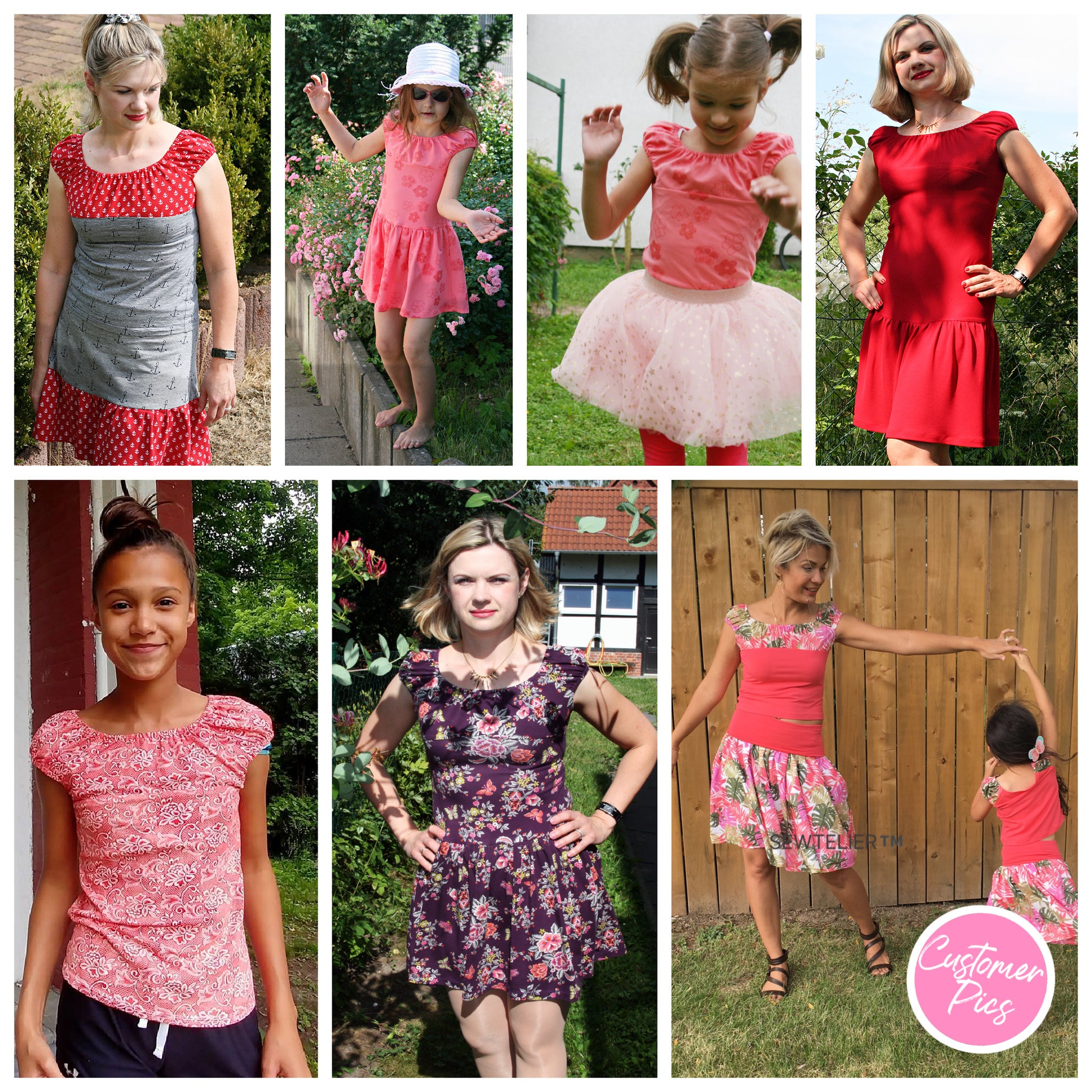
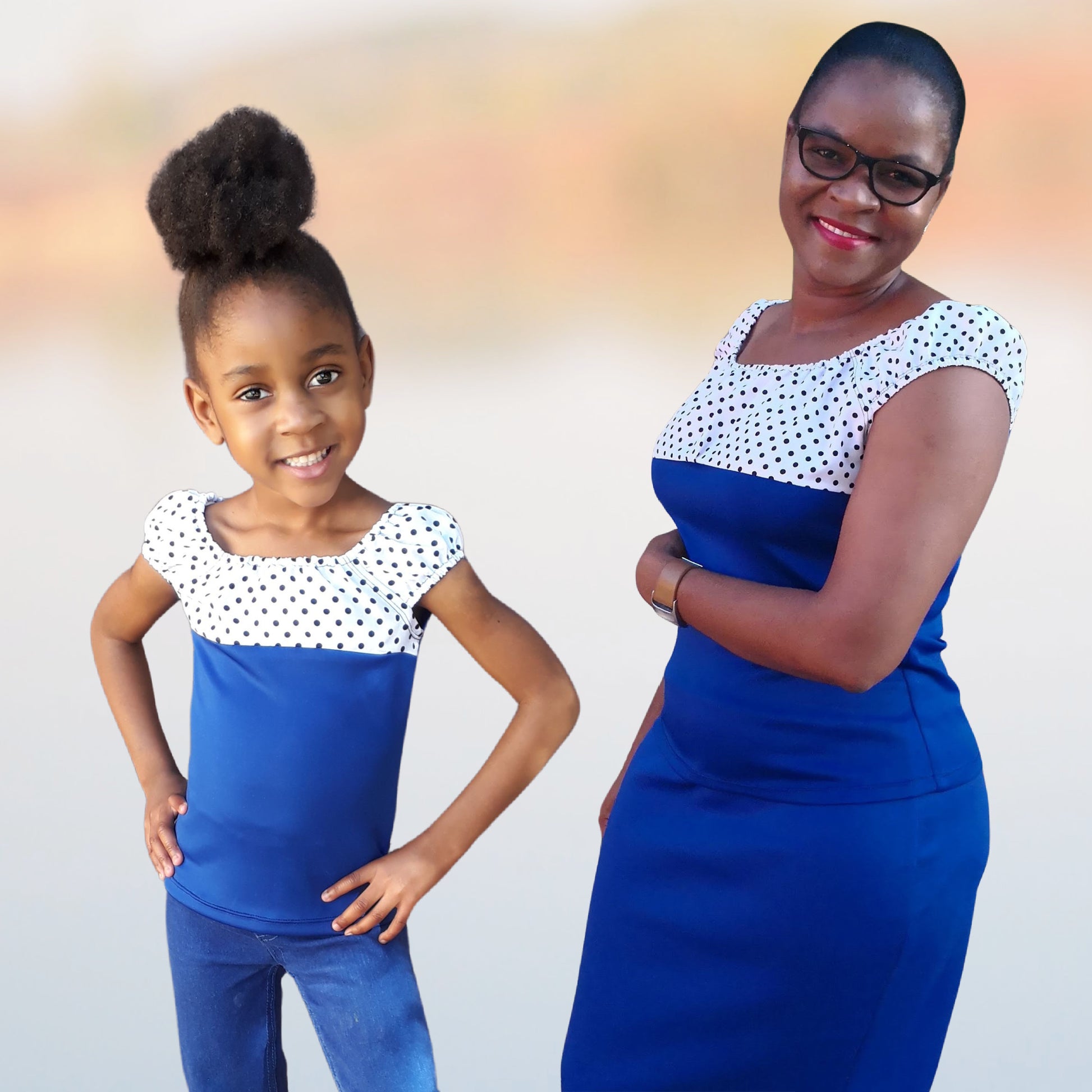
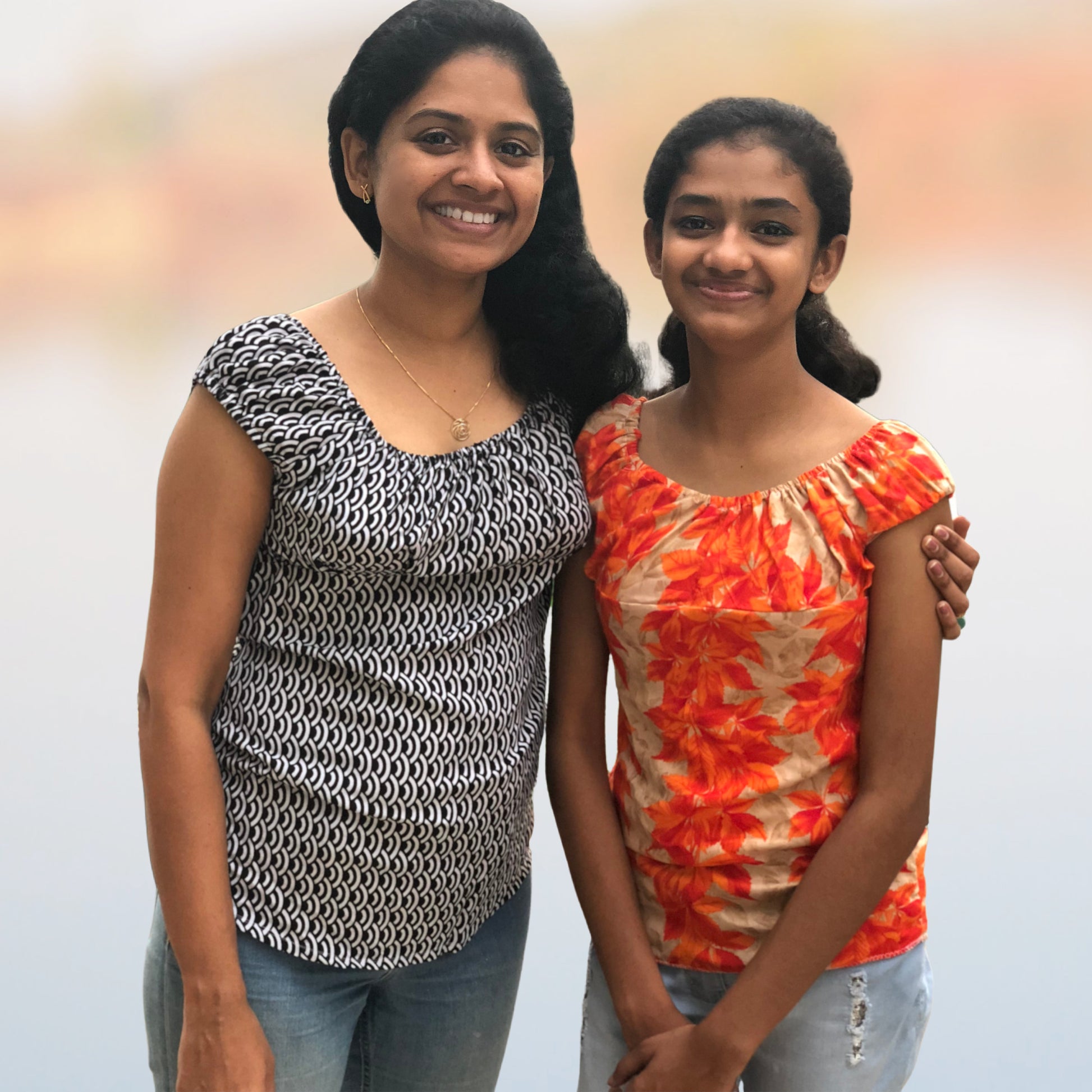
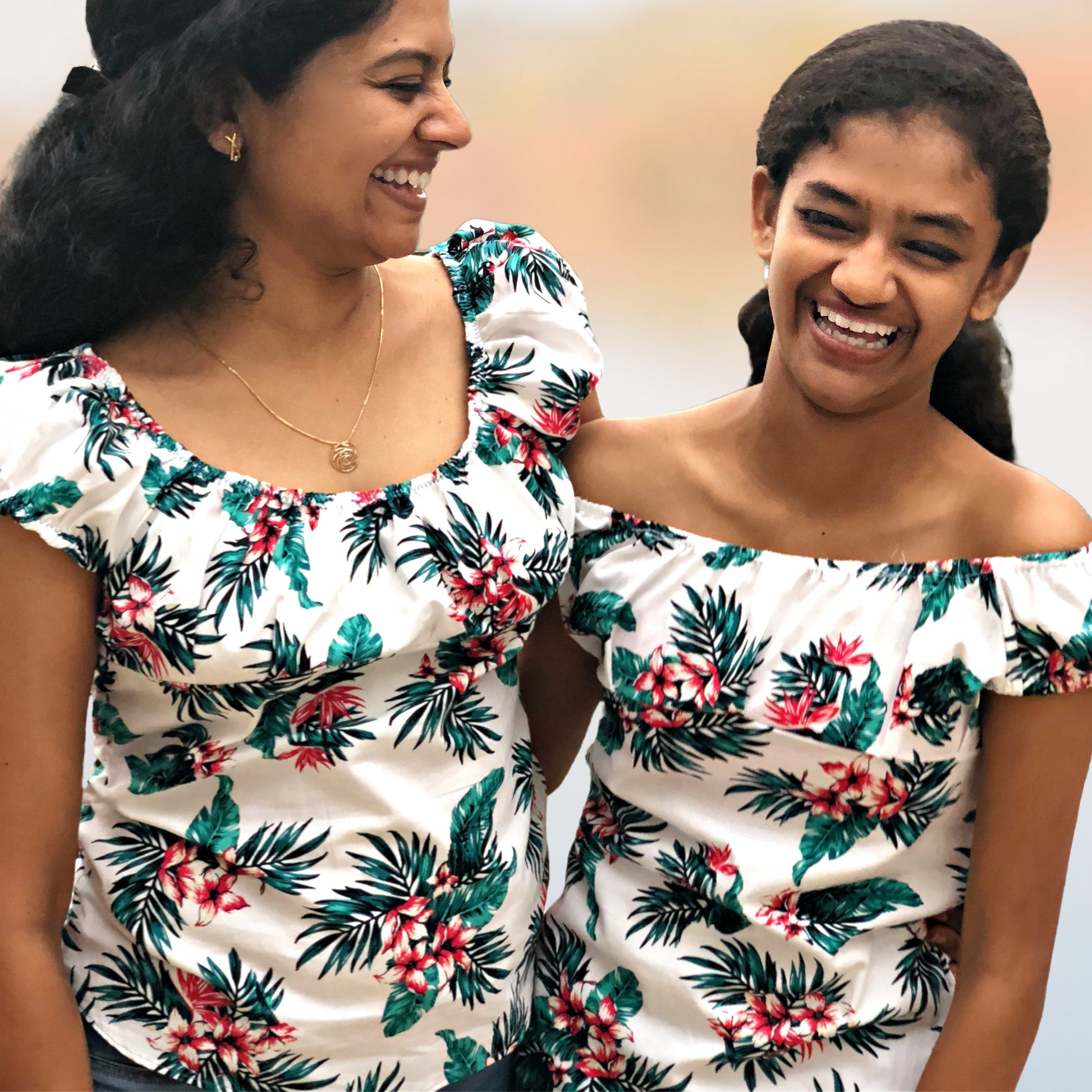
Das Rosalie Cottagecore Blusen Schnittmuster ist perfekt für Mädchen und Teens. Mit gewebter Passe, Jersey‑Bodice, Gummizug am Halsausschnitt und Puffärmeln in Carmen-Optik bringt diese romantische Trachten Bluse alles mit, was wir an Cottagecore lieben.

Diese anfängerfreundliche Bluse ist schnell genäht – und mit Marinas Video‑Tutorial fühlt es sich an, als würde eine liebe Freundin direkt neben dir mitnähen und dich begleiten.


Was ist beim Schnittmuster dabei?

  • Sofort-Download
  • Digitale PDF Schnittmuster
  • DIN A4 Format
  • eBook
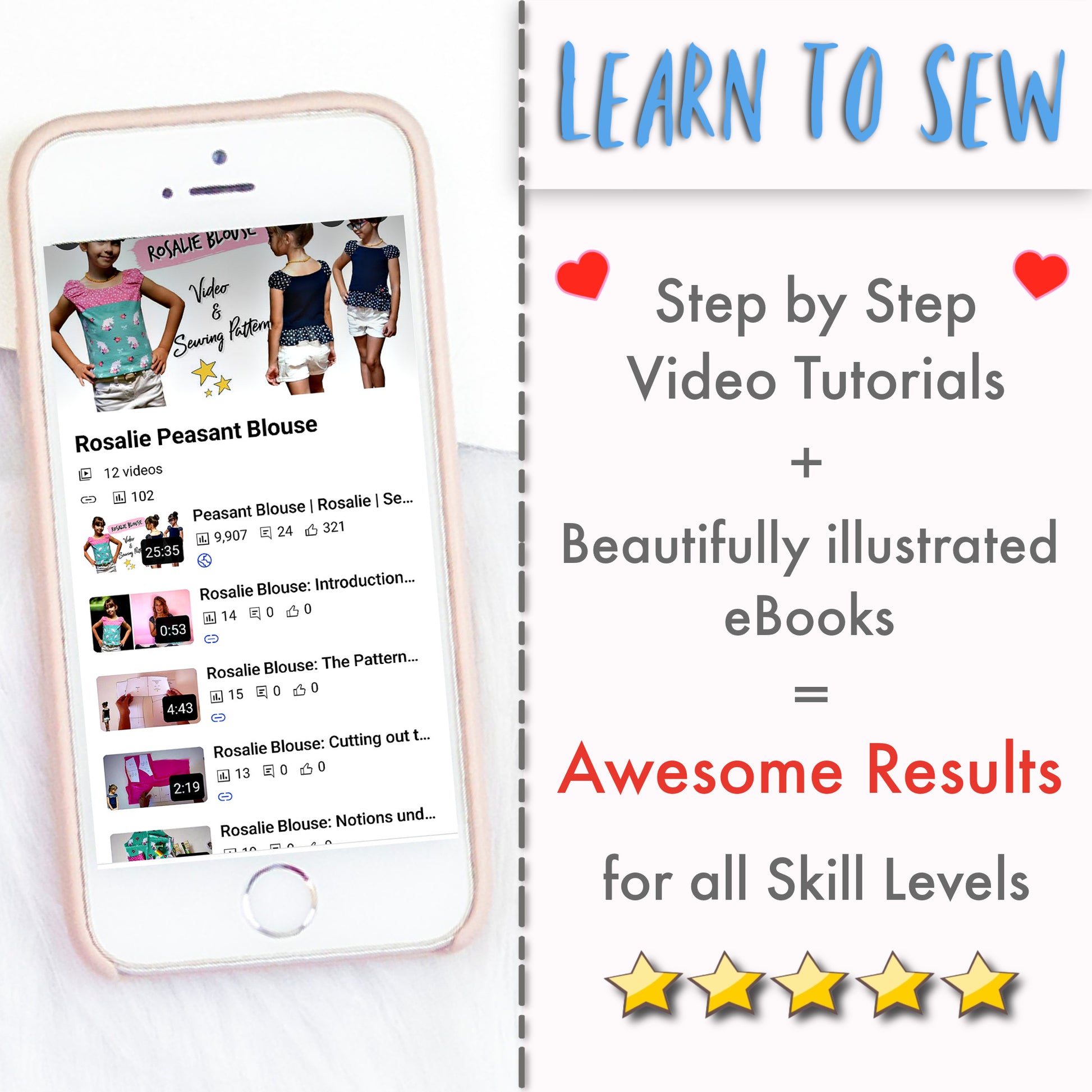
  • Schritt für Schritt Video-Anleitungen

Design

  • Weiter Ausschnitt mit Gummizug
  • Raglanärmel mit Gummizug
  • Passe aus gewebtem Stoff
  • Untere Teil aus Jersey

Stoffverbrauch

STOFFEMPFEHLUNGEN
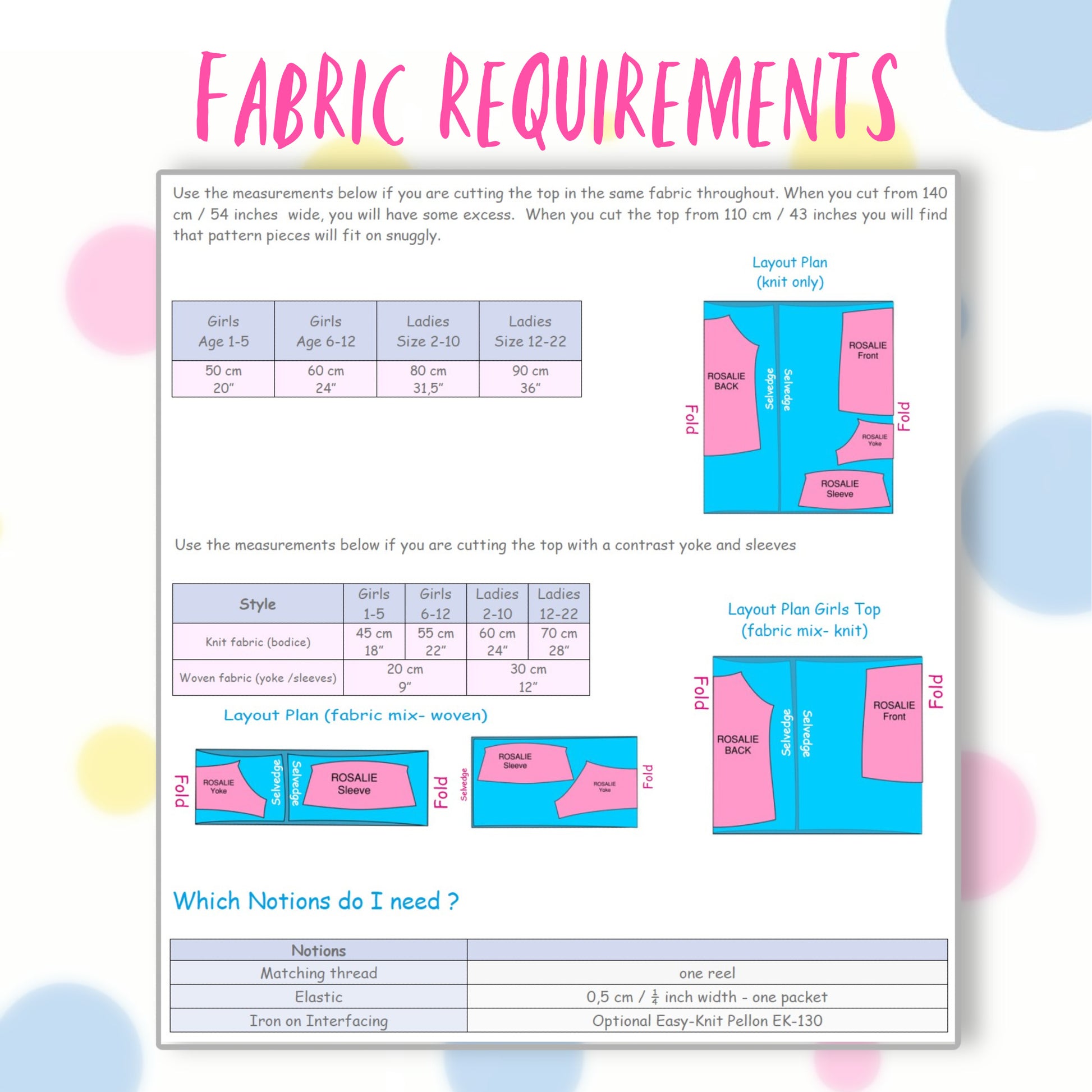
Nähe das Passe aus Chiffon oder bedruckter Baumwolle und den unteren Teil aus einem Jersey mit 2-3% Lycra.

STOFFVERBRAUCH

  • Obermaterial: 50 cm - 1 m
  • Passe und Ärmel: 20 - 23 cm

Verfügbare Größen

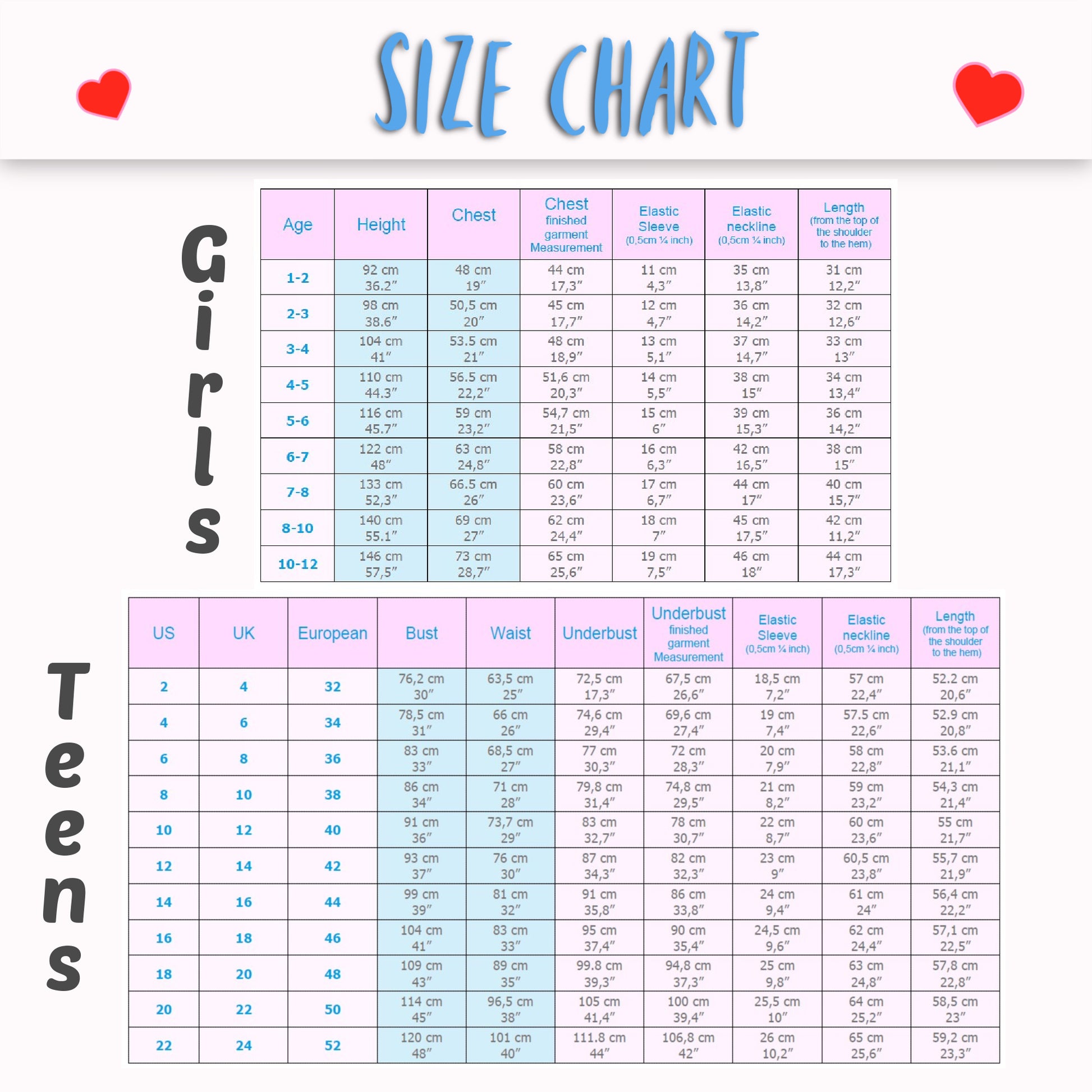
  • Kinder: Größe 92 - 152
  • Frauen: Größe 32 - 48

Bitte beachten

  1. Dies ist ein digitales Schnittmuster oder eine PDF-Datei, kein physisches Produkt. Die Zustellung erfolgt elektronisch über einen Download-Link an die beim Kauf verwendete E-Mail-Adresse. Zusätzlich kann das Schnittmuster von deinem Kundenkonto heruntergeladen werden.
  2. Um sicherzustellen, dass das Schnittmuster in seiner tatsächlichen Größe gedruckt wird, wird die Verwendung von Adobe Acrobat Reader empfohlen.
  3. Kleine Betriebe: Ich freue mich wenn meine Schnittmuster dir helfen, tolle Bekleidung für deine Kunden zu nähen. Industrielle Produktion ist untersagt.

Kunden werden ermutigt, Frocks & Frolics zu verlinken, wenn sie Projekte, die mit meinen Schnittmustern erstellt wurden, in sozialen Medien teilen.

@frocksandfrolics
#frocksandfrolics

Vollständige Details anzeigen

SCHRITT-FÜR-SCHRITT ANLEITUNG

Thumbnail
EINFÜHRUNG IN DAS PROJEKT
Thumbnail
DAS SCHNITTMUSTER
Thumbnail
ZUSCHNITT
Thumbnail
KURZWAREN & VORBEREITUNG
Thumbnail
DAS VORDERTEIL & DIE PASSE ZUSAMMENNÄHEN
Thumbnail
SEITENNÄHTE & SAUM
Thumbnail
DIE ÄRMEL
Thumbnail
DER HALSAUSSCHNITT
Thumbnail
BONUS: EINE SAUMRÜSCHEN ANNÄHEN
Thumbnail
BONUS: FALTENROCK

VIDEO TEXT

Transcript for the video: Rosalie Peasant Blouse - Introduction to the Project

Hi, I'm Marina, instructor for this course. In this lesson, we are going to make the Rosalee peasant top.

About the Pattern

If you want to purchase the pattern, it is included in the course, and I hope you really enjoy this project.

What You Will Learn

I'm going to show you all the little tips and tricks, including how to put a simple hem and how to sew it in the standard way. We will also look at how to add a small skirt so you can turn it into a little dress. There are many options for this design.

Getting Started

So let's get started, and I'll see you in the course.

Transcript for the video: Rosalie Peasant Blouse - The Pattern

Printing and Pattern Assembly

Your pattern comes in US Letter size and A4. If you're in Europe, use A4, and if you're in America or Canada, use US Letter size.

On the very front page, you'll find a little diagram that shows you how to assemble the pattern. You also need to make sure that your test square measures either 1 inch or 5 centimeters. That means everything has printed correctly.

My patterns are nested-size patterns, so they come as individual sizes that you then cut out and put together. You can see that we've got a yellow flower. It's always the sleeve that has the yellow flower. Then I've got a white flower for the front, and I've got a pink flower for the back. You've also got attachment lines, so it's easier to put the pieces together.

The first thing to do is cut them out, and now we're going to assemble them. You can look at your little chart to see how that is done. Here, I can clearly see the back has two pieces, so I find the corresponding piece, which also has a pink flower, and I simply tape those together. That's my back.

The back is only one long piece, which will be placed on the fold, so that's very easy. You can see it on my assembly plan.

Now I'm going to do the front. The same applies. You get rid of that attachment line. I add those because it's much easier to put pieces together if you have one overlapping the other. Tape it together and move on.

The last and final piece is the sleeve. The sleeve has a yellow flower, so overlap it at the attachment line and tape it together.

Adjusting the Sleeve

If you wanted to make this wider and add more gathers, especially if you're using a very lightweight fabric such as chiffon, you can simply spread the pattern apart a little. If you feel there aren't enough gathers for chiffon, just push it apart slightly before cutting. That way, you can add more fullness.

Using the Yoke and Front as One Piece

Here we're looking at the yoke and the front. You can see that the yoke is a bit bigger than the front piece, and the front piece is stretched onto the yoke to fit.

If you wanted to use the front as one single piece to create a different look, overlap it on the side by 2 centimeters because that's the seam allowance of both the yoke and the front piece. Then make sure that the front edge is parallel between the yoke and the front. That way it's nice and straight.

After that, trim away the excess that you do not need, and you'll have an entire front piece that you can use for a slightly different look.

Understanding the Sleeve Shape

Now we've got the front, the back, and the sleeve, and we're ready to go. The sleeve simply sits between those two pieces. It's very easy.

You can see that this is the top edge, the short edge, and it's got a little kink in it. That's so when we fold it over to do the turn-up for the neckline, the fabric actually sits edge to edge. If it were completely straight, it would pull upward and become a little tight.

This doesn't make much difference when using jersey for the yoke, but if you use a woven fabric, it makes a big difference. It's much easier to sew in this little curve.

Again, this is also the line through which you could make the whole thing a little wider if you like. That's a matter of taste, but I thought I'd point it out.

Length Options and Fit

The last thing I want to point out is the length. You've got two lengths. They are the same on the girls' version. On the latest version, there's a dropped-waist option and a hip-length option.

The other difference between the ladies' pattern and the children's pattern is that the ladies' pattern has an extra dashed line that sits slightly farther inward. That line creates a tighter fit.

If you're making a dress out of it, it will look much nicer if it's fitted closely through the back because then you don't get that unsightly little wrinkle that often appears with jersey garments. It needs to be fairly snug at the back.

If you're making it as a T-shirt, you can simply use the solid line.

That's it, and I hope you enjoy making it. We're now ready to cut out.

Cutting Out the Fabric

Transcript for the video: Rosalie Peasant Blouse - Cutting Out

Now we're ready to cut out the fabric, and I'm going to show you how to lay it all out in miniature because I don't want to cut a large one again. This way, it all fits on the table, and you can see exactly what I'm doing.

The important thing when you're cutting out is that you have two folds. You're folding in the fabric from both sides and placing the pattern pieces onto those folds exactly. Then you can put the yoke on and the sleeves as well. That way, it's very easy to cut everything out.

The other option, especially for the smaller sizes, is to save yourself some fabric by placing the front piece on only as much fabric as it needs. Then you'll have more fabric left over in the center. This can make quite a big difference in the smaller sizes, where you'll often have a lot left over.

When you're cutting it out for real, you can make a much deeper fold. Fold the fabric over again, and then you can place your sleeve and your yoke pattern pieces on there. That way, you save quite a bit of fabric.

If you want to cut everything out of the same fabric, that's the method I recommend. If you don't want to use the same fabric and would rather use a contrast fabric, then cut the front and back as shown and use a contrast fabric for the yoke and sleeves.

Usually, you already have something suitable in your fabric stash. I've certainly seen plenty of fabric stashes on Facebook. You can place the yoke on the fold and then cut the sleeves from any leftover fabric you have. It's a great way to use up fabrics from your stash.

And that's it. We are now ready to sew the whole thing together, and I can't wait to see what you come up with.

Let's get started.

Preparing the Pieces

Transcript for the video: Rosalie Peasant Blouse - Notions & Prep

Hi everyone, here’s a quick walkthrough of the top. It is already cut out, and I’m using elastic that is 0.64, though 2.5 is even better. This is just elastic I got from Joann’s.

You can see it here. It’s a quarter-inch elastic. I would recommend using a good-quality elastic, and you can choose either a matching or contrast option.

Fabric Pieces Overview

Here are my sleeves, and I’ve got two of those. Here is my front yoke, and each one is cut on the fold. You want to mark the center at both ends, top and bottom, with a small snip.

Here we’ve got the front piece, the body of the top. Again, snip the top. When you fold this over and line the top and bottom edges together, you can see the lower end is very similar. There is only about a 1-inch difference, so make sure you mark it with a snip evenly.

Also mark the center back with a snip for alignment.

Joining the Yoke and Front Bodice

Transcript for the video: Rosalie Peasant Blouse - Joining the Front & Yoke

Now we’re ready to sew and join the yoke to the front bodice.

Start by placing the yoke on top of the front piece. We’re going to gently stretch the yoke so it fits onto the front. Flip it over and align the center points, then place one pin on the left side. That shows the amount of stretch you need. It’s not a lot.

Some of you might prefer a different method. You could slightly gather the yoke just in the center and then sew it onto the jersey. Either method works depending on your preference.

Stitch with a 1-centimeter seam allowance all the way across. Make sure the edges line up, and stretch very slightly as you sew so the yoke fits smoothly. Lock your stitches at the beginning and end.

You can see here I’ve created a slight curve in the front, which looks really nice.

Overlocking and Pressing

Now overlock the edge. I’m using a Brother overlocker. It’s a very basic and affordable machine. If you don’t have one, that’s fine.

When overlocking, always keep the side that will be visible facing up. Since we’re going to press the seam into the body of the top, the yoke should be facing outward during overlocking.

Pull from the back, never from the front. On my machine, using a straight stitch or incorrect tension would make it too tight otherwise.

Finish by pressing the seam so it sits neatly into the body of the top. You may also want to give it another press from the top for a clean finish.

Transcript for the video: Rosalie Peasant Blouse - Side Seams & Hem

In this chapter, we are going to look at the side seams and the hem.

Now I can put my back piece on and close the side seams. I am going to sew them first and then overlock them. You could overlock both edges directly, or if you have a really good overlocker, you could just overlock and leave it at that. Just bear in mind that if you only overlock and do not sew first, it can make the top slightly bigger, so you may want to trim a little as you go down with the overlocker.

I pin the seam together and sew it as usual with a 1 inch seam allowance. Hold the fabric at the end and keep the edges lined up. It will stretch ever so slightly as you sew, which is actually fine. You can steam it afterward because you want none of your threads to break.

Both sides are now done.

Overlocking the Seams

Next, I go to the overlocker and finish the seam. Because it faces into the back, I need to make sure I keep the side where the yoke is visible as I overlock. Pull from the back and do not pull from the front. Use support from both front and back so the seam remains stretchy.

Now I press the seam.

Overlocking the Hem Edge

Next, I overlock the lower edge of the top. I go back to the overlocker and work from the opposite side compared to the previous seam. Flip it over and repeat the same process. Keep the fabric loose and pull from the back, not the front. Do not overstretch it or pull it out of shape.

We repeat this on the next section as well, again working from the opposite side of the seam we just pressed. The reason for this is to reduce bulk, especially because we are going to snip into the seam in a moment.

Reducing Bulk at the Seam

Now I snip about 2 inches up from the overlocked edge. Then I fold it back into position. This makes the seam much flatter than it would be otherwise. Without this snip, the overlocked layers would create too much bulk.

There is a slight bit of stretch, which is what we want because it prevents threads from breaking. I press this back into place. It is not difficult unless the fabric has been pulled too tightly.

Hem Folding and Pressing

Now I turn up the hem by 2 inches and press it. Keep measuring it as you go. Most people develop a feel for 2 inches over time, but if you are new, it is a good idea to measure.

Hem Stitching

Next, I stitch using a 1.5 stitch setting on my machine, following the guide on the presser foot. I guide the fabric along the edge carefully. I do not stretch it heavily, but because I am using a regular stitch rather than a stretch stitch, there is a slight controlled stretch.

If you have a twin needle, that would work very well here. If you have a cover stitch machine, even better.

I sew all the way to the end, locking the stitches.

Then I turn the top and sew from the other side. I line it up with a guide mark so the stitching runs close together, similar to a twin needle effect. This creates the look of a cover stitch without needing a twin needle. It is faster and simpler.

I finish stitching all the way to the end and lock the stitches again.

Final Press

The hem may have stretched slightly during sewing, so it is important to steam it back into shape. The final result looks clean and neat. With a thicker cotton jersey like this, a quick steam is enough to restore structure and finish the garment properly.

Transcript for the video: Rosalie Peasant Blouse - The Sleeves

Now I can move on to the sleeves, and it is the longer edge that you want to gather.

The first step is to overlock that edge. Again, pull from the back so there is no tightness. You might be tempted to adjust the straight stitch tension, but I find it better not to keep changing machine settings. Once the overlocker is set up correctly, I prefer to just sew and control the fabric manually.

Creating the Elastic Tunnel

Next, we create the tunnel for the elastic. I have my elastic cut to the measurement shown on the chart.

Turn up the edge by 1 inch and press it. If it ends up slightly more than that, it is still fine.

Then stitch very close to the edge of the overlocking. This gives you a tunnel with just enough room for the elastic to move and for a safety pin to pass through easily.

Keep a steady distance from the edge. It can be slightly under or around 1 inch, but never less than that, especially with this type of machine setup.

Inserting the Elastic

Now I thread the elastic through the tunnel using a safety pin.

Start on one side and feed it through carefully. Smaller safety pins can make this easier.

Pull the elastic through until the end reaches the tunnel opening. Be careful not to pull it all the way through or lose control of the other end.

Once in position, stitch across the end to secure it.

Repeat the same process on the other side. Remove the safety pin and allow the elastic to slide fully into the tunnel, then secure that end as well by stitching across it.

Attaching the Sleeve to the Bodice

Now we insert the sleeve into the top.

Place the sleeve with both top edges together first, as there is no left or right sleeve. Make sure you match the small notch or kink correctly when sewing.

Attach one side first, then flip and attach the other side. The jersey may need slight stretching to fit properly, but both sides should remain equal in length.

Pin everything in place and double-check that both sides match before sewing.

Sewing and Overlocking the Armhole

Now sew the sleeve into the armhole.

Then overlock the armhole seam. Make sure the correct side is facing up, the side that will be visible on the finished garment. Do not fold over seam allowances while overlocking.

Run your fingers along the seam to ensure there is no tight pulling or uneven tension.

Pressing and Topstitching

Press the overlocked seam into the body of the top so it sits neatly. The seam allowance will sit slightly inside, often less than 1 inch.

Then topstitch close to the edge, roughly foot width from the seam. You can also stitch from an angle or work from the inside depending on your preference.

Do not stretch the fabric while sewing, as this can distort the sleeve shape.

Finish by pressing again to settle the seam and smooth the curve of the armhole.

Preparing the Neckline

Transcript for the video: Rosalie Peasant Blouse: The Neckline

Now we are coming toward the end. I am going to show you how to finish the beautiful neckline, and we are also going to complete the underarm.

We start by overlocking the armhole. Go all the way around, keeping the side you want visible facing up, which is the sleeve side. Make sure you do not fold over any seam allowances while overlocking.

Run your fingers along the seam as you go to ensure there is no tight pulling. You do not want tension building up in the overlocking.

Then press the overlocked seam into the body of the top so you get a small, neat seam line. It may not even be a full 1 inch, just enough to sit cleanly inside.

After that, topstitch about foot width from the edge. Then press the seam into the body on that side as well.

You can also topstitch from the top if you prefer, but here I am working at a slight angle and continuing around. Turn the top inside out as needed. Keep everything smooth and avoid stretching the fabric, because that will distort the shape on the other side.

Reinforcing the Elastic Area

Now we overlock the top edge. Again, make sure the overlocking does not fold over the seam allowances. The sleeve side should face into the body.

Here is a useful trick. Where the elastic will push against the seam allowance, it can become bulky and difficult to pass through. To prevent this, stitch down that seam allowance so the elastic can move more easily through the tunnel.

This step makes a big difference when working with tighter elastic channels.

Creating the Neckline Tunnel

Next, we form the neckline tunnel.

If you are working with a lighter jersey that stretches more, you have options. You can add more elastic, or you can apply iron-on interfacing designed for jersey. If you are concerned about stretch, this should be applied at the beginning along the edge.

Now I am using a Pellon-type stabilizer for this. Fold the fabric down by 1 inch. You could press it first, but I usually rely on feel and experience.

Stitch it down with a 1 inch seam allowance, making sure the elastic channel is not too tight so the elastic can move later. Some people may prefer 1.2 or 1.3 inches at most to give more wiggle room.

Sew all the way across to the other side.

Inserting the Neck Elastic

Now insert the elastic using a safety pin, just like before. Feed it through one end of the tunnel.

Because this tunnel is smaller, stitching down the seam allowance earlier helps prevent the elastic from getting caught. Otherwise, it can be very difficult to pull through.

Guide the elastic carefully until it reaches the other side, then secure it.

Make sure you stitch in the ditch first before continuing, so you do not have to redo anything later.

Distributing the Gathers

Once the elastic is in, distribute the gathers evenly.

Keep slightly fewer gathers at the front and more around the sleeves. You may need to adjust the sleeve width slightly to ensure everything sits correctly.

It helps to test the fit on the child if possible and adjust the gathers based on how it sits.

Once everything is even and balanced, stitch in the ditch over the seam again to secure the elastic so it does not move.

Do this on both sides so the elastic stays fixed.

Completing the Back

Now attach the back section. You can pin it or simply turn it down and stitch it in place.

If you find that the fabric stretches too much, you can use interfacing or adjust by using longer elastic instead. There is also a separate method for that if needed.

Secure your stitches at the end.

You may notice a slight stretch in the finished neckline. Steam this gently back into shape.

The finer the fabric, the easier this step becomes. If you have used longer elastic and reduced gathering in the back, it will maintain its intended length more reliably.

Finished Top

Well done. You have completed a very cute summer top.

Transcript for the video: Rosalie Peasant Blouse - Bonus Adding a Frill

In this clip, I’m going to quickly run through how you can create a beautiful recess seam. It’s very easy, so let’s get started.

We’re basically joining two different fabrics and then pushing the lower layer inward so it looks like there is a layer underneath. It just peeps out slightly, and everything is overlocked together.

It’s a simple technique, and you can use a full width of whatever fabric you are working with, whether that’s cotton or chiffon. I’m using chiffon here, but something like crepe georgette also works really well.

Preparing and Positioning the Fabric

Here you can see I’ve pinned the fabric in place. It goes right to the edge, and I’ve used gather threads to hold all the gathers in position. I’ve sewn it on one side already, and now I can sew it into place.

It is important to use a triple stitch here because it gives the seam stability while still allowing stretch.

At this point, I tuck the fabric in. I actually prepared the chiffon earlier by finishing a small hem all the way around, which makes this step easier.

Now I can sew it down, and at this stage the seam is complete.

Removing Gather Threads and Allowing Stretch

Once done, you remove the gather threads. This is important because the seam needs to stretch, and you can’t stretch it properly if those threads are still in place.

You can see the overlocking still allows stretch without looking distorted or bulky.

Shaping the Recess Seam

Now comes the shaping step. You push the lower layer up into place so it sits neatly underneath the top layer. Move along the seam until you have about 2 centimeters standing up on this side.

It’s best to do this on a larger surface, like an ironing board. It gives you more control. You can either press it or pin it. In this case, I chose to pin it.

Fabric Choice and Considerations

A quick note on fabric choice: the chiffon used here is quite a cheap version from the market. If given the choice, I would usually go for crepe georgette instead.

Chiffon like this is very flat and can be harder to manage. Crepe georgette has a light crinkle, which makes it easier to work with and gives it a bit more movement, almost like it has a slight natural stretch.

Finishing and Stitching the Seam

Pin everything all the way around, then it is ready for stitching.

Stitch along the height of the overlocking, right on the edge. It’s better to sew from the outside rather than the inside, because the underside of stitching can become uneven. From the outside, you get a much cleaner finish.

You can gently stretch as you sew to keep everything smooth.

Optional Embellishment and Final Finish

You can also add embellishments if you like, although it’s not necessary. In this case, I kept it simple and added a bow made from the same chiffon.

And that’s it.

Transcript for the video: Rosalie Peasant Blouse - Bonus Pleated Skirt

Attaching the Skirt to the Dress

In this video, I’m going to show you how to attach the skirt to the dress. It’s really simple, and you can also attach it to the lower waist. Here I’ve used the longer length because I think it makes a really cute school dress.

Let’s get started.

Preparing and Measuring the Skirt

We’ll start by looking at what I’ve done here. I’ve added a piece of fabric to the top, which creates a really cute dress shape. It’s overlocked and topstitched.

To do this, you first measure how long you want the skirt to be. Then you add 3 centimeters: 1 centimeter for the seam allowance and 2 centimeters for the hem.

I take the full width of the fabric and pleat it as I go. You don’t need to measure every pleat precisely. Just pleat loosely and adjust as needed. It’s always better to have a little extra fabric rather than too little.

Make sure the join is hidden underneath one of the pleats. I adjust it so the seam sits underneath the pleat, then hold it in place and sew it all the way across. After that, you can trim and overlock if needed.

The hem can be finished now or later, whichever you prefer.

Checking the Fit

Once sewn, check that it fits. In this case, it fits perfectly, so we can move on.

Now we attach the top to the skirt.

Aligning the Skirt and Bodice

Turn the top so the right side is facing out.

For the skirt, the wrong side should be facing out so that when you join them, the right sides face each other.

Match the side seams of the skirt and bodice first. Pin those together. Then find the opposite side and mark it. You can adjust slightly if needed, but I usually just ease it in as I go.

Add a few extra pins in between if necessary, but there’s no need to overcomplicate it. This is meant to be quick and simple.

Sewing the Waist Seam

Now sew the waist seam using a triple stitch. This is important because it gives stretch while keeping the seam strong and not bulky.

Sew all the way around carefully, making sure everything stays aligned.

Finishing the Waistline

After sewing, I decided to topstitch the seam allowance down, about a foot width from the edge, to give it a more structured and sporty look.

Then you can finish the hem if you haven’t already done so.

Final Result

And that’s it. You now have another dress made from this pattern. It’s a simple method that allows you to create multiple variations without needing additional patterns.

I hope you found this helpful, and don’t forget to share what you’ve made.

DAS KÖNNTE DIR AUCH GEFALLEN