

Zu Produktinformationen springen
1 von 14

GRACE LANDHAUSBLUSE

GRACE LANDHAUSBLUSE

Filled Circle
Filled Circle
Filled Circle
Filled Circle
Filled Circle
Normaler Preis €7,95 EUR
Normaler Preis Verkaufspreis €7,95 EUR
Sale Ausverkauft

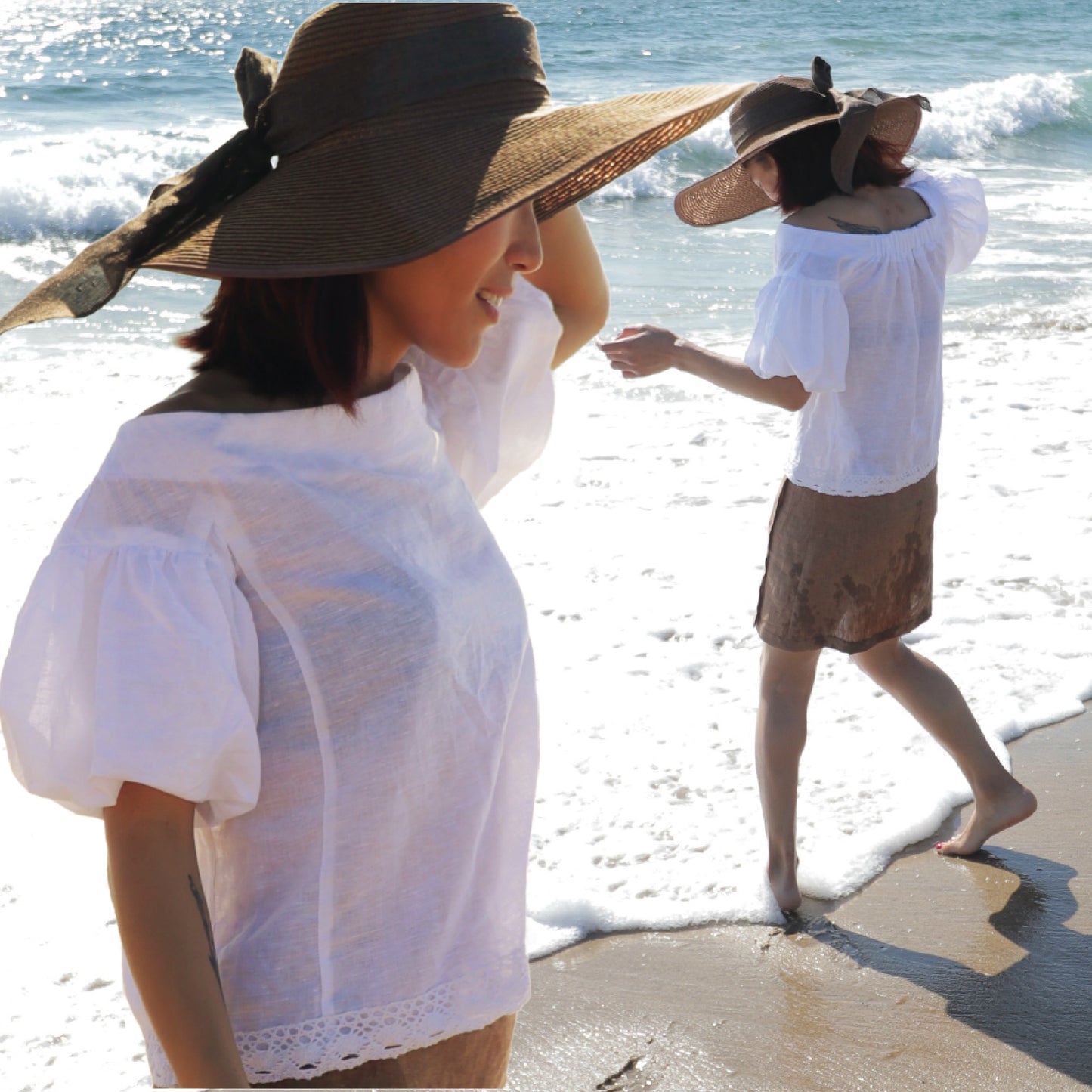
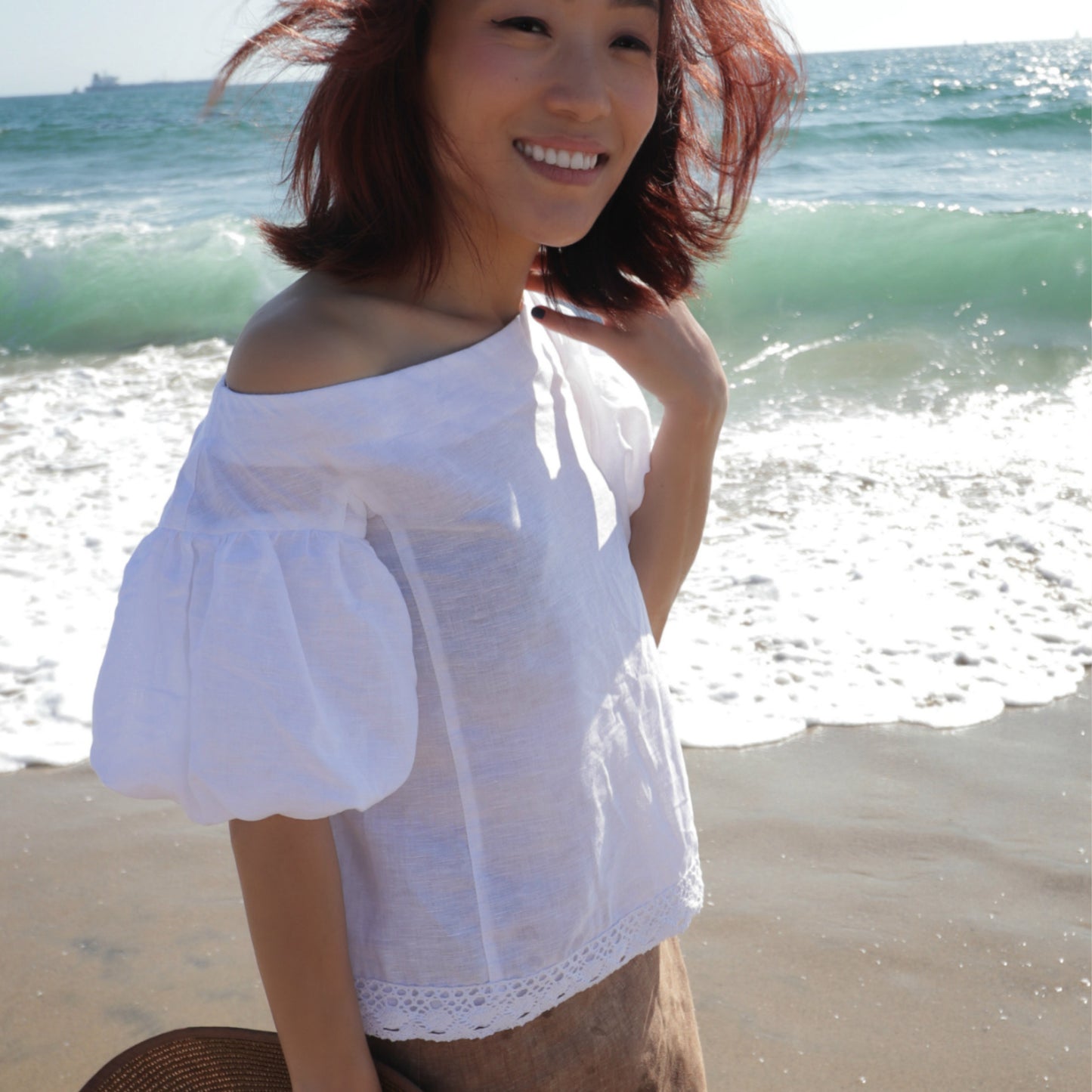
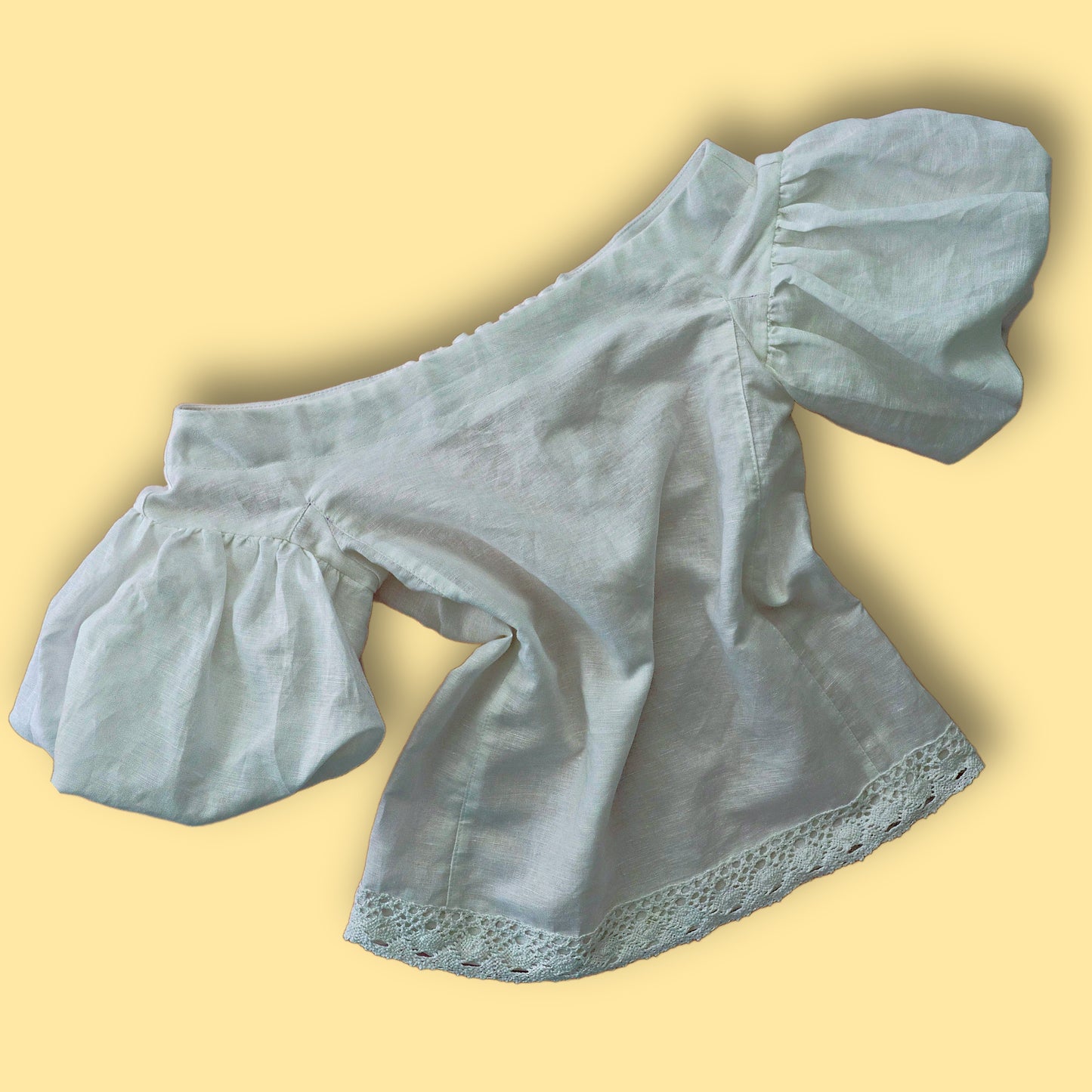
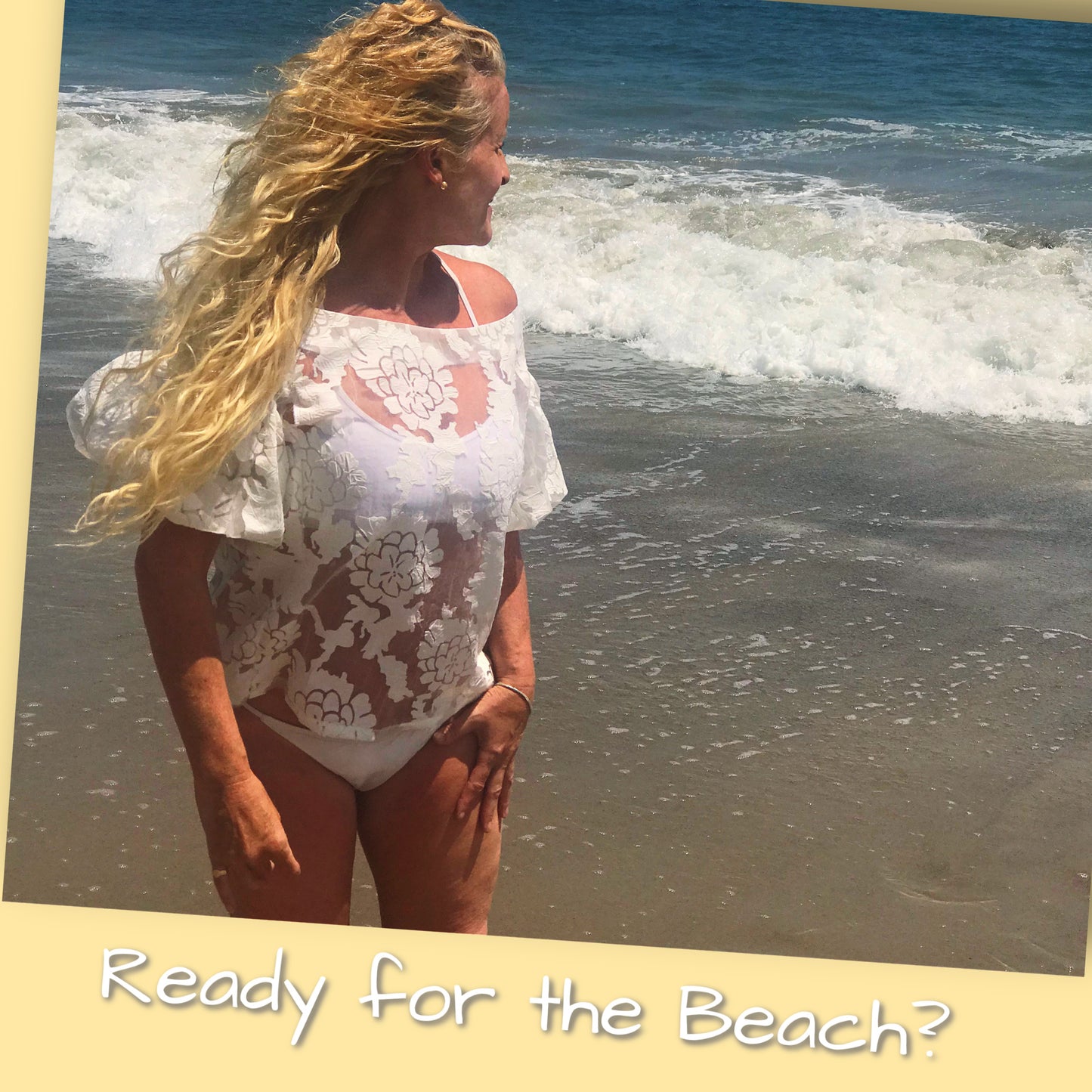
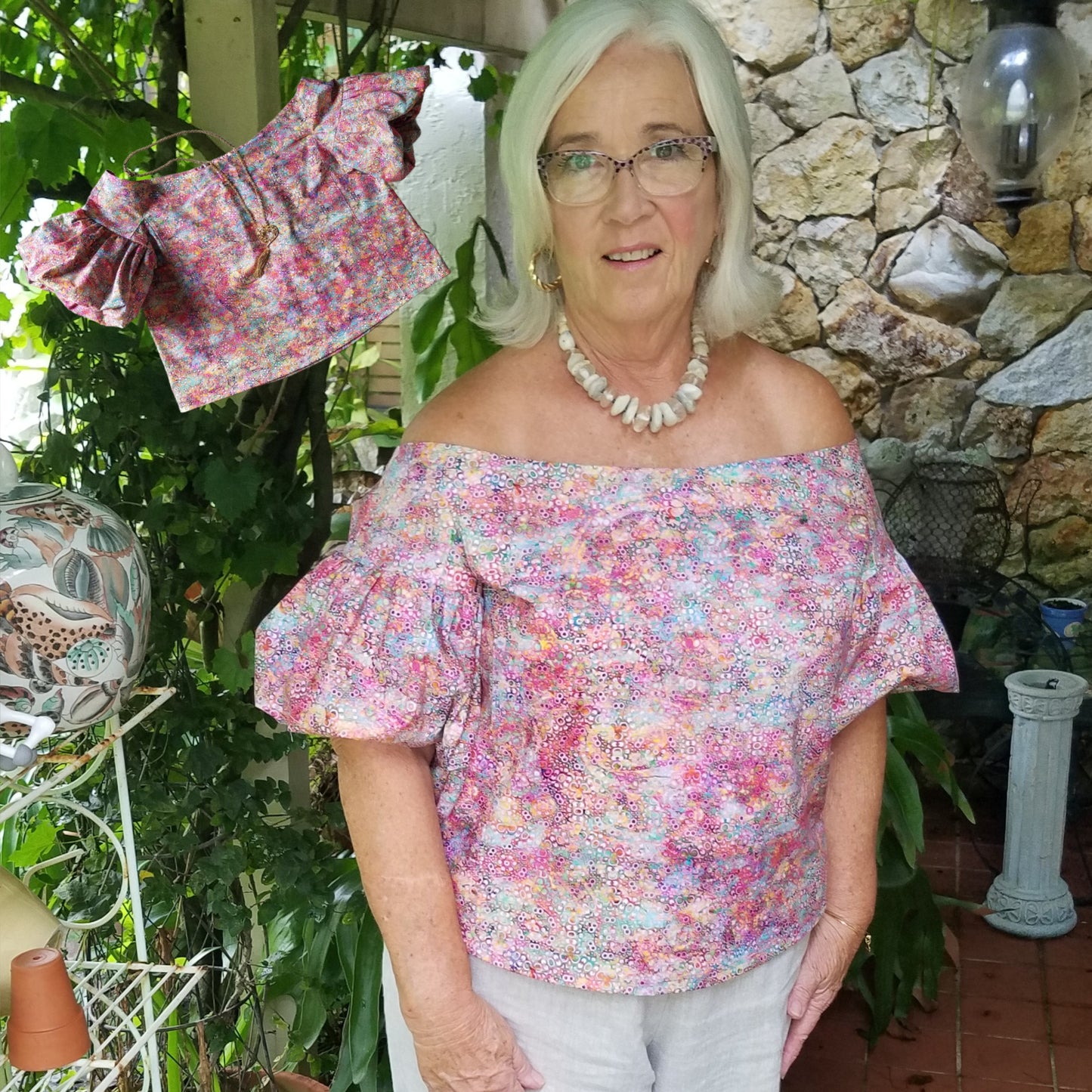
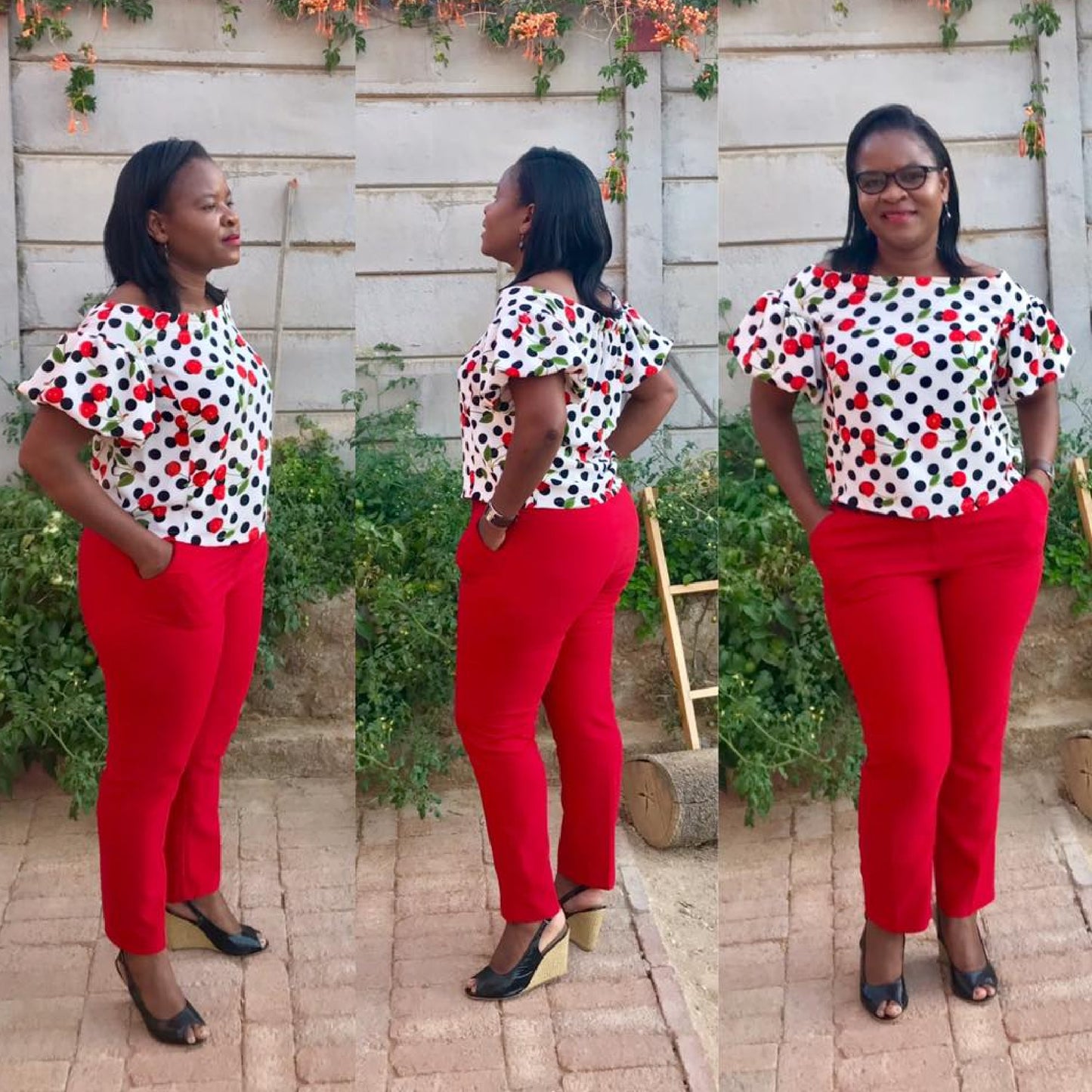
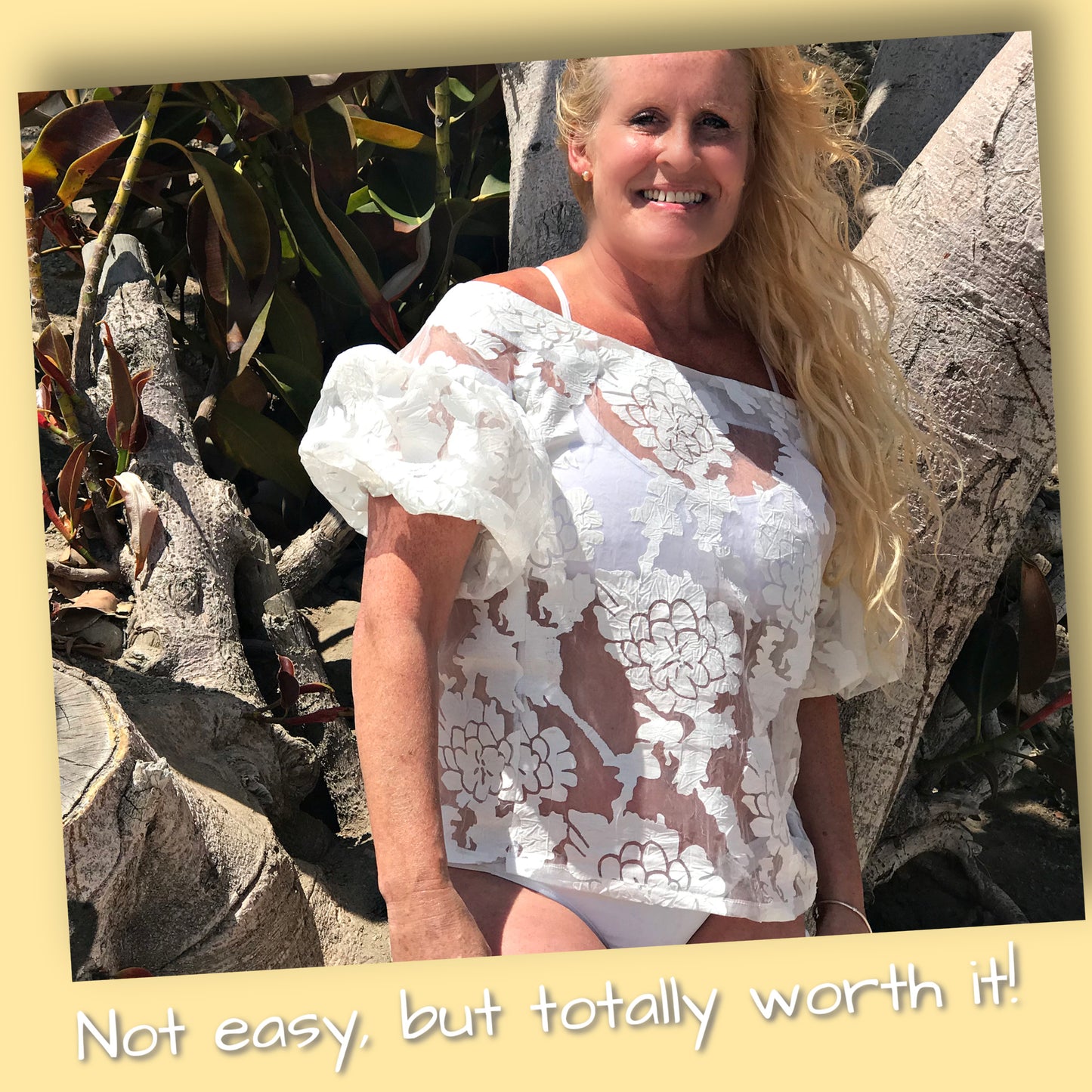
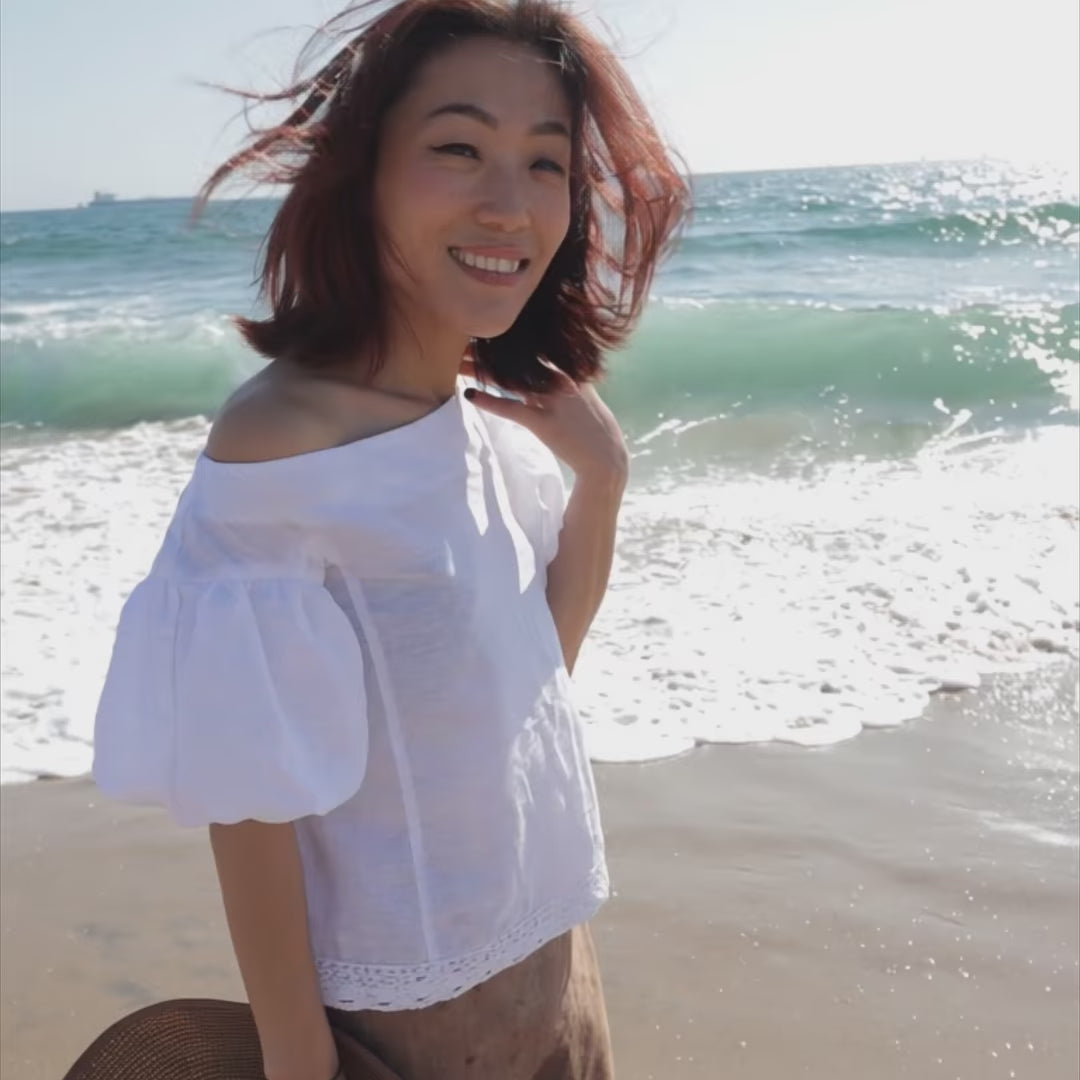
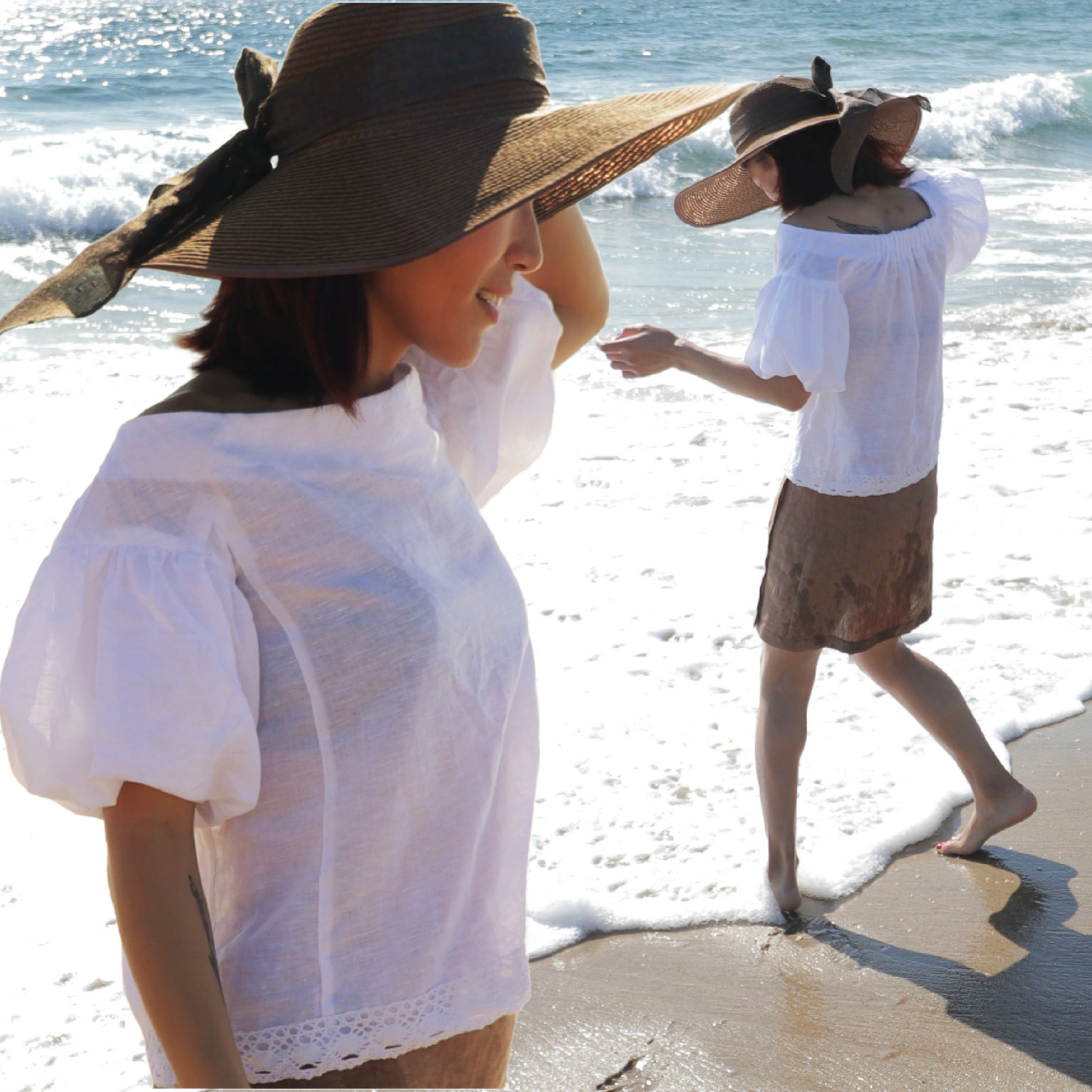
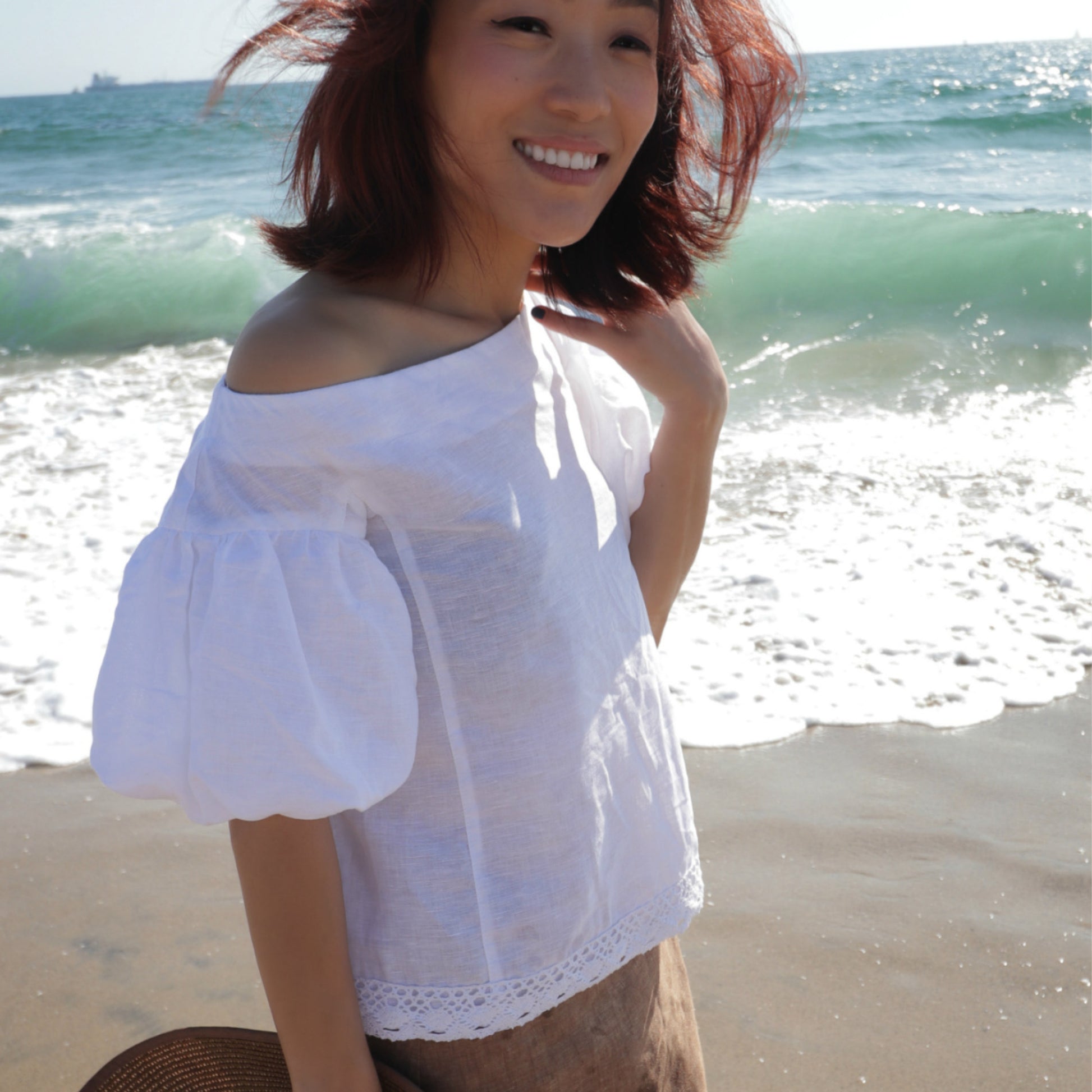
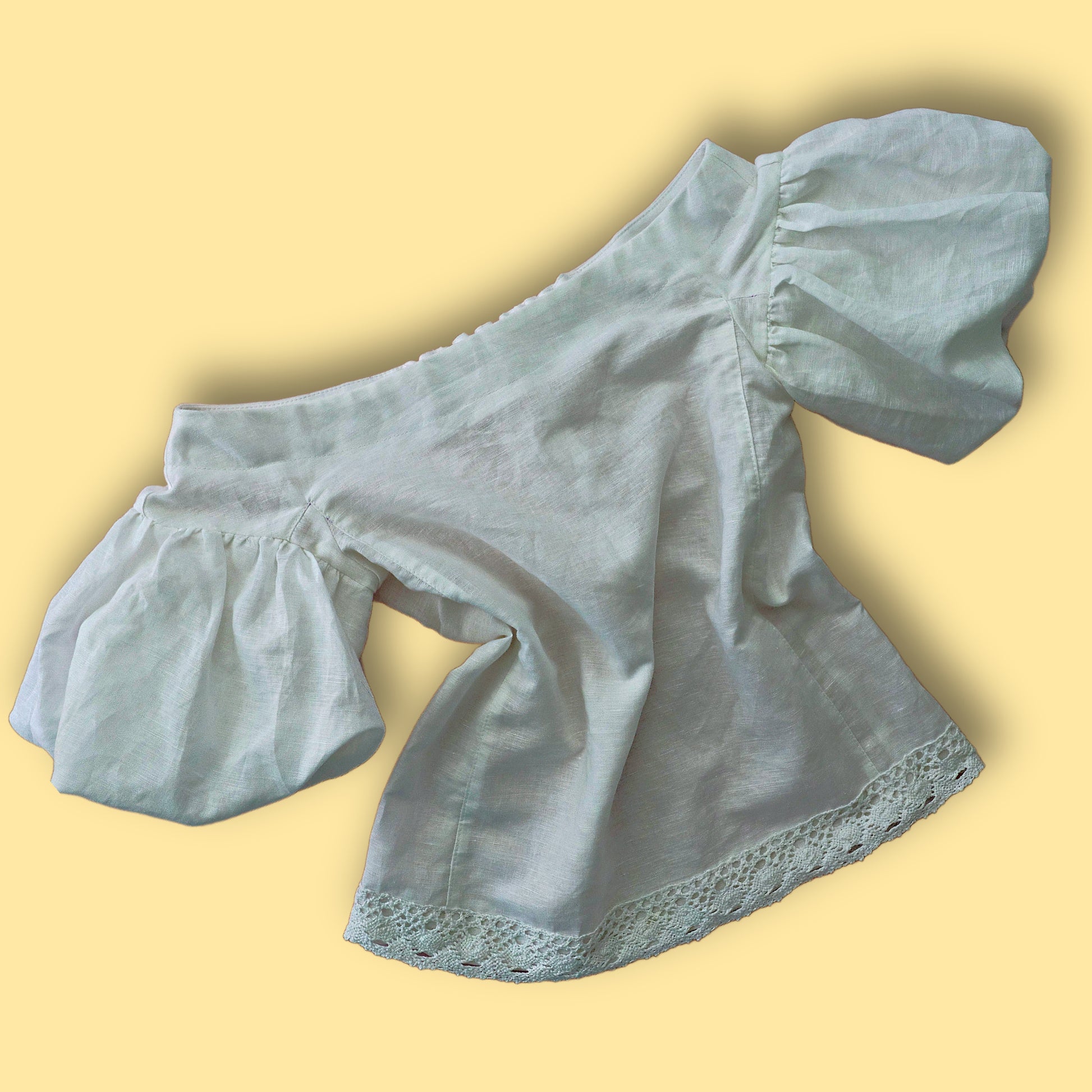
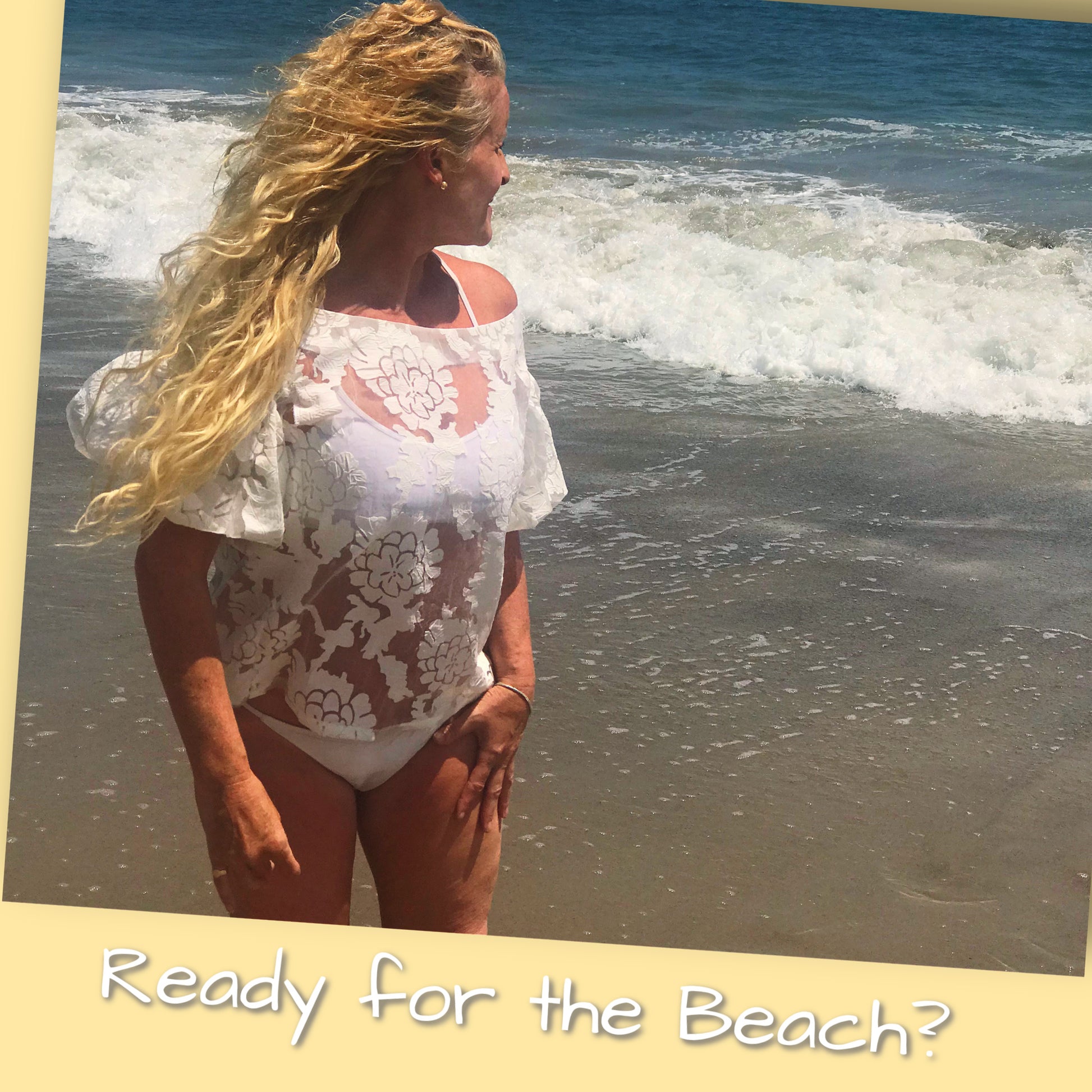
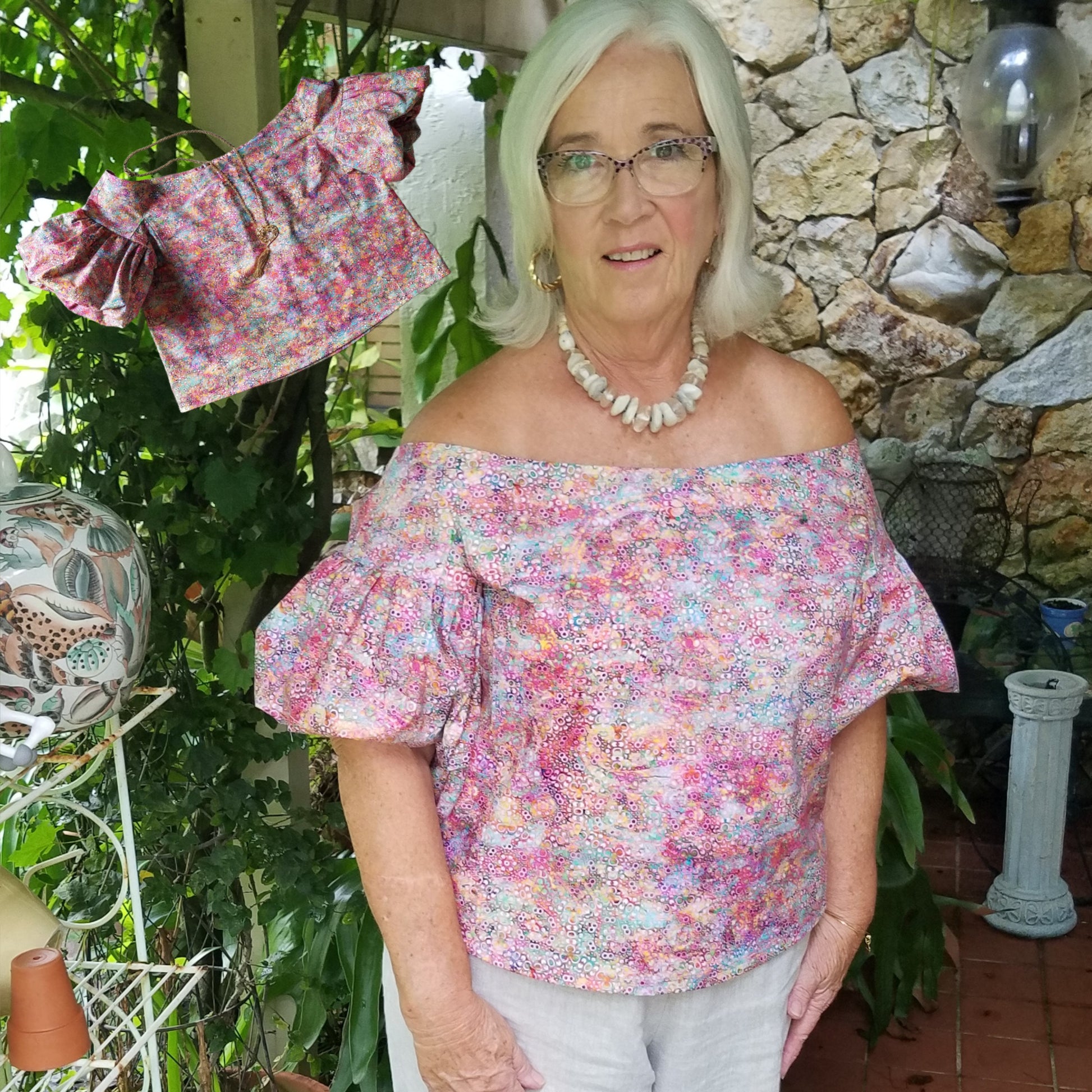
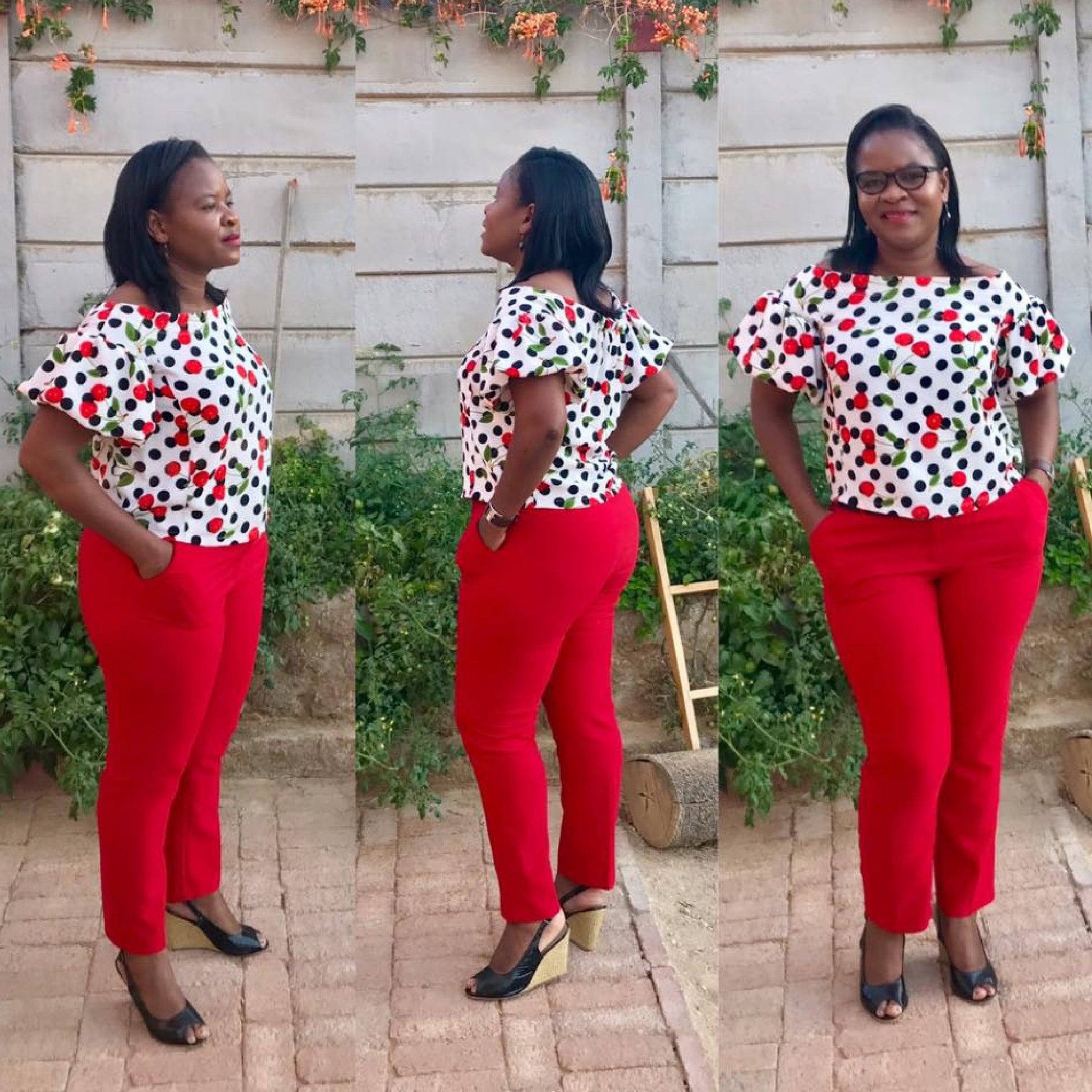
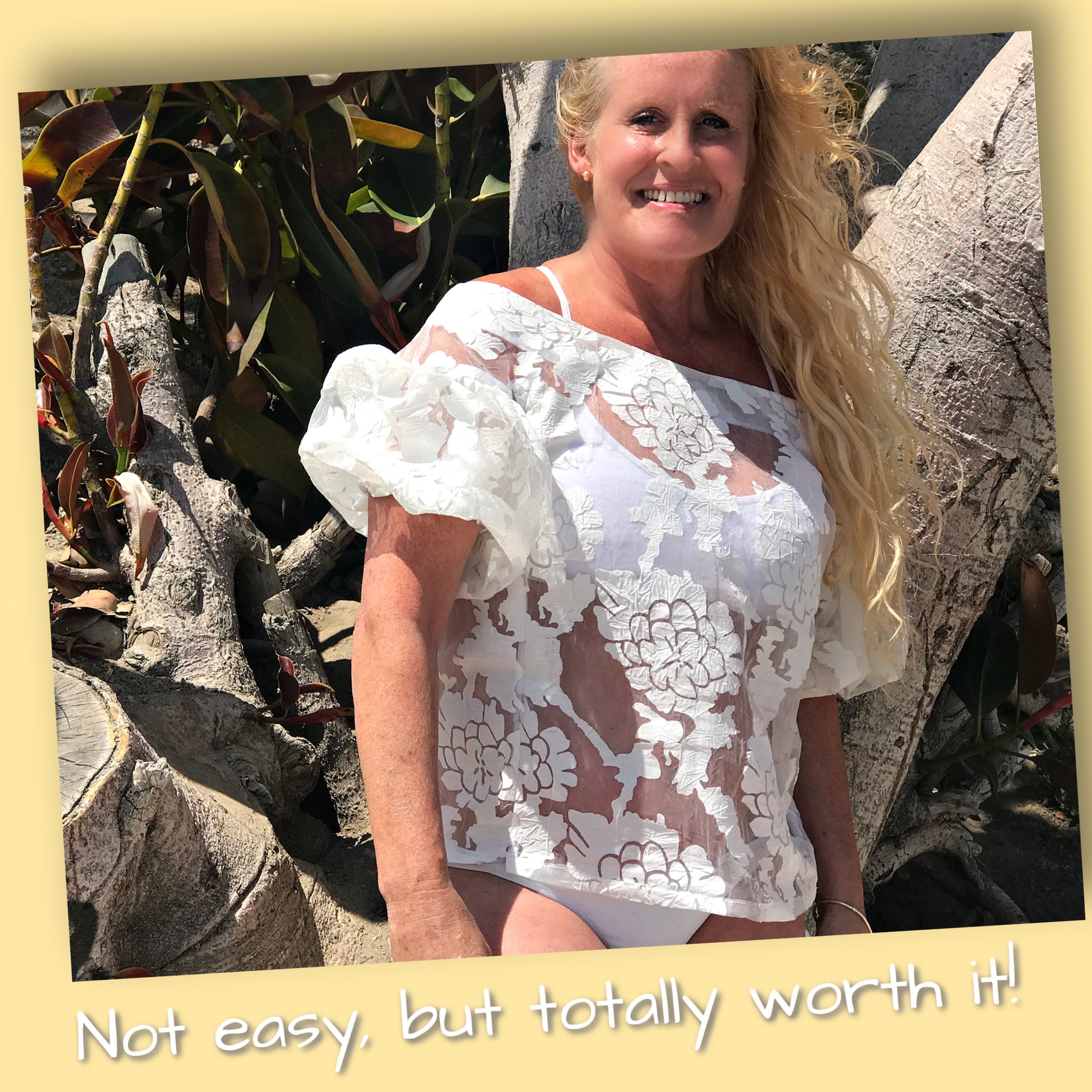
Grace ist ein Schnittmuster für eine romantische Trachtenbluse im Cottagecore‑Look. Als Teen‑ und Damen‑Schnittmuster steht sie wirklich jedem: der gerade Schnitt, der weite Ausschnitt und die traumhaft weiten Puffärmel setzen Akzente und machen unsere Grace Bluse für alle Figuren geeignet.

Grace ist ein etwas anspruchsvolles Projekt und etwas kniffelig, aber keine Sorge: Direkt unter diesem Listing warten Marinas Videoanleitungen darauf, dich Schritt für Schritt zu begleiten.


Was ist beim Schnittmuster dabei?

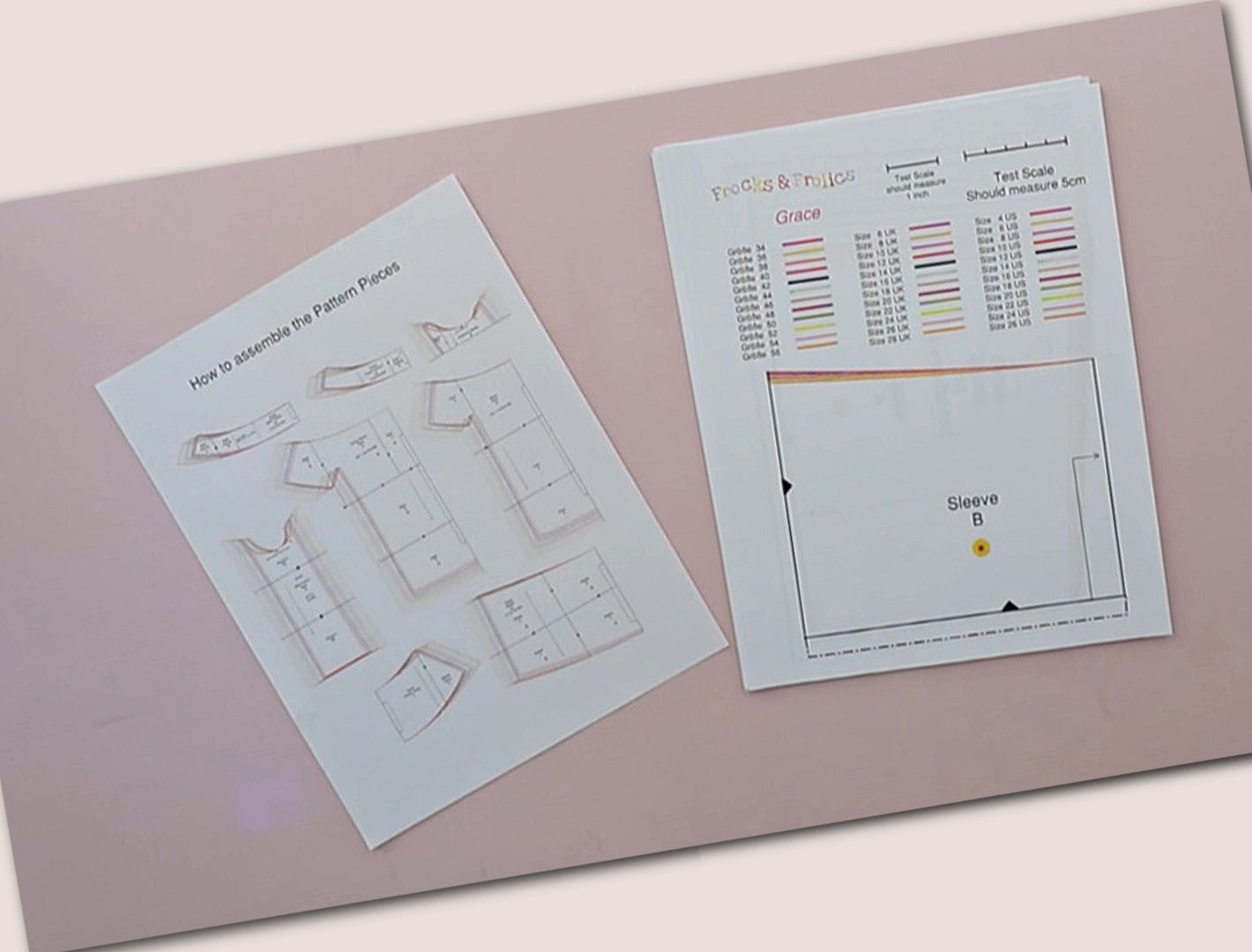
  • Sofort-Download
  • Digitale PDF Schnittmuster
  • DIN A4 Format
  • A0 Fotoshop Kopie
  • eBook
  • Schritt für Schritt Video-Anleitungen

Design

• Wunderschöner weiter Ausschnitt
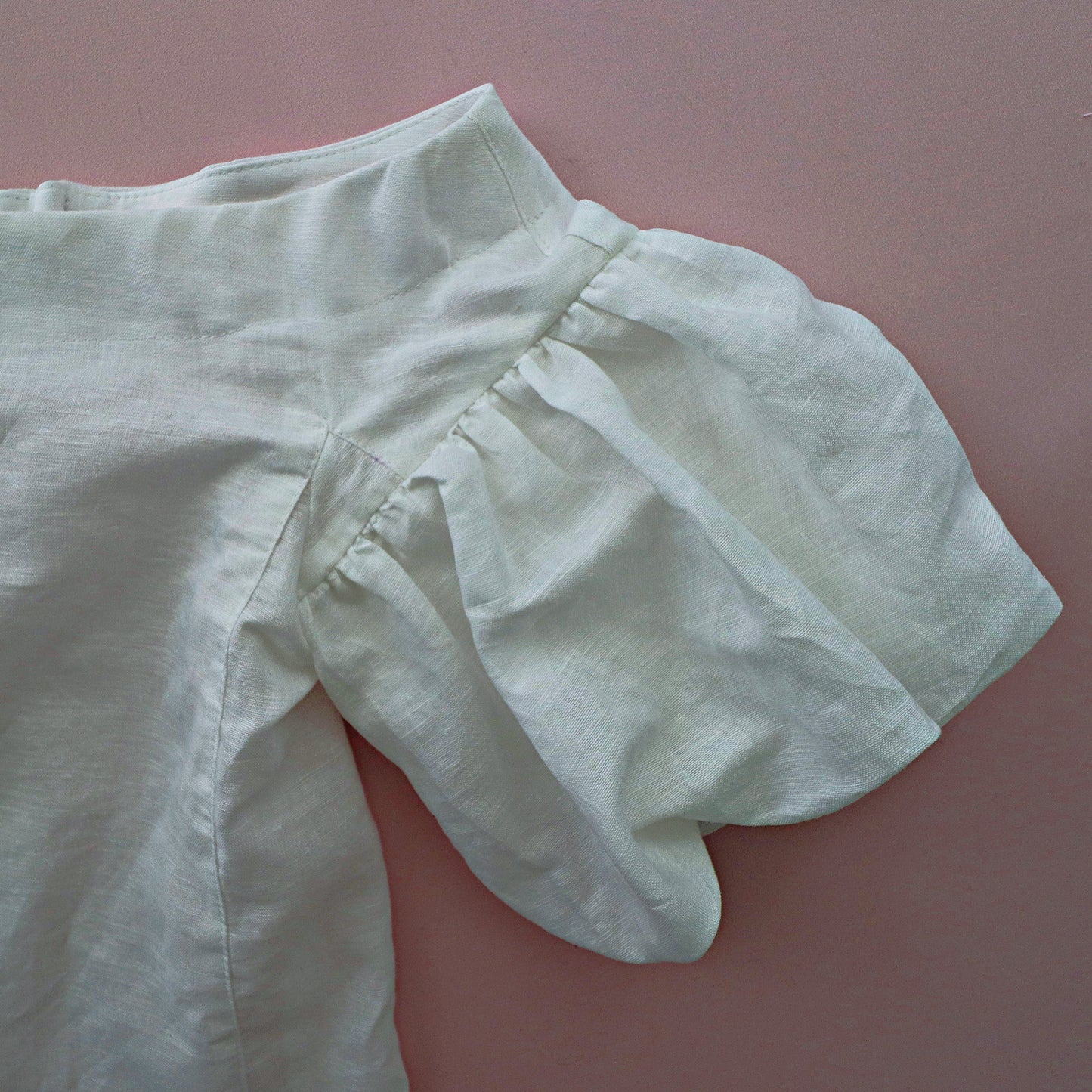
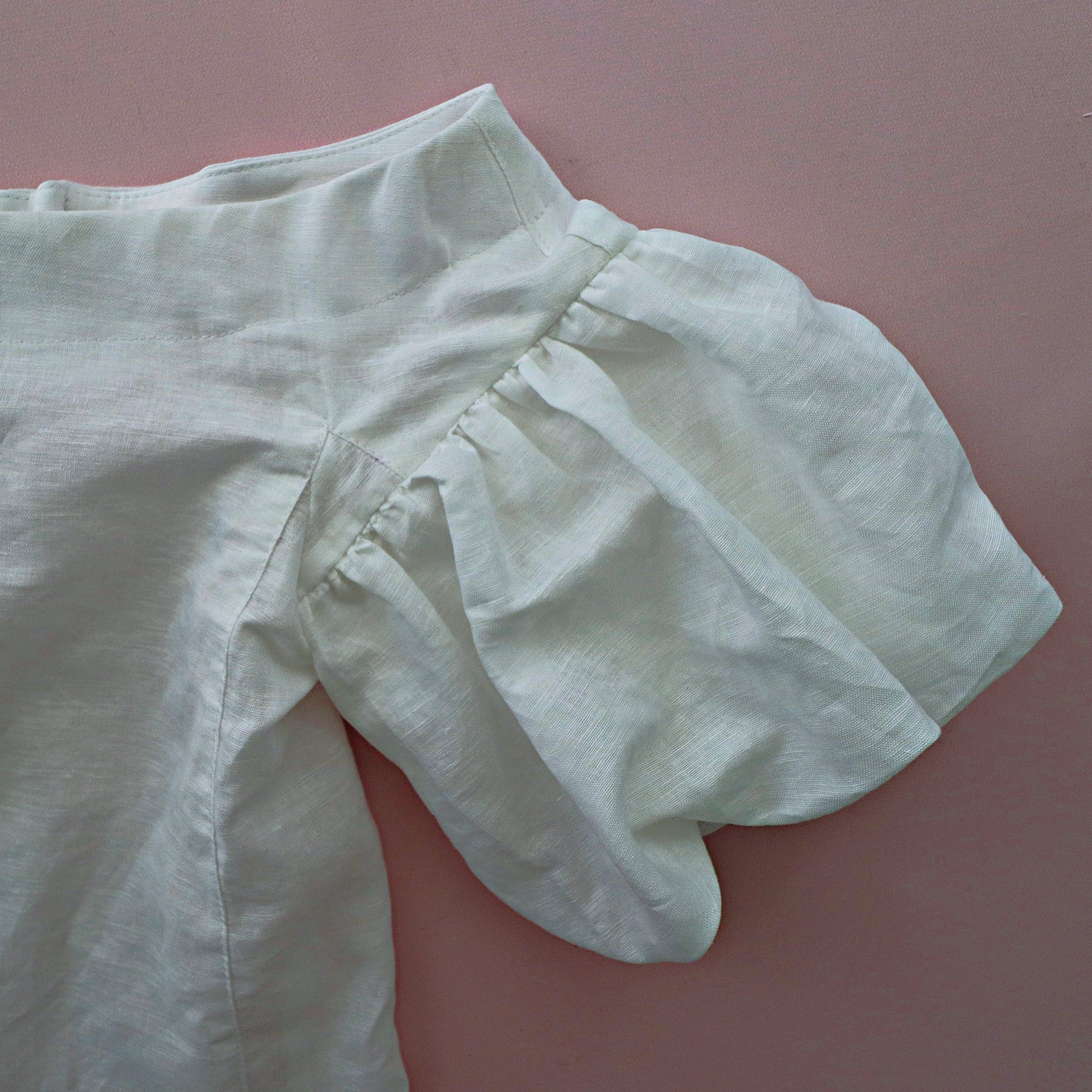
• Ballonärmel
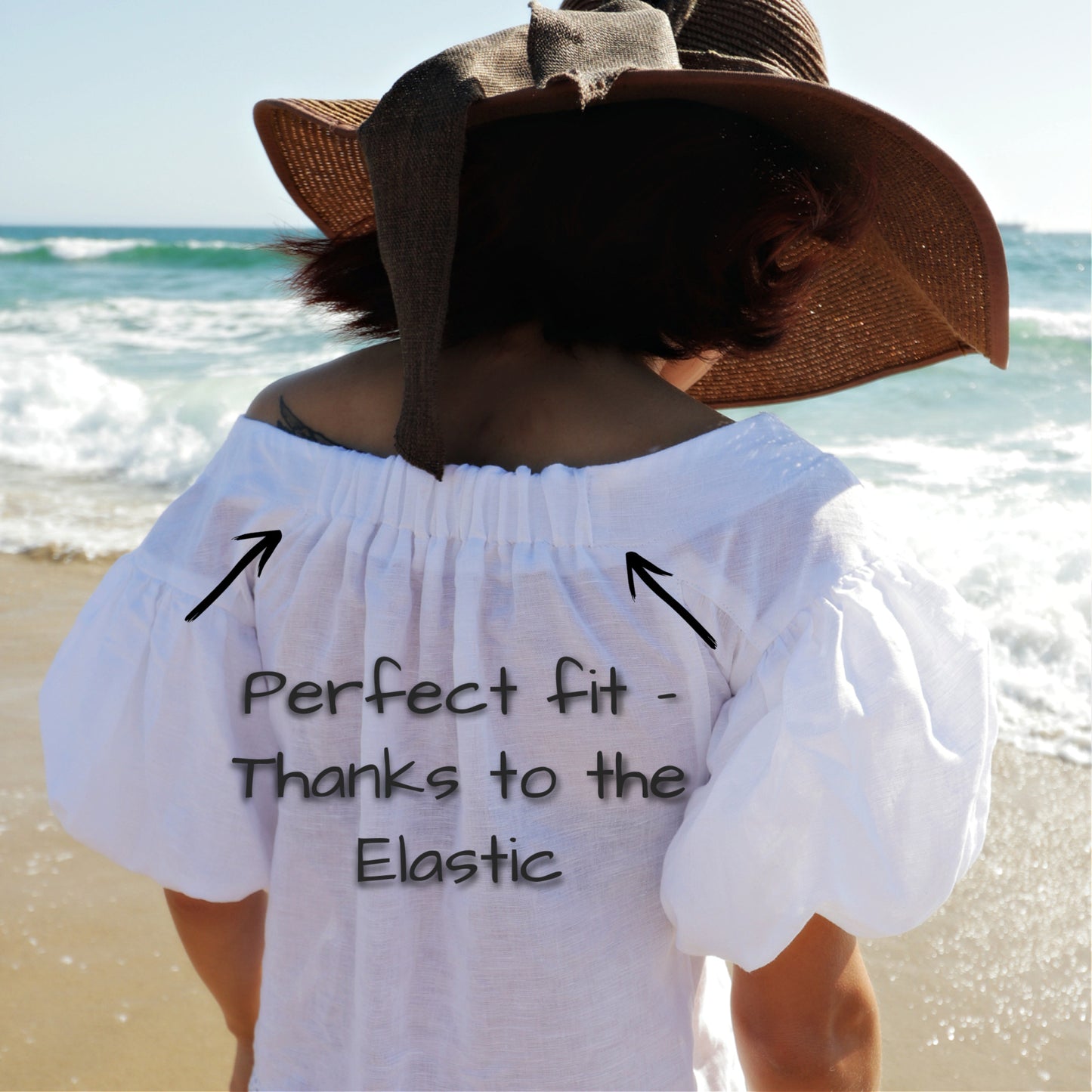
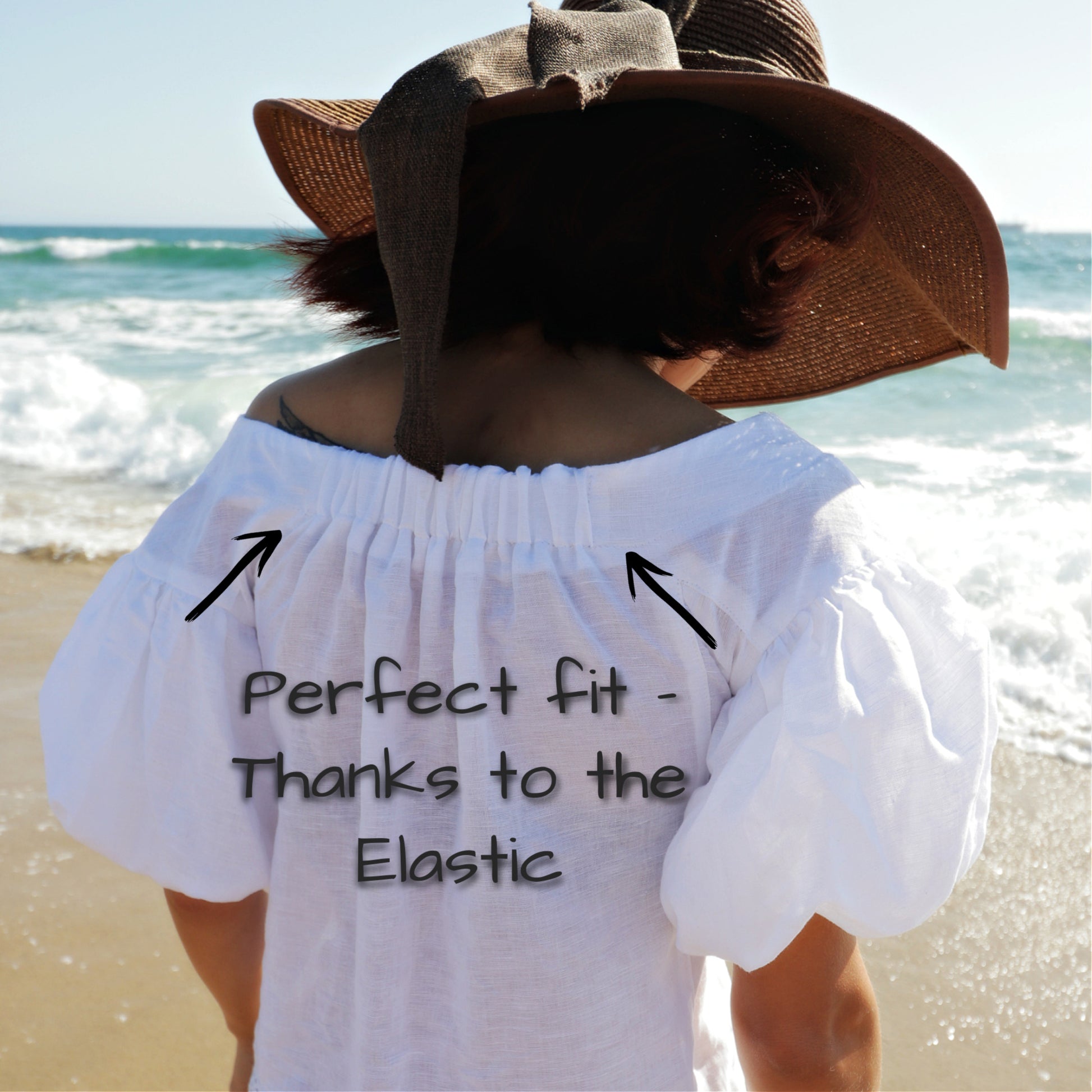
• Elastischer Rückenausschnitt
• Schöne Seitenteile

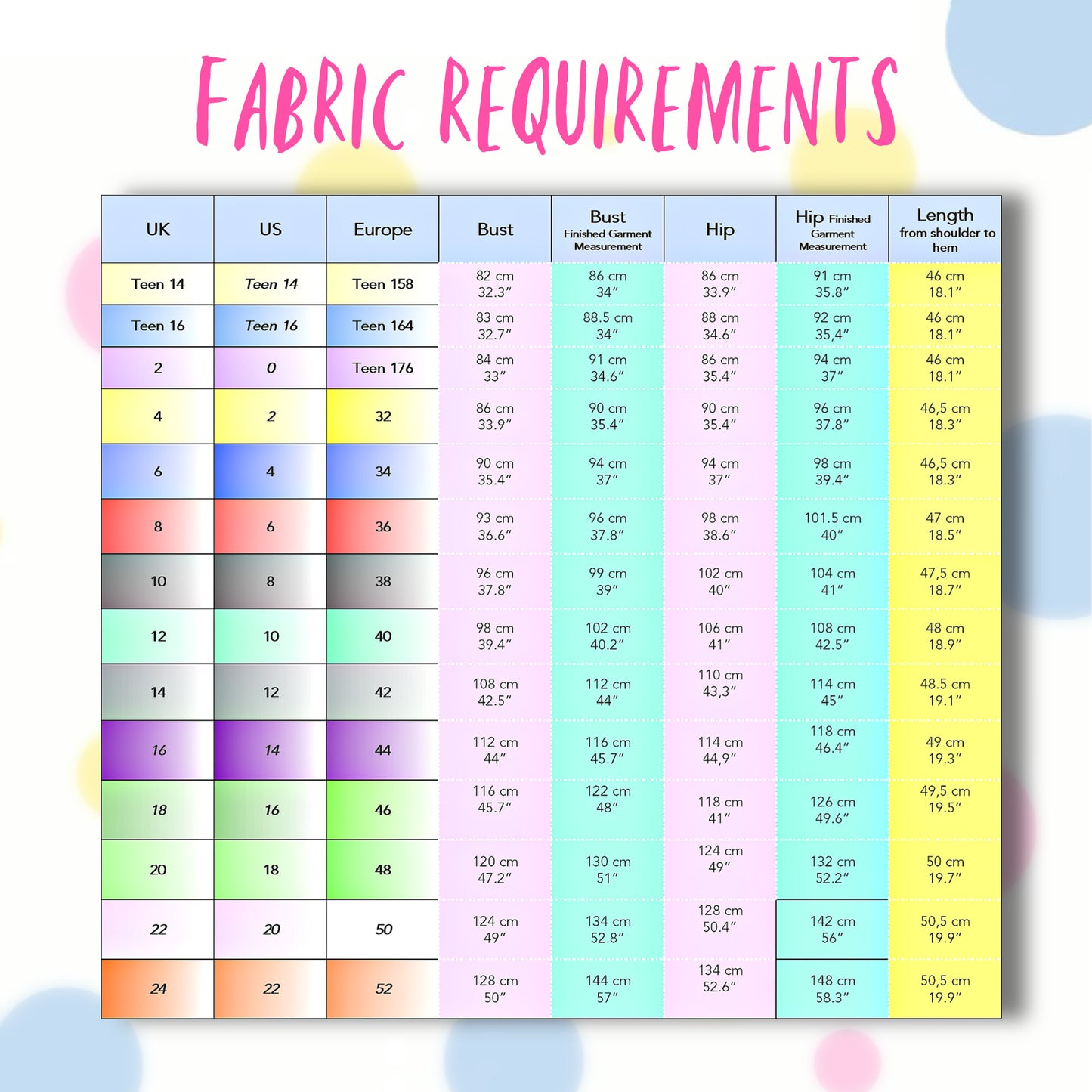
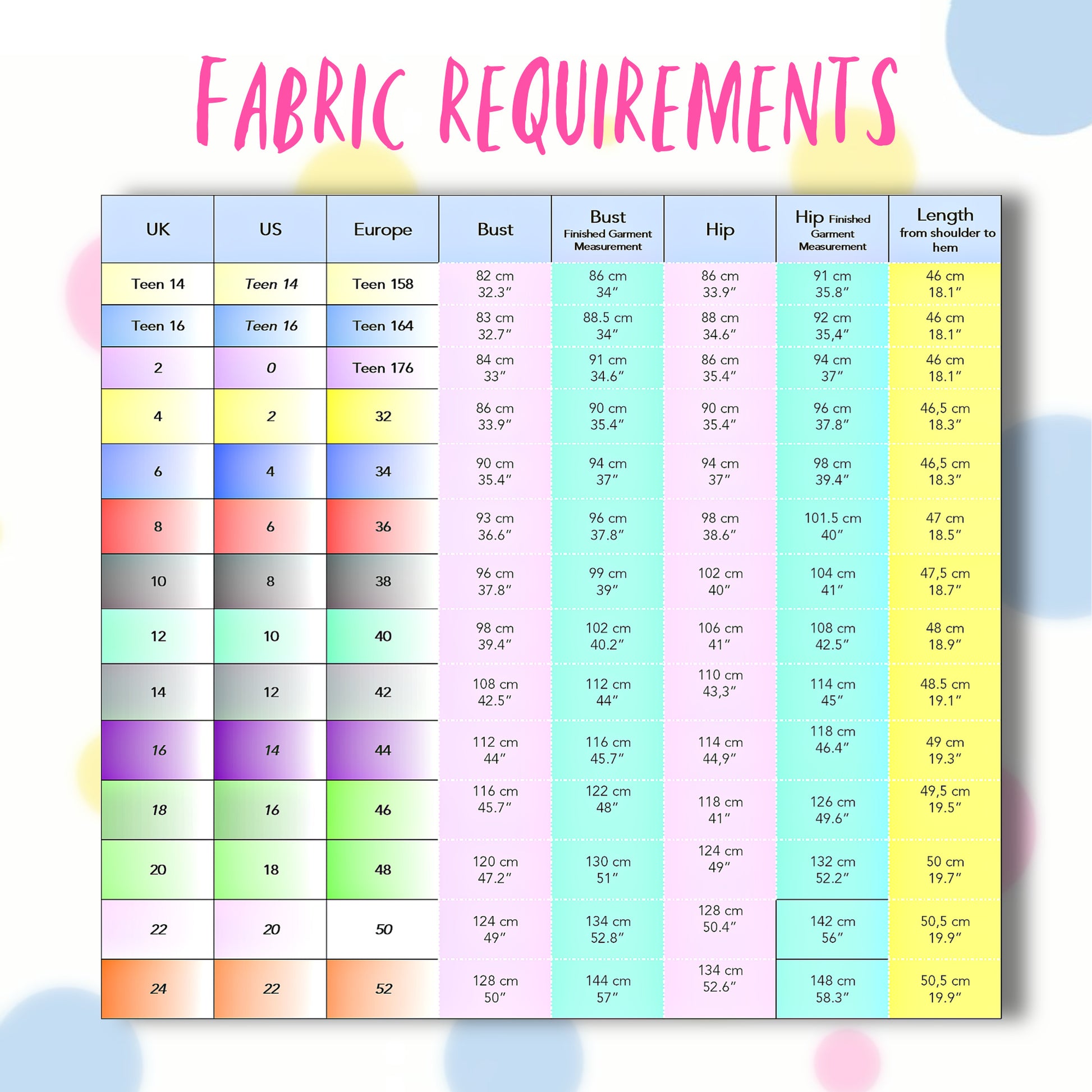
Stoffverbrauch

STOFFEMPFEHLUNGEN & STOFFVERBRAUCH

Verfügbare Größen

Größe: 32-52 (DE) + Teen 158-176

Bitte beachten

  1. Dies ist ein digitales Schnittmuster oder eine PDF-Datei, kein physisches Produkt. Die Zustellung erfolgt elektronisch über einen Download-Link an die beim Kauf verwendete E-Mail-Adresse. Zusätzlich kann das Schnittmuster von deinem Kundenkonto heruntergeladen werden.
  2. Um sicherzustellen, dass das Schnittmuster in seiner tatsächlichen Größe gedruckt wird, wird die Verwendung von Adobe Acrobat Reader empfohlen.
  3. Kleine Betriebe: Ich freue mich wenn meine Schnittmuster dir helfen, tolle Bekleidung für deine Kunden zu nähen. Industrielle Produktion ist untersagt.

Kunden werden ermutigt, Frocks & Frolics zu verlinken, wenn sie Projekte, die mit meinen Schnittmustern erstellt wurden, in sozialen Medien teilen.

@frocksandfrolics
#frocksandfrolics

Vollständige Details anzeigen

SCHRITT-FÜR-SCHRITT ANLEITUNG
Thumbnail
EINFÜHRUNG IN DAS PROJEKT
Thumbnail
DAS SCHNITTMUSTER IM DETAIL
Thumbnail
VORBEREITUNGEN ZUM NÄHEN
Thumbnail
DEN UNTERÄRMEL ANNÄHEN
Thumbnail
DAS SEITENTEIL ANNÄHEN
Thumbnail
BESATZ AN DEN AUSSCHNITT NÄHEN
Thumbnail
DIE ÄRMEL NÄHEN
Thumbnail
DIE ÄRMEL EINSETZEN
Thumbnail
DER SAUM

VIDEO TEXT

Grace Peasant Blouse – Introduction

Transcript for the video: Grace Peasant Blouse - Introduction to the Project

Hi everyone, and welcome to the Grace Peasant Blouse.

You are going to learn a lot of techniques in this course, including some that you may not have tried before. If you are a beginner, take your time with each step and follow the video carefully without skipping ahead. You’ll be absolutely fine if you go slowly and steadily.

If you are more intermediate, this project is a great way to level up your sewing skills and pick up new construction tricks while making something you would not typically find in shops.

You can also message me through the Academy if you get stuck, and I’ll help you as best as I can.

What You Will Learn

In this project, you will learn how to:

  • Insert a facing
  • Add elastic into the back for shaping and support
  • Work with gathered sleeves and elastic casings
  • Construct a more advanced underarm panel for improved movement
  • Finish the hem with lace for a decorative edge

One of the key design features of this blouse is the underarm panel. This piece allows the sleeve to move freely in all directions, so the garment feels comfortable and not restrictive. Without it, the fit and movement would not work as well.

This is the trickiest part of the pattern, but it is explained in detail so you can follow it step by step without confusion. Once you’ve made it once or twice, it will feel much more straightforward.

Fit and Construction Notes

The underarm panel is attached to the side pieces and inserted carefully into the bodice. Ideally, the seam should align neatly at the center. If it shifts slightly, it is not a disaster—it will still look good—but precise alignment gives the cleanest finish.

The sleeve construction includes gathering and elastic insertion. You also have the option to simplify the sleeve if you prefer a quicker version, while still achieving a nice result.

Hem and Finishing

The hem is finished with lace. You simply turn up the hem, attach the lace, and stitch it in place so it hangs naturally. It does not need additional folding or complex finishing unless you prefer a different approach.

A 2 cm hem allowance is included in the pattern, so you have flexibility in how you finish it.

Fabric Recommendations

This blouse works best with lightweight woven fabrics.

Good options include:

  • Cotton
  • Cotton lawn
  • Cotton sateen
  • Lightweight linen

Linen works beautifully for summer because it is breathable and light, but it can be slightly more challenging for beginners due to its drape and texture.

Avoid knit fabrics, as they are not suitable for this construction.

Materials You Will Need

You will need:

  • Fabric (around 1.5 m to 2 m depending on size)
  • Lightweight sports elastic (thin is best to reduce bulk)
  • Lace trim for the hem
  • A safety pin for threading elastic
  • Basic sewing tools

The facing allows flexibility in elastic width (around 3–4 cm works well depending on your preference).

Final Notes

You can also add embellishments such as floral appliqués if you wish, but consider the balance of the neckline before adding extra decoration.

Now that you’re familiar with the materials and structure, let’s begin the first construction steps.

See you in the next chapter.

Transcript for the video: Grace Peasant Blouse The Pattern in Detail

Printing and Checking the Pattern

Welcome back everyone. Now we are going to start cutting out the pattern.

This blouse comes in multiple formats, including an A4 or Letter size print-at-home version and an A0 copy shop file for larger printing. You can choose whichever option works best for your setup and preferences.

Before you begin cutting anything, it is very important to check the scale. Print the first page of the pattern and measure the test square, which should be exactly 5 cm or 1 inch depending on the reference shown. Once this measurement is correct, you can be confident that your pattern has printed accurately and you are ready to proceed.

Understanding the Pattern System

The pattern is designed to be simple and easy to assemble. Each piece includes attachment lines, alphabetical labels, and visual markers such as colors or symbols. For example, sleeve pieces may be marked with a yellow symbol, the front pieces with a white flower, and the back pieces with a pink flower. These indicators make it easier to identify and organize each section correctly.

Assembling the Pattern Pieces

To assemble the pattern, start by cutting out all the individual pieces, making sure to include the attachment lines. Then begin joining them in alphabetical order. For example, Front A is joined to Front B, then Front C is added, and finally Front D completes the section. The same process applies to the sleeve and all other pattern components.

This system allows you to work with smaller, manageable sections instead of large printed sheets. It also reduces printing errors and makes assembly more accurate and less overwhelming.

Checking Fit and Structure

Once the pattern is assembled, take a moment to compare the pieces with the intended garment shape. You will notice that the back is wider than the front because it includes elastic for shaping. Once the garment is finished, both front and back will balance out and sit evenly on the body.

Understanding the Sleeve and Underarm Panel

This design includes a special underarm panel, which is an important structural feature. It is inserted between the front and back sections and allows the arm to move freely in all directions. Without this piece, the sleeve would feel tight and restrictive, so it plays a key role in comfort and fit.

The sleeve itself includes gathering and optional elastic, which creates the soft puffed shape of the blouse. If preferred, you can simplify the sleeve by using elastic only at the hem for a quicker construction method.

Important Construction Note

The underarm panel sits higher than you might initially expect when looking at the pattern. This is intentional and ensures proper movement and correct fit once the garment is assembled. It is one of the key design features that makes the blouse comfortable to wear.

Final Notes Before Cutting Fabric

Once you understand how all the pieces fit together, the system becomes very intuitive. After making the blouse once or twice, the process will feel straightforward and much easier to follow.

Now you are ready to move on to cutting the fabric.

Preparing the Grace Peasant Blouse Pieces

Transcript for the video: Grace Peasant Blouse - Getting Ready To Sew

Cutting and Preparing the Interfacing

The first step in this project is preparing all your pattern pieces properly. This is a really important part of sewing because it ensures everything goes together smoothly later on. We start by cutting out the interfacing for the facings, since that is the only area in this blouse that requires it.

When choosing interfacing, it is best to use a soft, lightweight woven interfacing that does not stretch. This helps stabilize the neckline without making it stiff or bulky. Once you have cut out your interfacing pieces, you can move on to preparing the rest of the garment.

Marking and Notching the Pattern Pieces

Before sewing, all your pieces should be clearly marked so you don’t get confused later. Start by adding small snips where indicated on the pattern. For example, the sleeve lining should be notched at the top and bottom where needed, and the sleeve itself should also be marked so you know exactly where the front, back, and underarm sections are.

The side panel should also be marked clearly so you can distinguish the front from the back. Do the same for the sleeve pieces by marking the underarm point and upper front. The back piece only needs a center back mark, while the front piece should have a center front mark. These small steps make assembly much easier later on.

Reinforcing the Neckline Corner

Next, we reinforce the key stress point at the neckline corner. This area needs extra stability because it will be turned and shaped during construction, and without reinforcement it can stretch or tear over time.

Place your fabric with the wrong side facing up and apply interfacing or form tape along the corner area where the neckline will be shaped. This ensures the fabric holds its structure properly once sewn. Repeat this process on both sides and on the back facing as well.

Marking the Seam Allowance

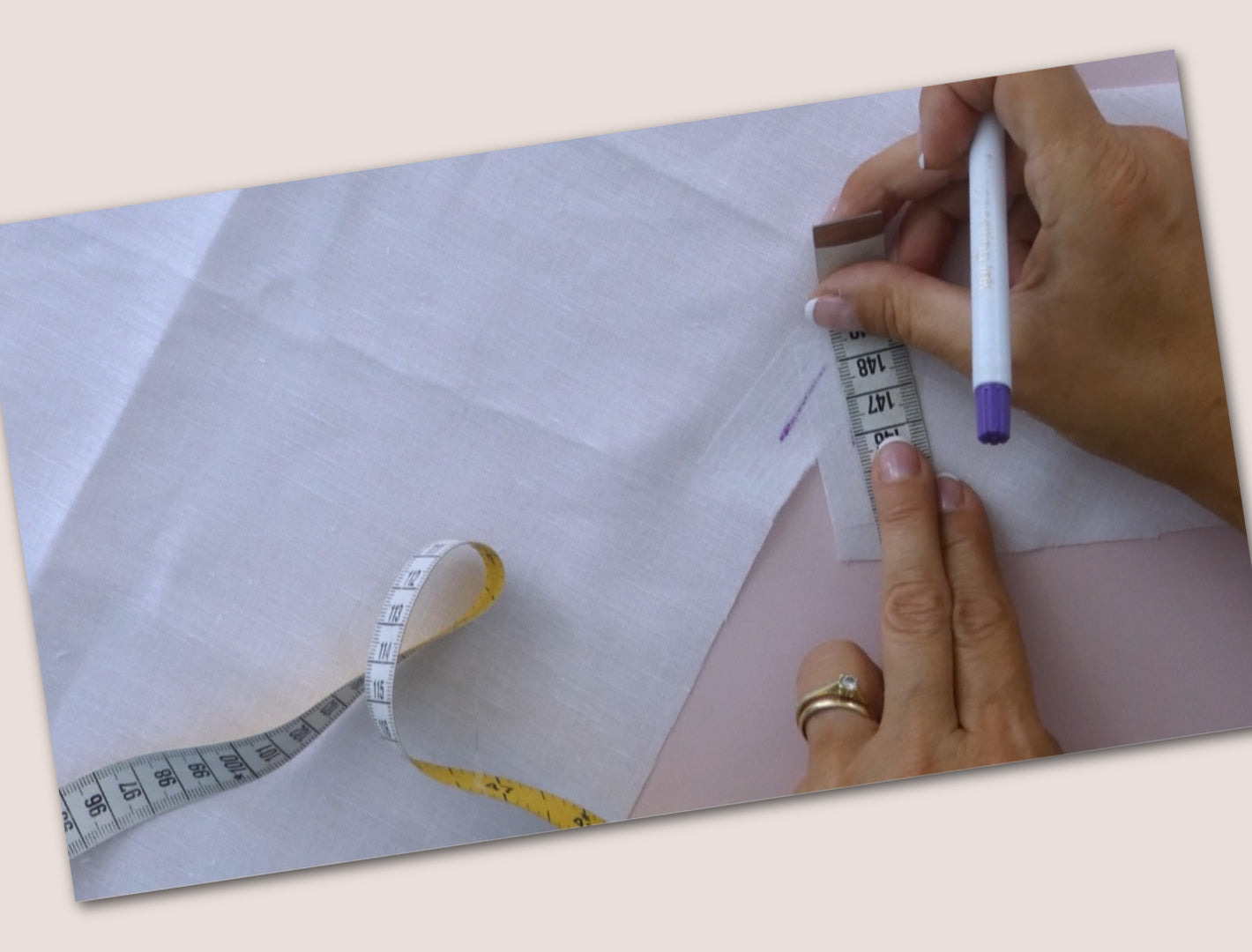
Once the interfacing is in place, you should mark your seam allowance carefully. Use a ruler or tape measure to mark one centimeter on both sides of the corner, then draw a line where the seams will meet. This helps guide your stitching later and ensures both sides match evenly.

It is surprising how high this shaping point actually sits, so take your time checking alignment before moving on.

Fusing the Interfacing

Now you can press the interfacing onto the facings. Place the adhesive side down on the wrong side of the fabric and press with your iron for around eight seconds at a time before moving to the next section. Do this for both the front and back facings.

If needed, you can use a little steam to help the interfacing bond more securely, especially with natural fabrics like linen or cotton. Once pressed, turn the piece over and press again to ensure a firm, even bond.

Using Form Tape for Extra Stability

In some areas, especially around curves or neckline sections, form tape can be used instead of or alongside interfacing. This helps stabilize the edge without adding too much bulk. When working around curves, simply clip the tape slightly so it can bend and follow the shape smoothly.

You do not always need both interfacing and form tape, but in areas that require extra strength, using both can give a very clean and durable finish.

Final Preparation

Once all facings are stabilized and all markings are complete, your pieces are ready for sewing. Taking the time to prepare everything properly at this stage will make the construction process much easier and more accurate later on.

Transcript for the video: Grace Peasant Blouse - Attaching The Underarm Piece

Positioning the Pieces Correctly

The first step in this section is attaching the under sleeve to the side piece, which is an important part of forming the structure of the blouse.

Lay your pieces out in front of you so you can clearly see the right and wrong sides. The key is to make sure the right sides of the fabric are facing each other when you join them. The back of one piece should align with the front of the other, and vice versa, so everything matches correctly before you start sewing.

Pinning the Underarm Seam

Begin by placing a pin at the underarm point. This is your main alignment reference. Once that is secured, bring the rest of the fabric up toward the top edge and smooth it out carefully. Repeat the same process on the other side so both ends are aligned evenly.

At this stage, your pieces should already start forming the correct shape. A one-centimeter seam allowance is used, but a slight variation will not significantly affect the fit as long as the alignment is consistent.

Sewing the Seam

Now sew along the inner edge, following your seam allowance. As you sew, gently guide the fabric with your hands to prevent stretching or pulling. The grain of the fabric may shift slightly in diagonal areas, so support it carefully as you stitch.

Make sure to backstitch at the beginning and end to secure your seam properly. Work slowly and check that your stitches remain even as you go.

Neatening the Seam

Once sewn, trim any loose threads and overlock or serge the seam to finish the raw edge. Keep the right side of the fabric facing up as you work so you can clearly see how the seam is forming. This step helps keep the inside neat and prevents fraying over time.

Pressing the Seam

After finishing the seam, press it carefully into place. Pressing is especially important here because this area forms part of the sleeve structure and needs to sit flat and firm. Press the seam allowance toward the sleeve side to help create a clean edge and proper shape.

Final Result of This Step

Once pressed, you will see the under sleeve structure taking shape. This section creates the shaping and movement for the arm, which is essential for comfort and fit.

From here, the next step is attaching the side piece to the front and back sections of the blouse.

Attaching the Side Pieces

Transcript for the video: Grace Peasant Blouse - Attaching the Side Panels

First, we're going to put the side pieces in, and we're starting with the back. You've got your back piece flat in front of you, and everything is brilliantly marked. All we need to do now is find the back piece for one side and the back piece for the other side. I'm going to look at this one here, and on the other side I've got this one. How do we know which one is the back? The back is the one that is longer. We should also have snipped the front, so if you check that, you can see which one is the front and which one is the back. So far, so good.

Understanding the Insertion Point

Now we're going to attach one of these first. Let's have a really close look so we understand what we're doing. We are going to insert this piece here into this triangle. That's basically what we're doing. Unfortunately, we can't just sew it like that, we need to sew it in properly. So what you want to do is grab the long edge here and the end piece, then put a pin in there to begin with. I'm going to put my pin vertical to the seam. Then I flip this over and continue lining up the edge, putting in three pins. So far, so good.

Aligning the Sweet Spot

We've already marked on the other side where our sweet spot is, it's right there. If I go through here with my pin and turn it over, I should be hitting the center of these two sides. I am about one centimeter off at the top, which is the seam allowance. You can see it's easy to get slightly off, so I'm going to adjust it to halfway. It's really not that difficult, but you need to make sure it's not pulling to one side. So I adjust it and now it's roughly correct. I've got my pins in place. We will sew from this side and go from this end to that end, then repeat the same process on the other side.

Sewing the First Seam

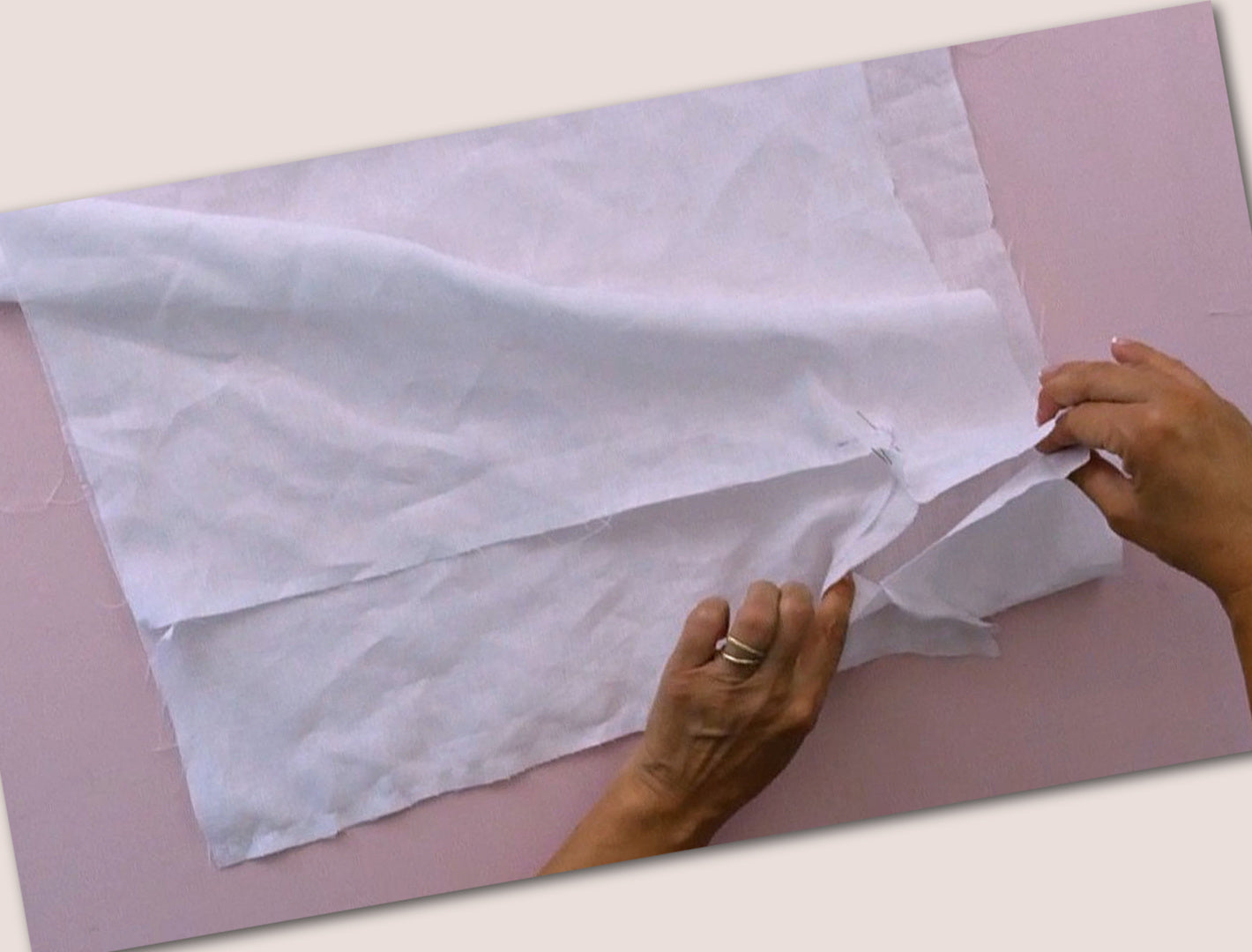
Let's do this again. We want the longer edge. You can't really go wrong, this goes into the sweet spot. Pick up the end piece, pin it together, and flip over the back piece. I put in two or three pins. When I turn it over and check through the center, I can see it's correct and we have plenty at the top. Perfect, I can remove that pin. Now we sew this in on both sides up to that point. We start at the top of the sleeve and sew down to the marked point.

Stitch Length Adjustment

You want your stitch length to be very small at this point, set it to 1.5 for the corner. Let's sew this in. Take the pins out as you go. When you come up to the top, remember to adjust your stitch length to 1.5. Take three stitches forward, press reverse, three stitches back, then forward again. Count them carefully, then remove the fabric.

Cutting the Triangle

Now we cut exactly to the point we just stitched. Make sure you move the fabric underneath so you do not cut into it. Cut straight up into the triangle right to the tip. Now we can move the back piece around and sew it in.

Sewing the Second Seam

Put the ends on top of each other and pull it flat, then pin it. Start pinning at the top. We will sew over the point we just created. Set stitch length to 1.5 again, then sew down carefully. Once done, return to seam allowance of 2.5 and continue all the way down. Now we repeat the same process on the front piece.

Front Piece Assembly

We do exactly the same. Pick it up, put right sides together, and pin it. Flip it over and adjust so it aligns with the sweet spot. Straighten it out so it sits flat, then pin it in place. Make sure everything is aligned. Now we sew this in the same way as the back.

Sewing Technique Reminder

Put your needle down where the sweet spot is, remove the pin, and sew. Stitch length is 1.5. Count as you sew: one, two, three, four, then reverse, then forward again. Counting stitches helps if you cannot easily see the markings.

Cutting and Turning

Now we cut into the triangle again, being careful not to cut the wrong fabric underneath. Turn it over so it sits flat. Always sew from the side where you can see your previous stitching. Make sure everything is flat and aligned. Even if it is not perfect, as long as the points meet at the top, it will work. If you find sleeves difficult, you can sew side seams first and attach sleeves afterward.

Completing the Sleeves

Pin it and stitch again on both sides. Go back to the sewing machine, reduce stitch length to 1.5 again, then return to seam allowance of 2.5 and secure your stitches.

Overlocking and Pressing

Now overlock the seams, making sure you do not catch anything you do not want to catch. Overlock both sides and press everything well. Press the seam towards the back.

Top Stitching

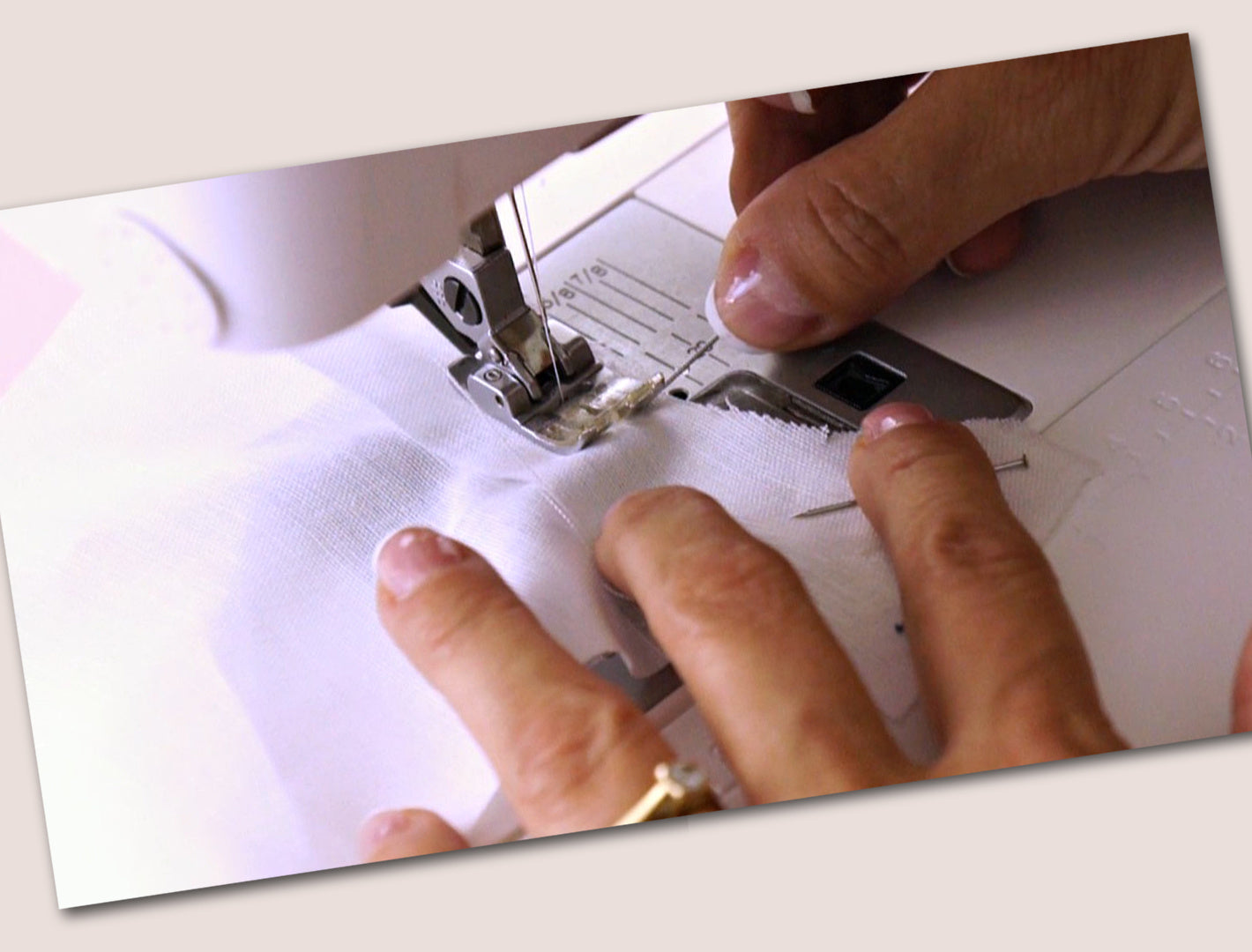
Now top stitch everything. Make sure seams are facing into the machine. Use a stitch length of 3.5 for top stitching. Guide the fabric steadily. Do not focus only on the needle, use the guide at the front of the machine. If you are right-handed, keep the seam on the left. If you are left-handed, keep it on the right. Lock your stitches at the beginning and end. And that's it.

Final Result

We are done. You can now move on to the facings at the top.

Preparing the Facings and Marking the Elastic Line

Transcript for the video: Grace Peasant Blouse - Facing the Neckline

Now we're going to do the facings, and it's going to go really quickly now. We've already marked everything, so the step you're doing now will give you this beautiful neckline here with the elastic safely inside. What we're going to do is simply put the back and the front together, but before we do, I want to mark where I'm going to put the elastic. So get your pattern back out, use a marker pen, and you can see it says “attach elastic.” Mark that on both sides. Then join the shoulders, iron the seams apart, and overlock around the bottom. Let's do that so we can move on.

Sewing and Pressing the Shoulder Seams

Now I'm going to sew this together with a 1 cm seam allowance, edge to edge. Brilliant. Then I iron the seams apart so everything sits nice and flat, and now we overlock it.

Attaching the Facing

Next is the really easy part, we just attach the facing. Make sure you've marked the center front and center back. I align the seams first and I don't pin much at all, just the sides and the middle points. If you're making this top, you're probably not a beginner, so we don't need to over-pin everything.

Now we sew all the way around. I’ve already done half. If there are any issues, it will usually be in the area where there is slight fabric stretch. Sometimes over-pinning actually makes it harder, especially with linen.

Understitching for a Clean Edge

The next step is understitching. This is where you stitch the seam allowance onto the facing. This creates a firm, beautiful edge. There's no need to iron in between. Go back up to a stitch length of 3.5, and stitch all the way around.

Turning and Forming the Neckline

Now we go back to the ironing board and turn the neckline through. You’ll immediately see a clean, professional edge forming.

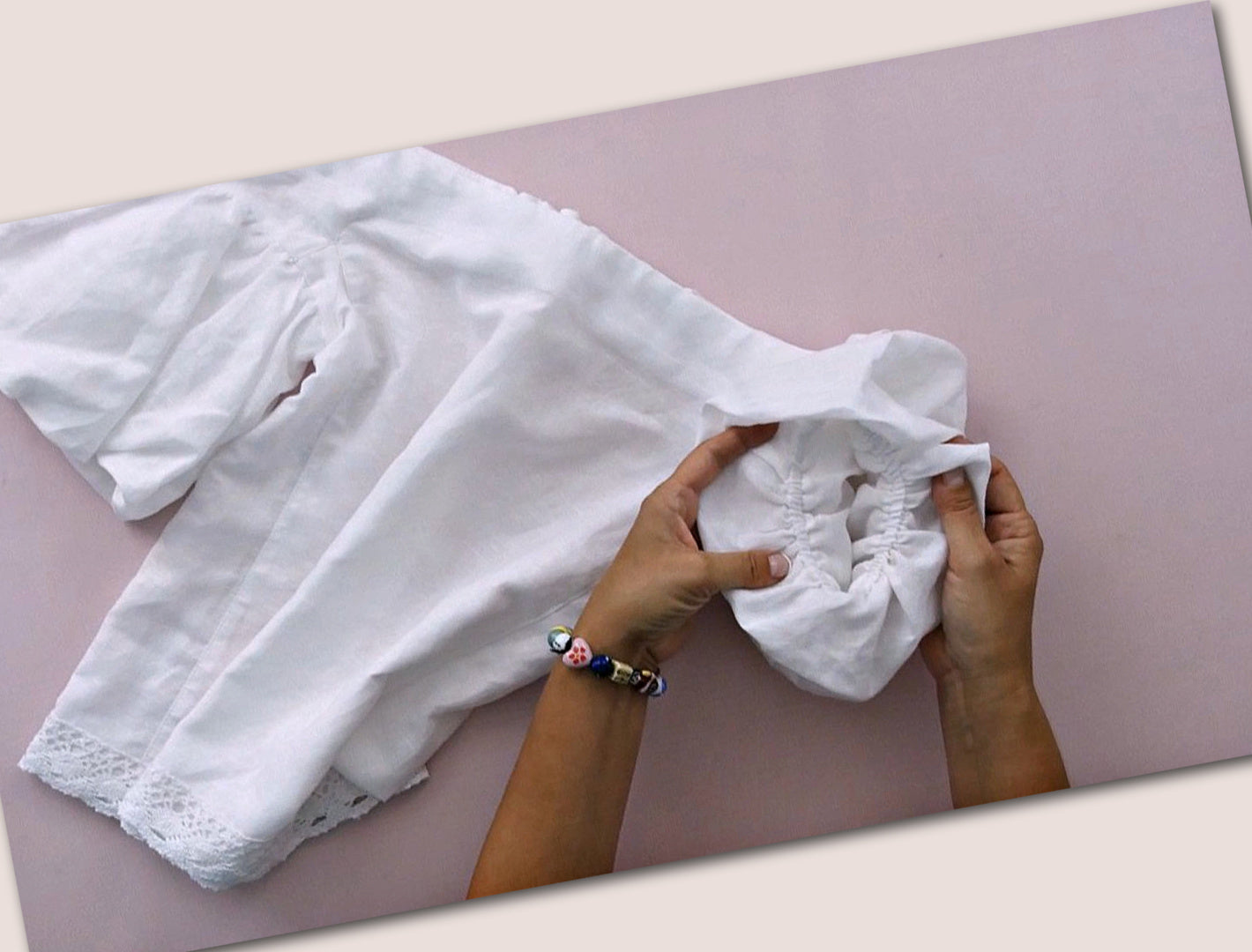
Creating the Elastic Tunnel

Now we make the tunnel for the elastic. I put a couple of pins in vertically to the seam. Then I topstitch all the way around, making sure to leave the turning gap near the elastic channel. The channel should be about 4 cm so the elastic has room to move.

Make sure everything stays aligned. At this point, I’m not really watching the needle, just guiding the fabric. I do love working with linen, but if you're less experienced, cotton would definitely be easier.

Inserting the Elastic

Now we insert the elastic. Simply feed it through one end and pull it through until it reaches your marked point. You can actually see it through the fabric, which helps.

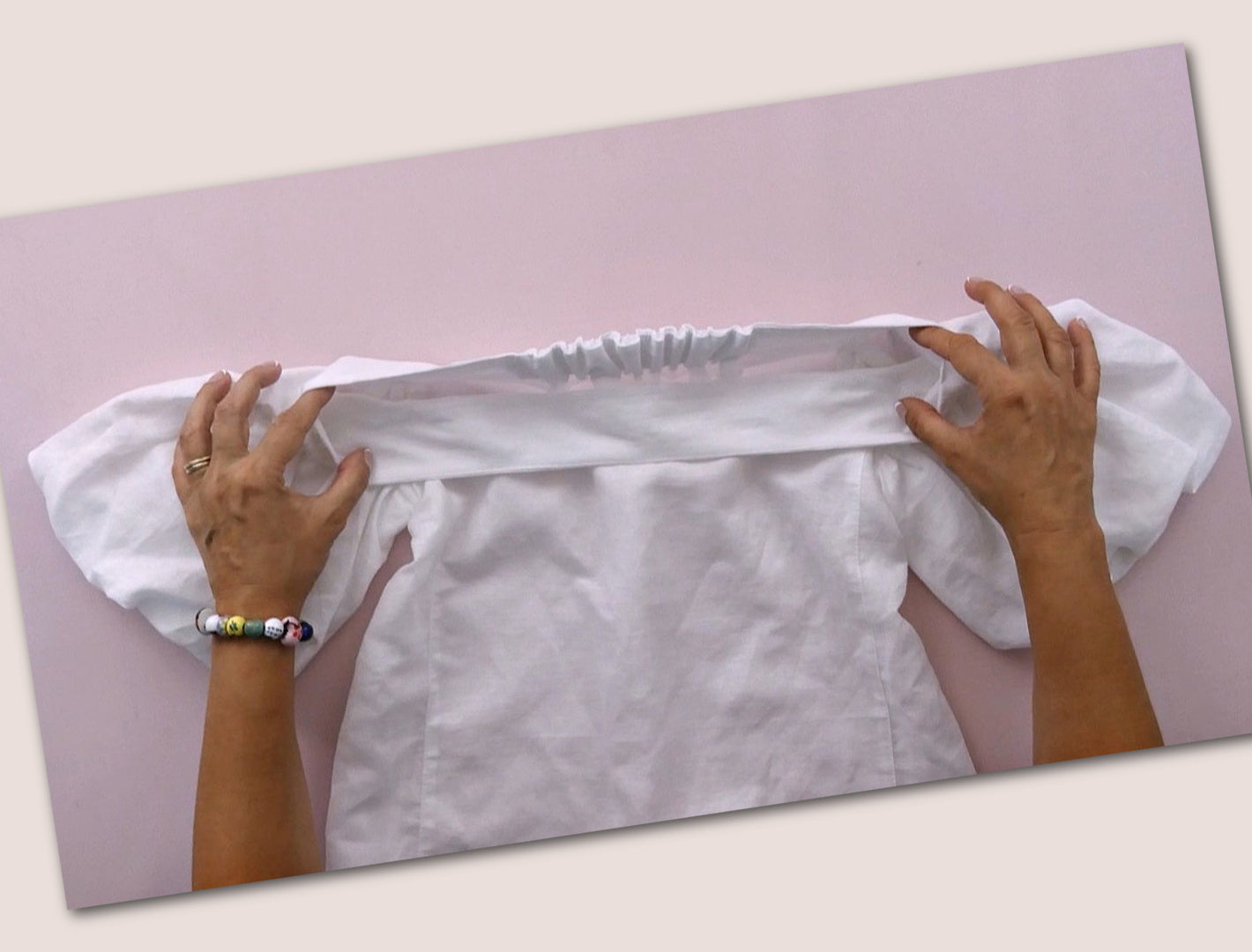
Then adjust the other side and check the fit. The back should pull in so it sits neatly and comfortably. If it’s not quite right, pull a little more until it shapes properly and holds the neckline in place.

Once you're happy, stitch the elastic down securely on both sides. This locks everything in place and gives a really nice gathered shape. Then close your turning gap.

Finishing and Preparing for Sleeves

Now, normally the next step would be attaching the sleeves, but because my linen is fraying quite a bit, I'm quickly going to overlock the hem all the way around first before moving on.

And there we go. You now have a beautiful, finished neckline, and we're ready to move on to the sleeves.

Preparing the Facings and Marking the Elastic Position

Transcript for the video: Grace Peasant Blouse - Sewing the Sleeves

Now we're going to do the facings, and it's going to go really quickly now. We've already marked everything, so the step you're doing now will give you this beautiful neckline up here with the elastic safely inside. What we're going to do is simply put the back and the front together. But before we do that, I want to mark where I'm going to place the elastic. So get your pattern back out, use your trusty marker pen, and you can see it says “attach elastic.” Mark that on both sides. Then join the shoulders, and after that we will iron the seams apart and overlock around the bottom so we can move on.

Sewing and Pressing the Shoulder Seams

Now I'm going to sew this together with a 1 cm seam allowance, edge to edge. Brilliant. After that, I iron the seams apart so everything sits nice and flat, and then we overlock it.

Attaching the Facing

Now we get to the really easy part, we just attach the facing. Make sure you've marked the center front and center back. I place the seams on top of each other first, and I don't over-pin this at all. I just pin the sides and the middle points. If you're making this top, I expect you're not a beginner, so we don't need to overcomplicate it.

Now we sew all the way around. I’ve already done half. If there are any issues, it will usually be in areas where the fabric shifts slightly. Sometimes over-pinning actually makes things harder, especially with linen, which can stretch a bit. So just keep it controlled and smooth.

Understitching for a Clean Edge

Next is under-stitching. This is where we stitch the seam allowance down onto the facing. This helps the neckline sit beautifully and creates a very clean, firm edge. There is no need to iron in between. Make sure your stitch length is back up to 3.5, otherwise it can look too tight or uneven. Stitch all the way around.

Turning the Neckline

Now we go back to the ironing board and turn this through. You’ll immediately see a really beautiful finished edge forming.

Creating the Elastic Tunnel

Now we're going to create the tunnel for the elastic. I put a couple of pins in vertically to the seam. Then I topstitch all the way around, making sure I leave the turning gap near where the elastic will go through. We want about 4 cm for the elastic channel so it has enough movement room.

At this point, I'm not really focusing on the needle, I'm just guiding the fabric. I do love linen, but I would say if you're not very experienced, cotton would be much easier to work with.

Inserting the Elastic

Next step, I hope you're ready to insert the elastic. It's very simple. Feed the elastic through one side and pull it through until it reaches the marked point. You can actually see it through the fabric, which makes it easy.

Then adjust the other side and check the fit. You want the back to pull in so it comes almost in line with the front and holds the shape properly. If it's not quite right, just pull a bit more until it sits correctly.

Once you're happy, stitch the elastic down securely on both sides so it stays in place. This will pull everything in nicely and create a really beautiful shape. Then close your turning gap.

Finishing and Preparing for Sleeves

Now normally the next step would be attaching the sleeves, but because my linen is fraying quite a bit, I'm going to quickly overlock the hem all the way around first before continuing.

And there we go, you've now created a beautiful neckline. Next, we can move on to working the sleeves.

Transcript for the video: Grace Peasant Blouse - Inserting the Sleeves

Attaching the Sleeves

Now that we've made our gorgeous sleeves, we can put them into the blouse. First, find the seam and then locate the center of the sleeve. The fabric has frayed quite a bit, so there is hardly any seam allowance left. The pattern I made for you, which I'm still finishing at this stage, will actually be a little wider in this area, because as you can see it is quite close here and we don't really want that. Yours will have a bit more room.

Positioning and Pinning the Sleeve

I'm going to place the sleeve seam and the center point on top of each other. Then we do what we always do when inserting a sleeve: we turn it to the inside and pull it through so everything sits correctly. Now it should fit perfectly. I just need to pin everything all the way around. It really is a labour of love, but when it's done you're going to go “wow, this is nice.” Your teen will love it, and you will too. I love mine, even though I've made this one a size too big for me, which is a bit of a shame.

Sewing the Sleeve In

Everything is now pinned, so all I need to do is sew it in and we will have this beautiful little sleeve on the side. From this side, I can see the previous stitching line, so I know I want to sew just to the left of it so that none of it shows. That way you don't have to unpick anything later.

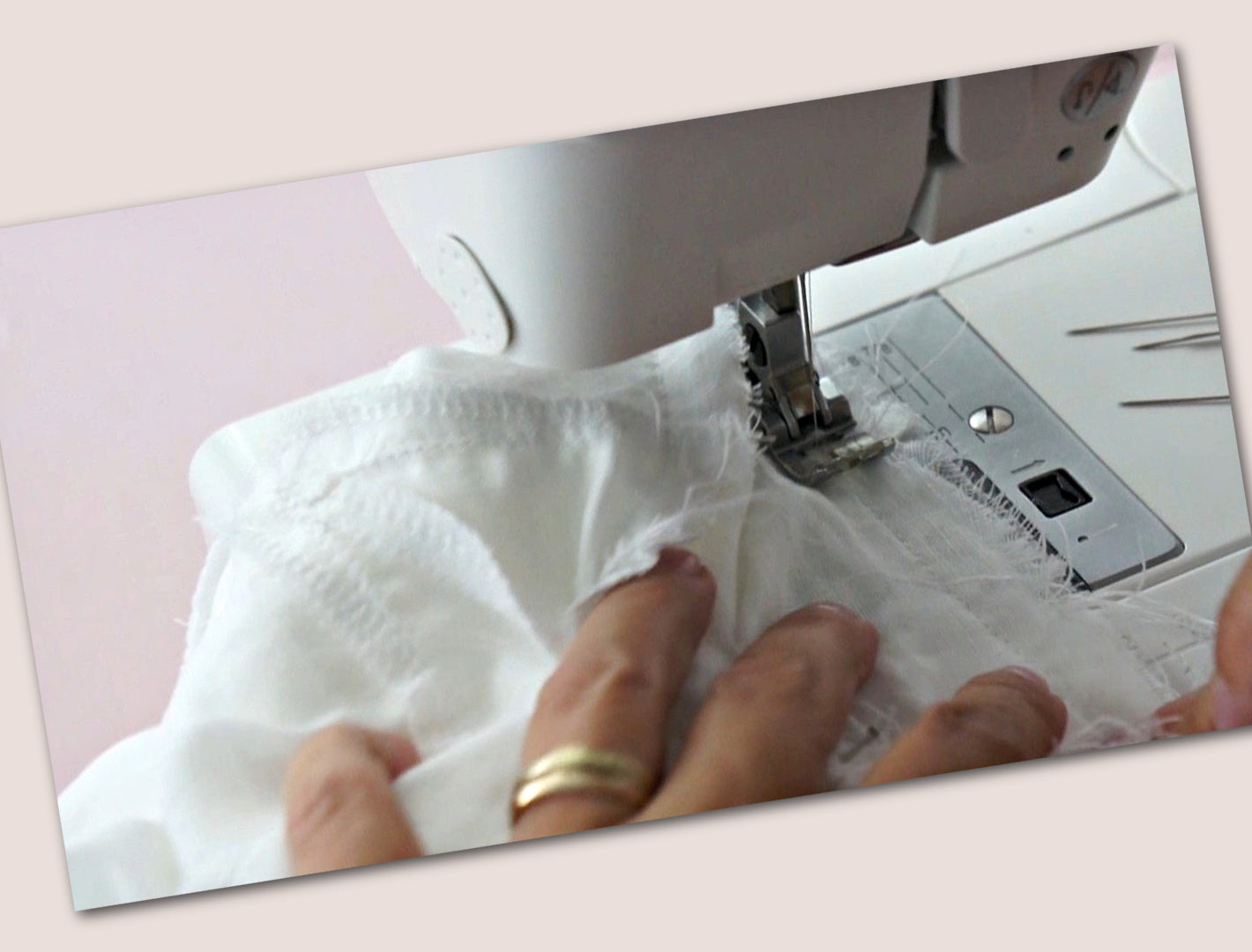
Lock your stitches and sew all the way around, removing pins as you go so nothing gets caught. You can see the stitching line here, so I either follow it or stay just beside it where needed. In my case, a 1 cm seam allowance works well. I just keep removing pins as I go. Fray, fray, fray is all I can say with this fabric.

Checking Before Overlocking

Now the sleeve is in and we are done. I’m very pleased with that. Pick up all your pins and remove any loose threads. Before overlocking, always check that you haven't caught anything you shouldn't have. Everything looks good on this side, so we’re fine to continue.

Overlocking the Sleeve Seam

Now I’m going to overlock the seam. Turn the top the right way for better control and carefully overlock all the way around the sleeve. Make sure you only catch the seam allowance and nothing else. Take your time here so everything stays neat.

And there we go, the sleeve is finished.

I hope you're really pleased with yourself. You've now inserted the sleeves, and you can move on to the last chapter, which is the hem.

Final Embellishment and Design Choice

Transcript for the video: Grace Peasant Blouse - The Hem

Now we've come to the end, and we can decide whether we want any embellishment or not. I had some decorative pieces here that could go on the dress, and they do look really gorgeous. You could place four of them, but I wasn’t sure it wouldn’t distract from the beauty of the sleeves and the overall design. So I decided to leave them off.

Instead, for this particular version, I chose to add lace at the bottom. I think the lace trim will look really, really nice.

Preparing the Hem

There is a 2 cm seam allowance here, so you can normally turn it up by 2 cm and stitch it down. In my case, I want it a little bit longer, so I’m only turning it up by 1 cm and stitching it through. The lace will then go over the top and sit here, so the design underneath is still visible. I think that’s going to look really cool.

The first step is to sew this all the way around. I’m simply putting it under the sewing machine. I am not ironing it first. I actually find it easier without ironing at this stage. It’s a 1 cm seam allowance, and I’m using a foot-width guide.

I set my stitch length to 3.5 and sew all the way around. This works perfectly fine without pressing first, and it’s a very quick step.

Attaching the Lace

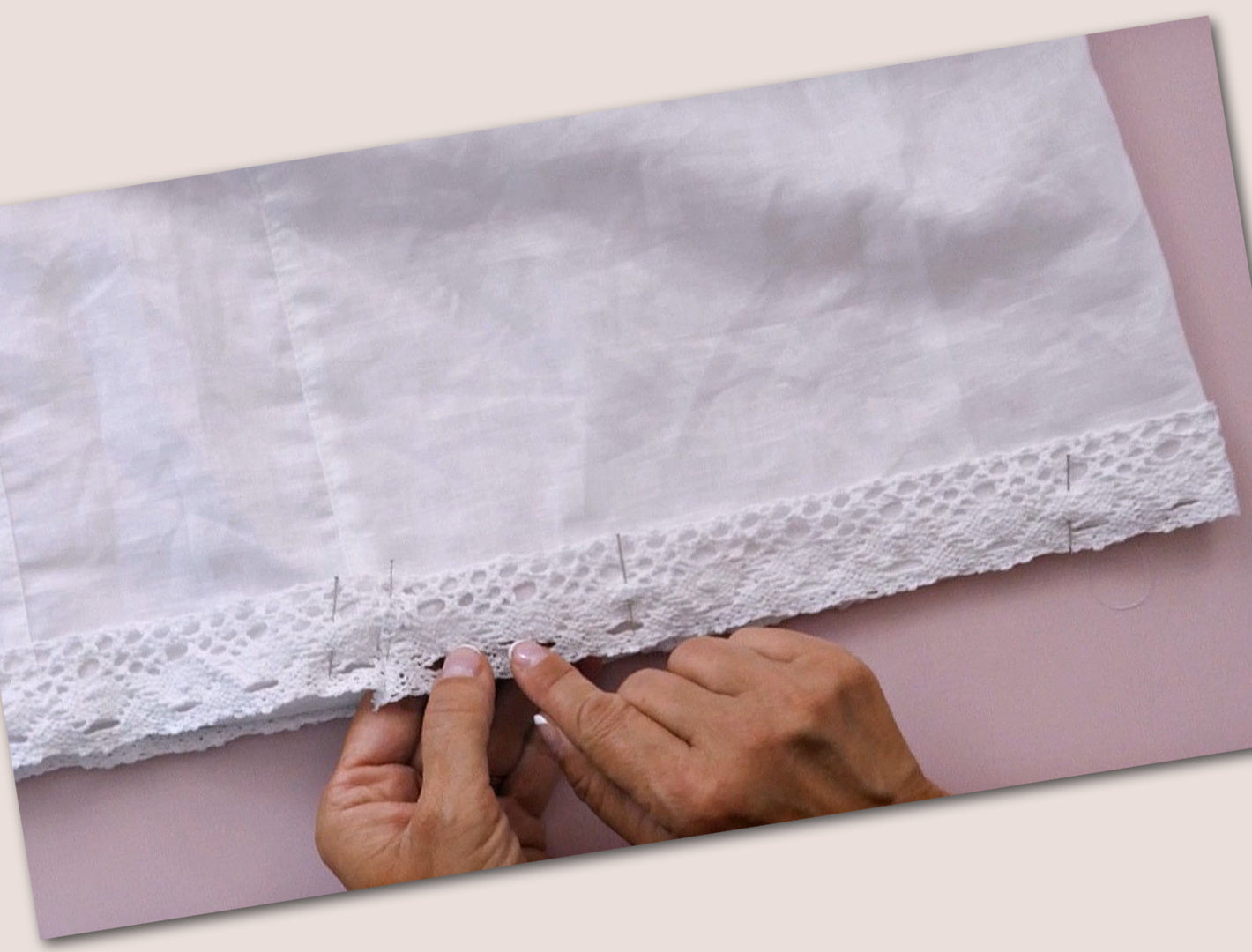
Now we cut the threads and decide where the lace will go. I’m going to pin it on and make sure everything sits nice and flat. You could press it at this stage, but I prefer to press it after sewing, so I skip that step for now.

Always make sure when working with lace that you are placing it on the correct side. The join should go at the back, and then I position it so that the most attractive section is visible at the front.

I’m going to sew the ends together where they meet, just quickly securing them. That looks perfect. Then I tuck everything in and stitch it down on the machine.

Sewing the Lace in Place

Now I’m going to stitch along the top edge, and then again just below it so it is properly secured. Let’s get started.

Set the stitch length to 3.0. You could go to 2.5 for extra security, but 3.0 works well and prevents puckering. I sew the lace on, giving it a slight stretch as I go so it sits smoothly.

Almost done. I might not even need a second row of stitching after all, as it already looks great.

Finishing the Top

Now we’re at the final stage. We just need to give everything a good press, and we are done.

You’ve finished the Grace top, and it looks absolutely stunning. I can’t wait to see yours, so please share it in the Academy feed and in our Facebook group.

DAS KÖNNTE DIR AUCH GEFALLEN

Manhattan

SHOP NOW

Sophia

SHOP NOW

Vivienne Teen

SHOP NOW