Zu Produktinformationen springen
1 von 13

FRANCES ROCK

FRANCES ROCK

Filled Circle
Filled Circle
Empty Circle
Empty Circle
Empty Circle
Normaler Preis €7,95 EUR
Normaler Preis Verkaufspreis €7,95 EUR
Sale Ausverkauft

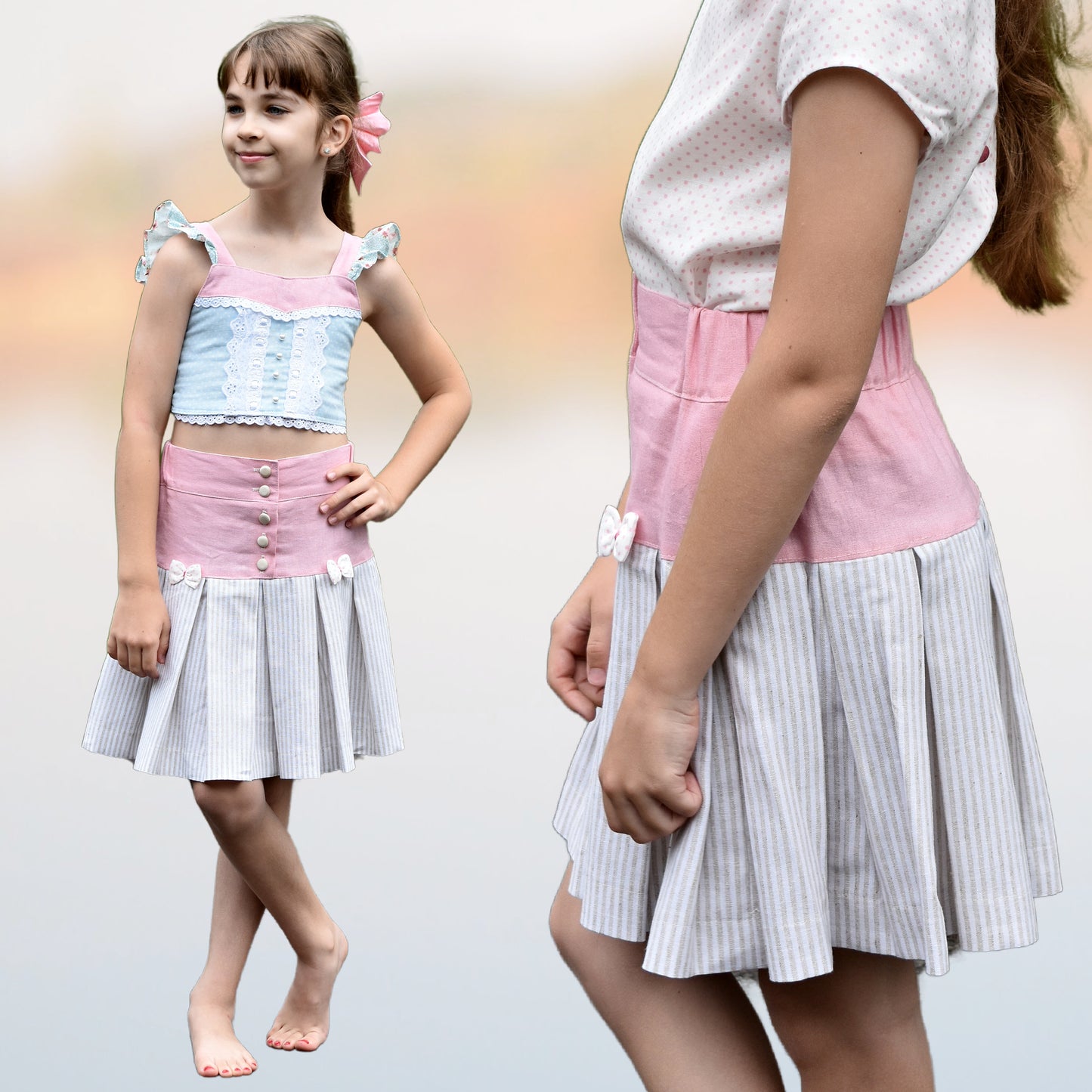
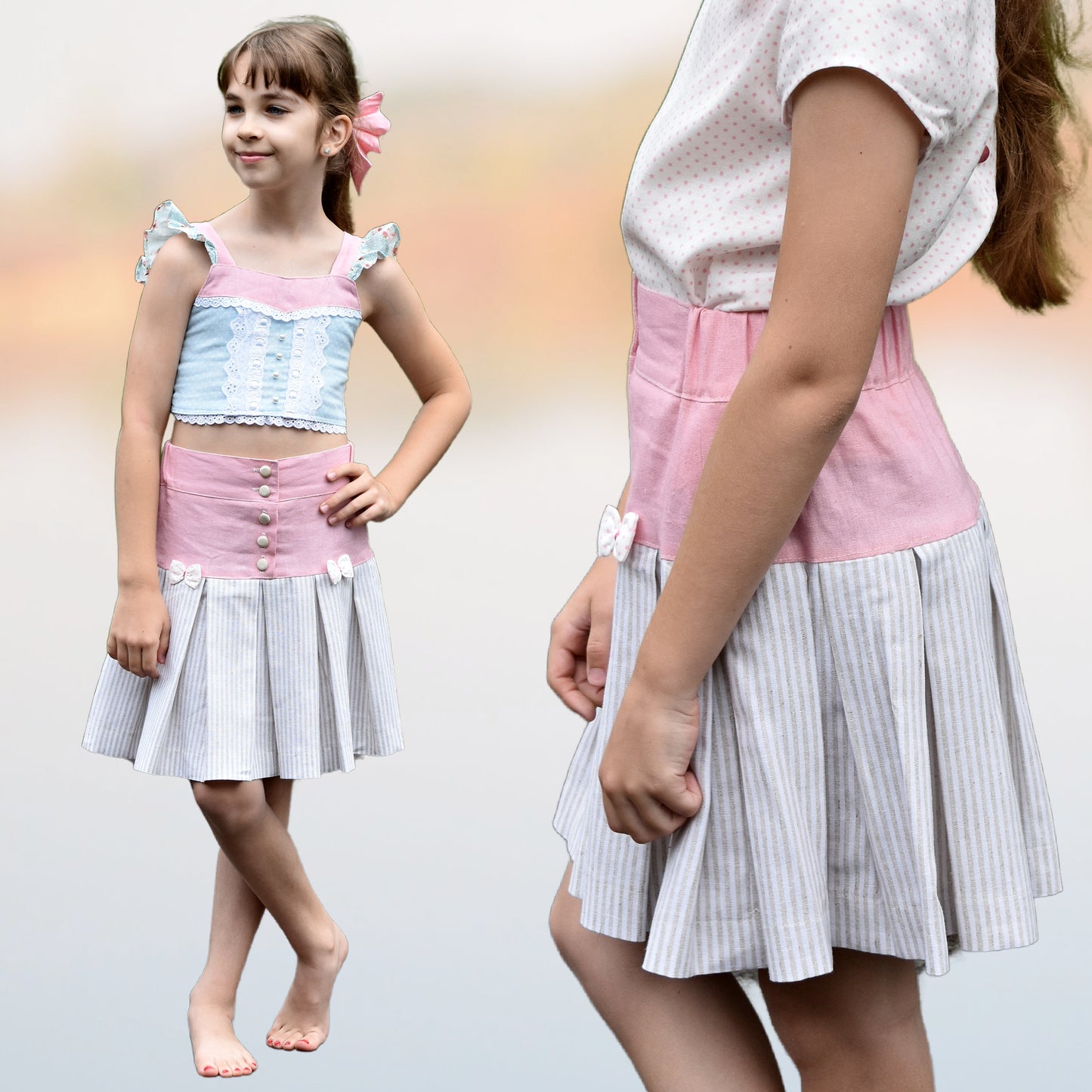
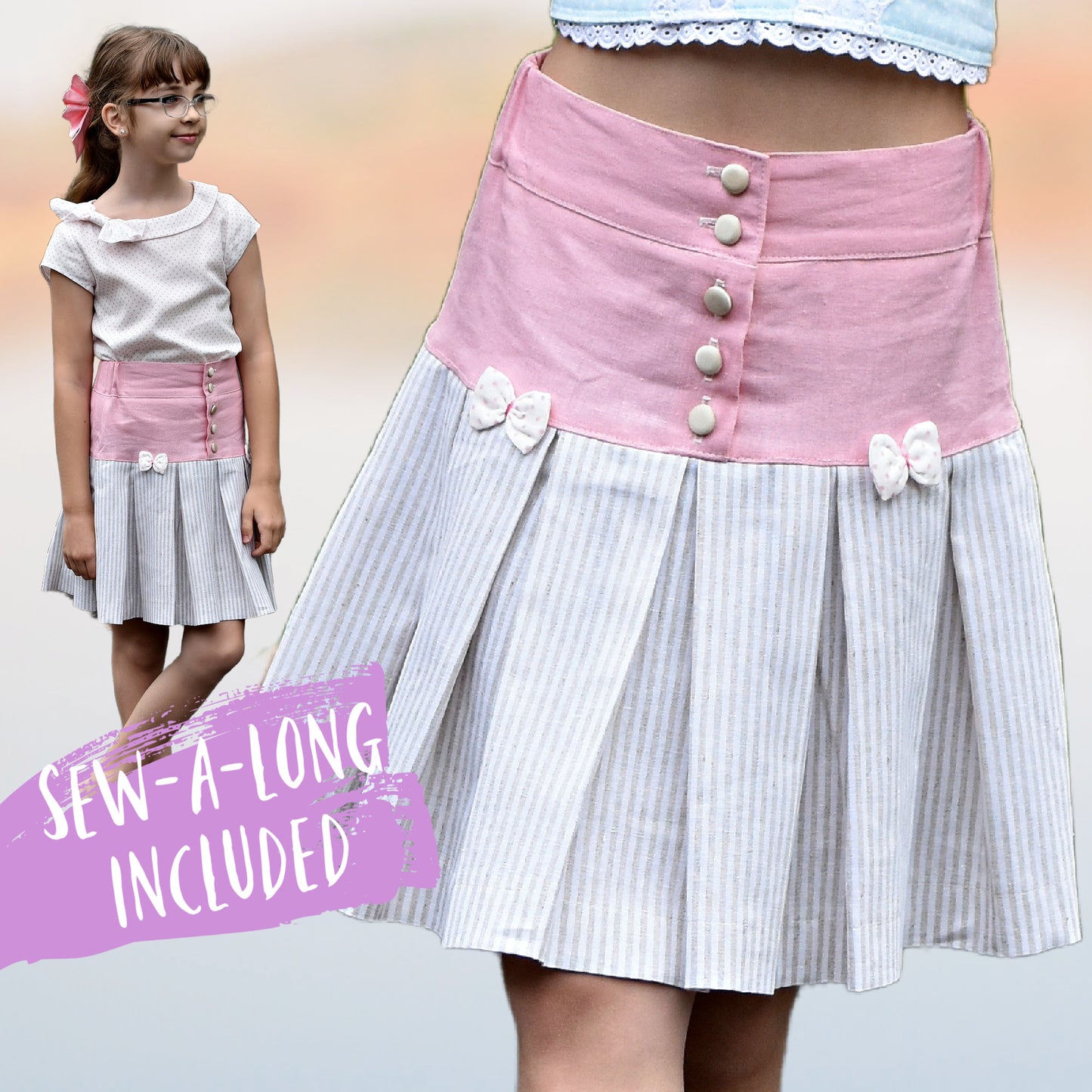
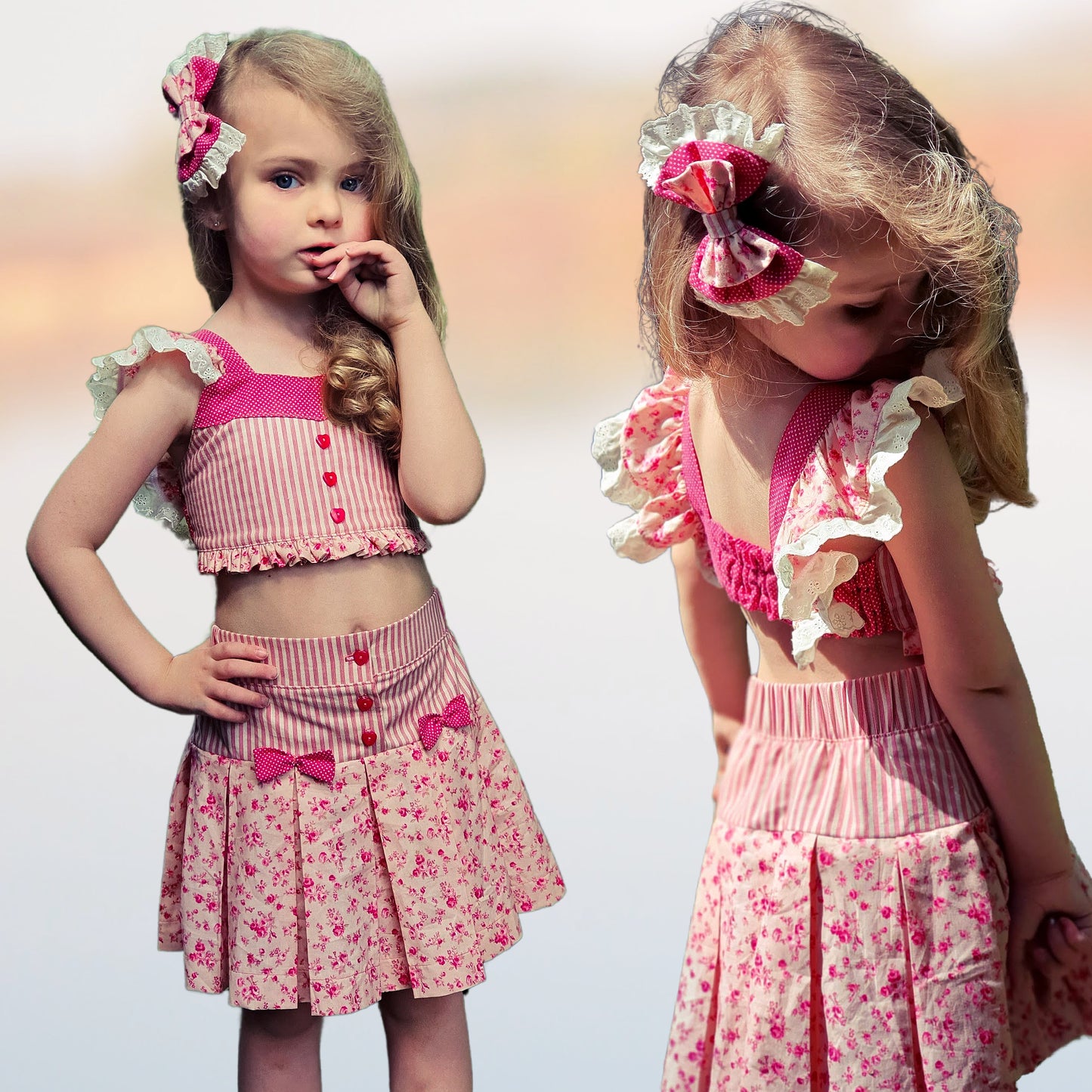
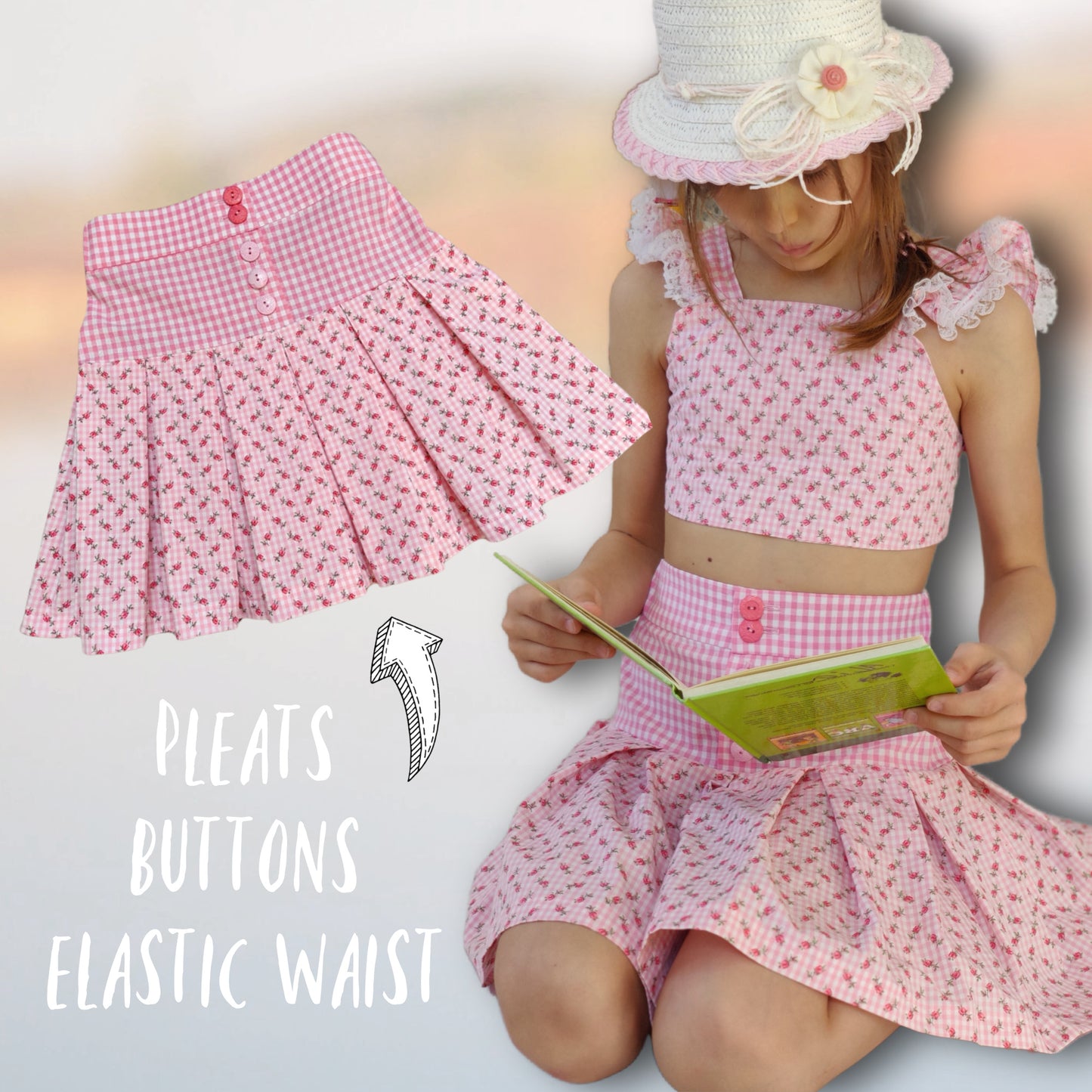
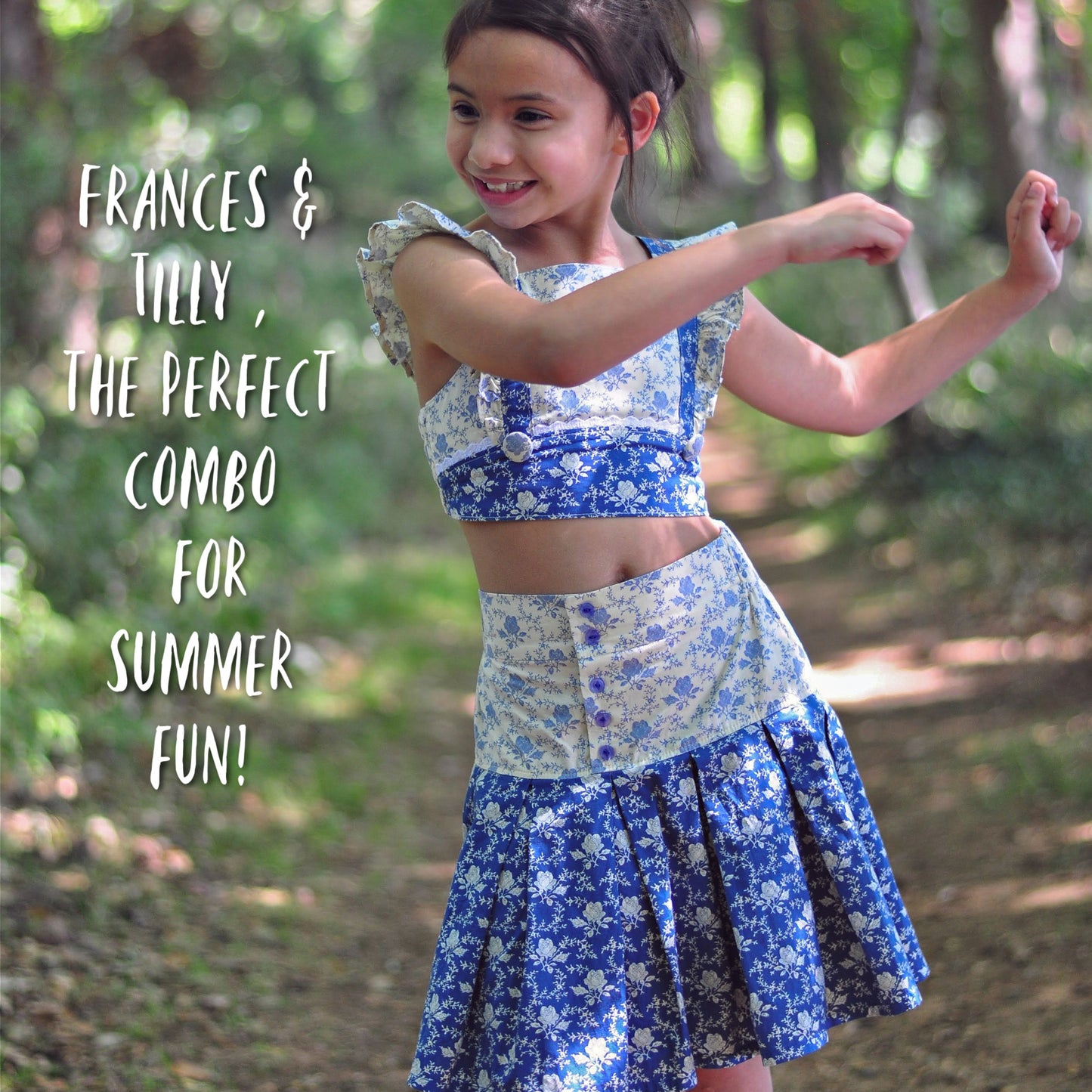
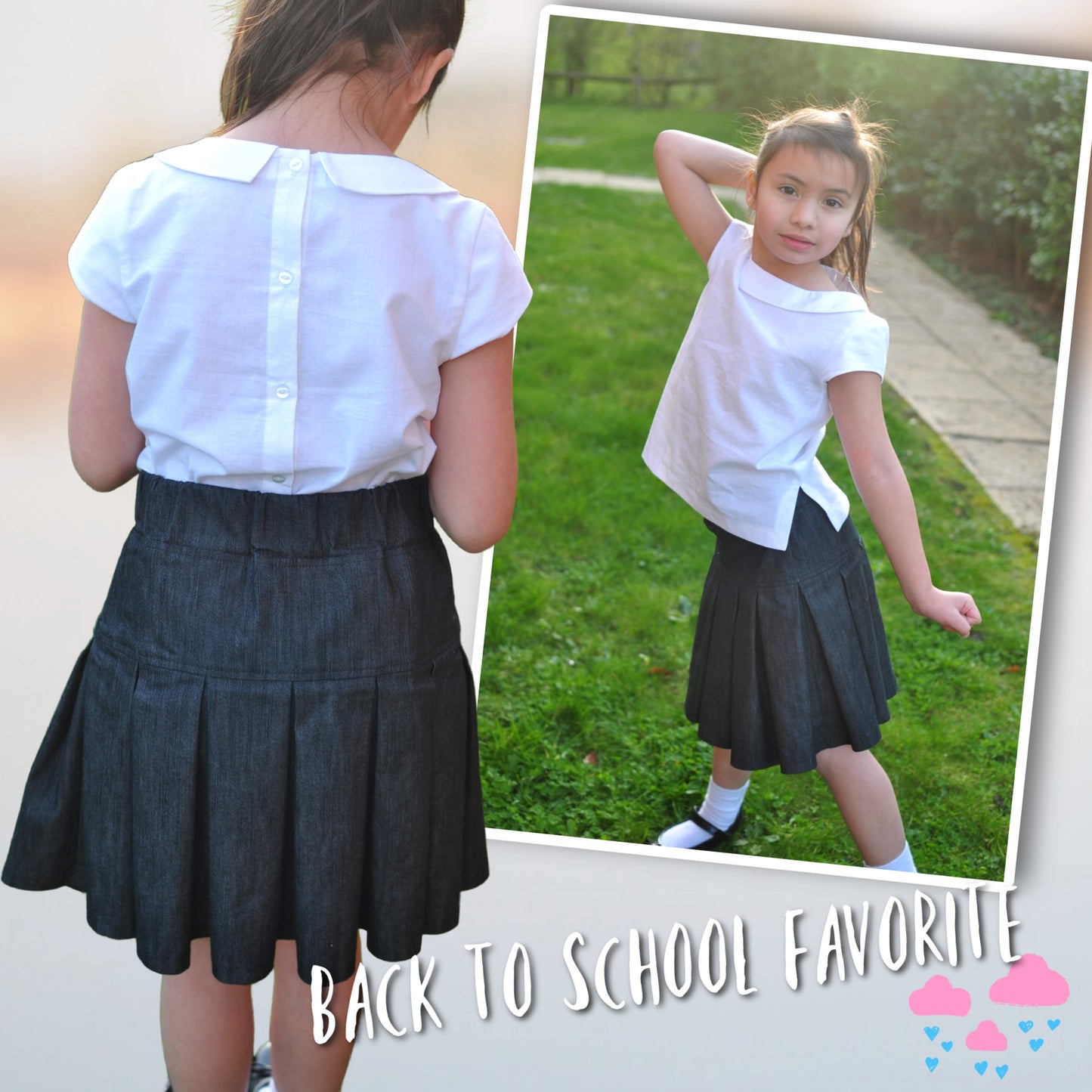
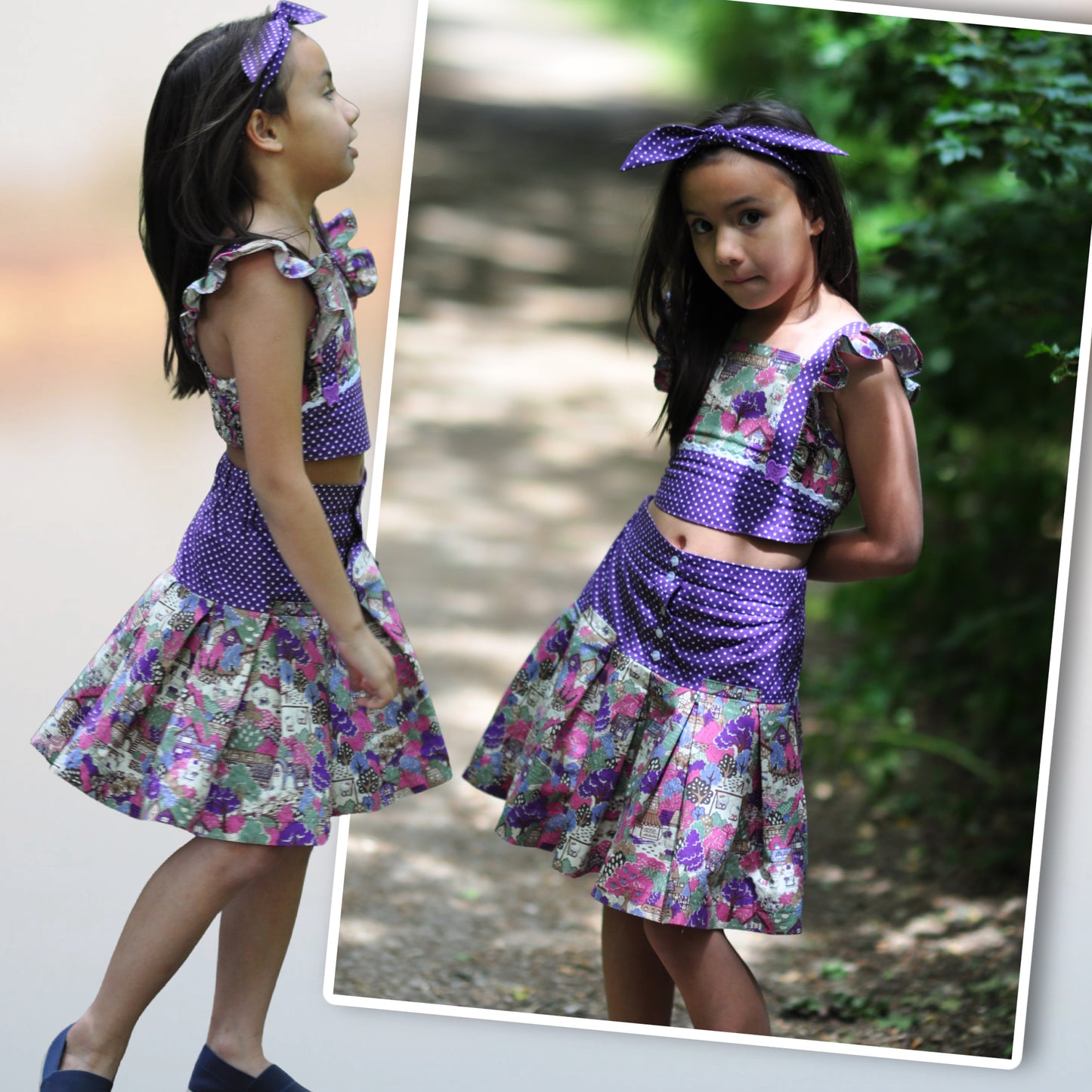
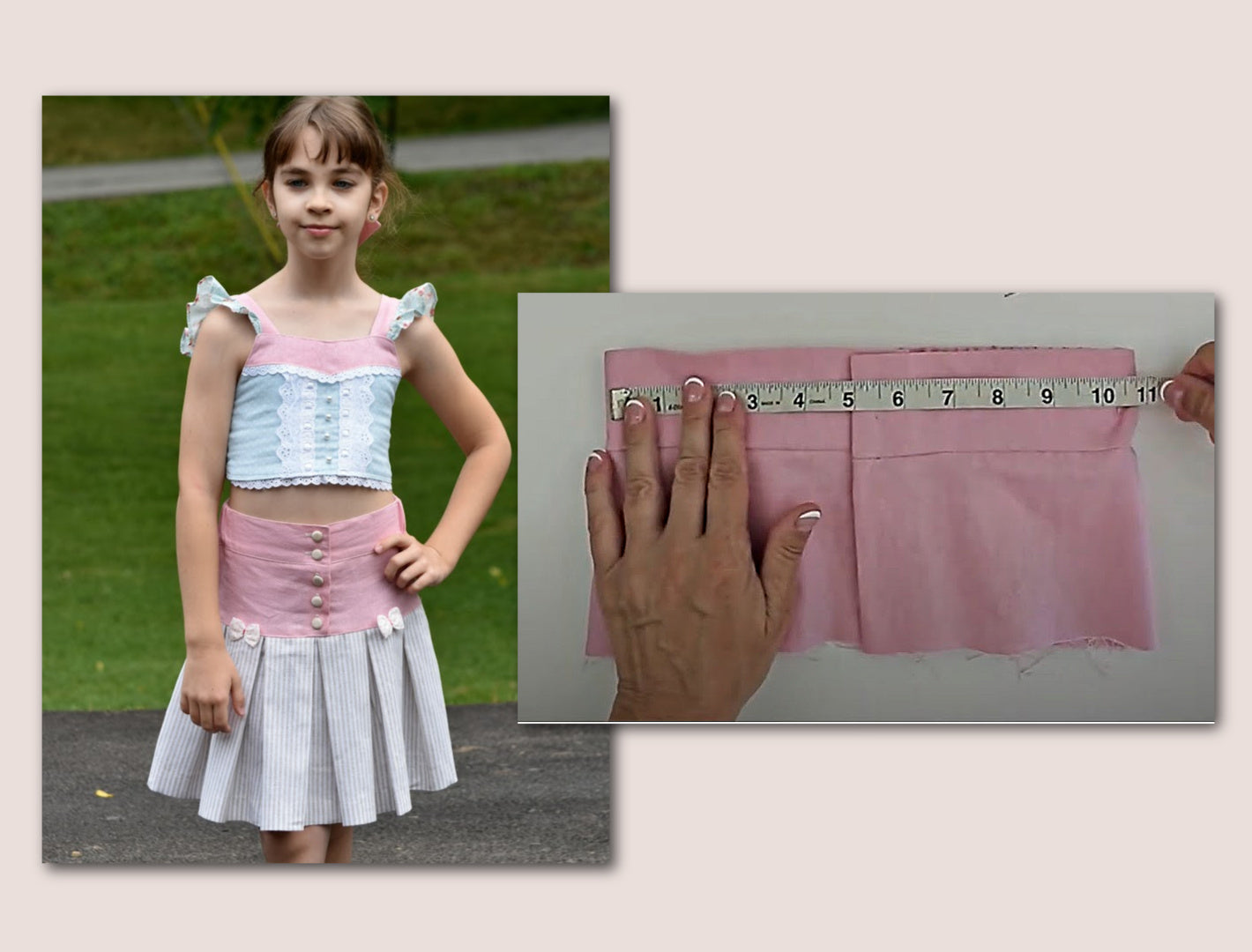
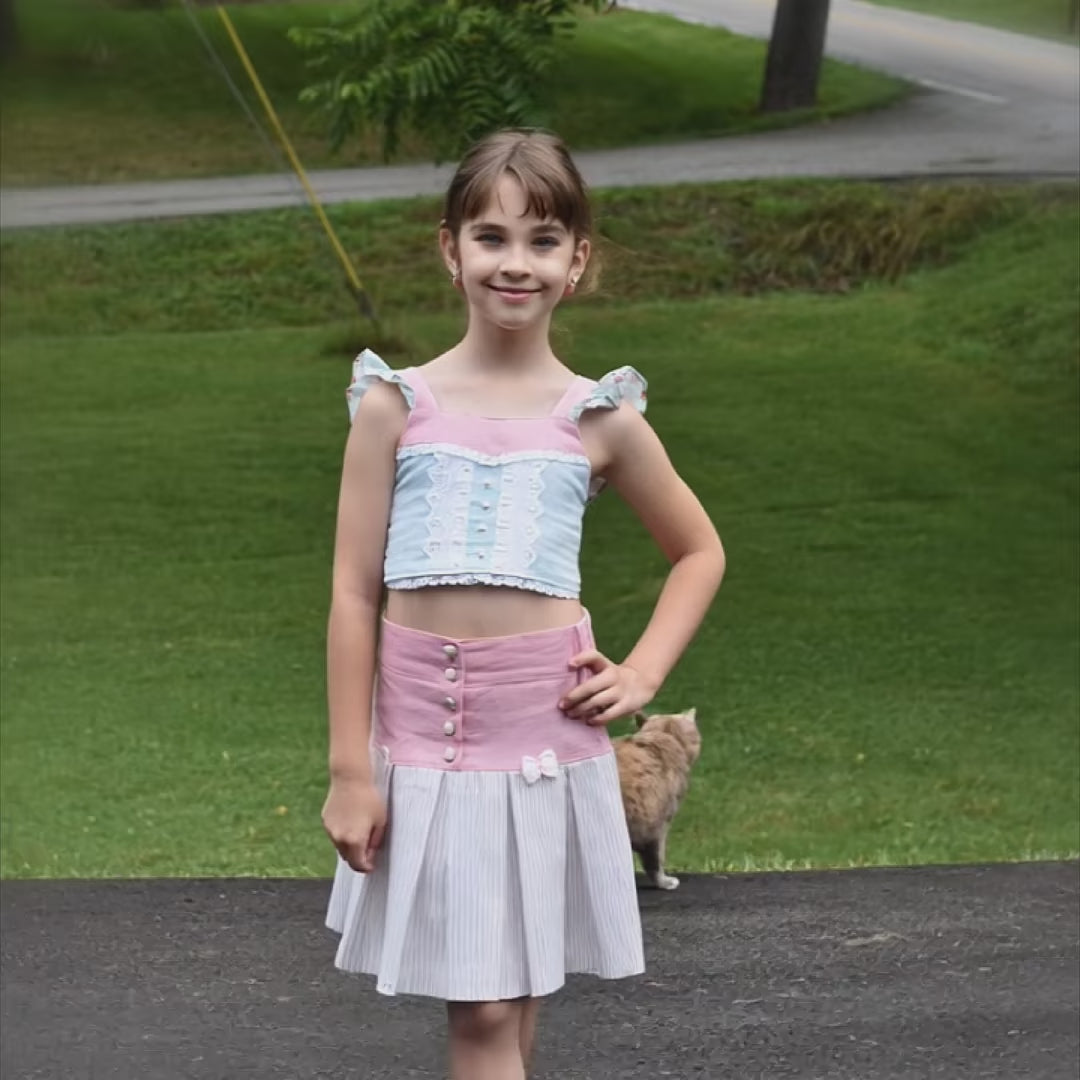
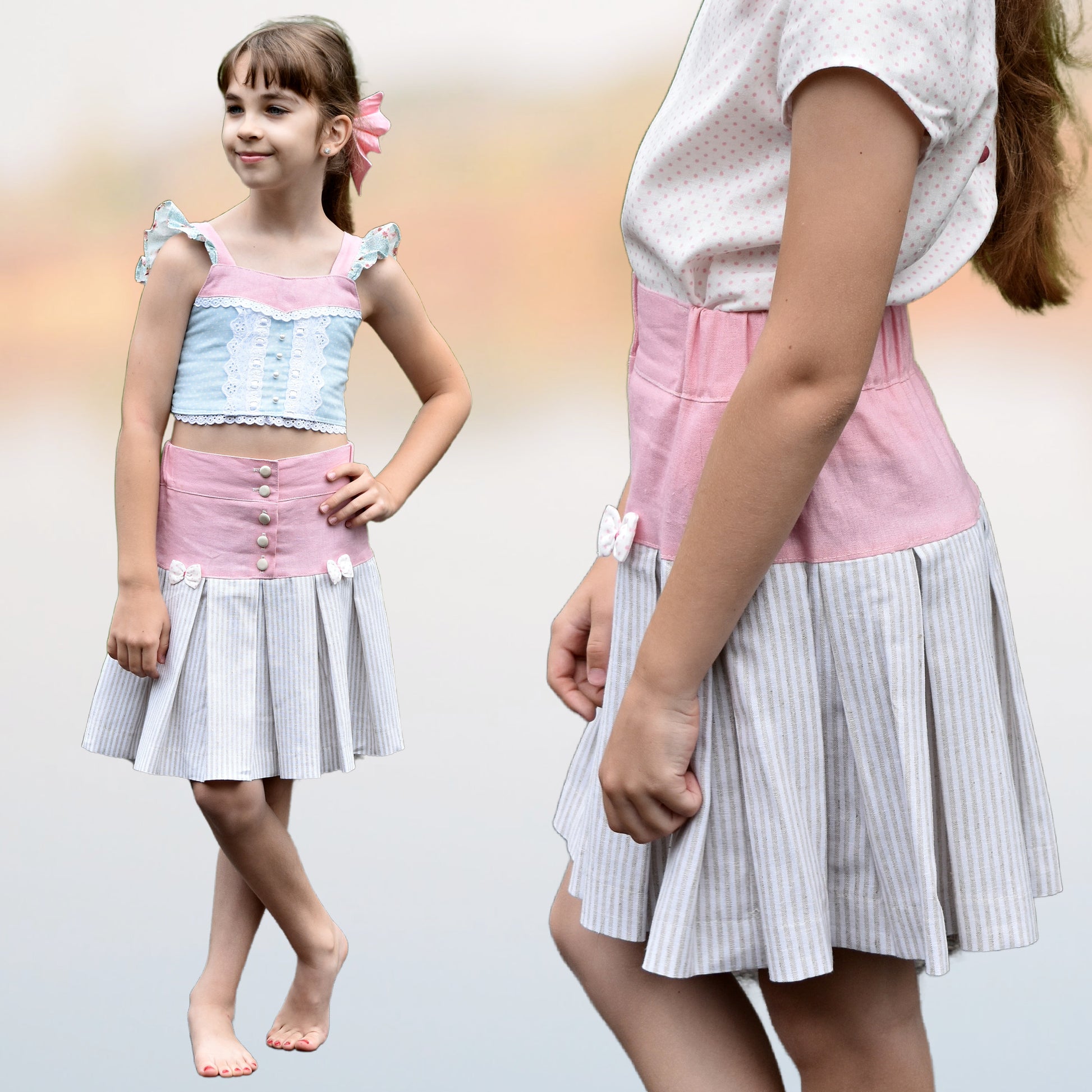
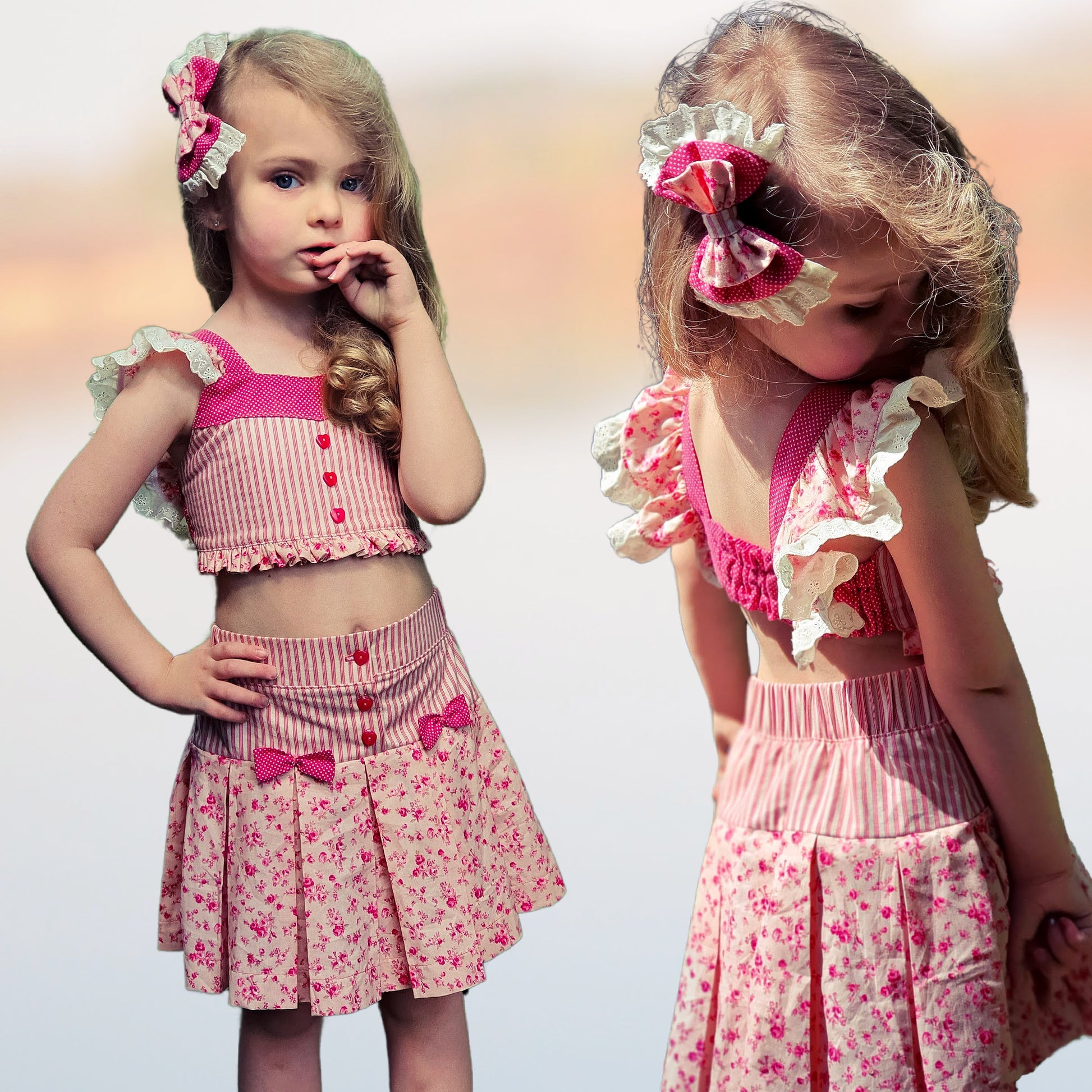
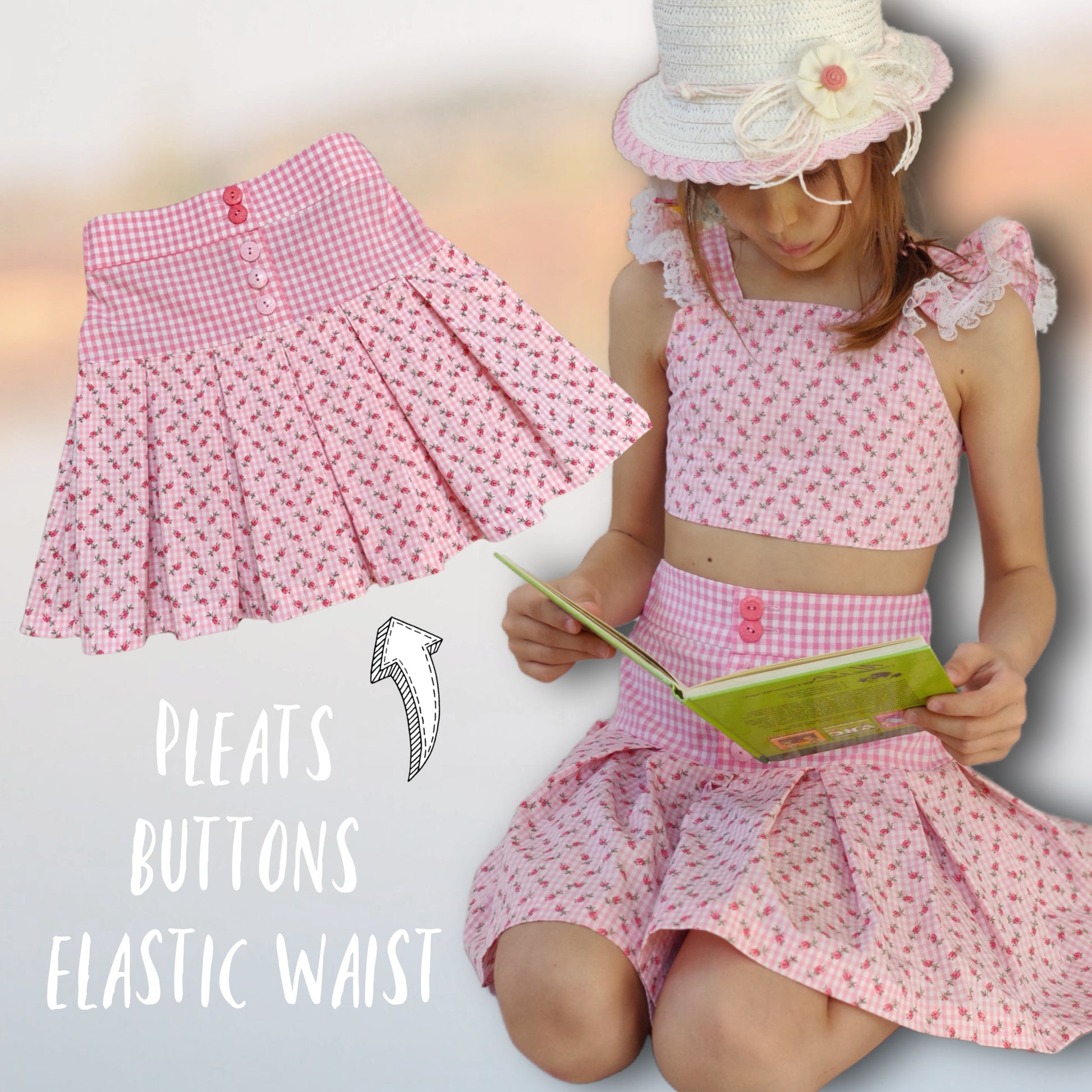
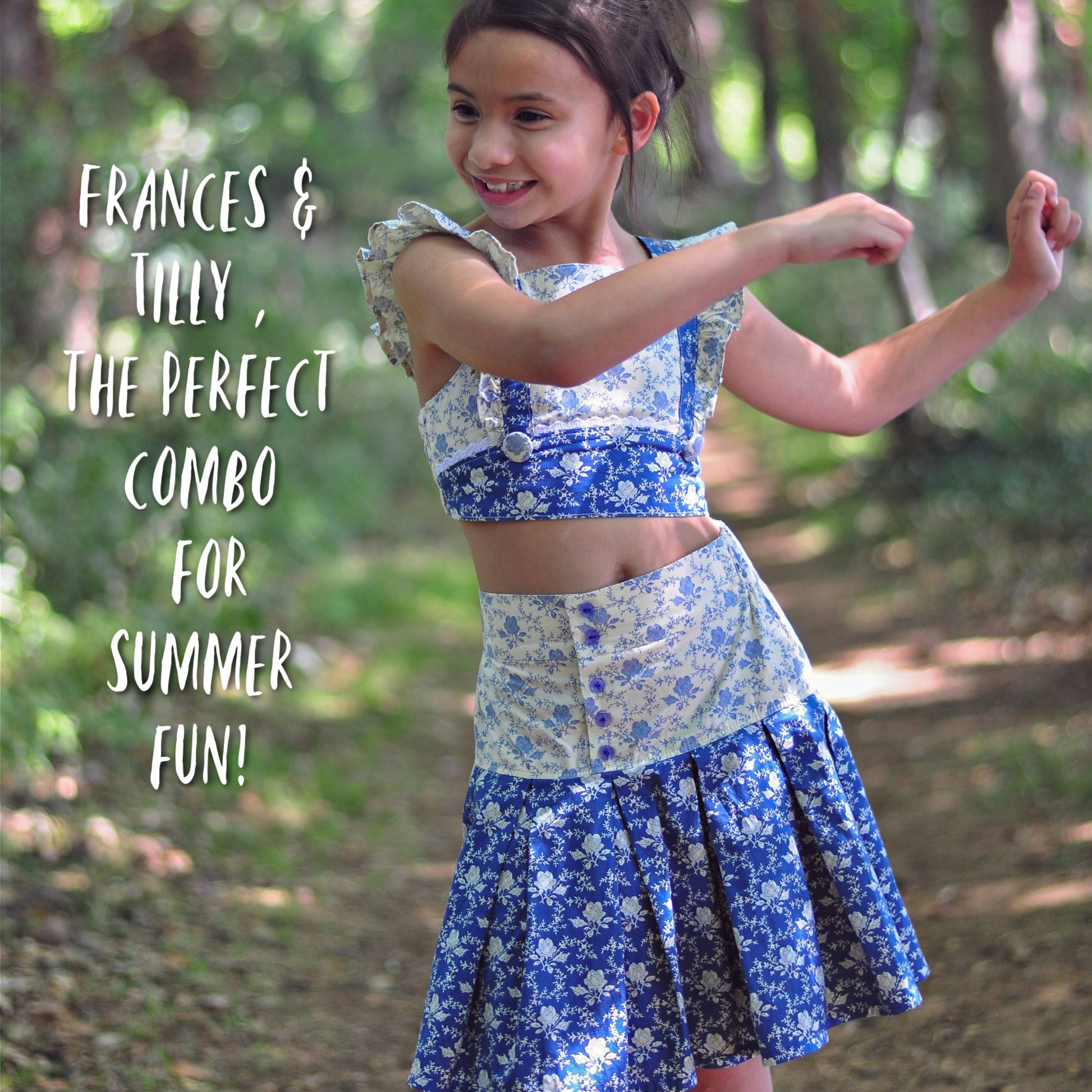
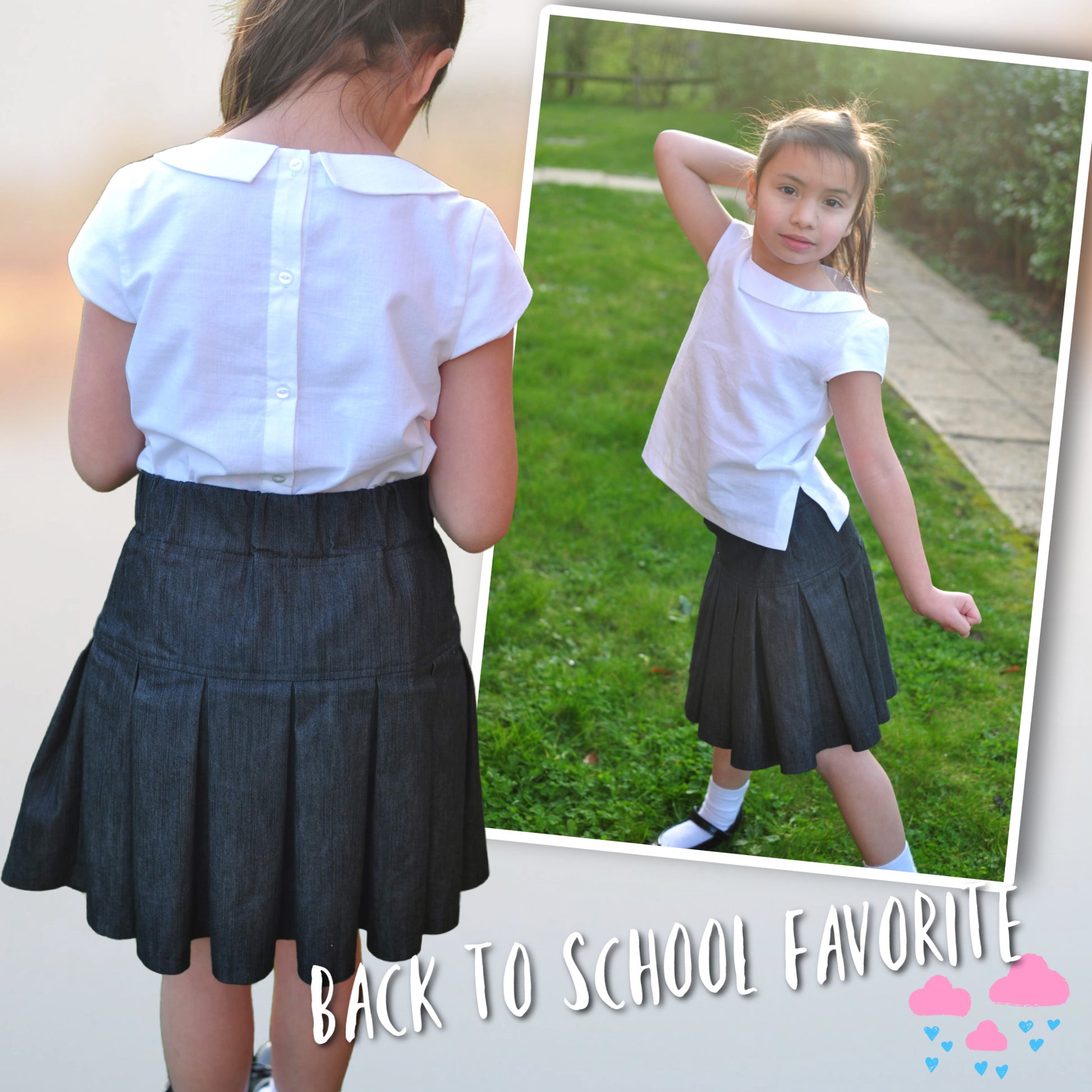
Frances ist ein vintage-inspirierter Faltenrock mit Passe und Faltenrock und bequemem Gummibund. Dieses Rock Schnittmuster eignet sich perfekt für Nähanfänger und ist ideal für Schule, Spiel und Alltag. 

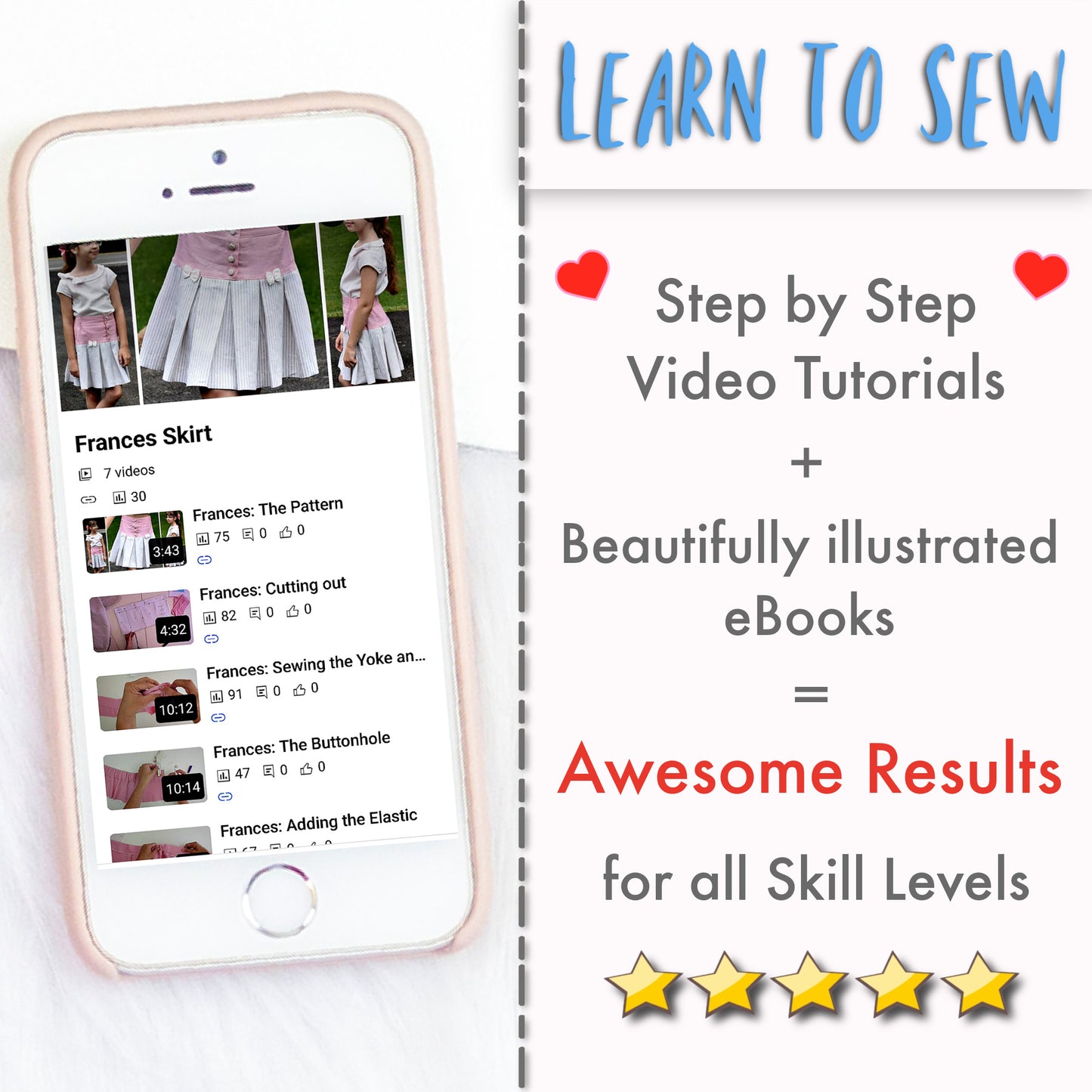
Wie immer bei Frocks & Frolics erklärt dir Marina in ihren ausführlichen Video Tutorials jeden Schritt.  Einfach nach unten scrollen und loslegen.

Was ist beim Schnittmuster dabei?

  • Sofort-Download
  • Digitale PDF Schnittmuster
  • DIN A4 Format
  • eBook
  • Schritt für Schritt Video-Anleitungen

Design

  • Rock mit Passe und Knopfleiste
  • Gummizug in der Taille
  • Faltenrock

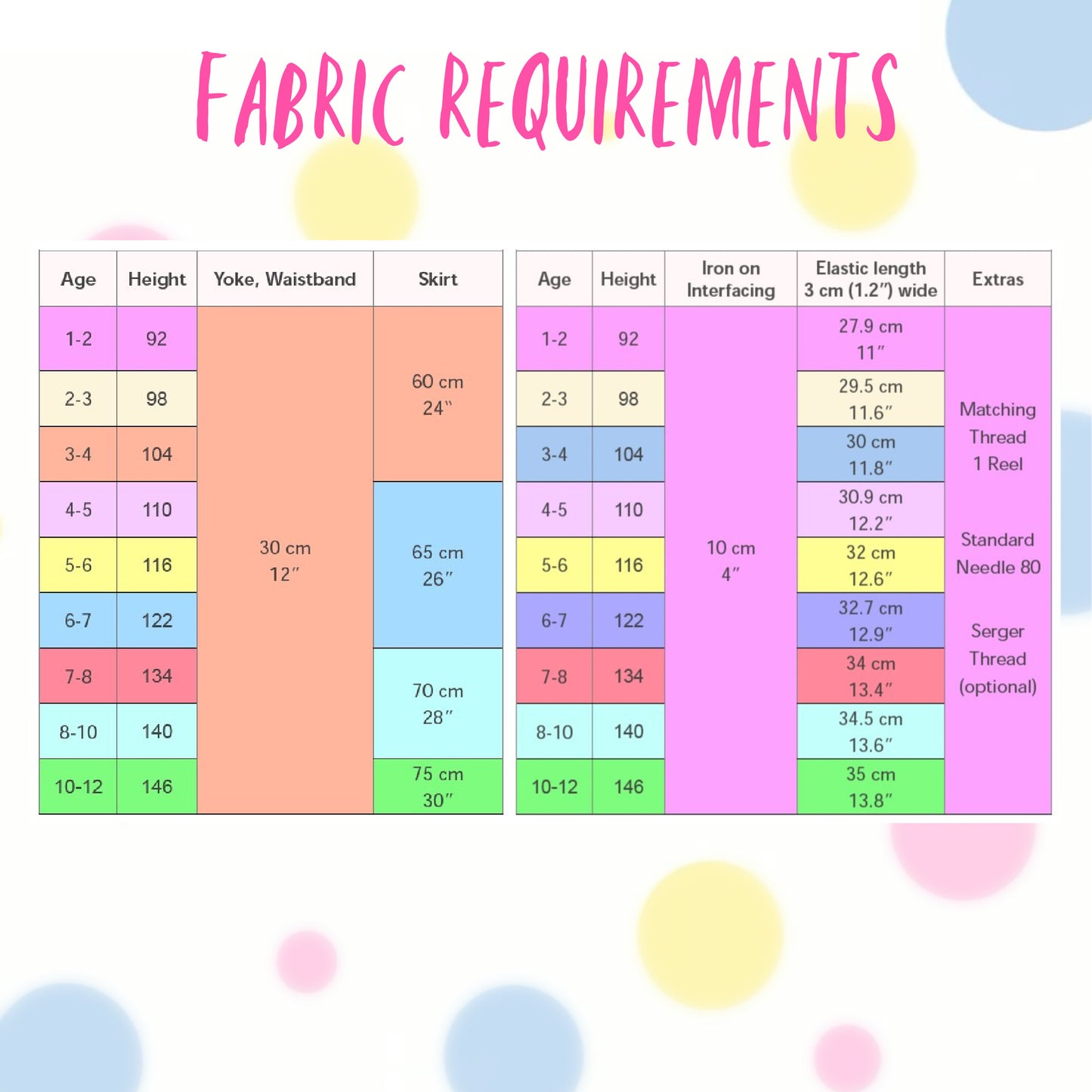
Stoffverbrauch

STOFFEMPFEHLUNGEN & STOFFVERBRAUCH

Verfügbare Größen

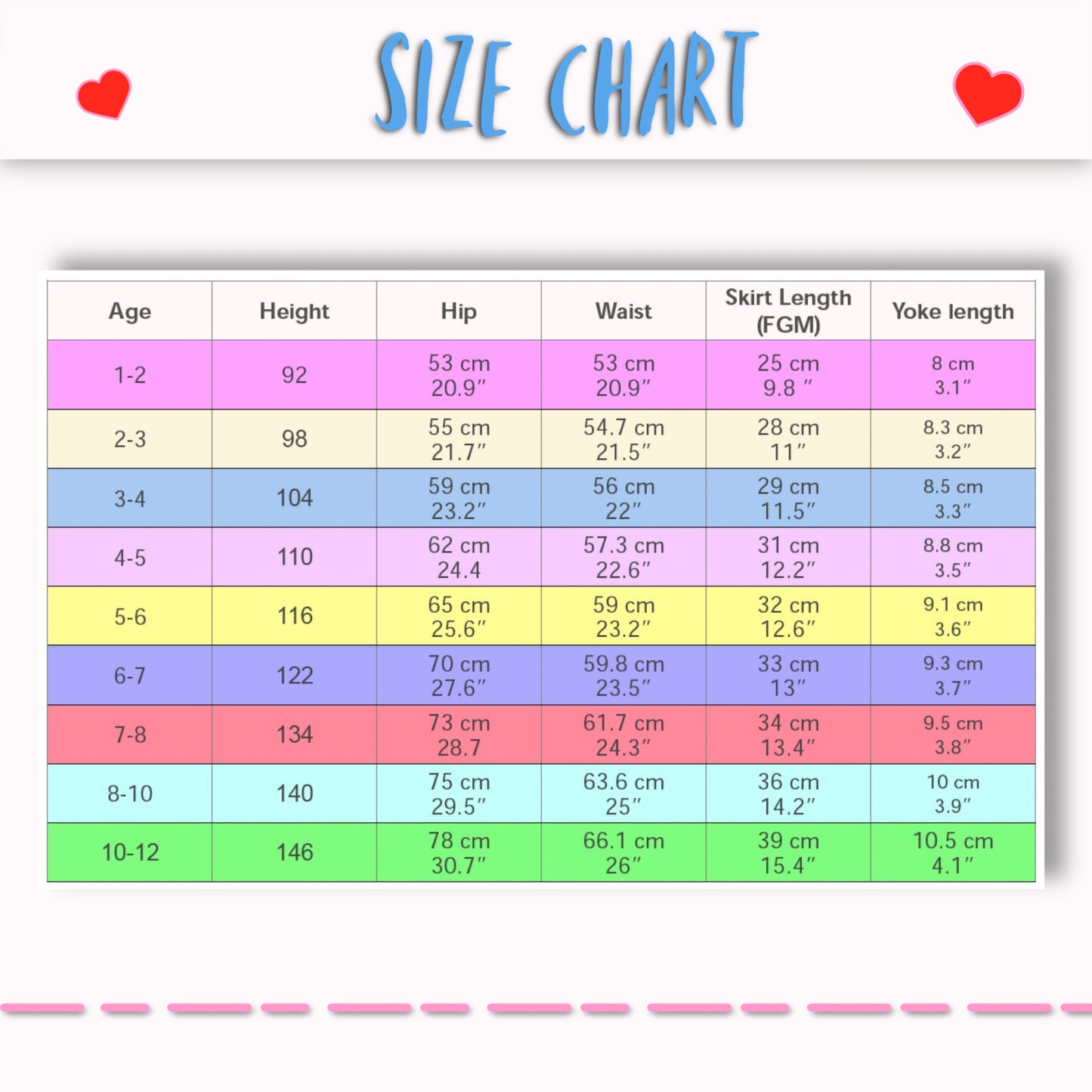
Größe: 92-152, Alter 1-12

Bitte beachten

  1. Dies ist ein digitales Schnittmuster oder eine PDF-Datei, kein physisches Produkt. Die Zustellung erfolgt elektronisch über einen Download-Link an die beim Kauf verwendete E-Mail-Adresse. Zusätzlich kann das Schnittmuster von deinem Kundenkonto heruntergeladen werden.
  2. Um sicherzustellen, dass das Schnittmuster in seiner tatsächlichen Größe gedruckt wird, wird die Verwendung von Adobe Acrobat Reader empfohlen.
  3. Kleine Betriebe: Ich freue mich wenn meine Schnittmuster dir helfen, tolle Bekleidung für deine Kunden zu nähen. Industrielle Produktion ist untersagt.

Kunden werden ermutigt, Frocks & Frolics zu verlinken, wenn sie Projekte, die mit meinen Schnittmustern erstellt wurden, in sozialen Medien teilen.

@frocksandfrolics
#frocksandfrolics

Vollständige Details anzeigen

SCHRITT-FÜR-SCHRITT ANLEITUNG
Thumbnail
DAS SCHNITTMUSTER
Thumbnail
ZUSCHNITT
Thumbnail
PASSE & BÜNDCHEN
Thumbnail
KNOPFLOCH
Thumbnail
DAS GUMMIBAND EINZIEHEN
Thumbnail
DER ROCK

VIDEO TEXT

Pattern Overview and Assembly

Transcript for the video: Frances Skirt - The Pattern

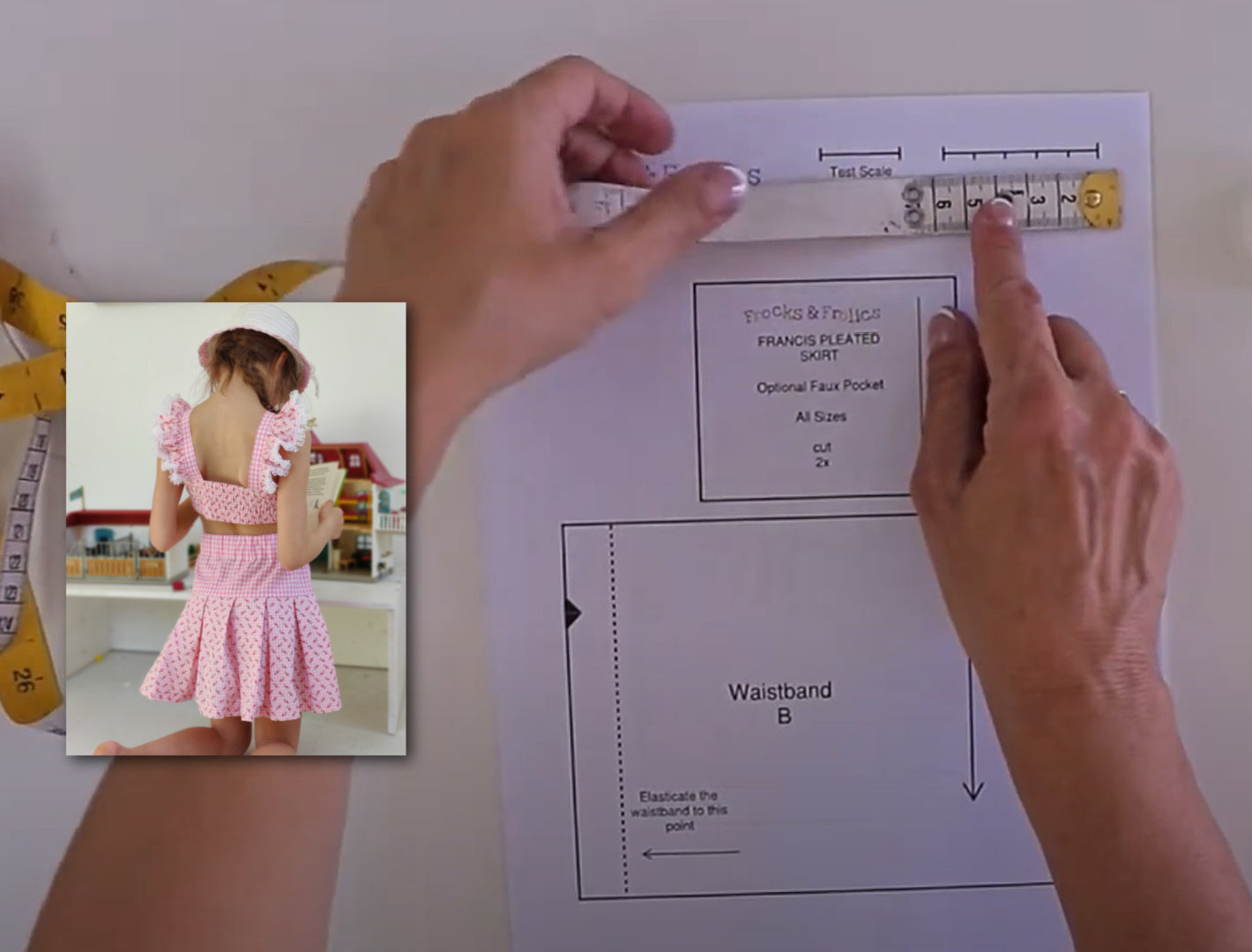
Before you start working with the pattern pieces, check your print scale carefully. Use a tape measure to confirm that the test square is exactly 5 cm or 1 inch. If it is off, reprint the pattern because accuracy here will affect the whole fit of the dress.

Understanding the Pattern Layout

On the last page of your pattern pack, you will always find the assembly guide. The pieces are arranged in alphabetical order, so you can follow them step by step without guessing.

Each piece has attachment lines that do not represent seams. These lines must be matched up and covered with tape when assembling the printed sheets.

Sorting Your Pattern Pieces

Once everything is printed and cut, sort your pieces into groups.

Keep the skirt pieces together in one pile.

Put non-assembled pieces like bodice parts, waistband, and interfacing pieces in another pile.

You will often see repeated identifiers like a pink flower marking for the back pieces, which helps you keep orientation correct.

Assembling the Skirt

The skirt is assembled in alphabetical order.

Start by joining A to B, then continue adding the next labeled sections as indicated in the assembly plan.

Think of it like building layers. Each step builds on the previous one, and the guide has already done the structuring for you.

Waistband and Elastic

The waistband includes a separate interfacing pattern piece. This piece is slightly wider than the elastic casing area to allow movement and comfort.

In this example, the elastic is 5 cm wide but is reduced to 4 cm to fit properly inside the waistband casing.

Front and Back Layout

The back pieces are cut on the fold and include markings for structure and orientation.

The front includes a center fold line that forms the button placket. This placket is 2.5 cm wide and sits at the center front.

You can also replace buttons with cam snaps if preferred.

Small Pattern Pieces

There is a small pattern piece included that can be used either as a pocket detail or a decorative bow for the skirt. You only need one piece, used for both front and back depending on your design choice.

Pleat Markings

The skirt includes clearly marked pleat positions. These must be transferred accurately when cutting and assembling, as they determine the shape and volume of the final garment.

Make sure to mark them properly before moving on to construction, as they will be essential in the next sewing steps.

Cutting Out the Fabric

Transcript for the video: Frances Skirt - Cutting Out

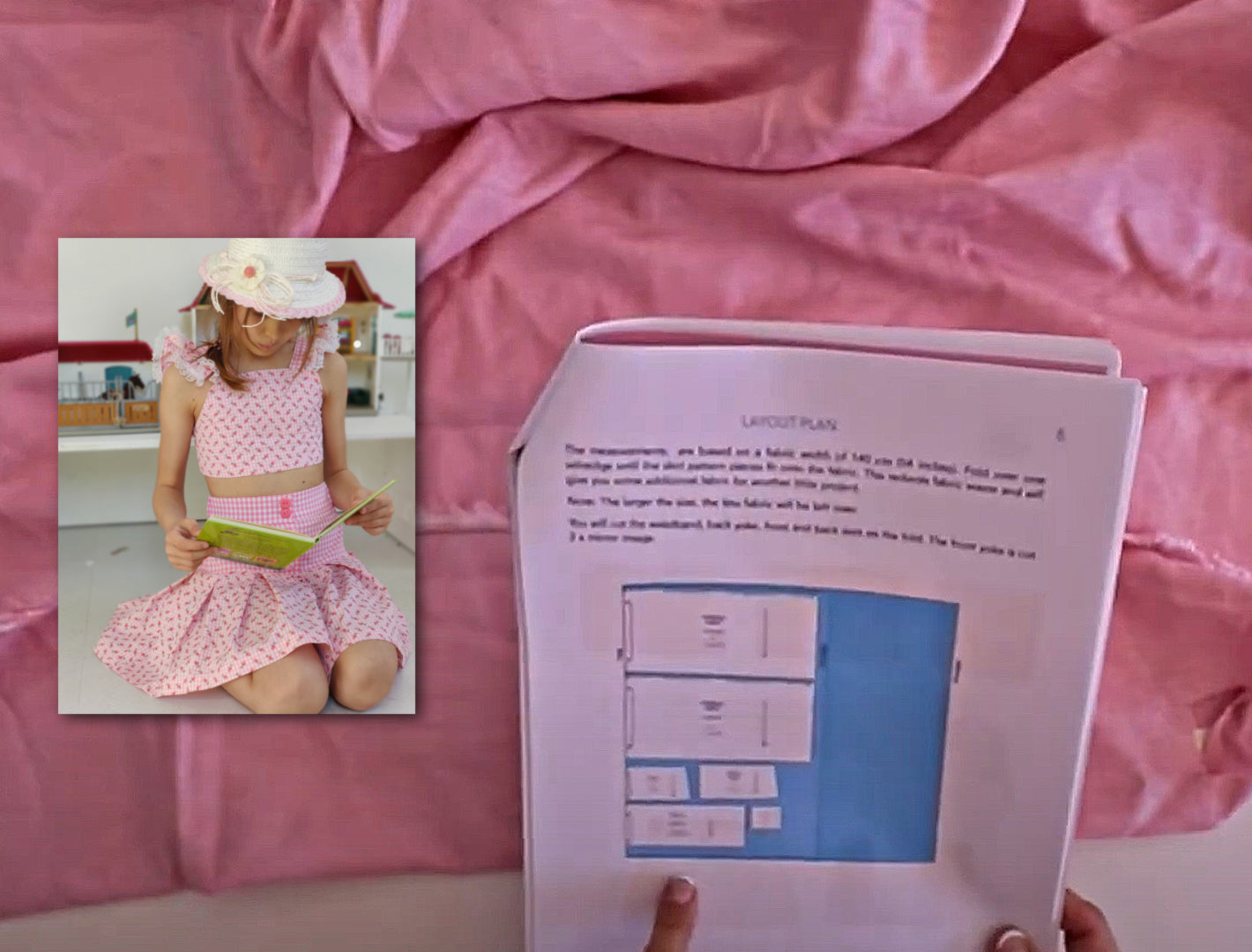
Using the Layout Plan

Now we are going to cut out the fabric.

If you are anything like me, you will not strictly follow the layout plan because you are often working with multiple fabrics.

However, one useful thing you can take from the layout is how the fabric is folded. We fold the selvage as far as needed before placing the pattern pieces.

Cutting Technique

It is always best to cut with your scissors positioned to the left of the pattern piece. It is much harder to cut cleanly when the scissors are on the right side.

As you can see here, I am actually struggling with my scissors because they are quite blunt. In the next videos, I suddenly have a new pair of orange scissors because I had to go and get better ones.

Marking the Pattern

You want to mark the center back.

We also need to cut the center front.

Here I adjust the fabric so the selvage lies more evenly before cutting.

Cut along the pattern with the pattern on your right if possible. If not, you can cut from the other side as well.

Make sure to snip where the fold line is, because this is where the interfacing will be placed.

Waistband and Interfacing

Now cut the waistband on the fold. This is very important.

Then cut the interfacing pieces. You need two.

I always use very lightweight interfacing because I do not like it to become too stiff.

Small Detail Pieces

We also cut the small pocket pieces, although in this case I will use them as a bow instead. I think that is very pretty.

Cut two of these pieces.

Cutting the Skirt

Now we cut the skirt pieces.

You will cut the skirt twice, once for the front and once for the back.

When marking pleats, be careful.

If you are marking pleats, I recommend not marking the center of the pleat directly. Instead, only mark the start and end of each pleat.

If you want, you can use a textile marker to indicate the center point lightly, but do not rely on it too heavily, or you may confuse the pleats later.

Always mark the center front and center back clearly.

Elastic

Finally, cut the elastic.

It is very important that you choose the elastic length based on the waist measurement, not the garment size. This is because the skirt length may vary, and the waist must still fit properly.

Some children have a very slim waist, so this ensures the elastic will last longer and fit comfortably.

In my case, the elastic was 5 cm instead of 4 cm, so I trimmed it down slightly.

It is not ideal, but it works perfectly fine.

Ready to Sew

Now we are ready to start sewing the skirt together.

Sewing the Yoke and Waistband

Transcript for the video: Frances Skirt - Yoke & Waistband

Closing the Side Seams

Now we are going to sew the yoke and the waistband.

First, close the side seams. We are again using a 1 cm seam allowance.

I am ironing my seams apart because the fabric is quite thick and I do not want unnecessary bulk.

At this stage I do not really need pins. I simply line up the edges, sew my 1 cm seam, and continue.

I also like to swivel the work and keep sewing in one continuous motion. This helps reduce thread use and keeps everything efficient.

Pressing the Seams

First, iron the seam flat.

Then press the seam open.

Even if you are using a fabric like linen where it may not seem essential, it still makes a big difference in the final finish, especially with heavier fabrics.

Waistband Construction

Now the button placket sits on top with a 2.5 cm overlap.

For the waistband, we apply interfacing to both sides.

The interfacing piece does not include seam allowance, so it will not add unnecessary bulk.

The center section is left without interfacing because that is where the elastic will sit.

When applying iron-on interfacing, press in sections. Hold each section for about 8 seconds, then move on to the next. This ensures a secure bond.

Folding and Sewing the Waistband

Now fold the waistband lengthwise in half.

Close both edges, again using a continuous sewing motion where possible to save thread and keep things smooth.

Use a pin at the corner so the edges stay neat.

Then give the waistband a good press.

Also press the top edge so everything sits cleanly and evenly.

Attaching the Waistband to the Yoke

Now the key step, where everything comes together.

Open up the waistband.

Take the yoke, which is still open.

Place the waistband on top, right side up.

Now move the waistband up to the top of the yoke.

The important step here is this: align the seam line with the crease.

Pin the seam line exactly to the crease line. This creates a very smooth, professional finish once sewn.

Pin all the way to the end of the facing.

Repeat the same process on the other side, aligning carefully.

This method is widely used in garment industry sewing because it creates a very flat and clean waistband.

Sewing the Waistband

Now sew from the start of the facing all the way around to the end.

Keep a 1 cm seam allowance and remove pins as you reach them, not before.

Make sure nothing twists underneath while sewing.

This method creates a very smooth and even waistband with minimal bulk, even when elastic is added later.

Final Pressing and Checking

After sewing, open everything out and press the seam into the waistband.

Check carefully that both sides are even in height.

If something is slightly off, it is still fixable at this stage before finishing edges.

Next, overlock or serge the seam all the way around.

Before you continue, always double check alignment. Once overlocked, adjustments become much harder.

Reducing Bulk

To improve flatness, snip into the seam allowance at key points so one seam allowance goes up and the other goes down.

This reduces bulk significantly and gives a very clean finish.

Repeat this on both sides.

Secure with a pin to hold everything flat in place.

Now we are ready to move on to inserting the elastic.

Sewing the Buttonholes

Transcript for the video: Frances Skirt - Buttonhole

Marking the Buttonhole Positions

Now we can put in the buttonholes.

It is actually easier than it looks. You can follow the markings on the pattern, but it is also helpful to understand why they are placed where they are.

First, remove the seam allowance at the lower end.

Then check the spacing. The distance from that lower line to the start of the first buttonhole should match the distance from the waistband edge to the first button position.

Start the first buttonhole about 1 cm below the top edge.

After that, simply mark the remaining buttonholes by spacing them evenly down the placket.

You can also measure and adjust as you go, but consistency is more important than perfection here.

Check that each start point is clearly marked.

Using the Buttonhole Foot

The buttonhole should sit exactly in the center of the placket, which is about 1.25 cm wide.

The buttonhole foot makes this very easy because it keeps the distance even on both sides of the needle.

Place the foot centrally on the placket, lower the needle, and begin the first side of the buttonhole.

Then complete the second side.

Before sewing, you can fold the placket over to double check alignment. This helps ensure everything is centered.

Sewing the Buttonholes

Set the correct buttonhole length.

Sew slowly and steadily. I tend to pause briefly at times just to make sure everything is feeding correctly.

The key is control rather than speed.

Complete the first buttonhole and secure it with a few stitches at the end.

Then move on to the next one, repeating the same process.

Try to keep the spacing consistent, but small variations are not critical. Once buttons are sewn on, minor differences are not noticeable.

Positioning the Buttons

Now we place the top button horizontally.

It should align with the vertical buttonholes.

Mark the position with a pin first.

A standard distance from the edge is about 1.2 cm, but the best method is visual placement first, then measuring.

Adjust until it looks balanced.

Once you are happy with the position, measure the distance from the top and bottom to ensure it is centered.

Then mark the final position clearly.

Sewing the Buttons

Take your time here and secure each button firmly.

If you are using a foot like this, it helps maintain consistent spacing from the edge.

If something feels slightly off, adjust before stitching.

Opening the Buttonholes

Now carefully cut open the buttonholes.

Fold the fabric gently and snip into the center, then carefully cut towards the ends.

Take your time and avoid cutting too far into the stitches.

Always test with a button before moving on.

Final Check

Once all buttons are in place, do a final check that everything closes neatly and the alignment looks even.

Now we are ready to attach the skirt to the yoke and finish the dress.

Inserting the Elastic into the Waistband

Transcript for the video: Frances Skirt - Inserting the Elastic

Now we are going to insert the elastic.

First, pin the seam allowance in place and press it down neatly along the waistband.

If you prefer, you can also turn the seam allowance under and stitch it down. Either method works, especially if you do not have a serger. It will still give a nice, slightly softer finish.

Pin everything carefully along the waistband.

Now find where your interfacing ends.

Go about 1 cm beyond that point and mark it clearly. That will define the start and end of your elastic tunnel.

Repeat this on the other side so both ends match.

Now you know exactly where the elastic channel will sit.

Stitching the Waistband

You can start with stitch-in-the-ditch if you want to hide the stitching line.

Use a thread color that matches your fabric as closely as possible so it disappears into the seam.

Gently guide the fabric so you stay in the seam line. You may need to open the seam slightly with your fingers so you can see exactly where you are stitching.

However, stitch-in-the-ditch can be tricky. If you drift even slightly, the stitching can end up on the waistband or skirt and look uneven.

After a few stitches, I decided to switch methods so I could show a cleaner result.

Instead, we are going to topstitch the waistband.

Topstitching for a Clean Finish

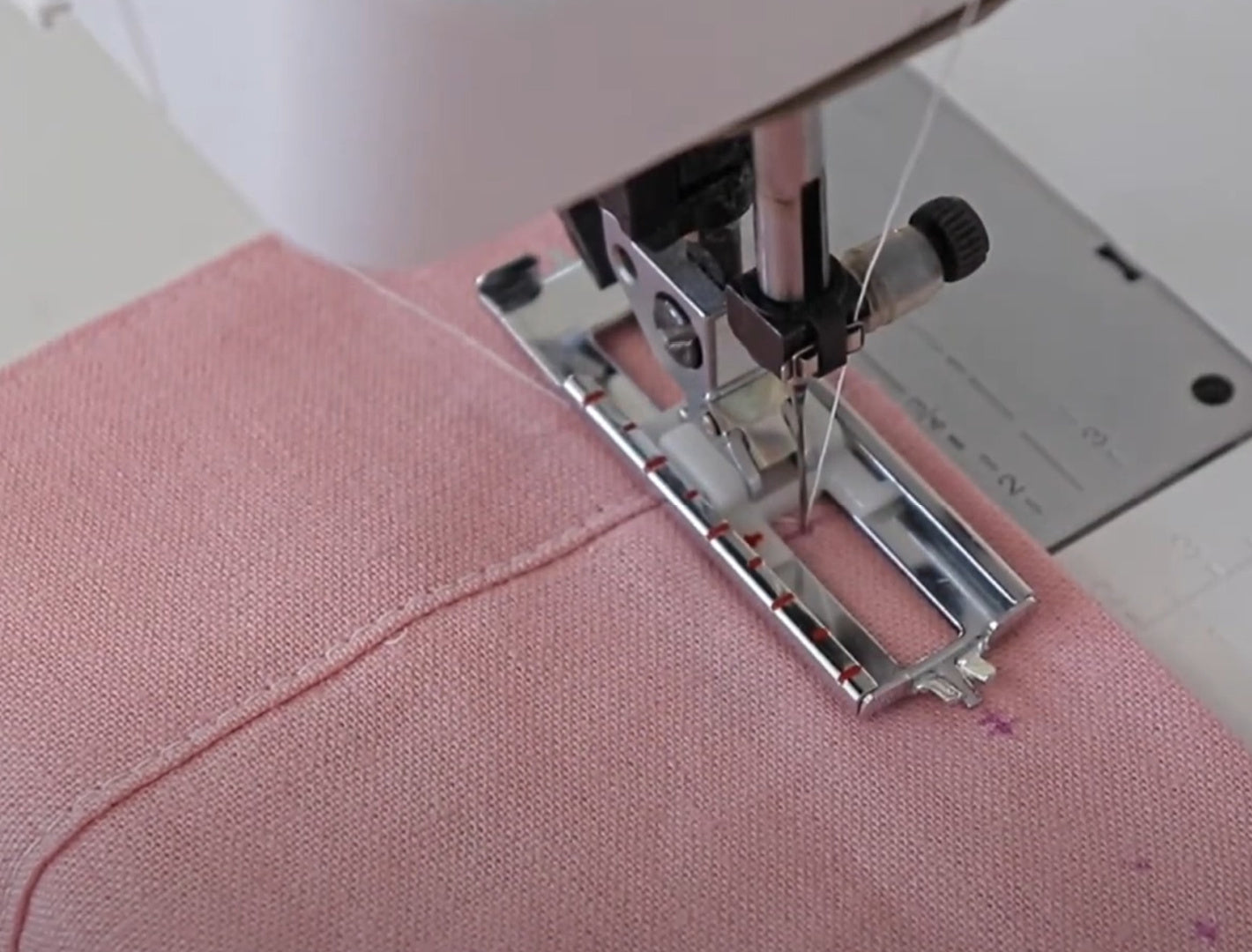
Use a longer stitch length, around 3 to 3.5 mm. This gives a more professional topstitch look.

Find a guide on your presser foot to keep an even distance from the edge. In my case, I use the center guide and red markings on the foot to keep everything aligned.

Remove pins as you sew so the fabric feeds smoothly. Sewing over pins can cause uneven stitches and loops underneath.

Keep your line steady and even all the way around the waistband.

Inserting the Elastic

Now we feed the elastic through the waistband casing.

Make sure you leave a little ease inside the channel. At least 5 mm of wiggle room is ideal so the elastic does not feel too tight or forced.

Pull the elastic through until about 1 cm is left sticking out at the starting point.

Secure it with a pin so it cannot slip back inside.

Then continue pulling the elastic through from the other side.

If you are making this for a specific child, this is the point where you check fit.

Close the skirt temporarily with the correct 2.5 cm overlap and measure the waist.

In this case, the elastic should sit about 2 to 3 cm smaller than the actual waist measurement. That gives a snug but comfortable fit.

If needed, pull the elastic a little further and recheck until the measurement is correct.

Once satisfied, secure both ends so nothing shifts.

Securing the Elastic

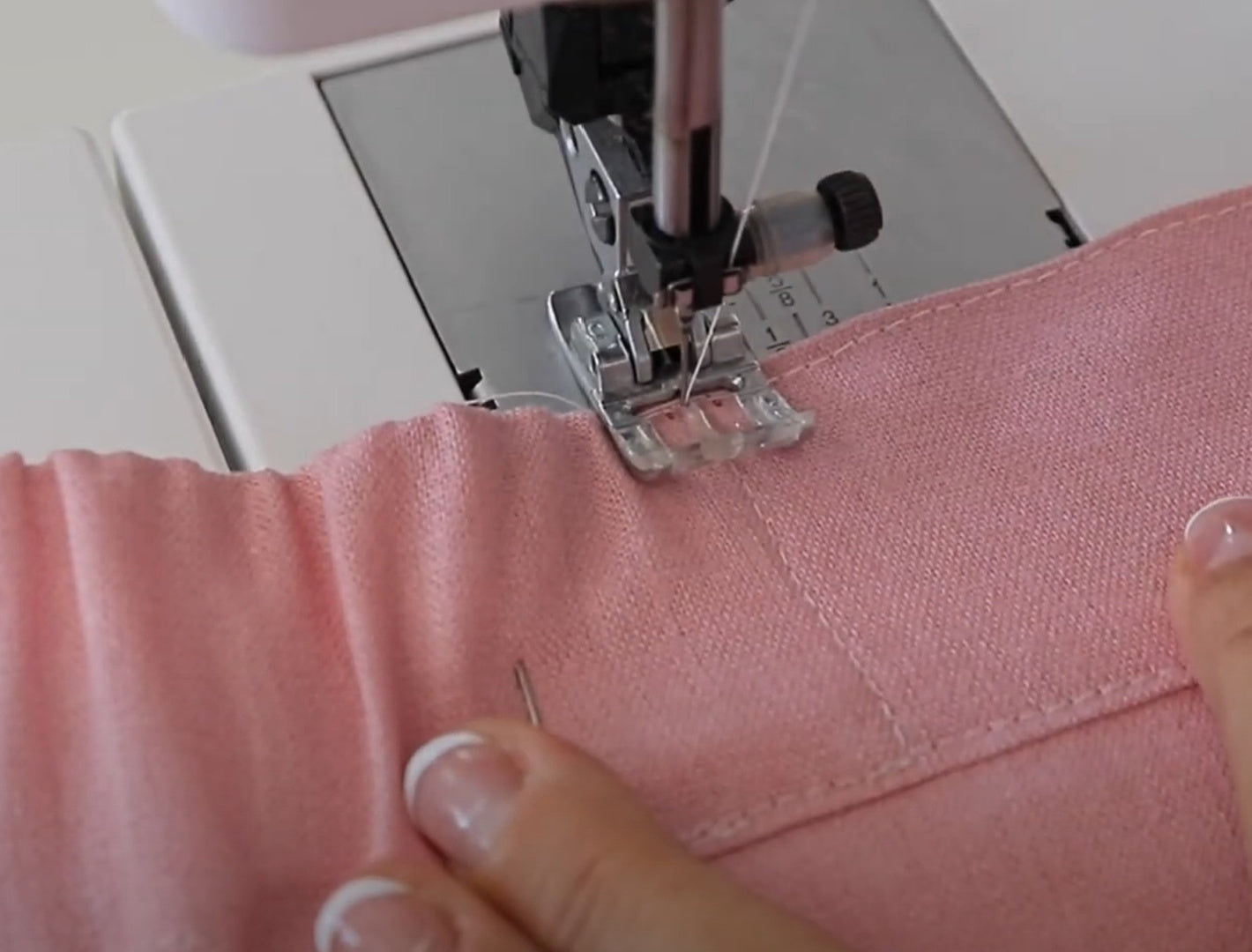
Now we stitch the waistband to lock everything in place.

Start at the top and sew down, across, and back up to form a secure rectangle.

Keep your stitch length at 3.5 mm for a clean, even finish.

Try to end on the same stitching line where possible so the finish looks continuous.

At corners, stop with the needle down, lift the presser foot, pivot carefully, and continue sewing.

Avoid stitching too close to the edge so the fabric feeds smoothly.

Once complete, secure your thread on an existing stitch line.

Repeat on the other side to fully lock the elastic in place.

Final Check

Give everything a quick check to make sure the elastic is even and the waistband sits flat.

Now the skirt is fully secured and ready for the final finishing stage.

Transcript for the video: Frances Skirt - The Skirt

Attaching Interfacing to the Yoke

First, we prepare the yoke.

Start by pressing along the snips so you can clearly see the placement points.

Now position your interfacing onto the correct pleat area.

Use your iron and hold it in place for about 8 seconds. This secures the interfacing properly.

While one side is setting, you can place the second piece.

Move the iron over and press again until both sides are firmly attached.

Once secure, fold the yoke back into shape and press it again so everything sits flat.

Now you can finish the edge using a serger or overlocker.

Sewing the Skirt Side Seams

Now move on to the skirt.

Place the side seams right sides together and line them up carefully.

For lightweight fabric, you could sew and then overlock afterwards. But for heavier fabric like this, we sew first and press the seam open.

A couple of pins are enough to hold everything in place.

Sew with a 1 cm seam allowance, keeping your fabric aligned with the guide on your needle plate.

Try not to focus too much on the needle itself. Instead, guide the fabric steadily along your seam allowance line.

A Useful Thread-Saving Tip

Instead of cutting your thread after each seam, here is a small trick.

When you finish one seam, take the next seam and feed it straight under the machine without cutting.

This locks in your stitches and saves thread.

It is especially useful if you are making multiple skirts at once.

Pressing the Seams

Now press the seam flat first.

Then press it open properly.

This gives a much more professional finish, especially with structured fabrics.

Hem Preparation

Finish the hem edge with a serger.

Then turn the hem up.

In this example, we are using a 3 cm hem because the skirt has pleats rather than gathers. With pleats, you want a lighter hem so it does not become too bulky.

Measure carefully around the entire skirt and press it in place at the 3 cm mark.

You can gently ease the fabric as you press so it sits evenly.

Stitching the Hem

Now sew the hem in place.

Aim for just under your pressed fold so the stitching sits neatly within the serged edge.

Use a stitch length of about 3.5 mm for a clean, professional look.

Align the hem with your machine guide and sew steadily all the way around.

Lock your stitches at the end and press the hem again.

Creating the Pleats

Now we move on to the pleats.

Start at the center front.

With box pleats, you can fold either toward the front or toward the back. Folding forward creates a visible center split, while folding backward gives a smooth front panel. Either method works.

Use your snips as guides rather than marking everything.

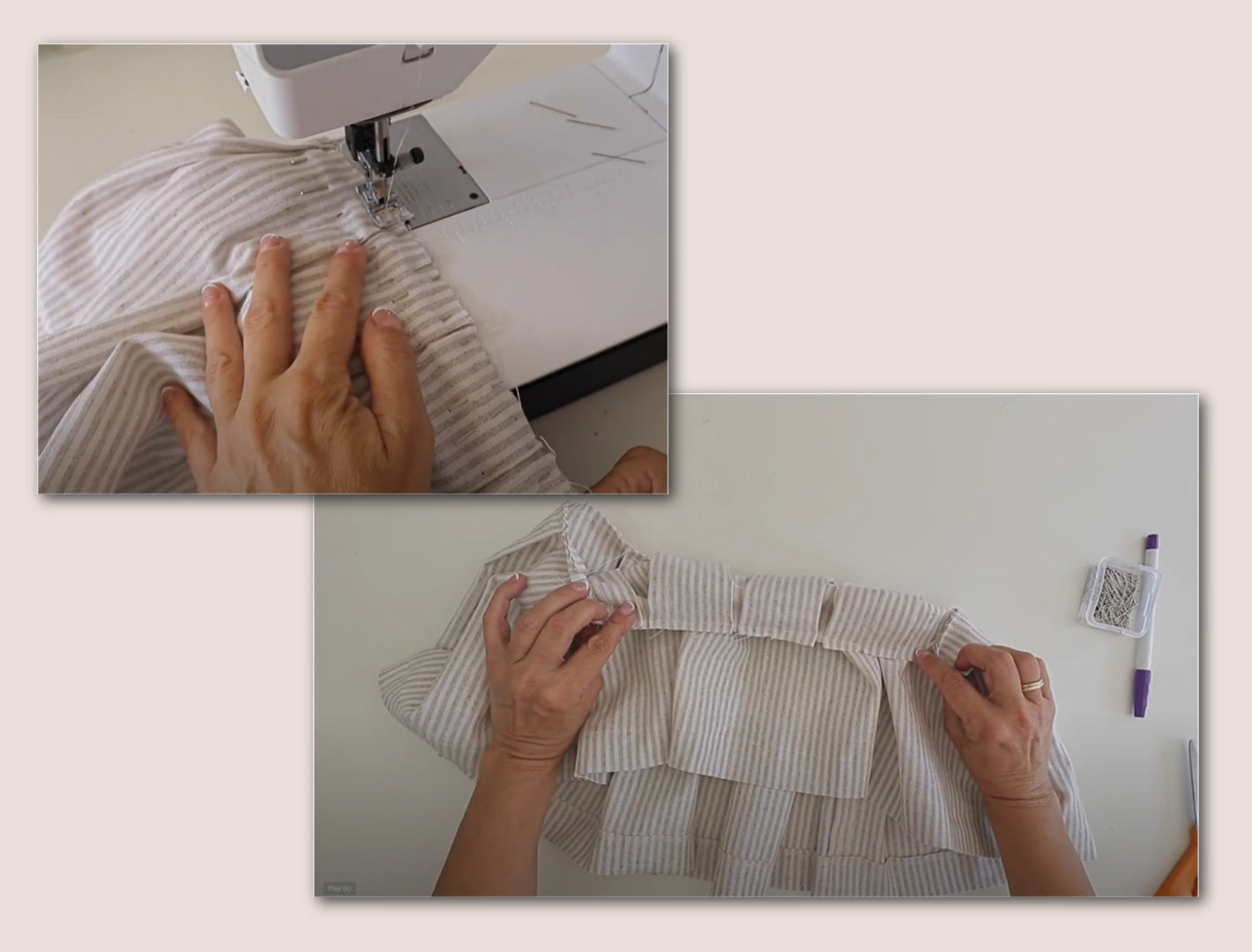
Pinch the fabric at each marked point and fold it toward the next pleat position.

Keep each pleat consistent and aligned next to the previous one.

Always secure each pleat with a pin as you go.

If you want extra stability, you can stitch small sections of pleats together vertically (about 1 to 1.5 cm), but do not stitch too far down or the pleats will lose their shape and stop springing properly.

A light holding stitch can also be used to temporarily secure everything.

If you do this, keep your stitch length around 2.5 mm. A longer stitch may not hold the pleats securely and they can shift later.

Final Preparation

Once all pleats are pinned and checked, remove excess pins if needed.

Your skirt is now fully constructed and ready to be attached to the yoke and waistband.

Transcript for the video: Frances Skirt - Joining the Yoke & Skirt

Joining the Skirt and Yoke

Now we are going to attach the skirt to the yoke.

Take your finished skirt and make sure it is the correct way around.

Place it so the wrong side is facing out.

Then insert the yoke so that the right side of the yoke and the right side of the skirt are facing each other.

This means the fabric is right sides together. Start by matching the side seams first. Then align the center front and center back.

These points are usually where your pleats naturally divide, so they are quite easy to find even if you did not mark everything perfectly.

Use vertical pins for the key alignment points like center front and center back.

Then switch to horizontal pins for the rest of the waistband so everything sits neatly edge to edge.

Take your time here and make sure the pleats are lying flat underneath and nothing is twisting.

Sewing the Waist Seam

Now sew everything together using a 1 cm seam allowance.

Keep the layers flat as you sew, especially around the pleats, where fabric can easily shift underneath.

If you used a holding stitch earlier, it will help keep things stable, but you still need to guide the fabric carefully.

Once you reach the end, secure your stitches.

Finishing the Seam

Now overlock or serge the seam allowance to neaten the inside.

After that, press the seam allowance upwards into the yoke.

This helps the skirt sit smoothly and gives a more professional finish.

Take your time pressing all the way around so everything sits flat and even.

Topstitching the Yoke

Now topstitch around the yoke.

This helps secure the seam and keeps the yoke crisp and structured.

You may notice at this stage that some pleats have slightly shifted or opened out a bit. This can happen if earlier stitching was too loose or too long in stitch length.

It is a reminder that holding stitches should be secure enough to keep pleats stable.

If your fabric is a bit thick at the seam, gently guide it through the machine and take your time so you maintain an even line.

Final Steps

At this point, the skirt is almost finished.

All that remains is attaching the buttons and adding any decorative bows.

This is the final stage, and everything is now coming together beautifully.

DAS KÖNNTE DIR AUCH GEFALLEN