Zu Produktinformationen springen
1 von 27

BLUMENMÄDCHENKLEID

BLUMENMÄDCHENKLEID

Filled Circle
Filled Circle
Filled Circle
Empty Circle
Empty Circle
Normaler Preis €7,95 EUR
Normaler Preis Verkaufspreis €7,95 EUR
Sale Ausverkauft

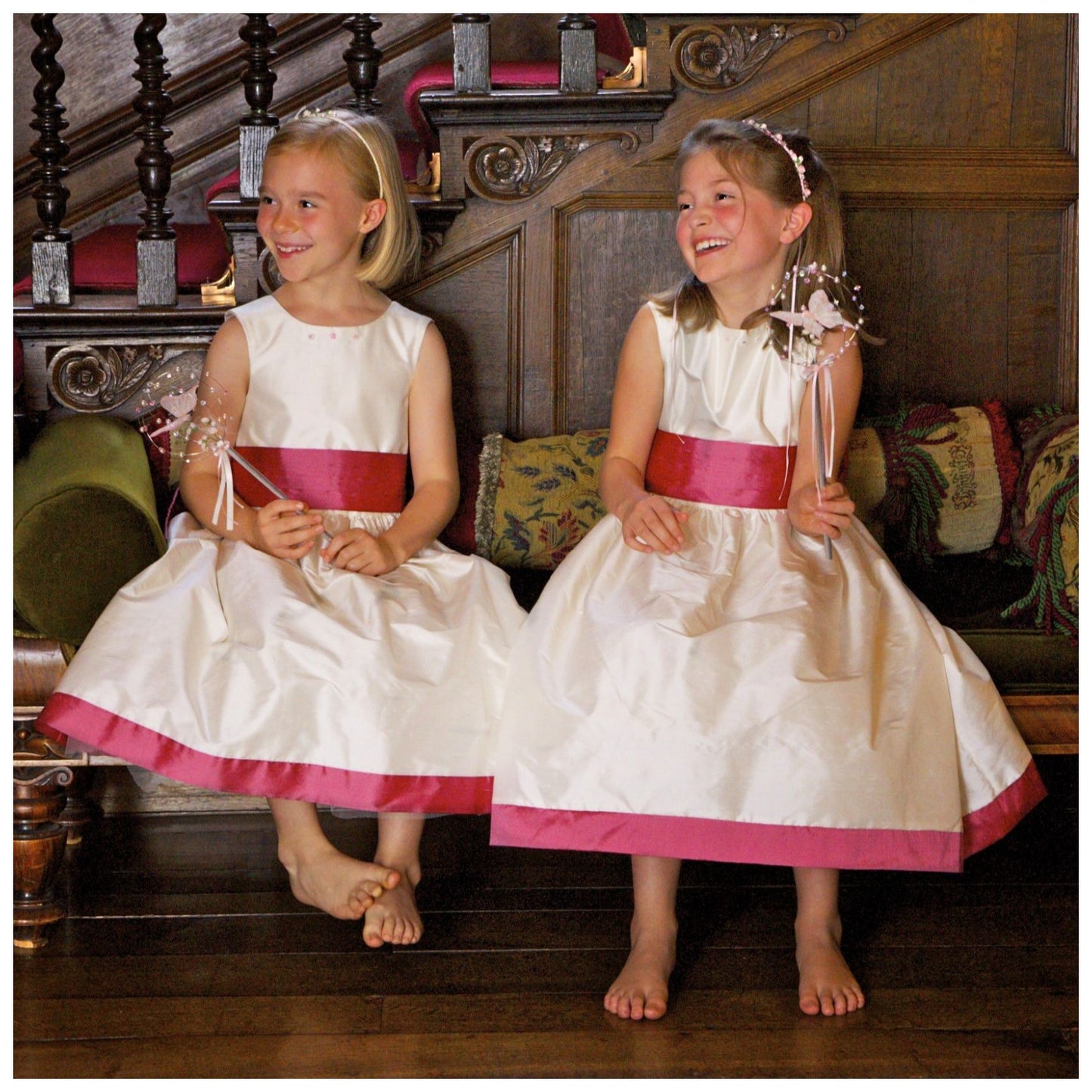
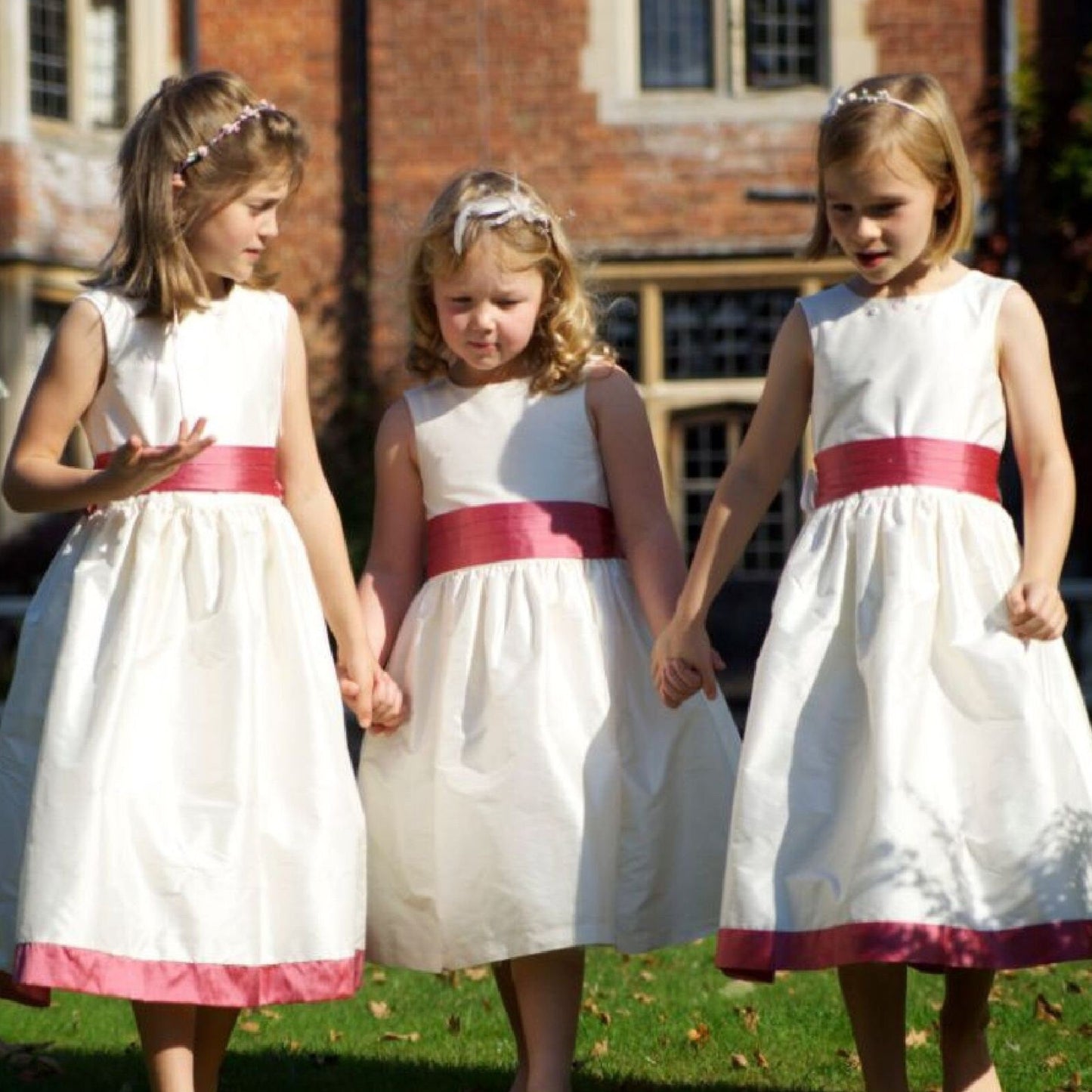
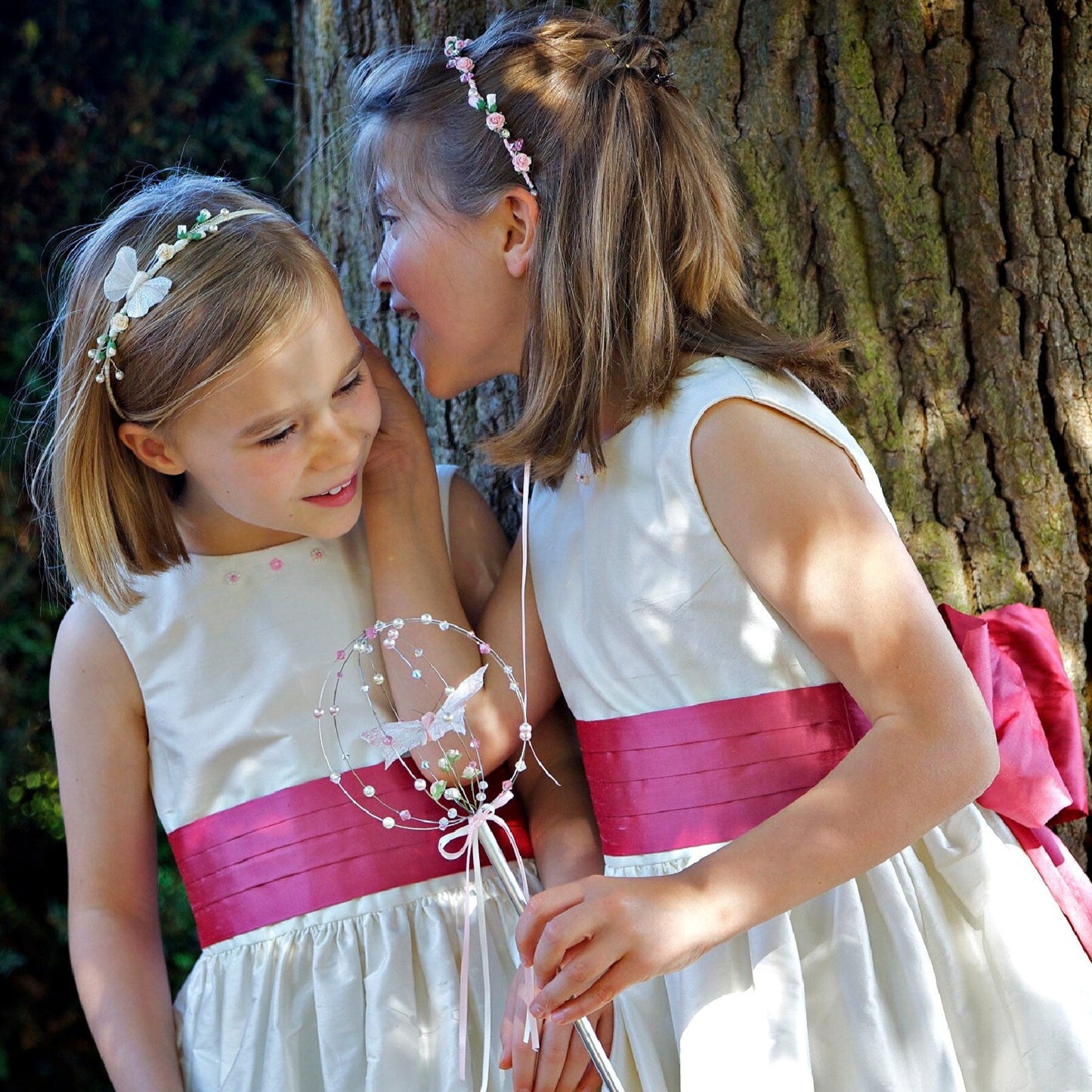
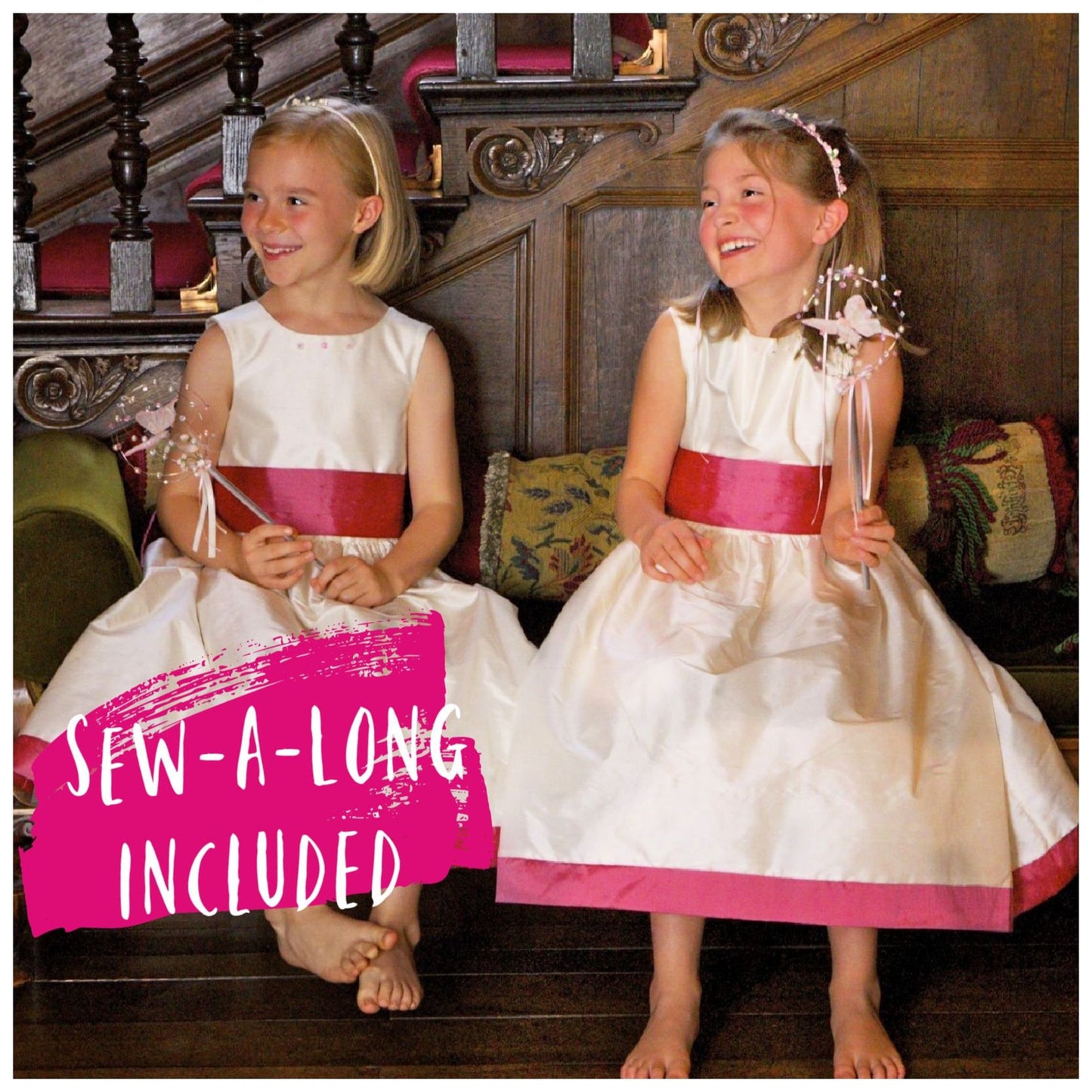
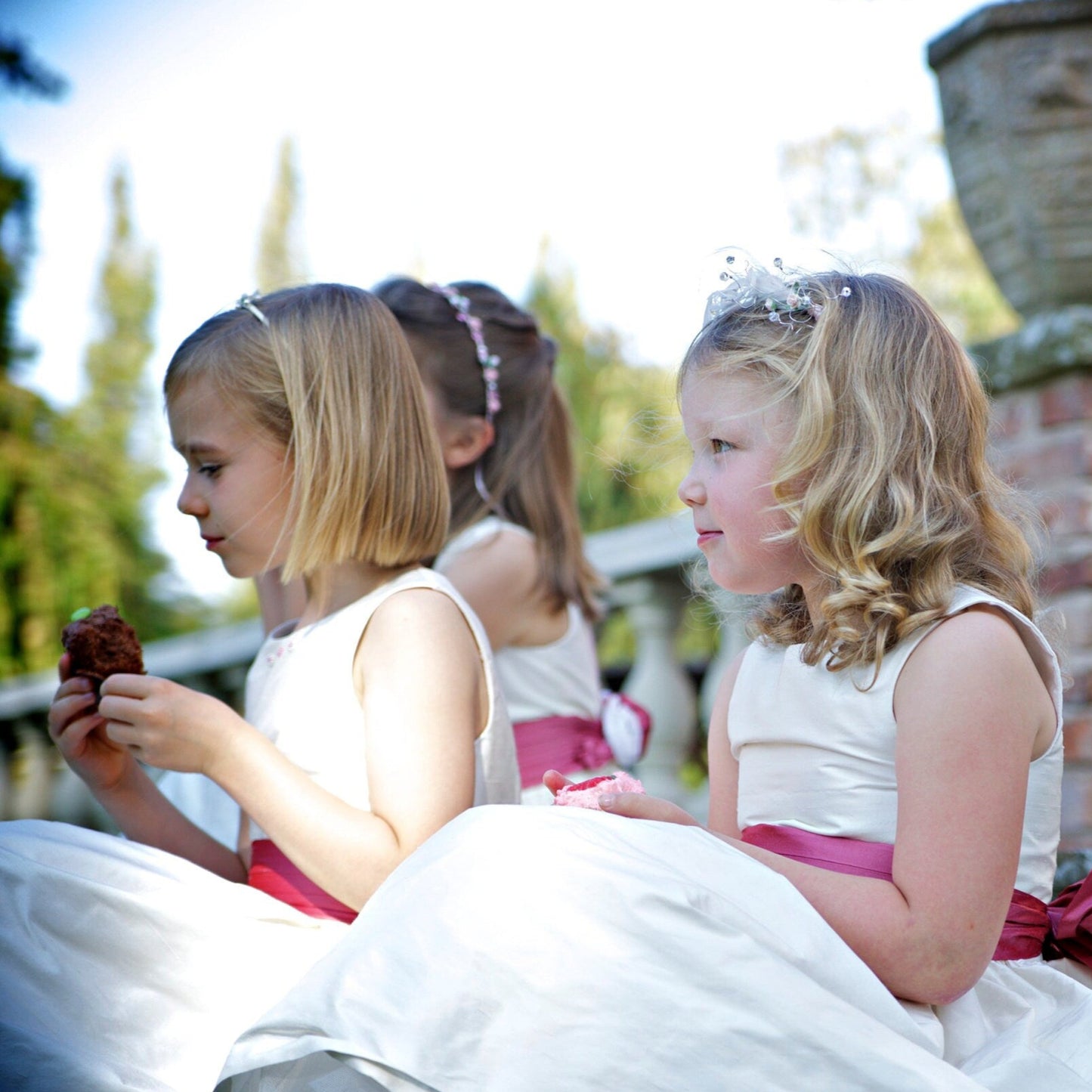
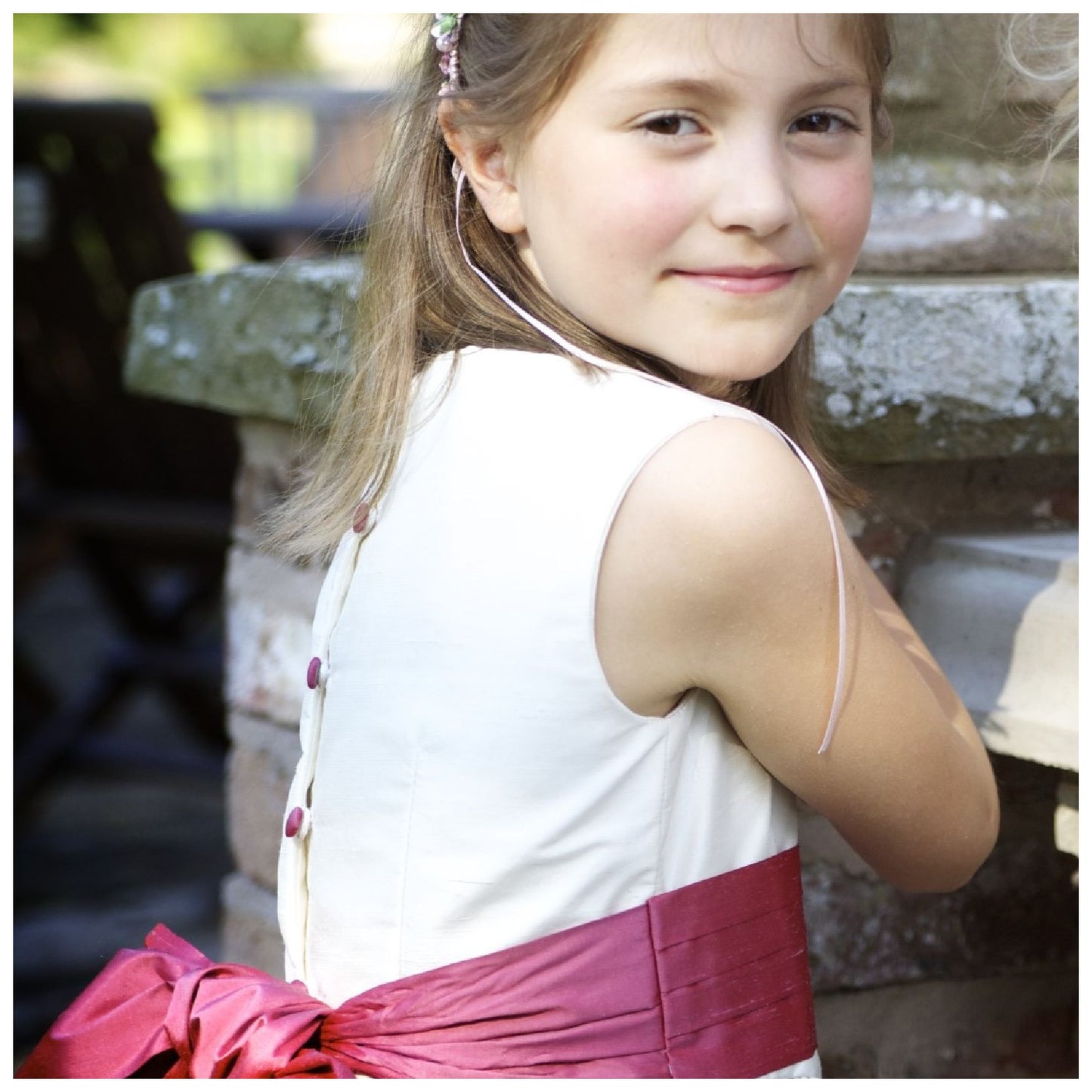
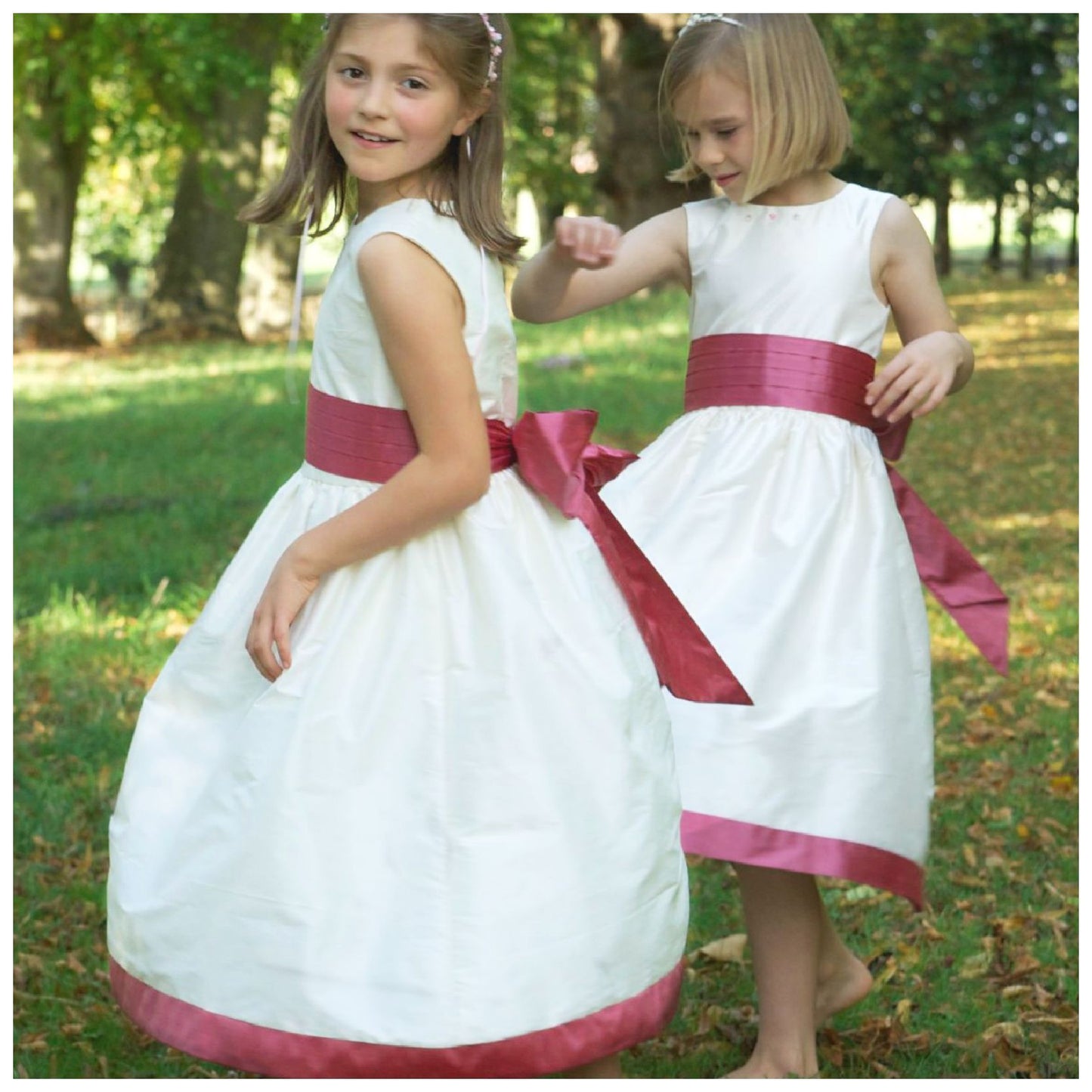
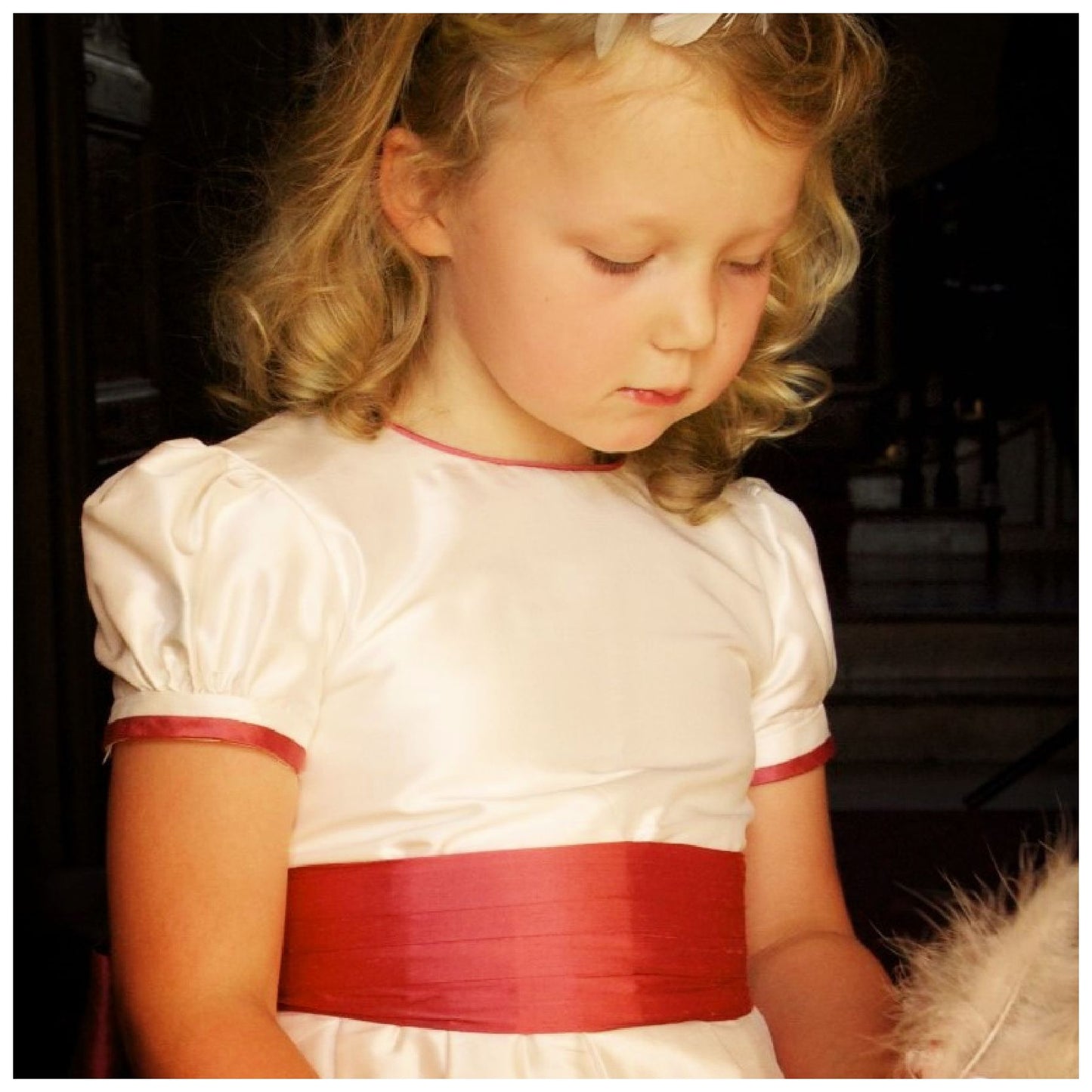
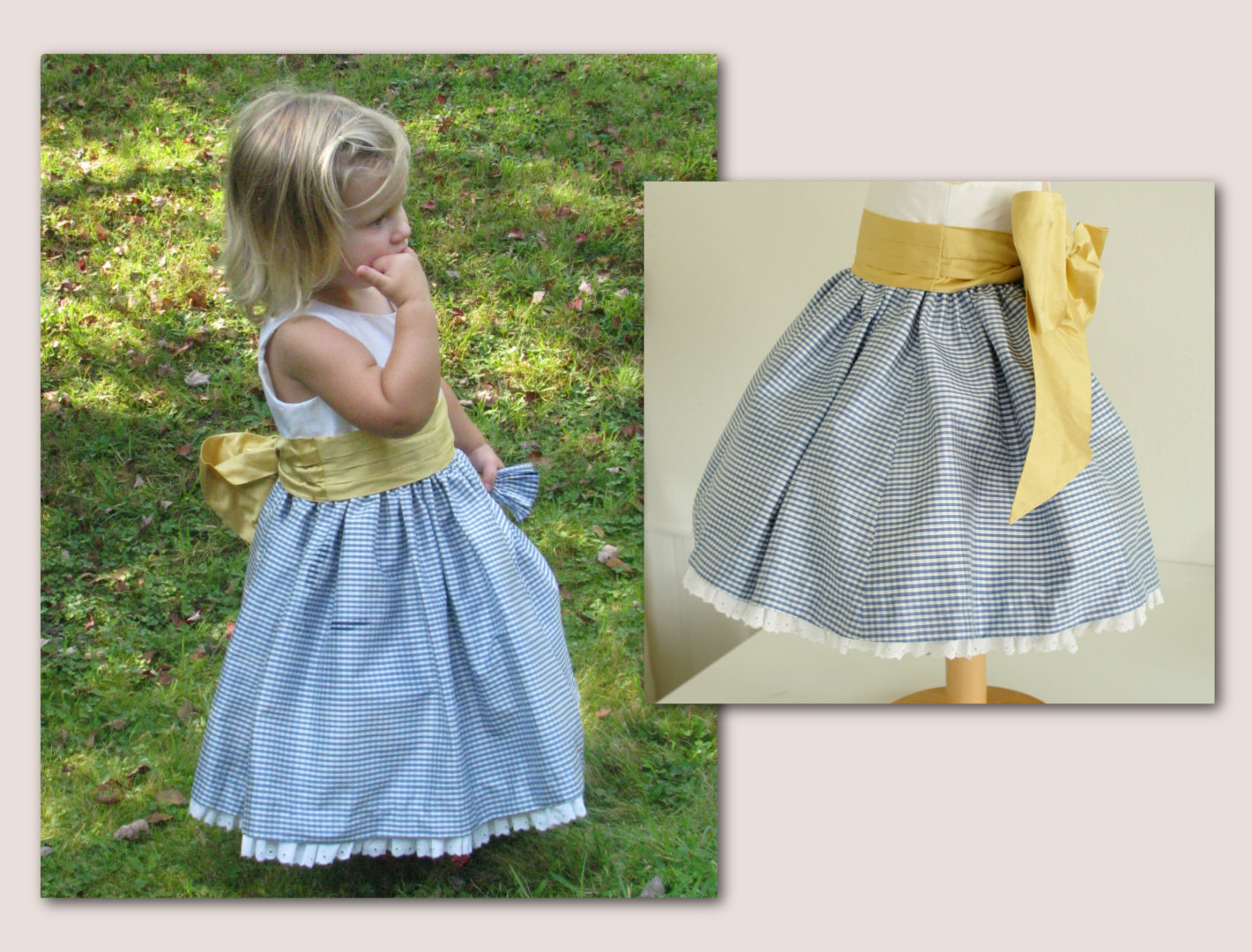
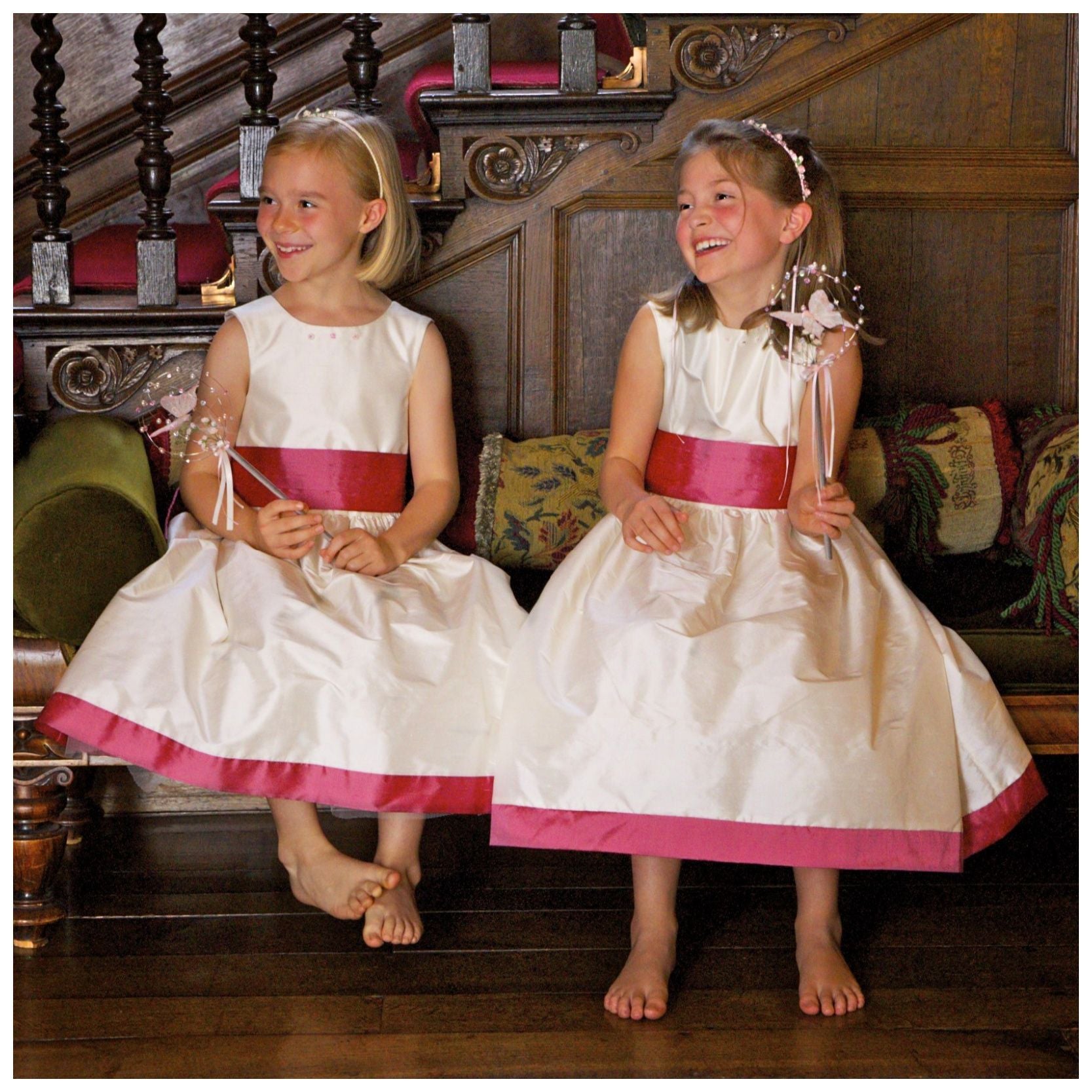
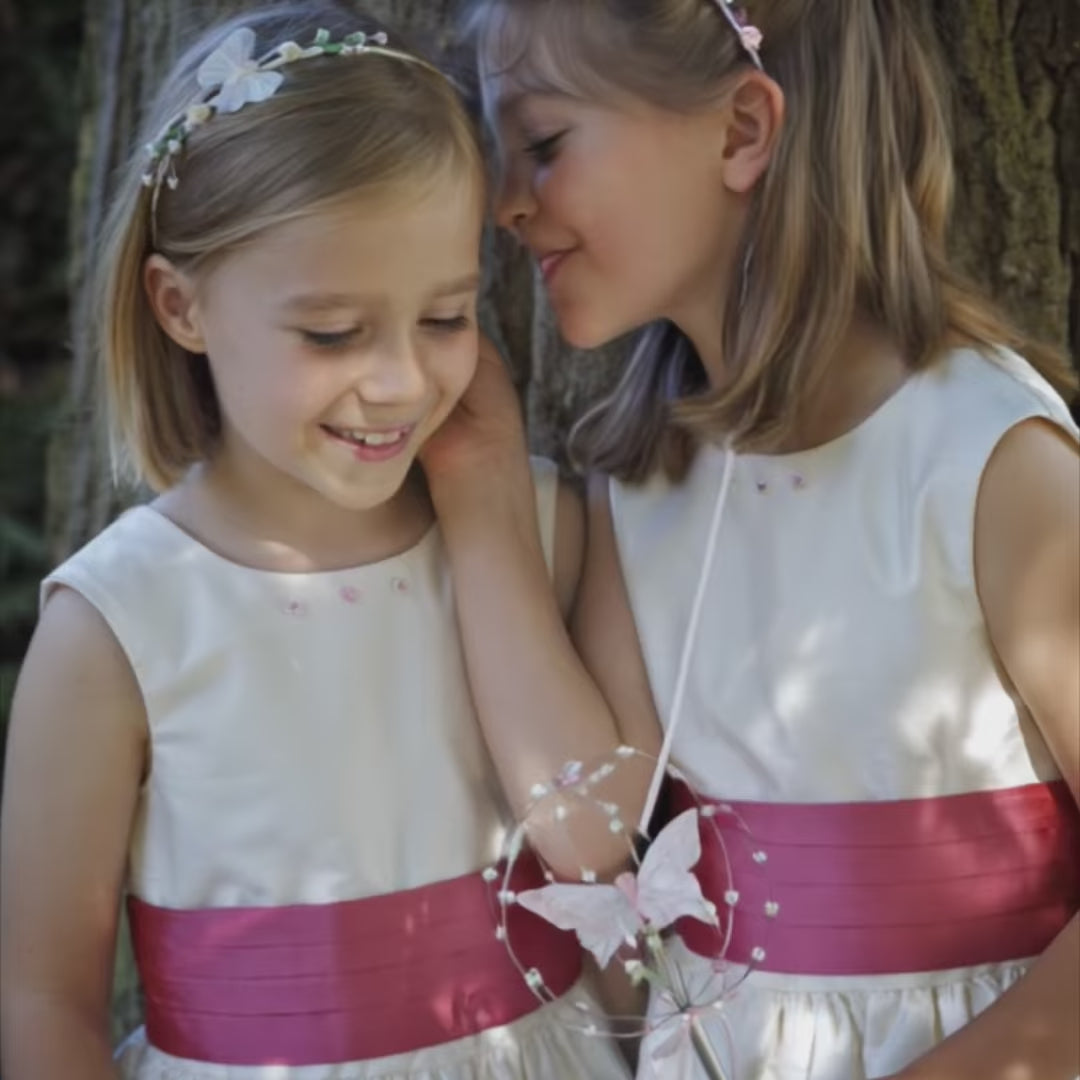
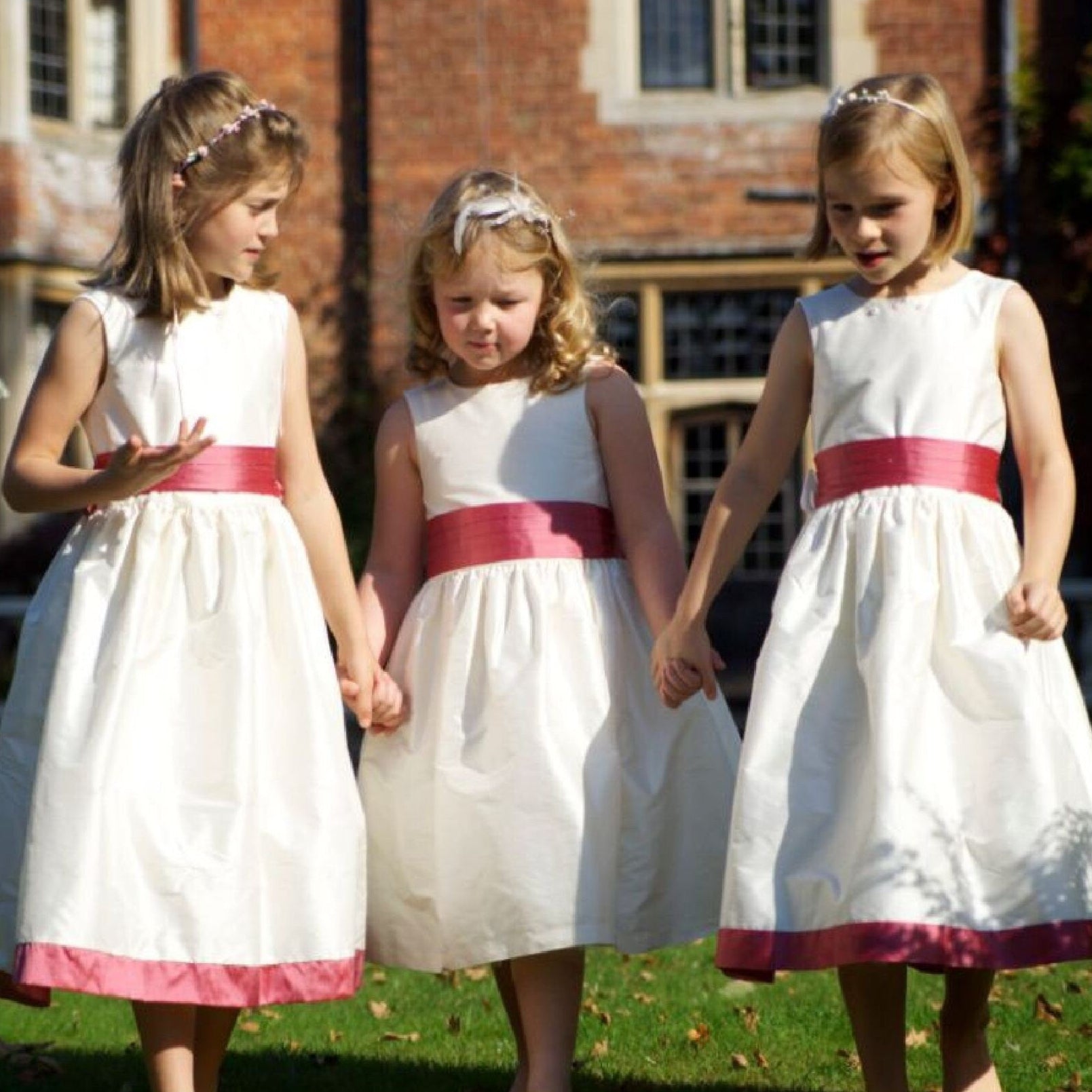
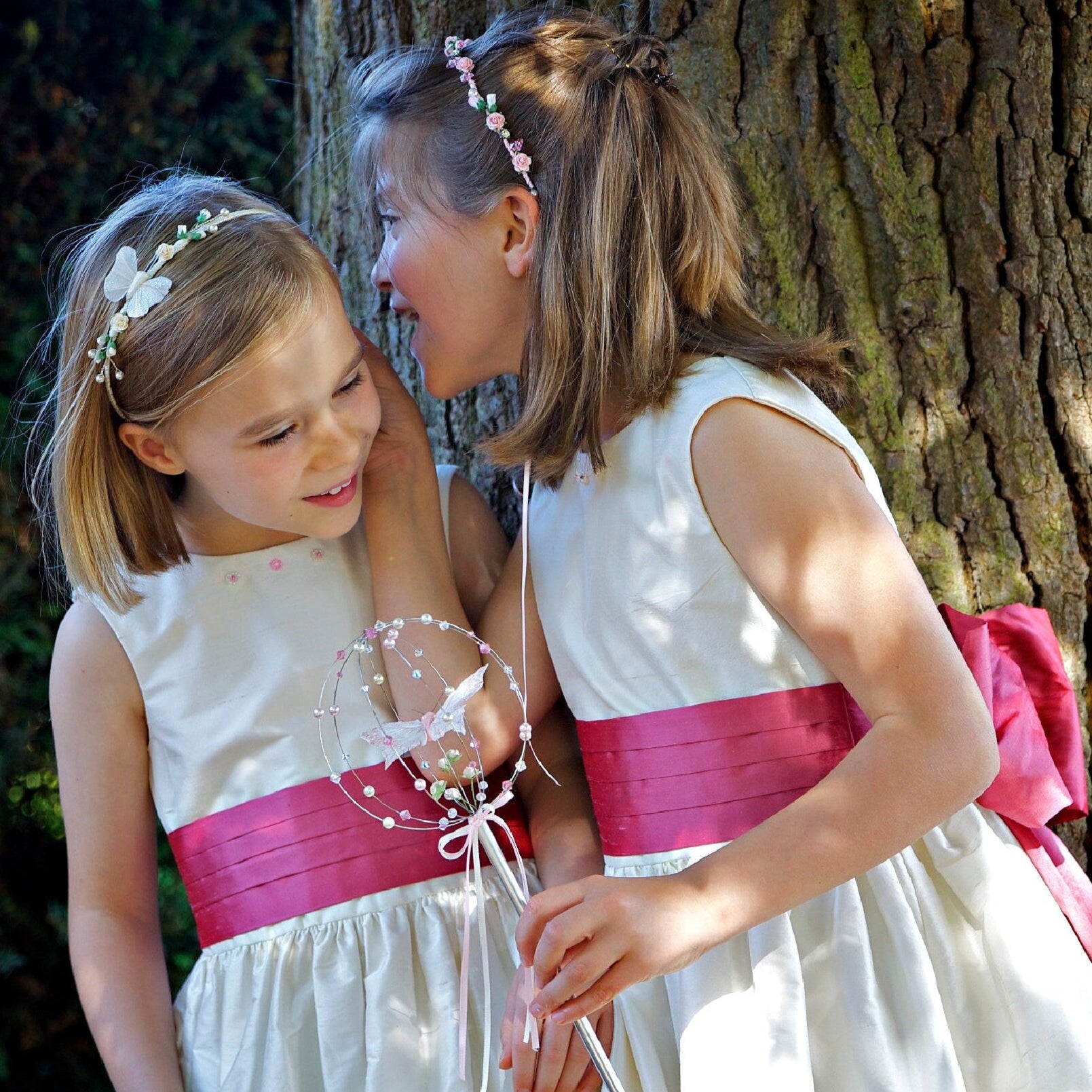
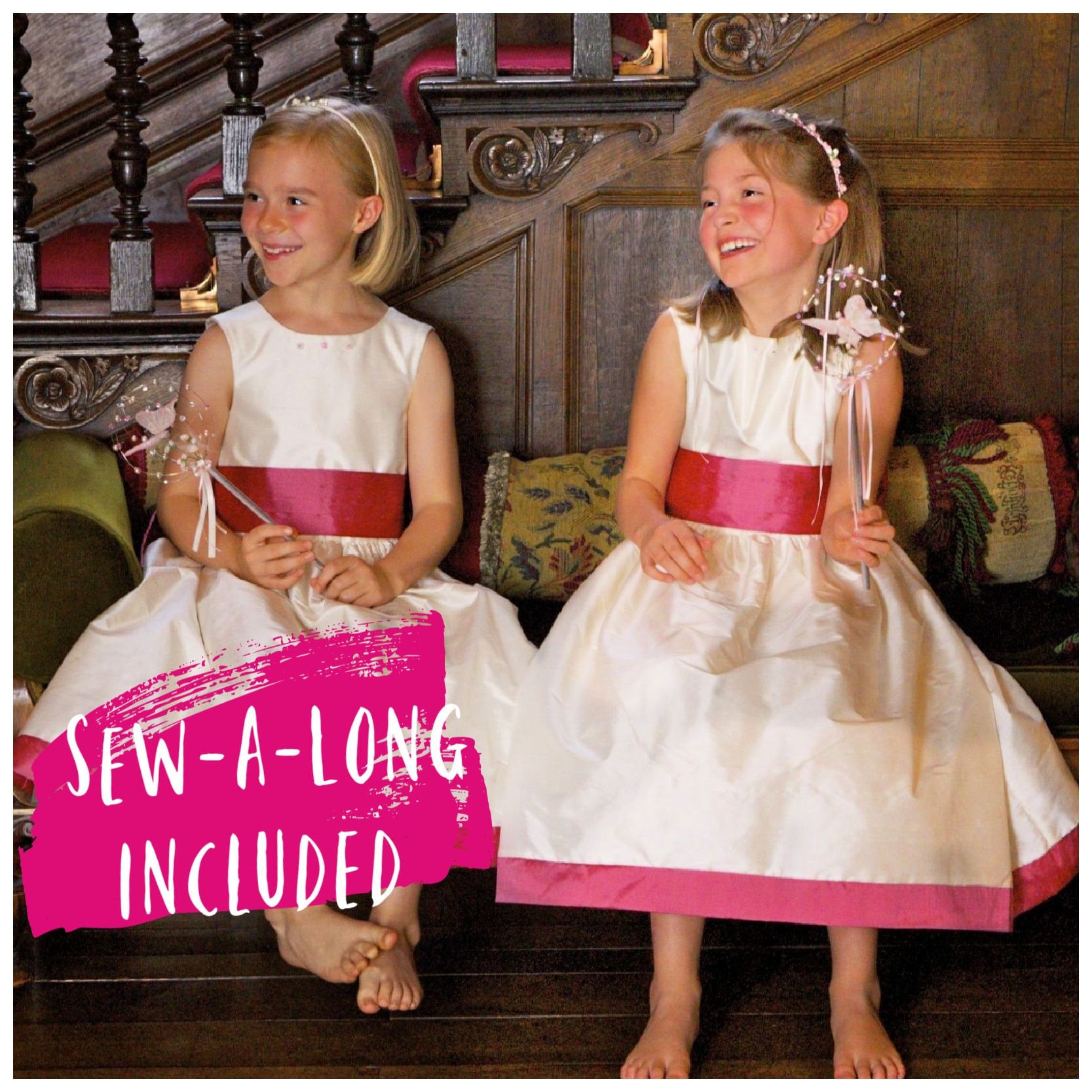
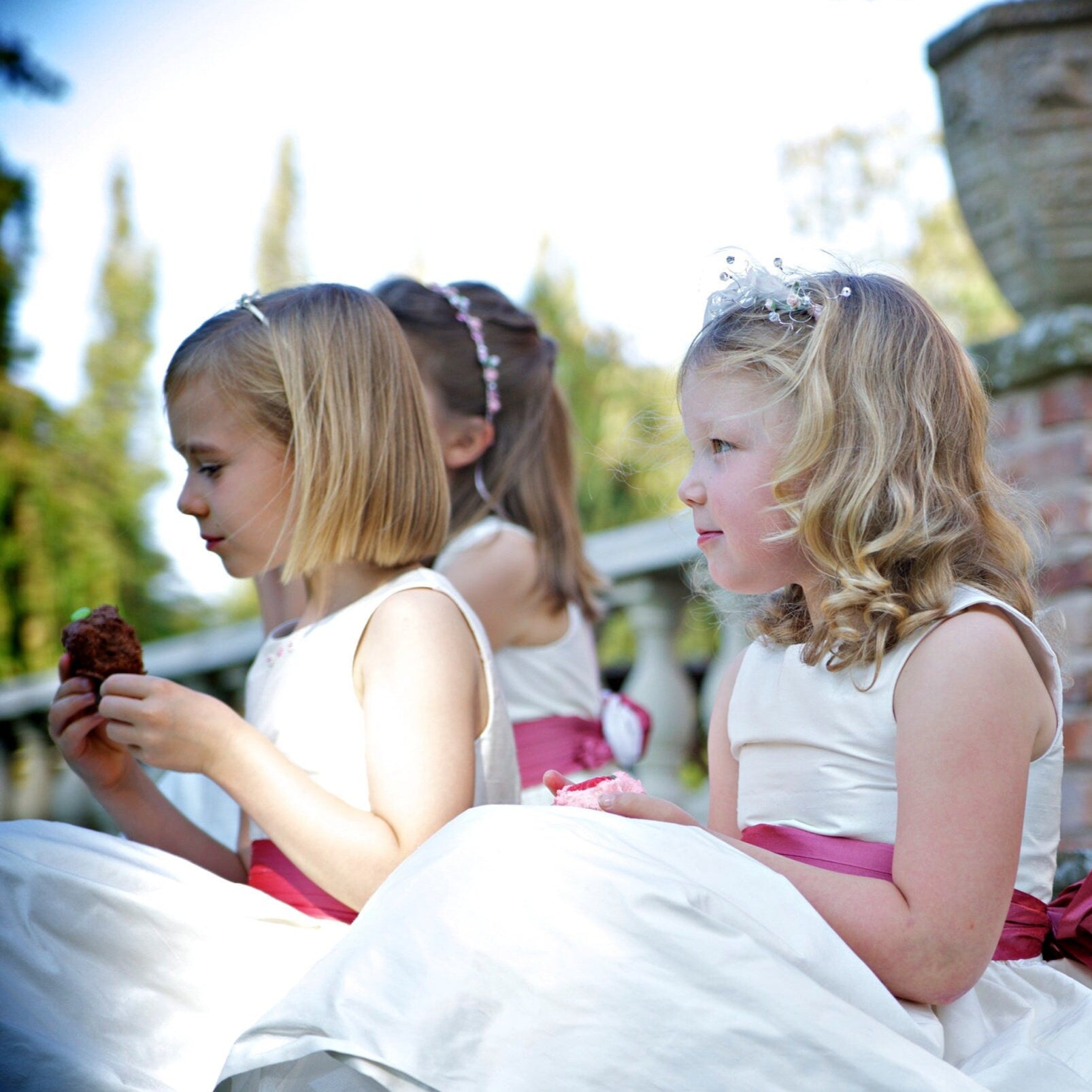
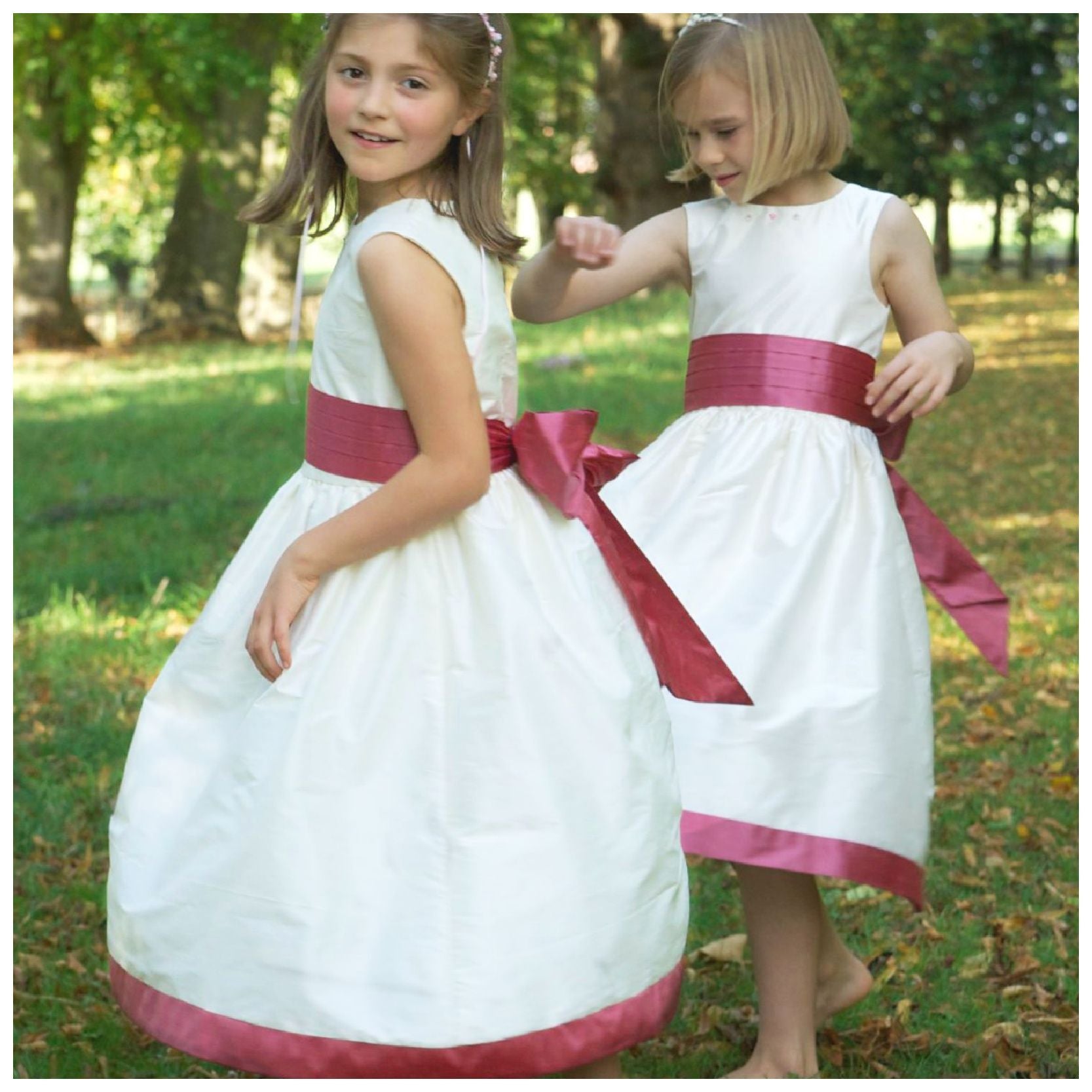
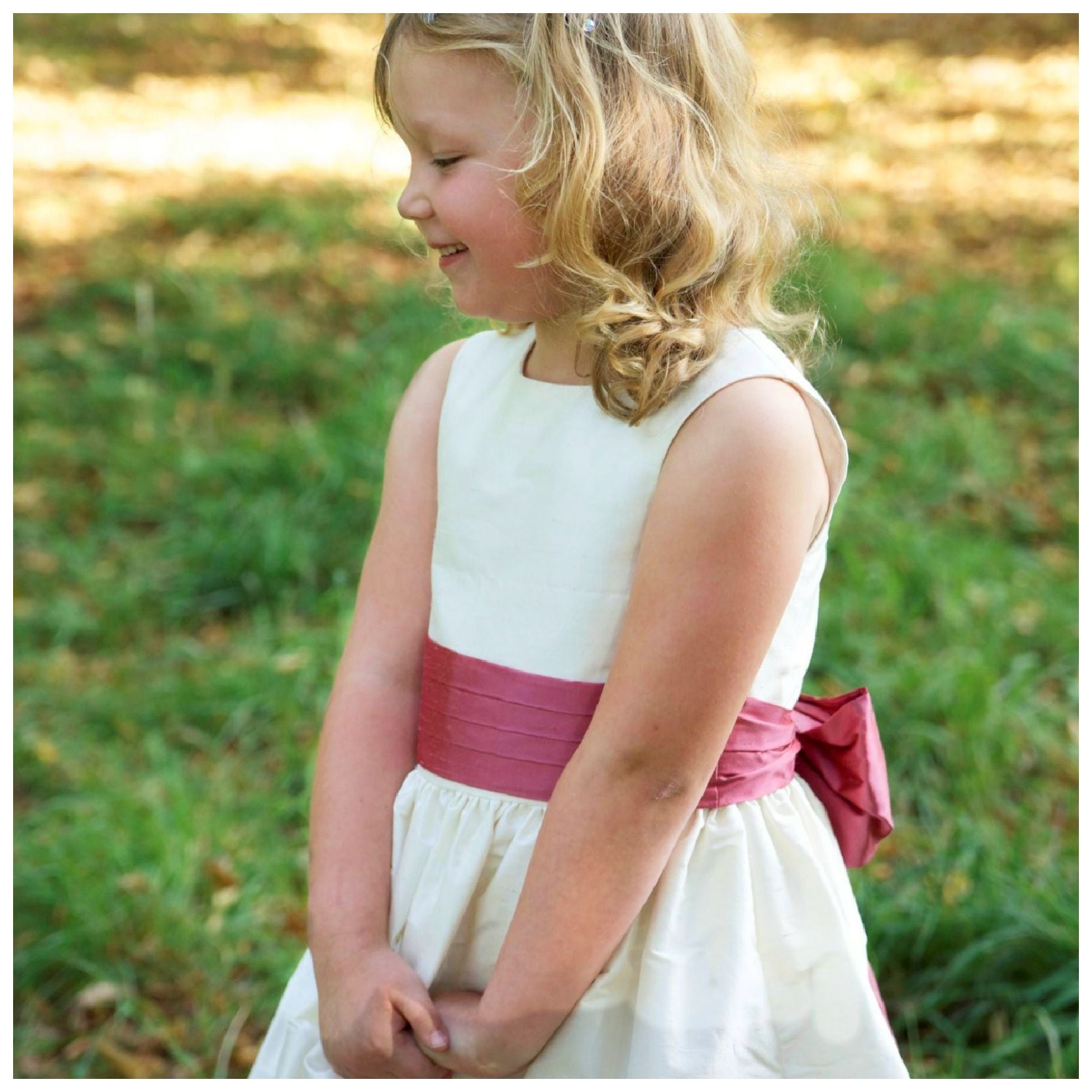
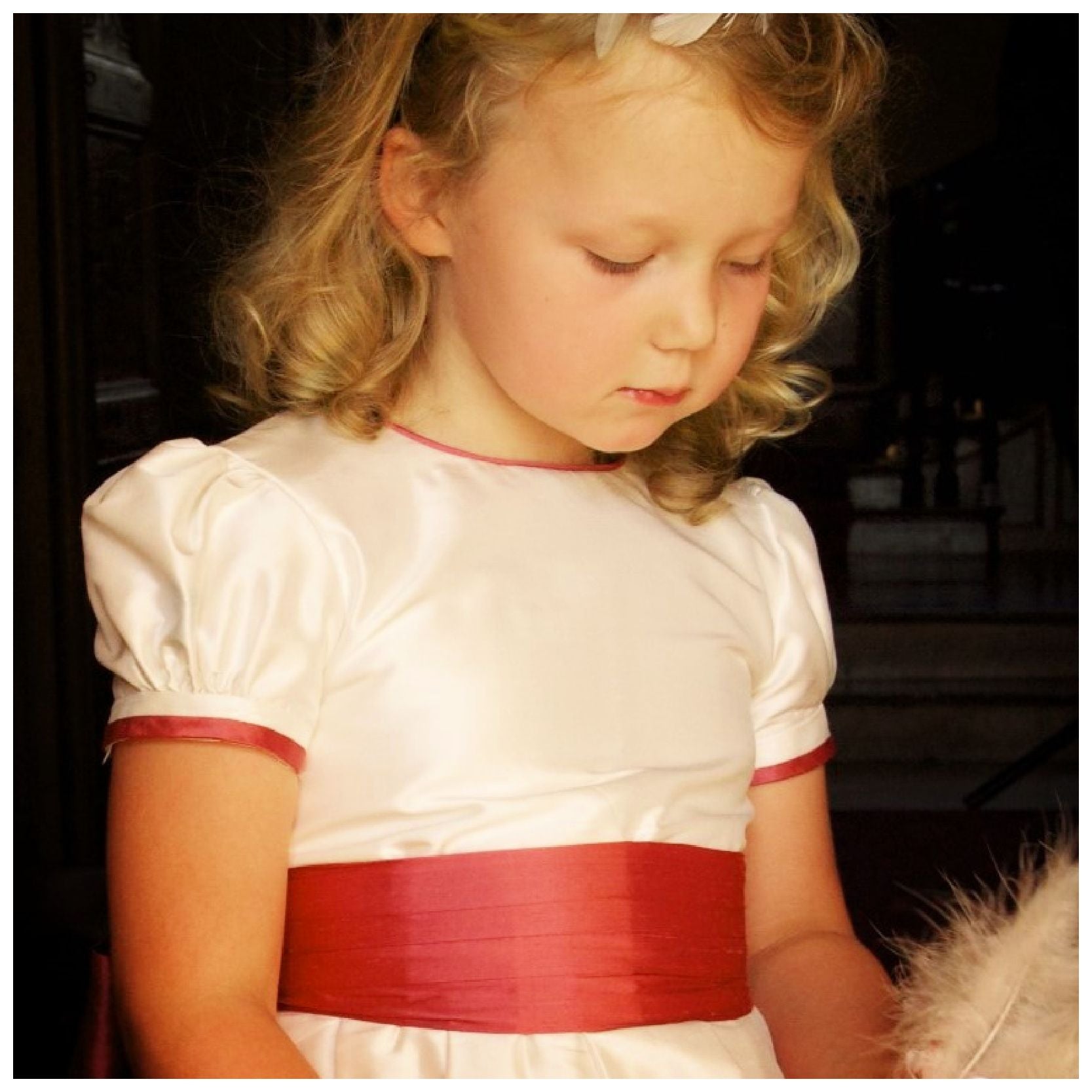
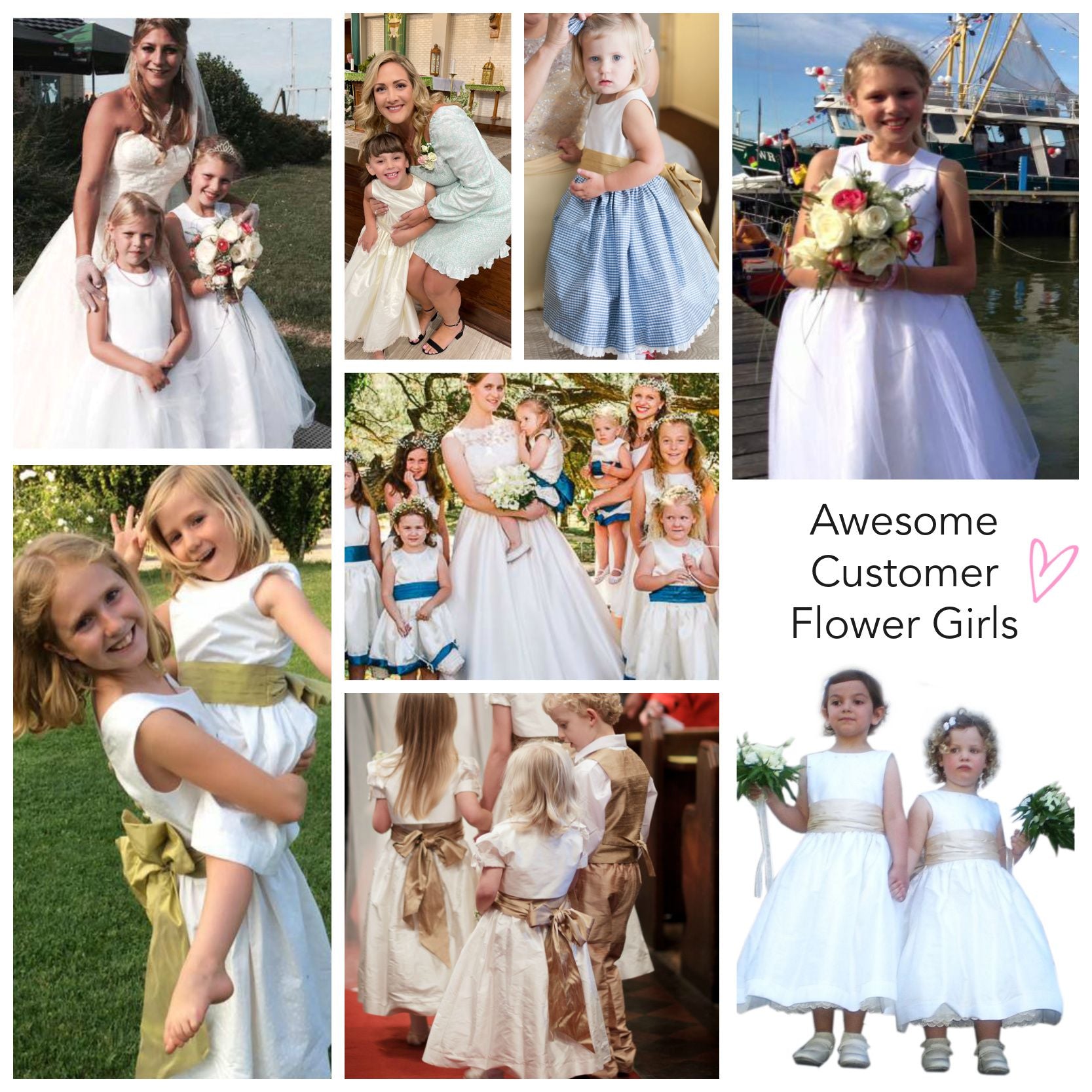
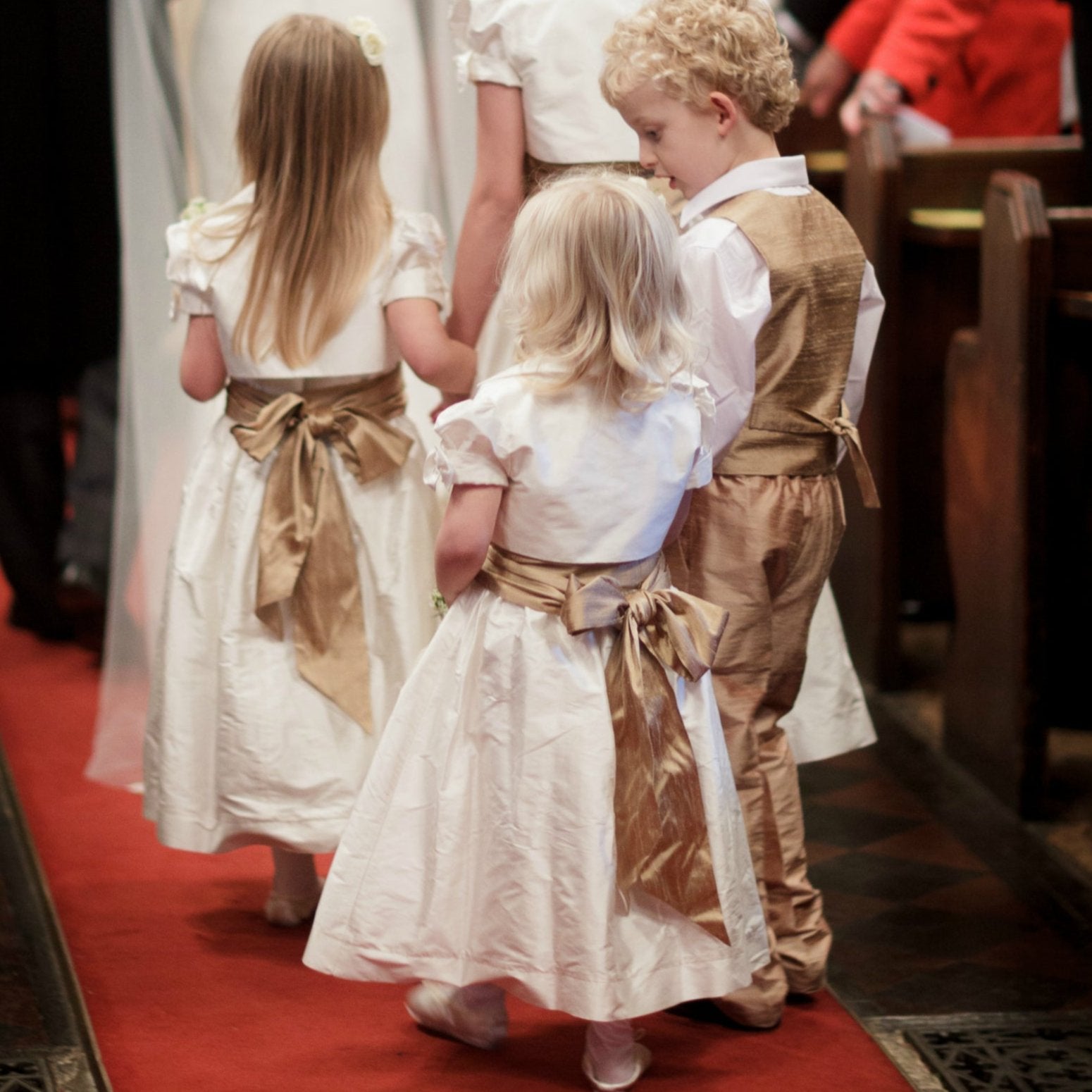
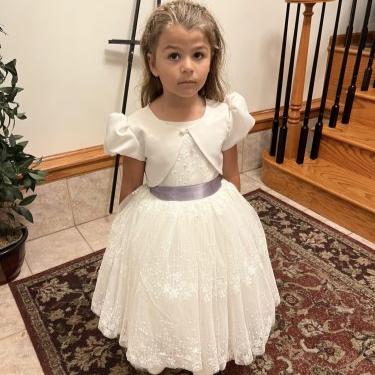
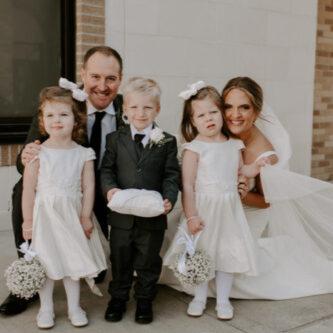
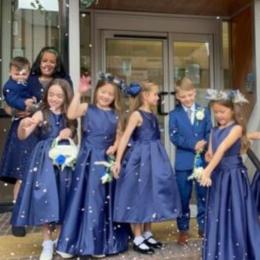
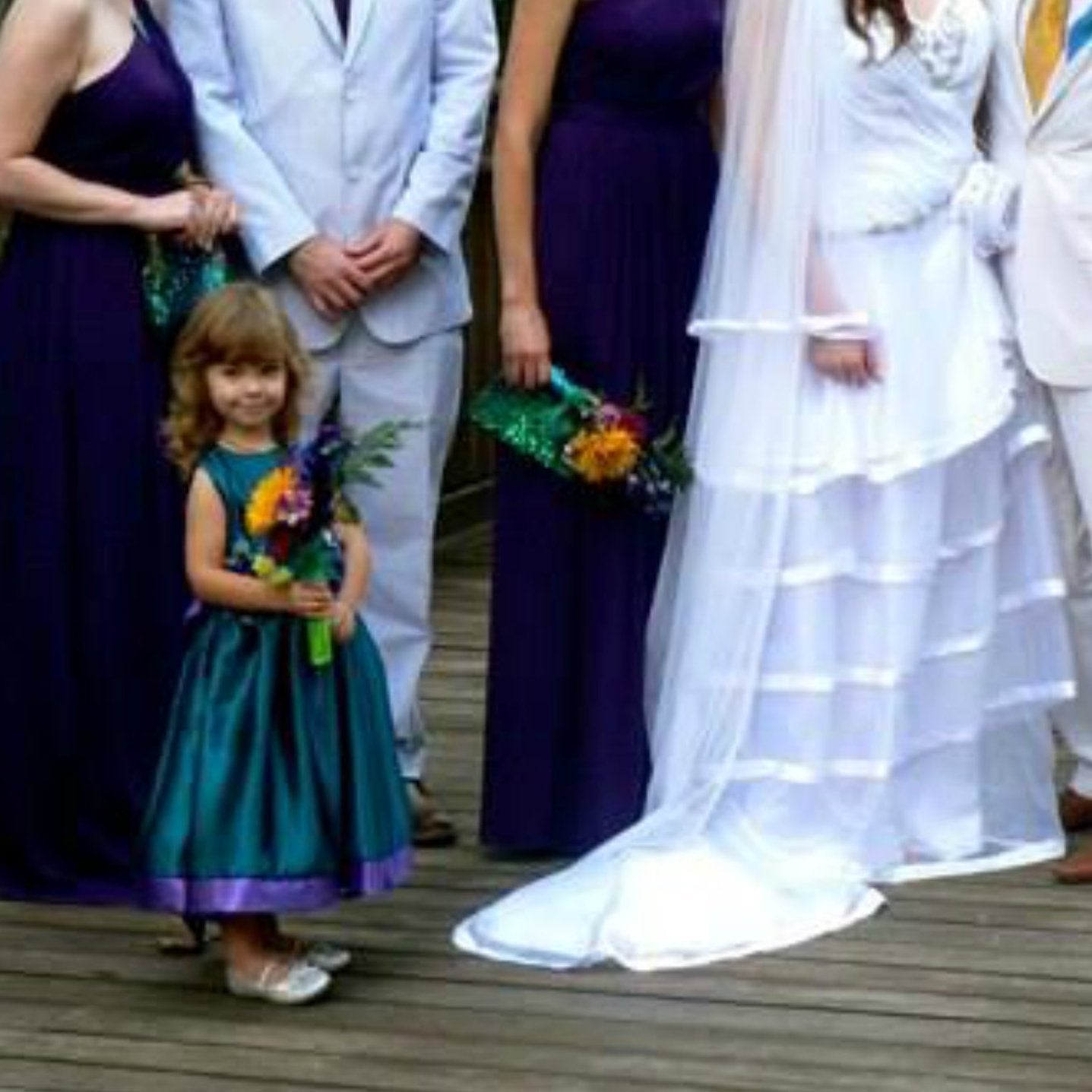
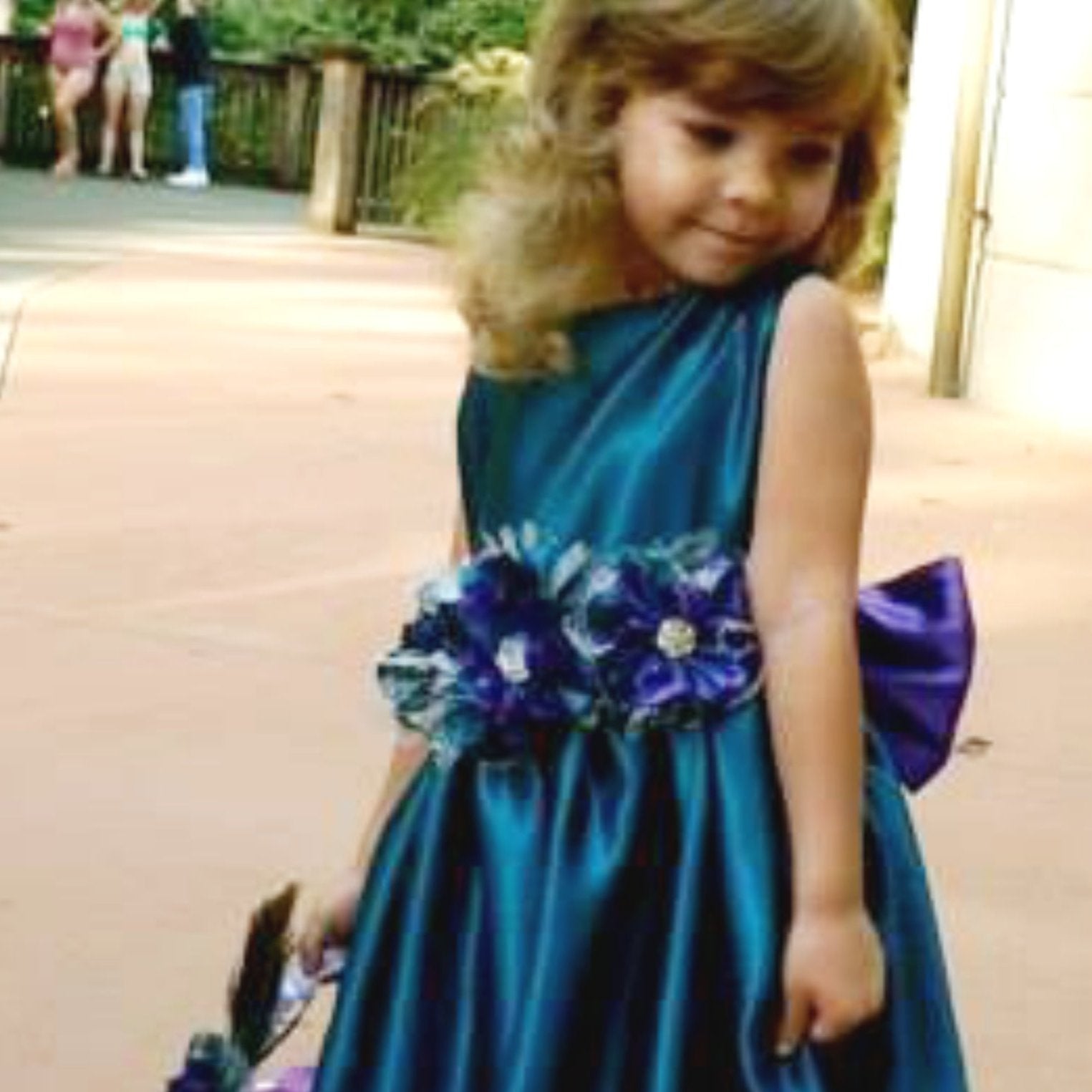
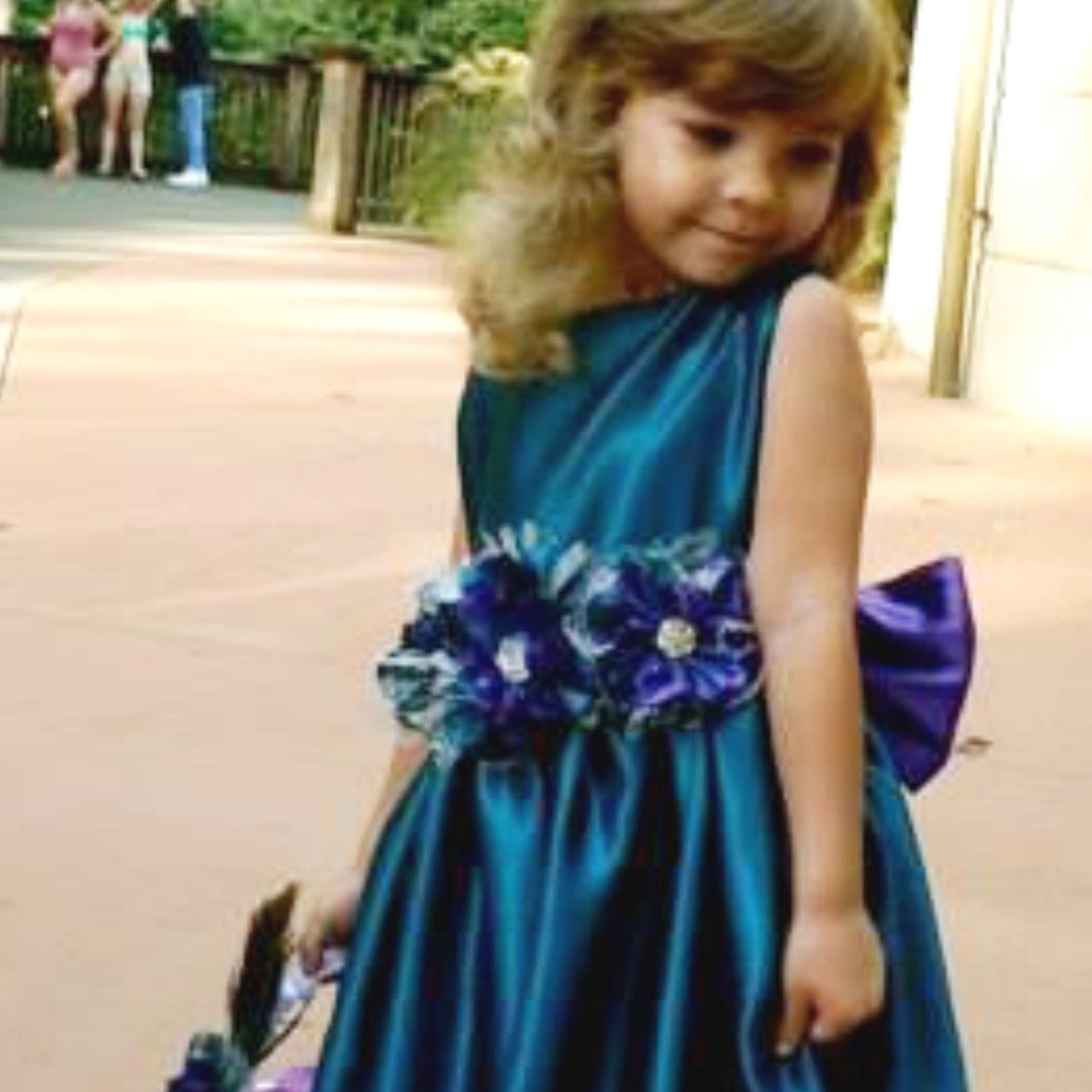
Das Blumenmädchen-Kleid ist ein liebevoll ausgearbeitetes Schnittmuster für ein unvergessliches Outfit. Es eignet sich genauso schön als Babykleid oder ein klassisches Partykleid.


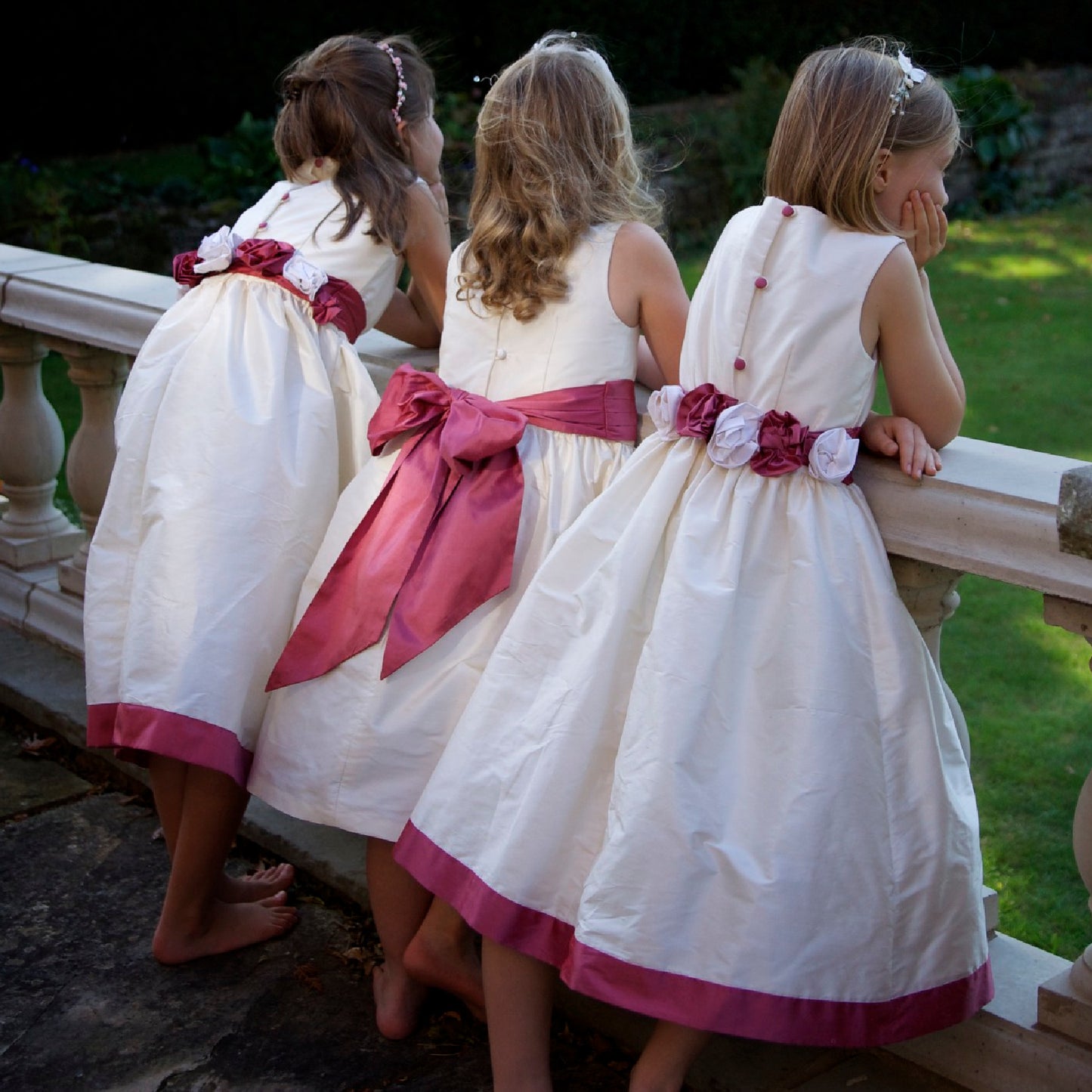
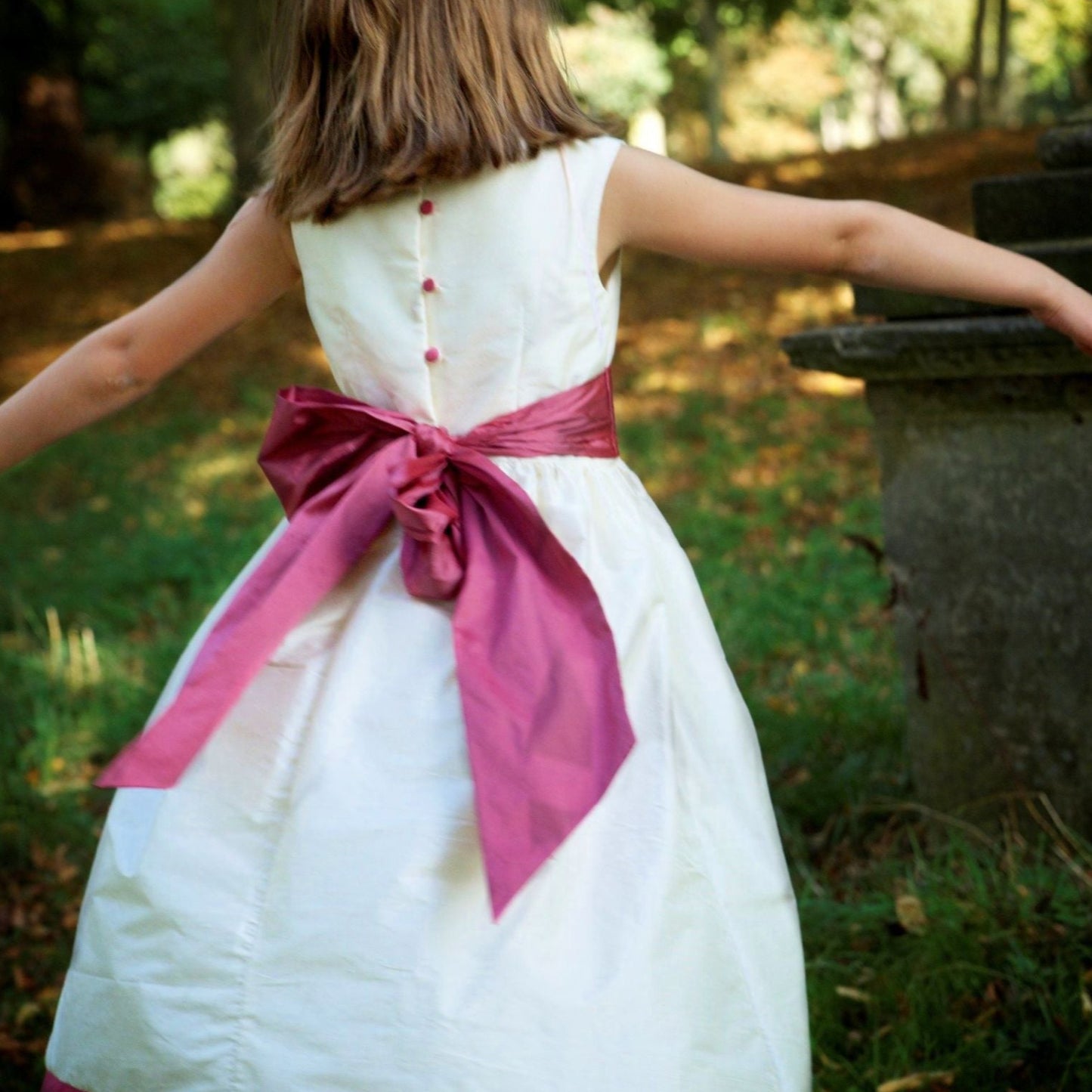
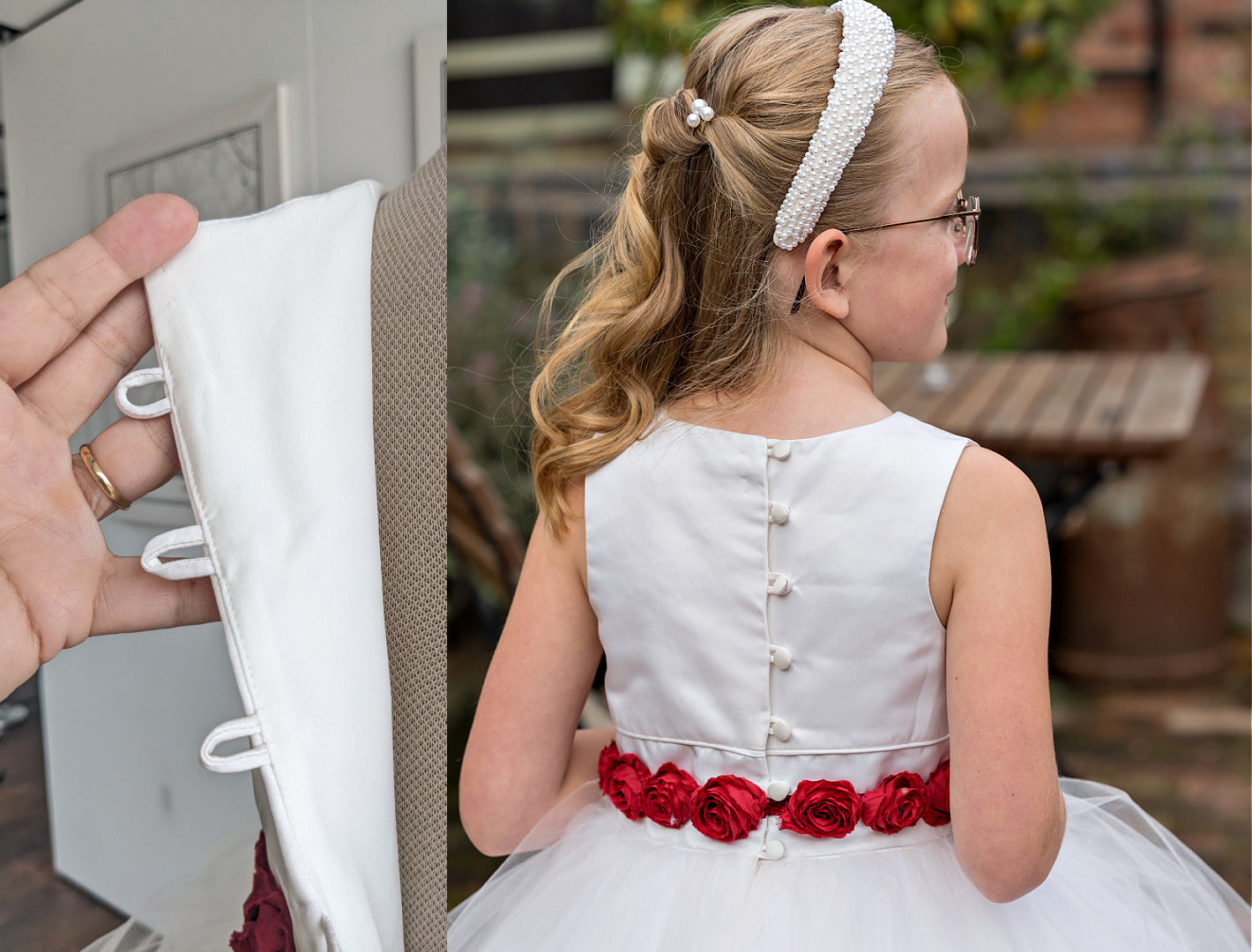
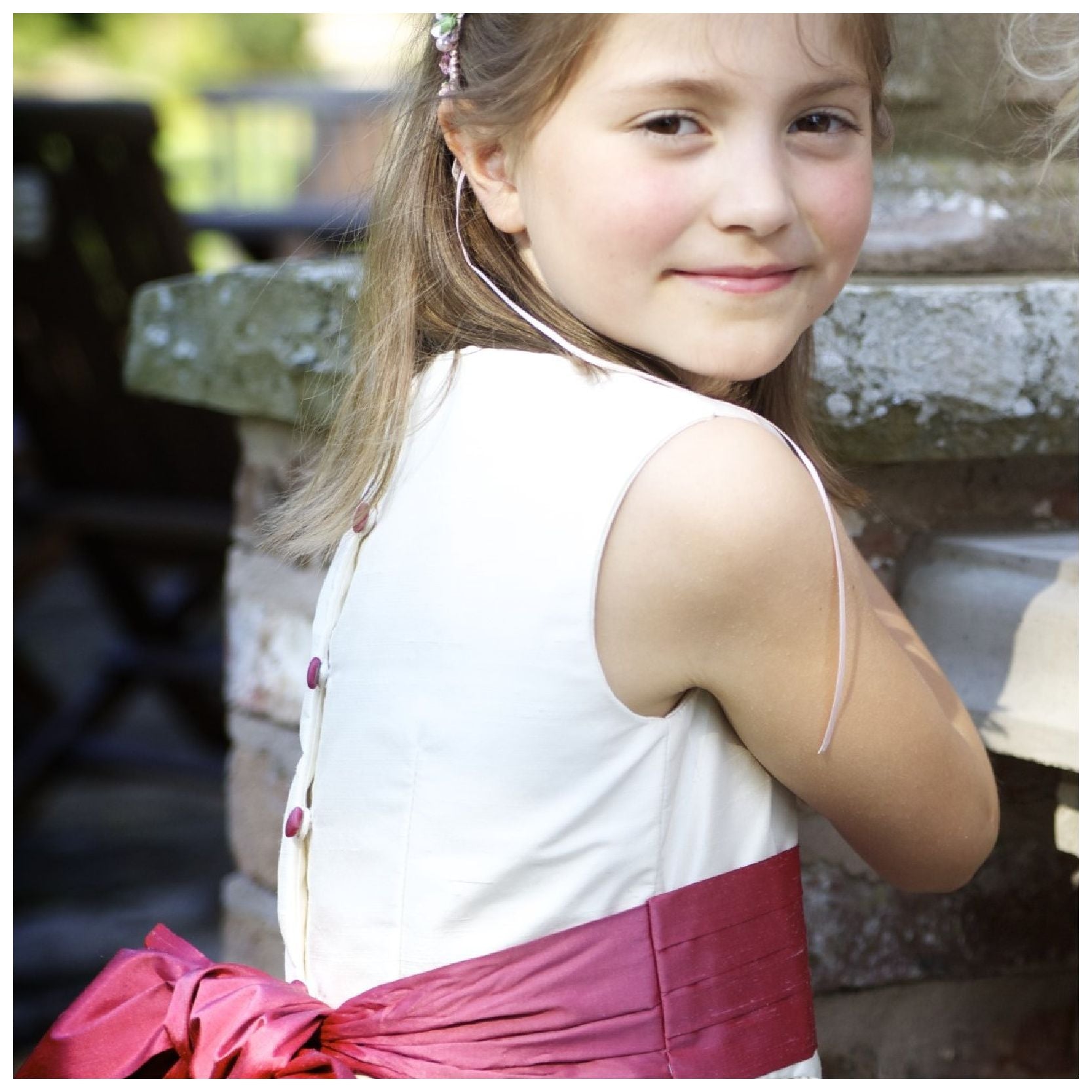
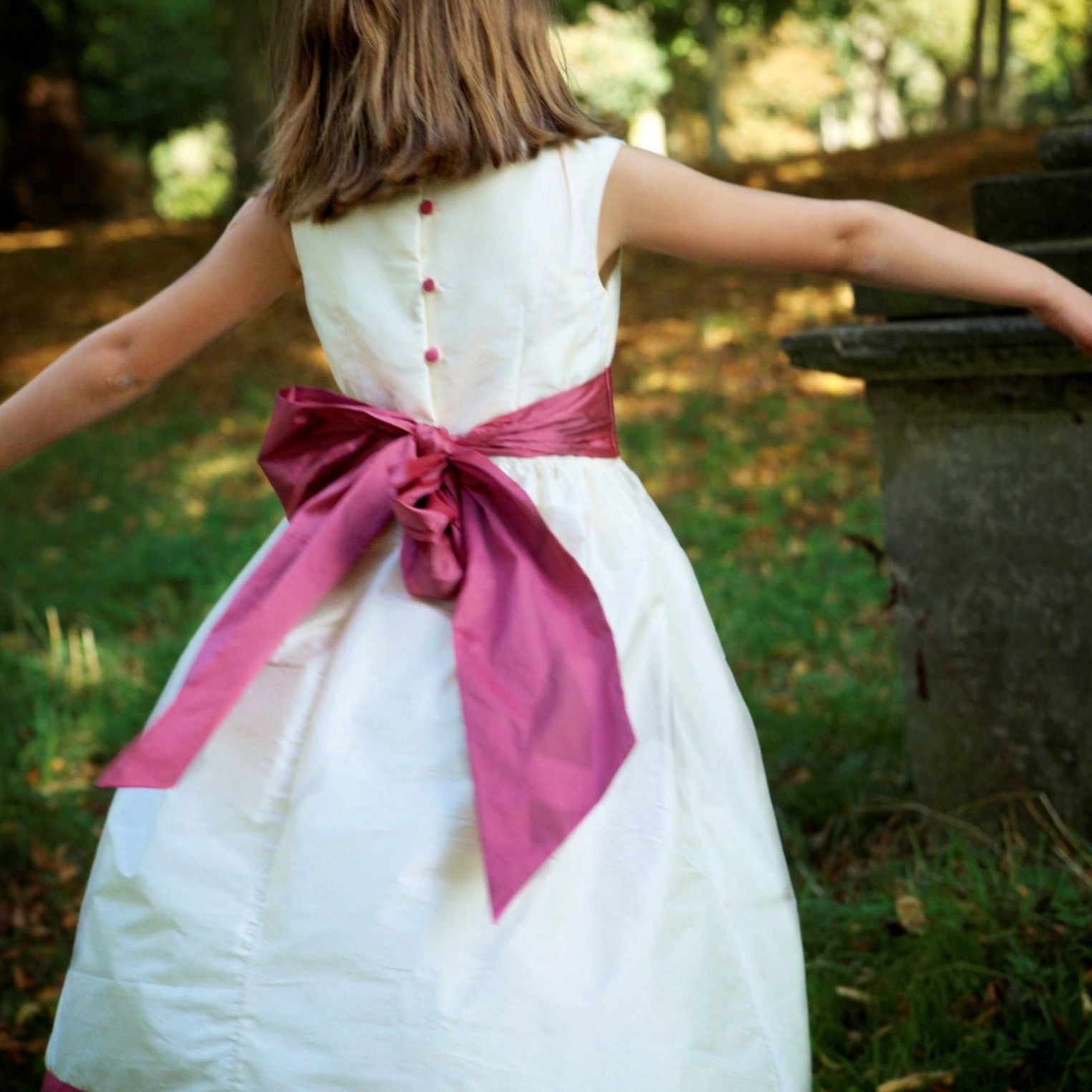
Das Oberteil mit Prinzessnähten passt perfekt zum knöchellangen, eingereihtem Rock, und der zarte Schlaufenverschluss hinten rundet den Look ab.


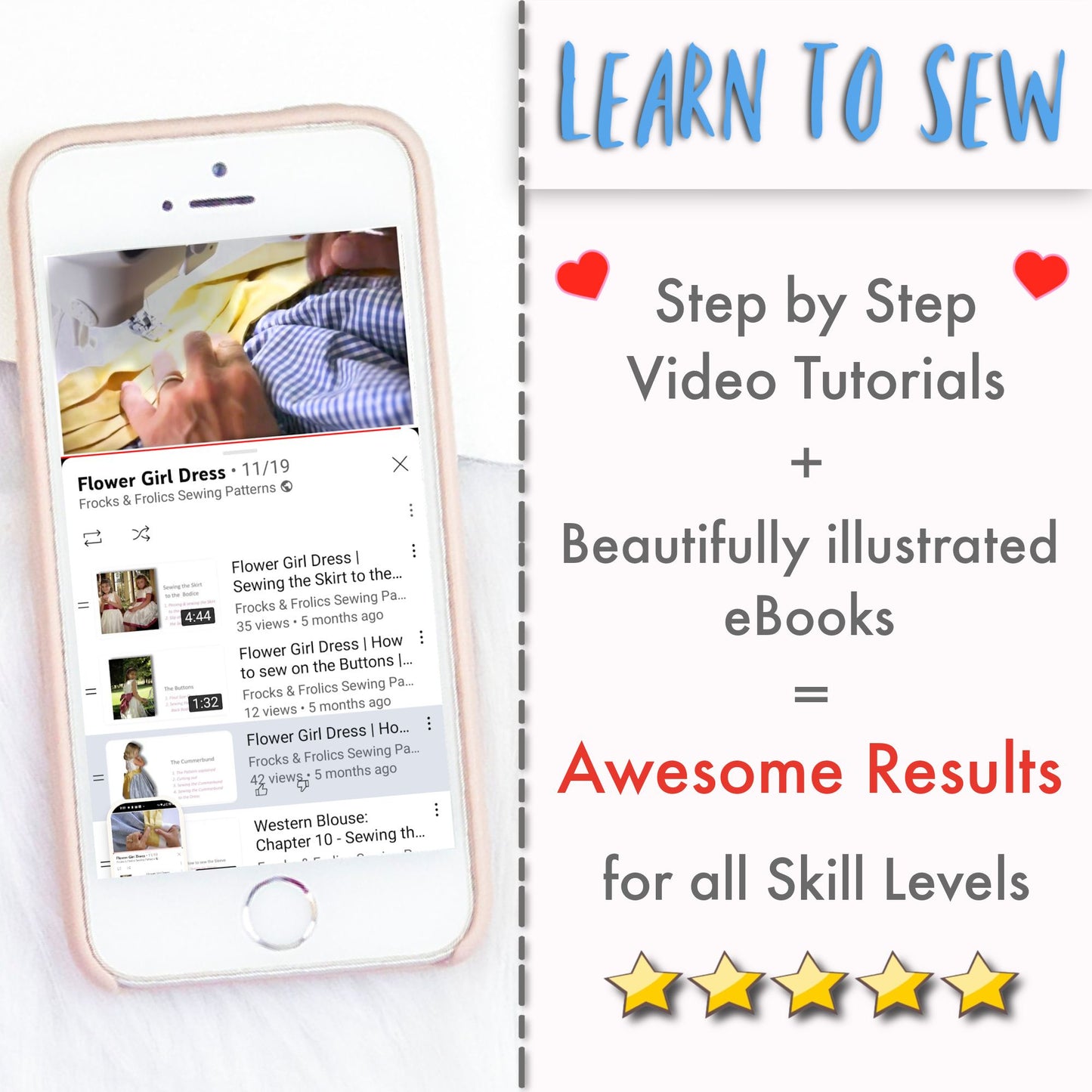
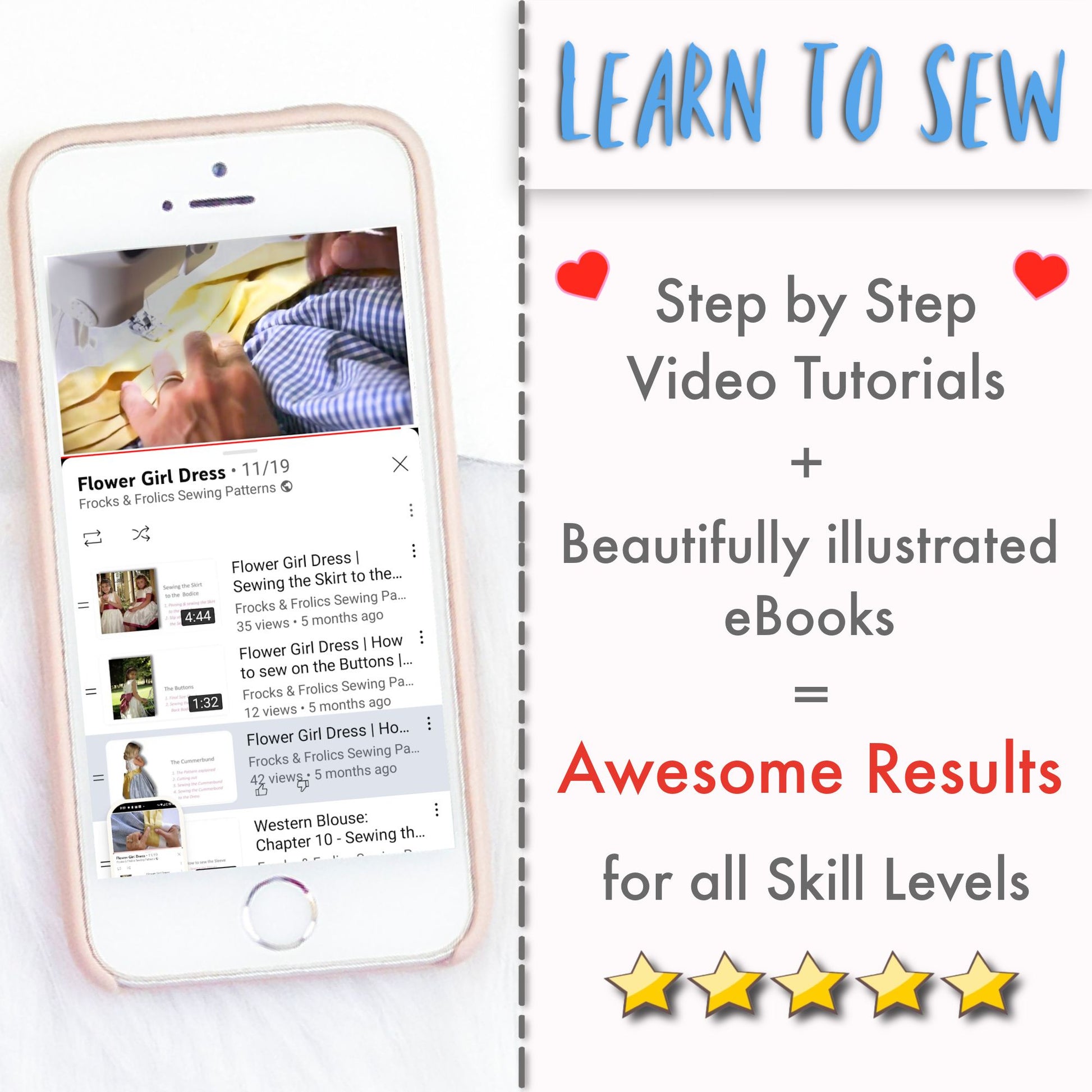
Und das Beste: Es gibt einen kompletten Videokurs dazu. Einfach nach unten scrollen und mit Marina Schritt für Schritt mit Nähen.

Was ist beim Schnittmuster dabei?

  • Sofort-Download
  • Digitale PDF Schnittmuster
  • DIN A4 Format
  • eBook
  • Schritt für Schritt Video-Anleitungen

Design

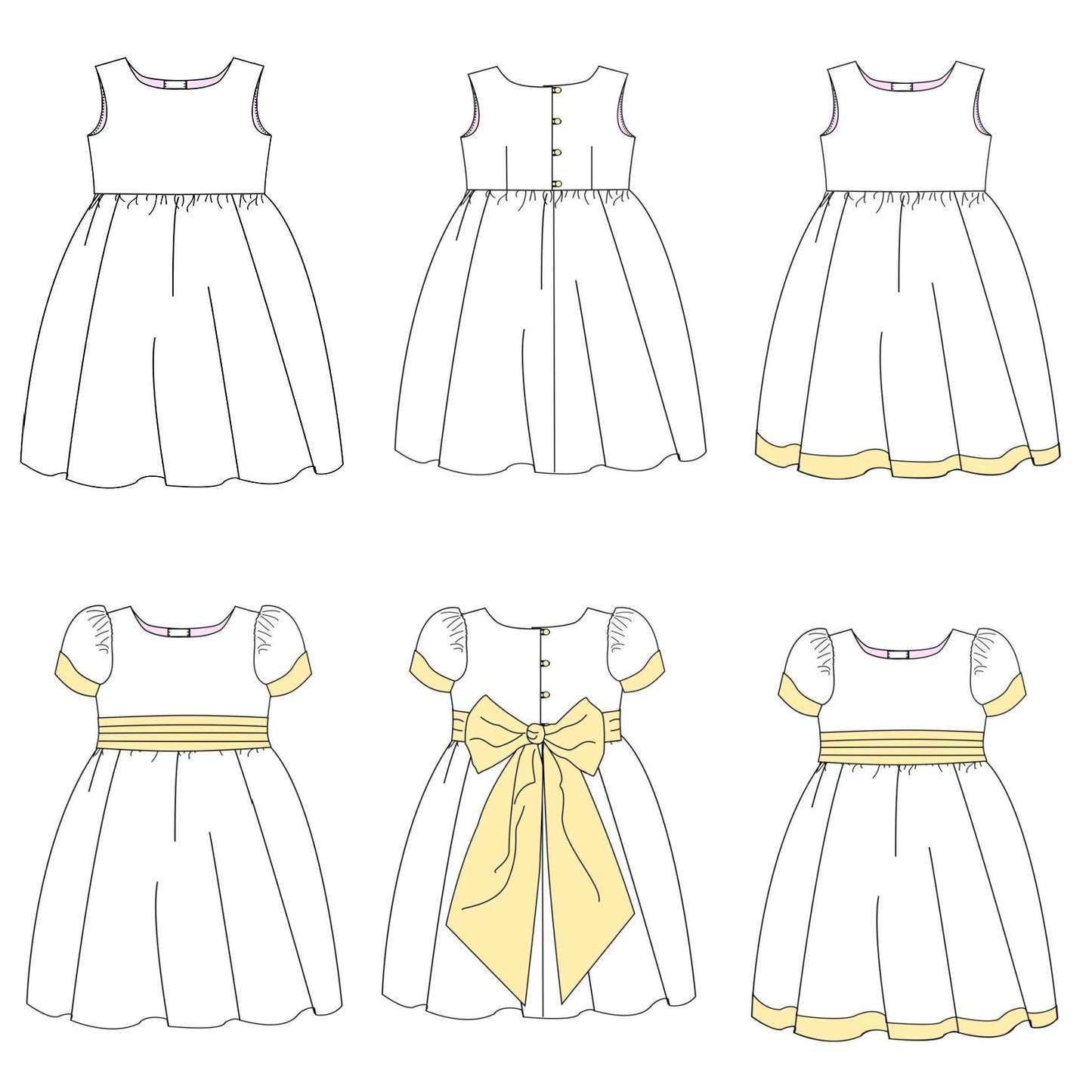
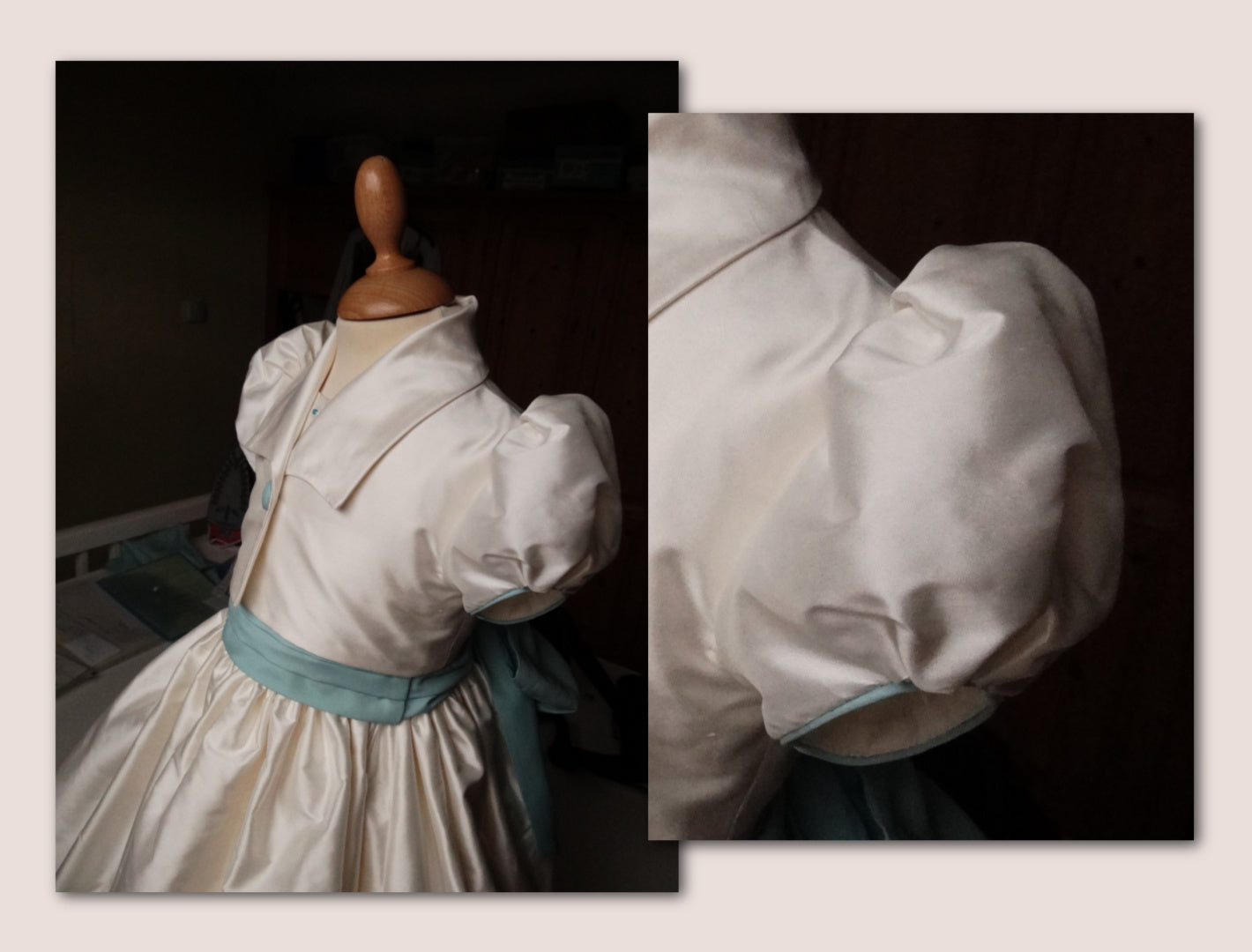
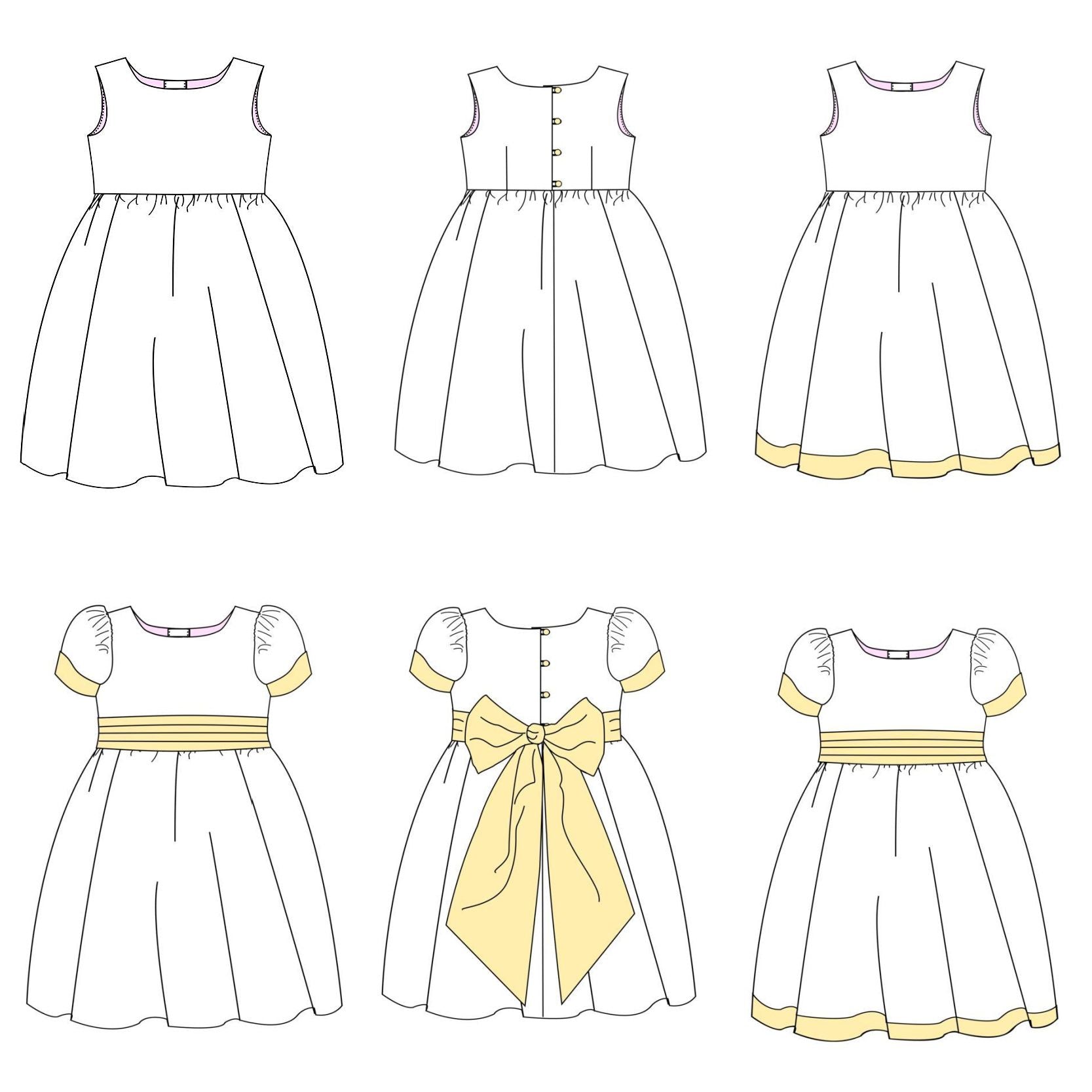
  • Ärmellos oder mit Puffärmeln
  • Oberteil mit Abnähern für eine perfekte Passform
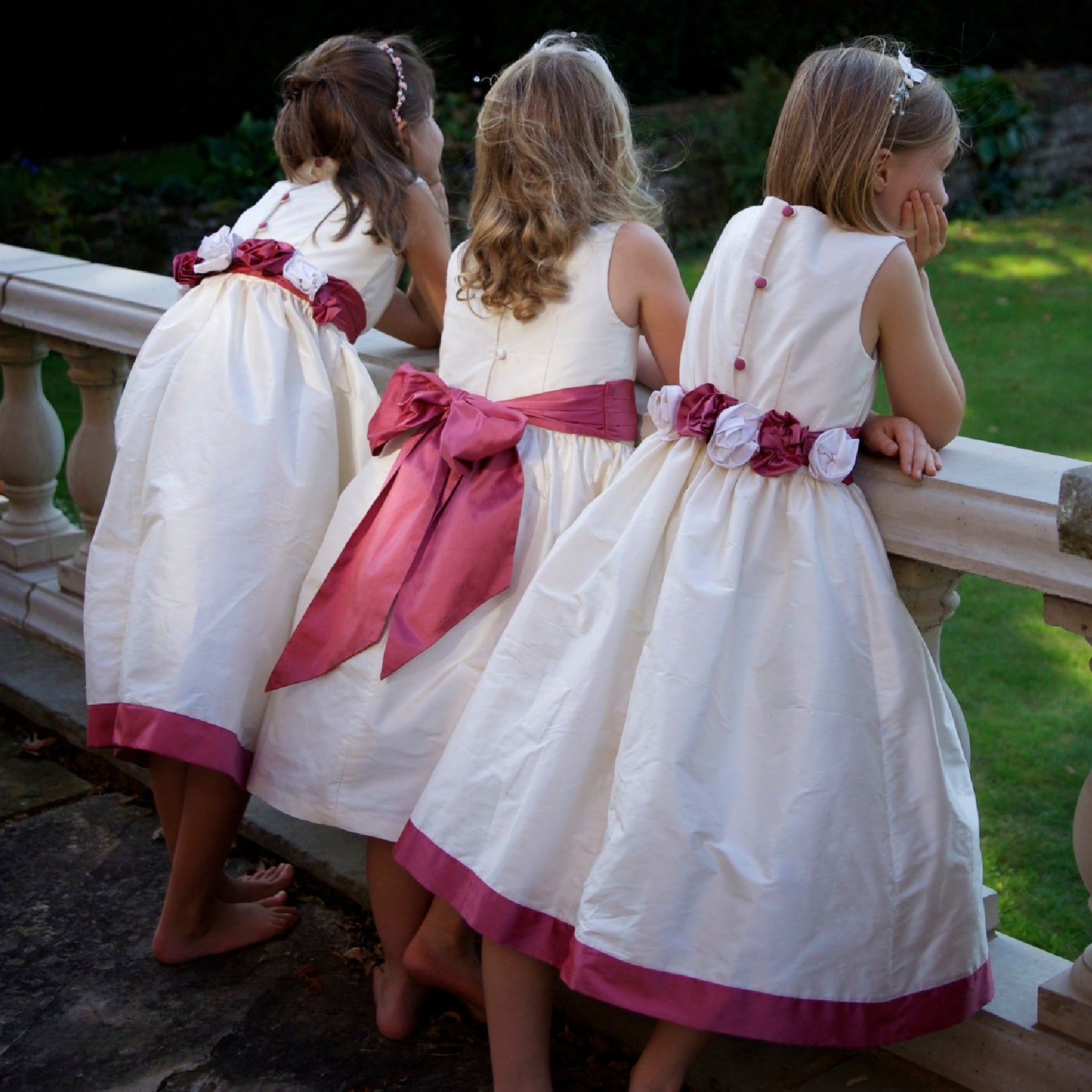
  • Wunderschöner Schlaufenverschluss für das Vintage-Kleid
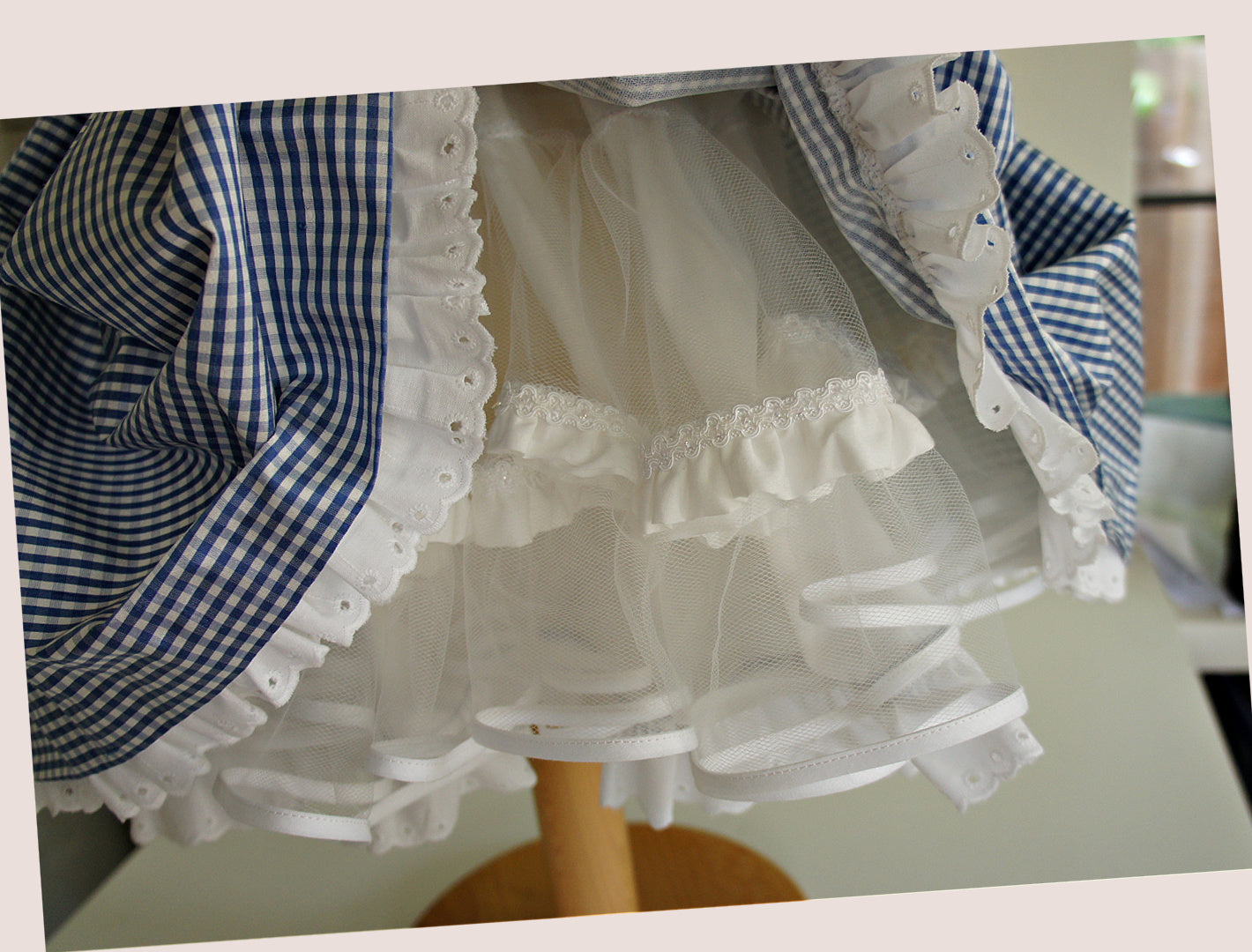
  • Einfacher eingereihter Rock mit Futter und Tüll Petticoat
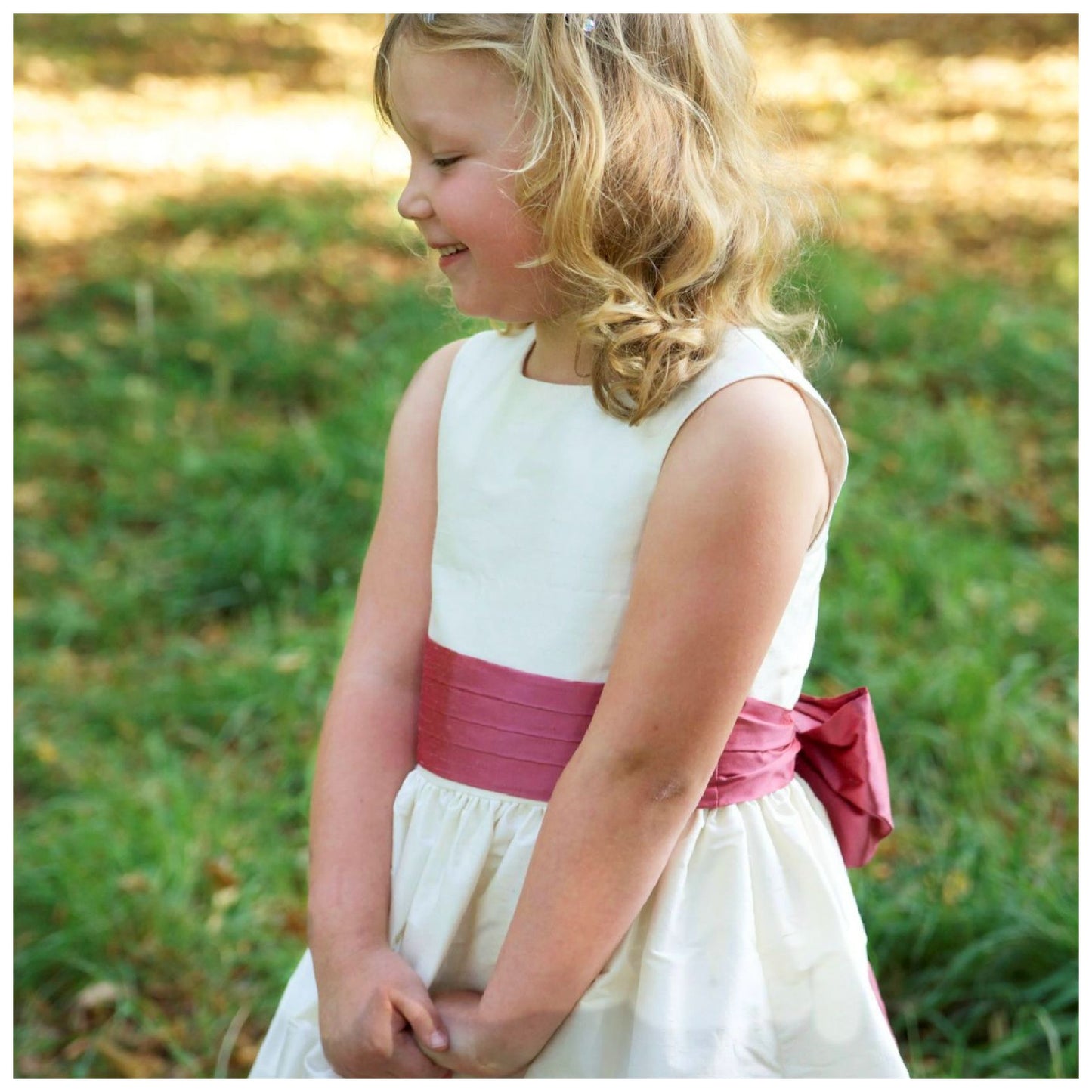
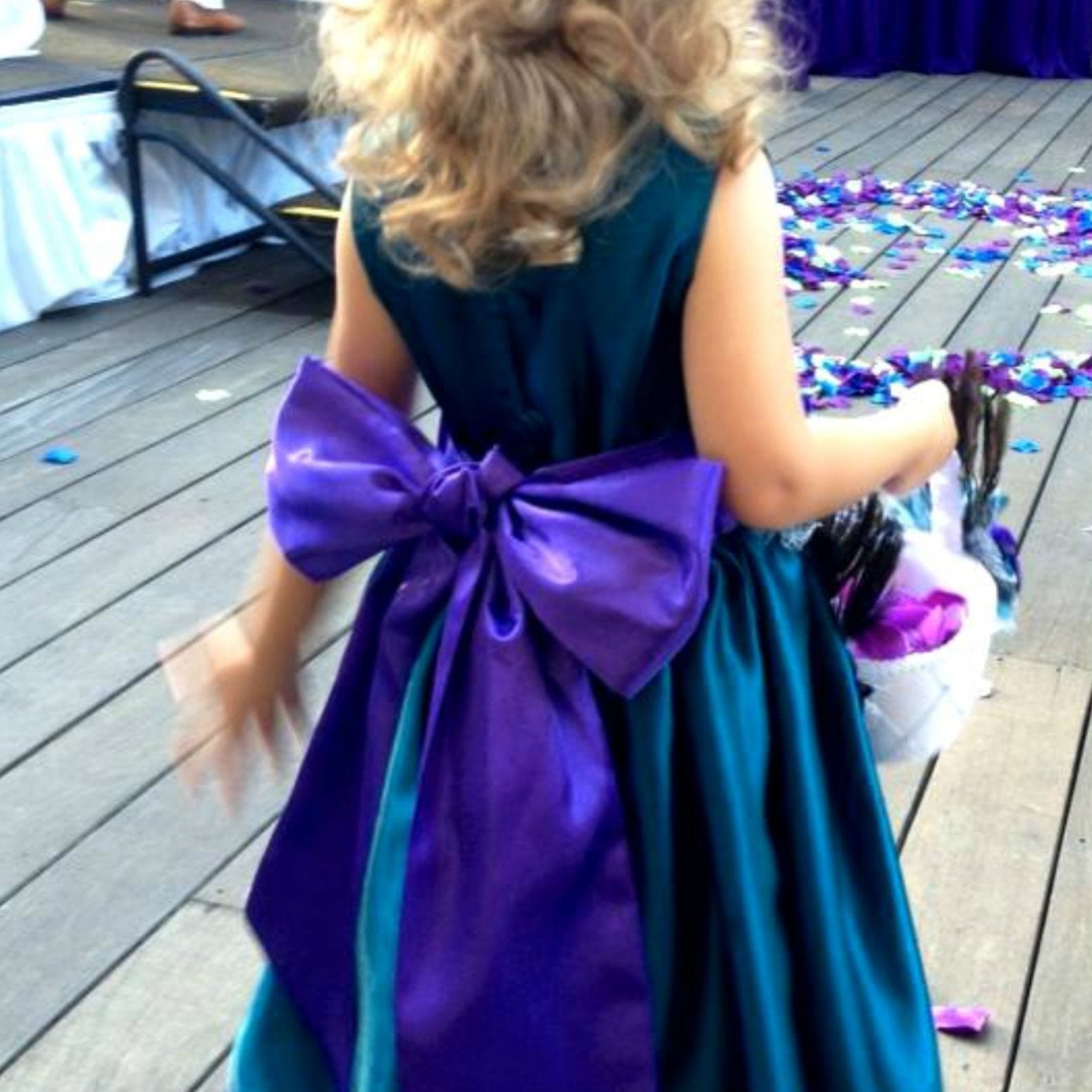
  • Kummerbund mit breiten langen Bändern

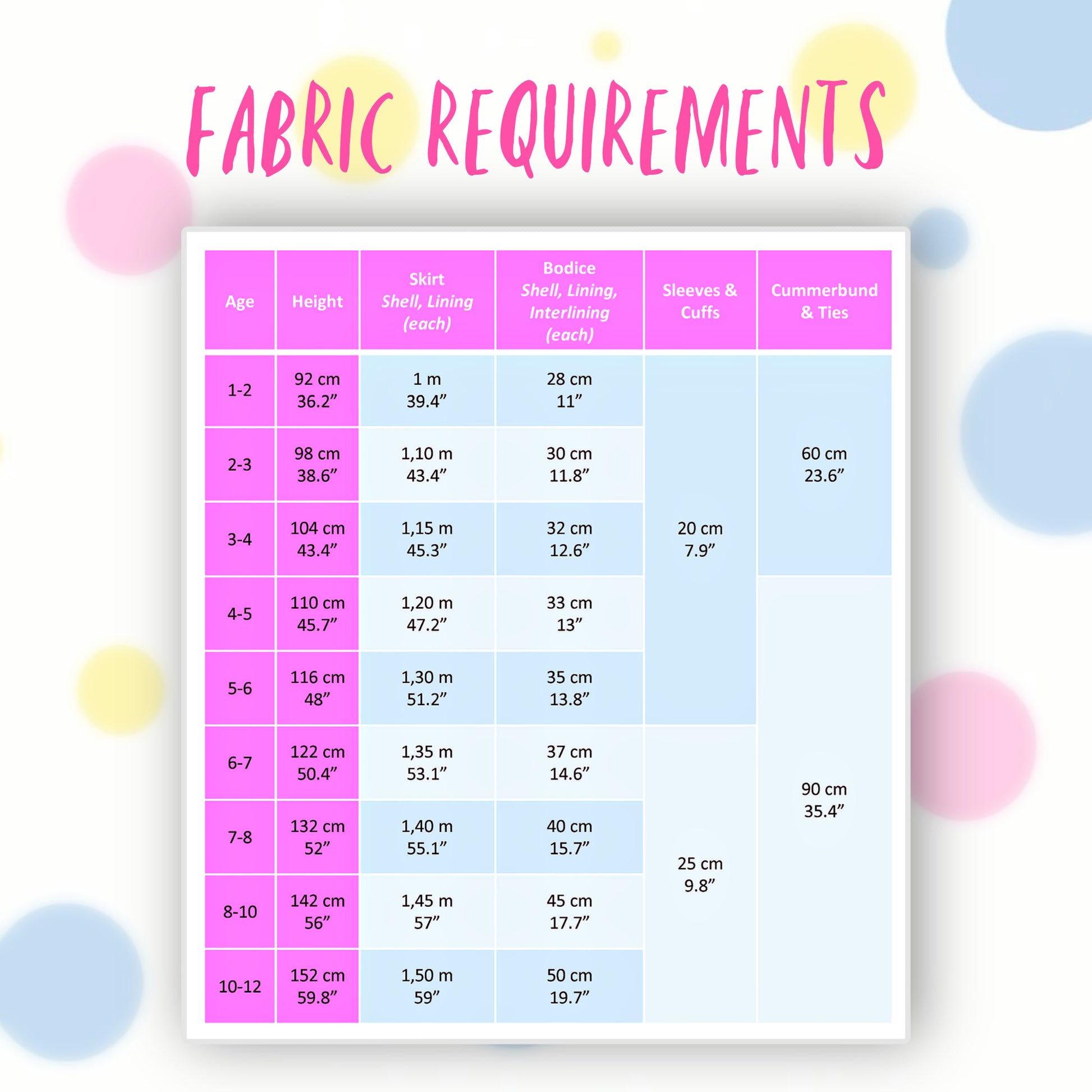
Stoffverbrauch

STOFFEMPFEHLUNGEN
Baumwolle oder hochwertiger Satin für das Oberteil. Rockfutter aus Futtersatin.

STOFFVERBRAUCH

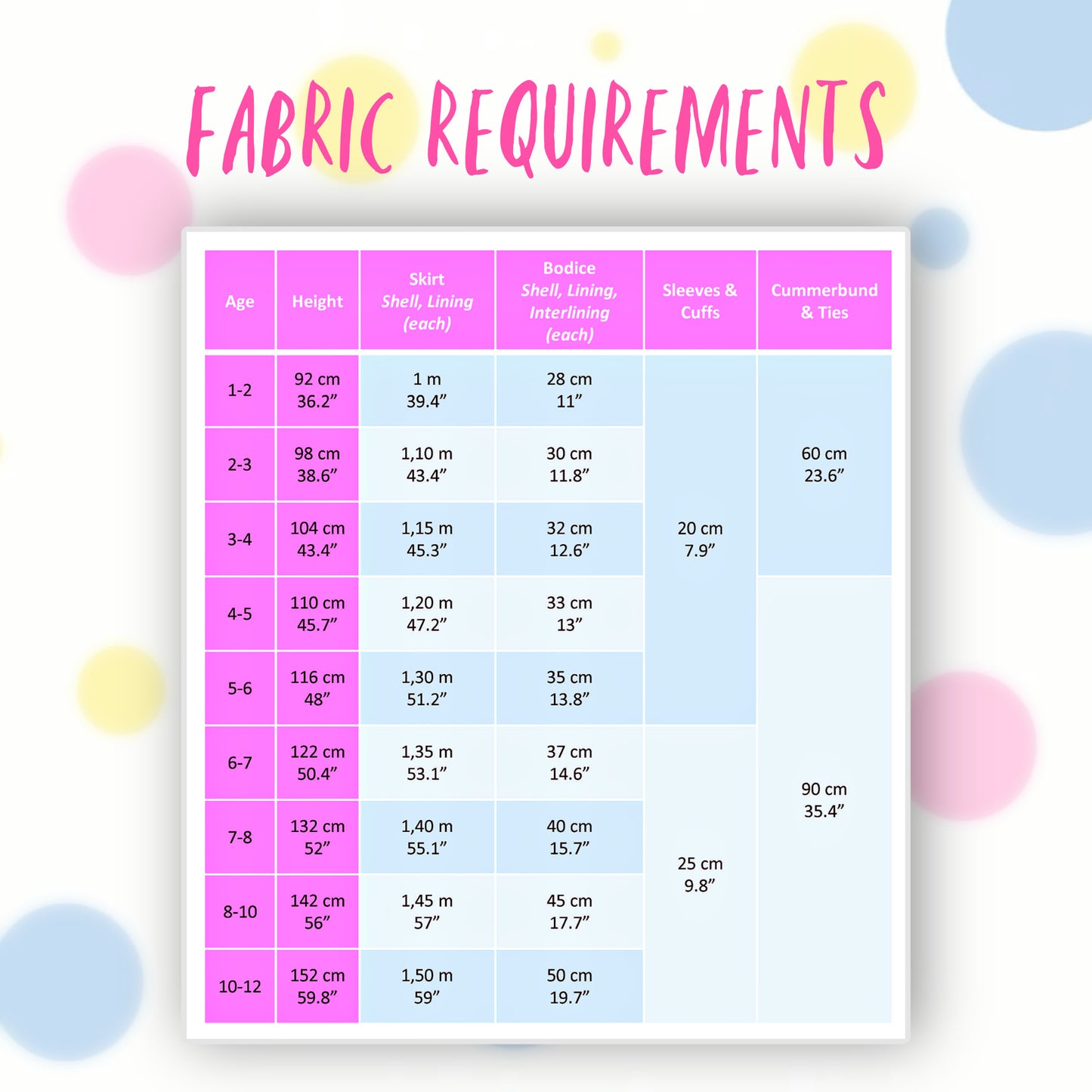
  • Ober-, und Futterstoff: 1,3 m bis 2 m
  • Einlage: Baumwolle, für das Oberteil
  • Kummerbund: 60cm - 90cm

Verfügbare Größen

Größe: 92-152, Alter 1-12

Bitte beachten
  1. Dies ist ein digitales Schnittmuster oder eine PDF-Datei, kein physisches Produkt. Die Zustellung erfolgt elektronisch über einen Download-Link an die beim Kauf verwendete E-Mail-Adresse. Zusätzlich kann das Schnittmuster von deinem Kundenkonto heruntergeladen werden.
  2. Um sicherzustellen, dass das Schnittmuster in seiner tatsächlichen Größe gedruckt wird, wird die Verwendung von Adobe Acrobat Reader empfohlen.
  3. Kleine Betriebe: Ich freue mich wenn meine Schnittmuster dir helfen, tolle Bekleidung für deine Kunden zu nähen. Industrielle Produktion ist untersagt.

Kunden werden ermutigt, Frocks & Frolics zu verlinken, wenn sie Projekte, die mit meinen Schnittmustern erstellt wurden, in sozialen Medien teilen.

@frocksandfrolics
#frocksandfrolics

Vollständige Details anzeigen

SCHRITT-FÜR-SCHRITT ANLEITUNG
Thumbnail
EINFÜHRUNG IN DAS PROJEKT
Thumbnail
STOFFAUSWAHL
Thumbnail
DAS SCHNITTMUSTER
Thumbnail
SCHNITTMUSTER ABÄNDERN
Thumbnail
DER ROCK & DAS FUTTER
Thumbnail
SPITZENSAUM NÄHEN
Thumbnail
FUTTERS AN DIE HINTERE MITTE NÄHEN
Thumbnail
VORBEREITUNG DES VORDERTEILS
Thumbnail
DAS OBERTEIL FÜTTERN
Thumbnail
DEN ROCK UND DAS OBERTEIL ZUSAMMENNÄHEN
Thumbnail
KNÖPFE ANNÄHEN
Thumbnail
DER KUMMERBUND
Thumbnail
PUFFÄRMEL NÄHEN
Thumbnail
PUFFÄRMEL EINSETZEN
Thumbnail
PASPELLIERTE PUFFÄRMEL
Thumbnail
DEN UNTERROCK NÄHEN
Thumbnail
SCHLAUFENVERSCHLUß
Thumbnail
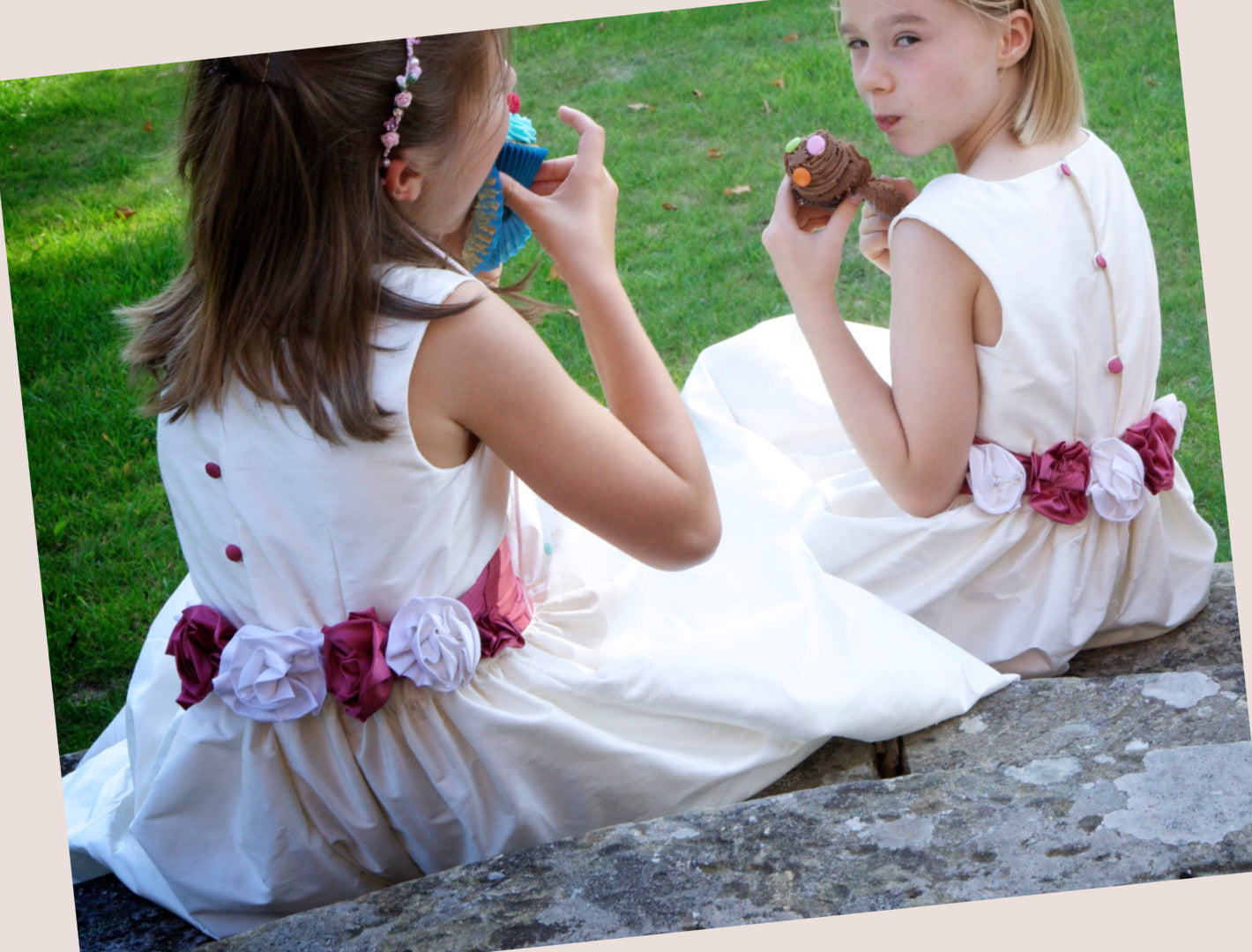
STOFFROSEN
Thumbnail
SCHLEIFE NÄHEN

VIDEO TEXT

Transcript for the video: Flower Girl Dress - Introduction to the Project

Introduction

Hello everyone, welcome to another one of my tutorials. This time I’m going to show you how to make a little jacket, a Kuma bunt, and a flower girl dress, all based on a Wizard of Oz theme. I’m actually making this for a wedding, and it’s going in the post on Saturday.

Before I start, I also want to show you that you’re going to learn how to make a fantastic petticoat. You don’t need a pattern for that—I’ll show you exactly how it works.

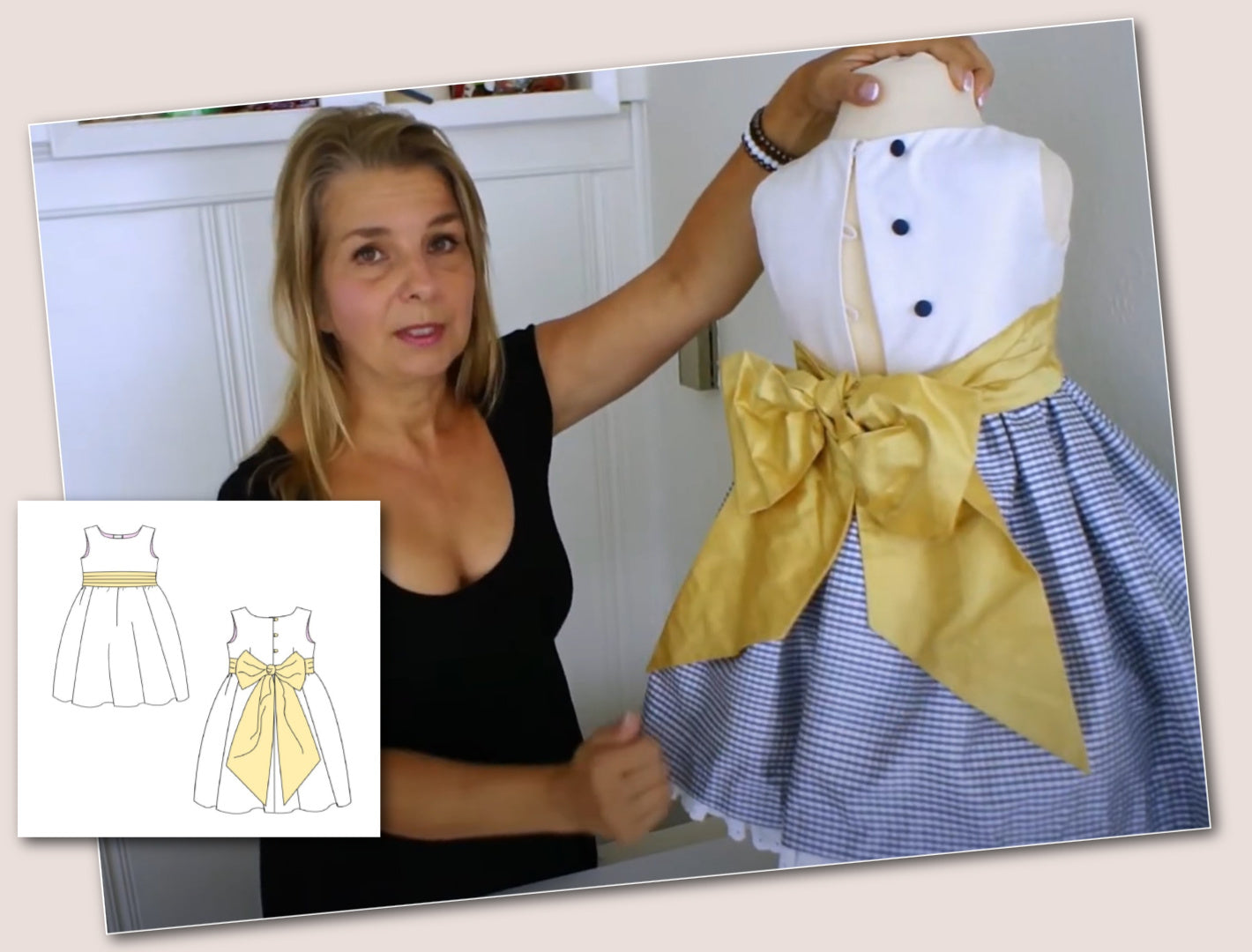
The jacket is called a crop jacket, and you can get it from our website, andy.com. Then we’ve got the Kuma bunt, which is really lovely and has a gigantic bow at the back. You can tie it however you like, but I think it gives a really beautiful line across the dress.

The dress itself has different rouleau loops and buttons, but because it doesn’t quite fit on my dummy (it’s for a one-and-a-half-year-old), I’m just covering it up for now. We’ve got rouleau loops at the back, cover buttons, and the jacket.

The jacket can also be made with buttons, but it won’t close on this dummy because it’s far too big.

Taking Measurements and Choosing Your Pattern

I’m going to start by explaining how to know which pattern to buy.

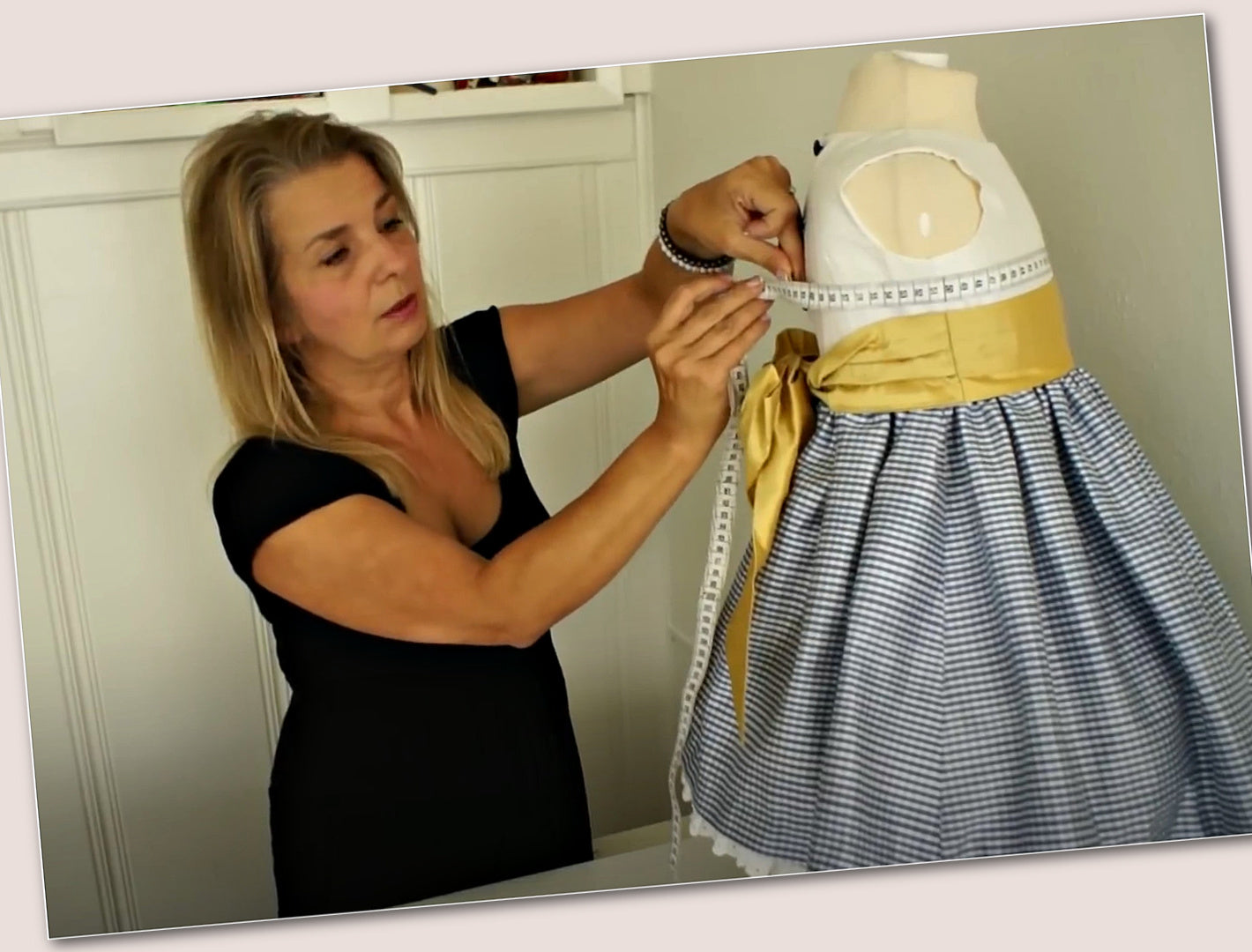
What you want to do is measure your child around the widest part of the chest, just underneath the arm. Your tape measure should not be too tight—just comfortable. In this case, it’s about 62 cm.

When making a flower girl dress, I would always recommend using very high-quality fabric. I’m using three dupion silks here, all of which have already been interfaced by the shop.

Personally, I don’t actually like that. I would recommend interfacing everything yourself. It’s cheaper and easier to work with. So I’ve chosen white for the bodice, check for the skirt, and gold for the accents.

Understanding the Pattern

Let’s have a look at the pattern.

The pattern comes like this, and you also get a scale so you can check that you’ve cut it out correctly. Basically, we need to cut everything out and assemble it.

The front may come in two pieces with an attachment line, and the back depends on the size you are doing.

The skirt comes as one piece for both front and back, and it is labeled with letters from A to F. A and B go together, C and D, and E and F. Then you glue everything together.

It’s a very simple system, but if you don’t know it, it can feel confusing.

So you put the skirt together, then cut the front skirt on the fold, and the back skirt twice. If you really want to, you can add a 1 cm seam allowance to the back skirt, but it’s not necessary because there are gathers, and a small difference won’t matter.

Back Piece and Rouleau Loops

Now this is the front piece.

We’ve got two pieces for the back because we’re using rouleau loops. On the side that goes underneath the rouleau loops, we add 2.5 cm extra. On the other side, we only add 1 cm.

This ensures that when the rouleau loops sit over the right-hand side, everything is centered and gives a clean, beautiful line.

So when you put the two back pieces together, you can see they are identical except one is wider than the other.

Sash (Kuma Bunt)

Next we have the Kuma bunt, or sash. There is a separate video explaining this, but basically you attach A4 or letter-size paper to extend the tie.

For smaller sizes, we use four sheets. For larger sizes, five or even six, so the ties hang lower—that looks very pretty.

There is also a front piece for the sash, and I recommend watching the separate video for that.

Measuring and Pattern Adjustments

If I need to adjust the pattern (because I’m making this for a real wedding), I first draw in all seam allowances so I can work accurately.

For the front piece, I measure and take note of the width. In this case, I’ve got 5.4 inches (13.5 cm). Since the body has two sides, I double that: 10.8 inches (27 cm).

I repeat the same for the back, measuring across the dart and seam lines.

So overall, the full width is 20.8 inches (53 cm).

Adjusting for the Child’s Size

Now we adjust for the child.

The bride has given me a measurement of 20.8 inches, but the child measures 18.5 inches. However, we always add ease—about 1 to 1.5 inches—so we aim for 19.5 to 20 inches.

That means we reduce the pattern by about 1.3 inches total.

Since the pattern has four sections (two front, two back), we divide that amount by four and adjust each section along the division lines.

Never cut off the side seam only—that will distort the shape.

Once adjusted, I tape everything back together.

Back Pieces and Length Adjustment

I repeat the same process for the back pieces—marking, adjusting, and taping.

Then I measure the length. The bride requested 8 inches, but my pattern is slightly too long, so I need to remove about 2 cm.

We never remove length from the waistline. Instead, we remove it from the middle of the pattern.

I mark it, overlap it, and tape it back together.

Skirt Adjustment

Now I move on to the skirt.

I remove seam allowances and hems, then measure from the shoulder point down to check the length. Mine is still too long by about 2 inches (5 cm), so I mark half on each side and overlap the pattern.

This step is necessary to get the correct proportions for the final dress.

After adjusting, I check again against the required 23 inches. It now matches correctly.

Final Adjustment: Kuma Bunt

The last step is adjusting the Kuma bunt.

There is a separate pattern and video for this, but I mark where it ends and trim it so everything fits correctly.

Now I’m ready to start cutting out the flower girl dress.

Closing

The next video will be the cutting-out process.

Thank you for watching, and I’ll see you next time.

Bye for now.

Fabric and Styling

Transcript for the video: Flower Girl Dress - Fabric Choice

Let’s talk about fabrics and styling.

In this chapter, it is very important that you look at what the bride is actually wearing to decide what kind of flower girl dress you want to make.

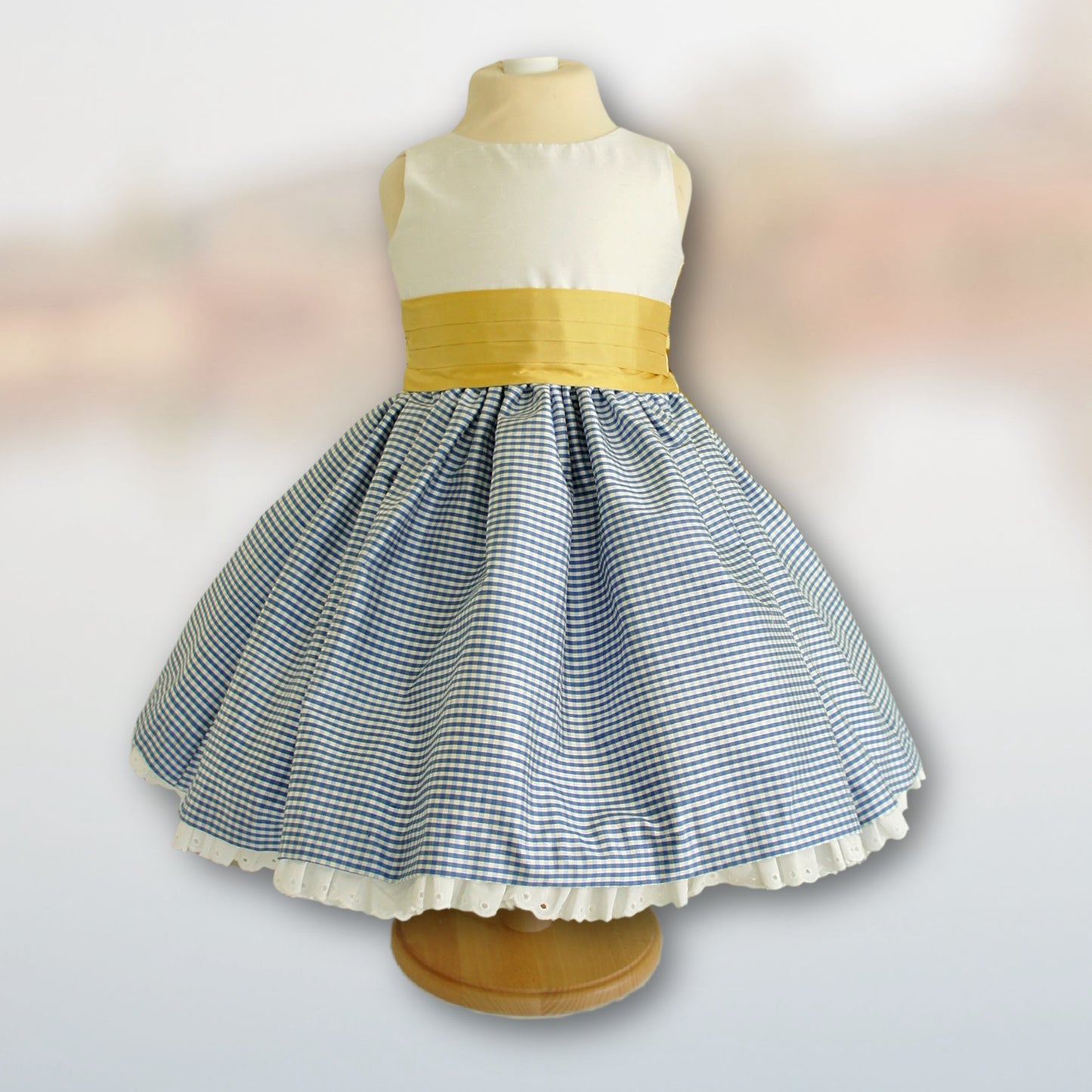
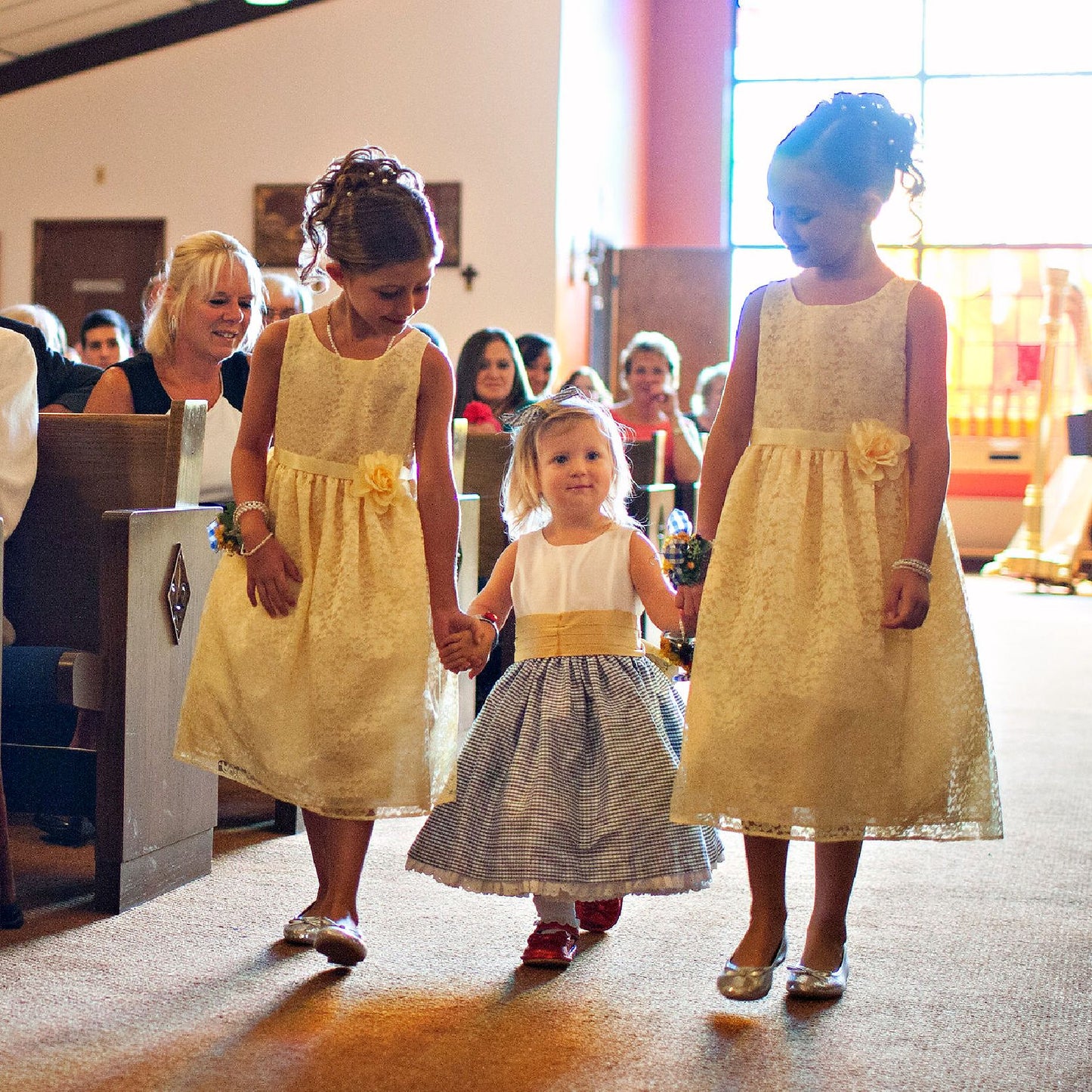
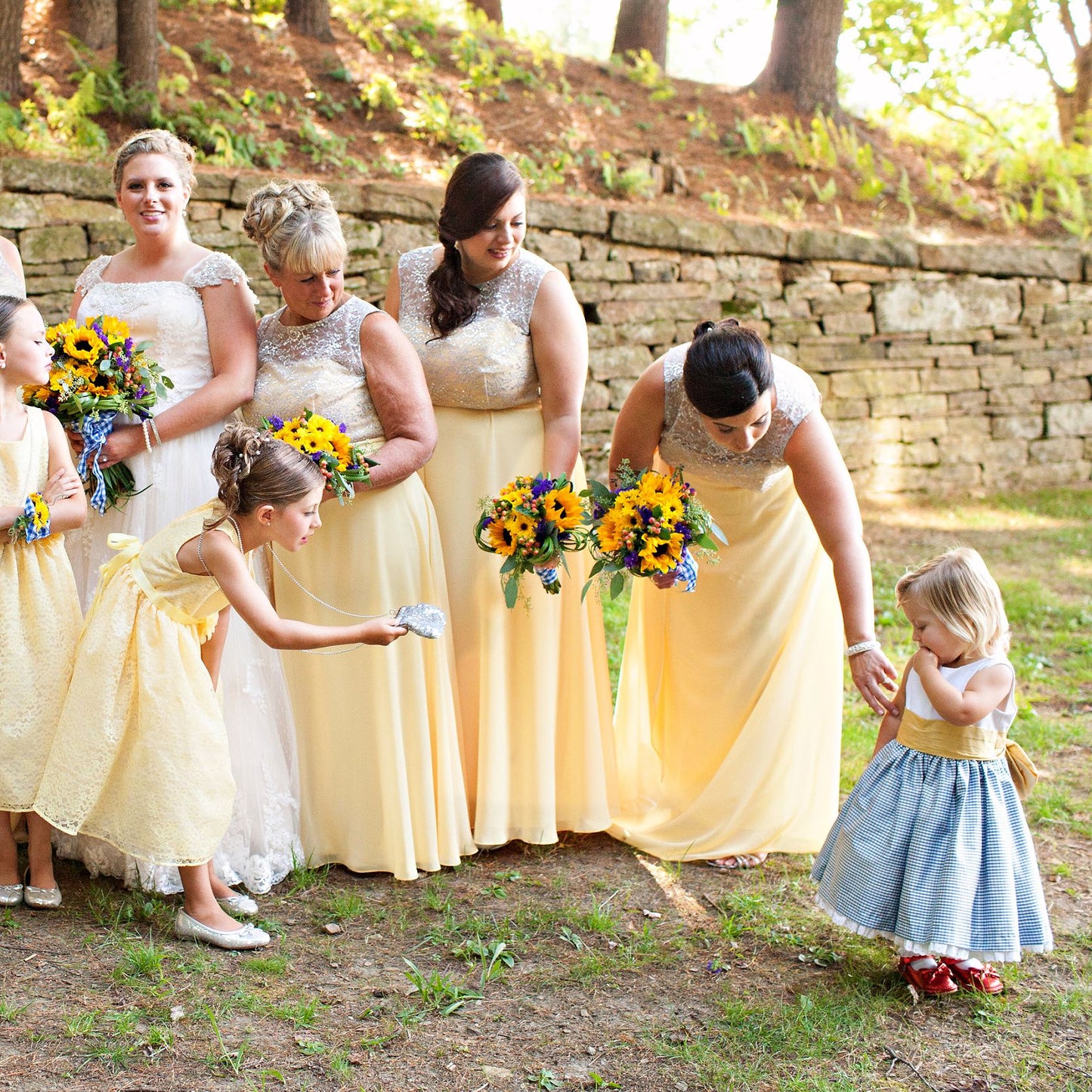
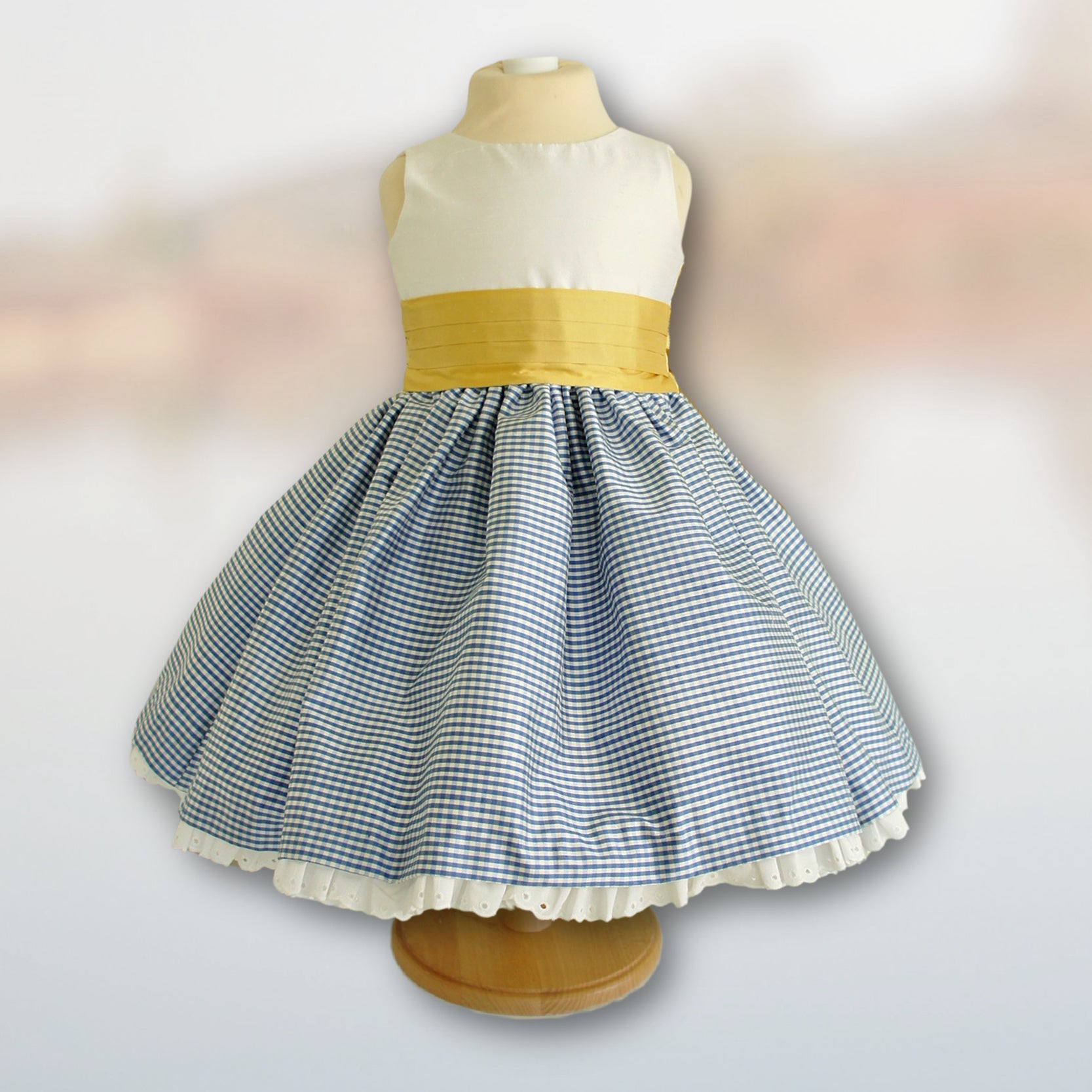
In my case, for the example we are using in this course, it was based on the theme of The Wizard of Oz. The bridesmaids’ dresses were in a lovely yellow, and the bride had an ivory dress with some lace on it. So I used an ivory dupion silk for the bodice.

Because of the Wizard of Oz theme, we also used a check skirt and a yellow or gold sash. This worked very well to bring the theme together and add a bit of interest.

As you can see, the bride was wearing red ruby slippers, and so was the little flower girl, which worked really well. I topped everything off with a Paris bolero, and I used the same sleeves as the flower girl dress. You can also go a size up on the sleeves if you want a bigger effect. This works really well because the jacket sits just above the cummerbunds.

Choosing Dupion Silk

When it comes to dupion silk, there are two main types:

You can get a machine-woven dupion silk, usually from China, which is lighter and often wider (around 140 cm rather than 120 cm). Or you can get Indian dupion silk, which is more structural and heavier.

It really depends on the bride’s wedding dress style, but most of the time it is better to choose something smoother with a slightly taffeta-like appearance, but not as shiny as taffeta.

Dupion silk is a brilliant fabric because you can also add embroidery. Even a few small embroidered flowers on the neckline can make all the difference.

Fabric and Style Examples

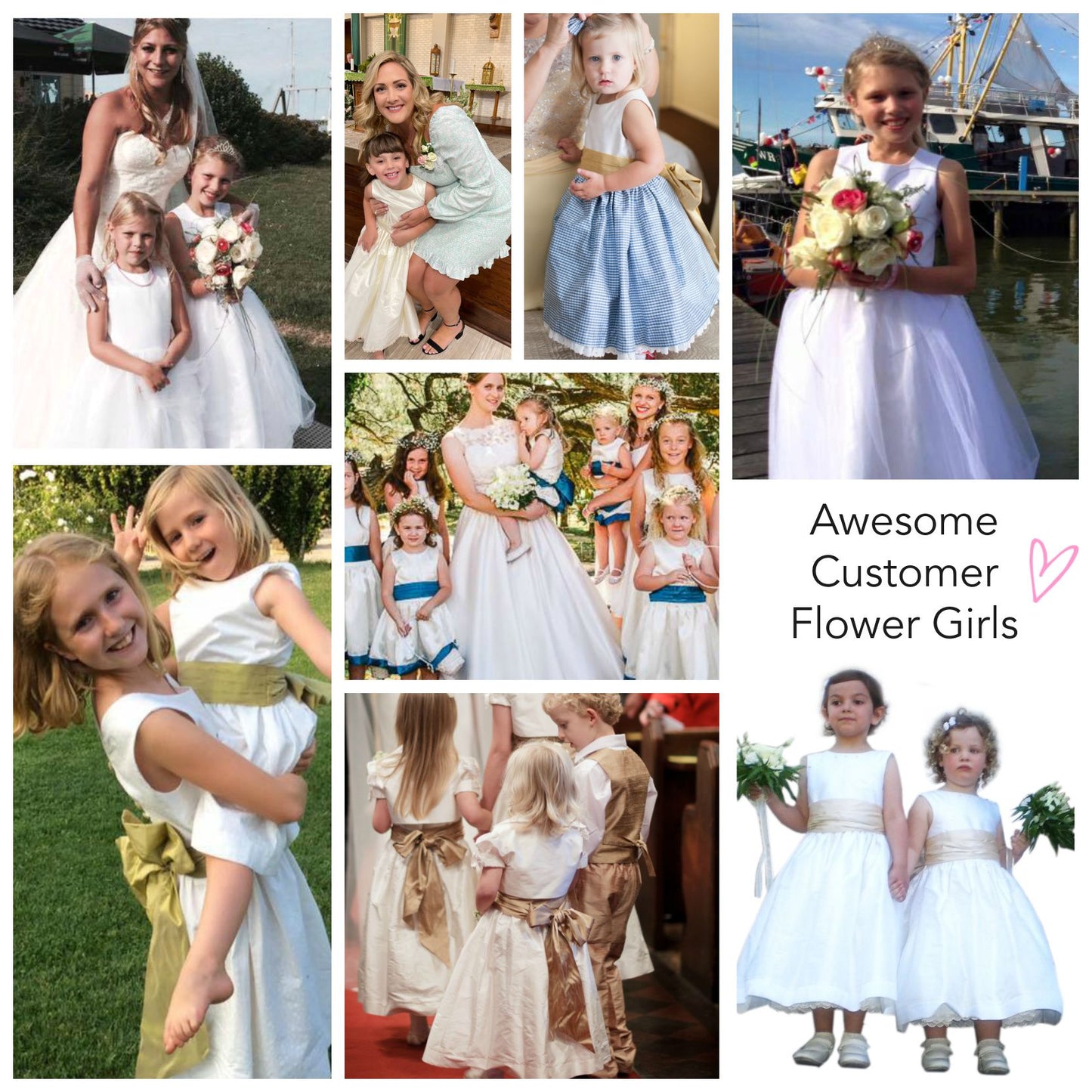
Now I want to show you a few examples of dresses you can make with this pattern, so you know what to look for when buying fabric.

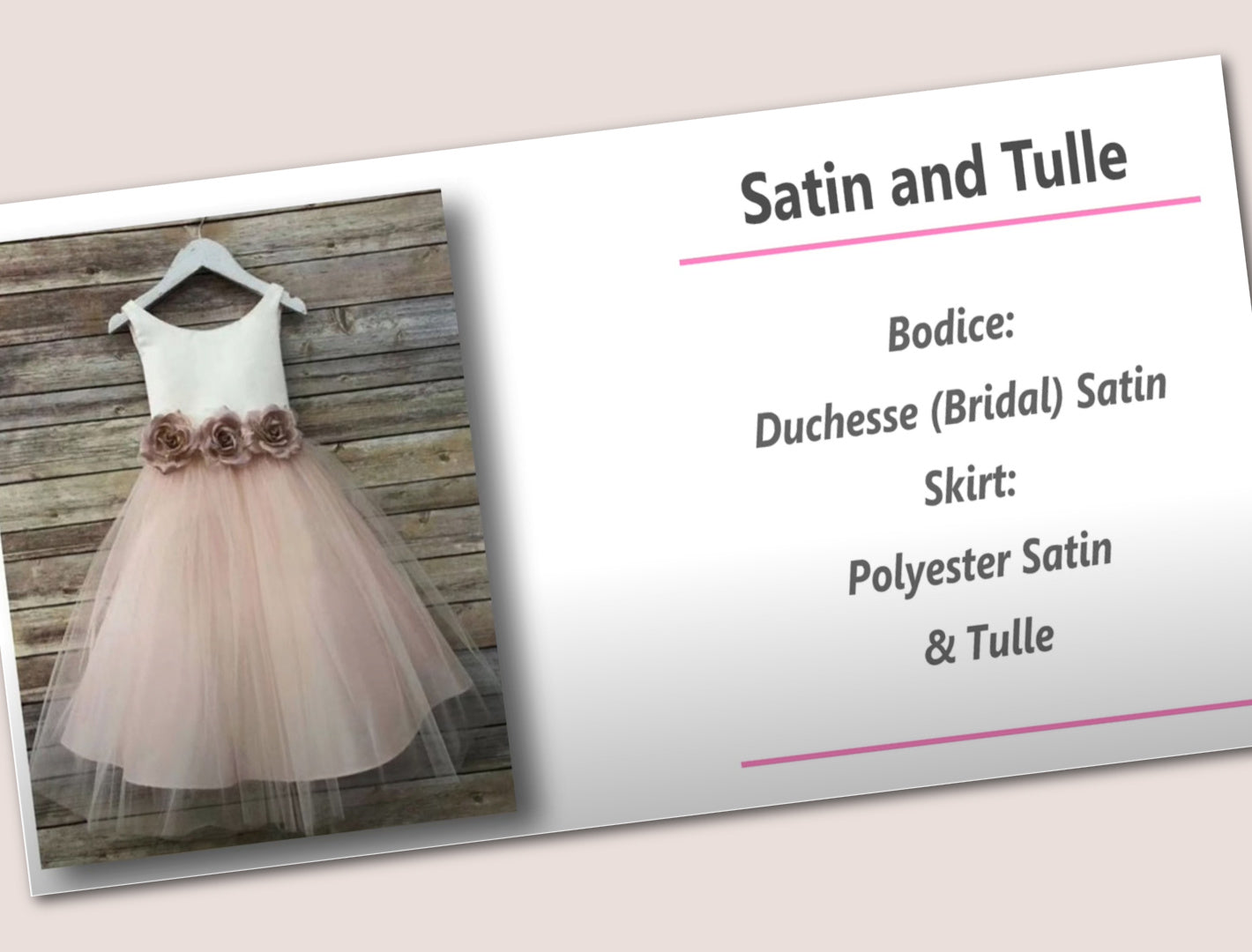
In this example, we have a combination of polyester duchess satin and bridal satin for the bodice, paired with a satin skirt and a tulle overlay. The skirt length can be adjusted depending on preference.

You can also make the entire dress in duchess satin. In some cases, you may even add a bow at the back of the kuma bunt for extra detail.

Another very popular combination is satin for the bodice and tulle for the skirt. I particularly like it when the tulle finishes at the same length as the skirt.

If you choose a lighter silk like shantung for the skirt, you can still use tulle over it with floral details, which looks very elegant.

Notes on Shantung Silk

One example I was not very keen on was a dress made entirely from shantung silk. It is often too light to work as a standalone fabric.

If you do use shantung, I strongly recommend adding a heavy cotton interlining. This helps stabilize the fabric.

Also, the skirt should be cut almost twice as full; otherwise, it will look flat and flimsy. A large petticoat is also essential to give volume.

Important Fit Details

You also need to pay attention to length and proportion.

Make sure the sash ties reach at least the hem of the skirt. If the child is taller than average, always adjust the length accordingly.

In some examples, the fit is perfect because a petticoat or hoop skirt is used underneath to create volume, and the ties sit correctly over the hem.

Design Variations

Another idea is to mix colors. For example, if you are making three flower girl dresses, you could have two in an accent color and one in white, then match all cummerbunds to the dress color.

For extra volume, you can also use a gathered circle skirt instead of a standard skirt. This creates much more fullness. If you already have a circle skirt pattern, you can use that, or you can draft one yourself.

Bodice and Detail Work

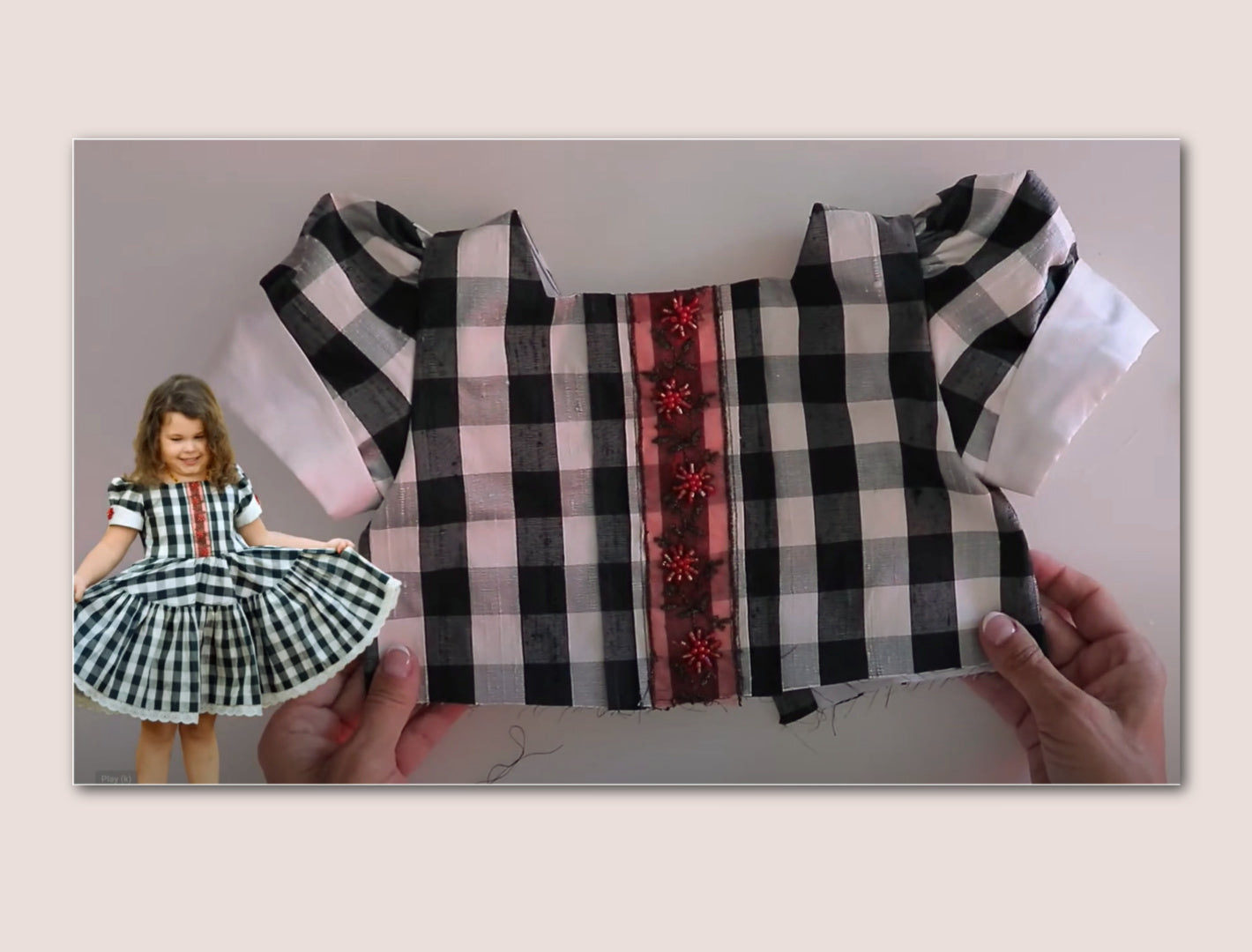
You can also create interest through the bodice by using different fabrics such as embroidery, brocade, or textured materials.

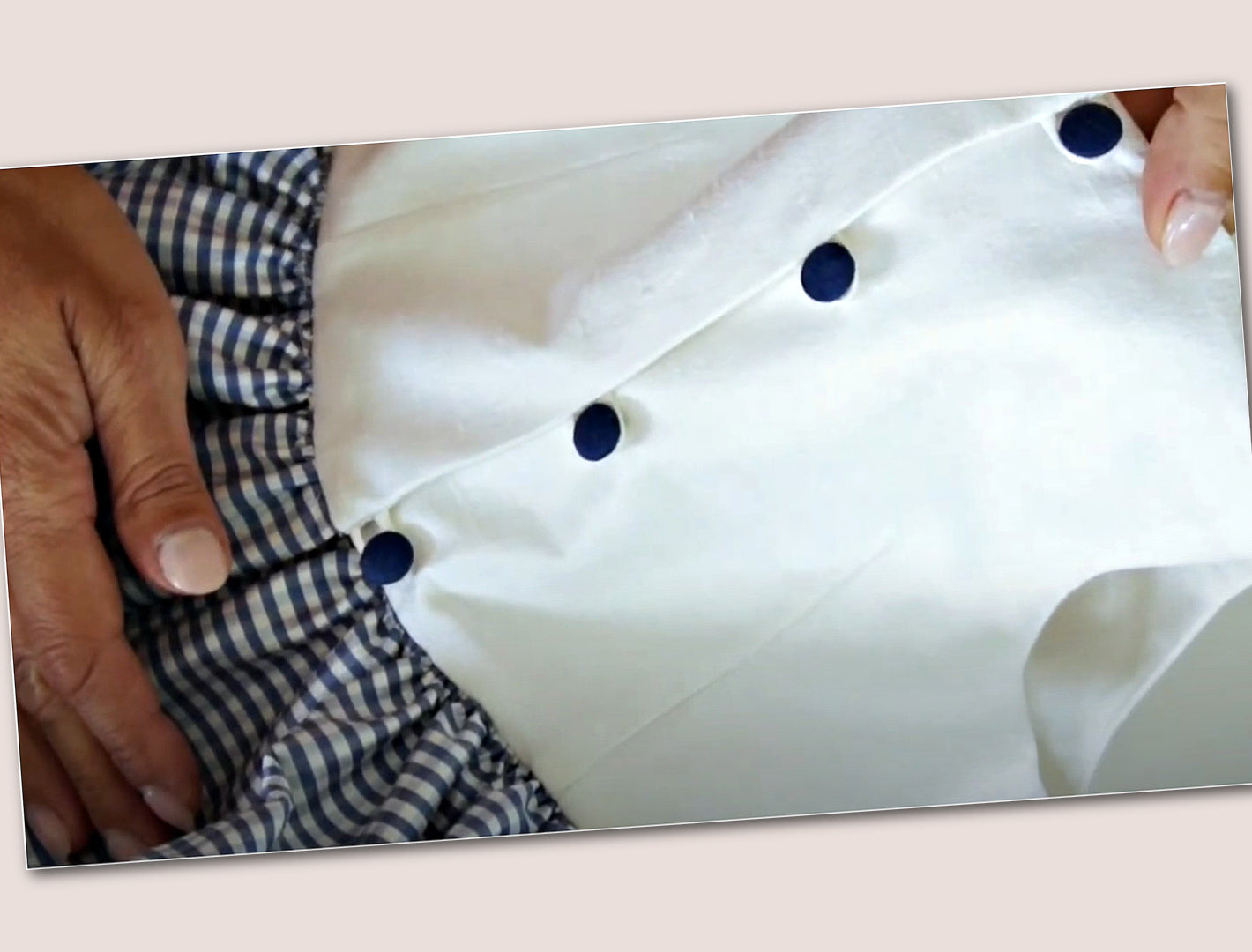
Covered buttons are another beautiful detail that can elevate the back of the dress.

Some designs include embroidery along the hem, which looks stunning but is more advanced and time-consuming.

Sleeves and Fit

One important thing to watch is sleeve fit.

Make sure to measure the upper arm properly and add at least 3–4 cm of ease so the sleeve is not tight.

In some examples, the sleeves were too tight, which is something you want to avoid.

Overlays and Volume Tips

Another option is to add a full overlay over the dress.

This can be done using tulle or soft mesh fabrics. When doing overlays, gather the skirt and the overlay separately first, then join them together. This prevents uneven gathers and ensures a clean, uniform finish.

Fabric Cost and Alternatives

Using overlays is also a great way to reduce cost, because the base layer does not need to be expensive silk. You can use polyester underneath and reserve the nicer fabric for the visible layer.

High-quality polyester taffeta or duchess satin can look very close to silk if chosen carefully.

However, if you can afford it, real dupion silk is still the best choice for structure and appearance.

Final Advice

For lining, I always recommend cotton lining combined with interfacing for comfort and structure, especially for children.

Take your time choosing fabrics, because the fabric really defines the final look of the dress.

I wish you lots of success in choosing your fabric and making a beautiful flower girl dress.

Dress Options and Pattern Overview

Transcript for the video: Flower Dress - The Pattern

Let’s look at the options you have for your dress, and then after that we’re going to look at the pattern in detail.

Dress Variations

You can make the dress with a cummerbund and a beautiful hem trim.

You can also leave the hem trim off—this makes no difference to the overall construction.

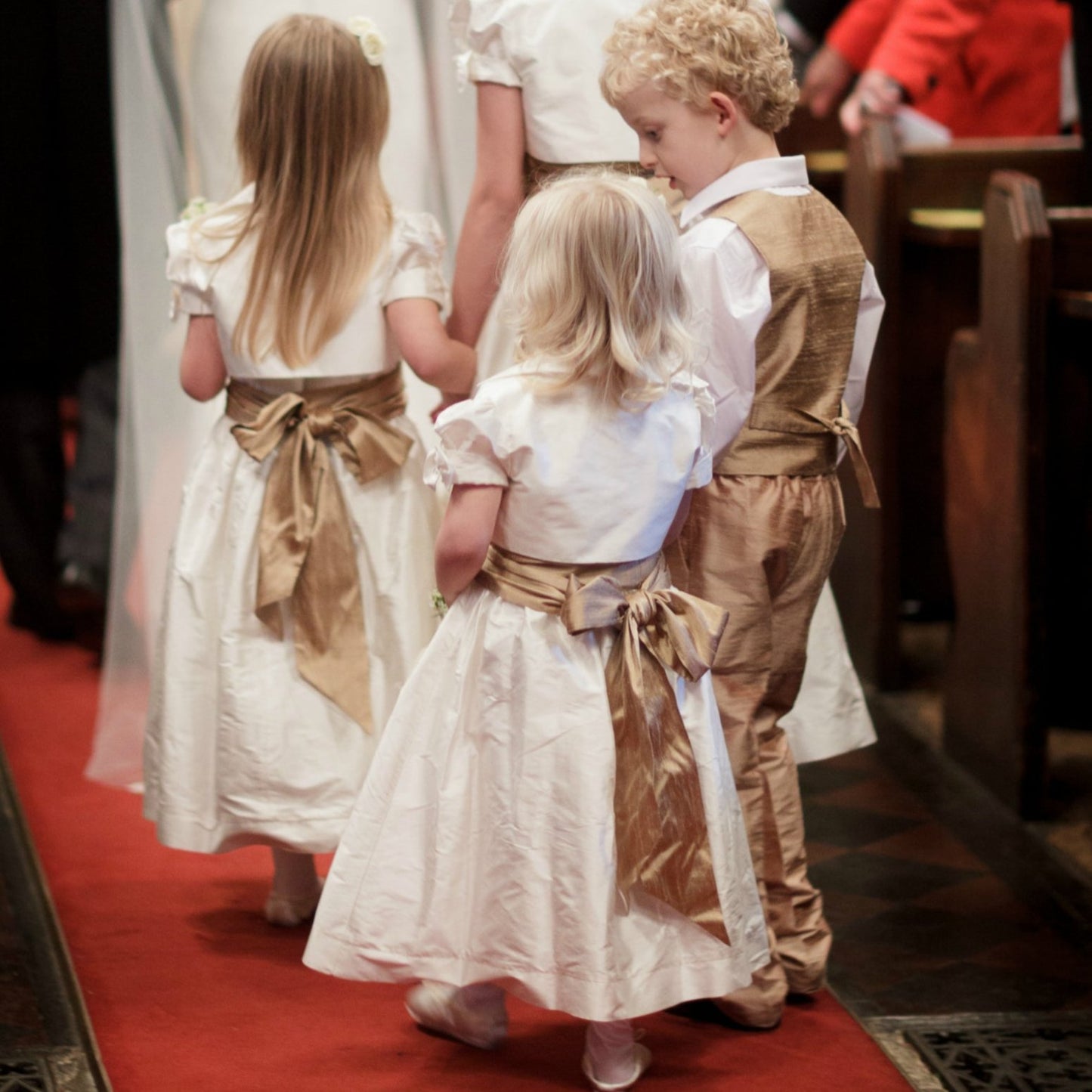
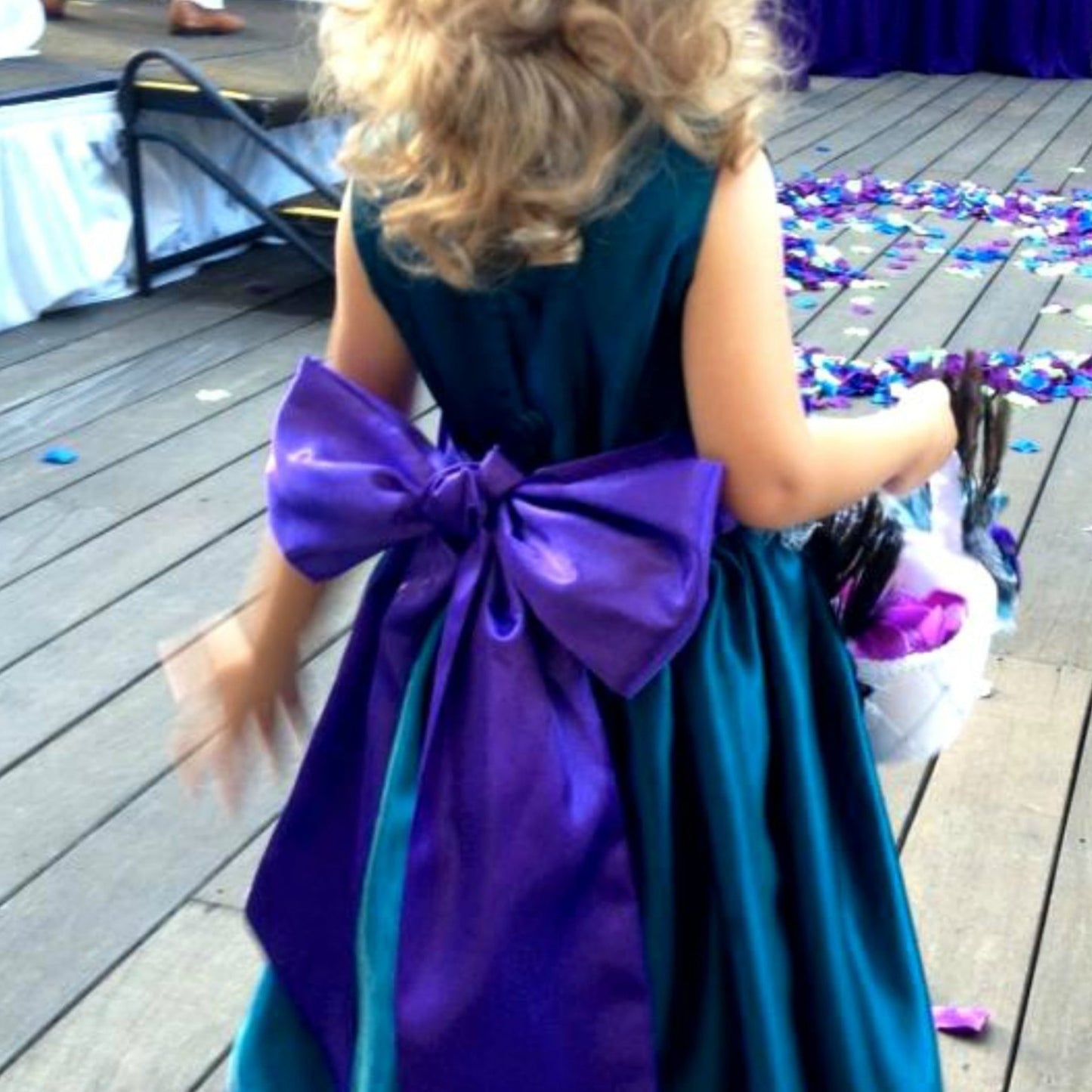
The cummerbund has a beautiful bow at the back. I would recommend making the ties quite long, as I also mention in the ebook, so that they hang right down to the hem.

You can also choose:

  • A hem trim or no hem trim
  • Turn-up sleeves
  • Bound sleeve edges (I also have a video for this)

If you want to make the hem trim, you will find the measurements in your ebook under “variation.” If you don’t want it, you can simply leave it off—your ebook clearly shows all available options.

Cutting the Front Pattern

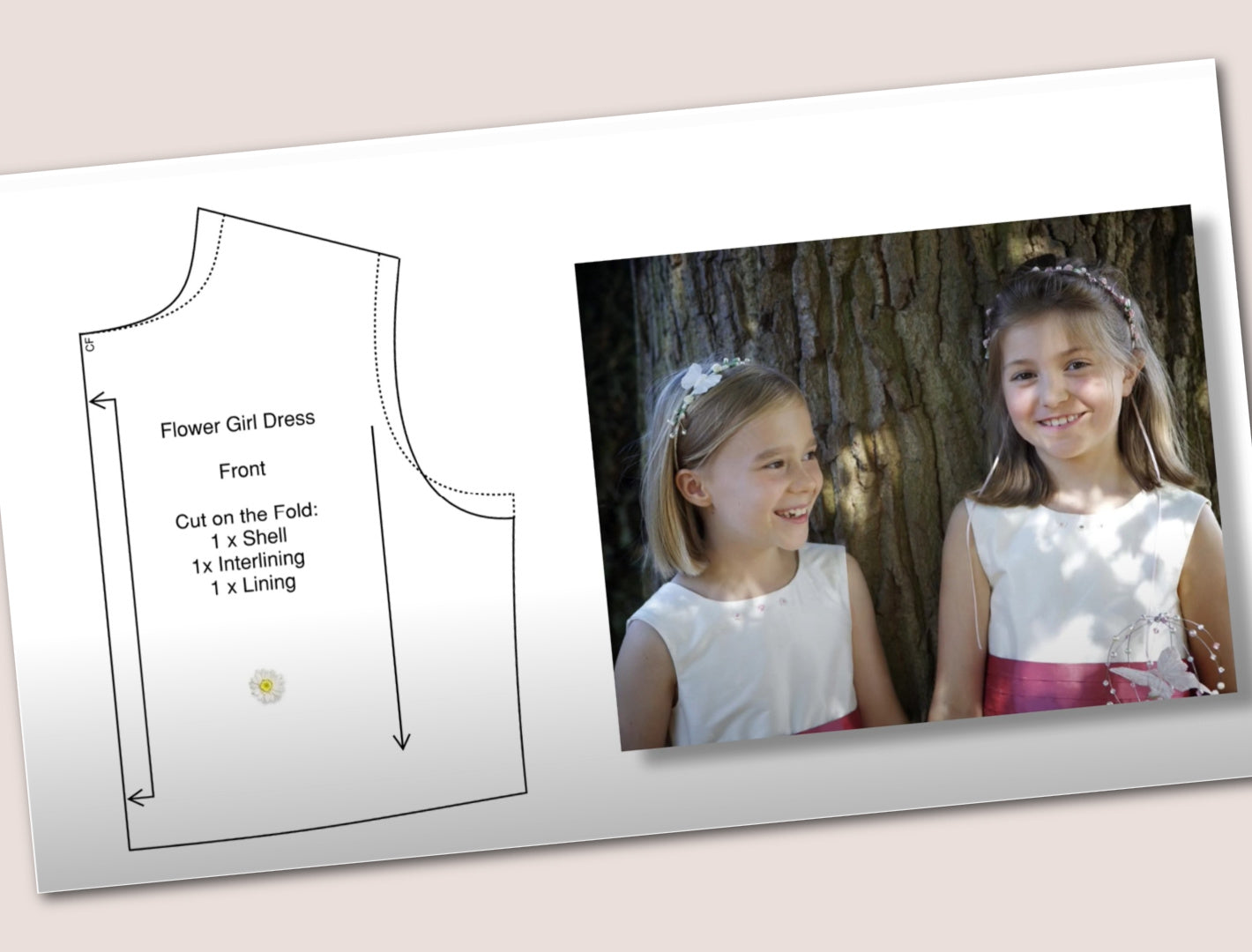
You cut the front on the fold, both in shell fabric and lining.

You can also print the pattern piece twice, then tape it together down the center. This gives you a full pattern piece, which is often easier if you plan to make more than one dress.

Sleeve Options

There are two armhole lines on the pattern:

  • A dotted line for the sleeveless version
  • A solid line for the sleeved version

The dotted line (sleeveless option) sits slightly higher and further in at the shoulder. This prevents the armhole from becoming too deep, which never looks good.

If you are making the sleeved version, cut along the solid line. This gives more room for movement.

The neckline also has an additional dotted line option, which allows you to make it slightly wider. This is especially nice for girls aged 8–12.

Interlining Advice

I strongly recommend using interlining.

It helps create a smooth neckline and armhole and prevents puckering, which is very common in lighter silks.

This is less necessary with heavier fabrics like duchess satin, but for most silks, a light cotton interlining works best.

Back Pattern Pieces

The back consists of two parts:

  • Left back
  • Right back

The left side is narrower because it includes the loop area and underlap. The right side is wider and sits underneath the loops.

This prevents any gaping and ensures a clean closure.

Both sides include the same markings for darts, neckline, and armhole.

You will cut each piece in:

  • Shell fabric
  • Interlining
  • Lining

It is very important to place the pattern correctly:

  • Shell fabric on the right side of the fabric
  • Lining on the wrong side

Darts and Fit

Mark your loops clearly so you know exactly where they go.

For darts, cut right up to the point indicated on the pattern, then sew the edges together for a clean finish.

The back also includes a slight shaping curve at the waist, which improves the fit and follows the natural curve of the body.

Summer Dress Option

If you want to make this as a summer dress, you can cut off 1 cm from the back edge.

You would then cut the right back twice (plus lining), and the same for the left side.

This creates a lighter, more open version of the dress.

Facing Piece

There is also a facing piece for the right-hand back lining.

This adds stability where the buttons are placed and prevents stretching or gaping.

Skirt Pattern

The skirt is made from one main pattern piece.

You cut:

  • Front: once on the fold (shell + lining)
  • Back: twice (shell + lining, mirror image)

There is also a marking for the back opening.

The lining is shorter than the outer fabric, following a dotted trimming line. This ensures the lining does not show and helps create a clean hem finish.

Hem Trim Option

There is an additional line for adding a hem trim.

If used, the skirt becomes slightly longer. You simply cut along the dotted line provided.

Skirt Volume

The skirt is relatively slim (about 1.2 m / 47 inches wide).

For smaller children, this is fine, but for sizes 6–12 it can fall a bit flat.

For more volume, you can:

  • Use a wider fabric (140 cm / 55 inches)
  • Or cut the skirt twice for extra fullness

If you double the skirt, you will get extra panels that create more volume. The seams will sit at the side and become less visible once gathered.

This also allows space for optional pockets.

Circle Skirt Option

You can also use a circle skirt for extra volume.

I have a separate video on drafting one, or you can use my Vivian pattern if you already own it.

Just make sure the skirt circumference matches the bodice measurement.

If you are gathering it, small differences do not matter much, but for pleats it must match exactly.

Sleeve Construction

The sleeve includes:

  • A shaped cap
  • Gathering at the shoulder
  • Gathering at the hem

You must mark where the gathers begin and end, as well as the front of the sleeve.

Cut the sleeve twice in shell fabric (mirror image).

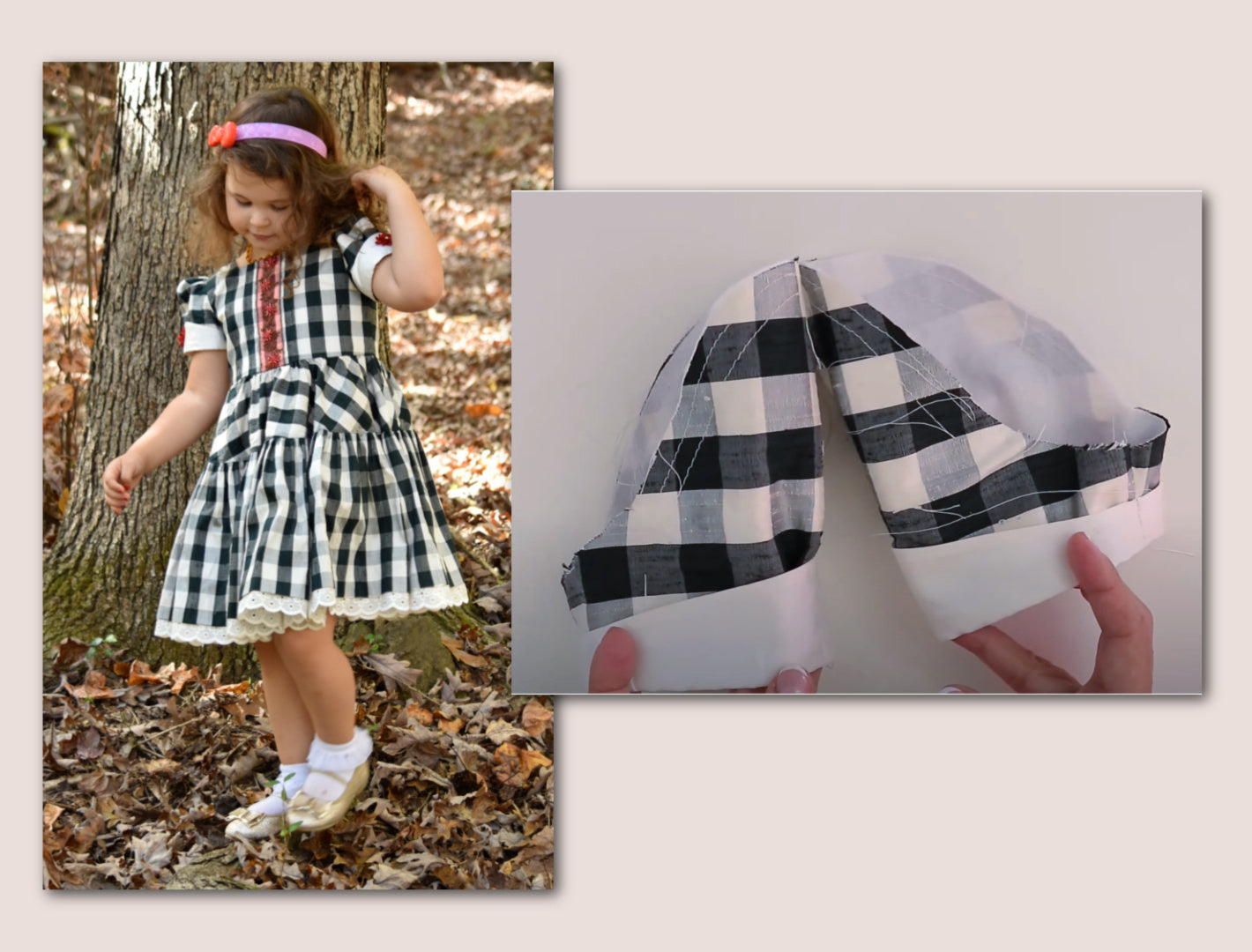
The sleeve turn-up is cut four times for structure and finish.

You can use interfacing or interlining depending on fabric thickness. For duchess satin, I would cut only two shell and two lining pieces instead.

Sleeve Finishing Options

You have several finishing options:

  • Turn-up sleeve
  • Bias binding finish (delicate and light)
  • Piping detail (more decorative)

Bias binding is especially nice for a soft finish and is demonstrated in the academy.

Kuma Bunt (Sash)

The cummerbund has three main pieces and requires interlining for structure.

Mark pleats clearly on both sides before sewing.

The interlining should be firm cotton to support the shape.

Tie Length

Always make the ties long.

Recommended lengths:

  • Small children: around 1.2 m
  • Older children (10–12 years): up to 1.4–1.5 m

You can also widen the ties up to around 35 cm (14 inches) for a more dramatic effect.

Long ties that reach or slightly pass the hem always look best.

Final Notes

For academy members, there is also an add-on showing how to do bias binding for sleeves, as well as piping techniques for finishing edges.

These details add a very refined look to the final dress.

There are many options within this pattern, so you can adapt it depending on fabric choice, age, and style preference.

I hope you now understand the pattern and everything you can do with it.

I wish you every success in making your flower girl dress.

Pattern Measurement and Adjustment

Transcript for the video: Flower Dress - How to Alter the Pattern

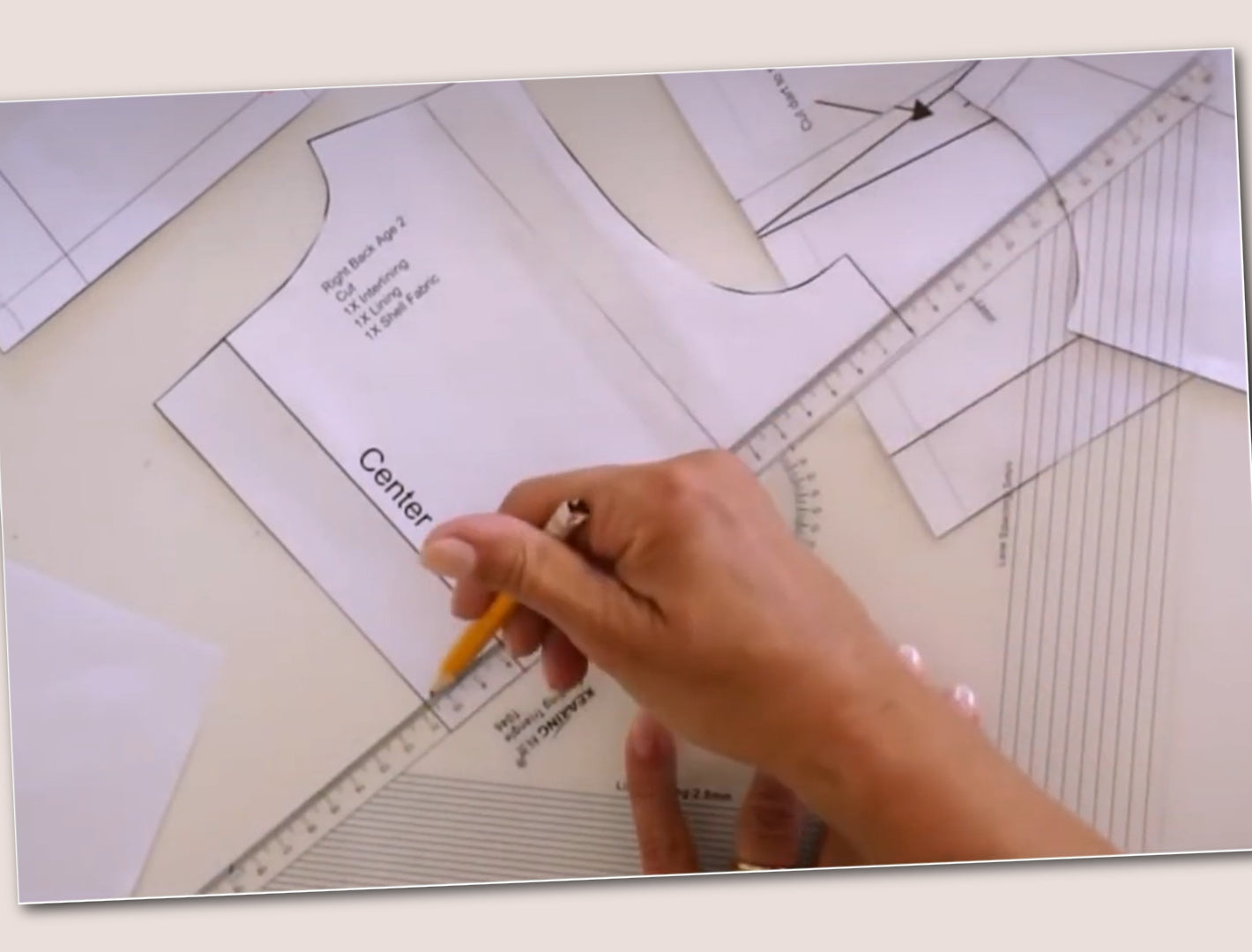
Which I might be doing here because I'm making it for an actual wedding. I need to draw out all my seam allowances first so that I do it the right way. This is the front piece here. If you have the largest size, that might come into parts of course and will need to be assembled. So measure that and then you take note in inches or centimeters how much it is.

So I’ve got 5.4 inches and then that’s 13.25 centimeters. I take note of that and because we have got two sides to our body we need to do that twice of course to get the right measurements. So we’ve got 10.8 inches and 27 centimeters.

Back Piece Measurements

Now I repeat the same on the back. I draw around where I have my seam allowances and then I can measure across first just to the dart. Lift it over, there’s five, and then we’ve got 13 here.

In inches we can do the same here, that’s five inches and I need to do exactly the same. Now I need to times two that so that gives me an idea of how big the pattern is actually. Of course you do know that when you look at the chart, but it’s a good thing to always measure through just to make sure for yourself and that you understand the system.

So that’s 20.8 inches and that is 53 centimeters. So that’s the actual measurements.

Adjusting for Child Measurements

Now when you have got a little child in it and you might have to adjust it, first draw these lines across underneath the bust and then through the center. Here I’m leaving it and I’m going a little bit over to the side because I don’t want to get in the way of the dart.

I’ve made a cross on the back here so I can draw my division lines in here as well. Along those division lines I will then alter the pattern.

So I have got my 20.8 inches and the actual measurement of my child is 18.5 inches. But you should always have some ease because otherwise it would be too tight. So you need to add one or one and a half inches to it and that gets you to 19, 19.5 or 20 inches. That is how big you want to make the dress, one and a half inches bigger just so it’s all good.

So I minus that and I come to 1.3 inches there. Now I have to divide that by four because I’ve got four sides, two fronts and two backs.

Adjusting the Pattern Width

Along those division lines, the central one, I’m going to mark how much I need to make it smaller. In my case it is a really small amount but whatever your amount is, you could also make it bigger across that line.

Then I just sellotape that back together. You never take it off just off the side seam, that does not work. It’s going to make it all look very strange.

So that’s my front done, that’s my width done. I still have the length to do but let’s do the width first.

Now I take the other back and I cut that open as well and I have to do exactly the same of course. I have to mark on there the amount that I’m taking off. So I move that over, place it on top, sellotape it, and job done.

Then I have to do the other side of course as well. So cut that apart, mark it out again, place it on top and you’re done.

Adjusting the Length

Now I’ve got all three pieces. I measure also the length and the bride has given me the length of eight inches here. So I can see mine is a little bit too long of course, I’ve got an extra centimeter there as well.

The distance between that and the hem is what I need to take off. In my case that is two centimeters. We never take it out the waistline, we always take it out of the middle.

So I’m going to mark a centimeter on either side, it could be a quarter inch but that’s what I have to take off. Then I’m going to overlap them and sellotape that together and then I have got the right length.

Let’s just make sure that it overlaps my trusted glass, it was so hot when I was filming this.

The back on the other side I don’t have to measure anything. I’m just turning it over and then placing it onto the other one and then I see where I have to go. So just place that on really neatly and then you can sellotape that again.

Of course in an ideal situation you don’t have to do anything to the pattern but sometimes the child could be much bigger in the waist but not the height, so you need to adjust it or much smaller like this one. You’ve got to get it right and you can always measure again to make sure.

Adjusting the Skirt

Now I’m going to go on to my skirt. I take off the seam allowance, I take off the hem, fold up my seam allowance, and now I can measure from the shoulder point all the way down and see if it fits.

Mine is still too long. I have got a measurement of 23 and I’ve got about 25 in length, so I need to take two inches off which is like five centimeters, two and a half on either side, and then I overlap it.

See, that’s quite a lot I’m taking off here but you have to do this in order to get it right. You can make it longer, you can make it wider, you can really play around with it, but this is for a special bride with a Wizard of Oz wedding and I wanted to do it really well for her, so none of the box standard would have done.

So I put a little bit of paper underneath there so I can now even out the skirt. Just cut that bit off and you’ve got the skirt done as well.

And again now I’m doing the same again. I put my front top up and I’m checking is it her requested 23 inches and it is. It’s actually 22 but I have a petticoat underneath it which peeps out.

Final Adjustment: Cummerbund

The last thing I have to do is to adjust my cummerbund. There’s a separate video on the pattern of the cummerbund and how you put that together.

So I mark on there where it ends and I trim my cummerbund pattern as well to make sure that it fits on afterwards. Just a little bit of a snip off and I’m ready to do my flower girl dress.

Thank you for watching and I’ll see you next time. Bye.

Working the Skirt and Lining

Transcript for the video: Flower Dress - Skirt and Lining

Now we’re going to work the skirt and the skirt lining.

First you have to decide whether you want to overlock the edges first and then close the seam and iron the seams apart, or whether you want to close the side seams first and then overlock or finish the edges together. This really depends on how heavy the fabric is that you’re using.

Very often, especially if you use dupion silk from China, it is much lighter than, for example, dupion silk from India. In that case, it makes much more sense to first close the side seams and then overlock or finish off the edges together.

That’s really all the decision-making you have to do at this stage.

Sewing and Finishing the Skirt

In my example here, I overlocked the sides and then closed the center back up to the point that is marked on your pattern piece, where it says “sew up to this point.” This leaves an opening that you need to get in and out of the dress.

I am going to mark that here with a pin.

As you can see here on the side seam, even though this is a fairly firm silk, I’ve stuck with the method of sewing them together, overlocking them together, and then ironing the skirt side seams to the back and the lining side seams to the front so it is nice and flat.

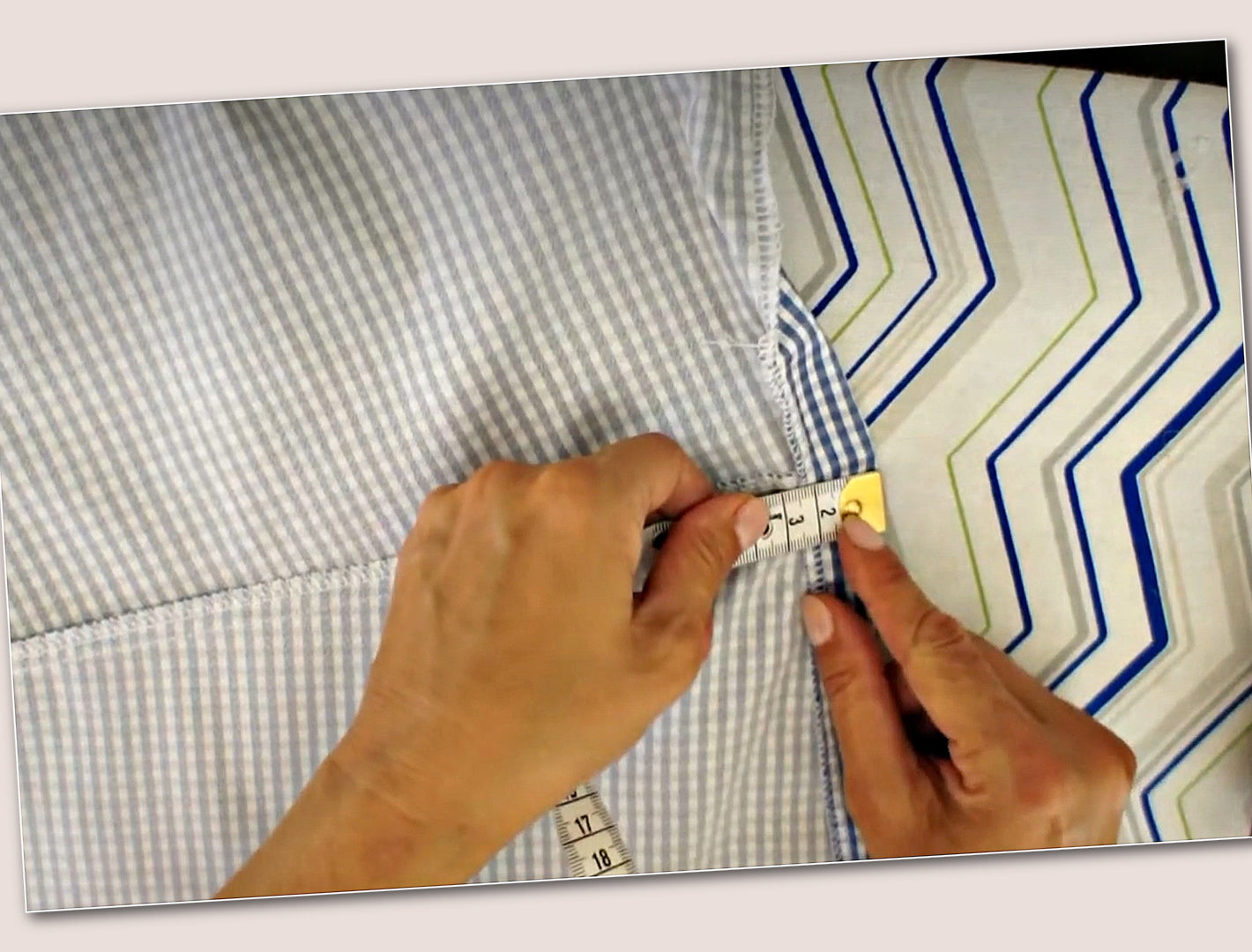
Seam allowance is one centimeter as always.

You can see here how this iron-on facing is already there. I am not a great fan of this because it does make it stiff. On the other hand, it does not crinkle as much and you don’t need to put any other fabric underneath it to give it body. So I am a bit undecided. Definitely something to check out when you are making a dress like that.

Here I am now sewing together the center back only to the point that I have marked where we leave the opening.

Then you overlock the side seams and iron them towards the center back. The center back is then ironed apart.

Hem and Hand Stitching

Then overlock the hem and turn it up 2.5 centimeters. Iron this first, then pin it, and we are going to hand stitch it all the way around.

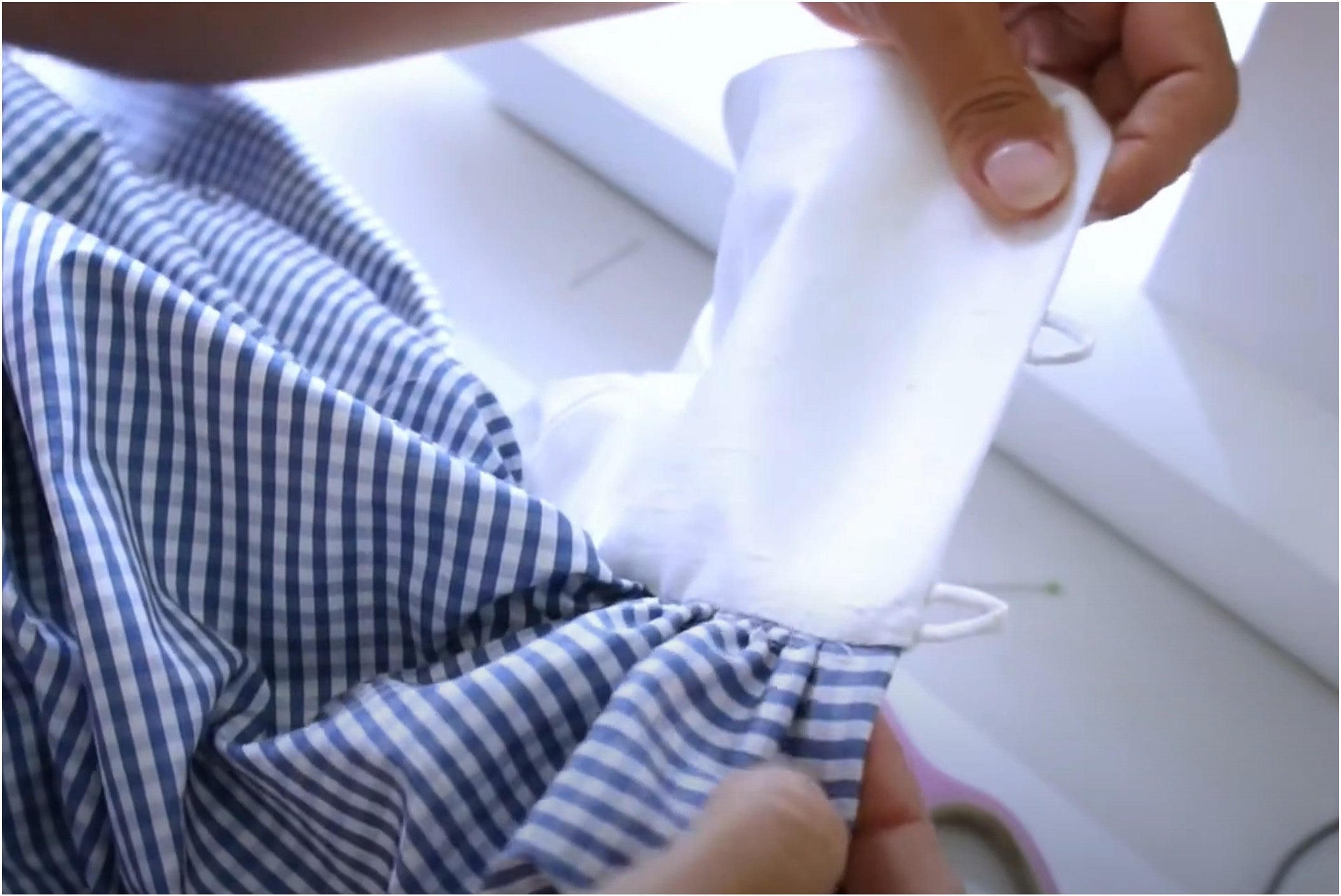
Here is how to do the hand stitching: you fold over your hem, thread up a needle, put a knot in the end, secure the thread, and then you pick up a tiny bit of your skirt and a little bit more of your hem.

Then you keep pulling it so that you see nothing from the outside. You continue this all the way around.

Lining Construction

The lining is worked exactly like the skirt, but you have to be careful at the top where we have a dotted line. There we need to trim the top because it needs to be a little shorter.

The hem can just be turned up and worked as usual.

If you want to add a little bit of lace to the hem, then you have to trim it at the dotted line again. This is the same line you would use if you are using a hem trim.

Just make sure that the underskirt shows as little or as much of the lace as you want. If you look here, we’ve got three centimeters for the hem. So if you cut there and the lace is four centimeters long, you would hardly see it.

So you just need to pay attention when trimming along this dotted line.

Construction Differences for Light Fabrics

One thing that is a little different to what I would normally advise is due to the fact that my lining was a very light fabric.

What I did here was also close the center back first, then overlock either side. Because it is so light, I could just iron it over to one side and it was no issue at all.

Adding Gathered Lace

If you want to add lace to your skirt, let me show you how that works.

Now I am going to use this fantastic gather foot. You need to take your presser foot off the machine and attach the gather foot.

My gather foot did this beautifully, then broke when I was doing the petticoat, and I actually had to do everything by hand with the overlocker. So I will definitely get another one of these.

As you will see, it is extremely easy.

You place the eyelet lace with the wrong side facing down onto the right side of the skirt. You can adjust with a small screw how much you want to gather.

I usually get a lot of lace, so I buy extra to be safe.

Then you let the lace run through and it gathers it while sewing it onto the skirt at the same time. It is very efficient.

Finishing the Hem Detail

After that you overlock the edge and you get a very clean finish. It is much nicer than just turning it under.

Now you can see the wrong side of the skirt and the right side of the lace going down.

Because I don’t want even this to show, I am adding a ribbon over it. So when she lifts the skirt, you can see the ribbon as well, which is lovely.

These little touches really make a dress, although they do take extra time. You could also just topstitch it down and it would still look nice.

Final Pressing and Petticoat Note

I am just putting bias binding over my stitching line and stitching close to the edge. The ends are tucked in.

Then you go over it again. It is simple, but it does take time.

Give it a really good press with steam to set the gathers properly.

There is another video showing how to make the net petticoat. The petticoat has magically appeared on my skirt, and I tell you, that petticoat was a labor of love as well.

Make sure that whatever you do, you have the petticoat on before you sew the skirts together because it is very difficult to add afterwards due to the amount of fabric.

So if you want to make the petticoat, do that now before moving on to the next step, which is joining the two skirts together at the center back.

See you there. Thank you.

Transcript for the video: Flower Girl Dress - Adding Lace to the Hem

In this chapter, I’m going to show you how to put lace on a skirt so that it looks as if the lace is attached to a petticoat and peeps out. You’ll get a slight over- or underlap here, so the edge of your hem hangs loosely over the lace. That looks much better than simply attaching the lace directly to the hem.

We already did a version of this with the lining. Here, we’re going to attach it to the edge, then turn it up, pin it, and hand stitch it. We’re using a slip stitch for this.

Sewing the Lace to the Skirt

The first step is to go to your sewing machine. With the right sides facing each other, sew the lace to the hem edge.

You’ll notice I’ve already overlocked both the lace and the skirt. That’s because this was an afterthought for this method. Ideally, you should overlock first, then attach the lace, and then move on.

Next, we turn up the hem. In my case, it is 3 cm. Yours may be different, depending on how much lace you want to show.

At this point, go to your ironing board and press everything neatly into place. You can adjust the skirt up or down until the lace shows exactly how you want it to.

What you end up with is a soft overlap from the hem, so you cannot clearly see how the lace is attached. It looks as if it is floating underneath, which gives a much nicer finish.

Adjusting and Pressing

I had already ironed in my 3 cm hem allowance because I originally planned not to use lace, then changed my mind.

If you have not done that yet, you can do it now.

Pin the hem where it needs to sit. When working with a skirt like this, especially with a lot of lace, things can stretch or shift slightly. That’s why it’s important to adjust everything now on the ironing board rather than forcing it into place while sewing.

Press everything carefully until it sits perfectly all the way around.

Slip Stitching the Hem

Now we attach the hem using a slip stitch.

Fold the hem up along the seam allowance. Then stitch the folded edge to the hem allowance.

Keep your thread loose. You can tack it occasionally to make sure it doesn’t tighten too much. If you sew it too tightly, the stitches may show from the outside.

You only need to pick up a few fibers from the skirt and a bit from the hem allowance each time. That’s enough to secure it cleanly.

It is a very simple technique, but it gives a very clean and professional finish.

Finished Look

We’ve already seen one example from a wedding with a Wizard of Oz theme, where the lace was also added under the lining. It created a very soft, layered effect and the dress really benefited from a petticoat underneath.

In that case, the goal was to make the flower girl dress as cute and full as possible for the wedding.

If you want to add lace like this, you now know exactly how to do it. It’s a small detail, but it makes a big difference in the final look.

Final Note

For those watching this on YouTube, there is a full course on the website that goes through the entire flower girl dress process step by step. Everything is linked in the description.

I hope this helps with your own wedding sewing projects, or if you’re passing it on to someone who is making a flower girl dress for you.

Joining the Center Backs

Transcript for the video: Flower Girl Dress - Adding Lining to the Center Back Skirt

The next step is to join the center backs.

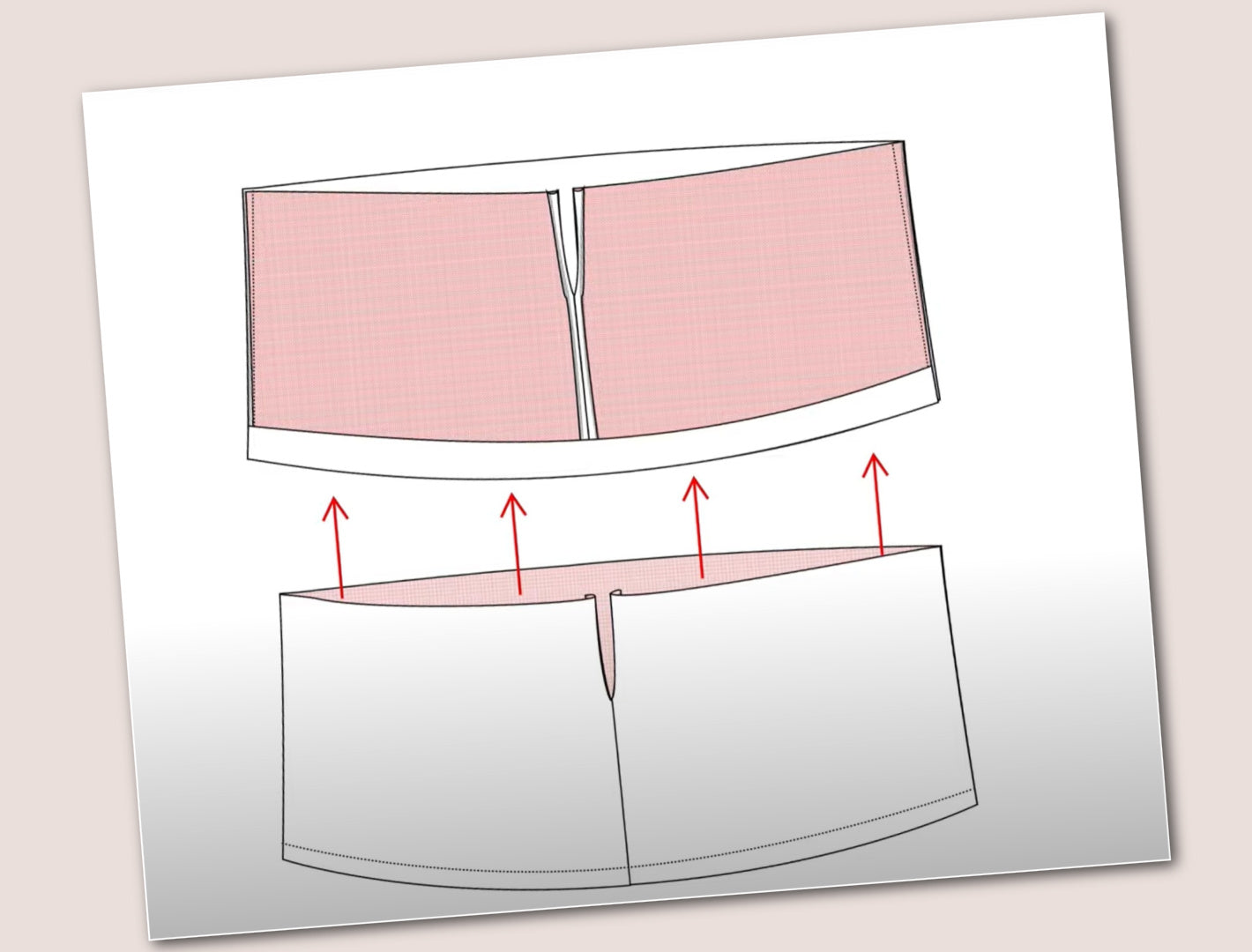
Take the skirts and place them with the right sides facing each other. You want to put your skirt inside the underskirt so that the right sides are together.

Then pin the seam allowances together from the point where you have left the opening. This will create a very neat finish at the center back opening.

Sewing the Back Opening

Now we are going to place the opening of both skirts together, right sides facing, and sew them from the opening down to the end.

Keep everything flat and sew along carefully. You can pin one side first and sew it, because sometimes pins get in the way. Then repeat on the other side.

Sew with a one centimeter seam allowance.

Make sure everything stays flat underneath, because it is very easy to catch extra fabric at the bottom. If needed, you can stop slightly higher to avoid catching anything.

On my example, I caught a bit of fabric, so I had to open it and correct it. That is why it did not go all the way down smoothly.

Repeat the same process on the other side, making sure everything is flat, and sew back up neatly so the finish is clean and precise.

Understitching the Seam

Next, we are going to understitch.

This means the seam allowance is stitched down onto the lining side. Fold the seam allowance toward the lining, then stitch close to the edge.

Do this on both sides. This gives a very clean finish and helps the seam sit nicely inside.

It really makes the skirt look very professional and smooth.

Preparing the Waistline

Next, we pin the top of the skirt together.

At this stage, you can also check the length. If it is not quite right, adjust it slightly so it sits properly before moving on.

Now we add gather threads. Set your sewing machine to the longest stitch length and sew along the top edge.

You may notice that the lining appears slightly larger in places. Do not worry about this. We will gather it anyway, and it will all be adjusted evenly.

Sometimes fabric behaves differently, so it is better to ease it in with gathers or small pleats rather than forcing it.

Then sew a second row of stitching just next to the first, keeping your presser foot aligned with the initial line.

Making the Bodice

Transcript for the video: Flower Girl Dress - Preparing the Bodice

Now we are going to make the bodice.

You have your silk, your interlining, and your lining. In my case, the interlining is already interfaced, so I do not need this step. Normally, you would take the wrong side of your fabric and place the interlining on top, then treat both layers as one piece to give the bodice structure.

You can pin around the armholes and edges to keep everything in place so it does not shift while you work.

In my case, I can skip this because it is already interfaced.

Darts

Next, we work the darts.

Where you have snipped and marked the dart on your pattern, place a pin at the lower point. Then fold the fabric up so it lies straight. You can see the alignment here.

The dart ends about one centimeter below the armhole. Pin it in place.

Now open up the lining. Because there is a left and right side, it is easy to mix them up, so always double check before sewing.

Place right sides together and pin the dart carefully.

I have done this many times where I went into autopilot and had to unpick the dart on the lining, so it is worth taking your time here.

You want a slim dart that tapers neatly to the top. You can slightly curve it inward if needed.

If the dart has a little point at the top, it usually means it is not slim enough. The goal is for the dart to disappear completely into the fabric.

Pressing the Darts

Now press the darts into shape.

On the lining, press the dart towards the side seam. On the dupion silk, press the dart towards the center.

This helps everything lie flat and gives a much cleaner finish.

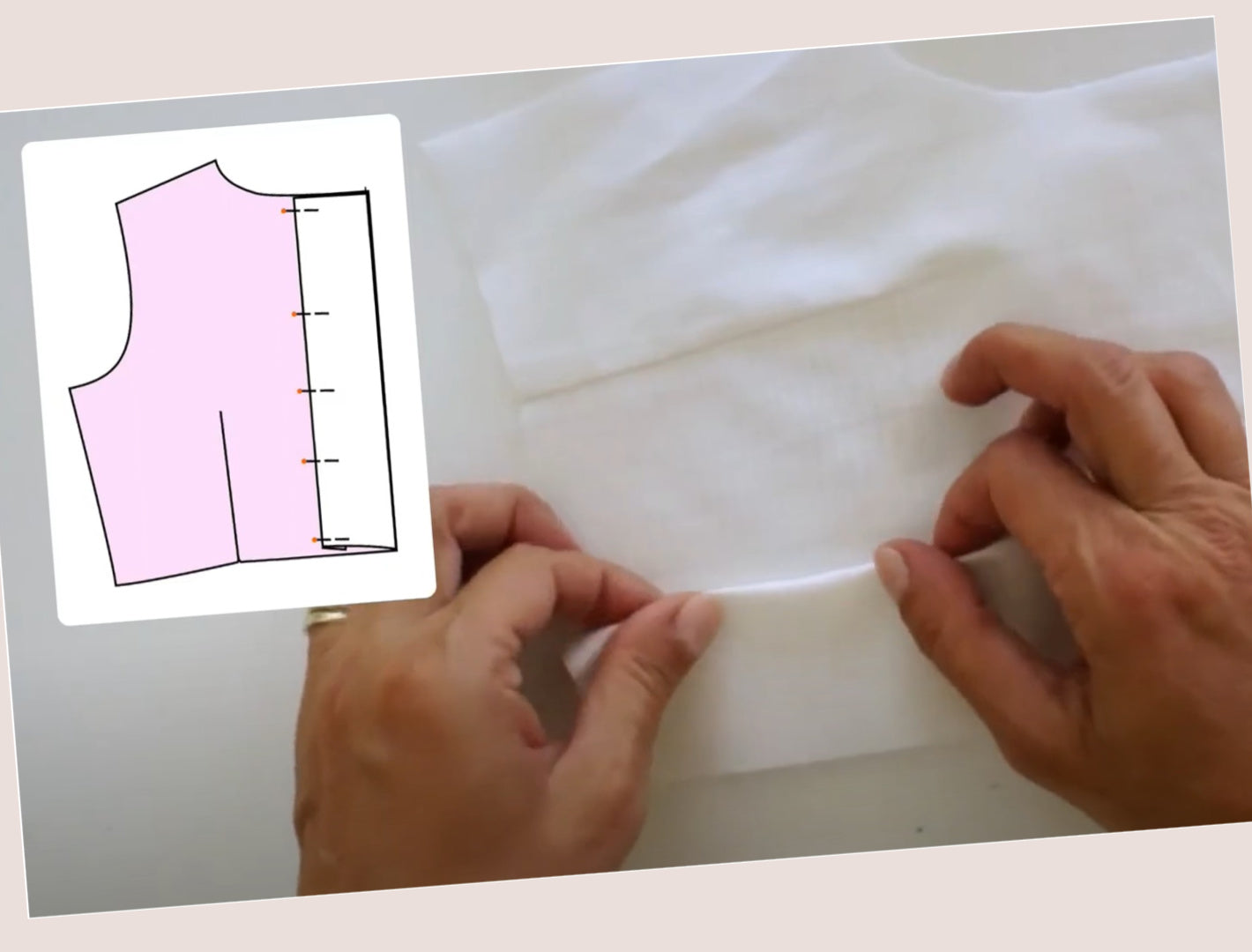
Facing the Edges

Next, we add the facing.

Fold in the edge and stitch it down close to the edge. This adds stability to the inside of the bodice, especially where the buttons will be placed.

If you are using a label, like I am here, you can attach it at this stage. In my case it is my Frocks and Frolics label. I still use them, even though I no longer sell commercially.

Attaching the Ruled Loops

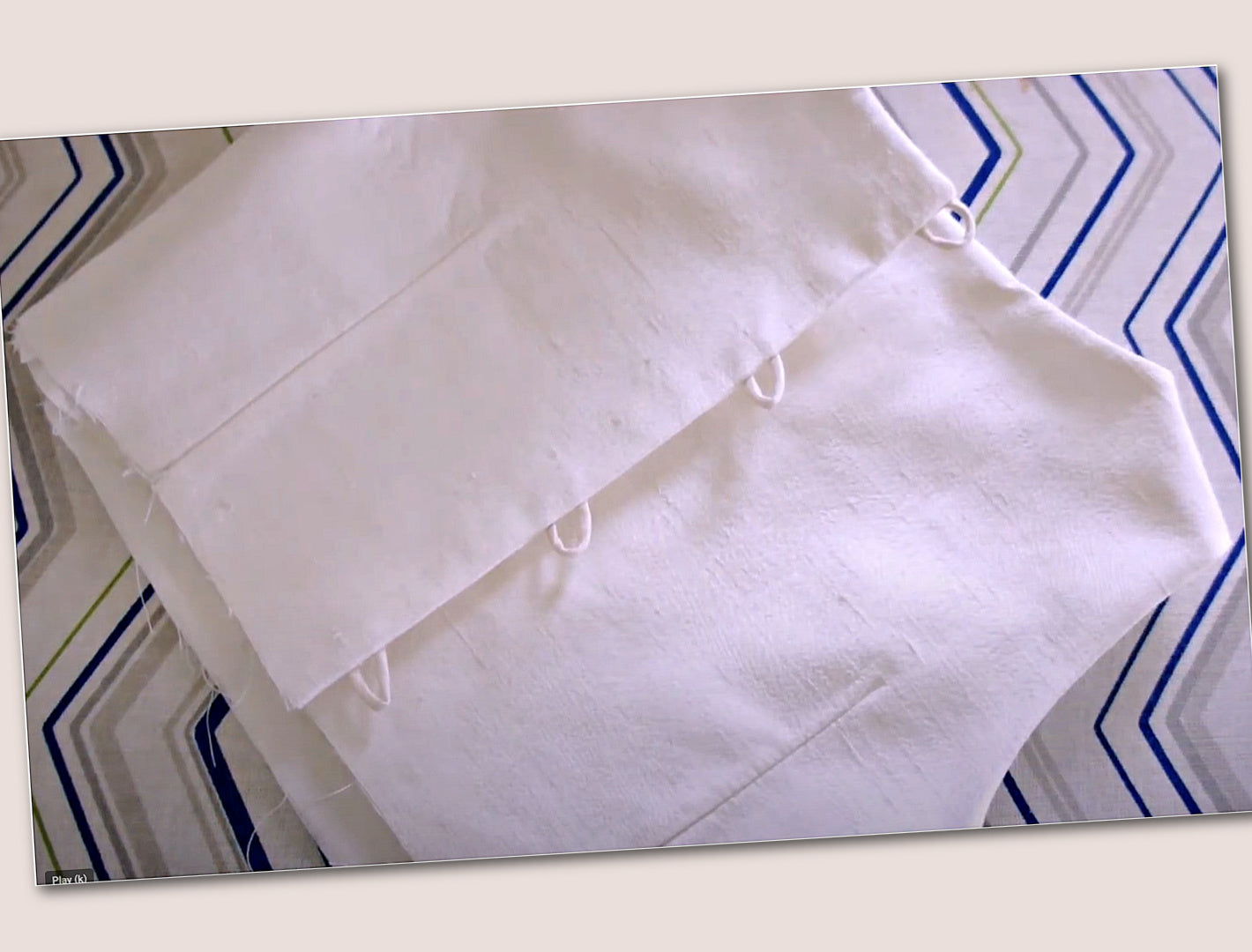
Now we attach the ruler loops.

We are only using the top and bottom loops in this example because I adjusted the measurements slightly.

Make sure the seam is facing upward when you pin them on. This ensures that when they are folded over, the seam will not be visible.

If you are unsure how to make ruler loops, you can refer to the separate video on that technique.

Now divide the spacing into three and place your ruler loops evenly along the marking.

Pin them in place.

Sewing the Loops

When sewing the loops, make sure they are secured very well. The worst thing is for a loop to come loose later.

Use a small stitch length and sew back and forth over each loop several times so they are firmly anchored.

This prevents them from slipping out over time.

Final Result

When you fold everything over, none of the seams show and the finish is very clean.

It is not difficult, but it does take a bit of practice to get it neat and even.

DAS KÖNNTE DIR AUCH GEFALLEN

Blumenmädchen

SHOP NOW

Isabella

SHOP NOW

Prinzesinnen Kleid

SHOP NOW

Vivienne

SHOP NOW

Vivienne

SHOP NOW